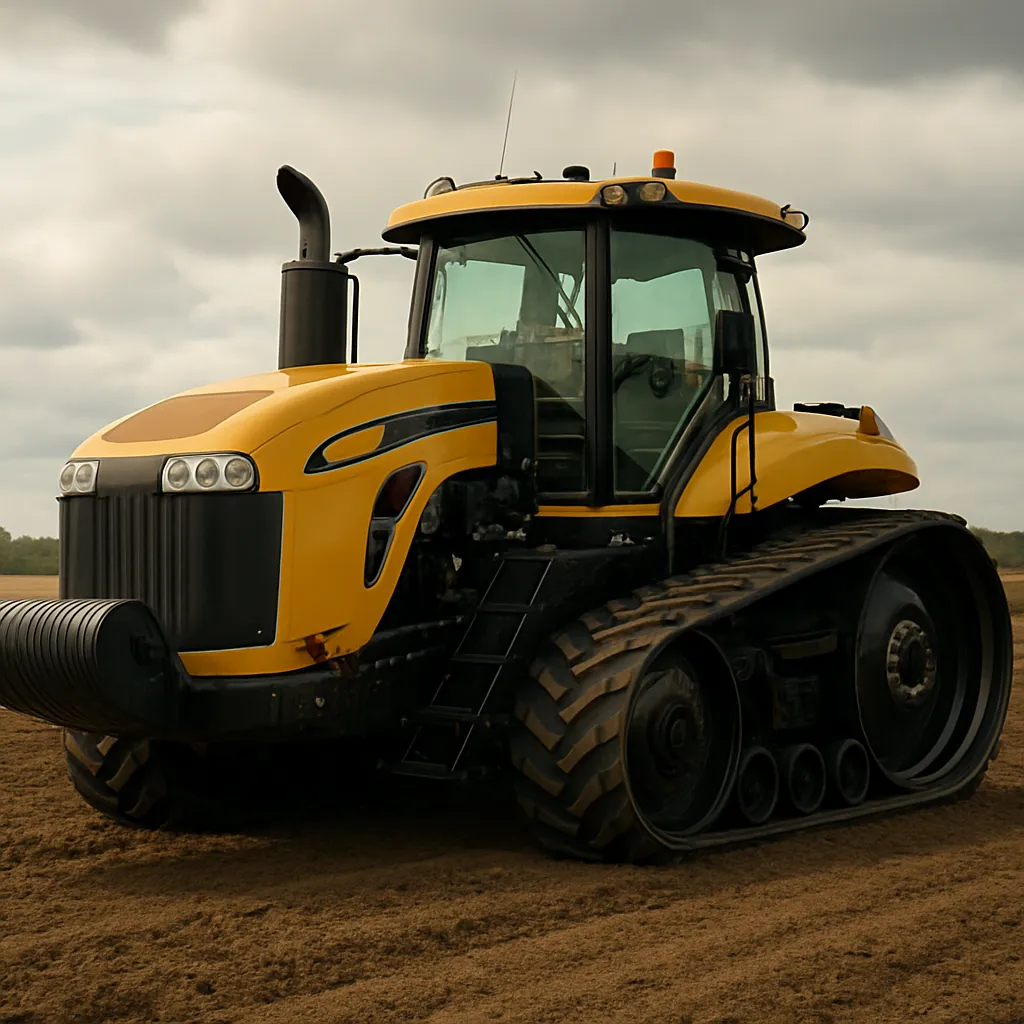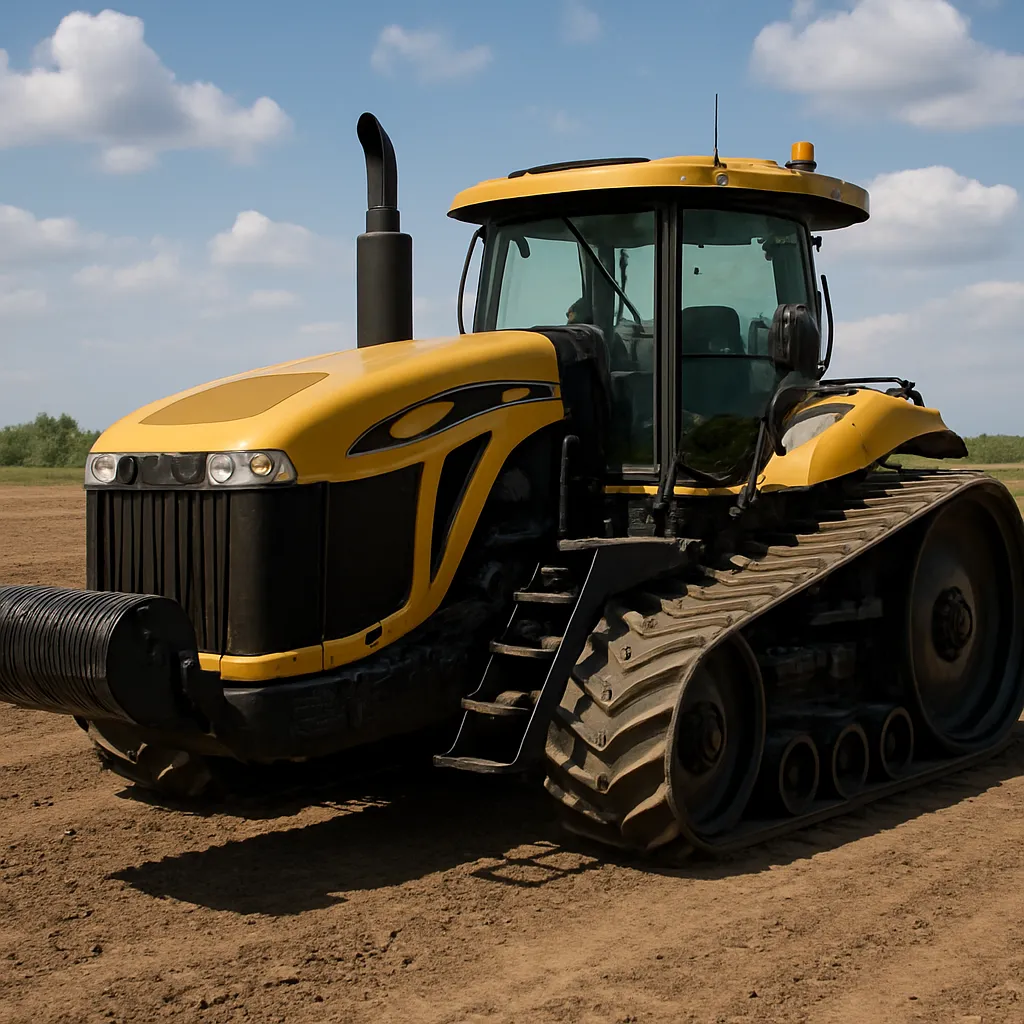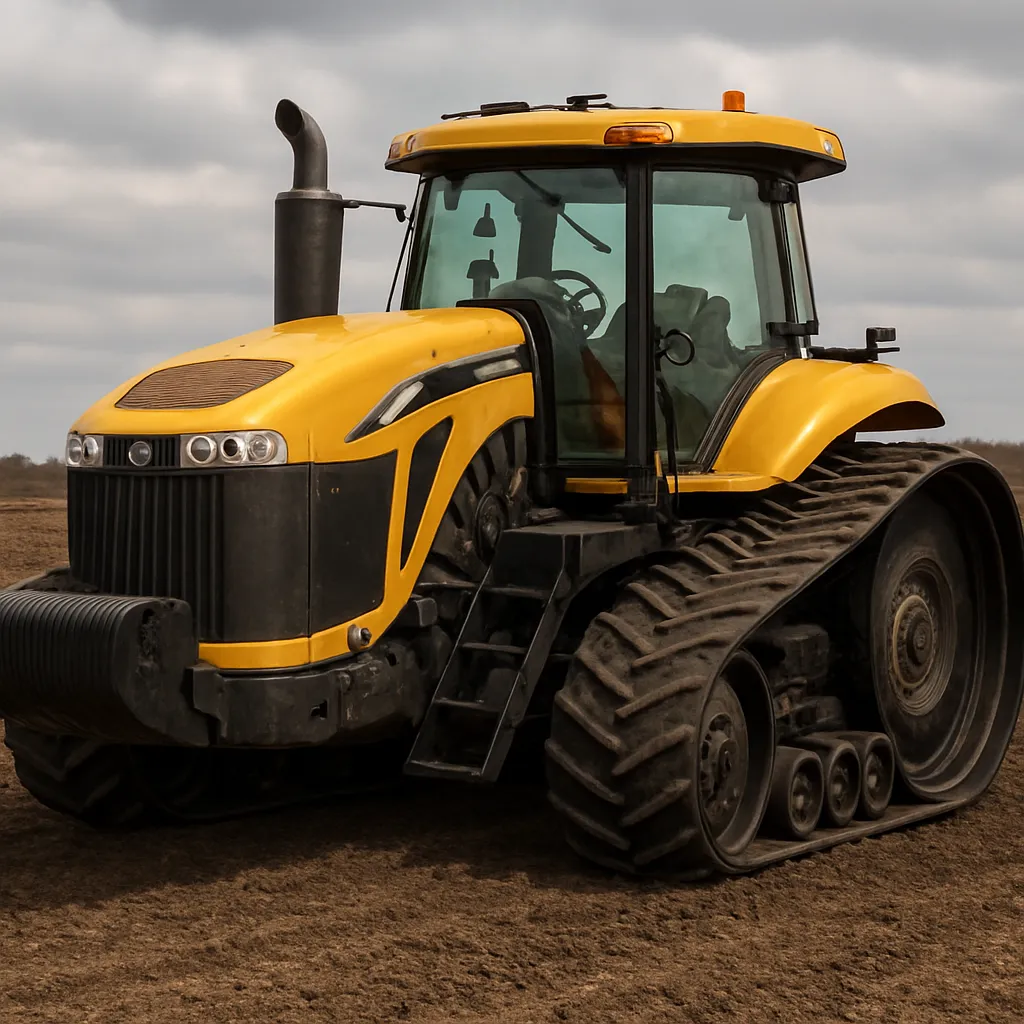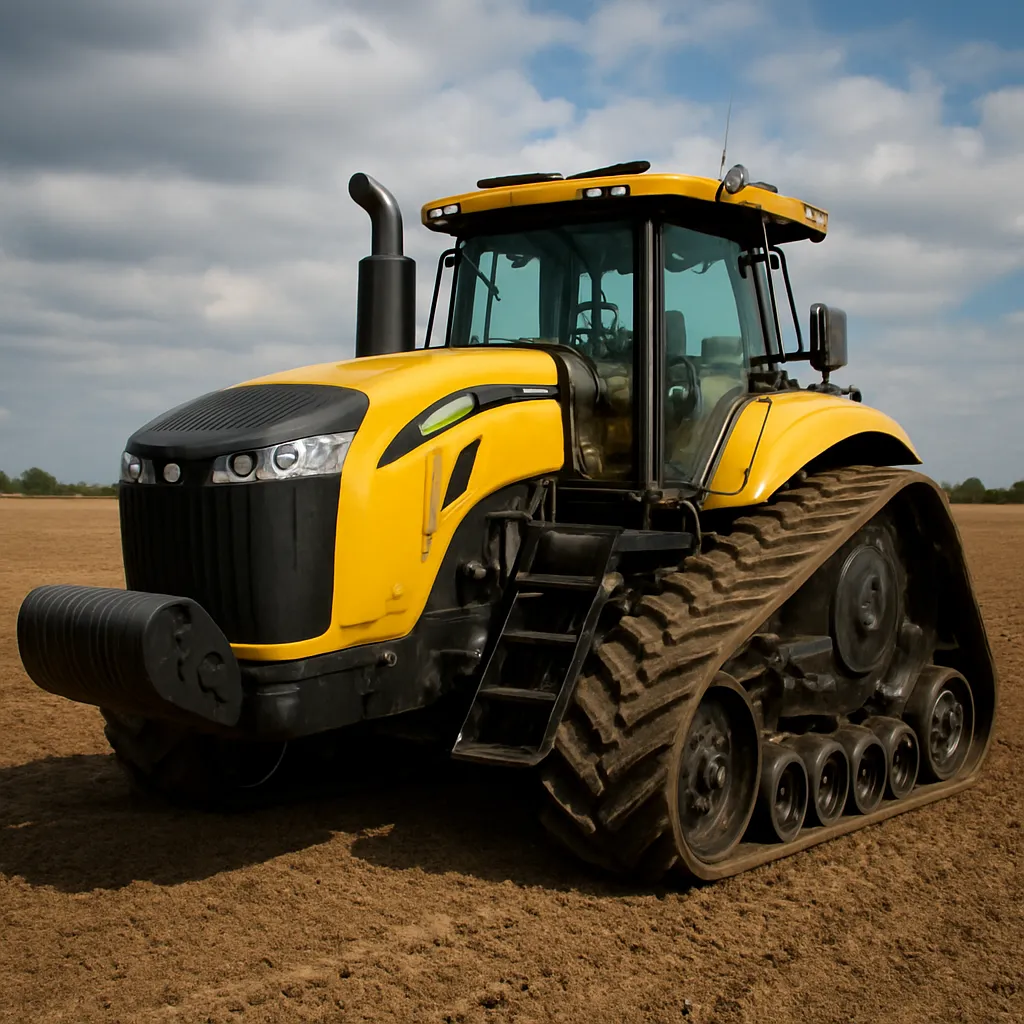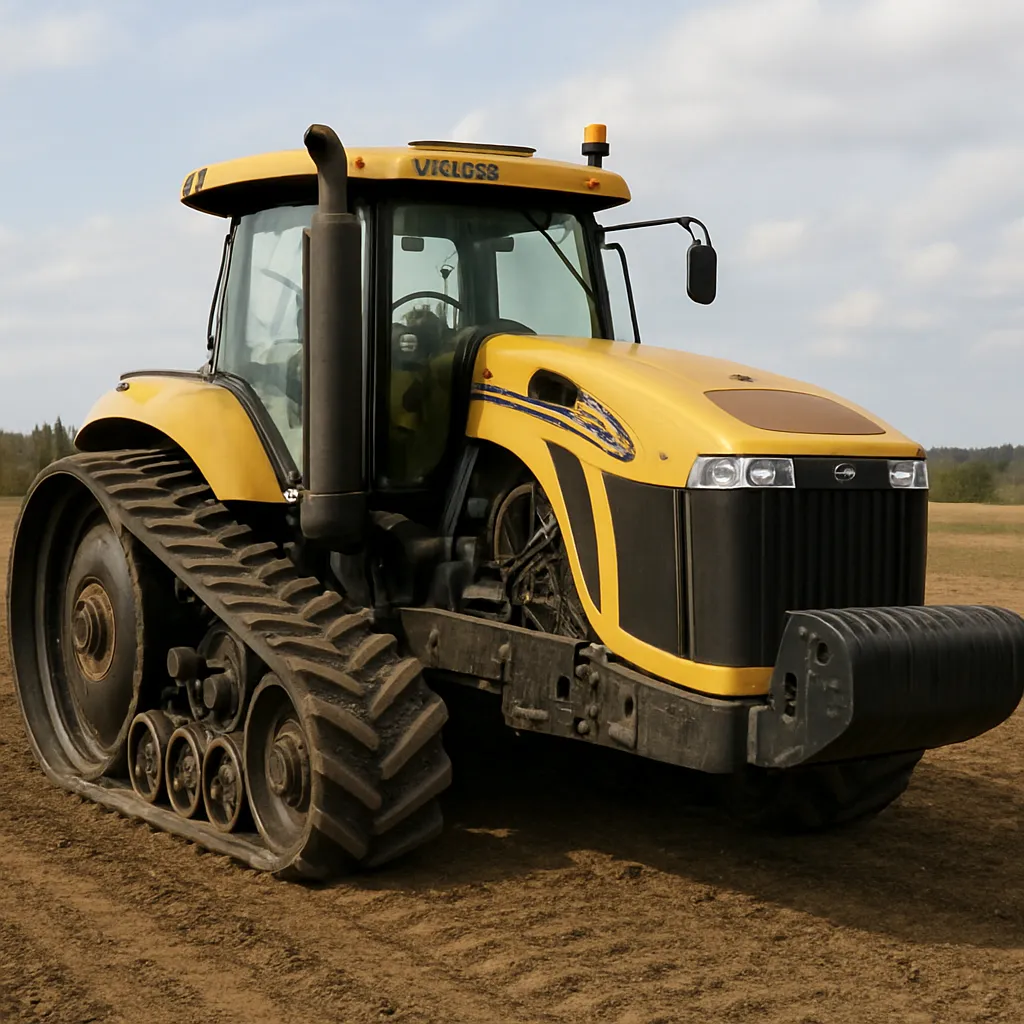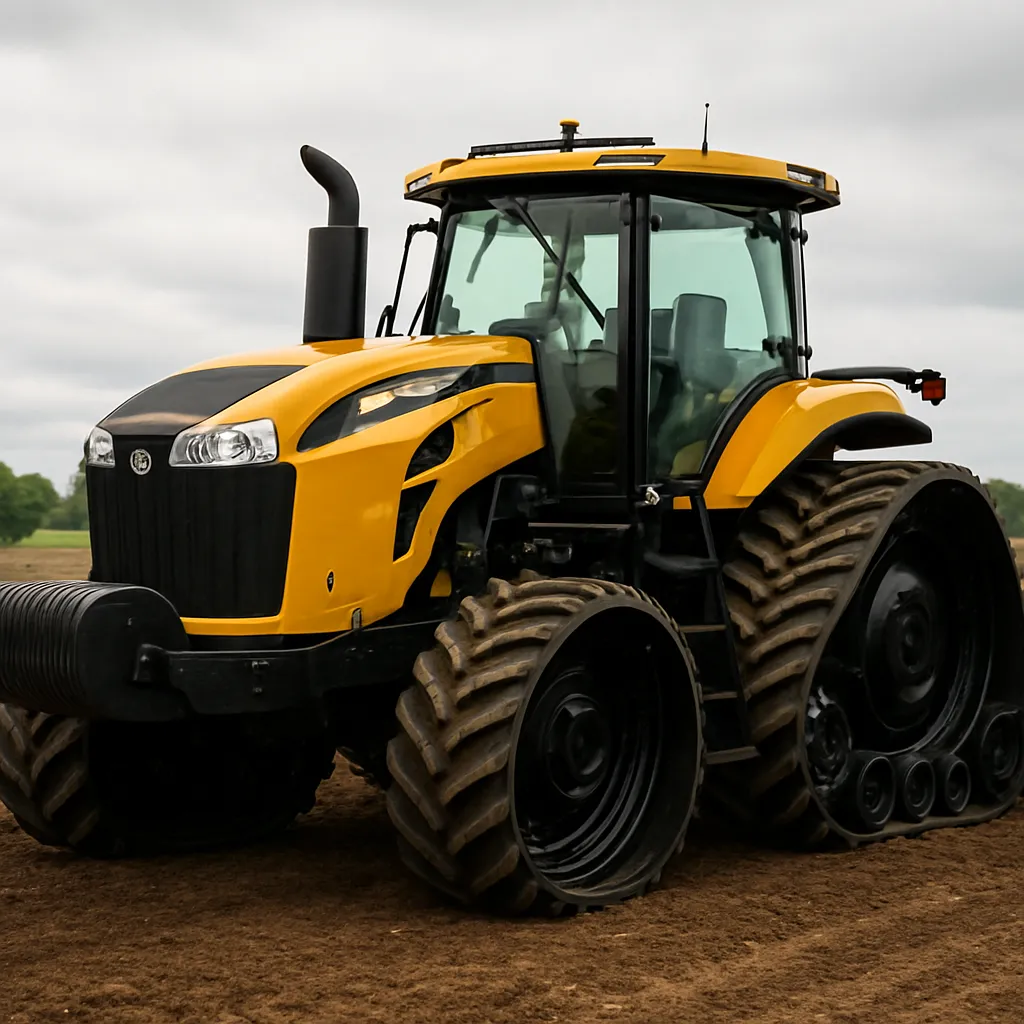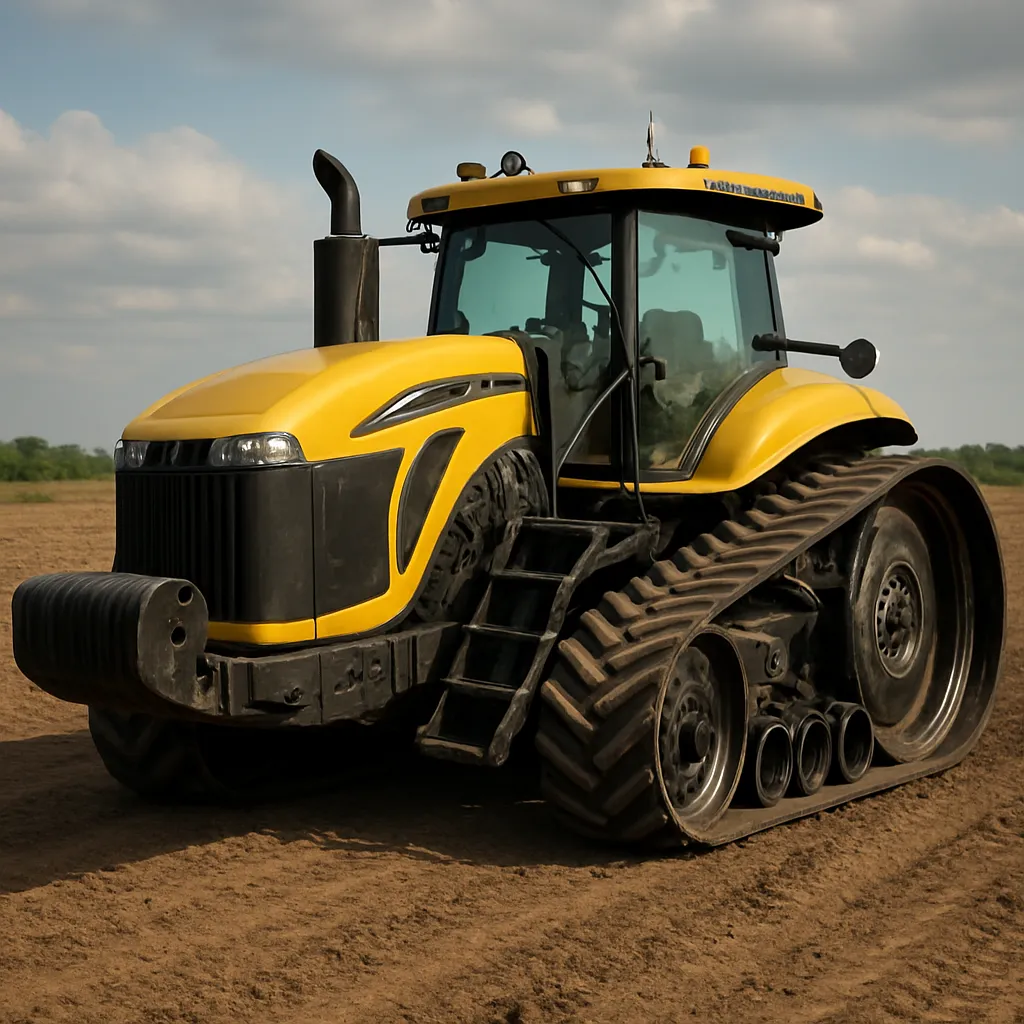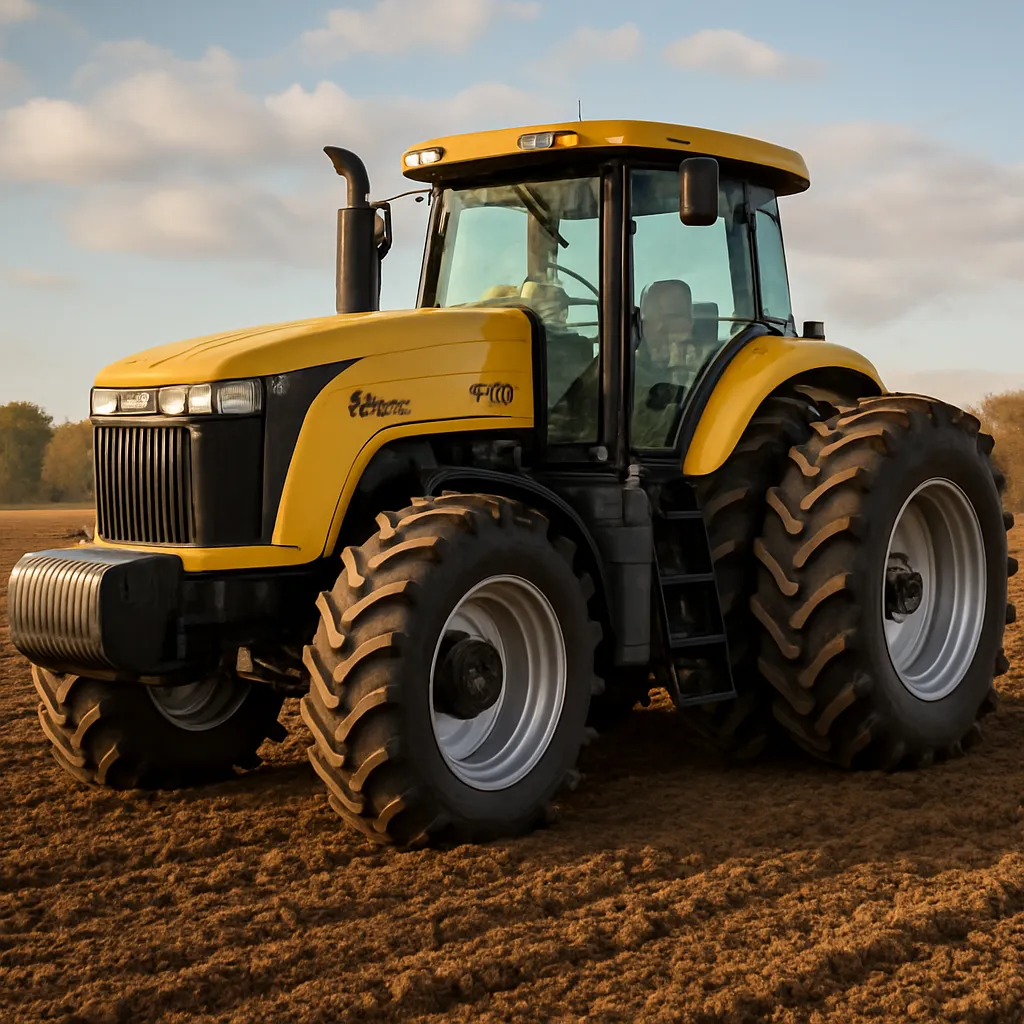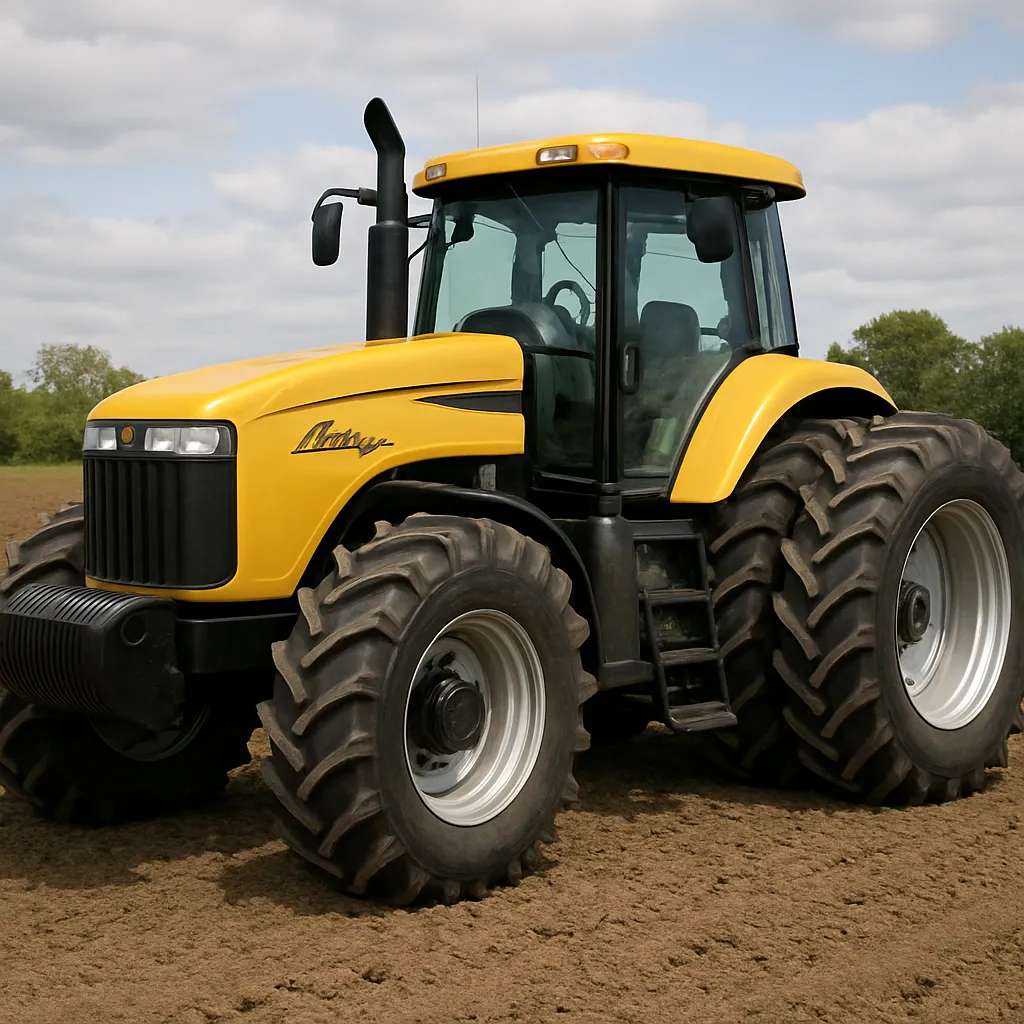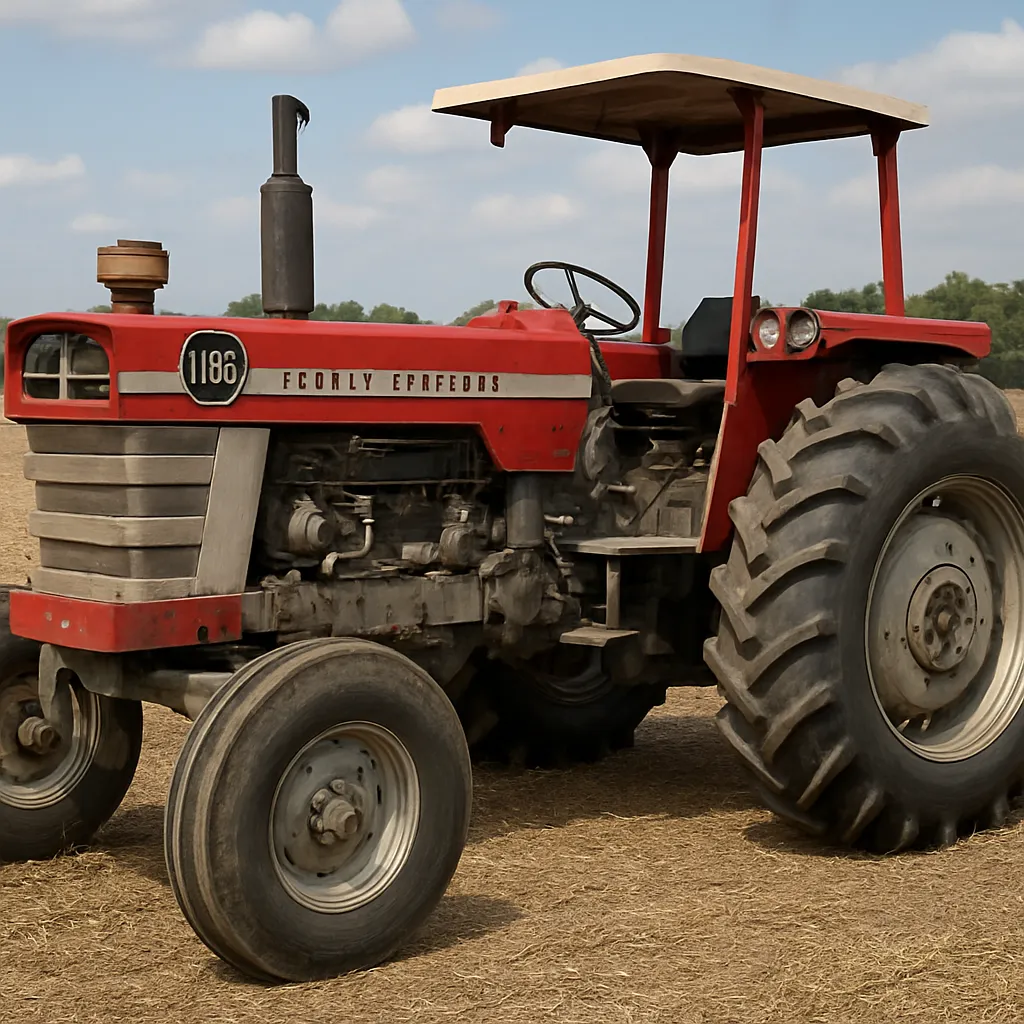
The Massey Ferguson 1150 is a practical and well-regarded compact/utility model that has served farmers, contractors and smallholders in a variety of roles. In this article we explore the machine’s design, typical specifications, real-world applications, maintenance considerations and the reasons why it remains a popular choice on second‑hand markets. We also cover common attachments, performance expectations and ownership costs to help prospective buyers, owners and enthusiasts better understand what the 1150 offers.
Design and technical overview
The Massey Ferguson 1150 was developed with simplicity and robustness in mind. Its architecture emphasizes straightforward mechanical systems that are accessible for routine service and repair. The 1150 is often fitted with a diesel engine, mechanical injection or indirect injection depending on production year and market, and a durable chassis designed to accept a range of implements.
Engine and powertrain
Common configurations for the 1150 include three‑cylinder diesel units with naturally aspirated designs, mated to a synchromesh or gearbox with multiple forward and reverse speeds. The emphasis is on tractable torque at low engine speeds rather than high top speed. Typical power figures quoted for this class of machine are in the range of 45–60 horsepower (HP) at the flywheel, with PTO power generally slightly lower (often 40–55 HP) depending on the engine and drivetrain parasitics. These numbers vary by production year, regional variants and optional equipment.
Transmission choices historically included 8×2, 9×3 or similar manual gearboxes on comparable models, giving a mix of field and road speeds. Torque rise and low‑end torque are engineered to allow steady pulling of mid‑sized implements without heavy slipping.
Dimensions, weight and performance
- Wheelbase and footprint: The 1150 typically falls into the compact/utility segment—wheelbase long enough to provide stability with rear implements yet short enough for maneuverability in smaller fields and farm lanes.
- Operational weight: Ballpark figures for tractors of this category usually range from about 2,000 to 3,000 kg depending on implements, ballast and options. That provides a stable platform for tillage and front‑loader work while allowing transport on country roads.
- Hydraulics: The hydraulic system is designed to support three‑point linkage implements and, in many cases, an optional front loader. Pump flow rates for the 1150 class are generally adequate for single‑function operations (lifting mowers, ploughs) and can be supplemented by auxiliary pumps in higher‑spec versions.
Because model specifications evolved during production and because some markets received slightly different engines or options, the above values should be treated as indicative rather than absolute. Nevertheless, the mechanical simplicity of the 1150 makes many owners report long working lives under routine maintenance.
Primary applications and uses
The Massey Ferguson 1150 is designed to be a multi‑purpose workhorse. Its combination of modest horsepower, comfortable ergonomics and versatile linkage/attachment points makes it suitable for a wide range of tasks across small and medium farms, estate maintenance and light industrial uses.
Agricultural work
- Field tillage: The 1150 handles light to medium ploughing, cultivations, harrowing and seedbed preparation when paired with appropriately sized implements.
- Sowing and planting: With suitable linkage and PTO speed, it is commonly used for seeding and drilling operations on small to medium plots.
- Hay and forage: Mowing, tedding, raking and baling functions are all within the practical remit of the 1150 when matched to implements sized for the tractor’s power band.
- Transport: The tractor commonly pulls trailers for crop, feed and equipment movement across fields and along farm roads.
Livestock and estate maintenance
On livestock farms and estates the 1150 often functions as a multipurpose machine for bedding distribution, feed handling (with front loader), manure spreading and yard cleaning. Its relatively compact size allows access into farmyards and under sheds where larger tractors would be unwieldy.
Construction, municipal and contractor roles
Contractors and small municipal teams deploy the 1150 for tasks such as verge mowing, light grading, snow clearance with front or rear blades, and small‑scale earthmoving when equipped with a bucket or backhoe. Its adaptability and simple hydraulic interfaces facilitate quick changeovers between tasks.
Attachments and implements
An important strength of the 1150 is the wide range of implements that it will accept. The tractor’s three‑point hitch, PTO and hydraulic outputs are compatible with industry‑standard tools, making it a versatile platform for diverse operations.
- Front loader: Ideal for feed handling, material loading, and light earthmoving. A loader turns the 1150 into a farmyard utility machine.
- PTO implements: Mowers, rotary tillers, hay balers and wood chippers are commonly used with this class of tractor.
- Rear implements: Trailed ploughs, cultivators, seed drills, spreaders and trailers are standard fare for crop and soil work.
- Hydraulic tools: Backhoes, post‑hole borers and hydraulic bale spears can be adapted where pump flow and hydraulic stability allow.
Adaptability is enhanced by aftermarket support: many third‑party manufacturers produce linkage arms, quick‑attach couplers and loader kits specifically tailored to older Massey Ferguson models, making retrofitting straightforward for owners who need additional capability.
Maintenance, durability and common issues
Owners often praise the 1150 for its mechanical reliability and the ease with which a competent technician (or skilled farmer) can perform routine service. That said, older tractors require attentive maintenance to remain dependable.
Routine maintenance tasks
- Engine oil and filter changes at manufacturer intervals; monitoring oil quality and consumption is essential for diesel longevity.
- Fuel system care: Regular replacement of fuel filters and periodic inspection of injection pump seals or injectors to avoid performance and starting problems.
- Hydraulic fluid and filter replacement; checking hoses and cylinders for wear and leaks.
- Transmission and final drive oil checks and service as recommended; gearboxes on older machines benefit from periodic fluid changes and inspection for wear.
- Cooling system maintenance: radiator cleaning, coolant replacement and thermostat checks to avoid overheating under load.
- Electrical system: battery care, alternator checks and inspection of starter circuit, especially on cold starts.
Typical long‑term wear items
Like most tractors of its era the most common wear and replacement parts include clutches, hydraulic seals, bearings in linkages and axle joints, as well as bodywork corrosion in wet climates. Fuel injection components may need overhaul after many thousands of hours depending on fuel quality and maintenance history.
Common owner fixes and upgrades
Practical upgrades frequently undertaken by owners include installing modern lighting and work lamps, fitting a simple canopy or cab for operator comfort, upgrading seats and controls, and retrofitting auxiliary hydraulic circuits to power modern implements. Because the 1150’s systems are mechanically simple, these modifications are often both cost‑effective and reversible.
Performance expectations and statistics
Published numeric specifications for the Massey Ferguson 1150 vary by source, region and configuration. To give a realistic expectation while acknowledging variability, typical performance figures observed in field service records and owner reports include:
- Rated engine power: approximately 45–60 horsepower (HP) at rated rpm.
- PTO power: often in the 40–55 HP range, depending on driveline losses.
- Operational weight: commonly around 2,000–3,000 kg with ballast and loader fitted.
- Fuel consumption: field fuel use will vary with task and loading—typical consumption rates for tractors in this class range from roughly 8–18 liters per hour under moderate to heavy work.
- Working life: many well‑maintained examples reach several thousand operating hours; 5,000–10,000 hours is frequently attainable with proper care, and some owners report machines running reliably well beyond that range.
These numbers are indicative and should be verified against a specific serial number or model year if exact figures are required. The general takeaway is that the 1150 sits comfortably in the mid‑range of compact utility tractors for output and fuel economy relative to its contemporaries.
Market, resale and collectibility
On the used market the Massey Ferguson 1150 typically appeals to buyers who value mechanical simplicity, parts availability and a proven track record. Prices vary widely with condition, hours, fitted implements and regional demand.
- Resale value: Well‑maintained units with documented service history and practical attachments (e.g., a loader and backhoe) command higher prices. Barn‑find or cosmetically poor but mechanically sound machines sell for less and are popular with DIY restorers.
- Parts availability: Because Massey Ferguson has long been a global brand and many parts are interchangeable with other models, replacement components tend to be reasonably available via dealers, aftermarket suppliers and salvage yards.
- Collectibility: While not typically a high‑end collectible model, the 1150 is appreciated by enthusiasts of classic agricultural machinery and those restoring working farm tractors for practical use.
Safety and ergonomic considerations
Older tractors such as the 1150 often lack modern electronic safety aids, so operator awareness and prudent use are essential. Key safety points include:
- Roll‑over protection: Ensure ROPS (roll‑over protective structure) is present and used with a seatbelt where the tractor is operated on slopes or for loader work. Many 1150s were fitted either with simple ROPS or optioned with cabs.
- Braking and steering: Regular inspection and maintenance of brakes and steering components is crucial—levers and linkages should be properly adjusted to maintain predictable handling.
- PTO shielding: Maintain and replace protective guards around rotating PTO shafts; never operate a drive shaft without guards.
- Operator comfort: Upgrading seats, controls and adding basic climate protection (cab or weather canopy) improves long‑term usability and reduces fatigue.
Buying and ownership considerations
For prospective buyers, evaluating a specific 1150 requires a careful balance of mechanical condition, service history and intended use. Practical steps before purchase include a visual inspection, test drive under load, and a review of maintenance records.
Checklist for prospective buyers
- Operational test: Run the engine to operating temperature and test the transmission, PTO and hydraulics under load where possible.
- Hour meter: Note the number of hours and cross‑check with service history—hours alone are not definitive, but rapid maintenance with low hours is a positive sign.
- Leaks and corrosion: Check for oil, coolant and hydraulic leaks; inspect the chassis and frame for structural corrosion.
- Clutch and gearbox: Listen for unusual noises and test for smooth gear engagement without grinding or excessive slipping.
- Attachments and extras: Confirm the condition of included implements and check compatibility if you intend to add tools later.
Ownership expenses include routine maintenance, fuel, occasional parts replacement and any desired upgrades for operator comfort or safety. Because the 1150 is mechanically straightforward, many owners find that labour costs can be minimized with in‑house skills.
Why the 1150 remains relevant today
The continued popularity of the Massey Ferguson 1150 is tied to several practical strengths. First, its mechanical simplicity means fewer electronic systems that can be expensive to diagnose or repair. Second, it offers a middle ground of power and agility—strong enough for real farmwork but compact enough for smaller holdings and mixed‑use operations. Third, parts and service knowledge are widely available, which lowers the total cost of ownership for long‑term users.
Beyond pure utility, many owners value the 1150 for its straightforward controls and the ability to modify and upgrade without needing manufacturer‑specific electronic tools. For small farms, estates and contractors who prioritize dependable mechanical systems over advanced automation, the 1150 remains a compelling choice.
Summary
The Massey Ferguson 1150 is a versatile, workmanlike tractor that has proven itself in a range of agricultural and utility roles. With a dependable diesel powerplant, a robust mechanical layout and compatibility with a wide spectrum of attachments, it offers a strong value proposition for owners who need dependable, easily serviced machinery. Typical performance figures put it in the mid‑40s to mid‑50s horsepower band with corresponding PTO capability and working weights appropriate for the compact utility segment. The tractor’s reliability, broad parts support and adaptability for upgrades make it a practical choice for both small commercial operations and private ownership.