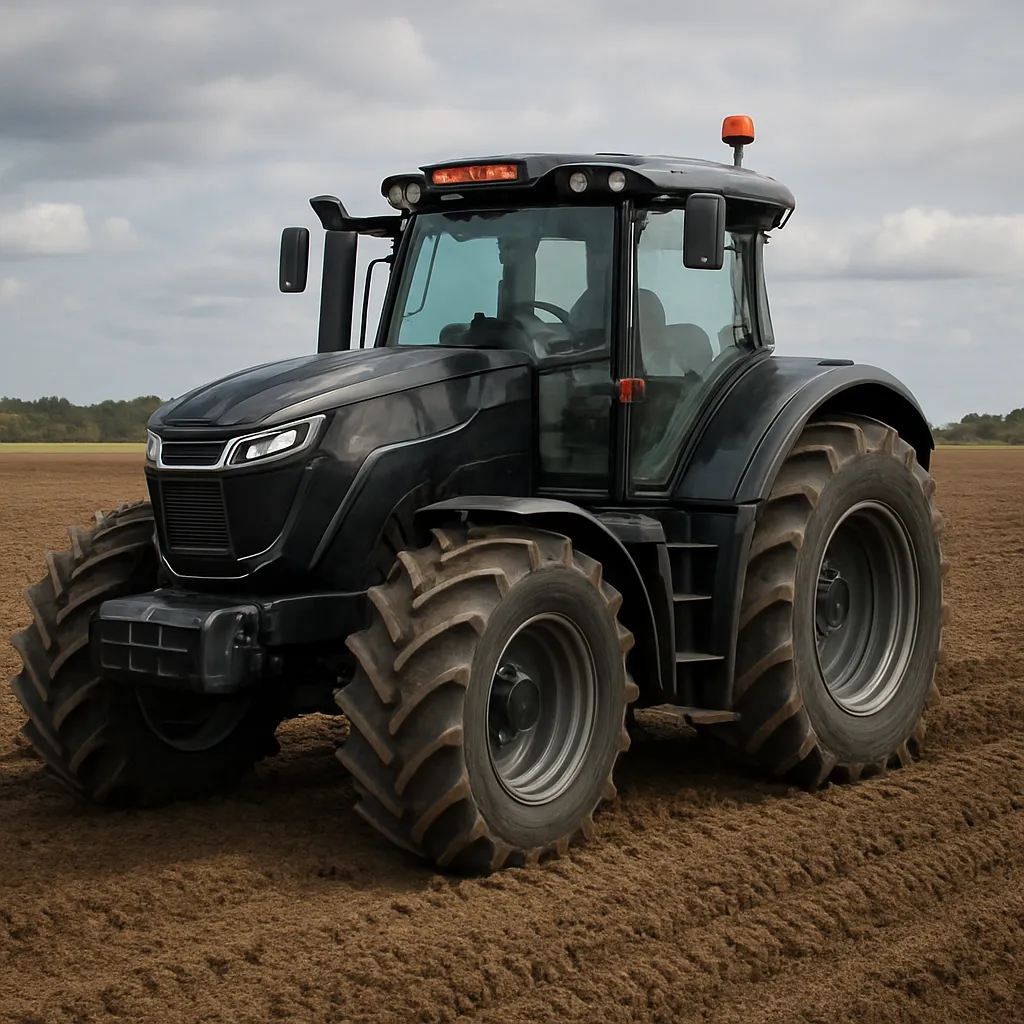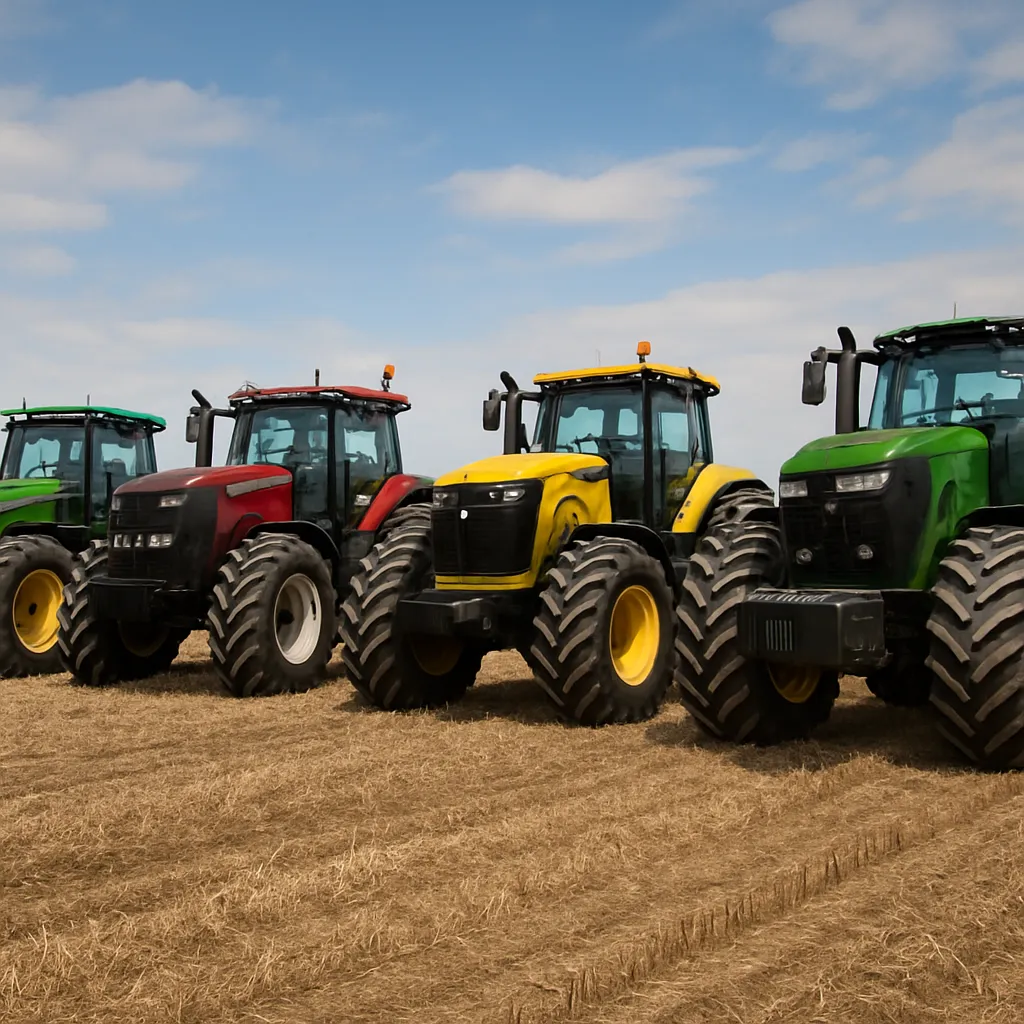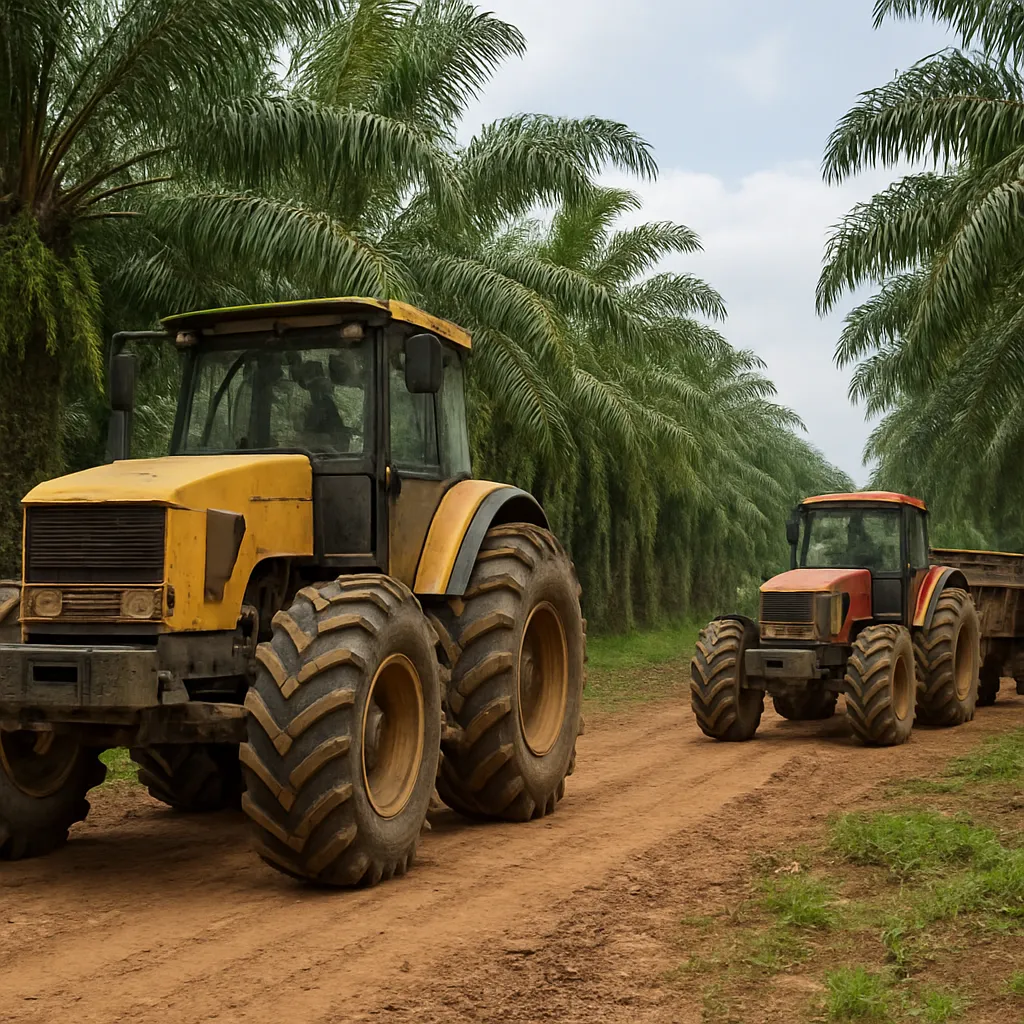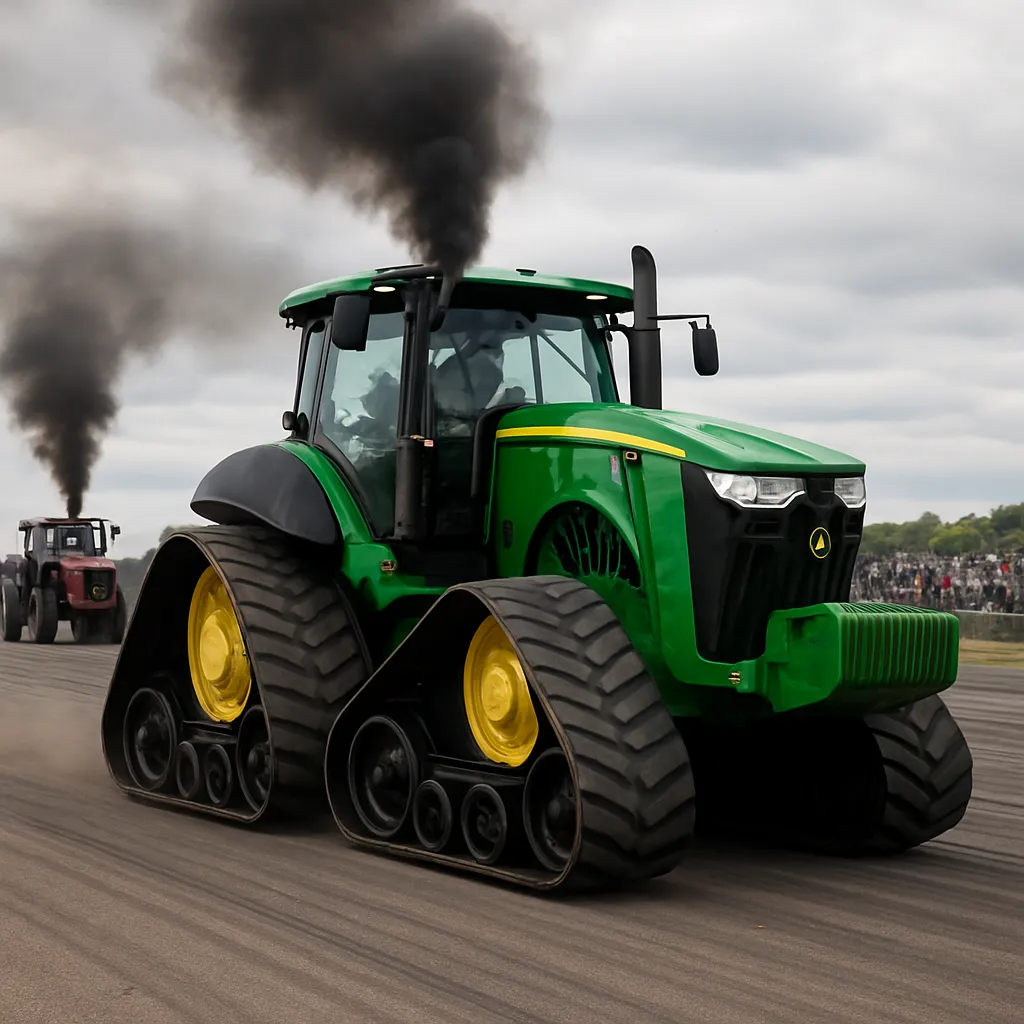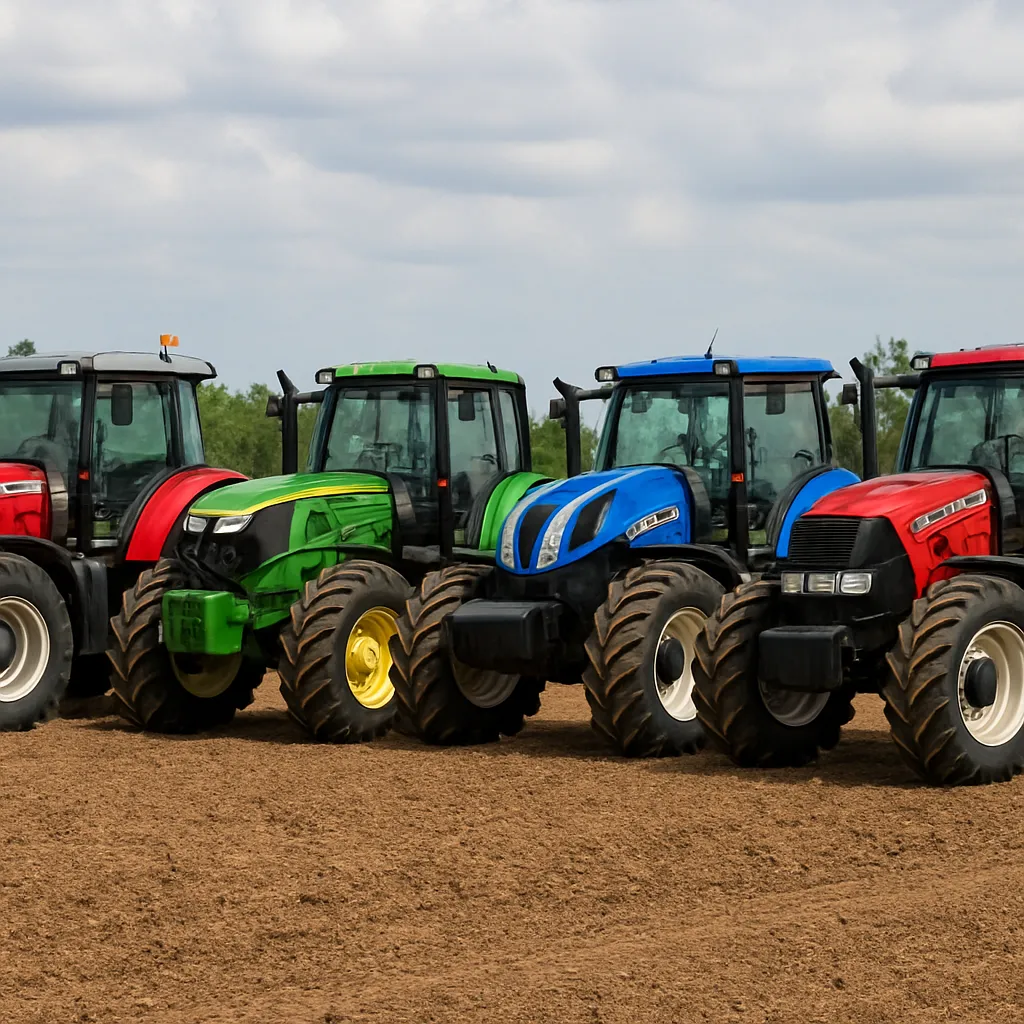
From the earliest steam-powered behemoths to today’s cutting-edge giants, the pursuit of sheer size and raw power has driven tractor development for over a century. Farmers around the globe demand machines that can handle expansive fields, tow massive implements, and deliver unmatched performance under diverse conditions. This exploration delves into the legacy of the world’s biggest tractors, their ongoing evolution, and the key technologies that keep them at the forefront of modern agriculture.
Origins of Massive Tractors
Early Steam and Gasoline Pioneers
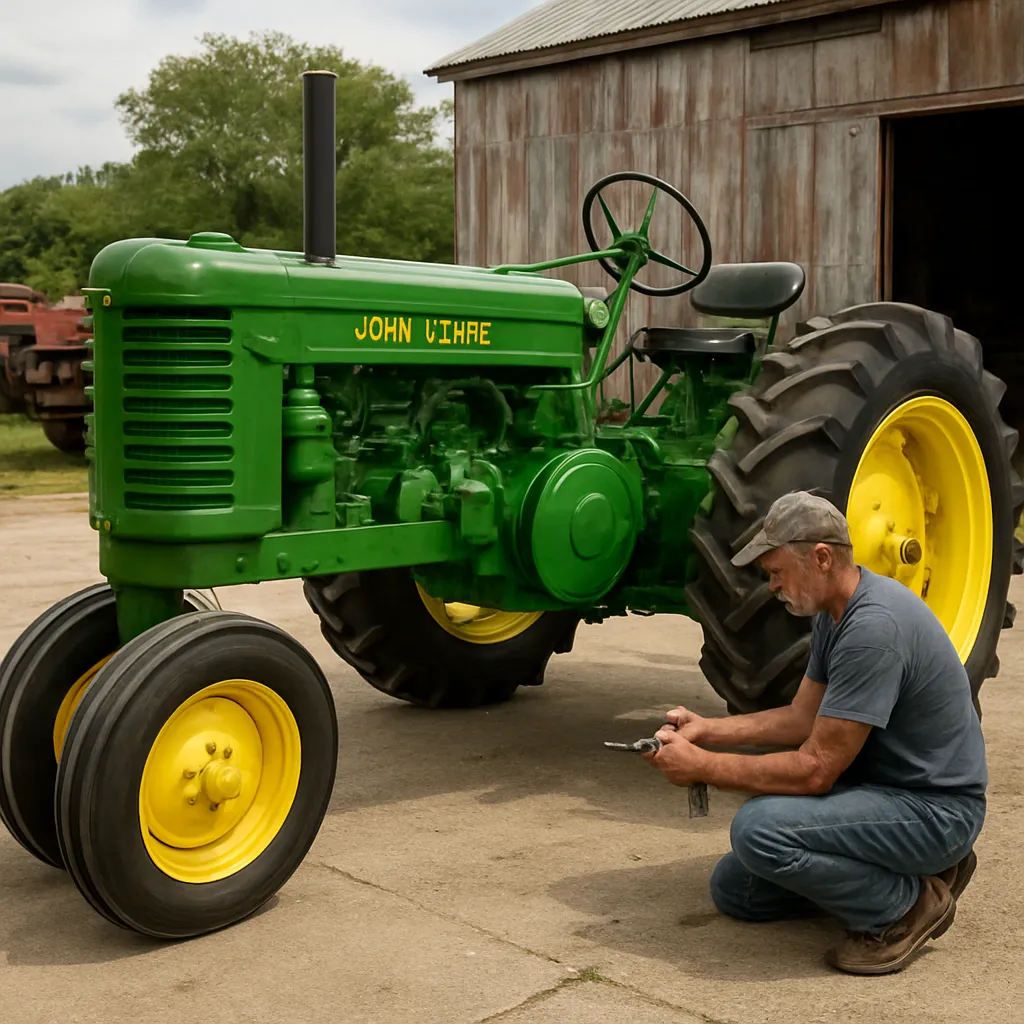
At the turn of the 20th century, steam traction engines revolutionized heavy farm work. Weighing several tons and offering immense pulling force, these iron giants laid the groundwork for the first gasoline-powered tractors. Companies like Hart-Parr introduced reliable machines in the 1910s, setting new benchmarks for reliability and field coverage. These early models were often tractor-drawn rather than self-propelled, but they demonstrated that mechanization could dramatically boost farm productivity.
Transition to Diesel Power
The shift from gasoline to diesel engines in the 1930s marked a watershed moment. Diesel powerplants delivered superior thermal efficiency and fuel economy. Brands such as Allis-Chalmers, Oliver, and International Harvester raced to develop high-displacement engines, further increasing drawbar pull and fuel savings. Diesel tractors became synonymous with long hours in the field, requiring less maintenance and delivering consistent torque across a wide speed range.
Technological Advances in Modern Giants
Engine Development and Durability
Modern flagship tractors often feature engines exceeding 500 to over 6000 PTO horsepower. Manufacturers apply advanced metallurgy and precision machining to key components, ensuring that blocks and crankshafts endure extreme loads. Innovations like common-rail fuel injection, turbocharging, and intercooling optimize combustion, resulting in higher power density and improved efficiency. Integrated sensors monitor oil pressure, temperature, and vibration, enabling predictive maintenance and reducing unplanned downtime.
Sustainability and Emissions Control
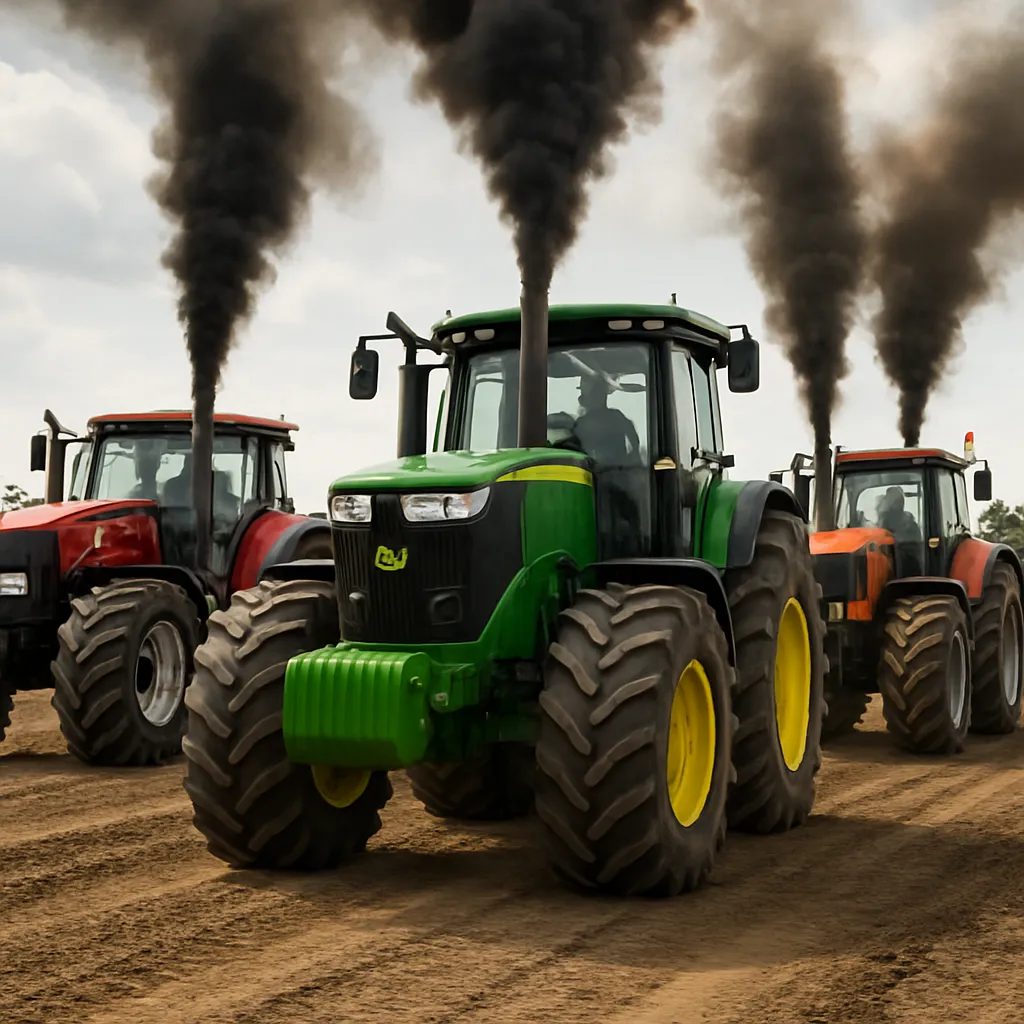
With stricter environmental regulations, tractor makers invest heavily in exhaust aftertreatment systems such as SCR (Selective Catalytic Reduction) and DPF (Diesel Particulate Filters). These systems slash NOx and particulate emissions without sacrificing pulling power. Some models now offer hybrid configurations combining diesel engines with electric drives, reducing fuel consumption and lowering greenhouse-gas output during light-load operations.
- Tier 4 Final and Stage V compliant engines
- Regenerative braking in hybrid units
- Biofuel compatibility (HVO, B100 biodiesel)
- Automatic idle-shutdown to cut needless emissions
- Precision engine mapping for varying load demands
Innovation in Transmission and Drivetrain
Beyond engines, transmissions have undergone dramatic changes. Continuous Variable Transmissions (CVT) and PowerShift gearboxes allow seamless speed adjustments, aligning engine output perfectly with field or road speeds. Four- and even eight-wheel-drive layouts improve traction on wet or uneven terrain, distributing power evenly to reduce soil compaction. Torque vectoring and auto-differential lock systems ensure minimal slip during high-load operations.
Flagship Tractor Models Through the Decades
- Case IH Quadtrac 620 – Over 600 PTO horsepower, four independent tracks, delivering exceptional flotation and minimal soil disturbance.
- John Deere 9RX Series – Up to 620 engine horsepower, high-horsepower CVT, advanced auto-steer, and yield-monitoring technology.
- Fendt 1167 Vario – Claimed 672 PTO horsepower, industry-leading CVT, optimized weight distribution for maximum field coverage.
- New Holland T9 Heavy Duty – Ranging from 405 to 682 HP, optional tracks, and top-tier cab comfort featuring auto climate control.
- Challenger MT900E Series – 380–575 HP, wide chassis for stability, and integrated telematics for remote diagnostics.
Impact on Agricultural Productivity
Productivity Gains Across Large Farms
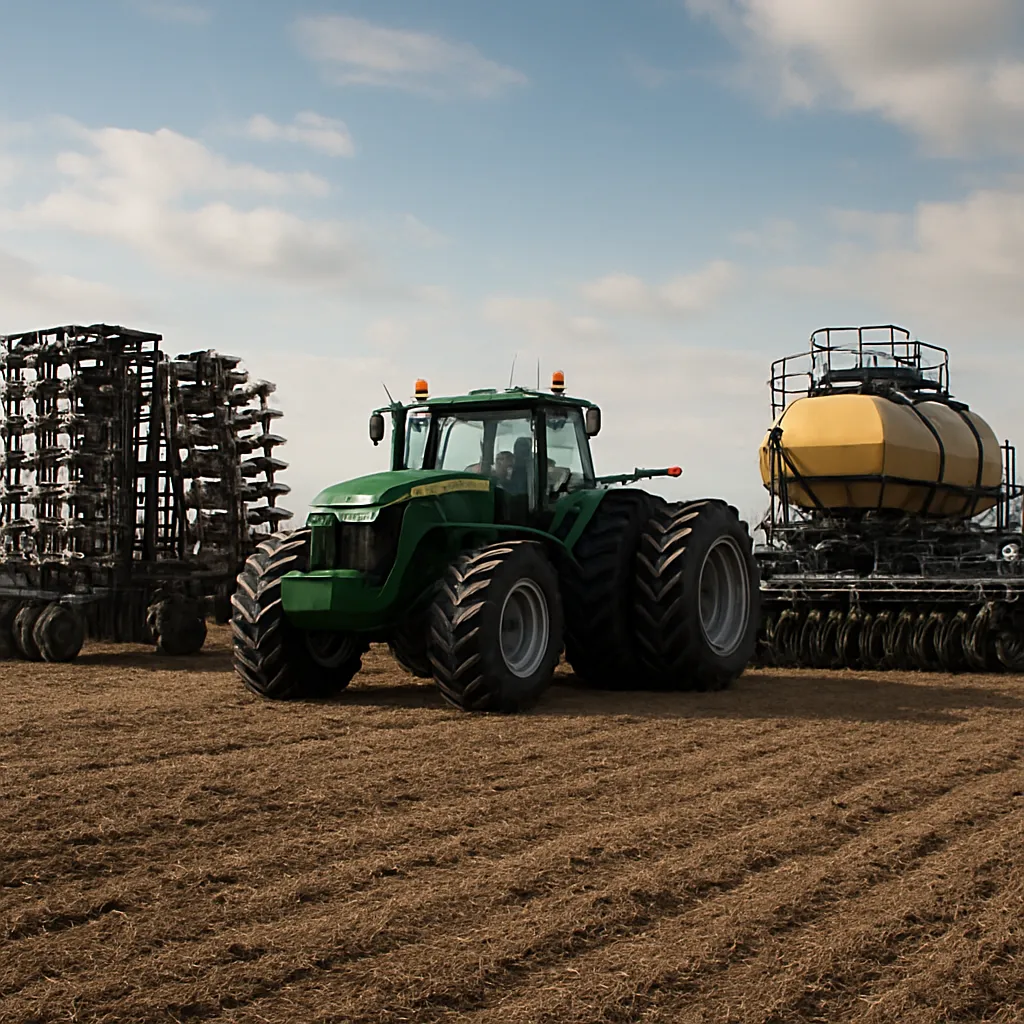
On expansive operations spanning thousands of acres, a single high-horsepower machine can replace multiple smaller tractors. The ability to pull wide implements reduces pass counts and fuel consumption, enabling faster planting, spraying, and harvesting windows. In regions where weather windows are narrow, these giants become critical for timely fieldwork and crop success.
Crew Comfort and Precision Farming
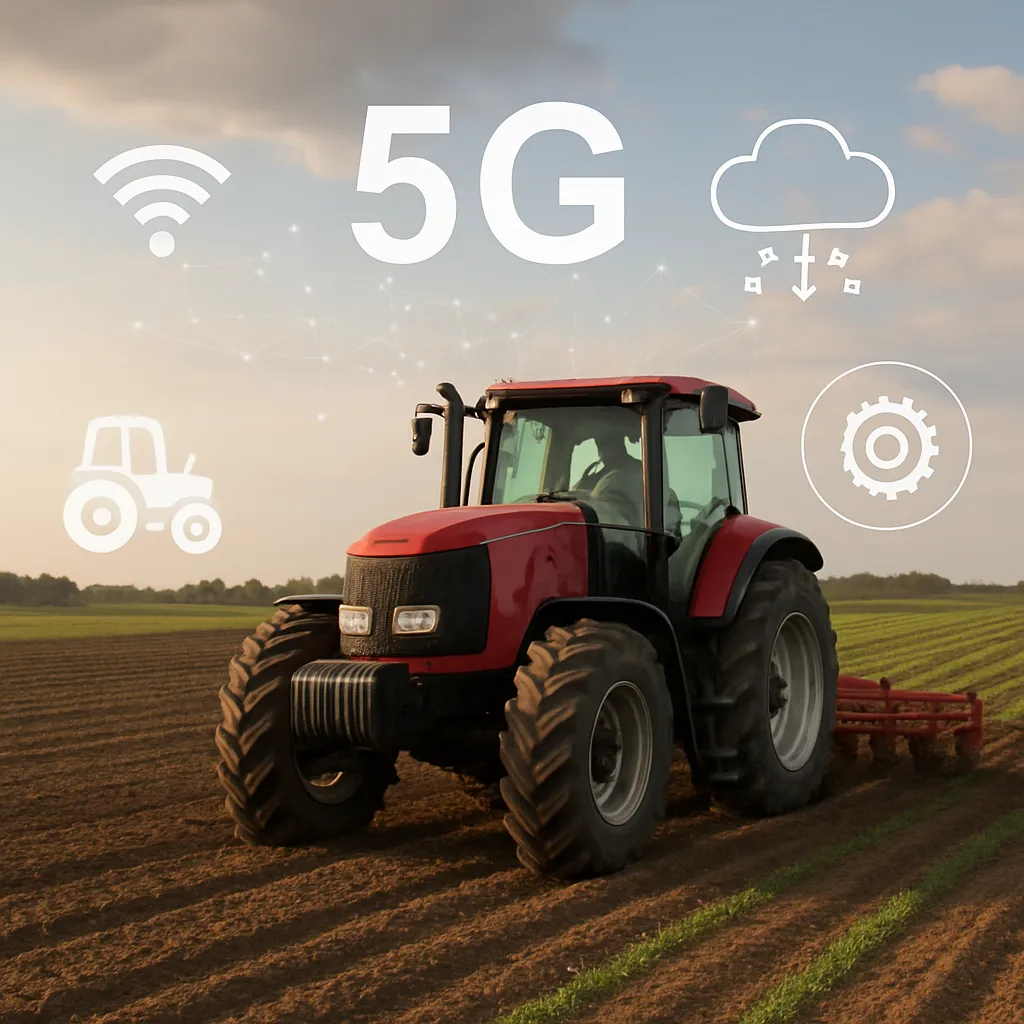
Long hours in the field demand ergonomic seating, low-vibration cabins, and intuitive controls. Modern cabs integrate touchscreen consoles, radar-based auto-steer, and wireless data-sharing. Real-time GPS guidance systems allow sub-inch accuracy, ensuring inputs such as seed, fertilizer, and pesticides are placed exactly where needed. This level of precision cuts input waste and boosts yields, reflecting a blend of raw power and digital sophistication.
Challenges and Maintenance Considerations
Logistics and Transport
Transporting massive tractors between fields or states often requires specialized trailers and permits. Road width, bridge capacity, and axle load limits must be carefully managed. Some models feature folding fenders or adjustable tread widths to comply with transport regulations, easing the logistical burden on large-scale operators.
Service and Parts Availability
While durability is high, downtime remains costly. Manufacturers establish dedicated support networks with mobile service teams, stocked parts depots, and remote diagnostics. Telematics platforms alert dealers to imminent failures, allowing parts to be staged in advance. This ecosystem keeps flagship tractors on their feet, even during peak seasons.
The Road Ahead: Future of Ultra-Class Tractors
Electrification and Alternative Power
Electro-diesel hybrids and full-electric prototypes are rapidly advancing. Battery energy density and charging infrastructure pose challenges, but early trials show promise for low-load tasks like tillage and seeding. Hydrogen fuel cells offer another avenue, with zero tailpipe emissions and quick refueling potential, though the technology remains in developmental stages.
Autonomy and AI-Driven Operation
Driverless tractors equipped with AI vision systems and lidar are already in experimental farms. These autonomous giants can operate around the clock, precisely following pre-programmed routes and adapting on the fly to obstacles. The combination of sensor fusion, machine learning, and robust mechanical platforms points to a future where one operator oversees an entire fleet, maximizing yield while minimizing labor.
Global Collaboration and Shared Platforms
Collaborations between traditional agricultural OEMs and tech firms accelerate innovation. Open-platform software standards for data exchange allow seamless integration of third-party sensors, implements, and farm-management tools. This interoperability ensures that even the largest tractors remain adaptable in an evolving digital landscape.