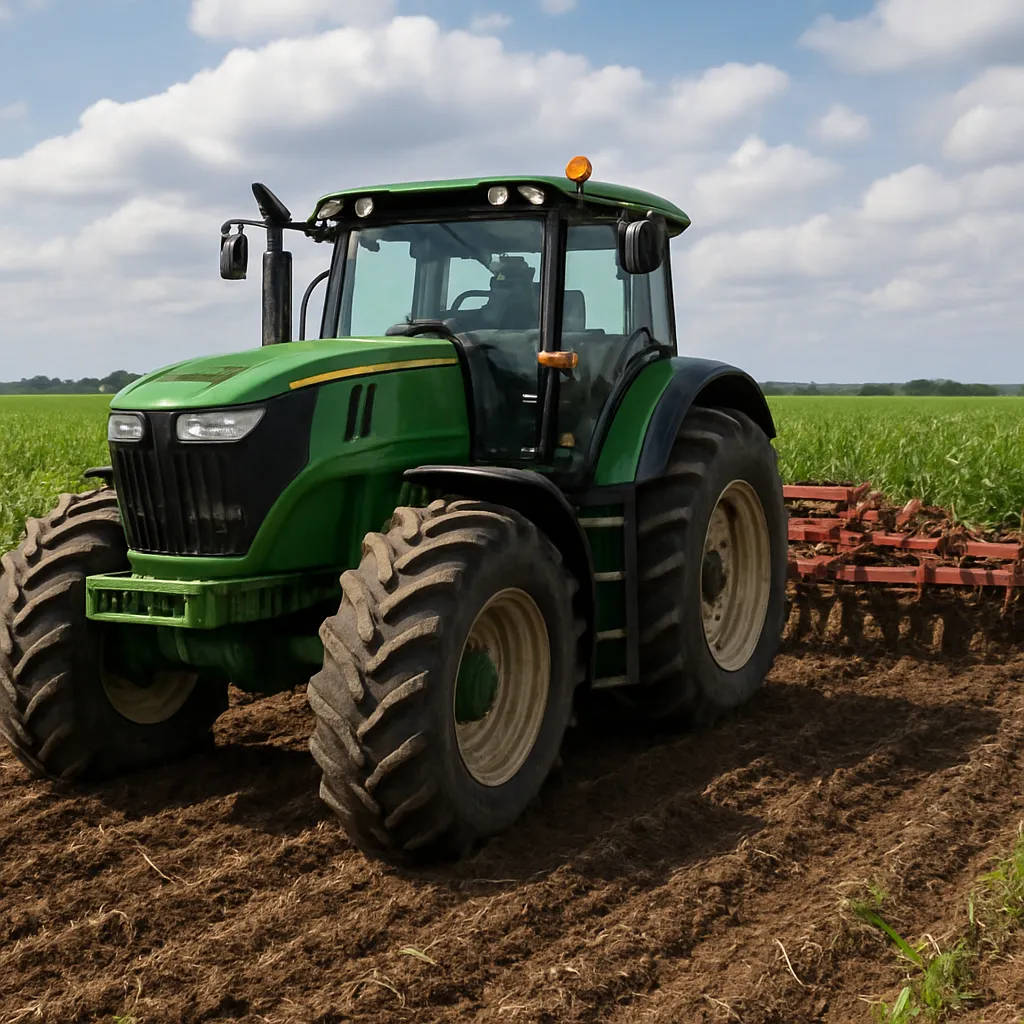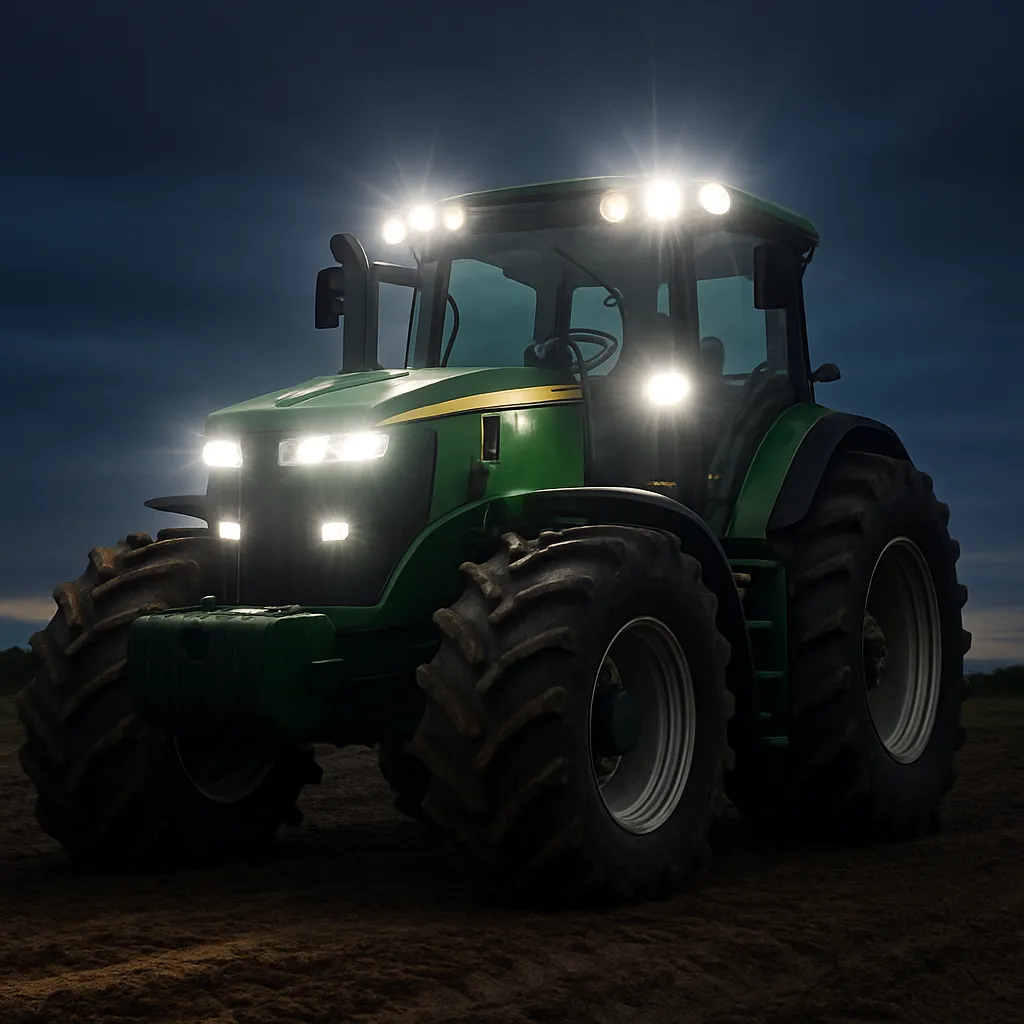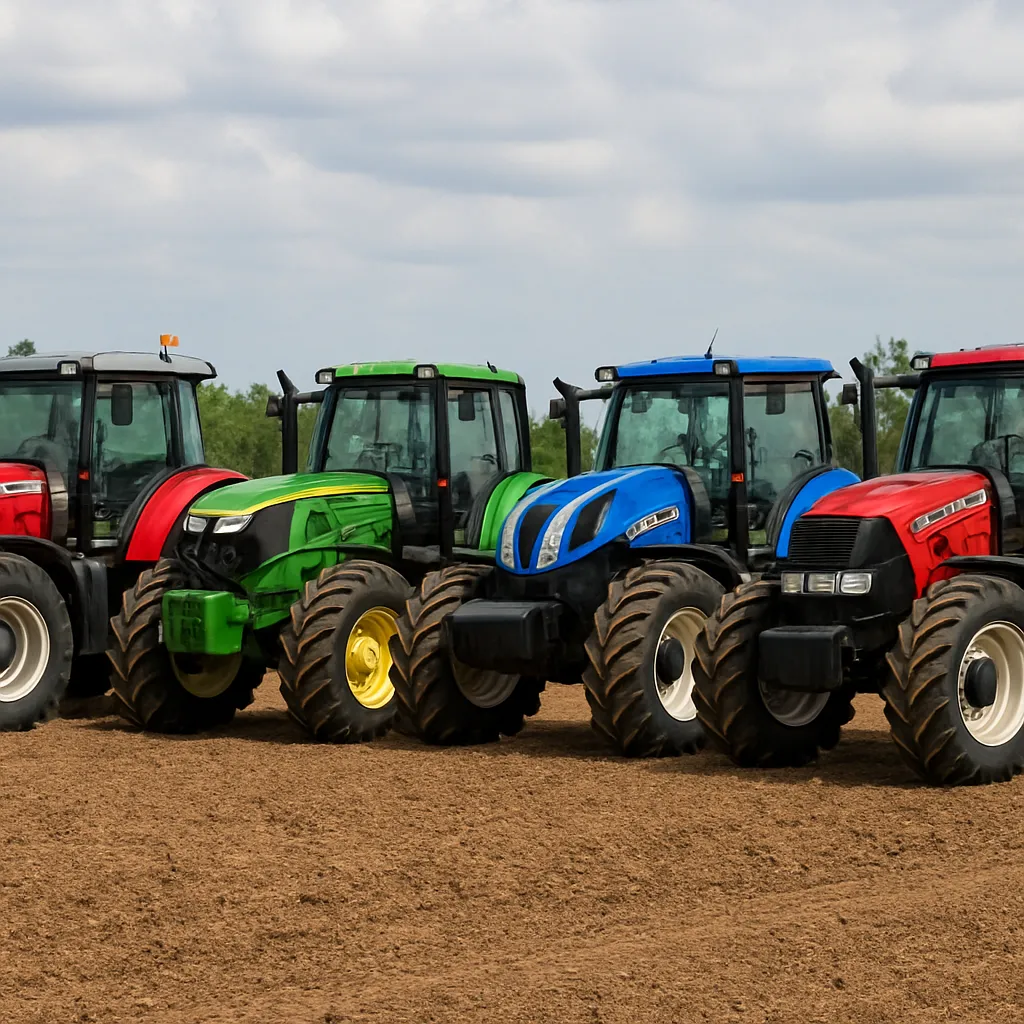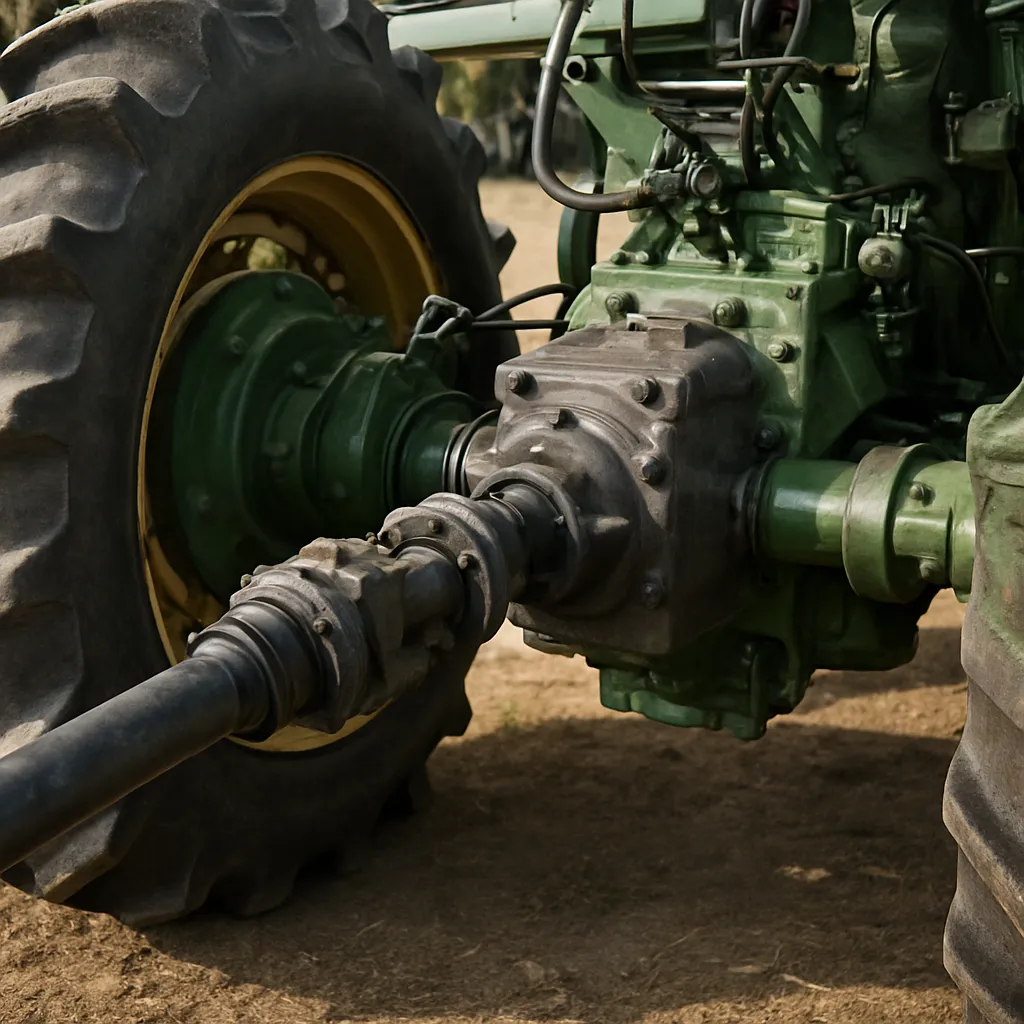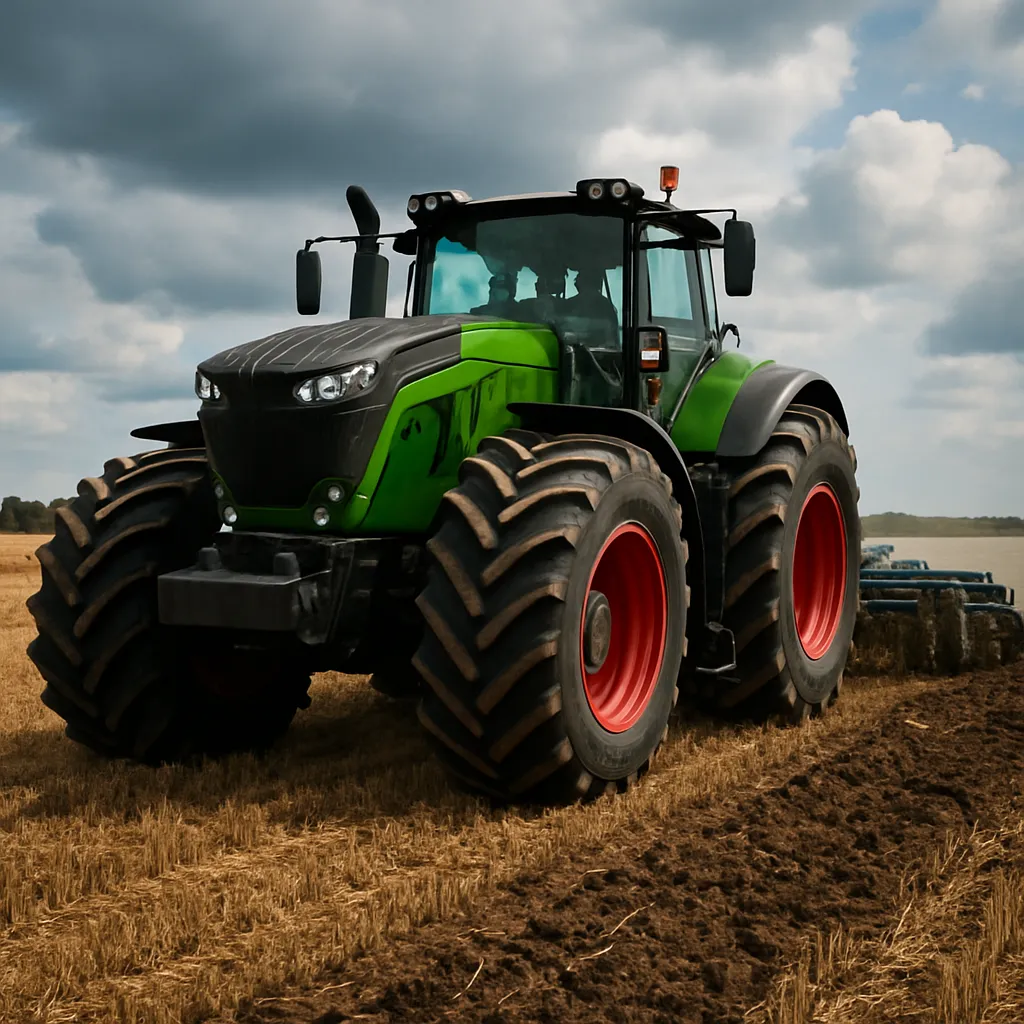
The agricultural world has witnessed a remarkable transformation in the past few decades, as modern engineering has pushed the boundaries of what farm machinery can accomplish. The emergence of 1000+ horsepower tractors stands as a breakthrough in rural innovation, redefining how large-scale operations approach fieldwork. These mechanical giants combine sheer muscle with advanced electronics to deliver unparalleled efficiency and reliability, reshaping the landscape of contemporary farming.
Evolution of Tractor Power
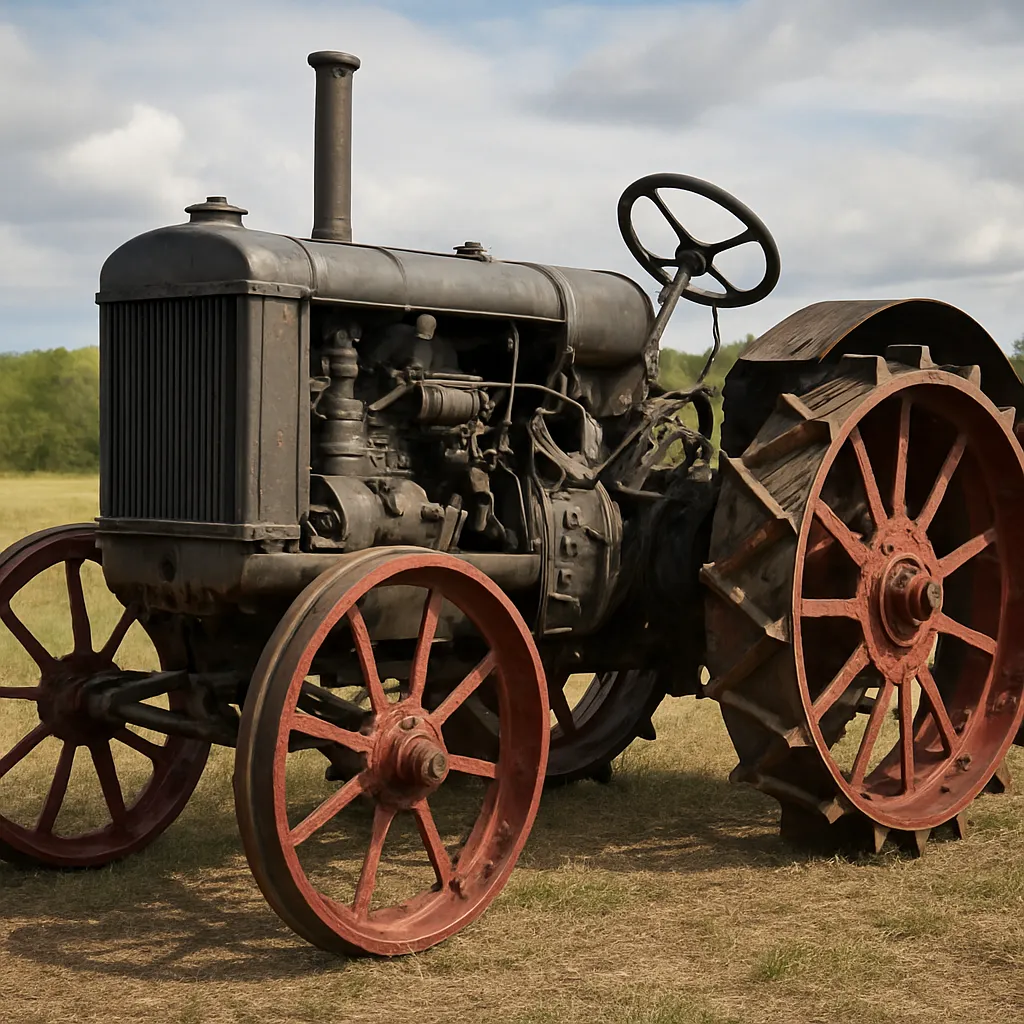
The journey from humble steam engines to today’s high-performance machines reflects continuous advancements in mechanical and electronic systems. Early 20th-century tractors offered barely 30 to 50 horsepower, primarily replacing animal labor for plowing. By mid-century, diesel engines became the norm, gradually boosting output into the 100–200 horsepower range. The push for larger-scale farming in the 1970s and 1980s led manufacturers to explore multi-engine setups, resulting in models exceeding 500 horsepower. However, the real milestone arrived in the 2010s, when integrated engine control units, turbocharging, and enhanced cooling systems paved the way for machines surpassing the 1000-horsepower mark.
Key Milestones in Power Increase
- 1930s–1950s: Introduction of diesel-driven power with modest output.
- 1960s–1970s: Emergence of four-wheel drive and four-cylinder turbocharged engines.
- 1980s–1990s: Twin-engine and dual-axle prototypes push into 500–700 hp territory.
- 2000s: Electronic fuel injection, advanced transmissions, and precision sensors drive efficiency.
- 2010s–present: Single-engine tractors achieve over 1000 horsepower through high-pressure common rails and multi-stage turbochargers.
Technological Innovations Driving the Leap
Reaching the 1000+ horsepower threshold required breakthroughs far beyond simply scaling up engine displacement. Today’s flagship tractors integrate a suite of cutting-edge systems to balance power, fuel economy, and operator comfort.
Advanced Powertrain Design
- Turbocharging and twin-scroll turbos for instant boost and reduced lag.
- High-pressure common-rail injection systems ensuring optimal fuel atomization.
- Adaptive transmission units with 16–24 gears, offering seamless shifting under load.
- Integrated torque management, distributing power effectively between axles.
Precision Electronics and Automation
- GPS-based auto-steering for consistent row spacing in vast fields.
- Real-time soil and crop monitoring via sensors and drones, feeding into onboard computers.
- Machine-to-machine communication, enabling coordinated operations among multiple tractors.
- Operator-assist features like load-sensing hydraulics and automated depth control.
Applications and Impact on Modern Farming
These heavy-duty tractors are no longer mere powerhouses; they are central nodes in an ecosystem of precision agriculture. By harnessing vast amounts of horsepower, farm managers can tackle deep tillage, large-area planting, and high-capacity harvesting in record time.
Large-Scale Tillage and Soil Management
With implements spanning more than 20 meters and weights tipping the scales at upwards of 15 tonnes, 1000+ hp tractors transform how fields are prepared. Deep ripping, subsoiling, and multi-pass cultivation become feasible on thousands of hectares, enhancing water infiltration and root penetration.
High-Volume Seeding and Planting
- Multi-row planters achieving speeds of 12–15 km/h without sacrificing precision.
- Variable-rate seeding enabled by sectional control to optimize seed placement.
- Sectional shut-off technology to prevent overlap and reduce input waste.
Harvesting and Transport Logistics
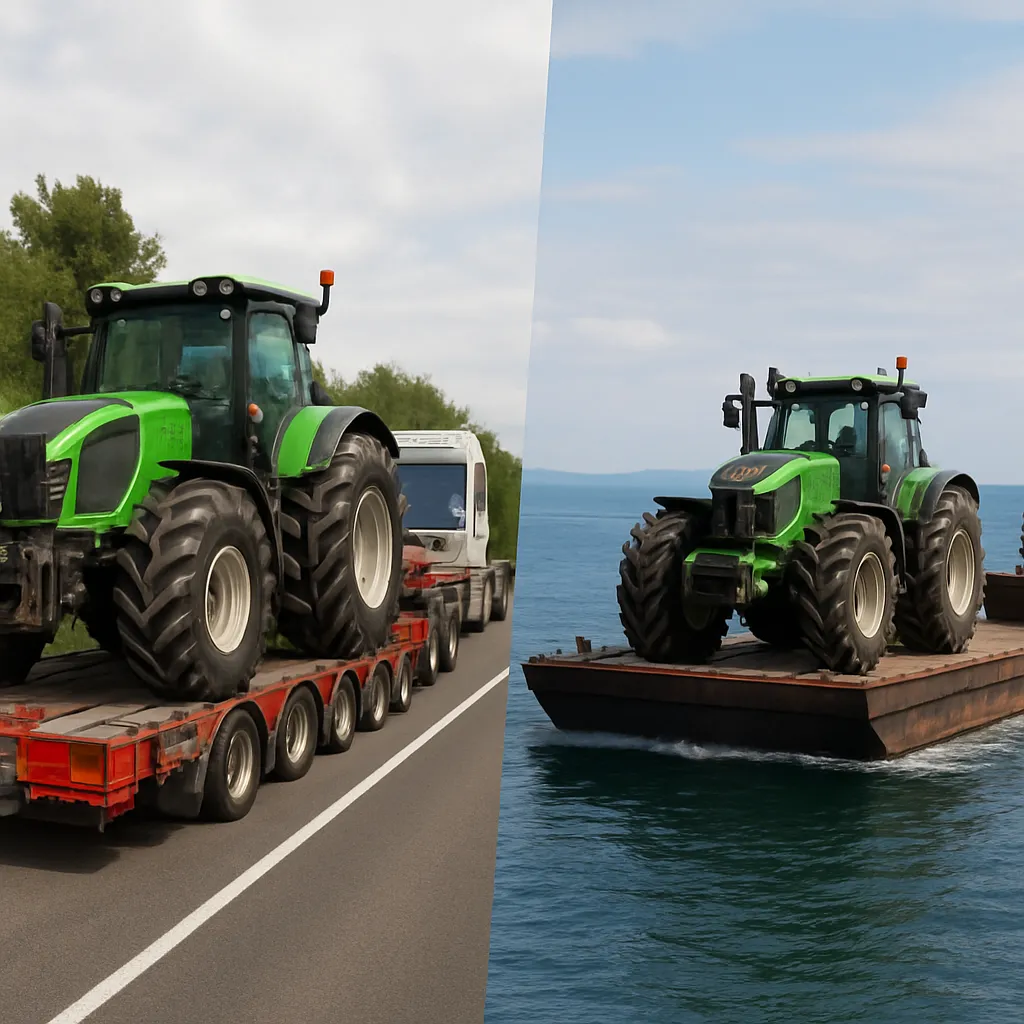
Power-rich harvesters and grain carts, towed by ultra-capable tractors, streamline the collection process. Reduced downtime, minimized grain loss, and improved road transit efficiency all contribute to higher profit margins for large-scale operators.
Challenges and the Road Ahead
Despite their prowess, these mechanical titans face growing scrutiny over fuel consumption, greenhouse gas emissions, and soil compaction. Manufacturers and researchers are exploring alternative power sources and design tweaks to address these concerns.
- Sustainability: Trials of hybrid diesel-electric drivetrains aim to cut fuel usage during low-load operations.
- Soil Health: Innovative tire designs and track systems to distribute weight and reduce compaction.
- Data Integration: Enhanced cloud-based analytics for predictive maintenance, maximizing uptime.
- Autonomy: Fully autonomous tractors under development could eliminate operator fatigue and further boost efficiency.
Looking ahead, the agricultural machinery industry is on the cusp of another revolution. Emerging technologies such as hydrogen fuel cells, artificial intelligence-driven task planning, and modular implement attachments promise to elevate these tractors from powerful workhorses to adaptable farm management platforms. As the world’s food demands grow, the marriage of brute powertrain capability with intelligent systems will define the next era of agrarian progress, providing farmers with scalable solutions that balance productivity and environmental stewardship while cementing the legacy of these extraordinary machines as a true engineering marvel.