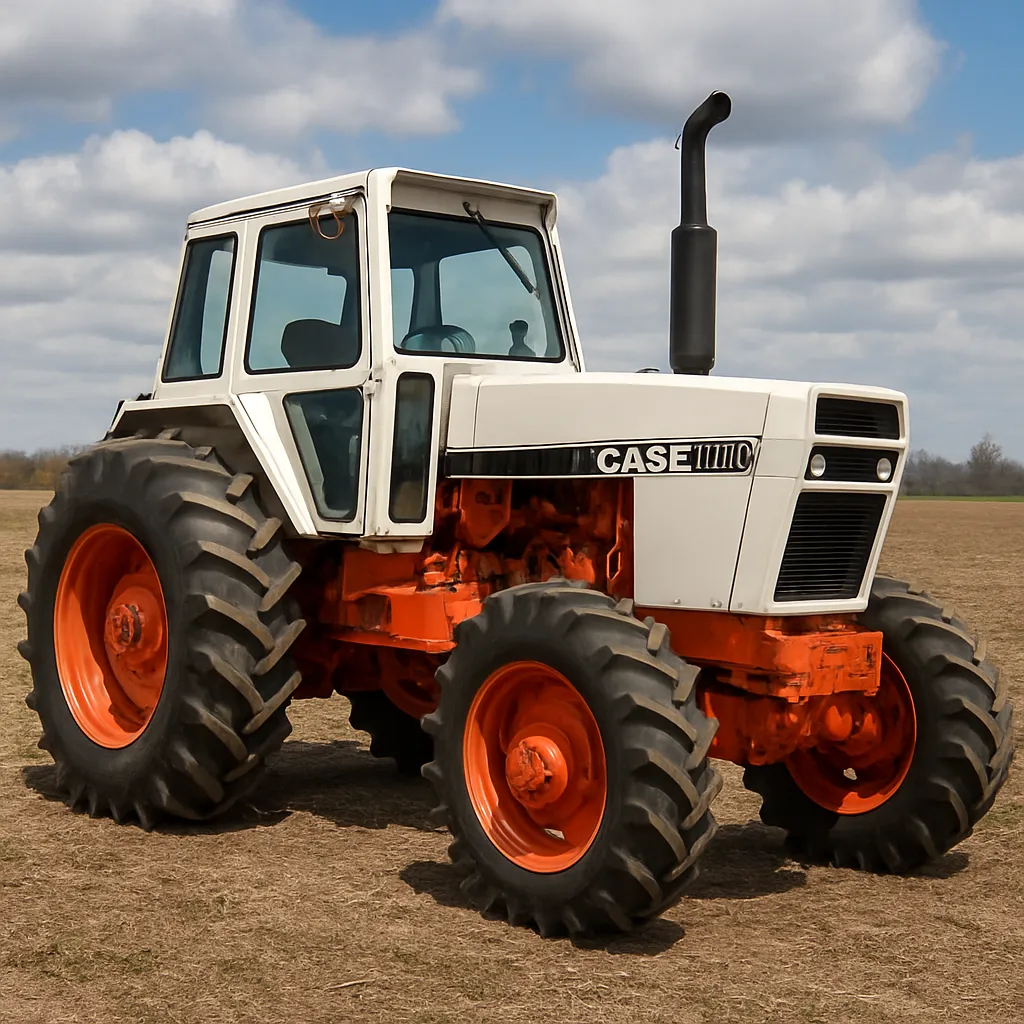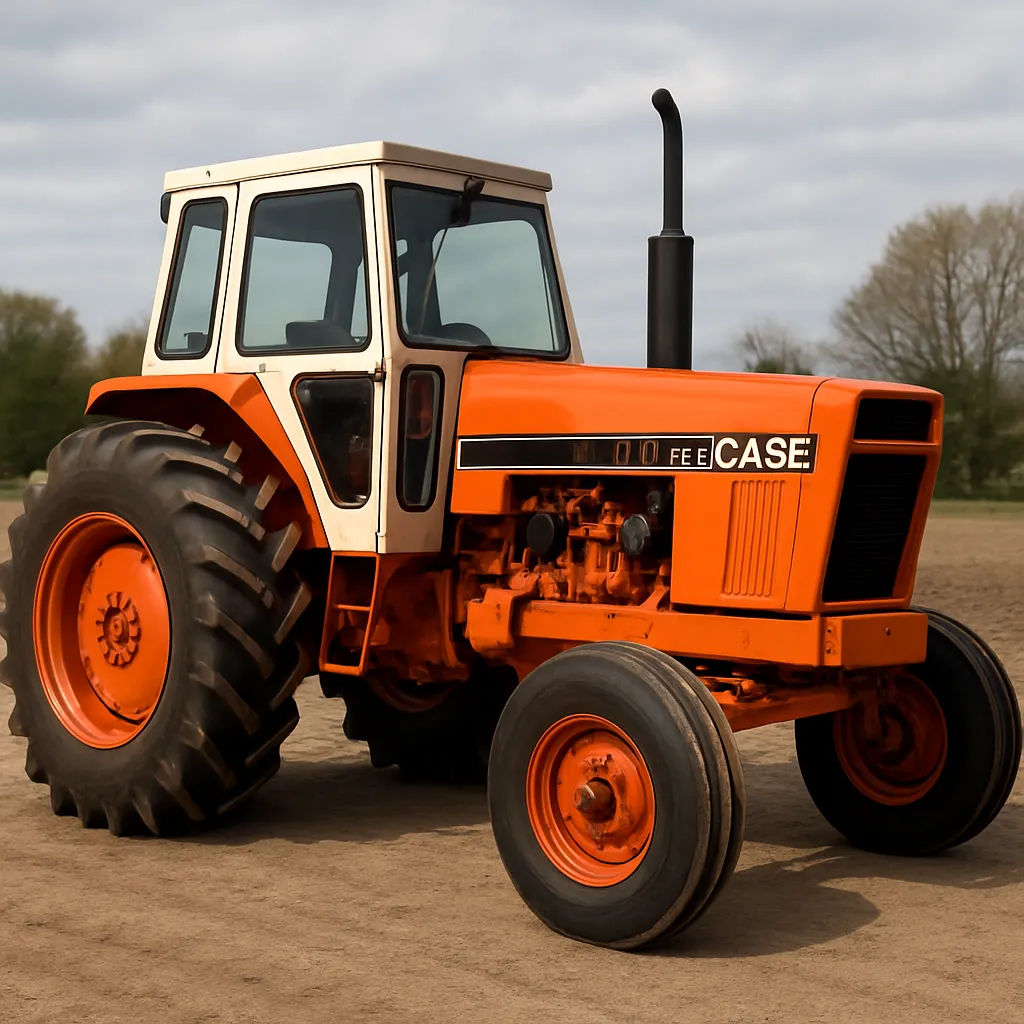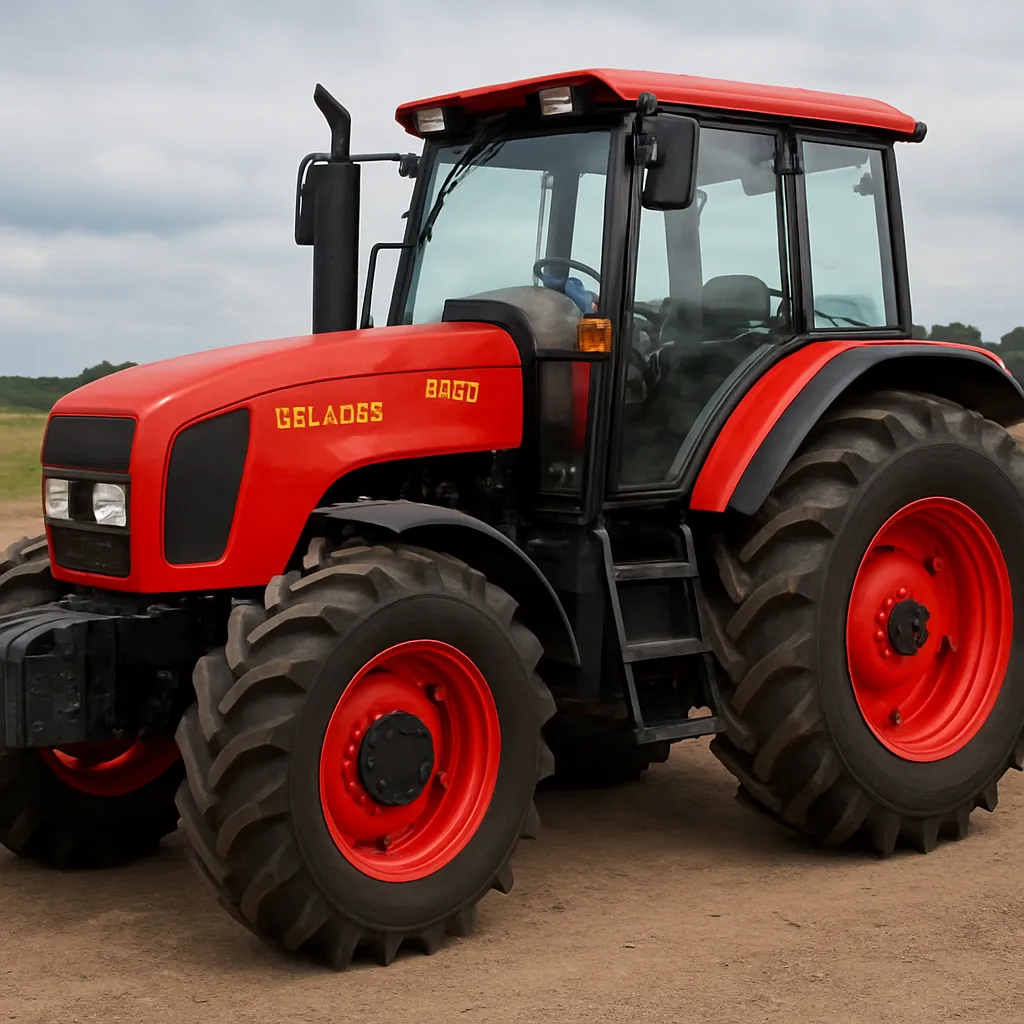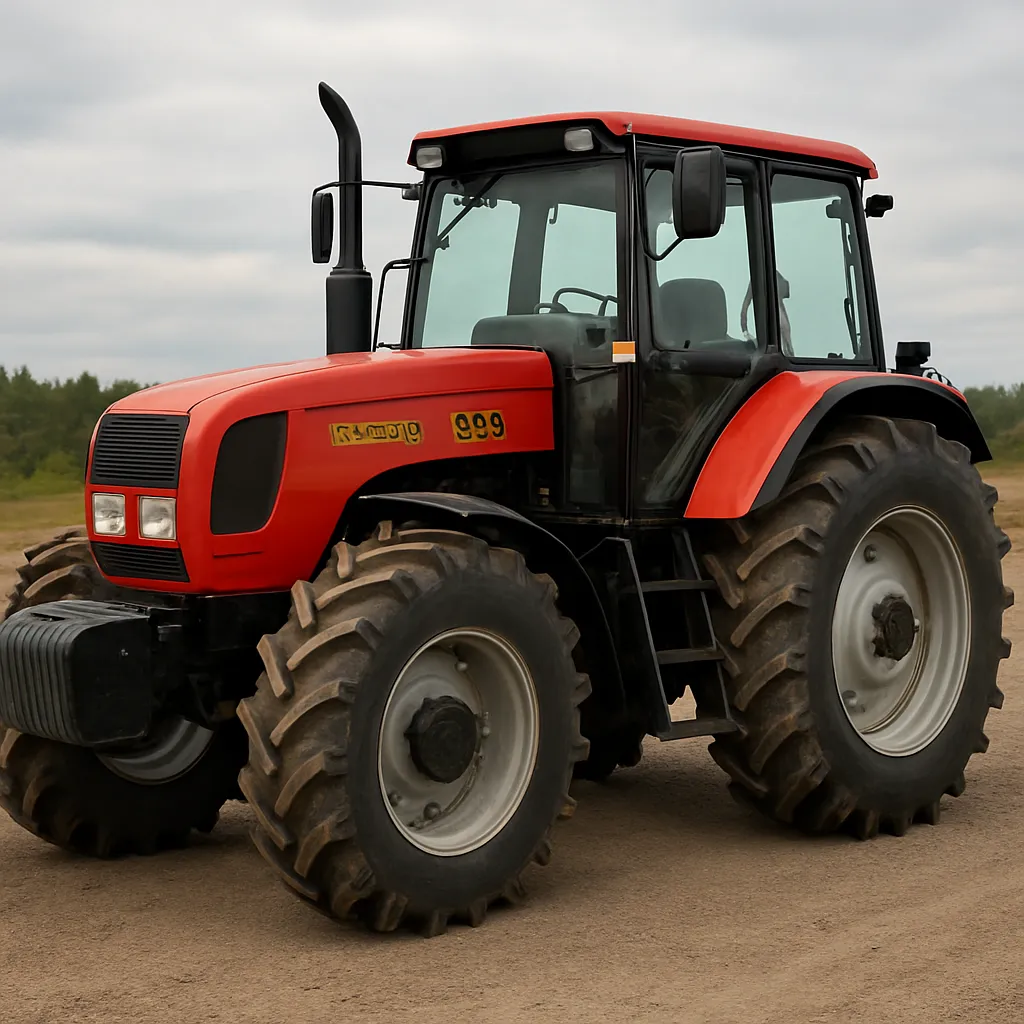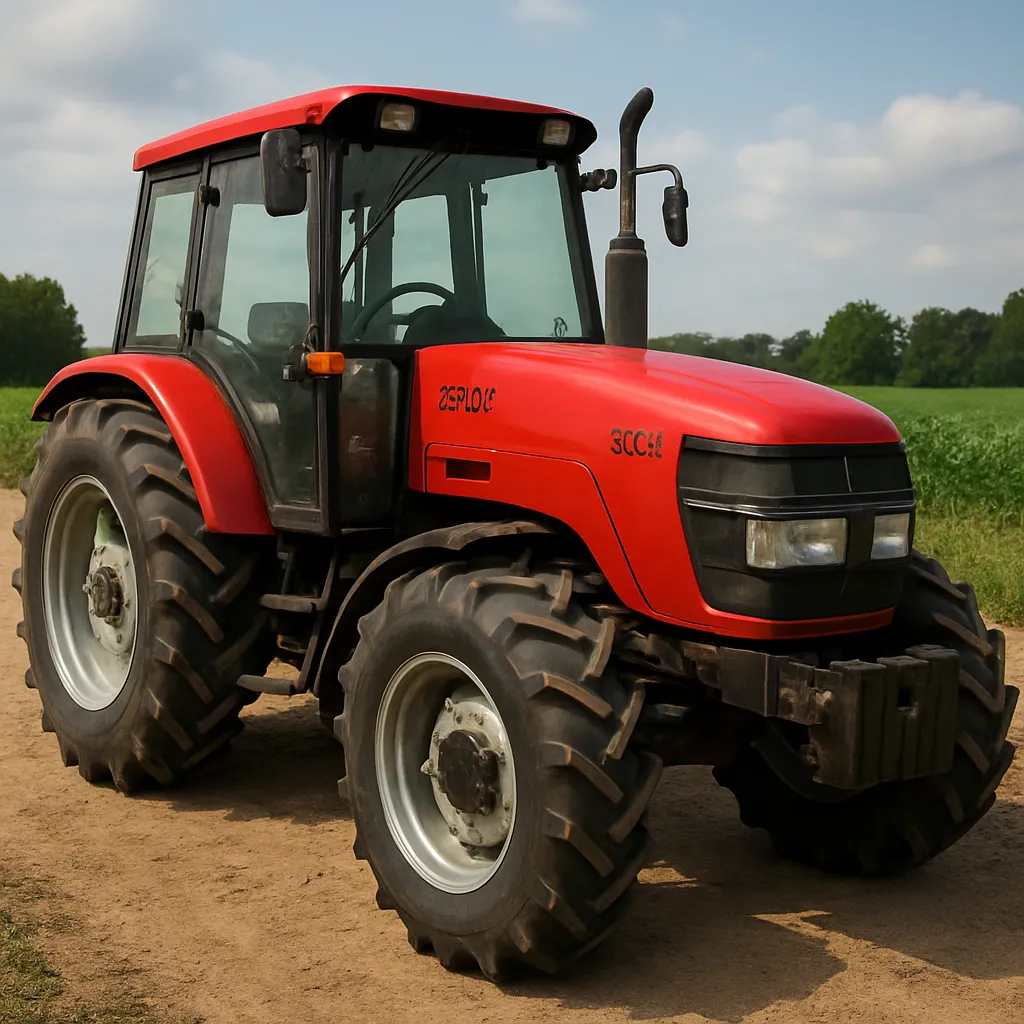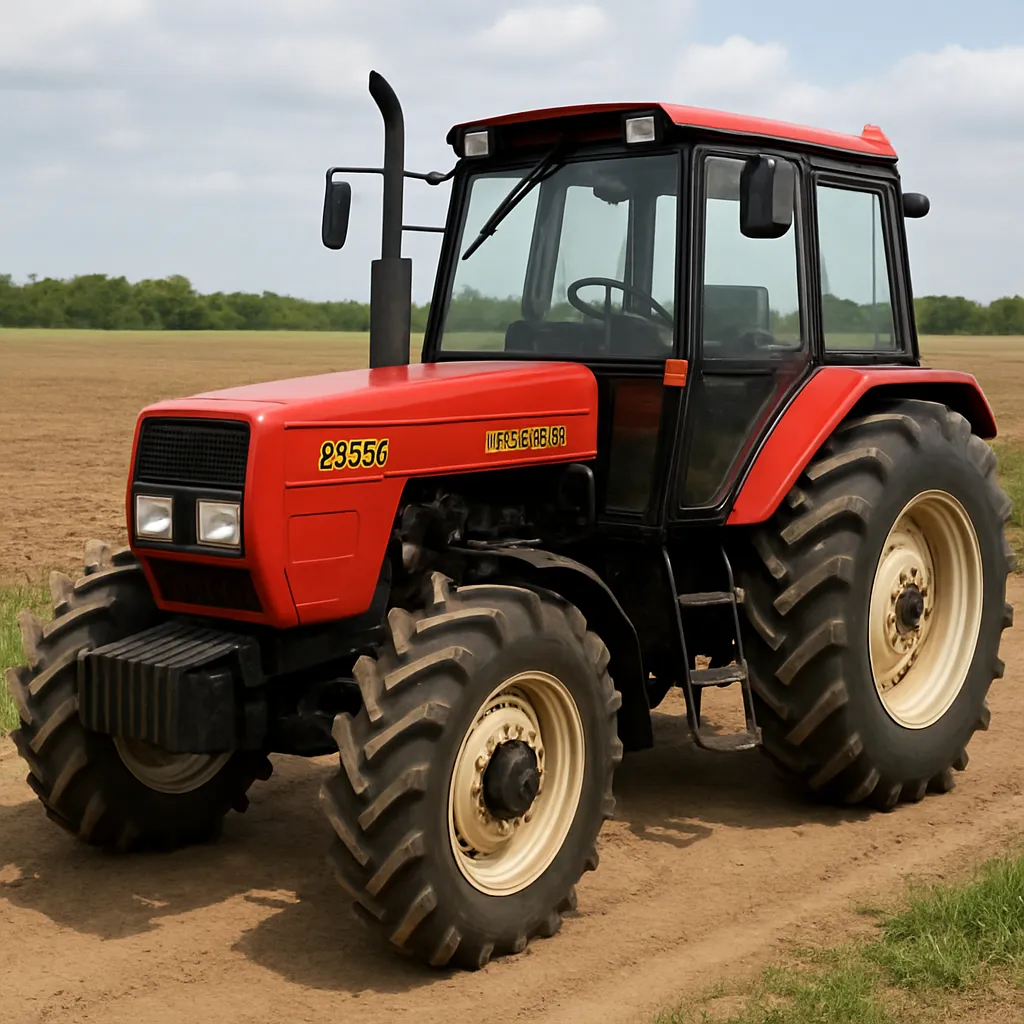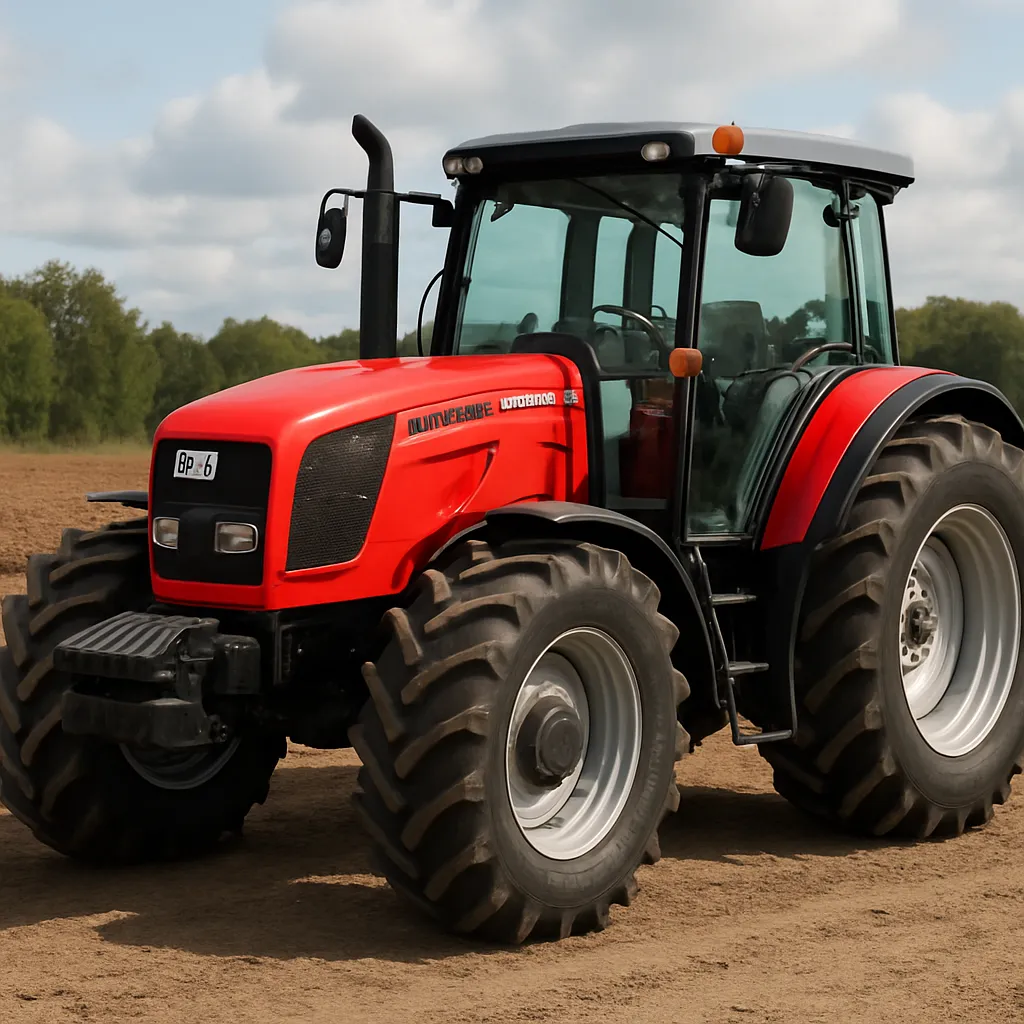
The SAME Fortis 210 is a heavy-duty agricultural tractor designed to meet the needs of commercial farms, contractors and mixed agricultural operations. Combining robust mechanical components with ergonomic cab design and modern electronic controls, the Fortis 210 aims to deliver reliable field performance for demanding tasks such as primary tillage, seedbed preparation, heavy transport and large-scale harvesting support. In the following sections you will find a detailed look at technical characteristics, typical applications, operational advantages and practical considerations for owners and operators.
Overview and design philosophy
The Fortis series from SAME reflects the brand’s approach to building tractors that combine Italian engineering with practicality for global markets. The Fortis 210 sits near the upper end of the Fortis line-up in terms of output and capability and, as the model number suggests, it is oriented toward applications that require roughly 200–220 horsepower. The tractor is built around a durable chassis and a high-capacity powertrain designed for continuous, heavy-duty operation.
Key design goals
- Durability for repeated heavy-field cycles and long working days.
- Operator comfort aimed at reducing fatigue during extended shifts.
- Serviceability and accessibility for routine maintenance to reduce downtime.
- Modularity and options that let owners specify transmissions, hydraulic systems and front axle configurations to match different tasks.
The Fortis 210 emphasizes practical robustness rather than experimental tech — a combination that appeals to contractors and larger farms needing dependable horsepower with straightforward servicing and parts support through the SAME/ SDF dealer network.
Technical characteristics and typical specifications
Exact specifications of the Fortis 210 vary by year, market and optional equipment packages, but the following list captures the typical technical data and features commonly associated with this model. Where exact figures differ by configuration, ranges and approximate values are shown.
Powertrain and performance
- Engine: 6-cylinder turbocharged diesel engine tuned to deliver approximately power in the 200–220 hp class (about 150–165 kW).
- Emission control: depending on market and production year, engines may meet different tiers (Tier 3 / Stage IIIA to Tier 4 interim / Stage IV standards); later versions often include after-treatment systems such as selective catalytic reduction (SCR) and diesel particulate filters.
- Cooling and air management designed for dusty or hot climates to preserve durability and maintain consistent performance during prolonged heavy use.
Transmission and driveline
- Transmission options typically include multiple ranges and gear counts (e.g., synchronized 16/16, 24/24 with creeper, or powershift/semi-powershift variants) to suit both field and transport duties.
- 4WD with robust front axle and differential lock options for improved traction in soft soil or on slopes.
- PTO speeds: standard PTO configurations such as PTO 540 / 1000 rpm, and sometimes economy PTO modes for fuel-efficient operations.
Hydraulics, hitch and lifting
- Hydraulic system with several remotes and flow rates suitable for modern implements; typical systems support both open-center and closed-center options.
- Three-point hitch with electronic control and substantial capacity — typical rear lift capacity often falls in the approximate 5,500–7,500 kg range depending on configuration. This provides versatile implement compatibility for heavy tillage and seed drills.
- Hydraulics are sized to handle multiple hydraulic cylinders and high-flow implements such as seed drills, potato planters, large mowers and loader tools.
Capacities, dimensions and usability
- Fuel tank capacity: commonly in the range of 300–450 liters depending on factory options and tanks for extended range operations.
- Operating weight: medium-to-large class — typically several tonnes (often in the 6,000–9,000 kg range) when configured with full tanks and heavy options; the exact weight depends on tires, ballast and front implements.
- Cab: roomy and insulated cab with ergonomic controls, good visibility and options such as climate control, advanced seat suspension and integrated electronic displays for implement control.
Note: these specification ranges reflect typical configurations and should be verified against the exact model year and options ordered. SAME and SDF provide detailed technical sheets for each factory configuration.
Applications and typical use cases
The Fortis 210 is designed for broad applications across arable farming, livestock-support tasks and contracting. Its primary strengths are sustained power, hydraulic capacity and hitch lift for large implements. Below are common use cases where this tractor excels.
Primary tillage and seedbed cultivation
- Heavy ploughing with multi-share reversible plows or disc harrows in medium to large-scale cereal and oilseed farms, where deep soil turnover is required.
- Stubble cultivation and incorporation of residues using heavy cultivators and power harrows.
- Seeding large drills and planters that require steady power and accurate ground speed control.
Forage and hay operations
- Heading and baling of large hayfields using high-capacity mowers, tedders and balers that demand continuous hydraulic flow and ample PTO torque.
- Transport and stacking of large bales where both torque and transport speed are important.
Loader and material handling
- Front loaders fitted for handling pallets, feed, manure and silage; the tractor’s stability and lift capability enable efficient loading cycles.
- Use as a base machine for transporting trailers and slurry tankers on mixed farms and contractor operations.
Contracting and municipal tasks
- Contractors benefit from the Fortis 210’s combination of power and reliability for a variety of jobs across multiple farms.
- Snow clearing, road-side mowing and municipal towing tasks are feasible when equipped with the correct attachments.
Operator environment and technology
Manufacturers of tractors like the Fortis 210 invest in operator comfort to increase productivity and reduce fatigue. The cabin is a central feature that balances isolation from noise and vibration with easy access to controls and instrument clusters.
Cab features
- Enclosed and climate-controlled cab with suspension seat, low noise levels and adjustable steering column to suit different operators.
- Clear sightlines to front and rear implements thanks to ergonomic design and available lighting packages for night work.
- Instrument cluster and optional electronic consoles for transmission, hydraulic flow management and hitch control; some configurations allow GPS and guidance system integration for precision farming applications.
Precision and telematics
- Compatibility with ISOBUS implements and guidance systems can be provided, enabling more precise seeding, fertiliser application and reduced overlap — key for cost savings and environmental stewardship.
- Telematics packages offered by SDF dealers can monitor hours, fuel consumption and basic fault codes remotely, aiding fleet management.
Maintenance, lifecycle and operating costs
One of the selling points for tractors like the Fortis 210 is their relative simplicity compared to more electronics-heavy models, which can translate into lower downtime and easier field repairs. Still, routine maintenance is crucial to protect investment and preserve resale value.
Routine maintenance tasks
- Engine oil and filter changes at recommended intervals, and periodic checks on turbocharger and air filtration systems.
- Hydraulic oil and filter maintenance to preserve valve and cylinder life, especially when operating hydraulic-intensive implements.
- PTO, driveline and gearbox inspections for wear; timely replacement of service components such as belts, seals and brake linings.
- Cooling system service to prevent overheating in prolonged heavy use, including radiator cleaning and coolant checks.
Regular maintenance not only prevents catastrophic failures but also leads to better fuel economy and more consistent power delivery. Larger fleets commonly plan preventative maintenance windows by hours worked (e.g., 250/500/1000 hour service milestones).
Operating costs and fuel consumption
Actual fuel consumption depends on load, speed and implement type. For a tractor rated in the 200+ hp bracket, typical in-field consumption under heavy load can range from moderate to high. Estimates often quoted for similar machines are:
- Light to medium work: approximately 8–15 liters/hour.
- Heavy draft or sustained transport at load: 18–30+ liters/hour.
Fuel efficiency is influenced by correct gear selection, proper tyre inflation and the match between implement and available power. Implementing GPS-based field planning and speed modulation can reduce overlap and lower fuel use per hectare.
Market position, resale and purchase considerations
The Fortis 210 targets operators who need a high-horsepower machine without the highest complexity of flagship models. Its market positioning emphasizes a balance: modern features where they matter most (engine durability, hydraulic capacity, operator comfort), paired with practical mechanical architectures that are easier to maintain in the field.
New vs. used purchase considerations
- New units: attractive for warranty support, latest emissions packages and dealer support. Pricing varies by country and optional equipment.
- Used units: represent good value for contractors who want high power but can accept older emission packages and possibly lower specification cabs. When buying used, inspect hydraulic seals, engine smoke, transmission smoothness and verify service history.
Resale value
Resale depends on hours, maintenance history, and the presence of modern emissions systems (machines with later emissions packages often retain higher resale value in regulated markets). SAME machines generally benefit from a solid dealer and parts network in Europe, Latin America and parts of Africa and Asia, which supports resale desirability.
Variants, attachments and customization
One strength of modern tractors is their modularity; the Fortis 210 can be equipped in multiple ways to match farm needs. Common optional items and variants include:
- Transmission upgrades (powershift or shuttle variants) for frequent headland turns and loader work.
- Front axle suspension and cab suspension for improved ride comfort and stability at transport speeds.
- High-flow hydraulic packages and multiple remote valves for active implements.
- Various tire sizes and ballast packages to adapt flotation and traction to soil types.
- Front linkage and front PTO to use front-mounted mowers, weights or seeders.
Attachments frequently used with the Fortis 210 include large ploughs, power harrows, seed drills, silage trailers, balers, loaders and sprayers. The tractor’s robust three-point hitch and hydraulic capacity make it a flexible host for both heavy and precision implements.
Advantages and potential limitations
Advantages
- Reliable performance for heavy-duty field operations and long shifts.
- Good balance of power, lift capacity and hydraulic flow to handle a wide range of implements.
- Serviceability and broad parts availability through the SDF dealer network in many regions.
- Comfortable cab and useful option list for seasonal contractors and large farms.
Potential limitations
- Not positioned as a “cutting-edge” electronics-heavy flagship: those seeking extensive autonomous or fully integrated precision-farming hardware may require additional packages or third-party retrofits.
- Initial investment for a well-specified Fortis 210 can be significant; operators must weigh the total cost of ownership against task demands and expected utilization rates.
- Emissions regulations differ globally; models sold in older emissions specifications may face restrictions in certain jurisdictions or lower resale value where strict emissions compliance is enforced.
Practical tips for owners and operators
- Adapt tractor configuration to the most frequent tasks rather than occasional extremes: opting for the right tyres, hydraulic setup and transmission will pay off in fuel and time savings.
- Keep a detailed maintenance log and follow service intervals; spent hours matter more for resale and reliability than just calendar years.
- Train operators in efficient gear and engine management — correct use of PTO speeds, GPS-guided headlands and matching forward speed to implement demands reduces wear and fuel use.
- Consider telematics packages for fleet management to optimize uptime, monitor fuel consumption and schedule preventative maintenance proactively.
Summary
The SAME Fortis 210 is a purposeful, high-power tractor that targets large farms and contracting operations which require consistent, robust performance across a wide range of heavy tasks. With a focus on reliability, serviceability and operator ergonomics, the Fortis 210 is well-suited to primary tillage, large-scale seeding, forage operations and heavy transport. Typical technical characteristics include a roughly 200–220 hp engine, multiple transmission options, solid three-point lift capacity and hydraulic systems sized for modern implements. Owners who maintain regular servicing and match options to their operational profile can expect a durable machine with good uptime and adaptable performance. For buyers, verifying the specific factory options and emission specifications is essential to ensure the tractor matches local regulations and long-term needs.