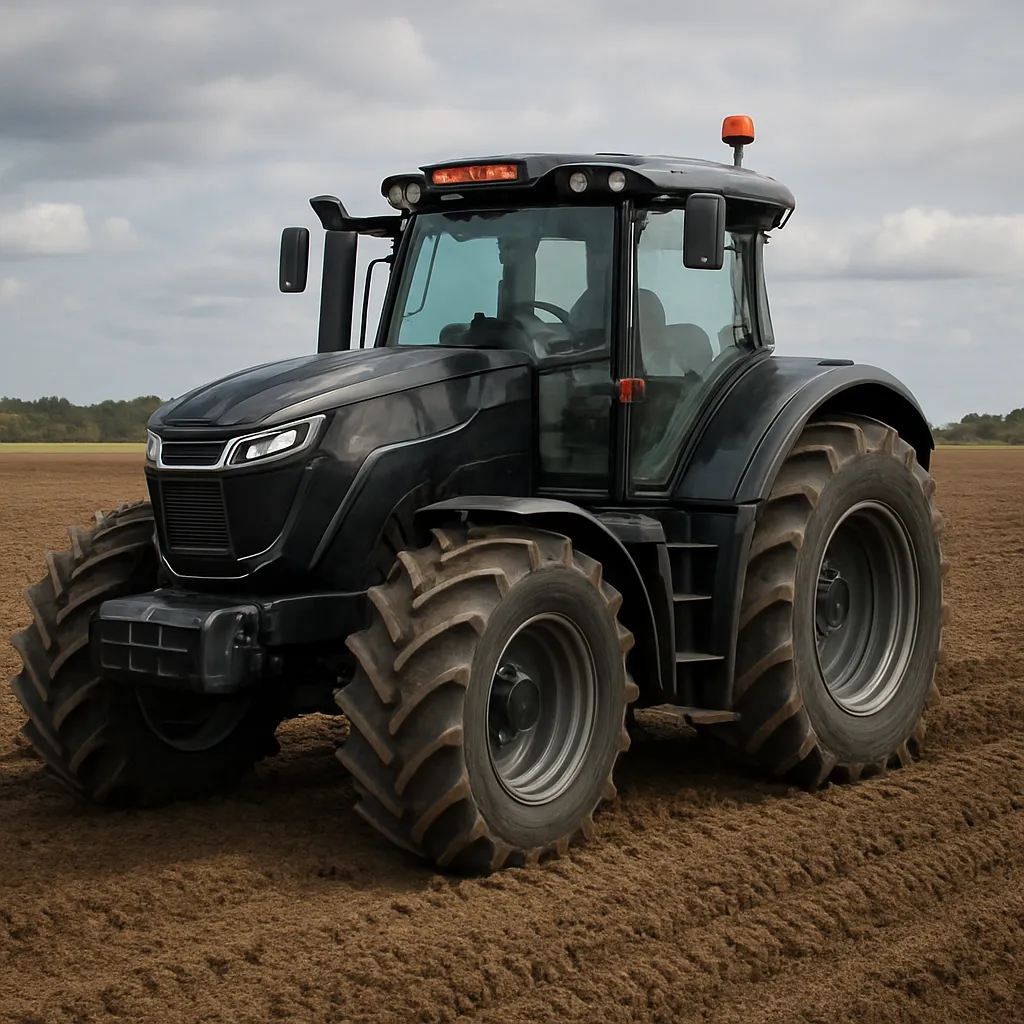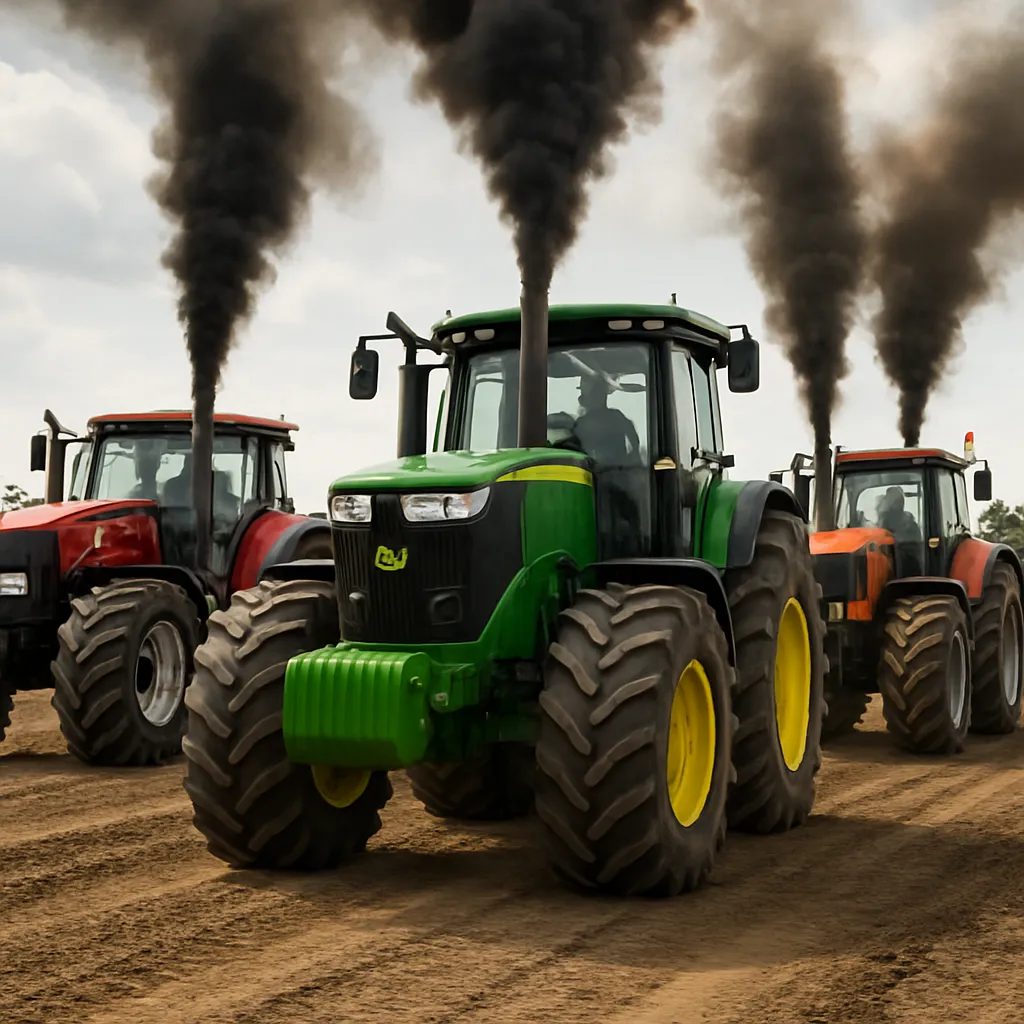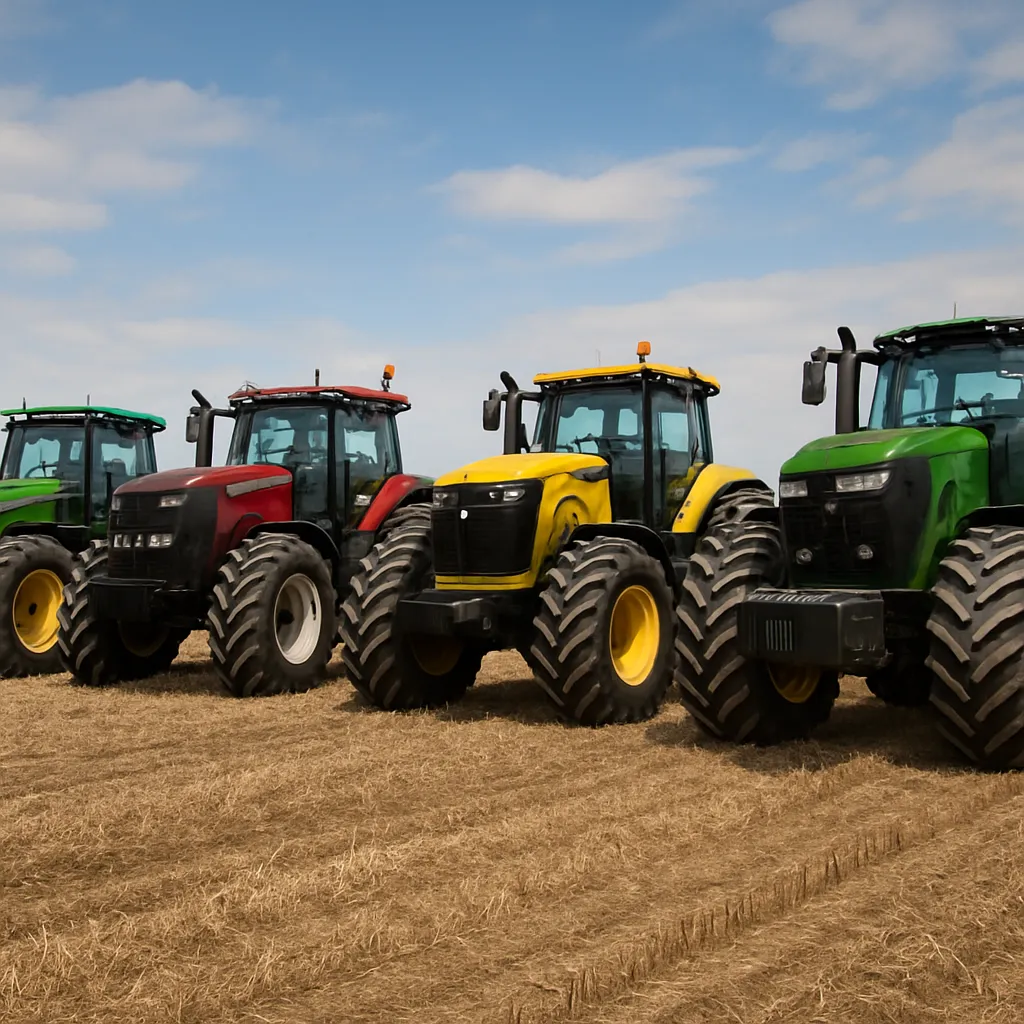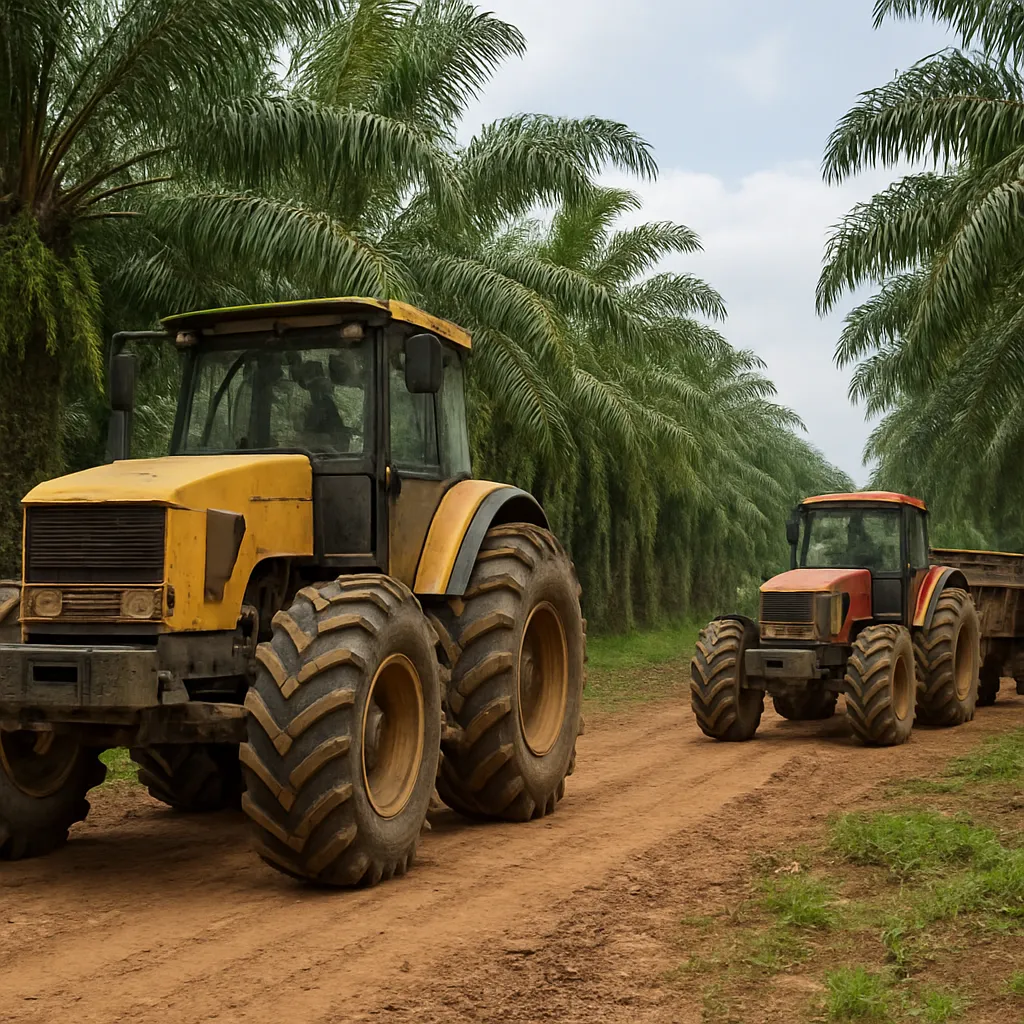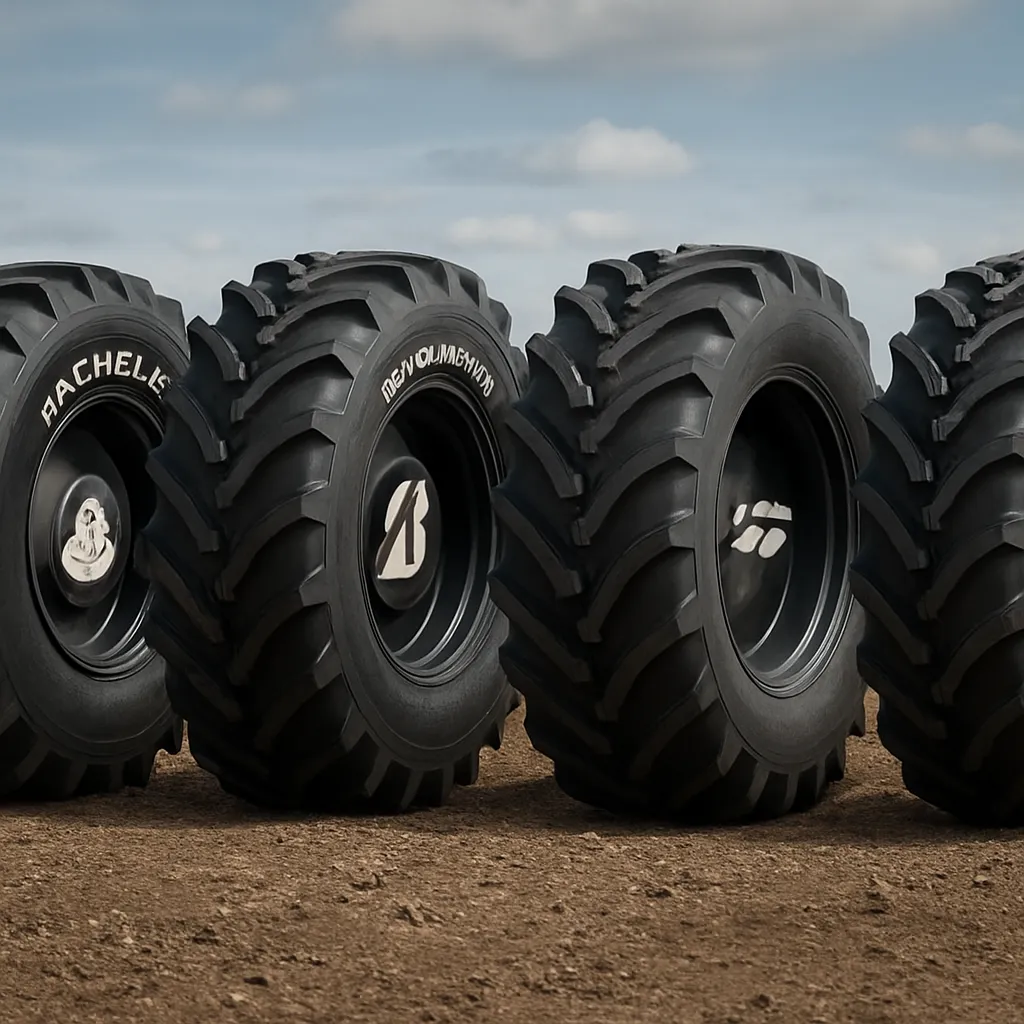
The tractor tire sector has become a cornerstone of modern agriculture, supplying the vital connection between mighty machines and the fields they till. As tractors grow ever larger and more powerful, the demand for specialized tires capable of handling extreme loads, varying soil types, and diverse weather conditions continues to rise. This article explores the world’s biggest tractor tire producers, examining their roles in shaping the future of farming, their technological breakthroughs, and the evolving market dynamics driving new developments.
Global Landscape of Tractor Tires
In the realm of heavy-duty agricultural work, tractor tires are no longer simple rubber rings. Today’s offerings span from high flotation designs that minimize soil compaction to dual-purpose treads optimized for both traction and transport. The largest tires exceed 2.5 meters in diameter and weigh several tons each, demonstrating the remarkable progress in tire engineering. These colossal tires enable tractors to pull plows, planters, and harvesters with unprecedented power and control.
High-horsepower tractors rely on advanced tire solutions to achieve optimal ground contact and fuel efficiency. Manufacturers collaborate closely with tractor builders, equipment dealers, and farm consultants to define specifications and test prototypes under real-world conditions. As global food demand grows, this cooperation fosters continuous innovations in tread patterns, rubber compounds, and construction techniques that underpin both performance and resilience.
Tire Classifications and Specifications
- Radial vs. Bias Ply: Radial designs have revolutionized durability and ride comfort, while bias ply models still find favor in certain applications due to lower cost and simpler construction.
- Flotation vs. Traction: Flotation tires spread a tractor’s weight over a larger footprint, reducing soil damage, whereas traction tires feature aggressive lugs for superior grip in muddy or hilly terrain.
- Size Ranges: Diameters can range from 1.2 meters on compact tractors up to 3 meters on massive high-clearance machines. Widths vary from narrow transport profiles to wide ultra-flotation styles.
- Load and Speed Ratings: Engineering standards like the ETRTO classification define load capacities at specific inflation pressures and speeds, ensuring safe operation under diverse conditions.
Profiles of Top Manufacturers
The global tractor tire industry is dominated by a handful of large enterprises, each leveraging decades of expertise in tires and rubber technology. Their investments in research and development not only push the boundaries of durability but also drive improvements in sustainability and resource use.
- Michelin: A pioneer in agricultural tires, Michelin has introduced the UltraBib and CerexBib series, featuring radial carcasses and self-cleaning tread designs. Their research into bio-based oils and recycled materials seeks to reduce the environmental footprint of tire production.
- Bridgestone (Firestone): Under the Firestone brand, Bridgestone offers the Performer and Farm Implement ranges, known for robust steel-belted construction and optimized lug geometry. The company emphasizes global after-sales support, including mobile fitting services.
- Trelleborg: Hailing from Sweden, Trelleborg specializes in high-performance flotation tires such as TM1000 High Power, engineered for high-horsepower tractors. Their patented SmartFlex technology delivers consistent pressure distribution and reduced soil compaction.
- BKT: Balkrishna Industries (BKT) has risen to prominence through aggressive expansion and a diverse portfolio covering agricultural, industrial, and OTR applications. Its AGRIMAX series balances traction, ride comfort, and longevity.
- Mitas: A European leader, Mitas focuses on innovative tread patterns like the AC Series for all-crop versatility. The company’s state-of-the-art test farm allows tire developers to evaluate performance on live soil profiles.
- Yokohama: Known for premium rubber compounds, Yokohama’s GL-Tractor series offers reinforced sidewalls and advanced bead technology. Their emphasis on resource-efficient manufacturing aligns with growing agricultural sustainability goals.
- Continental: Continental integrates digital solutions like tire monitoring sensors to track inflation, temperature, and wear in real time. Their VF (Very High Flexion) tires enable tractors to carry heavier loads at lower pressures.
Innovations and Research & Development
Leading producers invest heavily in laboratory and field trials, collaborating with universities and agricultural equipment makers. Key areas of focus include:
- Advanced Compounds: New polymer blends extend service life by resisting cuts, punctures, and heat buildup during long transport hauls.
- Smart Tires: Embedded sensors and IoT connectivity enable proactive maintenance, improve efficiency, and reduce downtime by alerting operators to pressure leaks or tread damage.
- Eco-Design: Development of tires with lower rolling resistance helps reduce fuel consumption and greenhouse gas emissions.
- 3D Modeling: Finite element analysis and digital twinning accelerate design cycles, enabling virtual stress testing under varying loads and speeds.
Emerging Trends and Market Outlook
As the agricultural landscape evolves, tractor tire manufacturers must adapt to shifting demands for precision farming, sustainable practices, and automation. The following trends will shape the next decade:
Electrification and Autonomous Equipment
Electric tractors are gaining traction, offering quieter operation and lower maintenance costs. These machines require specialized tires that complement torque delivery characteristics and offer regenerative braking compatibility. Tire companies are exploring rubber compounds that maintain elasticity at lower operating temperatures and develop treads suited for automated guidance systems.
Precision Agriculture Integration
Data-driven farming relies on real-time monitoring of soil conditions and equipment performance. Smart tire platforms pair on-board sensors with cloud analytics, enabling farmers to adjust inflation pressures dynamically for varying field zones—maximizing traction where needed and minimizing compaction elsewhere.
Sustainability and Circular Economy
Regulatory pressures and consumer demand push manufacturers toward greater use of recycled materials and renewable feedstocks. Some companies are piloting end-of-life tire recycling programs to reclaim rubber and steel components—closing the loop in the tire lifecycle. Innovations in biodegradable additives further reduce environmental impact.
Regional Market Dynamics
- North America remains a stronghold for large, high-horsepower tractors, demanding oversized radial tires with high load ratings.
- Europe’s emphasis on precision farming and environmental regulations fuels growth in VF and IF (Improved Flexion) tire segments.
- Asia-Pacific markets experience rapid mechanization, driving demand for cost-effective bias ply options alongside premium radials.
- Latin America’s vast plantations and varied soils create niche opportunities for tires optimized for both traction and flotation.
The collaboration between tractor OEMs and tire producers will intensify, producing fully integrated drive solutions that optimize traction, ride stability, and energy use. As global food production targets rise, the interplay of durability, technology, and resource stewardship will define the next generation of agricultural tires, cementing the importance of these mighty circular giants in the machinery of modern farming.