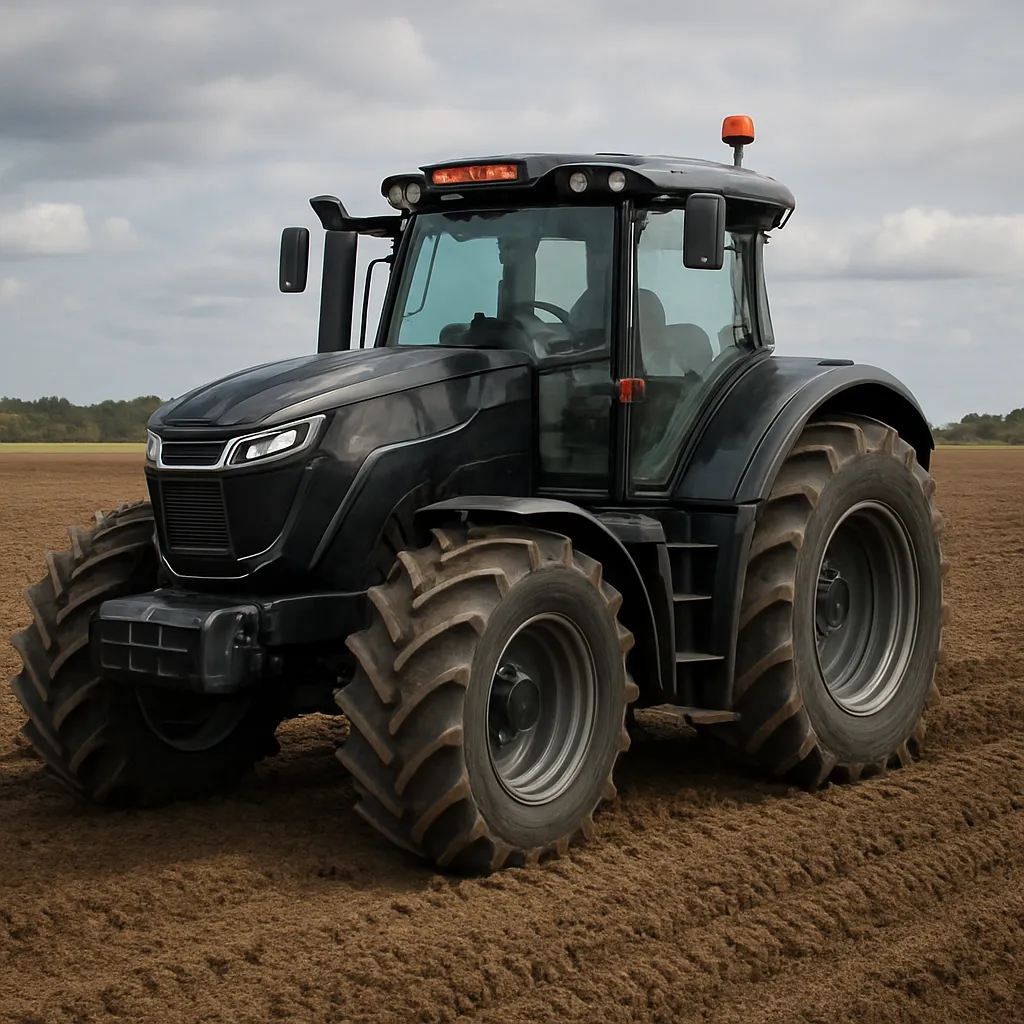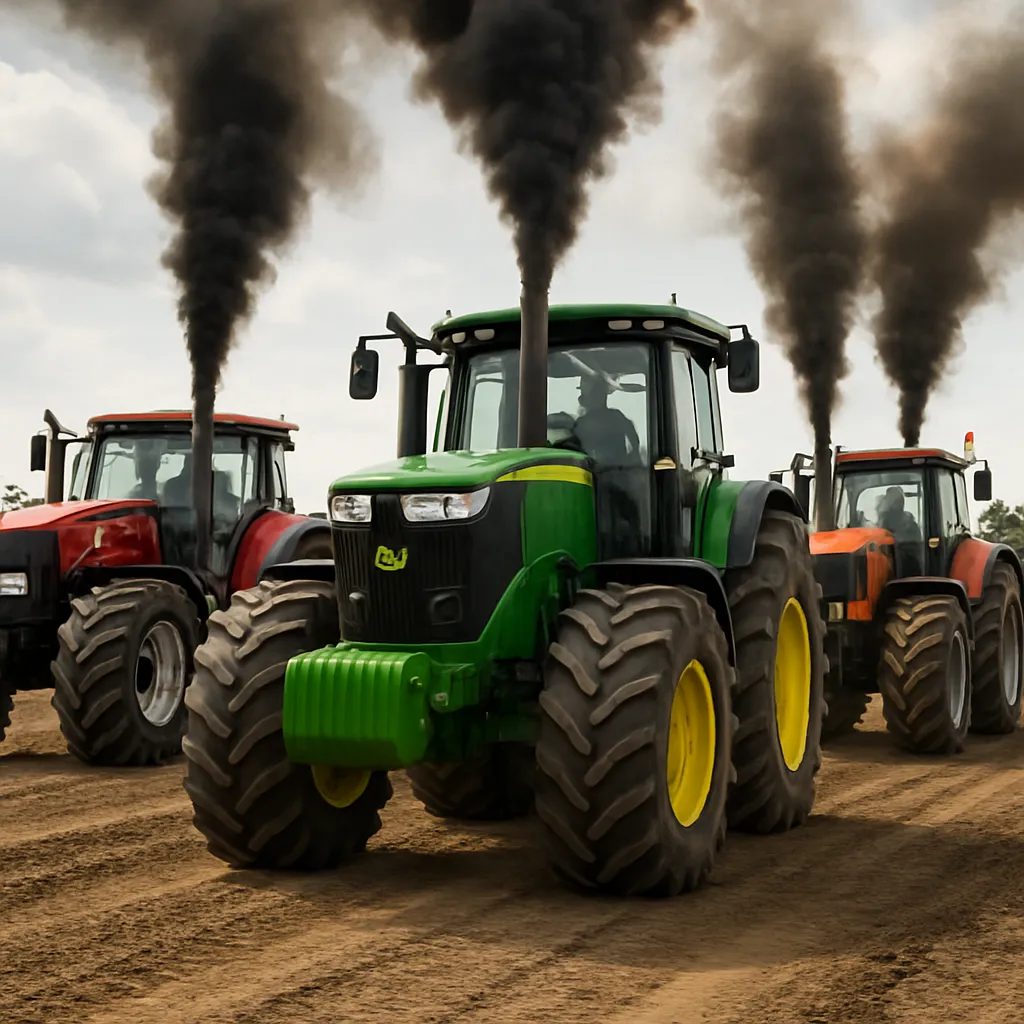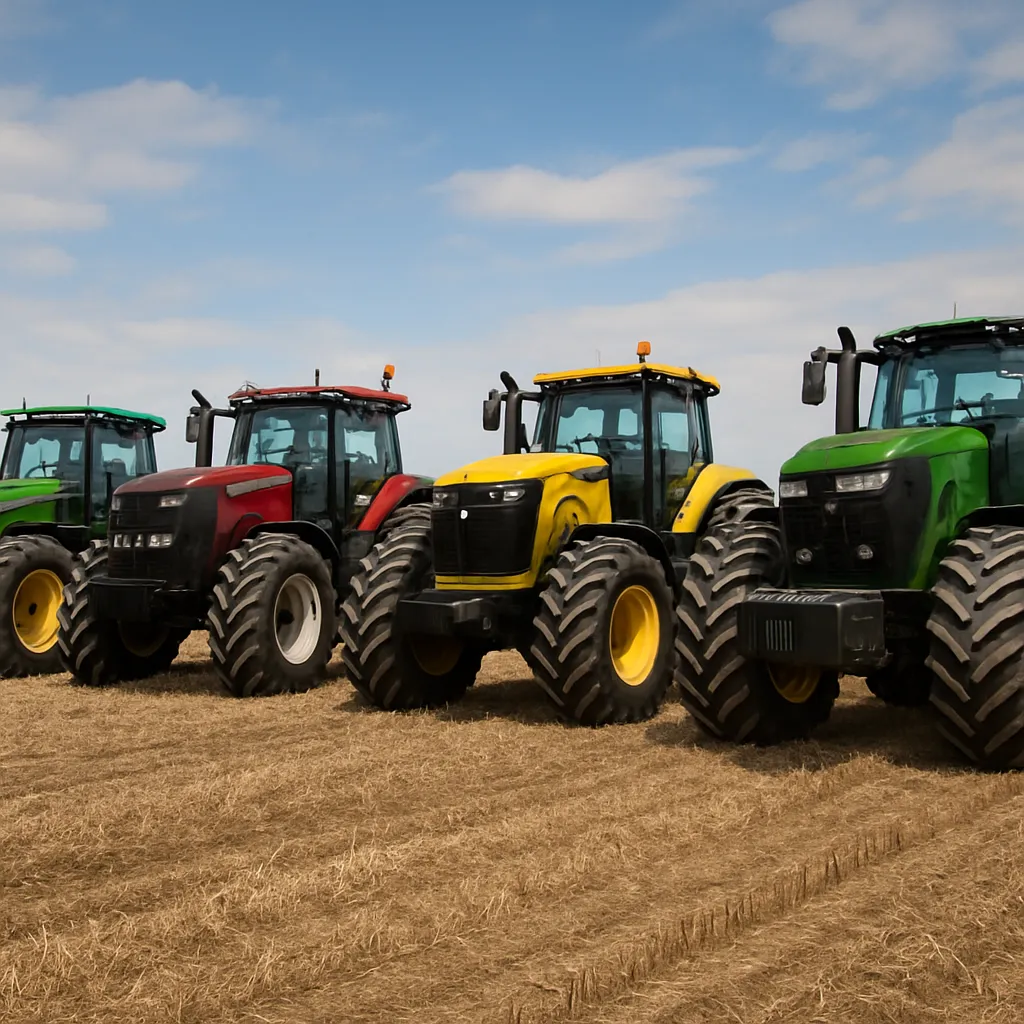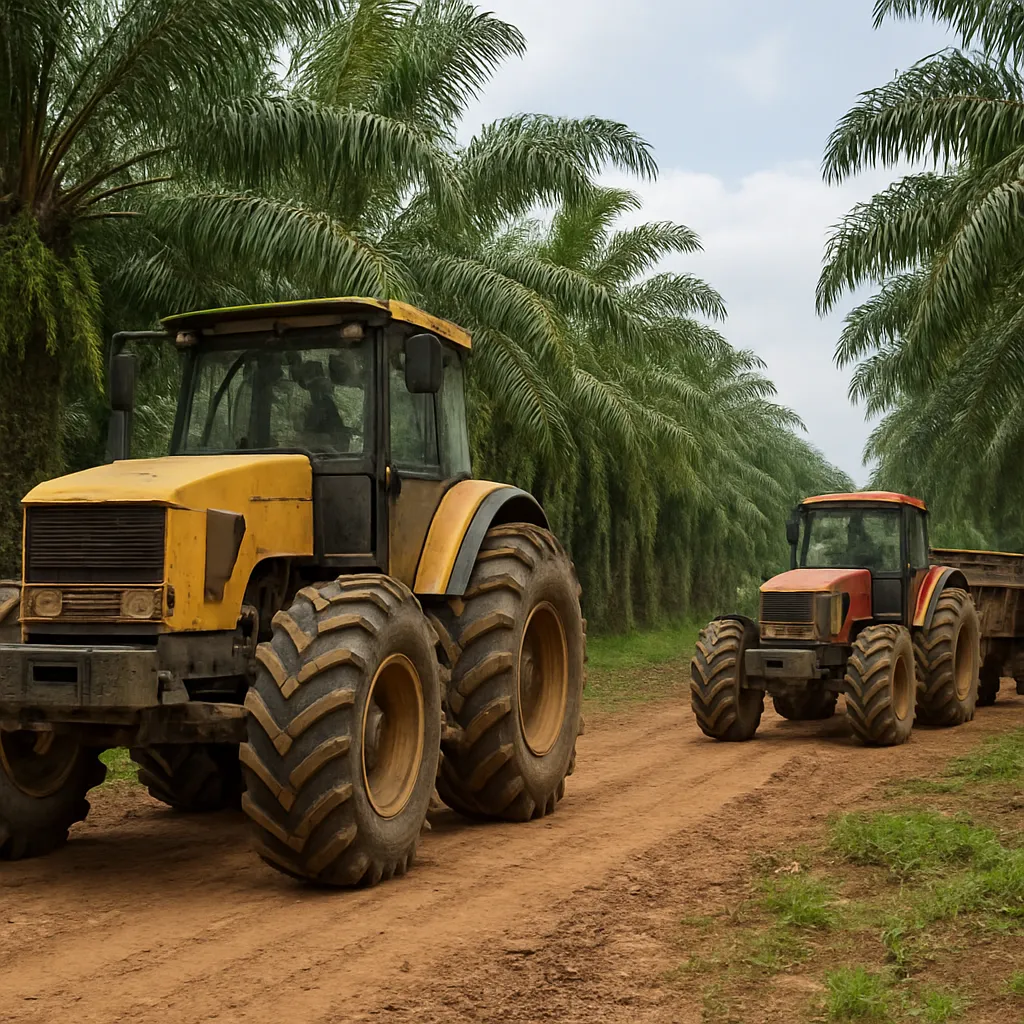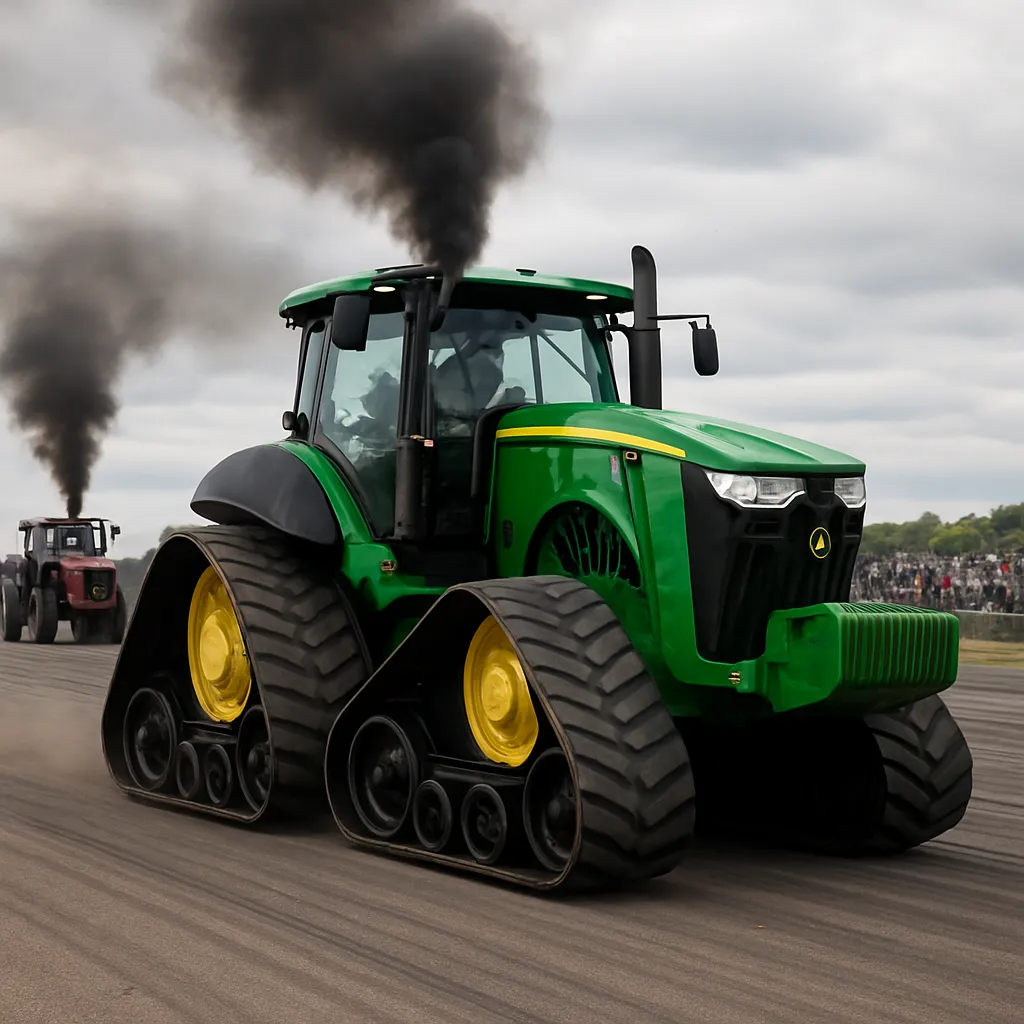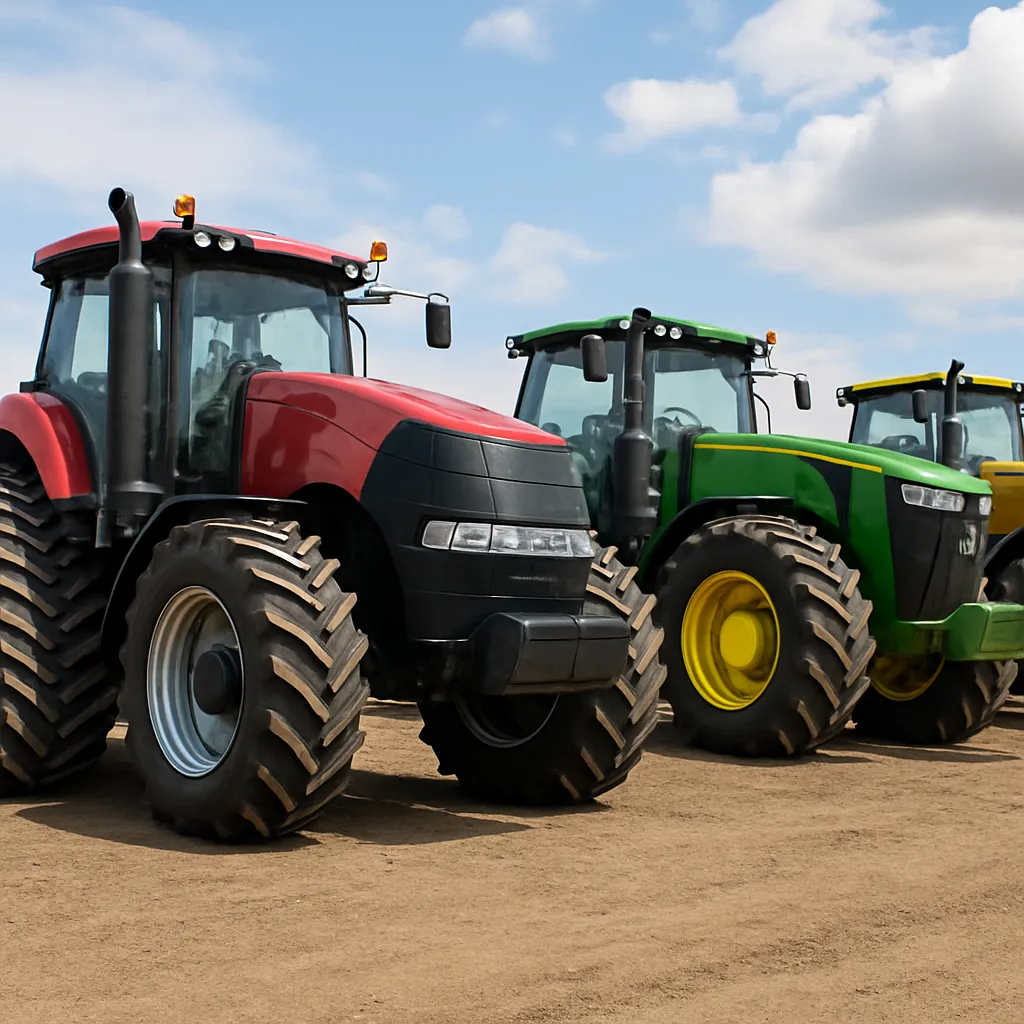
The evolution of agricultural machinery has seen an impressive escalation in size, power, and technological prowess. Enthusiasts and professionals alike flock to farm shows around the globe to witness the titans of the field – the most colossal tractors ever to roll onto exhibition grounds. These machines not only represent feats of engineering but also embody the relentless pursuit of greater efficiency and productivity. From custom-built giants to limited-production marvels, the spectacle of oversized tractors captivates audiences, sparking conversations about the future of farming.
Origins and Evolution of Giant Tractors
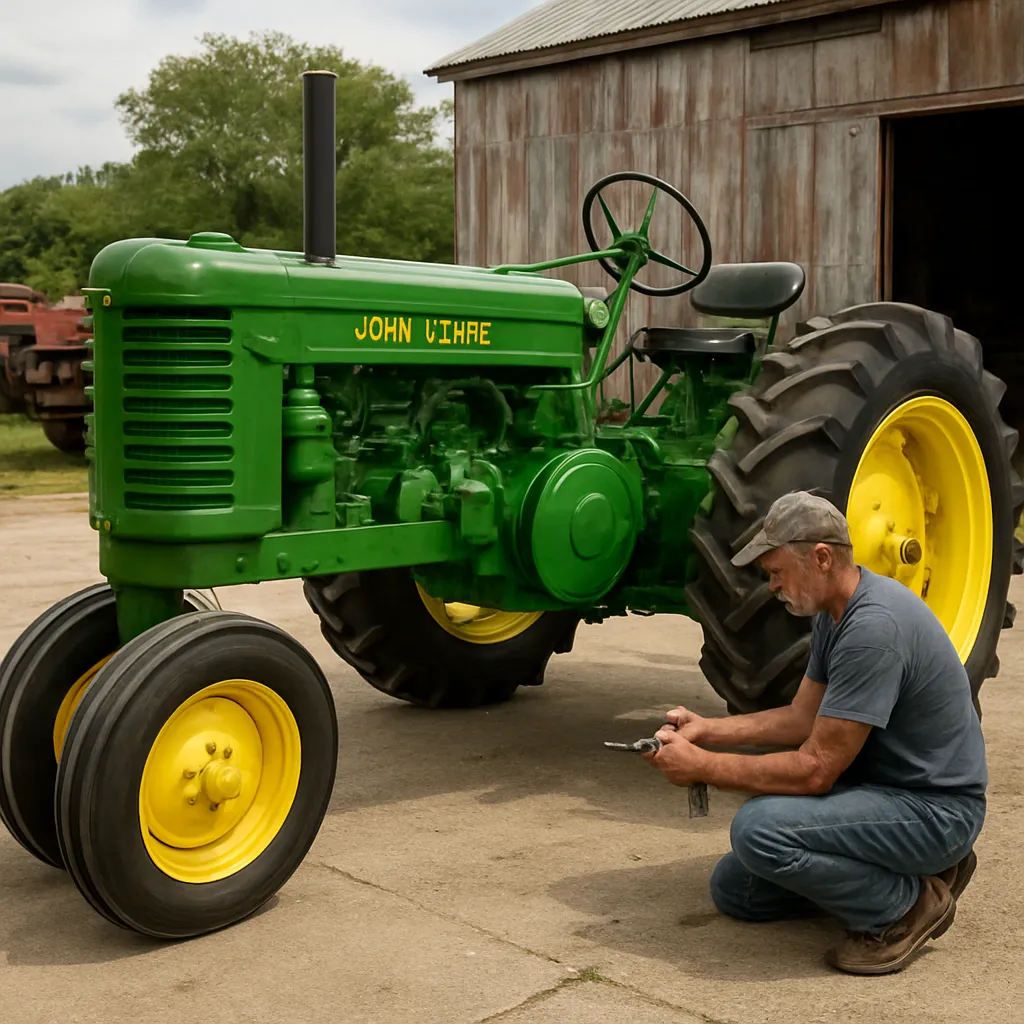
The journey to the world’s largest tractors began in the early 20th century, when mechanization started replacing animal labor. Early tractors were modest, often less than 50 horsepower, yet they laid the groundwork for subsequent leaps in design. Over time, manufacturers pushed boundaries, introducing multi-engine designs and articulated frames. These experiments culminated in machines boasting hundreds, then thousands, of horsepower, capable of pulling implements that weighed several tons.
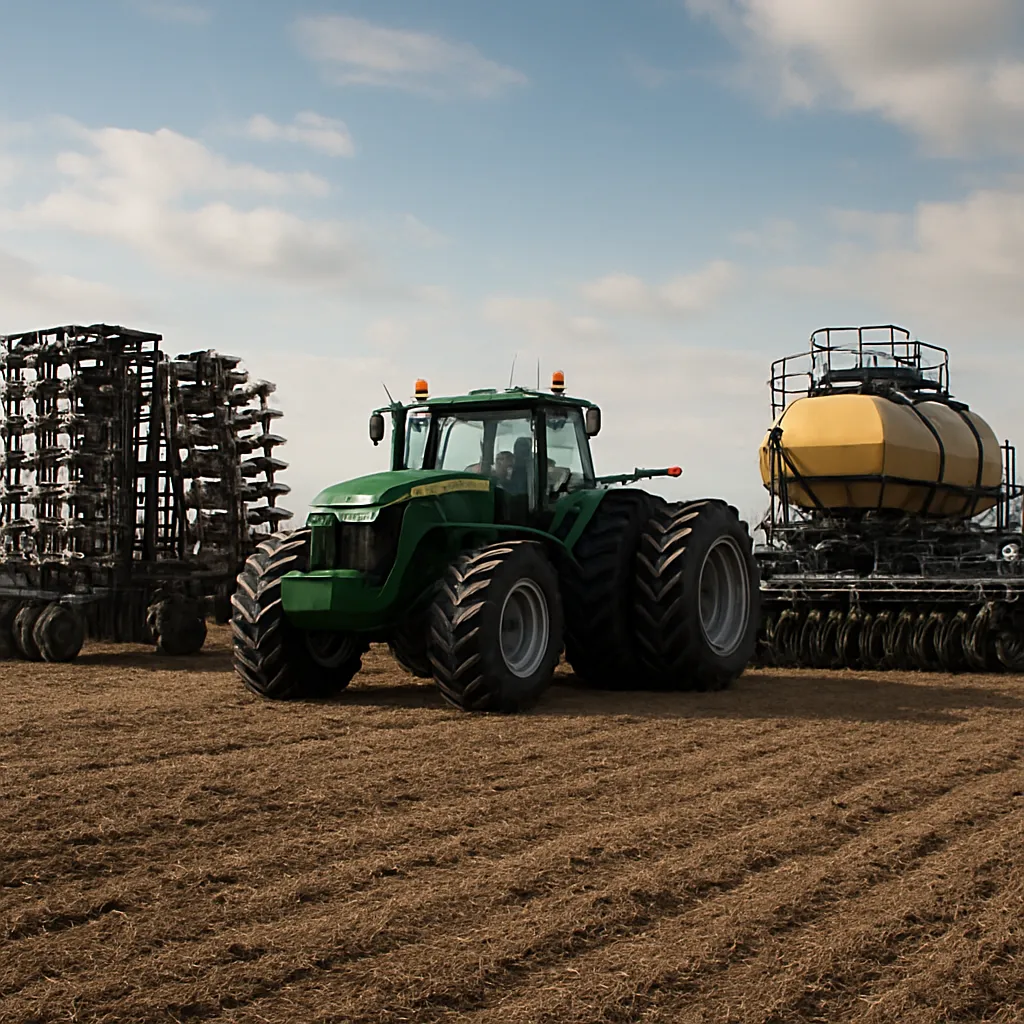
Key milestones included the debut of dual-engine setups in the 1960s and the shift to high-capacity diesel engine configurations. Firms like Allis-Chalmers, Case IH, and John Deere competed to produce ever-larger models. While some prototypes never entered mass production, they showcased emerging innovation in hydraulics, transmission systems, and tire technology. The result was a fleet of behemoths, each vying for the crown of the most powerful tractor on earth.
Technological Breakthroughs Driving Size and Power
Advances in several areas enabled tractors to grow in stature and capability. Key technologies include:
- Engine Enhancement: Turbocharging, intercooling, and electronic controls dramatically increased output without proportional increases in displacement.
- Articulation and Four-Wheel Steering: Enabled tighter turning radii despite massive dimensions, improving maneuverability in fields.
- High-Flotation Tires: Distributing weight over larger footprints reduces soil compaction, a critical factor for tractors tipping the scales at over 20 tons.
- Advanced Hydraulics: Systems capable of delivering thousands of PSI to implements, allowing seamless operation of multiple implements simultaneously.
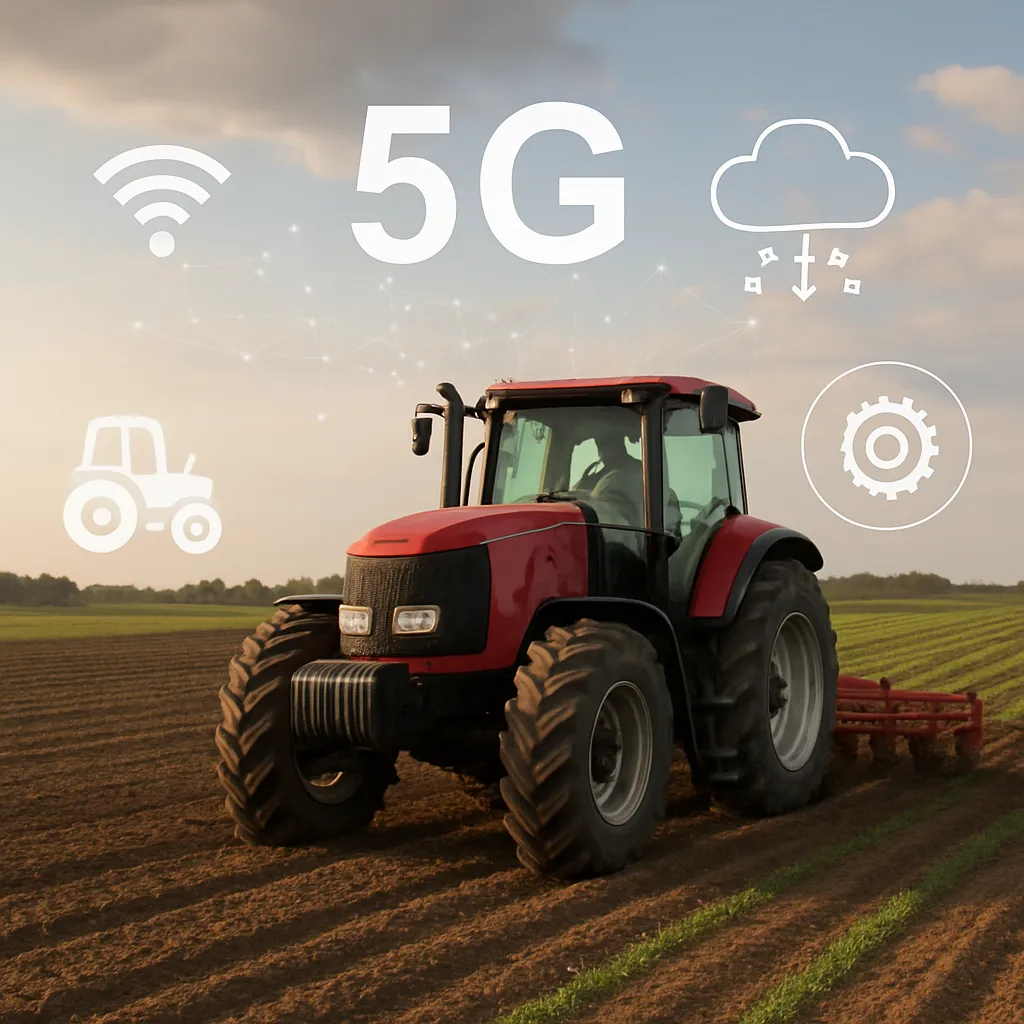
- Telematics and Automation: GPS guidance, variable-rate application, and even semi-autonomous functions have become standard on the largest modern tractors, enhancing precision.
Through these innovations, manufacturers achieved remarkable performance improvements, with fuel efficiency gains of over 20% compared to previous generations, despite dramatic increases in raw power and weight.
Iconic Models Showcased at Global Farm Exhibitions
Farm shows such as Agritechnica in Germany, Farm Progress Show in the USA, and SIMA in France serve as the ultimate platforms for debuting gargantuan tractors. Among the most memorable:
Case IH Steiger Quadtrac 620
- Engine Output: 620 horsepower
- Features: Four independent tracks, central tire inflation system, and advanced telematics.
- Exhibition Highlight: In 2017, it performed live demonstrations plowing over 40 hectares per hour.
John Deere 9RX Series
- Engine Output: Up to 620 hp
- Features: Quad-track undercarriage, active suspension, and auto-steering compatibility.
- Exhibition Highlight: Won the “Most Innovative Product” award at a major North American show.
New Holland T9.700
- Engine Output: 682 hp
- Features: Continuously Variable Transmission (CVT), ultra-quiet cab design, and integrated yield mapping.
- Exhibition Highlight: Demonstrated tilled soil uniformity in high-resistance soil conditions.
Each of these giants captivated attendees with their raw power, cutting-edge controls, and imposing presence. Spectators often gather around to hear the deep rumble of multi-liter engines revving under load, a visceral reminder of the raw mechanical force at play.
Economic and Environmental Implications
Deploying the largest tractors comes with both advantages and challenges. On the positive side, high-capacity machines can handle extensive acreages swiftly, reducing labor and time costs. A single mega-tractor might replace several smaller units, streamlining logistics and maintenance. This consolidation can lead to lower operating expenses per hectare, boosting farm profitability.
However, increased scale raises concerns about soil health. Heavy machines risk deeper compaction layers, which impede root growth and water infiltration. Manufacturers counter this with traction-optimized tires and tracks, adjustable ballast systems, and real-time ground pressure monitoring to minimize negative impacts. Additionally, the integration of precision agriculture tools helps apply inputs like fertilizer and pesticides more judiciously, aligning with sustainability goals.
Future Prospects: Pushing the Limits Further
As global demand for food grows, expectations for agricultural machinery continue to climb. Research and development efforts now explore:
- Hybrid and Electric Propulsion: Reducing emissions while maintaining torque characteristics essential for heavy-duty tillage.
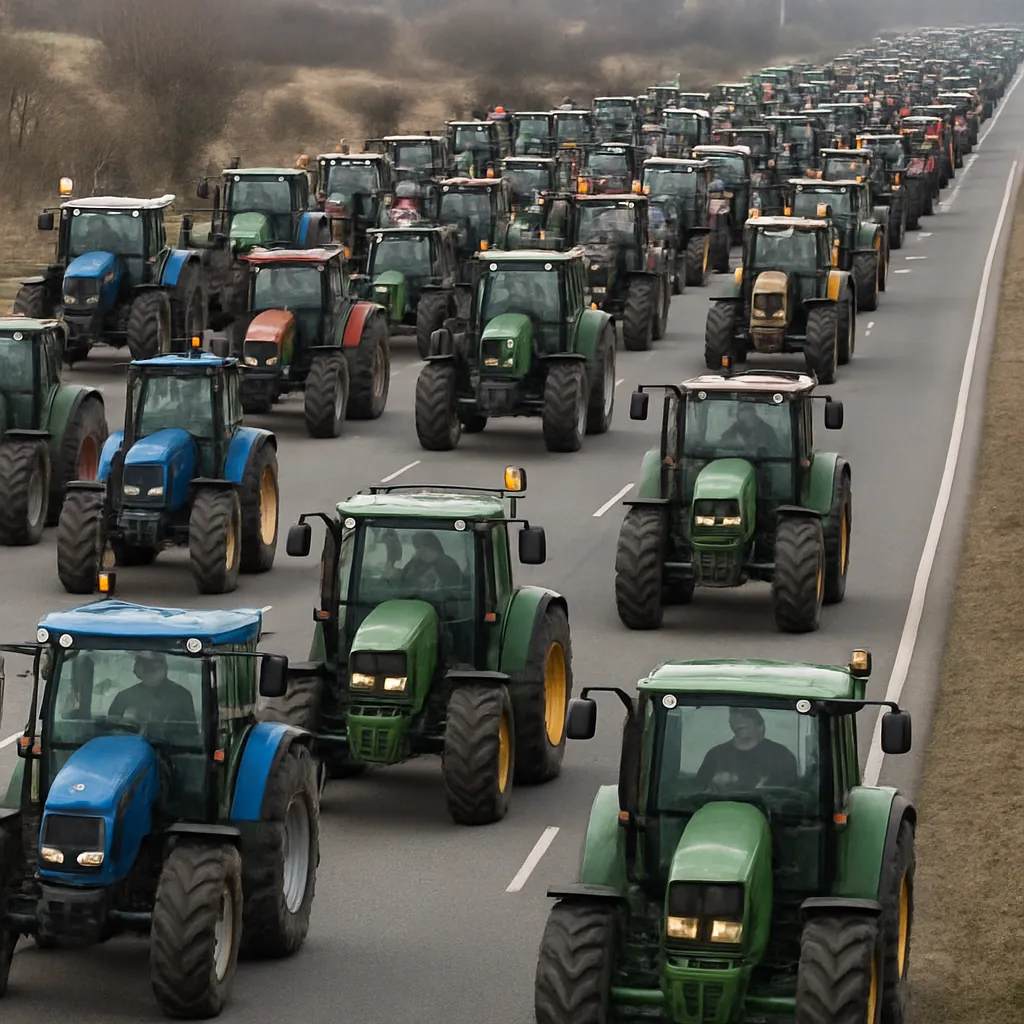
- Autonomous Convoys: Multiple driverless tractors operating in tandem, coordinated by a central farm management system.
- Modular Designs: Swappable power packs and adaptable attachments that allow a single chassis to perform diverse tasks throughout the season.
- Augmented Reality Interfaces: Heads-up displays providing real-time data overlays on fields, guiding operators or autonomous controllers.
These emerging concepts promise to enhance not just raw capacity but also operational efficiency and environmental stewardship. As prototypes transition to production, farm show audiences can anticipate even more impressive displays of agricultural power and innovation.
Conclusion of the Grand Showcase
Without resorting to a summary, it is clear that the largest tractors ever exhibited at farm shows represent a dynamic fusion of mechanical might and high technology. From the earliest multi-engine constructors to today’s fully networked behemoths, these machines illustrate an ongoing quest to increase output, reduce costs, and address environmental challenges. Visitors at major events witness not only metal and horsepower but also the vision of tomorrow’s farming landscape, where scale and precision work hand in hand.