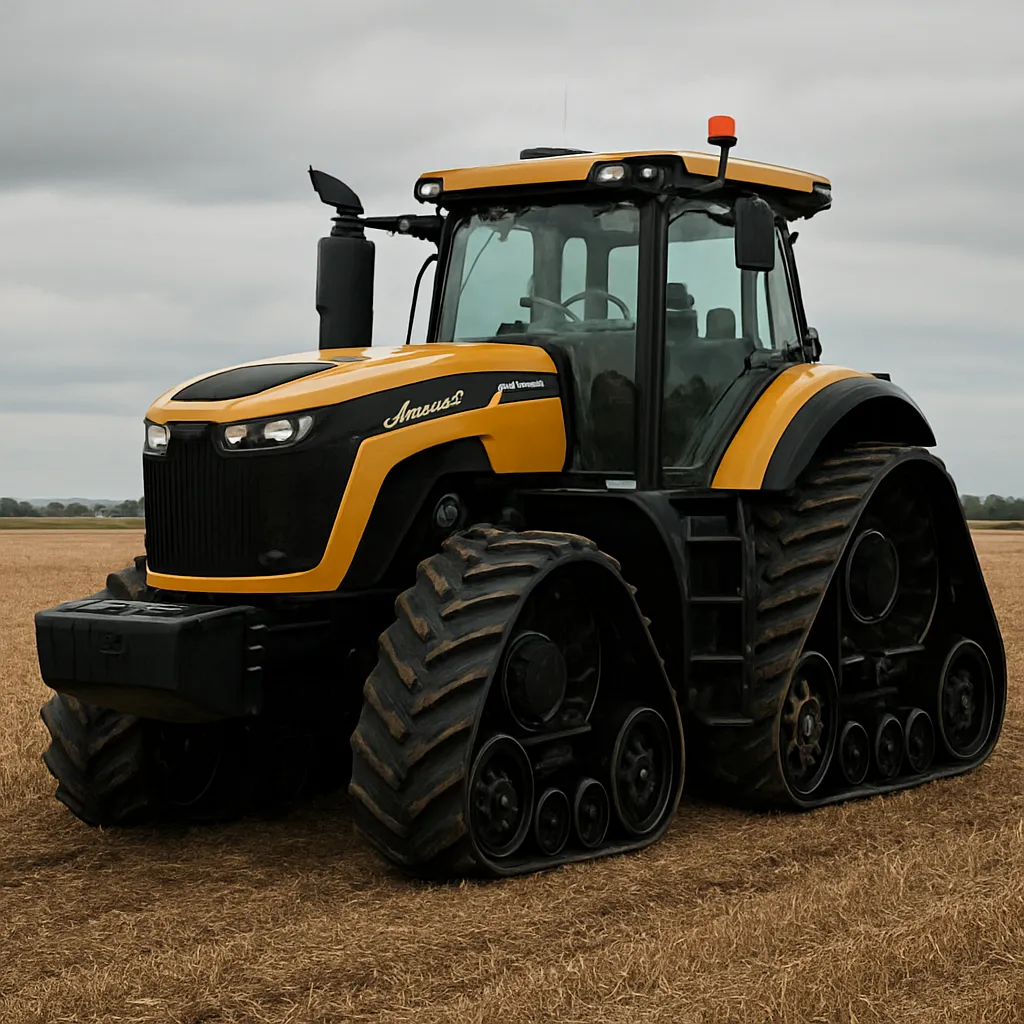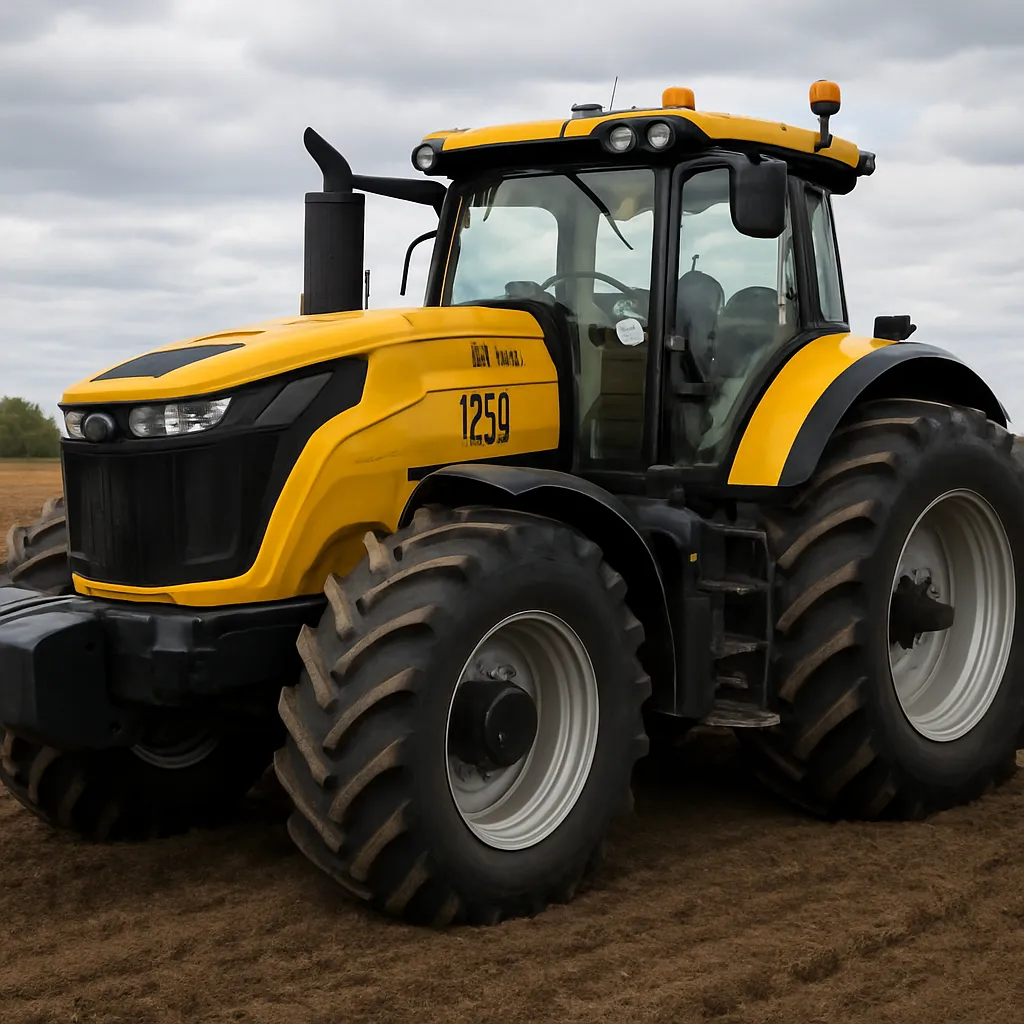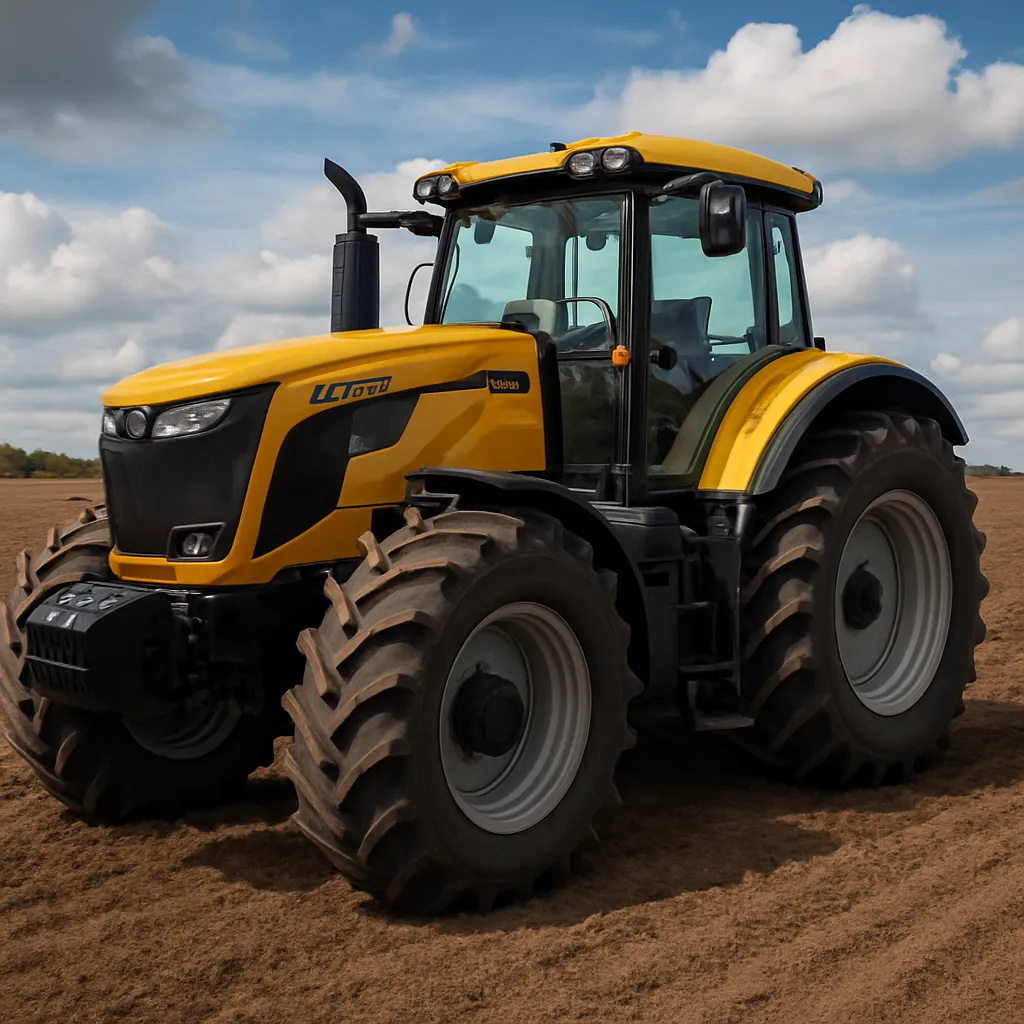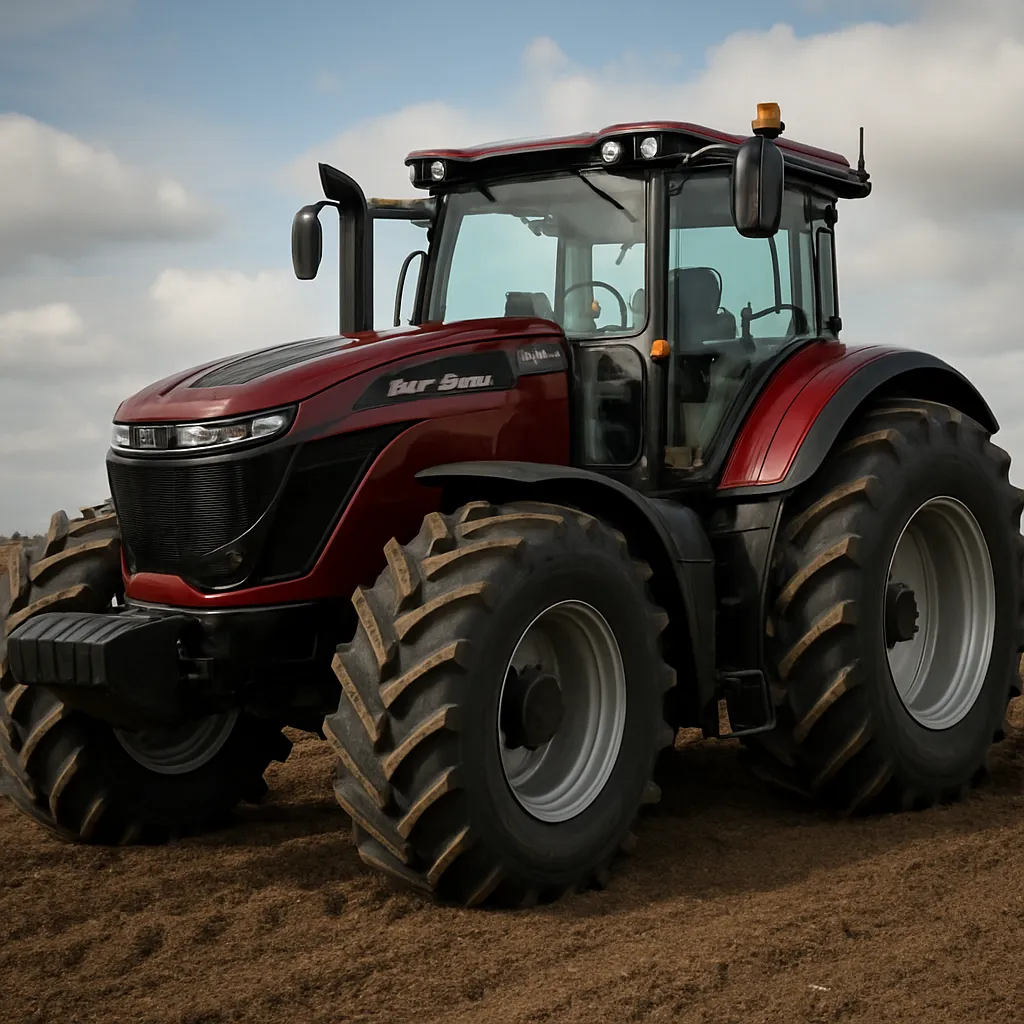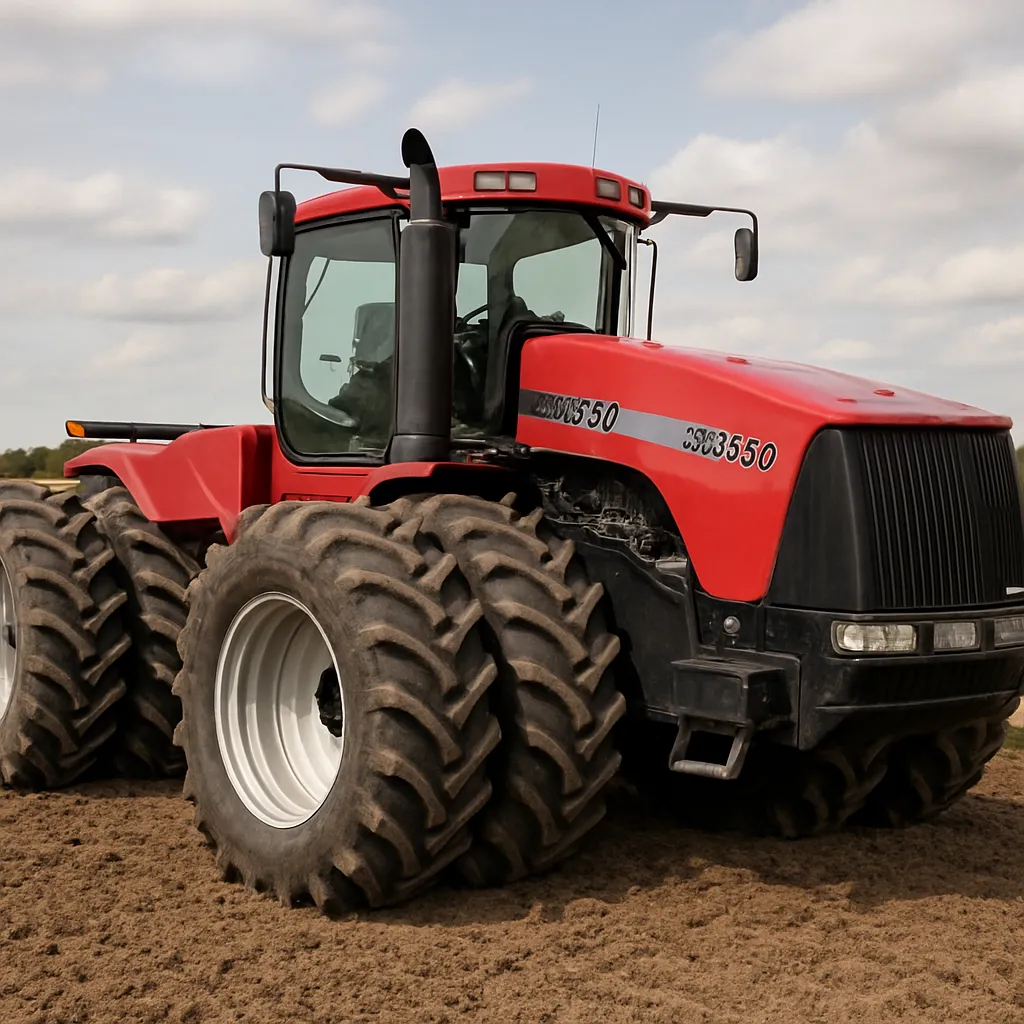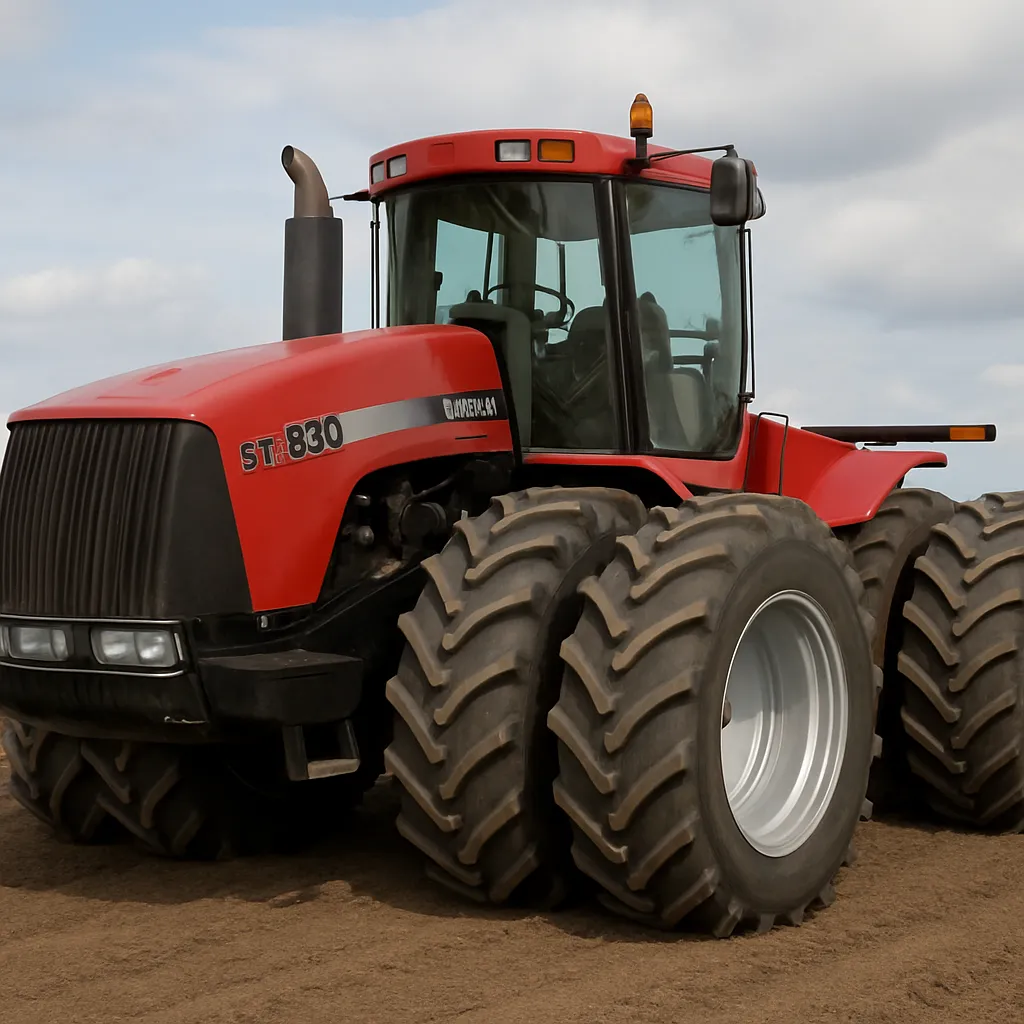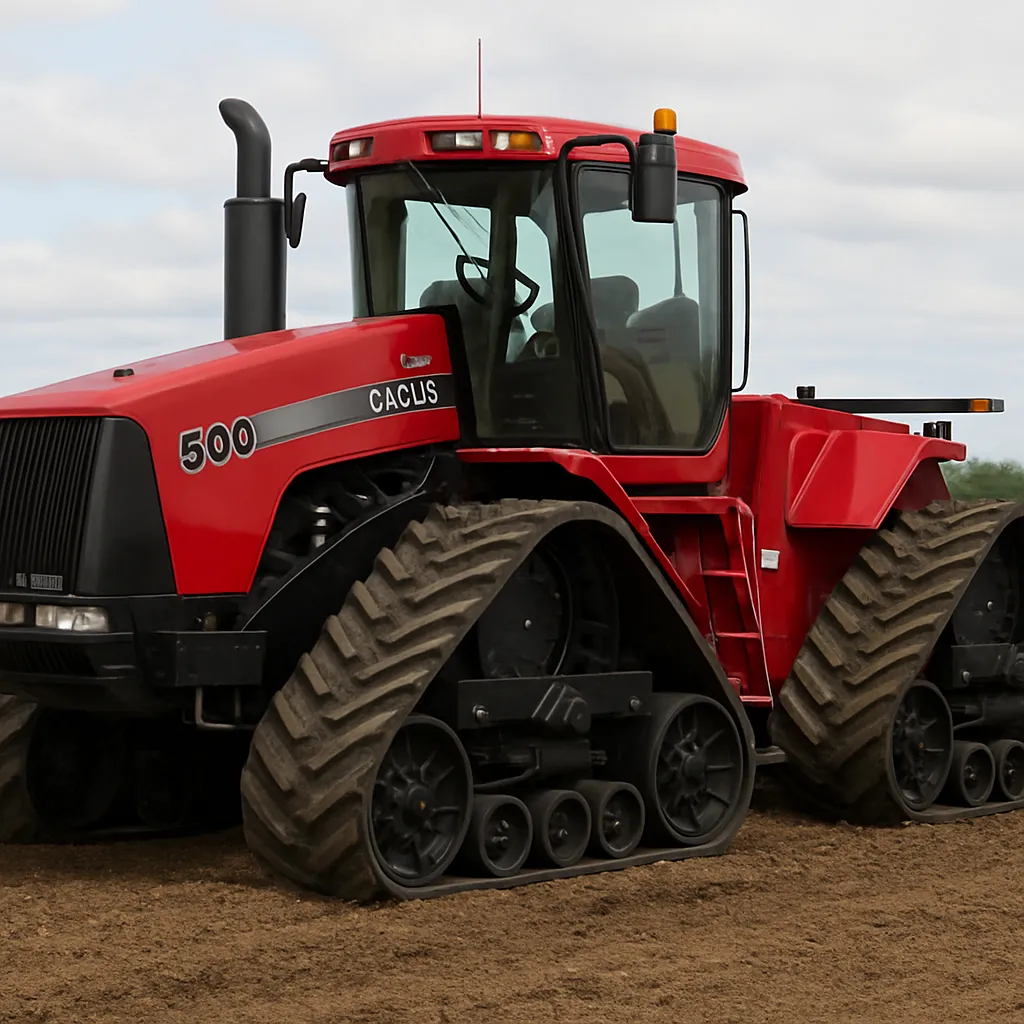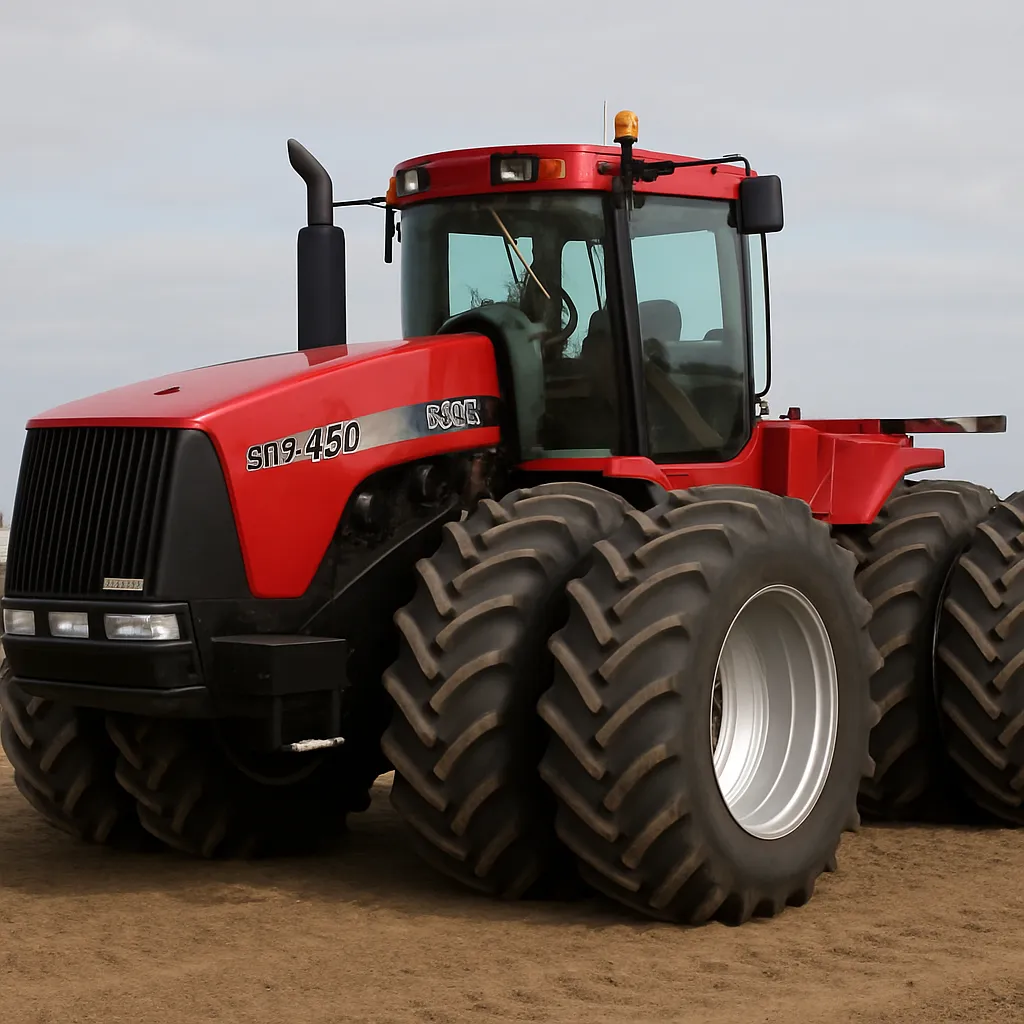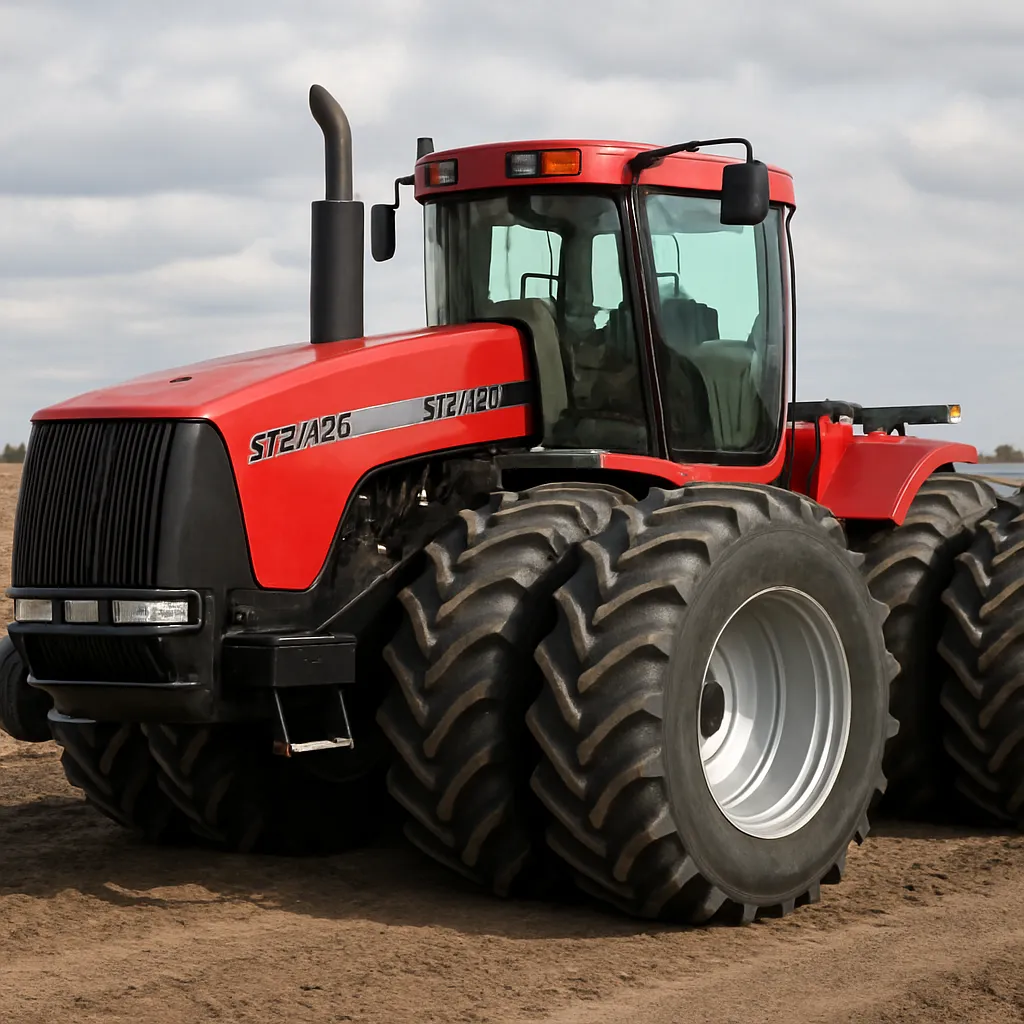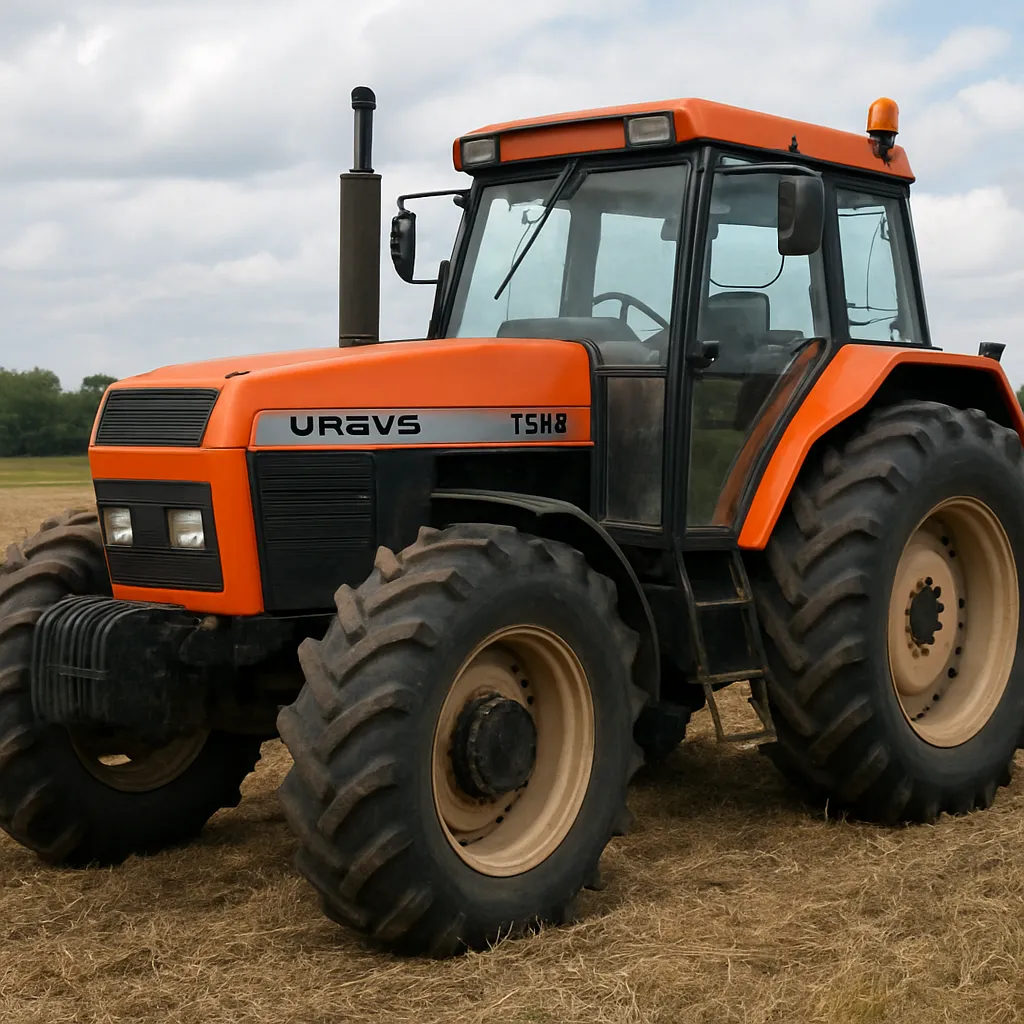
The Ursus 1634 is a practical and robust agricultural tractor developed by the Polish manufacturer Ursus. Designed to meet the demands of medium-to-large farms and contractors, it combines conventional mechanical solutions with a focus on durability and easy serviceability. This article examines the design, technical characteristics, typical applications, maintenance considerations and market context of the Ursus 1634. Wherever technical figures are given they represent commonly reported values and may vary by year, regional configuration and optional equipment.
Design and technical characteristics
The Ursus 1634 was created with an emphasis on balancing power, simplicity and adaptability. Its architecture follows a conventional tractor layout: front engine, rigid chassis and both mechanical and hydraulic systems intended to support a wide range of implements. Key design highlights include a robust diesel engine, multiple transmission options, strong three-point linkage and a practical cabin or platform arrangement depending on the configuration.
Engine and performance
- Engine type: The model is powered by a turbocharged diesel engine tuned for dependable torque delivery at low to mid RPMs. The engine design focuses on longevity and ease of maintenance, with commonly used components that can be serviced in regional workshops.
- Power output: Reported figures for the Ursus 1634 typically place rated engine power in the mid-to-high range for medium tractors. Depending on configuration and market, usable power commonly falls roughly between 120 and 160 horsepower (hp). These values reflect the model’s positioning for heavier fieldwork without reaching the highest class of modern high-horsepower tractors.
- Torque and fuel characteristics: The engine emphasizes a broad torque curve to support draft-intensive tasks such as ploughing and heavy cultivations. Fuel consumption varies with load and task but operators often note the engine’s reasonable specific fuel consumption for its class when used within its intended power band.
Transmission and driveline
- Transmission: The Ursus 1634 is offered with manual or semi-powershift transmission variants in different markets, providing a useful range of forward and reverse speeds for field and transport work. Gearbox design aims to be service-friendly and durable under heavy usage.
- Drive: Many configurations include four-wheel drive (4WD) with lockable differentials to maximize traction on soft ground and during heavy-draft operations.
- PTO: Standard PTO options typically include 540 and 1000 rpm speeds, with provisions for independent or live PTO operation to match implements’ power requirements.
Hydraulics and three-point linkage
- Hydraulic system: The tractor usually features an open-center or closed-center hydraulic system depending on year and configuration, providing sufficient flow for multiple rear spool valves. Typical flow rates are designed to support modern mounted and trailed implements.
- Three-point hitch: Category II/IIIA three-point linkage with high lift capacity allows the 1634 to handle heavy mounted tools and enables safe lifting and transport of large equipment. Stabilizers and top-link adjustments are provided to ensure correct implement geometry.
Cabin and ergonomics
- Cabin: Options range from open platform versions for utility work to fully enclosed cabs with heating, ventilation and sometimes air conditioning. Controls are laid out to prioritize operator visibility and accessibility of main functions.
- Comfort: Seats with suspension, adjustable steering columns and straightforward instrument panels make for comfortable long working days. The design emphasizes reliability over high-end luxury.
Applications and practical uses
The Ursus 1634 is designed to be a versatile machine in multiple agricultural and non-agricultural roles. Its balance of power and simplicity makes it suitable for operations where durability and ease of maintenance are valued as highly as raw performance.
Primary agricultural roles
- Tillage and soil preparation: With high drawbar pull and a strong three-point hitch, the 1634 is well suited for primary tillage tasks such as ploughing, disking and heavy stubble cultivation on medium to large fields.
- Sowing and planting: The tractor provides stable PTO and hydraulic outputs to operate seed drills, planters and precision seeders at the correct ground speeds.
- Cultivation and crop care: With multiple hydraulic circuits and enough power for mounted or trailed cultivators, the model can be used for inter-row cultivation, herbicide application and mechanical weed control.
- Harvest support: Use as a carrier tractor for forage wagons, balers and grain trailers is common, especially where robust towing capacity is required.
Secondary and specialized roles
- Transport and haulage: The gearbox options and solid torque make the 1634 suitable for road transport of heavy loads across the farm and between fields.
- Forestry and municipal: With appropriate protective equipment and tires or tracks, the tractor can be adapted for forestry work, road-side maintenance, snow removal and municipal tasks.
- Contracting: Contractors who require a dependable workhorse for a variety of clients appreciate the model’s repairability and flexibility to handle many implements without complex upkeep.
Maintenance, reliability and operating economy
Longevity and manageable operating costs are central to the Ursus 1634’s appeal. The design philosophy prioritizes repairability and the use of widely available components rather than cutting-edge, expensive electronics that complicate field repairs.
Routine maintenance tasks
- Oil and filter changes: Regular engine oil, hydraulic oil and filter changes are essential. The simpler lubrication circuits permit DIY servicing or local mechanics’ intervention.
- Cooling and fuel systems: Periodic cleaning of radiators, replacement of fuel filters and attention to fuel quality help maintain performance and avoid premature wear.
- Transmission and differential: Gearboxes should have scheduled inspections, oil level checks and clutch adjustments where applicable to sustain smooth operation under heavy loads.
Reliability considerations
- Simplicity: Many operators praise the tractor for its mechanical simplicity and the availability of spare parts within regional markets.
- Durability: Structural components such as the chassis, three-point hitch and axles are built to withstand repetitive heavy use; however, correct lubrication and avoiding sustained overloads are crucial to preserve lifespan.
- Service network: Reliability in practical terms often depends on the local dealer and spare parts network. In regions with active support, the 1634 shows good uptime and predictable maintenance costs.
Historical context and production
Ursus is a historic Polish tractor and agricultural machinery manufacturer with deep roots in Central European agricultural mechanization. Over decades the company produced a broad range of tractors, from small utility models to larger field machines. The 1634 belongs to a generation of tractors that prioritized pragmatic engineering and adaptation to local farming conditions.
Market placement
- Positioning: The 1634 targets medium-to-large farms and contractors who need a dependable work tractor without the premium price of high-end international brands.
- Competition: It competes with similar tractors from manufacturers such as Zetor, Belarus (MTZ), smaller models from global brands, and regional offerings. The selling point is often a favorable price-to-durability ratio.
Production and distribution
- Availability: The tractor was distributed regionally across Europe and in selected export markets. Specific production years and total units produced vary by market and configuration.
- Variants: Different trims include open-station and cab versions, multiple transmission choices and optional hydraulic packages to meet diverse customer needs.
Technical statistics and commonly reported figures
Precise specifications may vary by year and market. The following figures represent commonly reported ranges and typical values encountered among owners and technical sheets:
- Rated engine power: ~120–160 hp (depending on version and tuning).
- PTO power: Typical rated PTO output generally corresponds to engine power minus drivetrain losses; practical PTO ratings often fall in the 100–140 hp range.
- Operating weight: Frequently reported between 4,500 and 6,500 kg, varying with cab equipment, ballast and optional accessories.
- Transmission speeds: Multiple forward and reverse gears to manage both slow field tasks and faster road transport; commonly 8–24 forward speeds depending on gearbox type.
- Hydraulic flow: Varies; designed to support multiple spool valves and typical mounted implements used in medium-to-large farming operations.
Because regional specifications differ, operators should consult local technical documentation or dealers for exact numbers for a specific serial number or model year.
Practical buying advice and aftermarket considerations
When evaluating a used or new Ursus 1634, several practical aspects should be weighed to ensure the machine matches operational needs and offers long-term value.
What to inspect on a used machine
- Service history: Verify maintenance records—regular oil changes, hydraulic service and gearbox maintenance are good indicators of responsible ownership.
- Wear and play: Check steering, linkage pins, PTO spline condition and gearbox for excessive backlash or unusual noise under load.
- Engine condition: Look for signs of oil leaks, smoking, irregular idling or overheating which can signal expensive repairs.
- Hydraulics: Test lift capacity under load and inspect hoses and seals for leaks; ensure the hydraulic pump operates smoothly with sufficient flow.
Upgrades and adaptation
- Tire choices: Selecting ag, combo or flotation tires can improve traction or reduce soil compaction depending on soil type and task.
- Front loaders and implements: The 1634 can be fitted with loaders, barkers, rear-mounted mowers or bale equipment—verify frame compatibility and hydraulic capacity.
- Modernization: Some owners fit modern electronics, GPS guidance or upgraded lighting; while useful, these can raise complexity and service costs.
Comparison to peers and trade-offs
Comparing the Ursus 1634 to tractors from other manufacturers highlights its strengths and limitations. It is competitively priced and often easier to repair locally, but may lack some advanced features offered by premium brands.
- Strengths: Robust mechanical design, cost-effective, serviceable in regional workshops, adaptable for many tasks, and a strong value proposition for budget-conscious buyers.
- Limitations: May offer fewer factory options for cutting-edge operator comfort, telematics and sophisticated automatic transmissions compared to high-tier global competitors.
- Best fit: Ideal for farms and contractors who prioritize mechanical simplicity, durability and lower total cost of ownership over the latest technology.
Environmental and regulatory aspects
As with any diesel-powered agricultural machine, emissions and fuel efficiency are important considerations. Newer implementations and later production batches generally align with progressively stricter emissions regulations by employing improved injection systems and exhaust aftertreatment where required in specific markets. Prospective buyers should verify compliance with local emissions standards and consider retrofit options if operating in zones with strict limits.
Conclusion
The Ursus 1634 is a pragmatic solution for medium-to-large agricultural operations and contractor work. Its combination of dependable diesel power, strong lifting and towing capacity, and straightforward mechanical systems makes it a durable and adaptable choice. While it may not chase the high-end technology of premium brands, it compensates with serviceability, a strong value proposition and the ability to operate reliably in demanding field conditions. For buyers seeking a robust workhorse with manageable upkeep and versatile capability, the Ursus 1634 remains an attractive option.