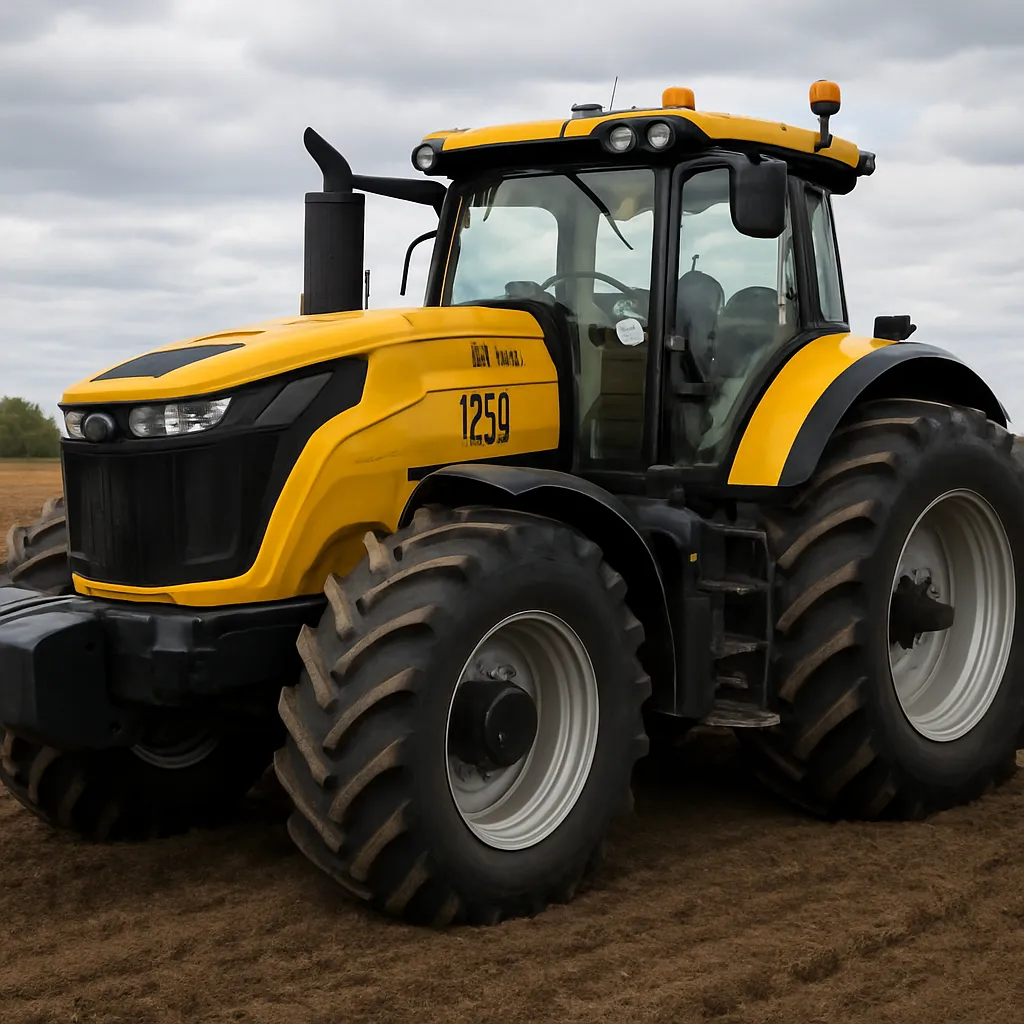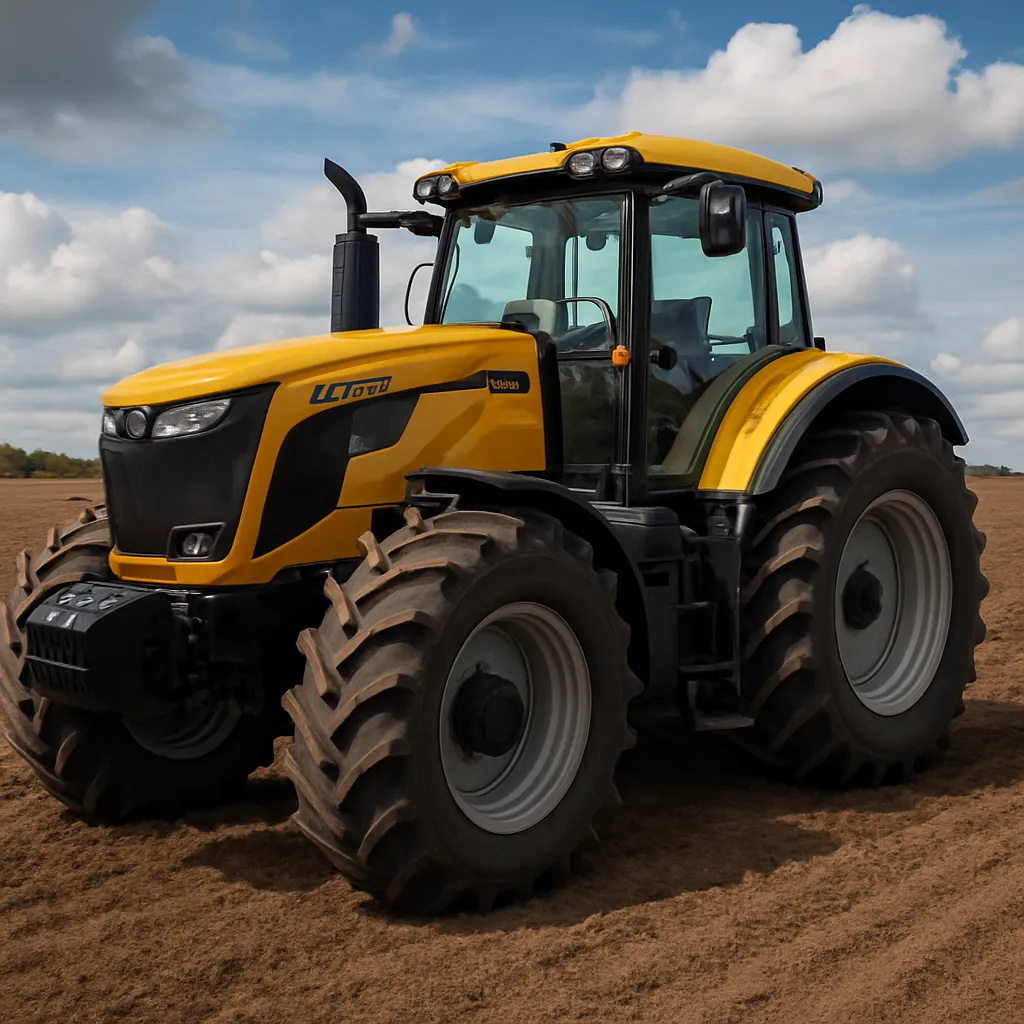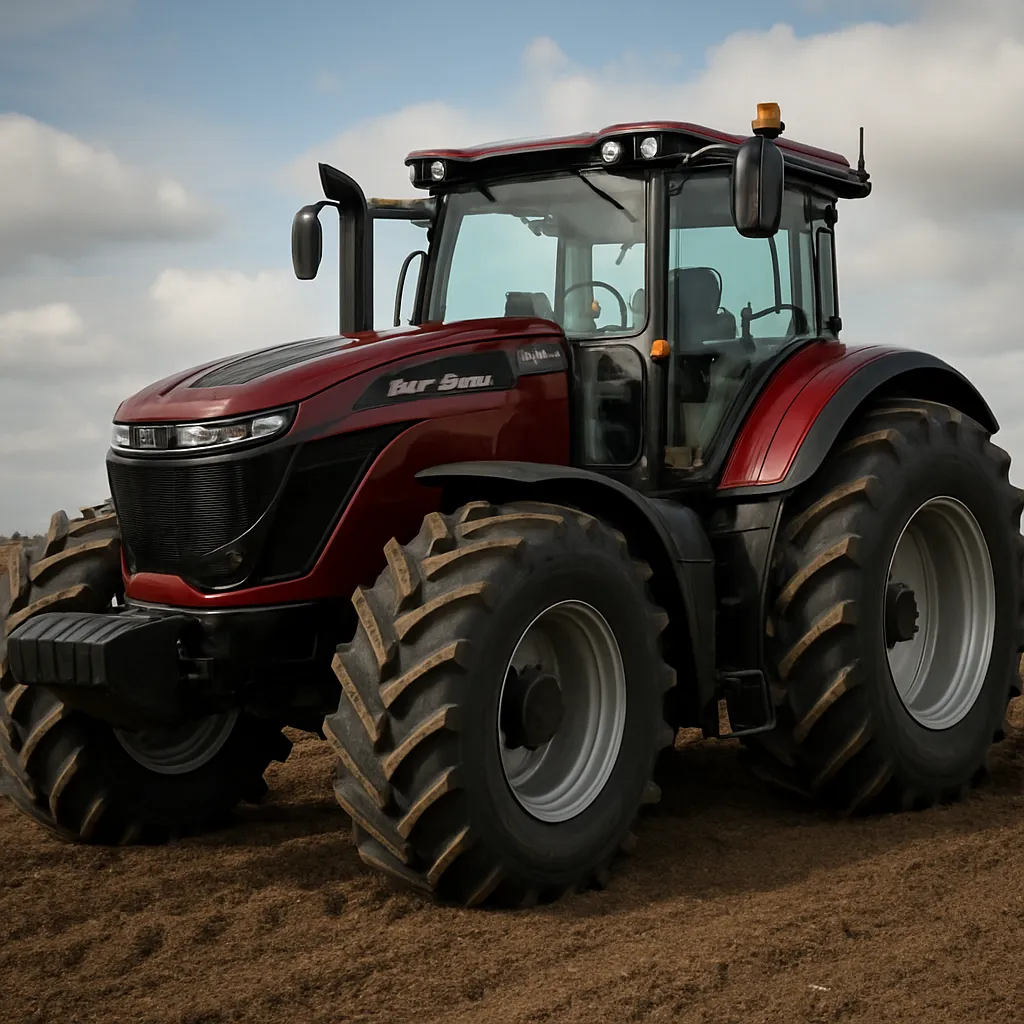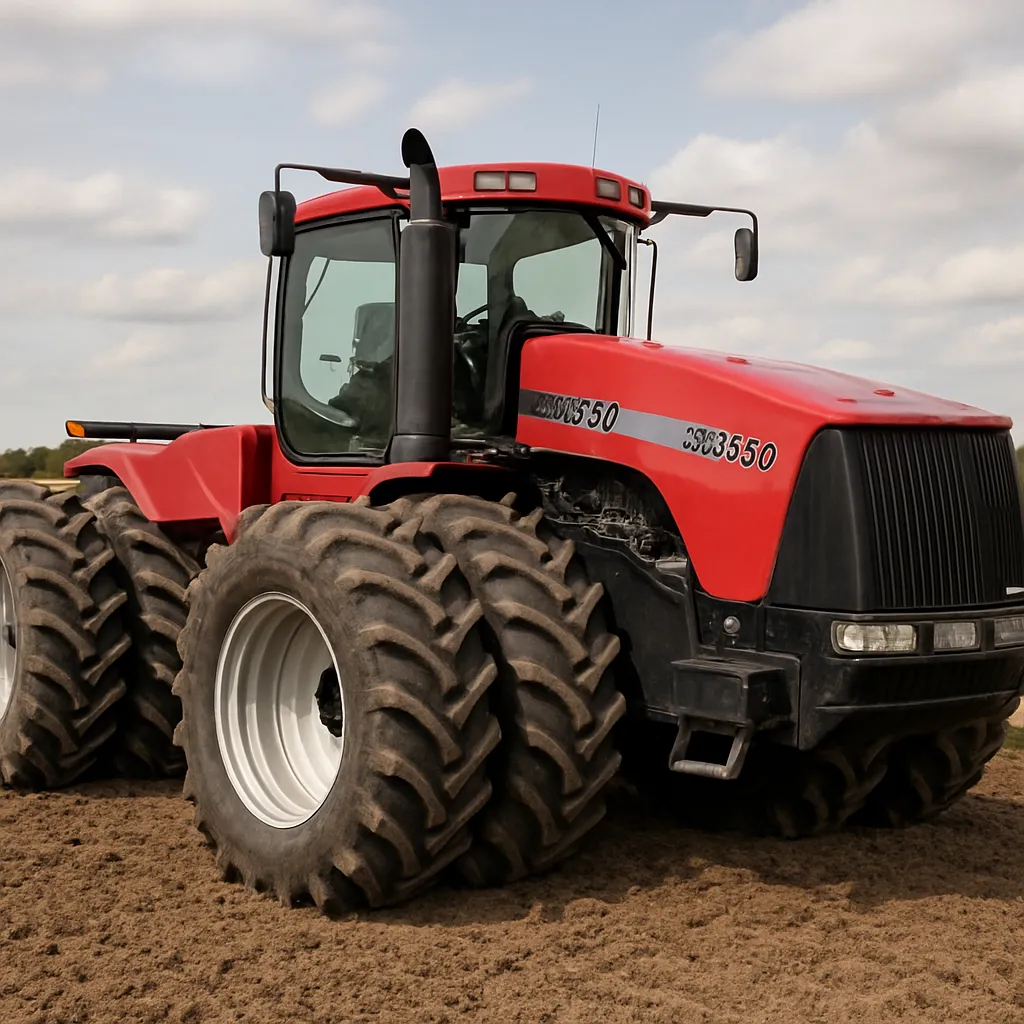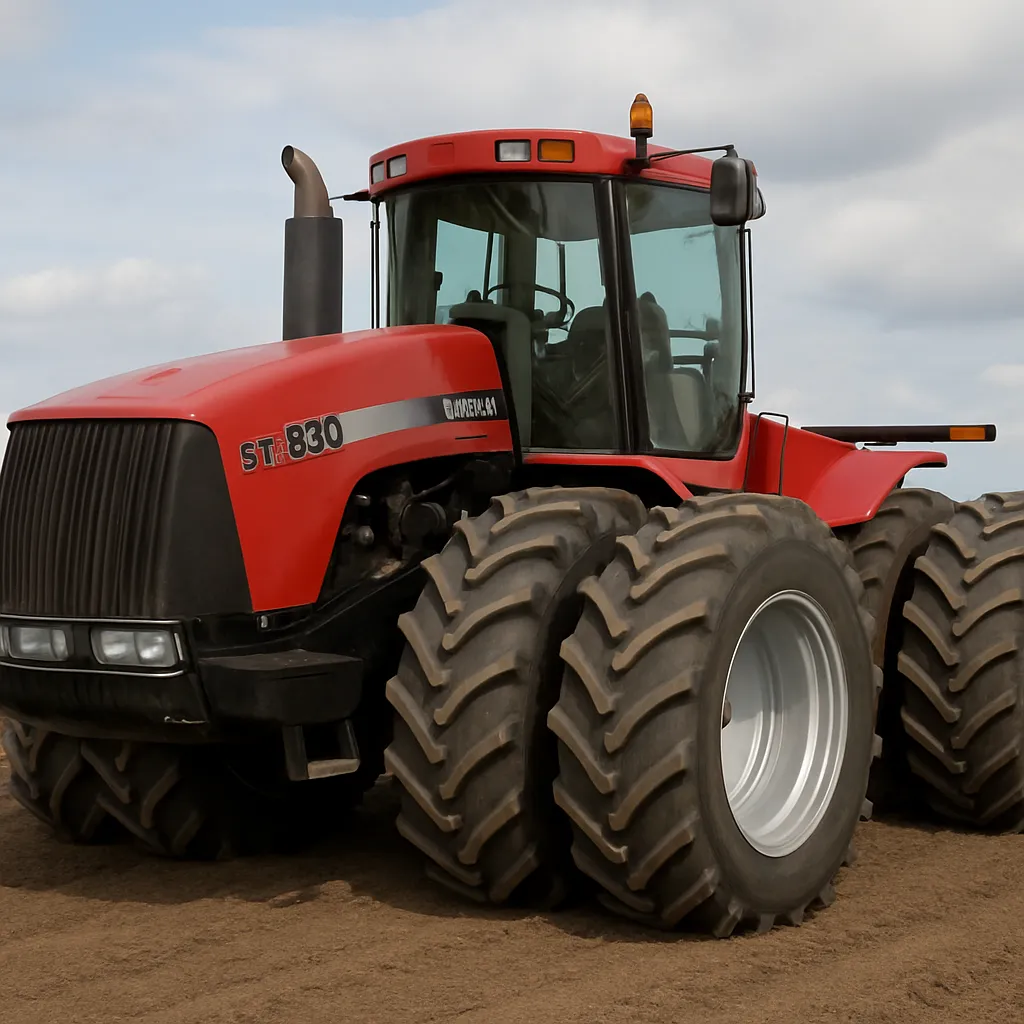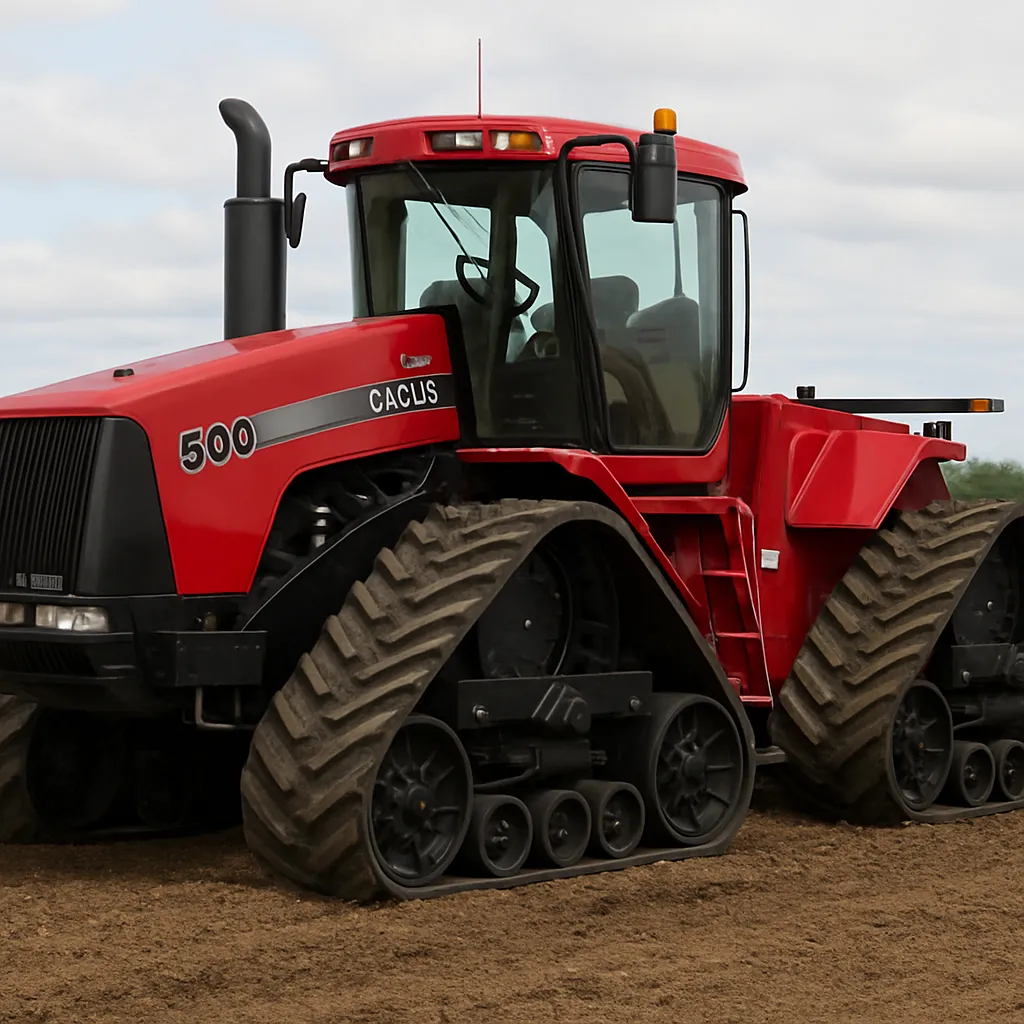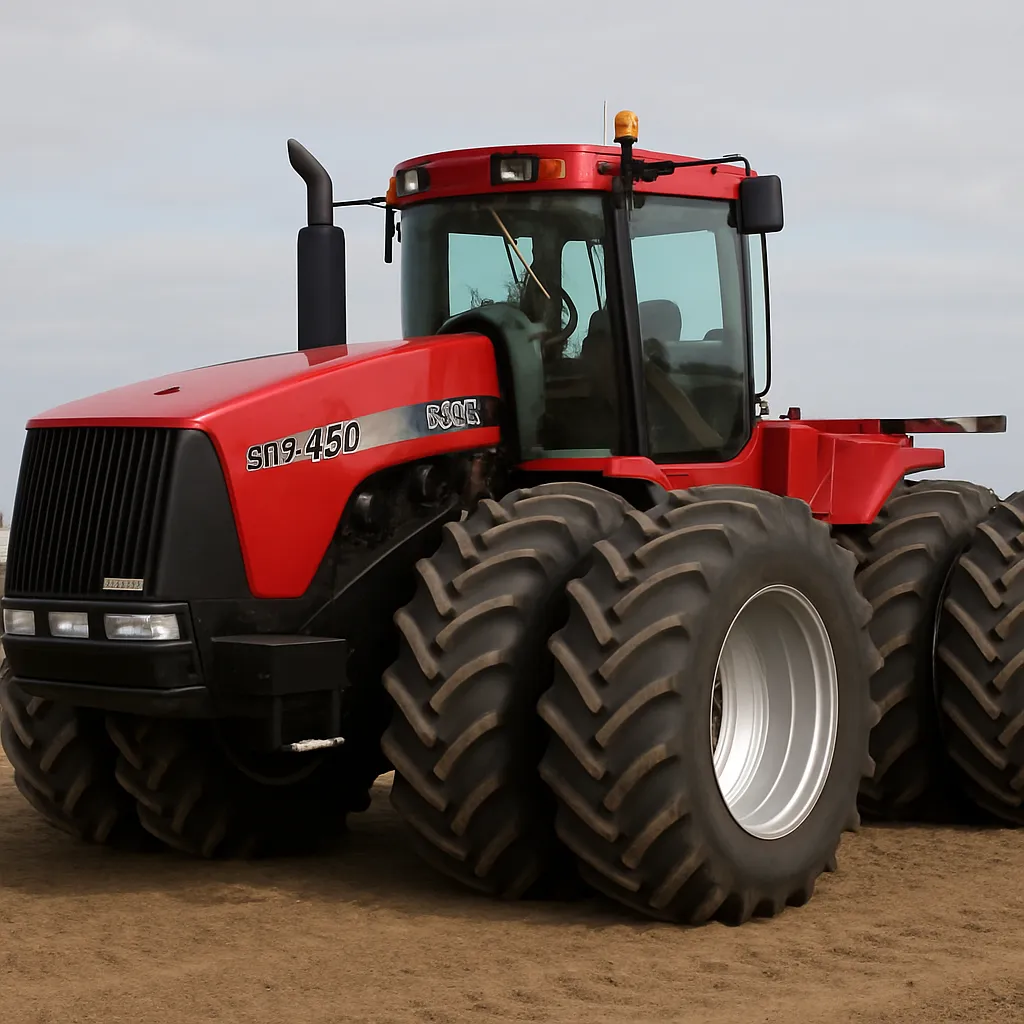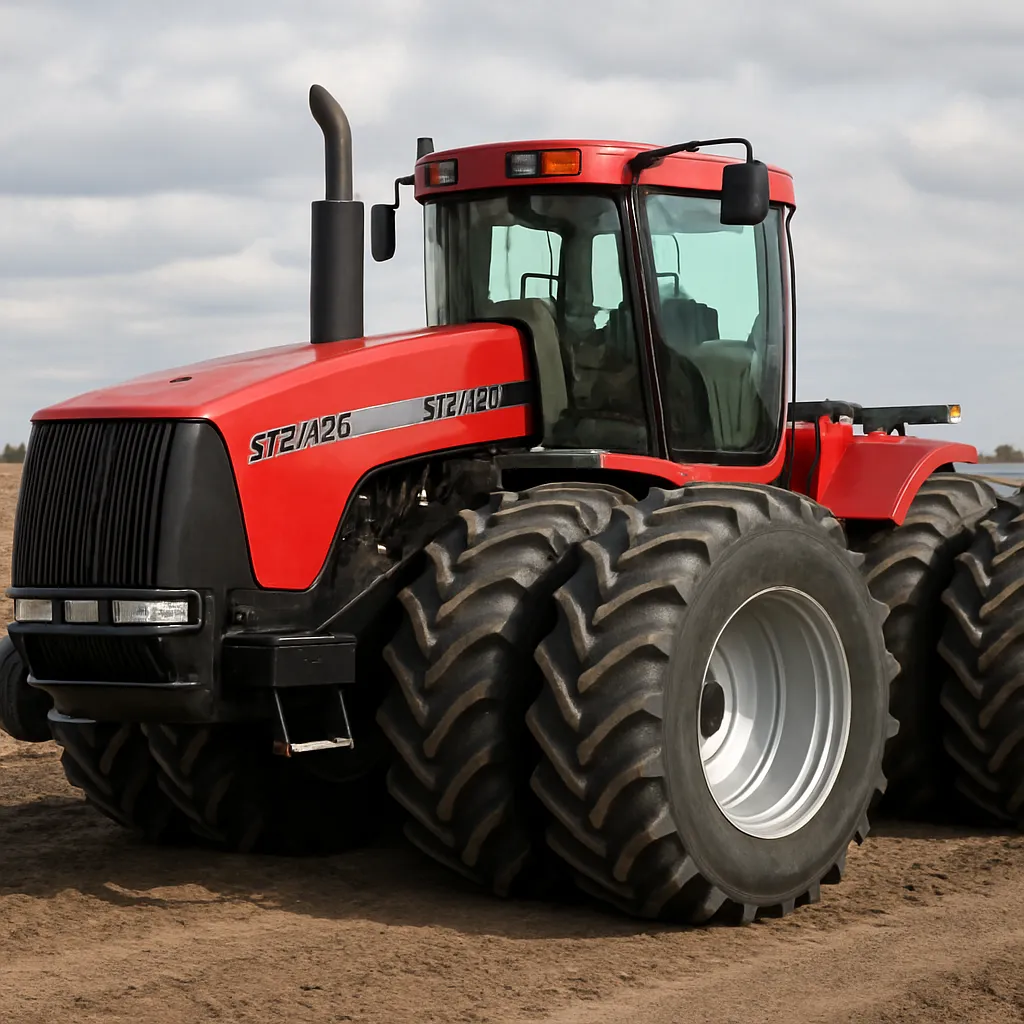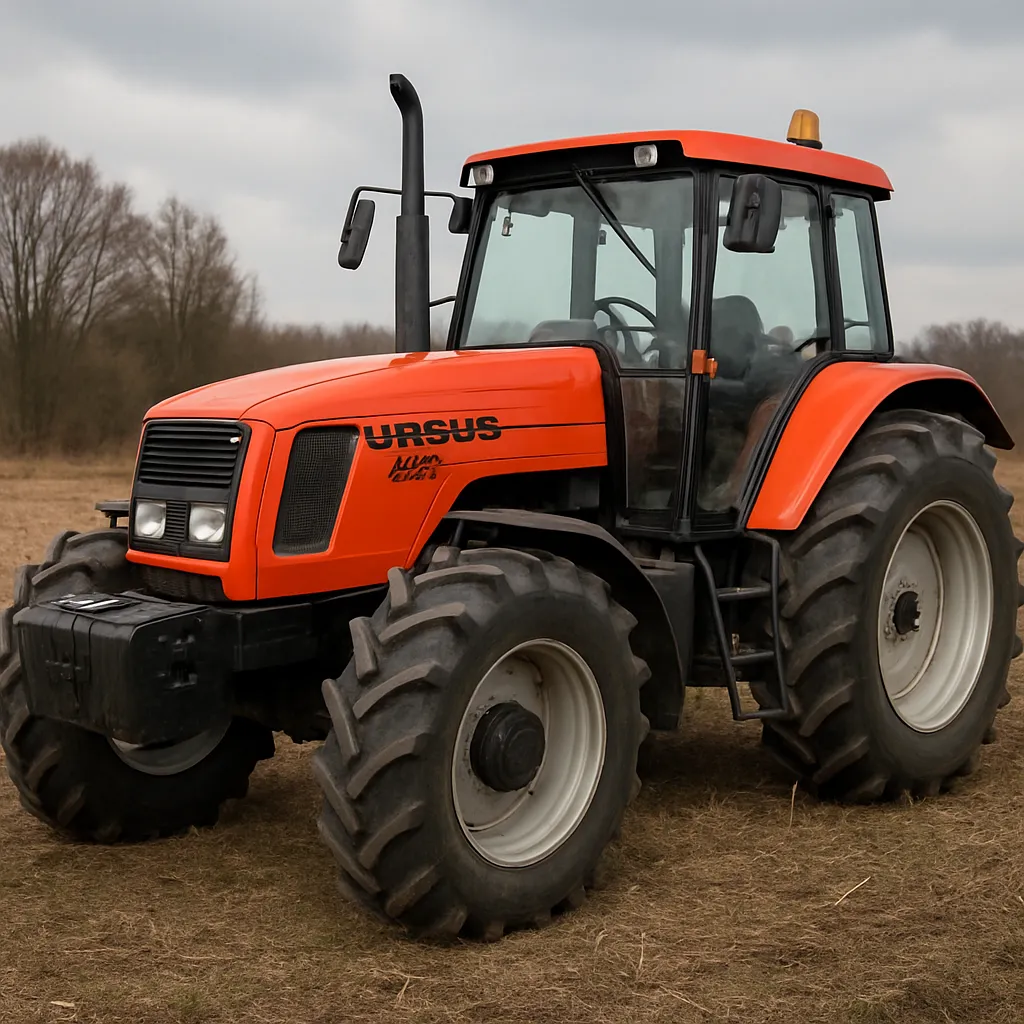
The Ursus 1734 is a representative model from the long tradition of Polish tractor manufacturing, designed to serve the needs of small and medium-sized farms, contractors and rural enterprises. Combining straightforward mechanical solutions with practical ergonomics, the machine aims to deliver dependable performance in the field and on the road. This article will explore the background, technical characteristics, typical uses and ownership considerations for the Ursus 1734, offering practical information for prospective buyers, operators and enthusiasts. Throughout the text, key terms related to the tractor’s role and performance are highlighted to draw attention to its most important attributes.
Overview and historical context
The name Ursus evokes a long history of agricultural machinery manufacturing in Poland. Over decades, the company produced a wide range of models tailored to the changing needs of European agriculture. The Ursus 1734 sits within this lineage as a utility-oriented machine intended to balance cost, simplicity and functionality.
While the exact production years and variant details of the 1734 can vary by country and local distributor, the model was generally aimed at operators seeking a compact-to-mid-size tractor with a robust design. Its market niche was smaller commercial farms, mixed crop-livestock operations, and service providers performing tasks such as tillage, seeding, mowing and light transport. The design philosophy prioritised field usefulness and ease of repair over extensive electronic complexity, reflecting the practical priorities of many users.
Design philosophy and key features
The Ursus 1734 emphasizes a straightforward mechanical layout and accessible service points. This approach supports cost-effective ownership and long-term durability. The most important design themes include reliability, adaptability and ease of maintenance.
Chassis and transmission
- Frame and layout: A compact footprint with a rigid frame to resist twisting during heavy implements. The layout aims to offer good visibility and balance for mounted and towed implements.
- Transmission options: Typically offered with synchronized gearboxes that provide a practical spread of speeds for fieldwork and road transport. Some versions include power-shift or multi-range gearboxes depending on market and specification.
- Drive types: Both two-wheel (rear) drive and four-wheel drive variants are often available, allowing buyers to choose between simpler mechanics or improved traction for demanding ground conditions.
Engine and powertrain
At the heart of the machine is a diesel engine tuned for torque and fuel economy. The tractor’s power band focuses on usable pulling power at low revs rather than peak speed, which suits agricultural tasks requiring sustained drawbar and PTO loads. While manufacturer specifications differ by year and market, typical figures for tractors in this class are provided below to illustrate expected performance.
- Horsepower: Models in the compact-to-mid-size category often range between approximately 70–90 HP (52–67 kW). For the Ursus 1734, a commonly cited figure in similar models is near the lower end of that range, making it suitable for implements sized for small/medium farms.
- Torque: Diesel engines in this segment deliver strong low-end torque for pulling power; torque figures typically peak where field loadings occur (low to mid RPM range).
- Fuel system and cooling: Mechanical or electronically controlled fuel injection and a robust cooling system ensure steady performance during extended operations.
PTO, hydraulics and hitch
- PTO: A standard rear PTO with selectable speeds (commonly 540 rpm and sometimes 540/1000 rpm) supports rotary implements such as mowers, balers and tillers.
- Hydraulics: A mid-pressure hydraulic system with a lift capacity adequate for three-point mounted implements; optional remote valves are available for auxiliary hydraulic functions.
- Three-point hitch: Category 2 three-point linkage provides compatibility with a wide range of implements used on small and medium farms.
Technical specifications — what to expect
The precise technical data for an Ursus 1734 depend on the production year, engine supplier and the options installed. Where official documentation is unavailable, the following summary presents typical or expected values for tractors in this class to give prospective users a realistic benchmark.
- Engine configuration: 3–4 cylinder diesel, naturally aspirated or turbocharged in higher trims.
- Rated power: commonly around 70–85 HP (approx. 52–63 kW), though specific trims may vary.
- Maximum torque: often in the range of several hundred Newton-meters (exact number depends on displacement and turbocharging).
- Transmission: synchronized gearbox with multiple ranges (e.g., 8F/2R or higher), optional power shuttle or power shift on selected variants.
- PTO: 540 rpm standard; some versions may offer 540/1000 rpm.
- Hydraulic lift capacity: typically 1,200–2,000 kg at the hitch, suitable for a wide range of mounted tools.
- Fuel tank capacity: sized for a full day of work on many farms, often between 50–100 liters depending on configuration.
- Weight and dimensions: compact footprint for maneuverability with wheelbase and total weight that balance traction and minimal soil compaction.
Because manufacturers sometimes revise specifications and offer market-specific packages, potential buyers should always consult the exact plate data and factory documents for the version they plan to purchase.
Applications and practical uses
The Ursus 1734 is tailored for a diverse set of agricultural and utility roles. Its versatility and practicality make it well-suited for the following tasks:
- Agriculture: Primary tillage, seedbed preparation, sowing and cultivation for cereal and vegetable production.
- Hay and forage work: Mowing, raking, tedding and baling operations when equipped with appropriate PTO implements.
- Livestock farm tasks: Feed mixing and transport, bedding distribution, manure handling using front loaders or trailers.
- Contracting and municipal work: Road verge mowing, light earthmoving and snow clearing with front-mounted equipment.
- Transport: Short-haul haulage of produce, feed and material using trailers, benefitting from stable road behaviour and practical gearing.
Because of its adaptable accessory ecosystem—front loaders, backhoes, mowers, ploughs and seeders—the tractor is attractive to operators who require one machine to cover a wide variety of tasks rather than a fleet of specialised vehicles.
Ergonomics, cab and operator considerations
Comfort and control are important for prolonged operations. The Ursus 1734 typically offers a functional cab or platform layout focused on visibility and simple, robust controls. Features may include:
- Basic climate control in the enclosed cab on higher trims; open platform variants for lighter budgets.
- Clear instrument cluster and ergonomically arranged levers for transmission, hydraulics and PTO engagement.
- Optional suspension seats and improved insulation on upgraded models to reduce operator fatigue.
Operators appreciate clear sightlines to front loaders and rear implements, as well as uncomplicated maintenance access to engine and service points.
Maintenance, durability and ownership costs
One of the strengths often attributed to Ursus machines is the straightforward mechanical design that simplifies routine service and troubleshooting. Key ownership aspects include:
- Maintenance: Regular oil and filter changes, hydraulic fluid checks, PTO and gearbox servicing are comparable to other tractors in this power class. The simpler electronics (on many trims) reduce the risk of costly electronic failures.
- Spare parts: Availability depends on the regional dealer network; older machines can often be serviced with aftermarket or reconditioned components.
- Durability: With routine care, tractors in this class are known to provide many years of reliable service. Critical wear items include clutch assembly, hydraulic seals and brake components.
- Operating costs: Fuel consumption is influenced by engine size, load and duty cycle; operators value machines with efficient torque delivery that reduce fuel use during pull-heavy tasks.
Planned preventive maintenance and seasonal servicing significantly extend service life and ensure consistent operating economy.
Market position, resale and comparative context
The Ursus 1734 competes in the utility tractor segment alongside offerings from other European and international manufacturers. Buyers often choose this class for its balance of price, functionality and local dealer support. When evaluating the 1734 versus competitors, consider:
- Dealer network and after-sales support in your country or region.
- Availability of specific options such as 4WD, advanced transmissions or cab comfort packages.
- Resale values: influenced by maintenance history, working hours and condition rather than brand alone.
Used-market values vary widely by region. A well-maintained example with documented service history will command a premium compared to machines with uncertain backgrounds or heavy hours.
Safety and environmental considerations
Modern tractor ownership requires attention to safety systems and environmental rules. The Ursus 1734, depending on its year of manufacture, may include or be retrofitted with:
- ROPS (Rollover Protective Structure) standard for operator protection; enclosed cabs typically integrate ROPS into the structure.
- Lighting and signalling compliant with agricultural road use in the target market to ensure safe transport between fields.
- Emissions: Older engines may not meet the latest emissions standards; buyers in regulated regions should confirm compliance or consider after-treatment upgrades.
Responsible operation and proper disposal or recycling of fluids and filters are part of sustainable ownership practices.
Variants, attachments and customization
One reason for the enduring appeal of tractors like the Ursus 1734 is their broad compatibility with implements. Common attachments include:
- Front loaders with quick-attach systems for buckets, pallet forks and bale spears.
- Rear-mounted ploughs, disc harrows, seeders and cultivators tailored to the tractor’s power and hydraulic capacity.
- Mowers, balers and forage equipment driven by the PTO for haymaking operations.
- Specialty attachments: snow blowers and sweepers for municipal or winter maintenance roles.
Many owners invest in durable three-point and PTO-driven implements because they provide the most value when used across different seasons and tasks.
Buying advice and inspection checklist
When evaluating a used or new Ursus 1734, consider the following checklist to make an informed decision:
- Verify model and engine serial numbers against manufacturer documentation.
- Inspect service records: look for regular oil and filter changes, clutch replacements and hydraulic servicing.
- Check for signs of heavy wear: uneven tire wear, leaking seals, excessive smoke under load and gearbox slack.
- Test the PTO and hydraulic circuits under load, and verify that the 3-point hitch operates smoothly across its full range.
- Confirm the availability of local parts and qualified technicians for future service needs.
It is prudent to arrange a short test drive with loaded implements if possible, to gauge performance under representative working conditions.
Conclusion
The Ursus 1734 is a pragmatic choice for operators prioritising value, mechanical simplicity and adaptability. With appropriate maintenance and the right set of implements, it can fulfil a wide range of agricultural and utility tasks on small to medium-sized farms. While specific technical numbers vary by production year and market configuration, the tractor’s strengths lie in its balanced design: functional power delivery, practical hydraulics and a durable mechanical platform. Prospective buyers should carefully review the exact specification of the unit they consider, evaluate local dealer support and inspect service history to ensure the machine meets their operational needs.