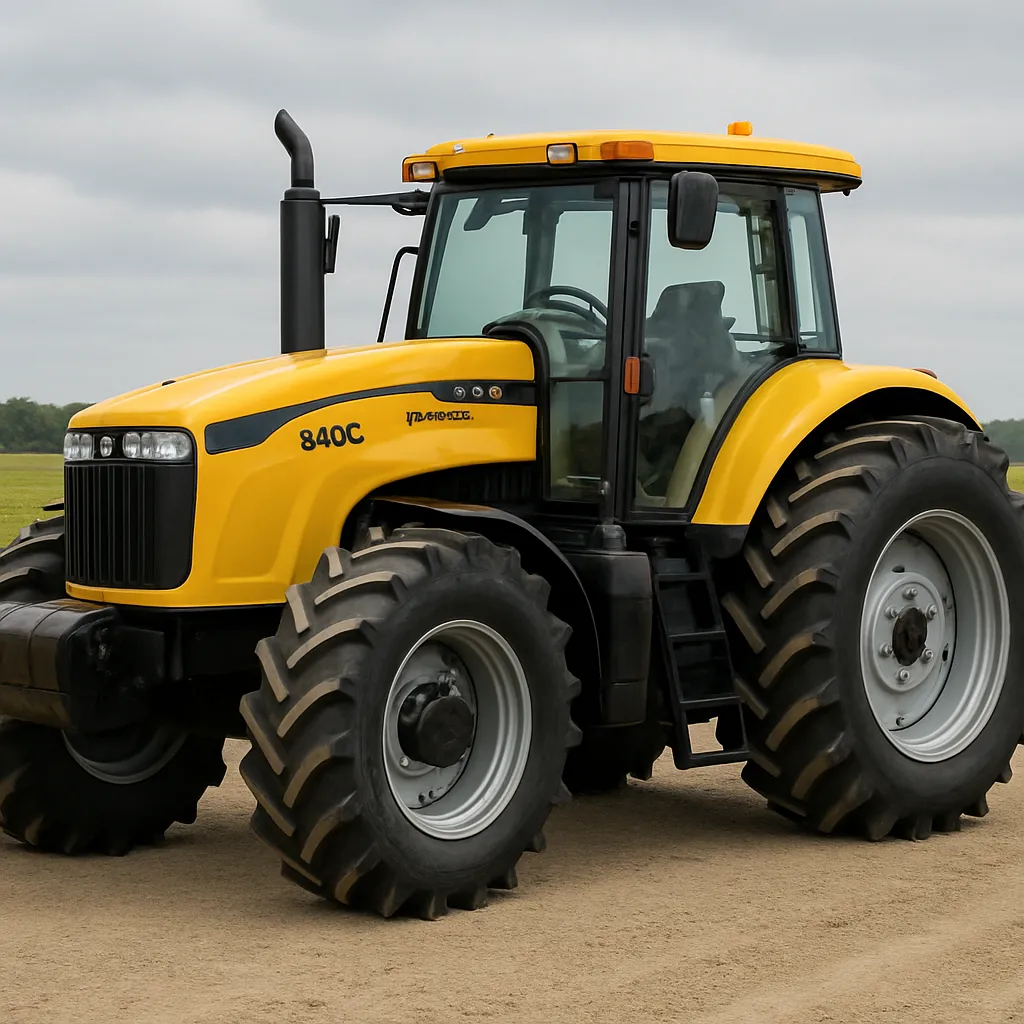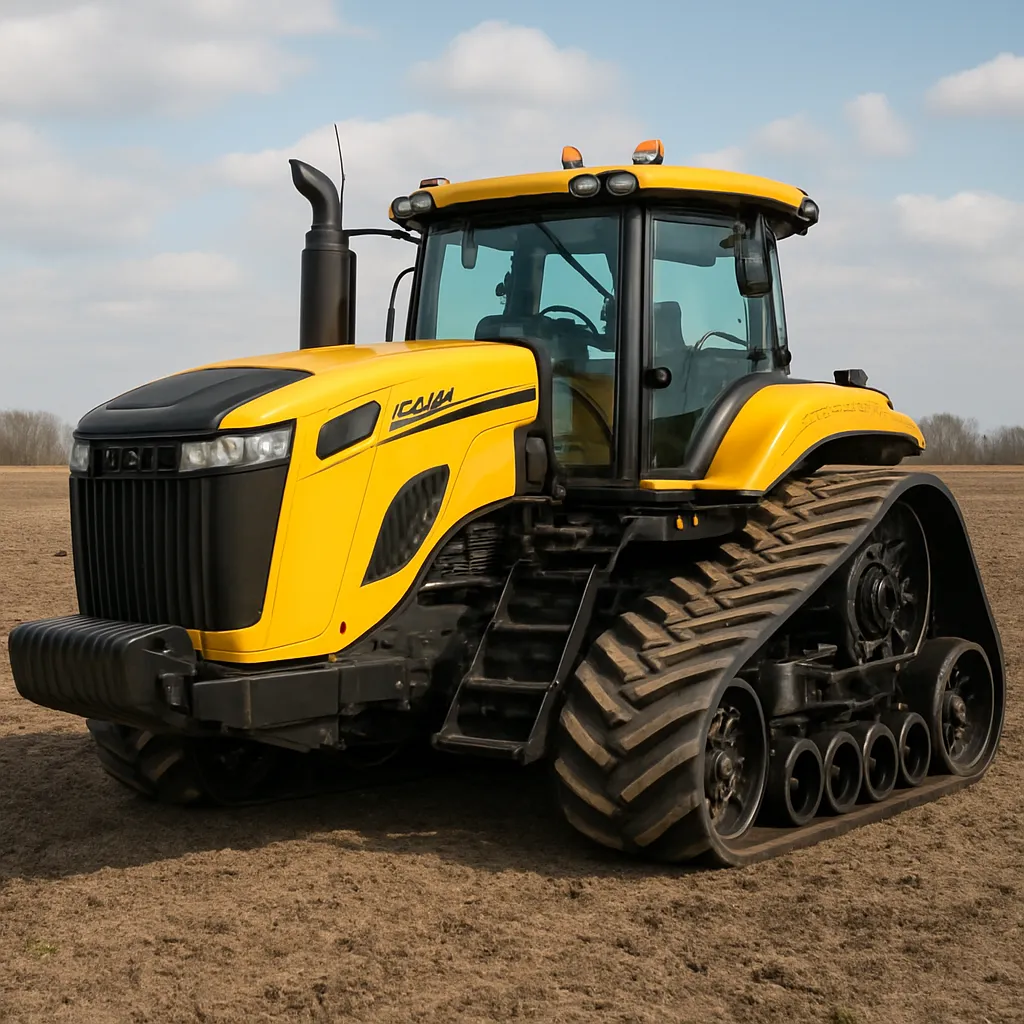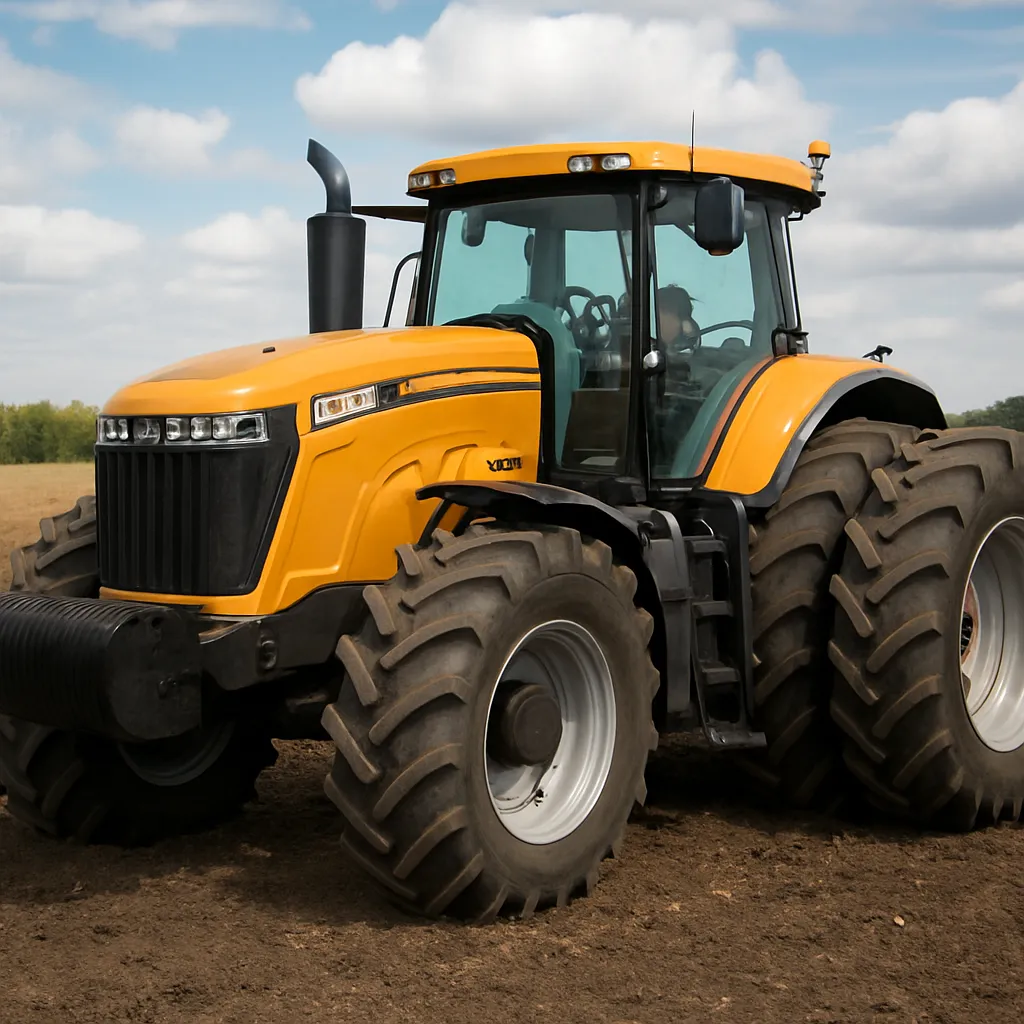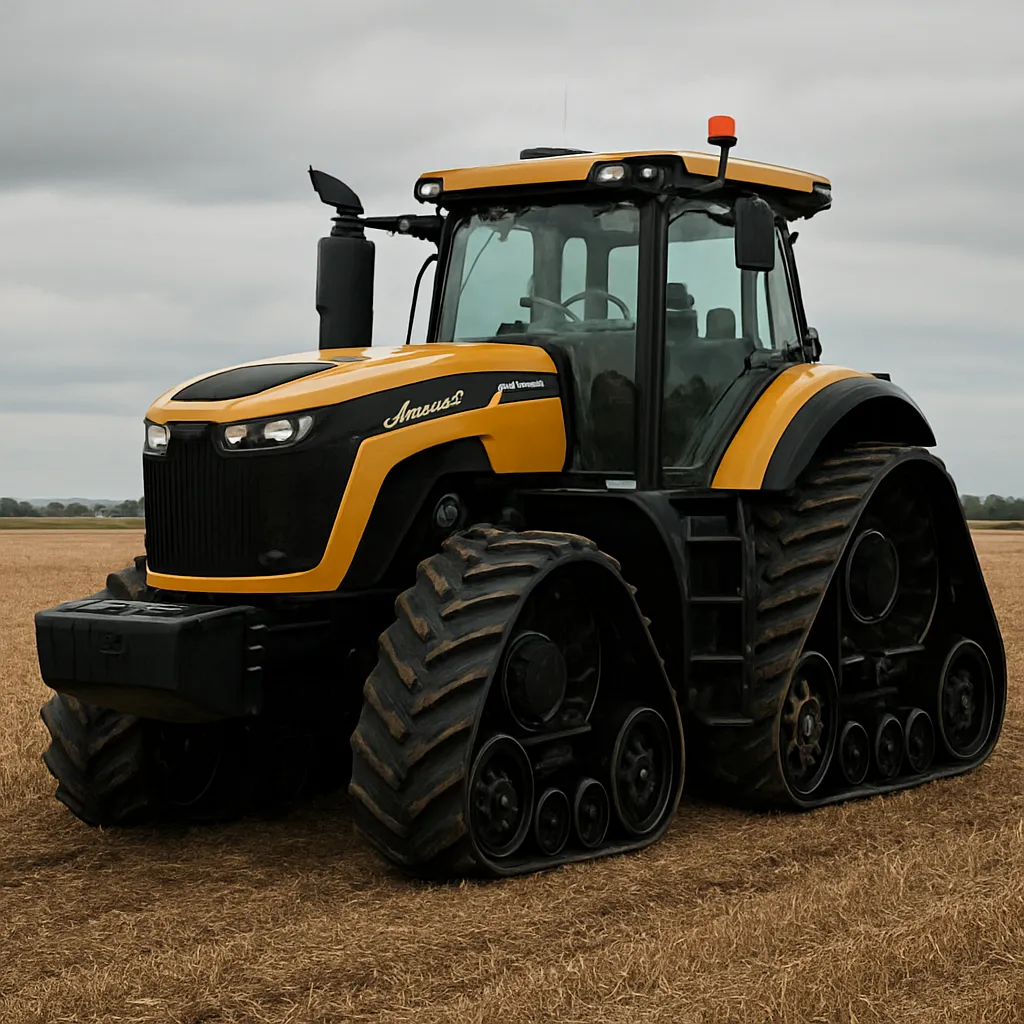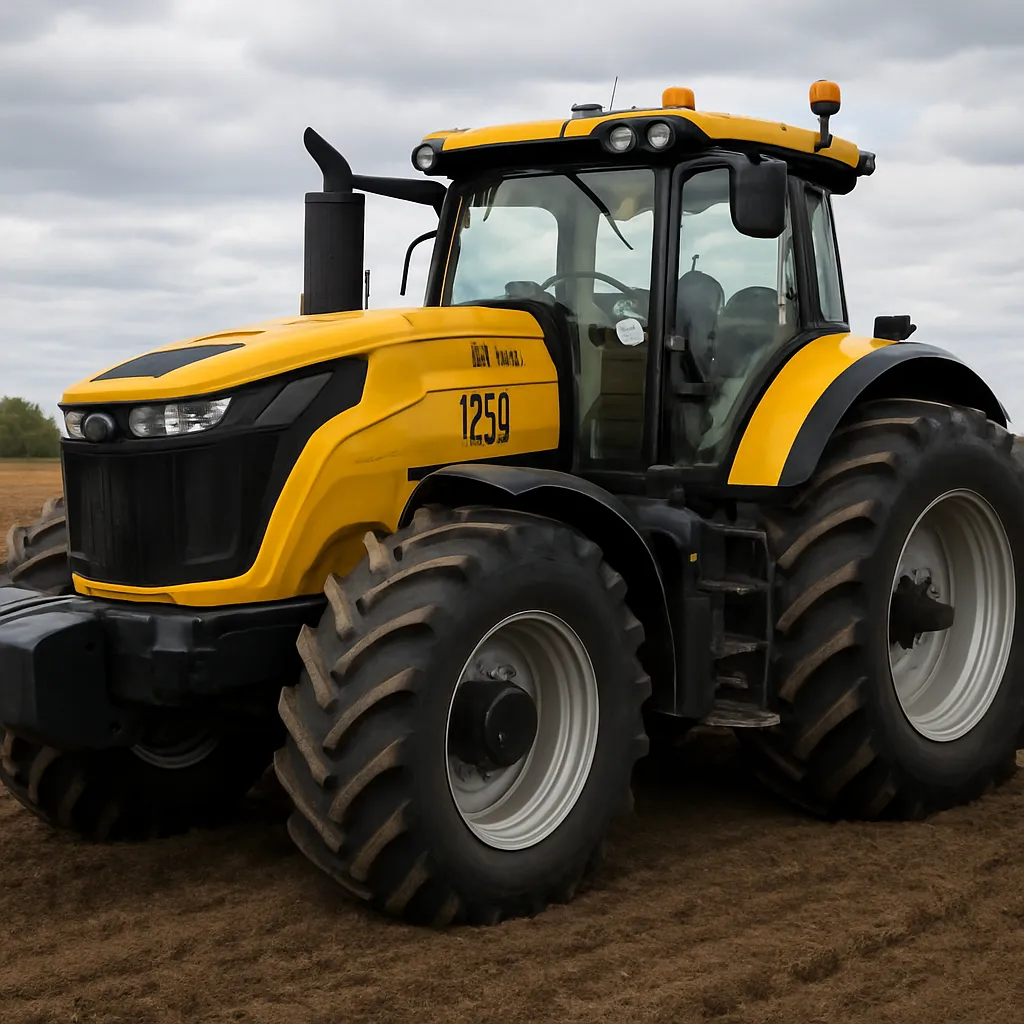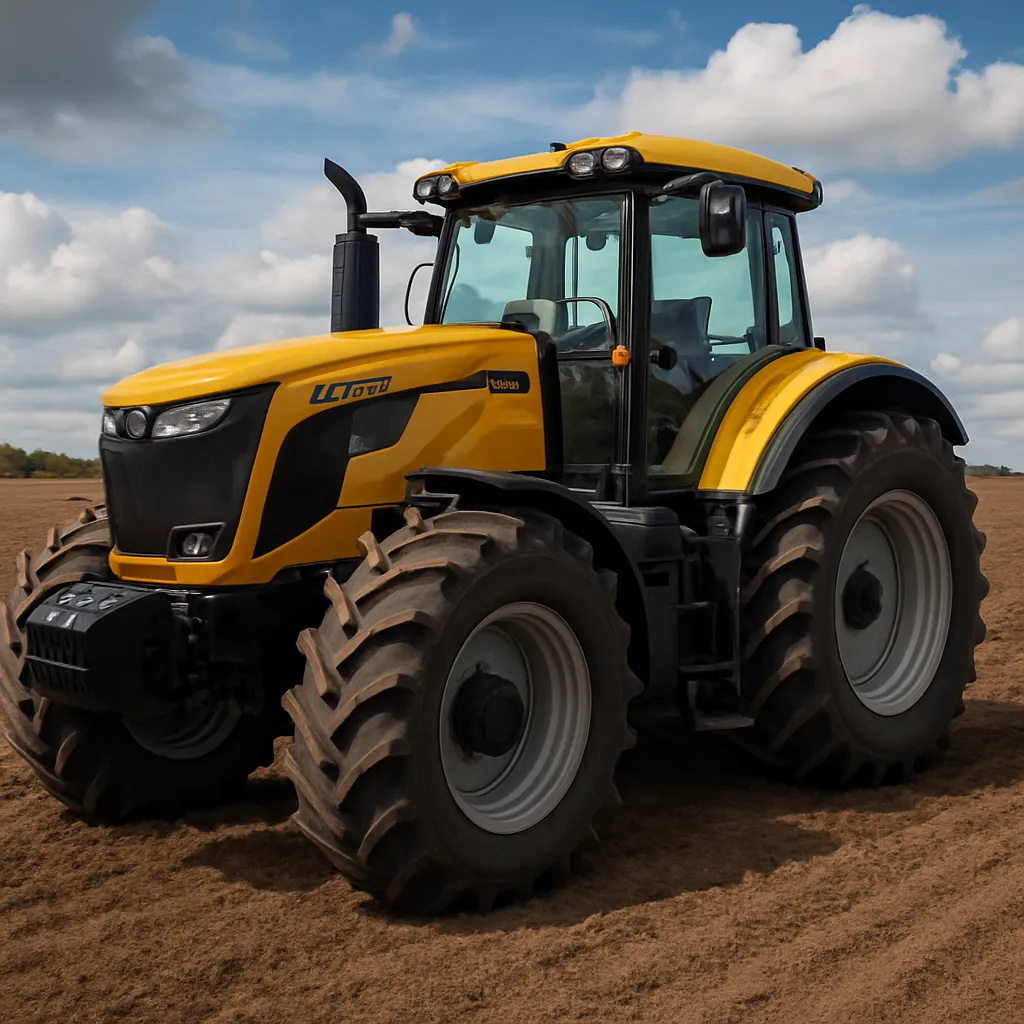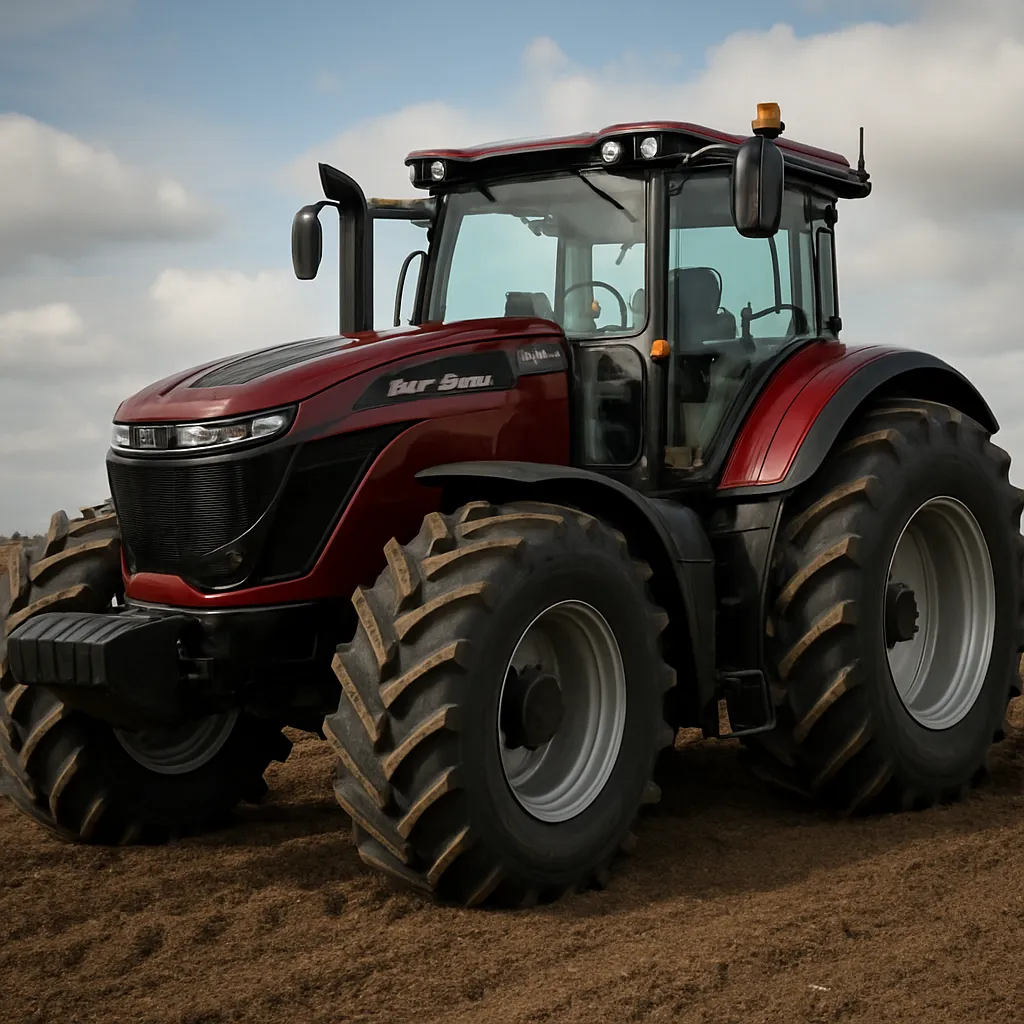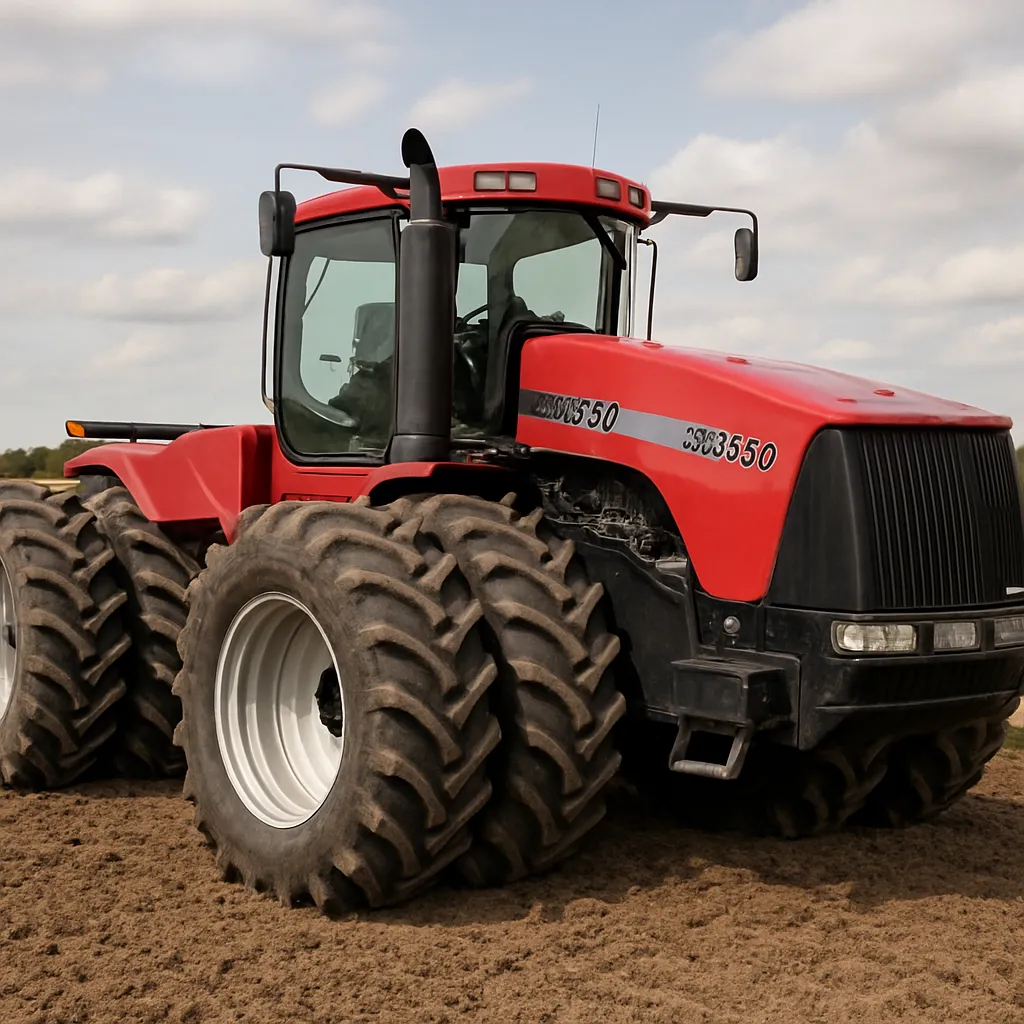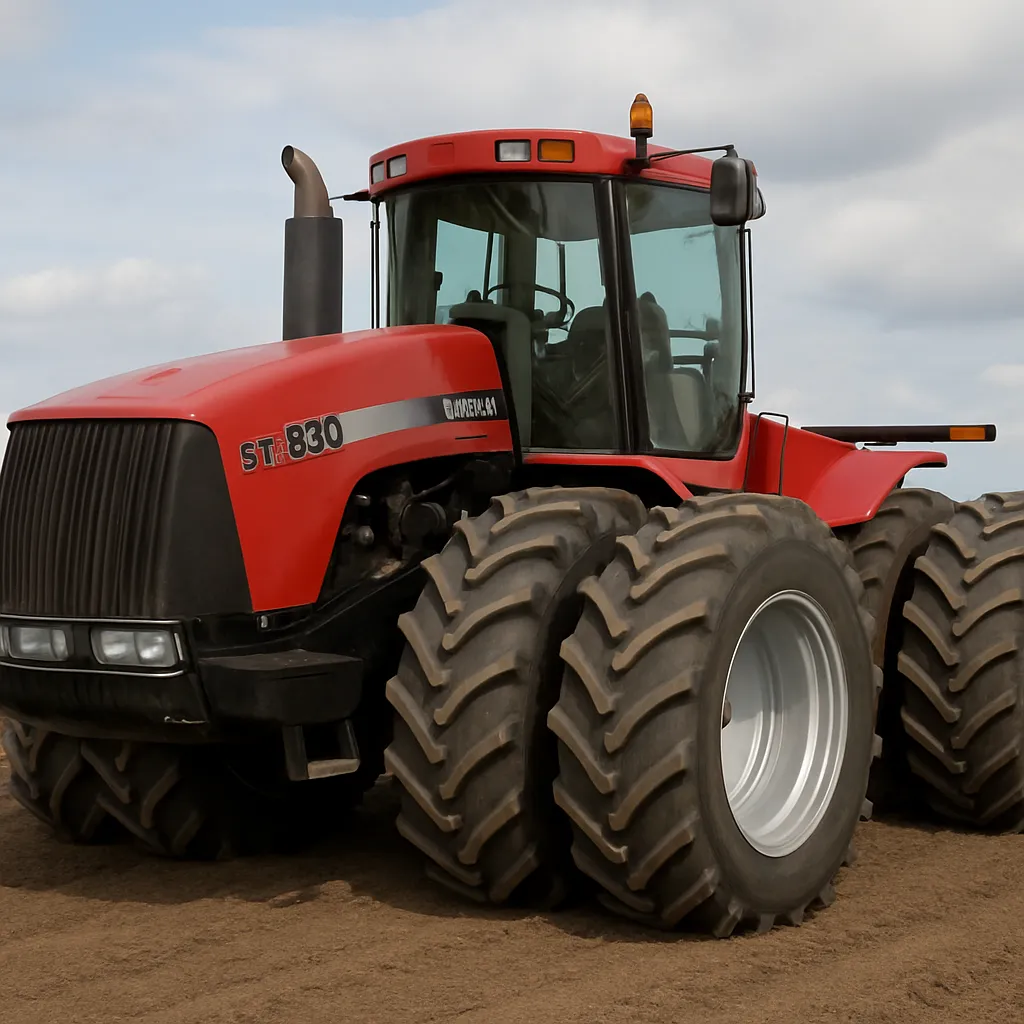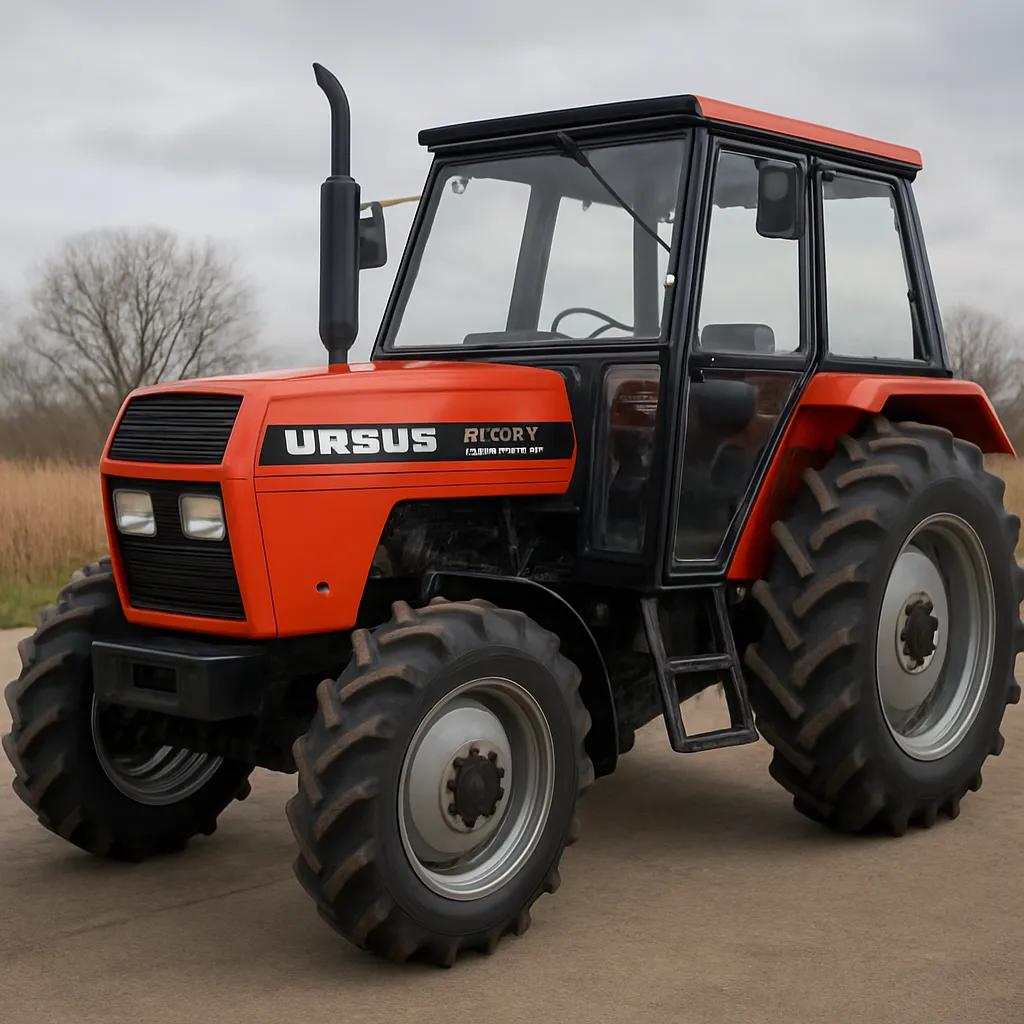
The Ursus 2812 Turbo Proto is an intriguing example of Poland’s long tradition of tractor development, representing a blend of pragmatic engineering and adaptability to modern agricultural needs. While some details about this specific prototype variant are limited in public records, the 2812 line reflects Ursus’s efforts to offer compact yet capable machines for diverse tasks — from smallholder farms to specialized municipal and industrial applications. This article explores the design philosophy, typical applications, performance considerations, maintenance, and broader context of the Ursus 2812 Turbo Proto, highlighting what makes this tractor noteworthy and how it might fit into contemporary agricultural and utility work.
Design and Technical Overview
The Ursus 2812 Turbo Proto was conceived as a practical, versatile machine. Although the term “Proto” indicates prototype status and possible experimental features, the underlying architecture follows conventional tractor design: a robust frame, a diesel powerplant, and a modular interface for implements and attachments. Key design goals often associated with this model line are durability, ease of maintenance, and versatility.
Engine and Performance Characteristics
Exact factory specifications for the Turbo Proto variant are not always widely published, especially when a model remains a prototype or limited-run offering. However, typical attributes associated with a turbocharged tractor in this segment include improved torque at low engine speeds, better fuel efficiency under load, and enhanced performance when operating power-demanding implements. The turbo system helps the engine maintain power at higher altitudes and under heavier loads compared with naturally aspirated versions.
Common engineering elements you can expect:
- Turbocharged diesel engine tuned for mid-range torque delivery.
- Synchromesh or partially synchronized transmission with multiple gears to match field speeds.
- Rear power take-off (PTO) with standard engagement speeds (540/1000 rpm where applicable).
- Hydraulic lift and external hydraulic circuits to operate a wide range of implements.
- Four-wheel or rear-wheel drive configurations depending on intended use and customer options.
Chassis, Cabin, and Ergonomics
The 2812 Turbo Proto is often positioned for operators who need a balance between compact size and operational capability. Cabins, when specified, prioritize visibility and operator comfort for long working days. Emphasis is placed on straightforward controls, accessible service points, and a simple electrical layout to facilitate rapid troubleshooting in the field.
Applications and Use Cases
The Ursus 2812 Turbo Proto is designed to be a multi-purpose workhorse. Its combination of manageable size and boosted engine performance makes it suitable for several distinct application areas.
Agricultural Uses
On small to medium-sized farms, the 2812 Turbo Proto can handle the typical seasonal workload:
- Soil cultivation: ploughing, harrowing, and rotary tillage when paired with appropriate implements.
- Sowing and planting: pulling seed drills and planters with stable power delivery.
- Crop care: operation of sprayers, spreaders, and mowers, benefiting from steady PTO output.
- Harvest support: towing trailers, operating balers, and feeding machinery.
Municipal and Utility Roles
Beyond farm fields, compact turbocharged tractors are well-suited for municipal tasks:
- Roadside mowing and verge maintenance.
- Snow clearing and salt spreading with front loaders and mounted plows.
- Material handling in depots when equipped with front-end loaders or pallet forks.
- Grounds maintenance for parks, sports fields, and estates.
Specialized and Industrial Applications
When fitted with specialized attachments, the 2812 Turbo Proto variant can be used in orchards, vineyards, greenhouse complexes, and light construction tasks. Turbocharging helps when working continuous heavy loads — for example, operating hydraulic breakers, stump grinders, or sweeping equipment — where sustained torque is beneficial.
Advantages of the Turbo Proto Concept
Turbocharging as a concept brings several advantages to tractors in this class. When engineered correctly, the turbocharged Ursus 2812 Proto delivers benefits that translate directly into improved productivity and operational flexibility.
- Higher torque at lower rpm: This reduces clutch wear and improves tractive effort under load.
- Improved fuel efficiency under comparable workloads thanks to better air-fuel mixing and energy extraction from the fuel.
- Altitude compensation: turbocharging offsets power loss at higher elevations, which is important in hilly or mountainous regions.
- Enhanced implement compatibility: more consistent PTO and hydraulic performance across a range of speeds and loads.
Practical Benefits in Field Operations
For end users, these engineering improvements often mean fewer gear changes during fieldwork, more consistent work rates, and the ability to handle larger or more demanding implements without upsizing to a heavier tractor class. These attributes translate into time savings and potentially lower operational costs for farms and contractors managing a diverse set of tasks.
Maintenance, Reliability, and Operational Tips
Maintaining reliability in a turbocharged prototype requires attention to several critical systems. Good maintenance habits extend the life of both the engine and turbocharger and ensure the tractor performs optimally.
Regular Maintenance Checklist
- Engine oil and filter changes at manufacturer-specified intervals to protect turbo bearings.
- Air filter inspections and replacements — turbo engines depend on clean airflow to operate efficiently.
- Fuel system care, including regular filter replacement to avoid injector fouling and fuel pump stress.
- Cooling system checks: maintain proper coolant levels and ensure the radiator and intercooler (if present) are free of debris.
- Hydraulic oil and filter maintenance to keep implements responsive and prevent contamination-related wear.
- Transmission and PTO servicing according to usage intensity to preserve gear life and engagement reliability.
Operator Best Practices
Operators should allow the engine to idle briefly before shutdown after heavy work to let the turbocharger cool down; this prevents oil coking in the turbo bearings. Smooth gear selection, avoiding overloading at very low engine speeds, and using the engine’s power band efficiently will prolong service life and improve fuel economy.
Attachments, Modularity, and Implement Compatibility
The true versatility of a tractor like the Ursus 2812 Turbo Proto is realized through its attachment ecosystem. A well-designed linkage, appropriate PTO options, and sufficient hydraulic flow open up a wide array of tasks.
Common Attachments
- Front-end loader: for loading, lifting, and material handling.
- Rear-mounted ploughs and cultivators: for primary and secondary tillage.
- Mowers, flail mowers, and verge cutters: for vegetation management.
- Bale handlers, balers, and forage wagons: for livestock-oriented farms.
- Snow ploughs, sweepers, and spreaders for municipal winter maintenance.
Hydraulics and PTO Considerations
Hydraulic capacity and PTO speed ratings determine which implements can be used effectively. Proto variants may be equipped with enhanced hydraulic pumps or optional packages to increase flow and pressure for demanding implements such as loaders with multiple functions or hydraulic motors on implements.
Market Presence, Variants, and Comparative Context
Ursus tractors have a historical footprint in Eastern and Central Europe, and certain models enjoy loyal followings due to their straightforward mechanics and parts availability. The 2812 series, including Turbo Proto variants, represents Ursus’s effort to remain competitive by offering modernized features while keeping the cost-to-performance ratio attractive for target buyers.
Availability and Production Notes
When a model includes the “Proto” descriptor, production may be limited or focused on pilot runs and testing fleets. This can affect spare parts availability and the variety of factory options. Local dealers and specialized service providers often become key resources for parts and retrofitting. Prospective buyers should verify warranty terms, parts support, and service networks before purchasing limited-run models.
How the 2812 Turbo Proto Compares with Peers
Compared to larger mainstream models from global manufacturers, the 2812 Turbo Proto aims for a niche defined by cost-effectiveness and adaptability. It tends to be lighter and more maneuverable than heavier tractors while offering boosted performance through turbocharging to narrow the capability gap in demanding tasks.
Economic and Environmental Considerations
Farmers, contractors, and municipal buyers consider both purchase price and lifecycle costs. Turbocharged engines may command slightly higher upfront costs but can reduce operating expenses via improved fuel economy and productivity. Environmental considerations include emissions: modern turbocharged diesel engines, when properly configured, can meet stringent emission standards more easily through optimized combustion, though exhaust aftertreatment systems (e.g., DOC, DPF, SCR) may be required to meet the strictest regulations.
Resale Value and Lifecycle Costs
Resale value for prototype or limited-run variants can be variable. Factors that influence long-term ownership costs include parts availability, dealer support, and the prevalence of the model in secondary markets. Operators should weigh these factors against the immediate operational gains offered by turbocharging and any unique prototype features.
Safety and Operator Training
Safe operation remains a priority regardless of tractor class. The following practices are essential to get the most out of a machine like the Ursus 2812 Turbo Proto while keeping operators safe:
- Comprehensive operator training focused on PTO safety, three-point linkage operation, and proper hitching techniques.
- Use of rollover protection systems (ROPS) and seat belts where appropriate.
- Routine safety inspections, including lights, brakes, steering, and tires.
- Awareness of turbocharged engine characteristics, including the need for warm-up and cool-down periods.
Concluding Remarks and Practical Recommendations
The Ursus 2812 Turbo Proto encapsulates a pragmatic approach to modern tractor design: combining a compact footprint with enhanced power delivery from turbocharging. For smallholders, contractors, and municipal operators seeking a flexible machine, it offers an appealing mix of versatility, torque, and efficiency. Potential buyers should consider service network availability and parts support, particularly for prototype-grade variants.
Practical next steps for anyone evaluating the 2812 Turbo Proto include arranging a test day to assess real-world performance with the specific implements they plan to use, discussing optional hydraulic and electrical packages with dealers, and confirming maintenance intervals and warranty support. With appropriate attention to maintenance and operator training, the 2812 Turbo Proto can be a reliable and productive tool across a wide range of agricultural and utility tasks.