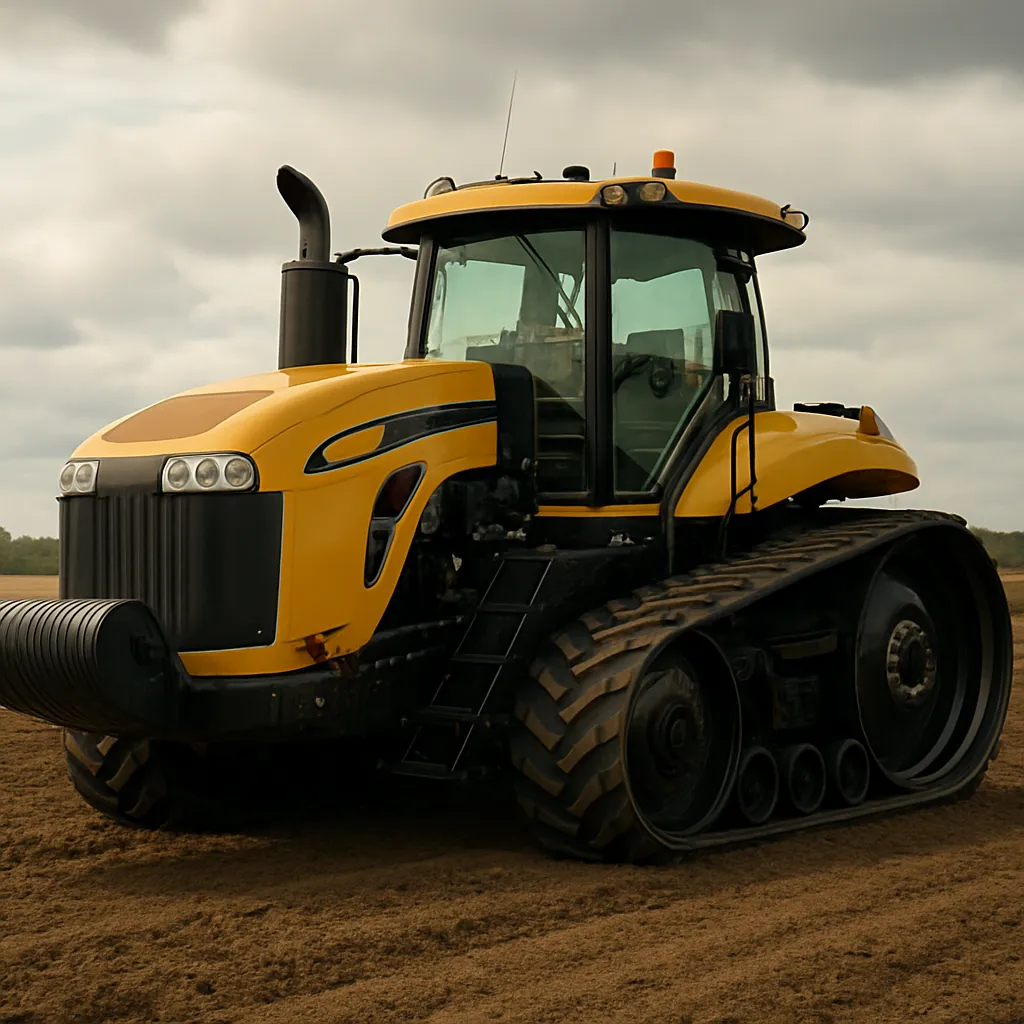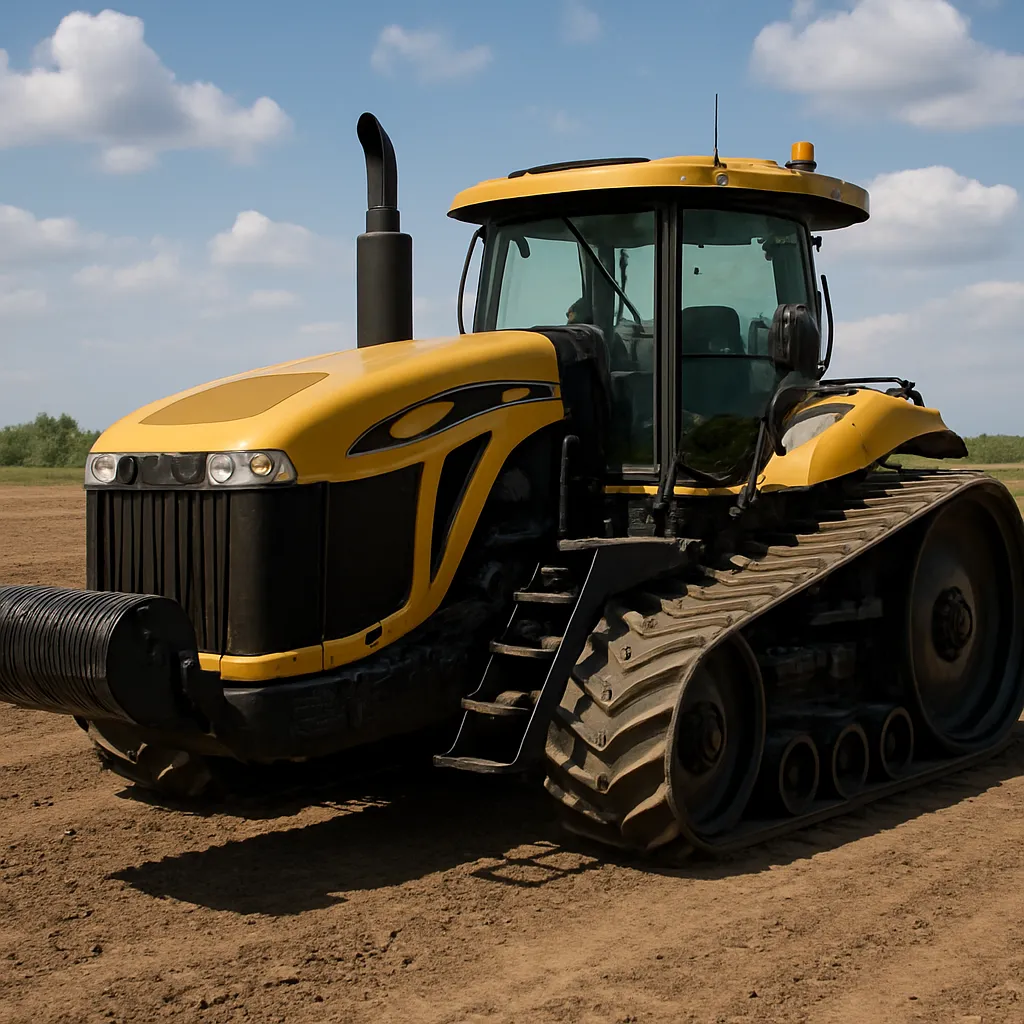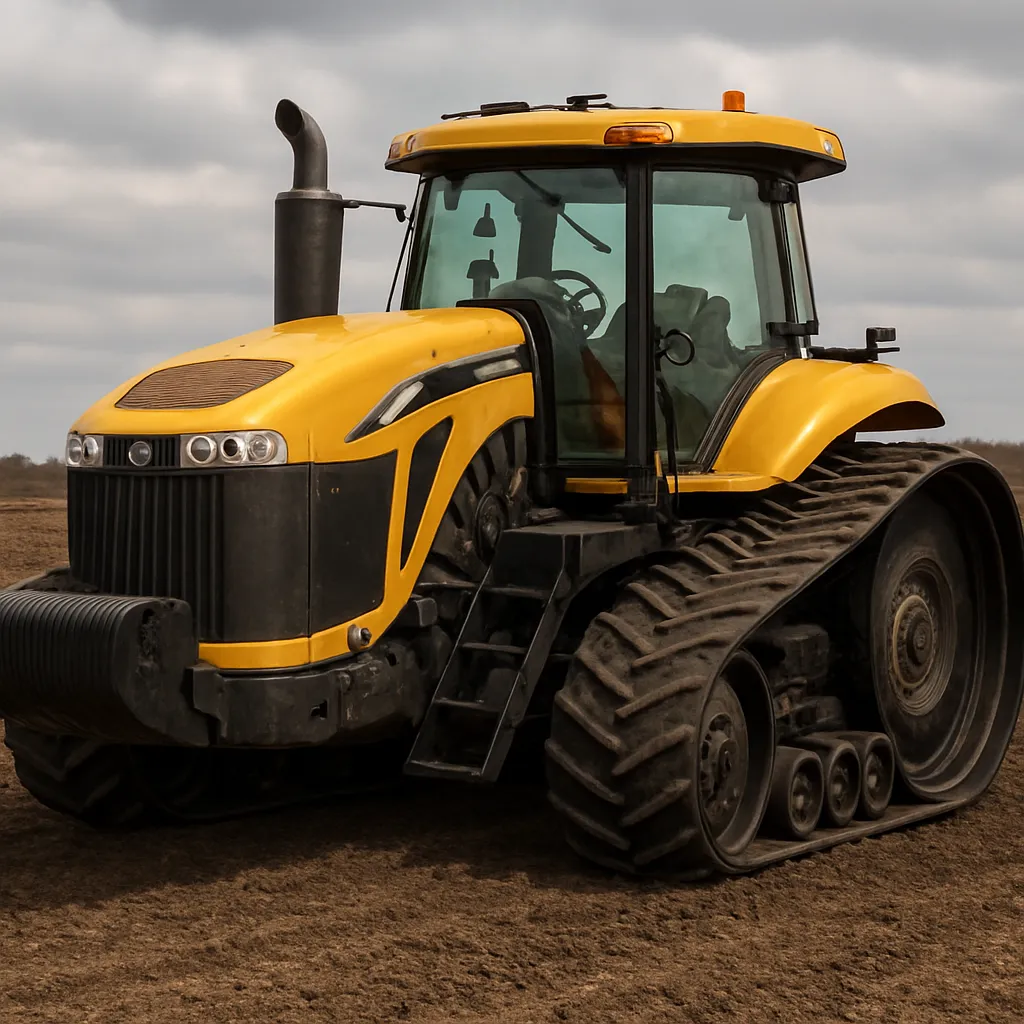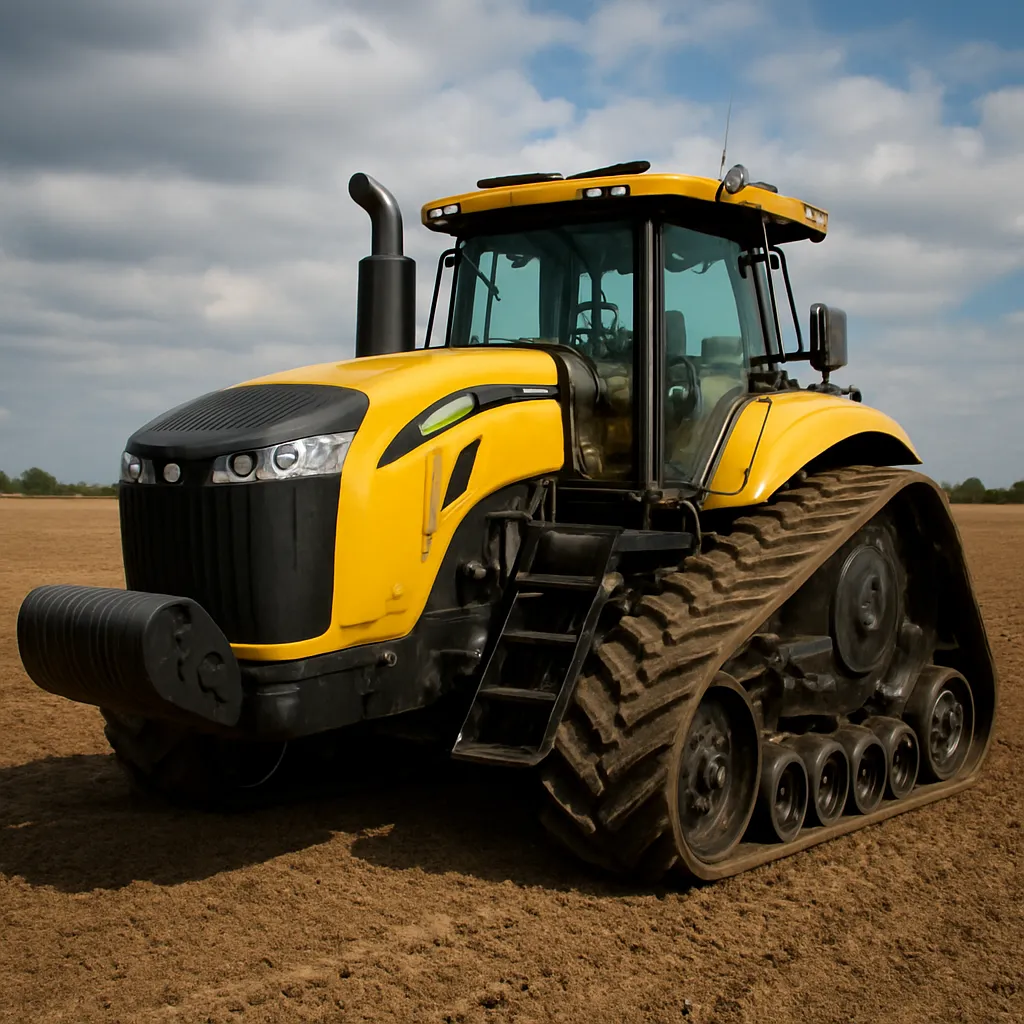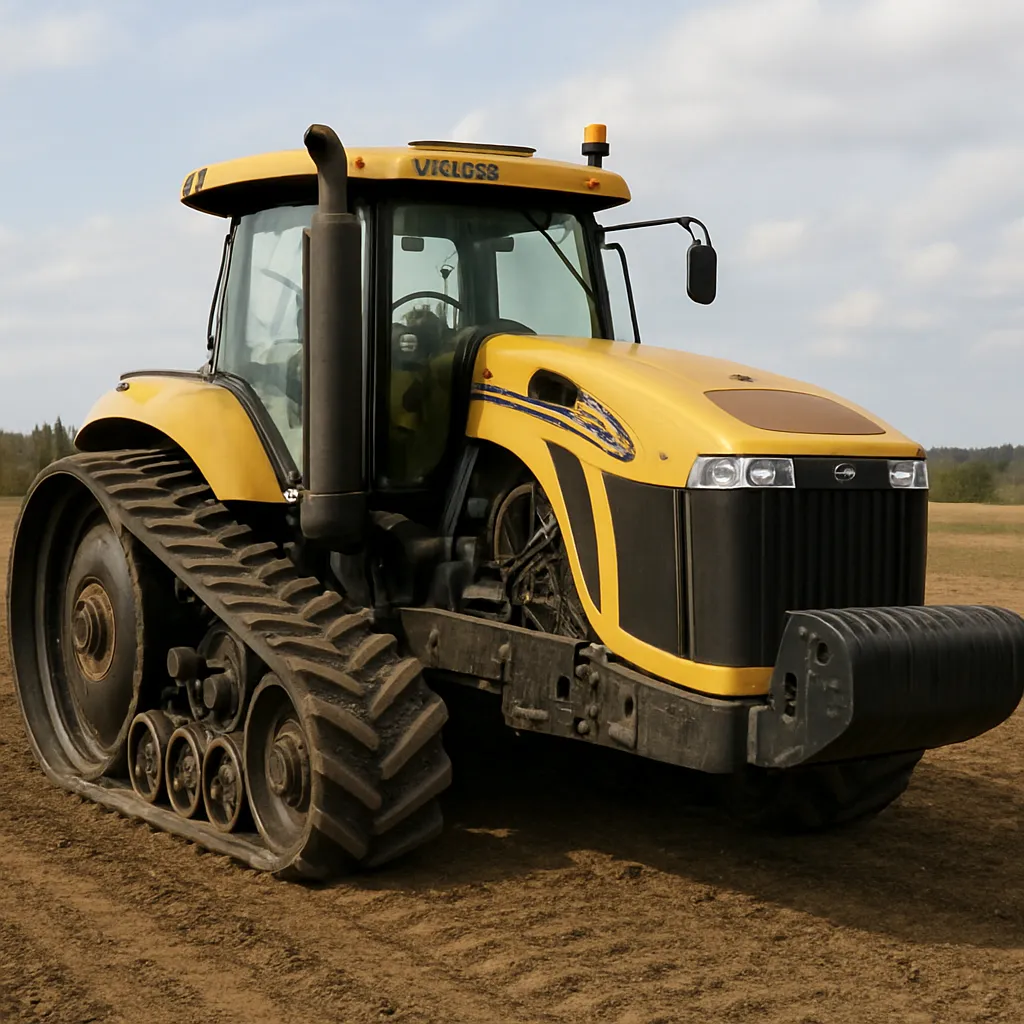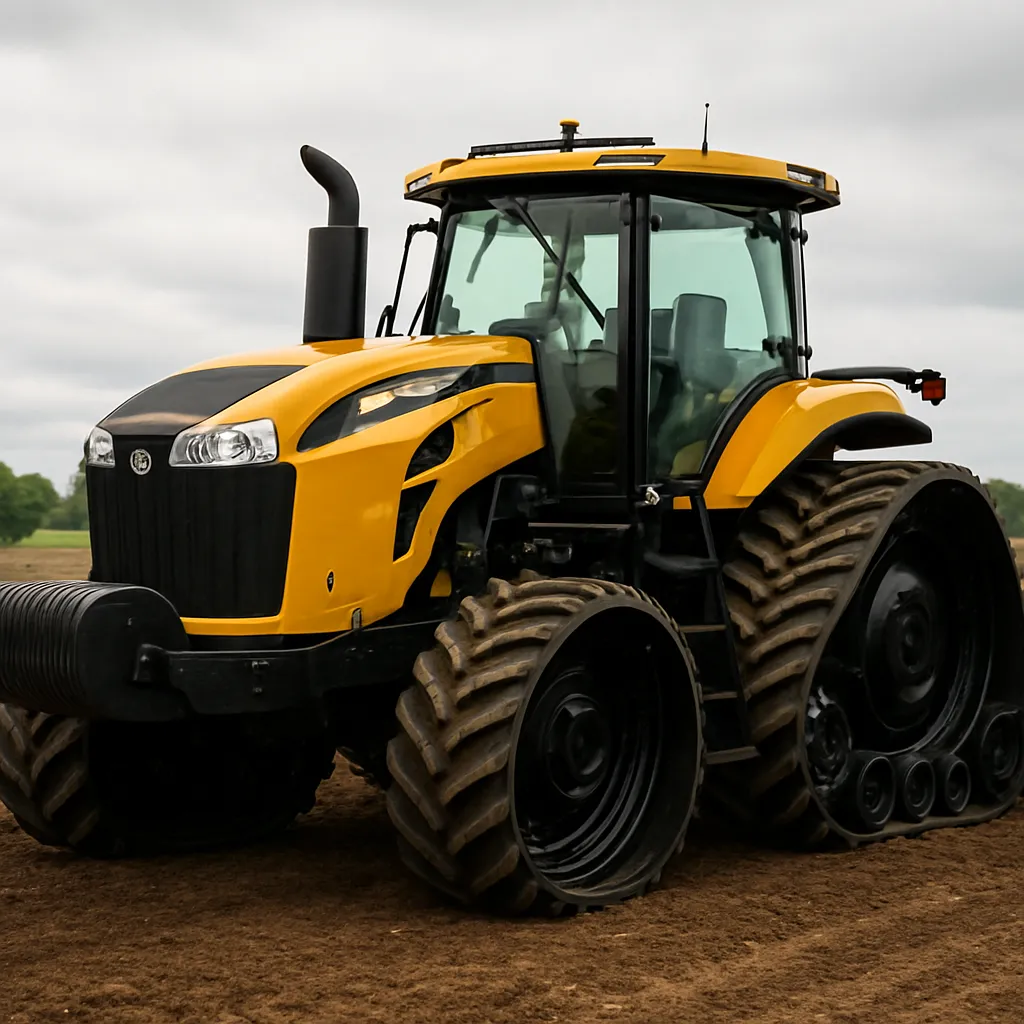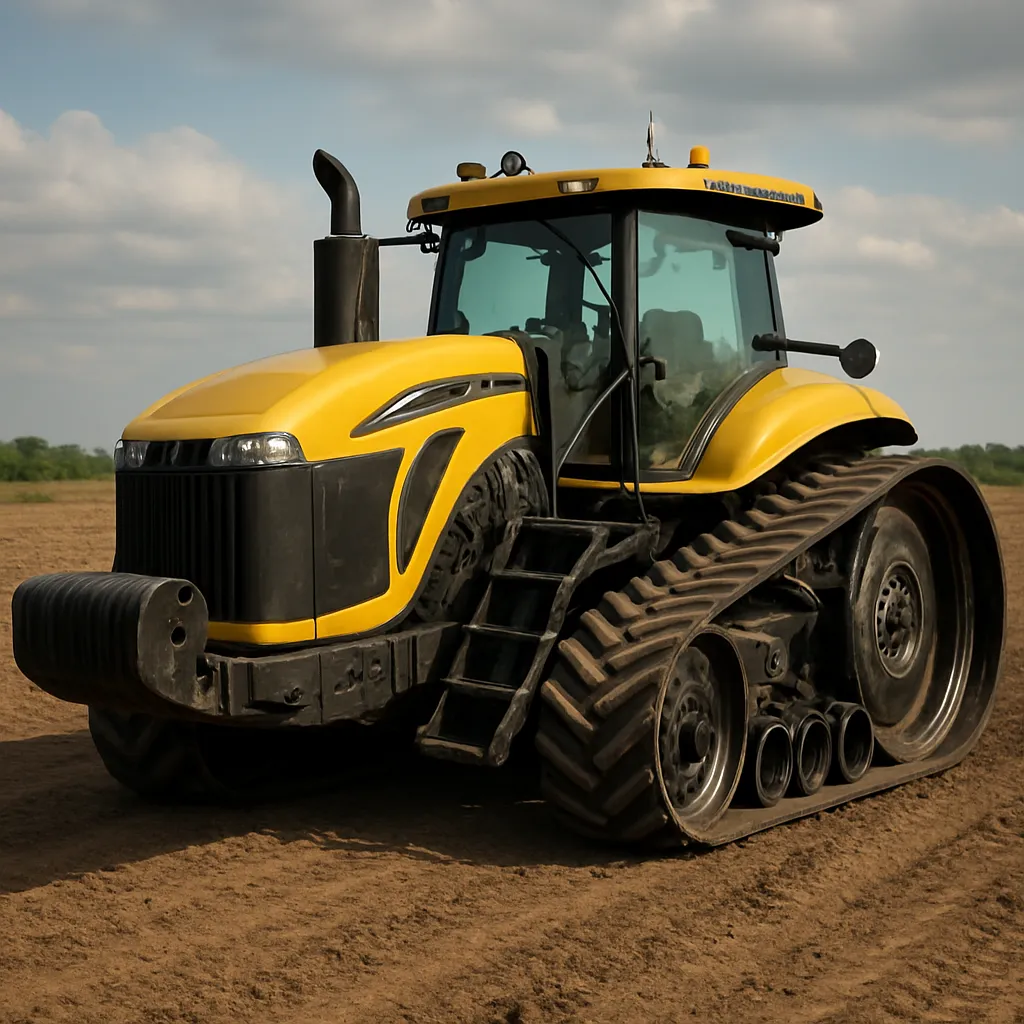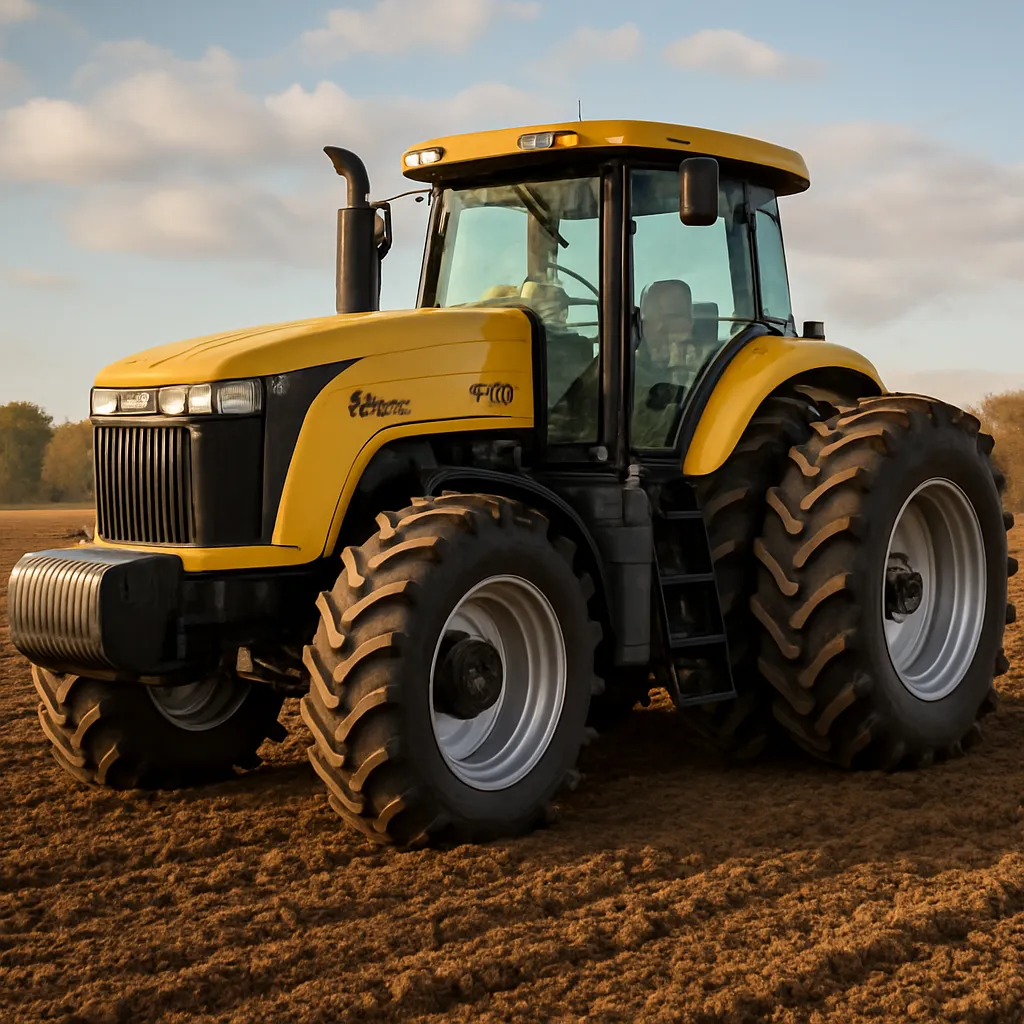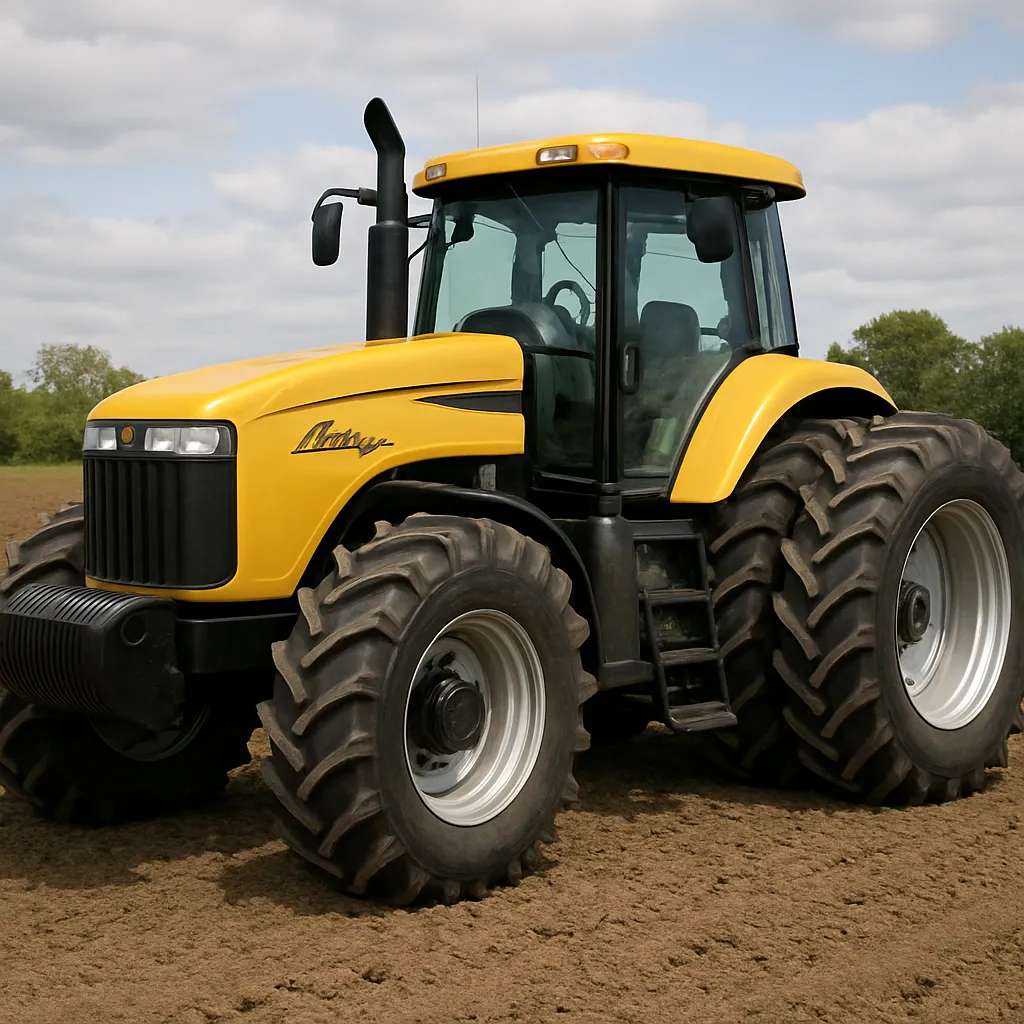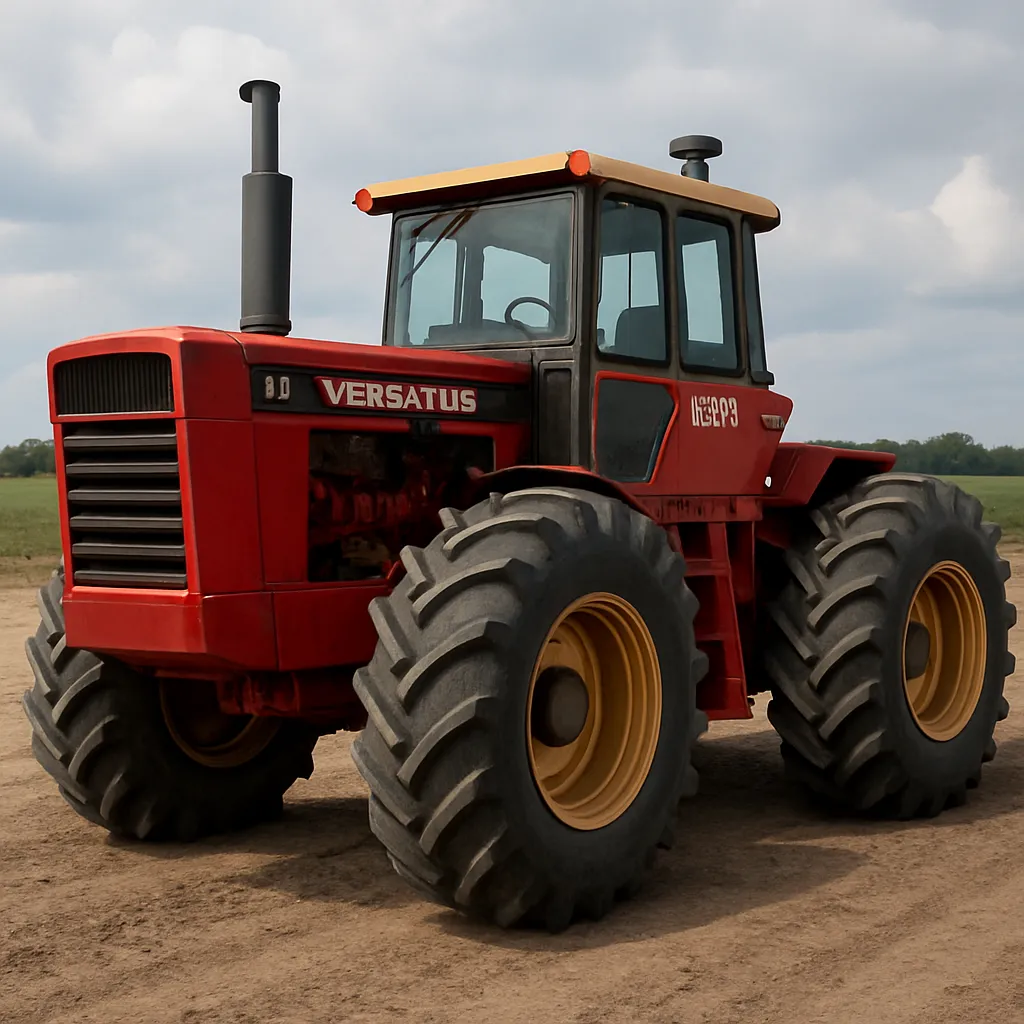
The Versatile 950 is a heavy-duty agricultural tractor designed to meet the demands of large-scale farming, contractors, and specialty field operations. Combining robust engineering with operator-focused features, this model aims to deliver high levels of productivity, fuel efficiency, and day-to-day reliability. In the following sections, you will find an overview of its design and capabilities, typical applications and operational contexts, technical highlights and approximate specifications, maintenance and economics, and practical tips for owners and operators.
Design philosophy and key features
The Versatile 950 is built around a philosophy of combining heavy-duty capability with operational flexibility. The tractor is intended for users who need a machine capable of prolonged work with high horsepower output, consistent tractive effort, and the ability to accept a wide range of implements. Key design considerations include a durable powertrain, a comfortable and ergonomic cab, and robust hydraulics and hitch systems for demanding attachments.
Powertrain and drivetrain
- The engine configuration typically emphasizes torque delivery across a broad RPM range to handle deep tillage, large seeders, or heavy transport loads.
- Options usually include electronically controlled diesel engines with emissions systems compliant with contemporary standards in many markets.
- Transmission choices commonly aim to balance efficiency and ease of use: powershift or IVT/continuously variable options facilitate smooth speed changes under load.
Hydraulics and hitch systems
- High-flow hydraulic systems provide consistent oil flow to wide planters, air carts, and mounted or semi-mounted tillage implements.
- A robust three-point hitch and drawbar design support heavy rear-mounted equipment; front linkage options expand versatility further.
- Multiple remote valves and modern electronic hitch controls allow precise implement depth and pressure management.
Operator environment
- The cab focuses on operator comfort and visibility, with ergonomic controls, climate control, and noise-reduction measures.
- Advanced versions provide integrated displays for telematics, GPS guidance, and implement control, enabling precision agriculture workflows.
- Seats and controls are designed for long shifts, minimizing fatigue and increasing sustained productivity.
Applications and common uses
The Versatile 950 is suitable for a broad range of applications where sustained power and traction are critical. Typical uses include:
- Tillage: primary and secondary tillage involving heavy discs, deep-ripping equipment, and multi-pass cultivations on large acreages.
- Seeding and planting: pulling large air seeders and planters with precise depth and downforce management in wide-cover operations.
- Fertilizer and chemical application: operating large tankers, spreaders, and applicators for commercial-scale nutrient and protection programs.
- Hay and forage: towing large balers, forage harvesters, and wagons; useful on farms that need both fieldwork and transport.
- Transport and haulage: hauling heavy loads between fields, on-farm transport, and occasional road travel when configured for transport speeds.
- Special-purpose tasks: in some regions, these tractors are adapted for tasks such as ditching, forestry transport, or even construction-related earthmoving when coupled with appropriate implements.
Thanks to its size and power, the Versatile 950 is most often chosen by producers operating hundreds to thousands of hectares (or acres) where a combination of speed across the field and the ability to pull large implements is a priority.
Technical highlights and approximate specifications
Below are typical technical characteristics associated with tractors in the same class as the Versatile 950. Exact figures can vary by year, market, and factory options; readers should consult local dealers or manufacturer documentation for model-year-specific data. The values given here are approximate and intended to convey scale and capability.
Engine and performance
- Engine type: turbocharged diesel with electronic fuel management.
- Rated power: typically in the upper mid-to-high hundreds of horsepower range for this class. Expect nominal ratings commonly between 350–500 HP depending on configuration and market version.
- Peak torque: optimized for low- to mid-range RPMs to maintain pull under heavy loads.
- Fuel system: high-pressure common-rail or advanced injection systems aimed at balancing power and emissions.
Transmission and mobility
- Transmission options: powershift or continuously variable transmission (CVT/IVT) in many modern builds, enabling smooth power delivery and efficient field speeds.
- Top speed: field-optimized gearing with transport speeds often allowing safe road travel at moderate speeds (e.g., 30–40 km/h / ~18–25 mph, dependent on gearing and local regulations).
- Tires and axles: large flotation tires or dual-wheel options to control compaction and improve traction on softer soils.
Hydraulics and PTO
- Hydraulic flow: high-capacity pumps delivering sufficient flow for multiple hydraulic cylinders and powered implements; typical total flow figures are configured to meet large planter and seeder requirements.
- PTO options: rear PTO with standard speeds (commonly 540/1000 RPM equivalents or economy modes) and optional front PTO packages for front-mounted power implements.
Dimensions, weight, and capacities
- Operating weight: substantial, to maintain traction and stability with heavy rear implements; weights vary widely with options and ballast but are representative of large 4WD tractors.
- Fuel capacity: large tanks to support long operating days between refueling; capacities often exceed several hundred liters/gallons depending on configuration.
- Hydraulic reservoir and implement capacities sized for sustained heavy-duty operation.
These characteristics make the Versatile 950 competitive in markets where scale and endurance are more important than the smallest possible footprint or low initial cost.
Productivity, economics, and fuel consumption
Large tractors like the Versatile 950 are investments intended to increase throughput per hour of operation. Factors influencing economic value include field size and layout, towing and implement efficiency, and the ability to reduce passes (e.g., combining multiple tasks or using wider implements).
- Fuel consumption: depends strongly on task. Light transport work consumes notably less fuel than deep primary tillage. As a rule, expect higher absolute fuel burn compared with smaller tractors, but improved fuel consumed per hectare when larger implement widths reduce the number of passes.
- Operating cost considerations should include tires, maintenance intervals, and depreciation. A machine that reduces labor and machine hours by enabling larger implements can produce a favorable cost-per-acre despite higher hourly fuel burn.
- Resale value tends to be influenced by global demand for high-horsepower tractors; availability of parts and a strong dealer network help maintain residual values.
Maintenance, durability, and support
Maintaining a large tractor requires a structured service plan. The Versatile 950, like comparable tractors, is designed for robust service intervals but benefits from attentive upkeep to maximize uptime.
Routine maintenance
- Scheduled oil and filter changes for engine, transmission, and hydraulics according to operating hours and conditions.
- Regular inspection of cooling systems, belts, and air filtration—particularly in dusty or high-debris environments.
- Tire inspections, wheel-end maintenance, and ballast checks to maintain balance and prevent undue wear.
Parts availability and dealer network
- A well-established dealer network is critical. Availability of genuine parts, certified technicians, and quick warranty support directly affects the total cost of ownership.
- For many operators, telematics and remote diagnostics reduce downtime by allowing technicians to pre-diagnose issues before service visits.
Safety, comfort, and technology integration
A focus on operator safety and integrated technology is a hallmark of modern tractors. The Versatile 950 typically incorporates features designed to keep the operator safe and increase operational precision.
- Rollover protection, robust cab structures, and clear sightlines help reduce the risk associated with heavy implements and field variations.
- Integrated GPS and guidance systems reduce overlap and wasted passes, increasing productivity while lowering input costs (seeds, fertilizer, fuel).
- Machine control interfaces, ISOBUS compatibility, and remote monitoring tools enable advanced implement management and fleet oversight.
Comparisons and market position
In its market segment, the Versatile 950 competes with other high-horsepower tractors from global manufacturers. Buyers evaluate these machines on:
- Initial purchase cost and financing options.
- Operational efficiency and ability to reduce field passes.
- After-sales service, warranty, and parts logistics.
- Suitability for local agricultural practices (e.g., soil types, typical implement sizes, and transport regulations).
Many farmers choose a large tractor like the Versatile 950 because it allows them to shift to wider implements and higher forward speeds, resulting in fewer hours and faster completion of seasonal tasks.
Practical tips for prospective buyers and operators
If you are considering purchasing or operating a Versatile 950, consider the following points to get the most value:
- Match implement width to the tractor’s hydraulic capacity and horsepower—oversizing can lead to frequent lugging and higher fuel consumption.
- Consider telematics and auto-guidance packages to maximize efficiency and lower long-term input costs.
- Plan for transport logistics: depending on regional regulations, wide implements and wide tires may require special permits or transport arrangements.
- Build a preventative maintenance schedule and verify dealer support for warranty and parts in your region.
- Assess soil compaction risk and consider tire ballast, duals, or flotation options to protect soil structure.
Environmental and regulatory considerations
Modern tractors must often comply with emissions standards (e.g., Tier 4 in certain jurisdictions) and fuel quality requirements. Operators should:
- Ensure that the machine version being purchased matches local emissions regulations to avoid compliance issues.
- Use recommended fuels and oils to preserve emission-control devices and maintain engine performance.
- Consider conservation practices enabled by large tractors—such as reduced passes and precision application—that can reduce overall field emissions and input waste per hectare.
Final observations
The Versatile 950 serves as a heavyweight contender in the realm of large agricultural tractors. Its combination of substantial power, heavy-duty hydraulics, and operator-focused features makes it suitable for large farms and contractors who prioritize field throughput. While exact technical specifications vary by model year and factory options, the tractor is typically characterized by high horsepower, robust durability, and features aimed at maximizing the efficiency of wide-implement operations. Prospective buyers should weigh upfront costs against long-term productivity gains and ensure local dealer support for maintenance and parts. With the right configuration and tasks, a machine in this class can be a central asset for high-acreage operations seeking to improve efficiency and reduce seasonal bottlenecks.