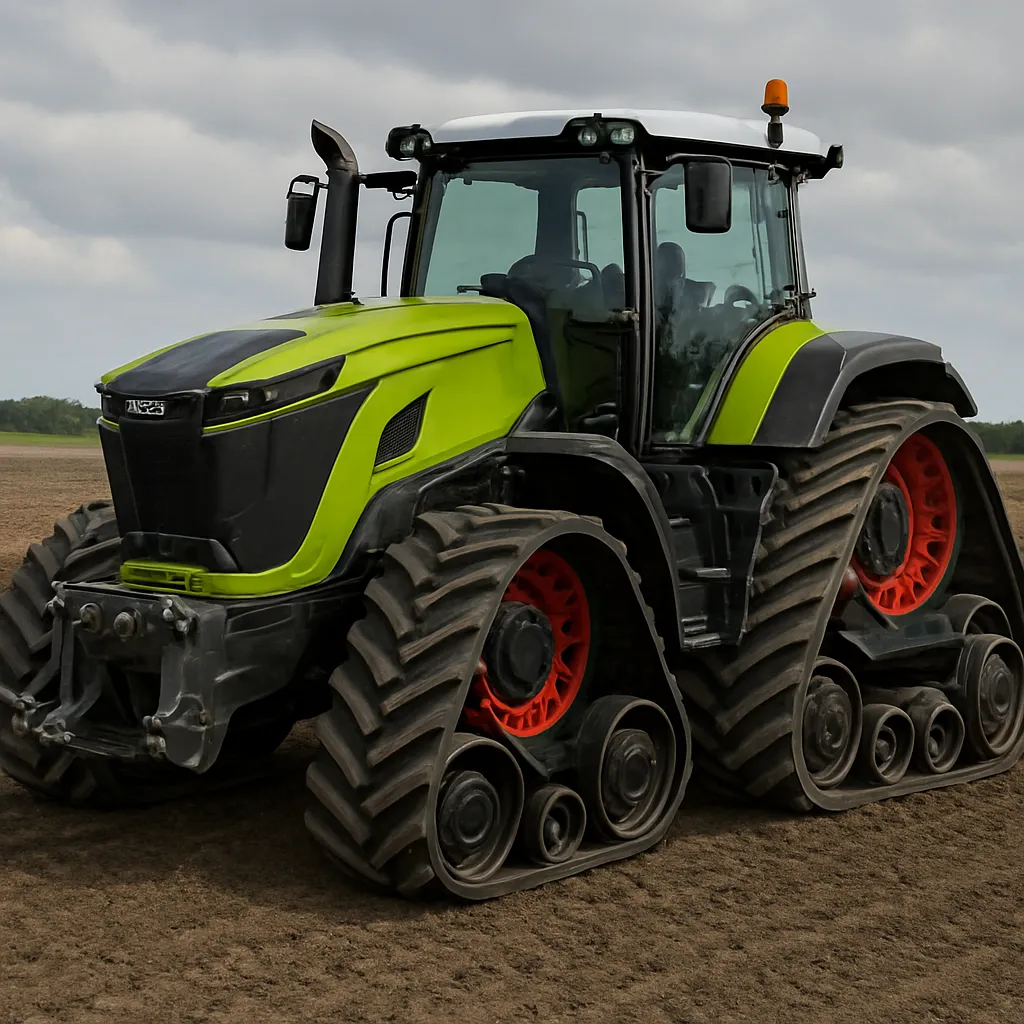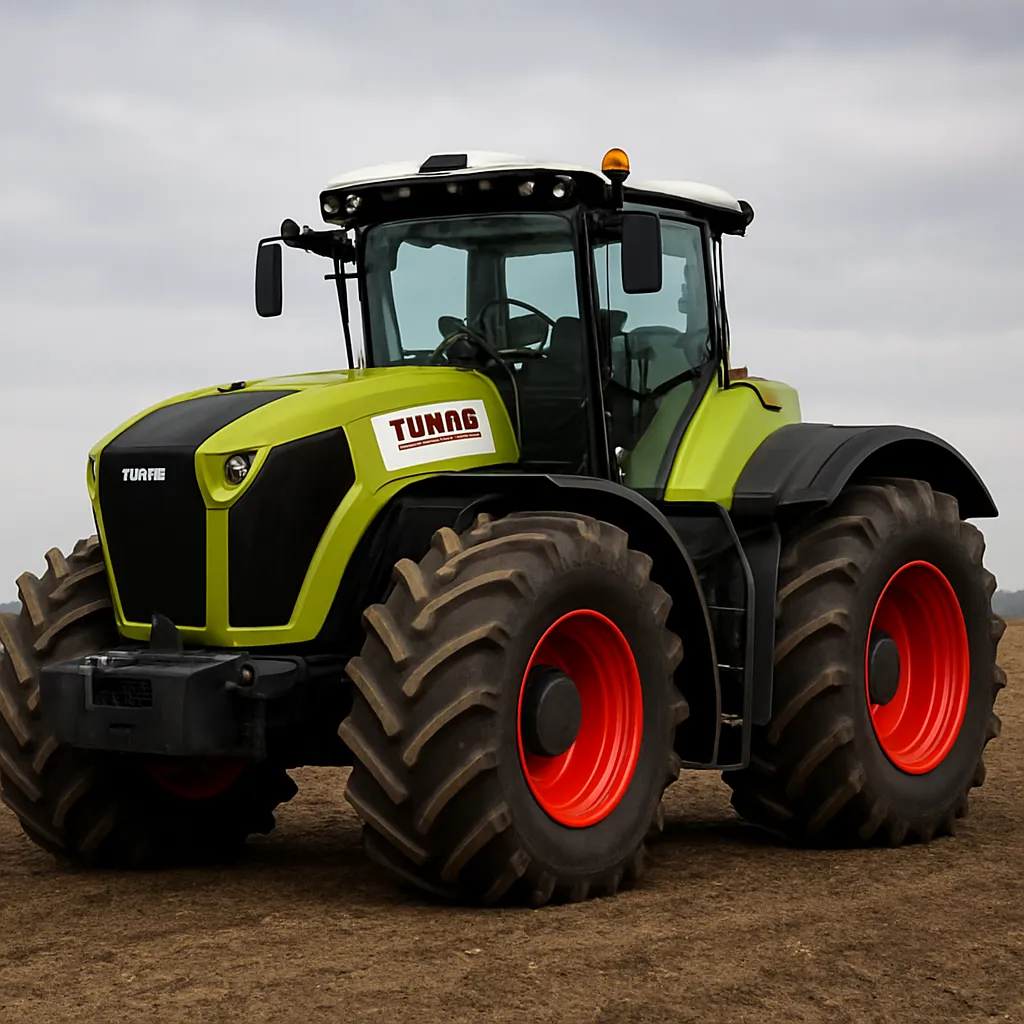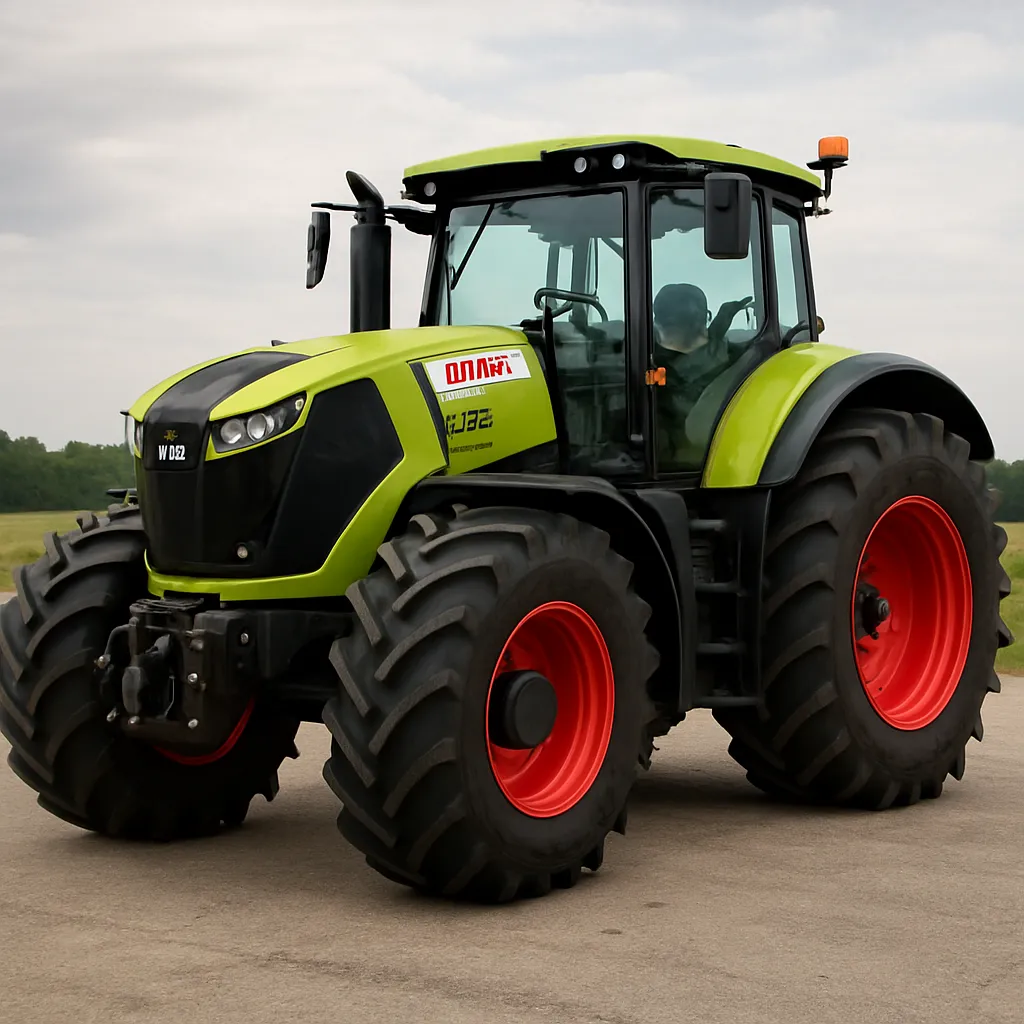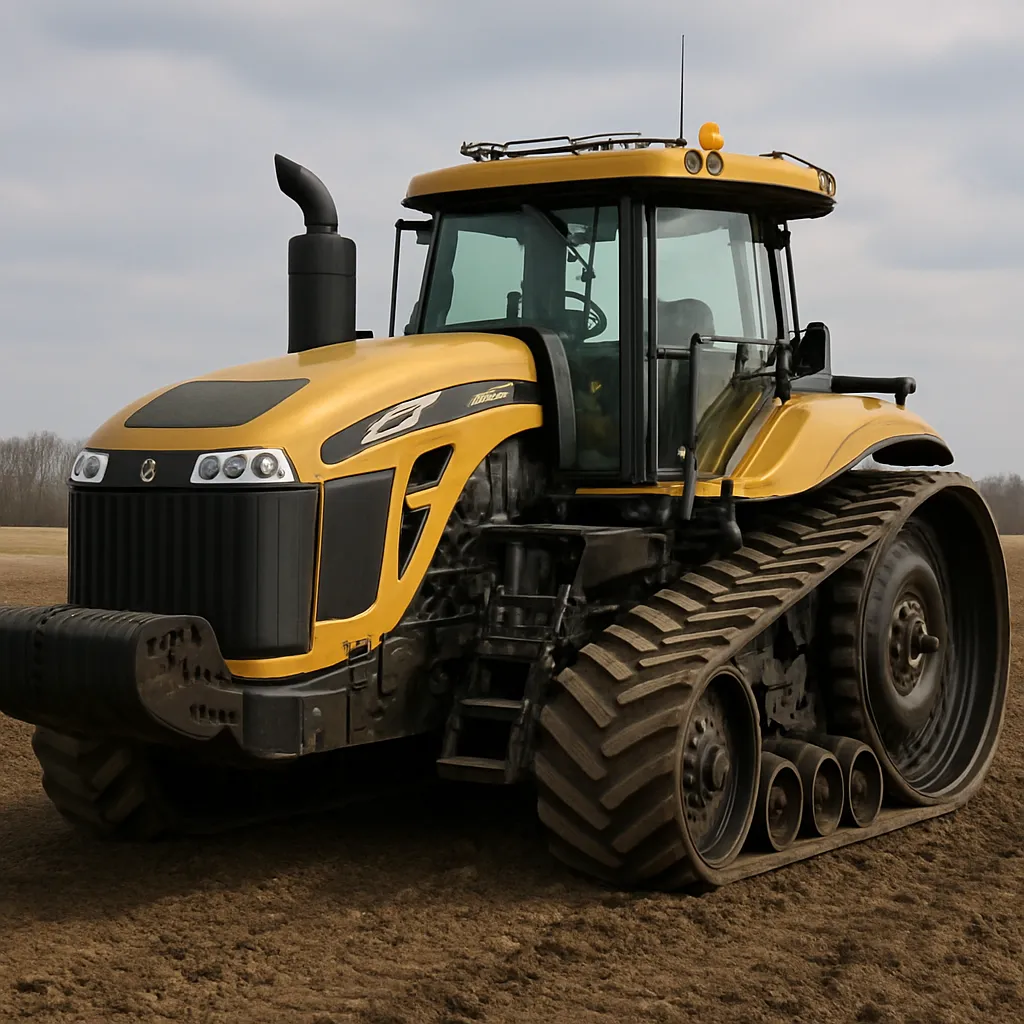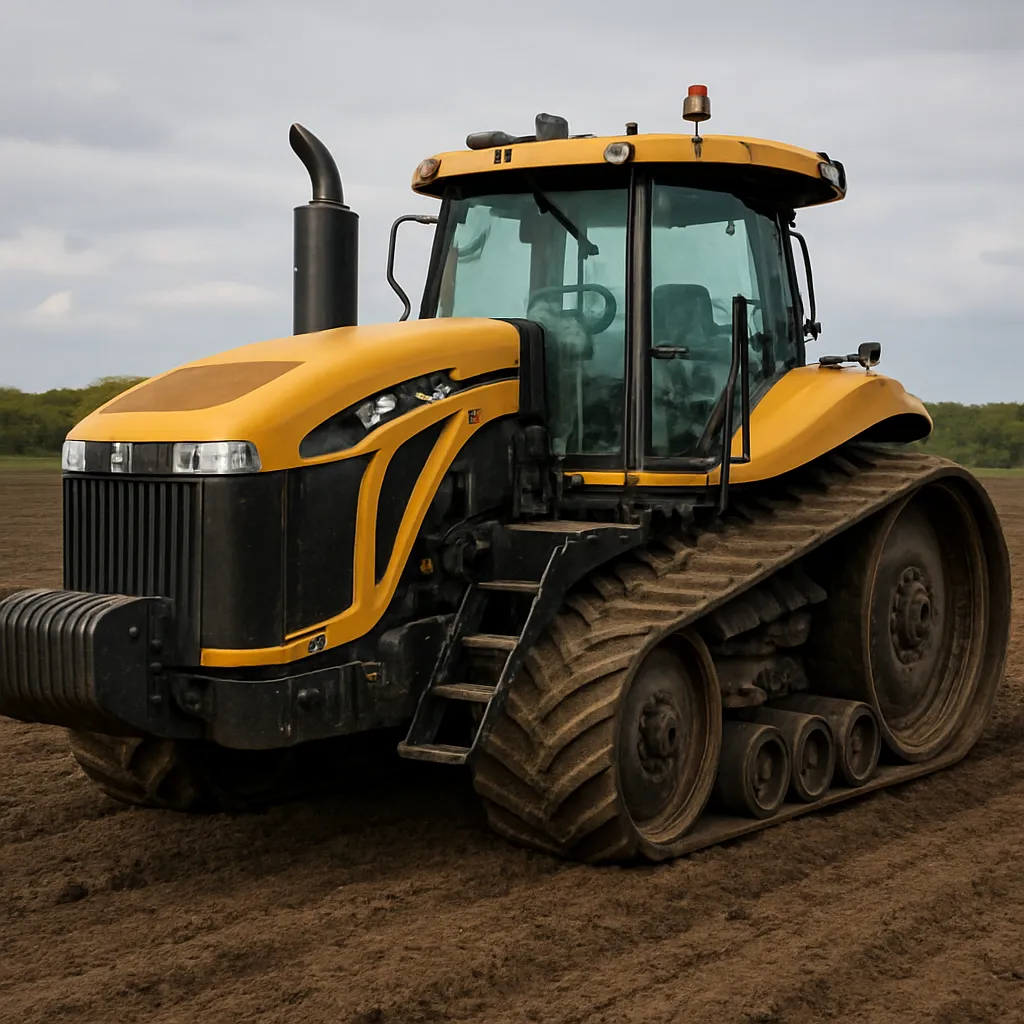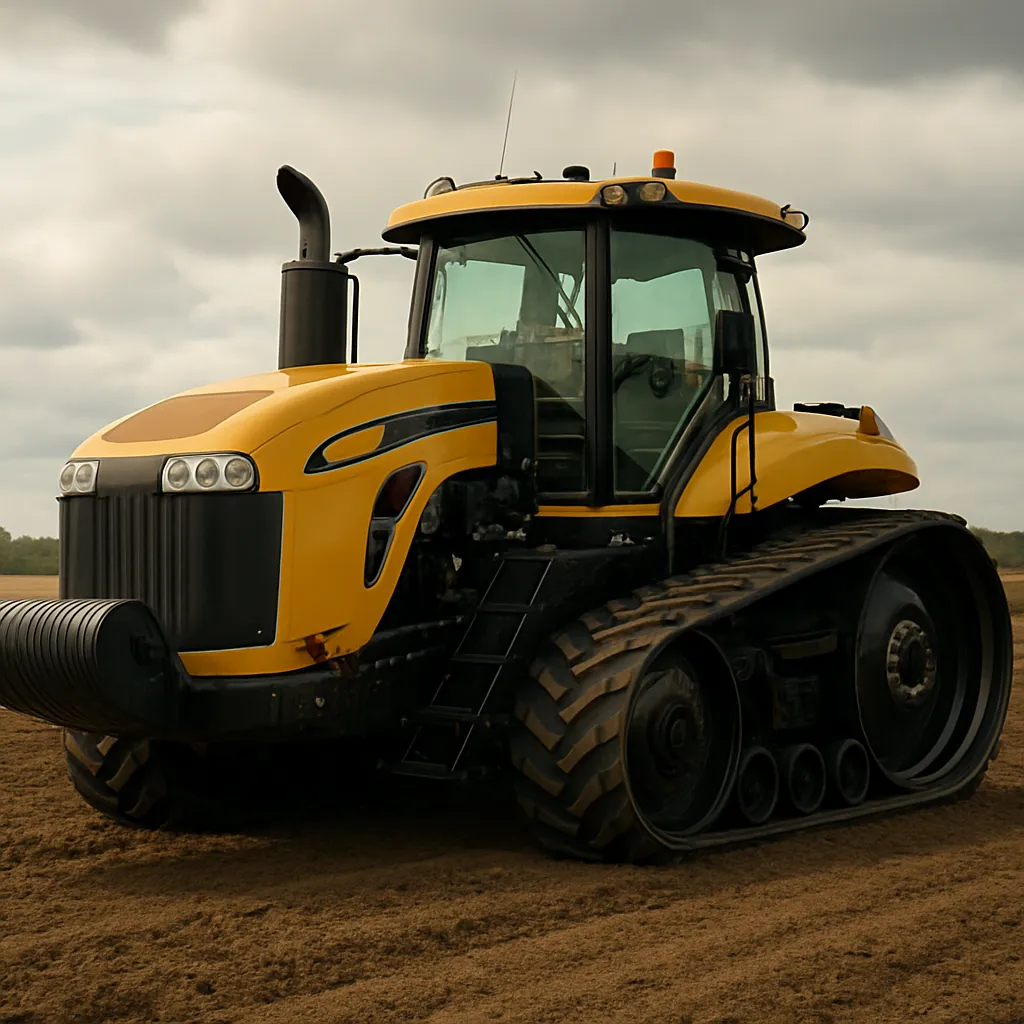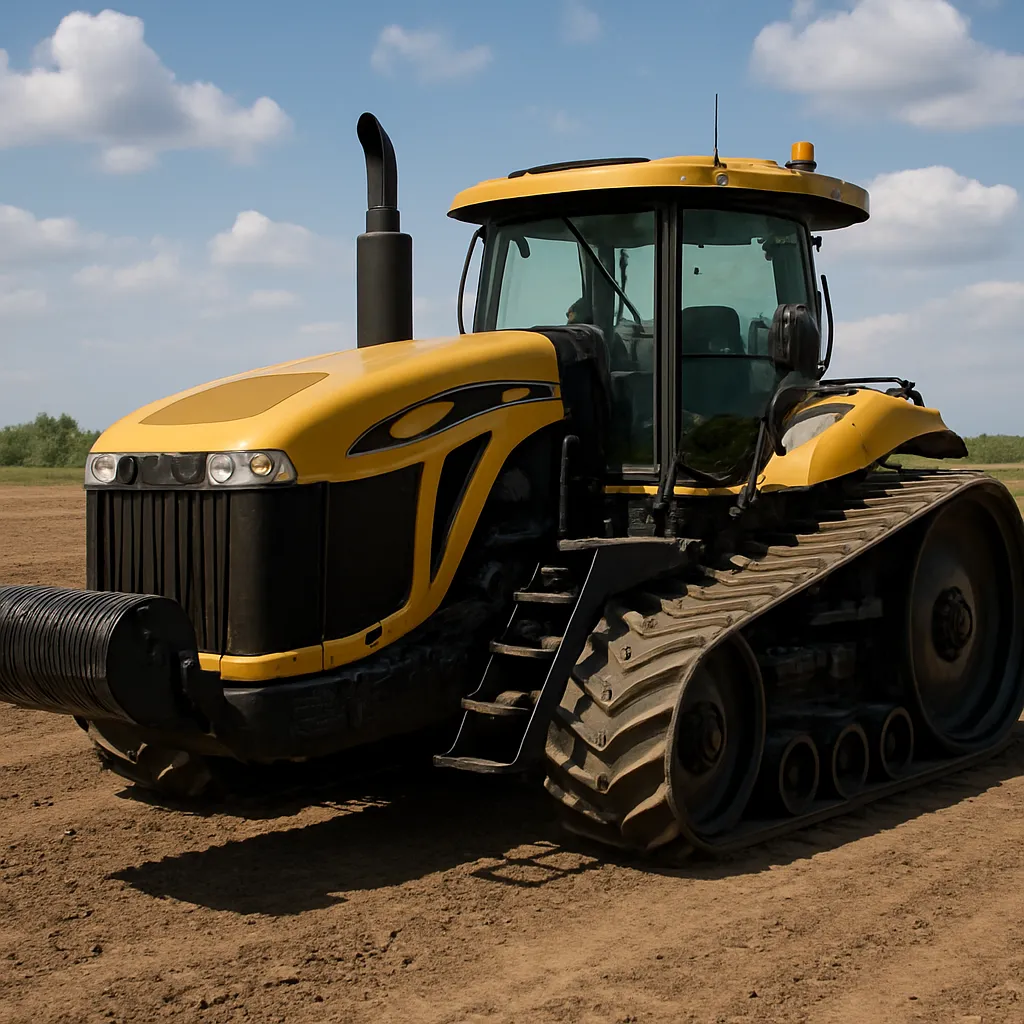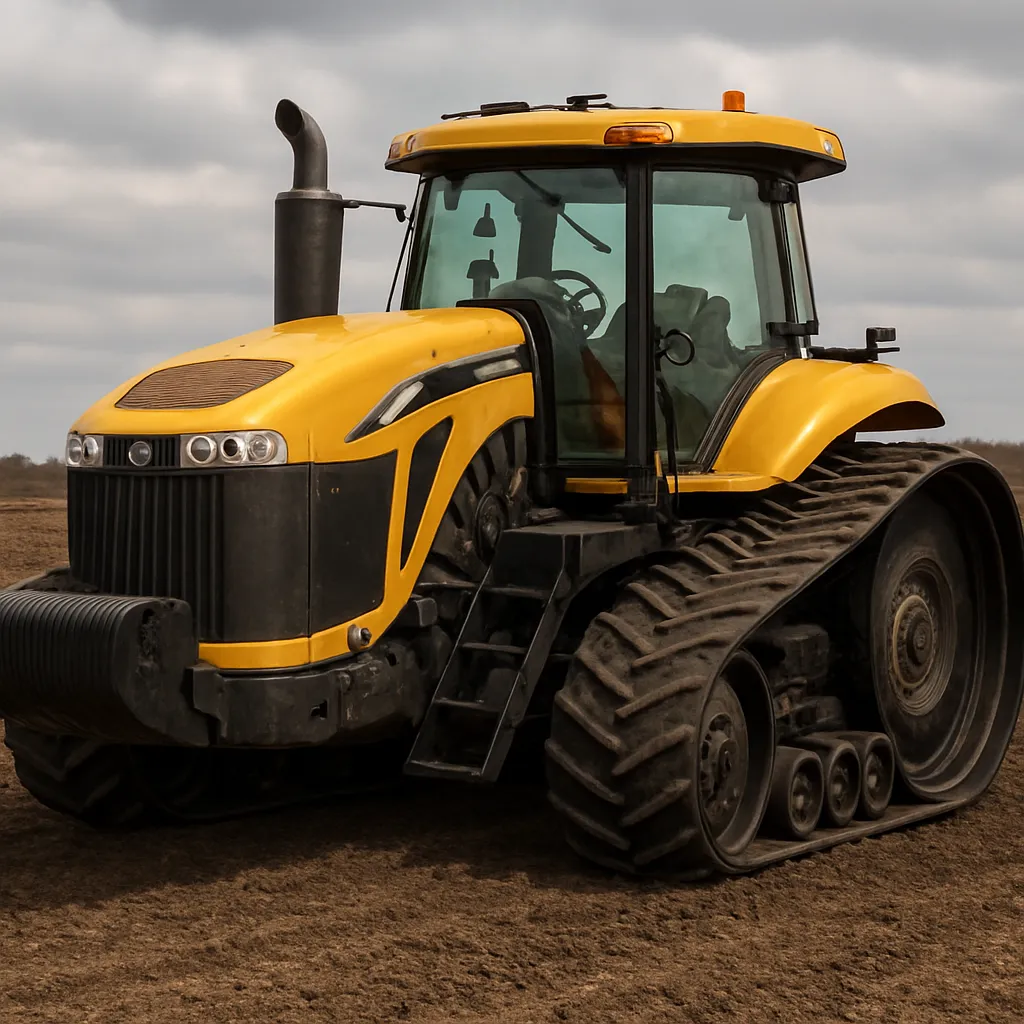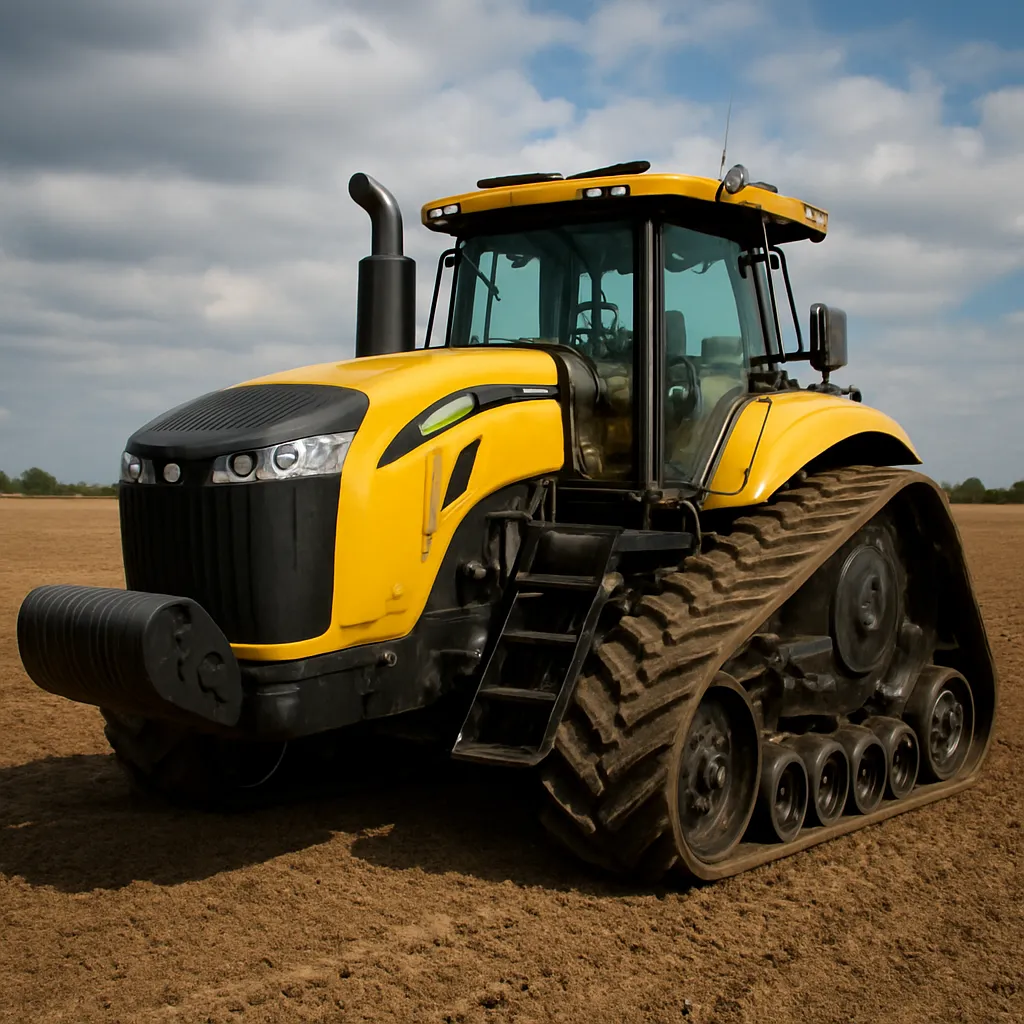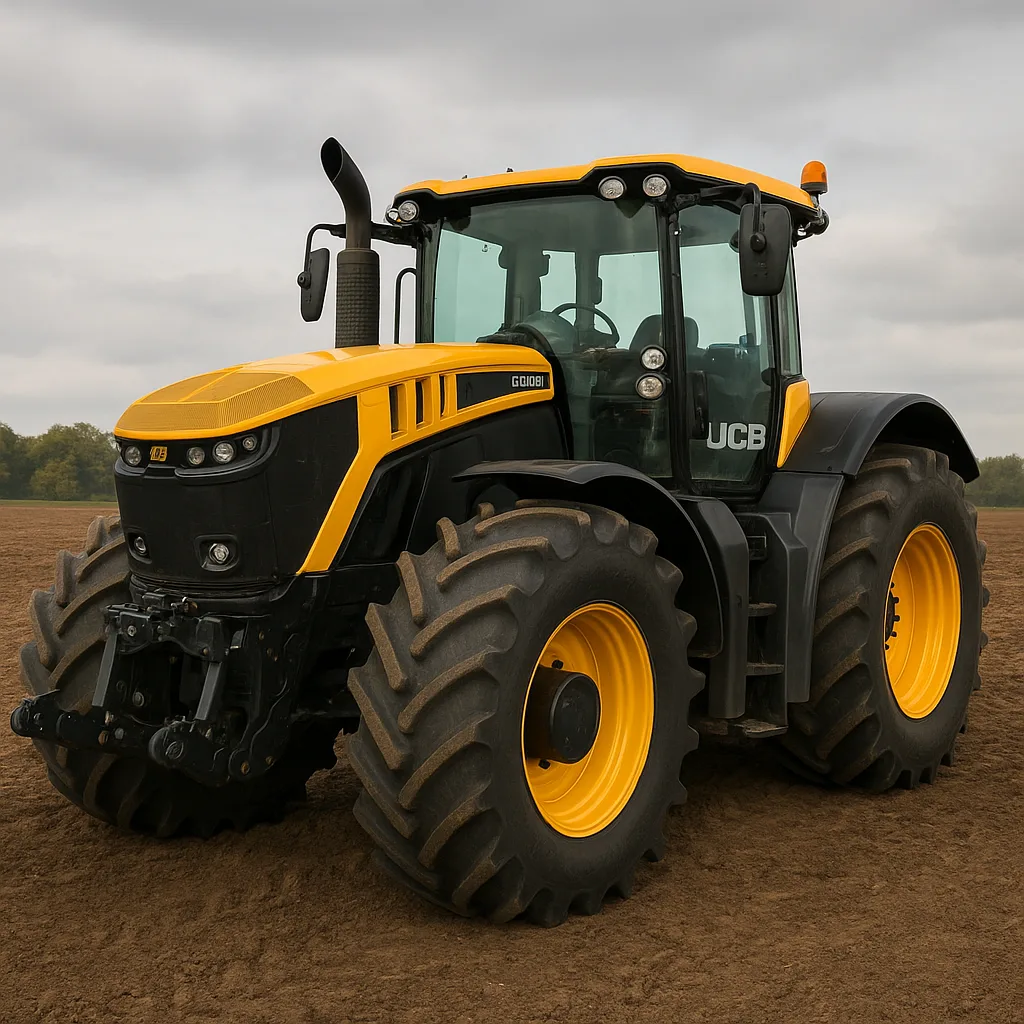
The JCB Fastrac 8330 is a distinctive high-speed agricultural tractor from JCB’s well-known Fastrac family, designed to combine road-going performance with robust farm functionality. Its combination of speed, comfort, and advanced engineering makes it suitable for mixed-farm operations, contracting, and tasks that require frequent road travel between fields. This article explores the design philosophy, typical specifications, common applications, operator and maintenance considerations, and how the 8330 fits into modern agricultural workflows.
Design and engineering philosophy
JCB developed the Fastrac line to answer a specific need: tractors that can travel quickly and safely on public roads while offering the lifting and tractive capabilities of a traditional agricultural machine. The 8330 model embodies that philosophy by pairing a powerful drivetrain with a purpose-built chassis, advanced suspension, and operator-focused cab design. The result is a machine that reduces transit times, increases daily productive hours, and provides a more comfortable working environment for operators who spend long periods on the road or across scattered fields.
Chassis and suspension
- The Fastrac concept is built around a full-width chassis with a robust frame designed for stability at higher speeds. This differs from conventional tractor layouts that prioritize simplicity and heavy-duty loads over high-speed dynamics.
- One of the standout features is the suspension system. Whereas most agricultural tractors have limited suspension, the 8330 often includes advanced suspended front and rear axles with damping tuned for both fieldwork and road travel. This suspension dramatically improves ride quality, reduces operator fatigue, and minimizes crop damage when transporting sensitive loads.
- With a lower center of gravity than many competitors, the 8330 handles corners and hills with greater confidence at road speeds, which enhances safety and operational flexibility.
Transmission and driveline
The driveline in the 8330 emphasizes smooth power delivery and flexibility. Many Fastrac models use multi-range transmissions with powershift or other automated shift technologies that allow the operator to select gear ranges for both field and transport duties. The transmission is engineered to balance efficient power transfer in heavy draft work with the need for quick and smooth shifts on the highway.
Four-wheel drive is standard, and the driveline often incorporates features such as limited-slip differentials and selectable axle locks to optimize traction across a wide range of soil and weather conditions. These systems contribute to the 8330’s ability to perform heavy pulling tasks while retaining excellent road manners.
Typical specifications and performance
Specifications can vary by market and optional equipment, but the Fastrac 8330 is generally positioned as a high-power model within the Fastrac range. Below are typical figures and performance characteristics commonly associated with the 8330 platform. Note that exact numbers depend on the specific year, tune, and configuration.
- Horsepower: approximately 330 hp (engine ratings can vary slightly depending on emission stage and market).
- Engine: turbocharged diesel engine with modern common-rail fuel systems; engines used in Fastrac models have included well-known manufacturers and JCB’s own Dieselmax range in various configurations.
- Top speed: up to around 60–65 km/h in transport configuration (speed varies according to gearing and regional regulations).
- Torque: engineered to deliver strong low-end torque for draft work — typical torque figures will be high in the mid-range to support heavy tillage and transport loads.
- Hydraulic capacity: robust hydraulic flow to support large implements and rapid response for modern tool controls (typical flow rates are competitive in the high-flow segment for tractors of this class).
- Rear linkage lift capacity: designed to handle heavy mounted implements — commonly rated in the several-tonne range, suitable for large seed drills, cultivators, and sprayers.
- Braking and safety: high-performance service brakes and parking brakes suitable for road travel; some models may include auxiliary braking features for enhanced deceleration on steep descents.
- Cab capacity and comfort: roomy cab with suspension, climate control, ergonomic controls, and excellent visibility for both field and road operations.
These specifications reflect the dual-purpose intent of the Fastrac 8330: a balance of strong field performance and high-speed road capability. For contractors and farmers who must move equipment between jobs quickly, the 8330 reduces non-productive transit time, effectively increasing the hours available for field work within a single day.
Applications and real-world uses
The JCB Fastrac 8330 is particularly well-suited to operations where speed, mobility, and versatility are important. Several common use-cases illustrate why operators choose the 8330 over more conventional slow-speed tractors.
- Contracting and custom work: Contractors who cover large geographic ranges or work multiple sites in a day benefit from the 8330’s high road speed and comfort. Moving between farms becomes quicker and safer, enabling more jobs per day.
- Mixed and large-scale farms: Operations that combine arable, livestock, and cropping tasks often require a tractor that handles heavy-duty implements yet can travel to outlying fields without hauling trailers at low speeds.
- Transport and haulage: Because it can travel quickly and safely on public roads, the 8330 is ideal for lightweight haulage tasks and transporting machinery or materials over distances where a traditional agricultural vehicle would be less efficient.
- Field operations requiring stability: Implements such as sprayers, planters, and precision seed drills benefit from the stable platform and fine-control hydraulics provided by the Fastrac chassis and transmission.
- Specialist attachments: The strong hydraulics and linkage system support front and rear-mounted equipment, including loaders, mowers, and specialized tillage tools, making the 8330 a flexible foundation machine.
Seasonal and niche roles
Beyond the everyday farm tasks, the 8330 often finds seasonal or niche roles, such as:
- Snow clearing and winter road maintenance where speed and power improve operational reach.
- Forwarding and material handling when equipped with robust loaders and attachments.
- Emergency or municipal roles that require a blend of field capability and road-worthy performance.
Operator comfort, ergonomics, and safety
JCB places emphasis on operator comfort in the Fastrac series, recognizing that many users log long hours both in the field and on the road. The 8330 typically features a well-insulated cab with a high level of ergonomics and visibility. Components such as seating, control layout, and climate control are designed to reduce operator fatigue and improve productivity.
- Cab suspension and seating: The suspended cab and high-quality seats help reduce vibration and shock exposure, important at higher road speeds and during heavy fieldwork.
- Control ergonomics: Intuitive placement of controls and optional joystick operation simplify implement handling and reduce the cognitive load on the driver during longer shifts.
- Visibility and lighting: Large glazing areas and powerful LED or halogen lighting options provide excellent visibility for night work and road travel.
- Safety features: High-speed tractors emphasize braking performance, stable handling, and clear driver information systems. Some units include telematics or driver aids to improve situational awareness and machine management.
Maintenance, running costs and lifecycle considerations
Like any high-performance agricultural machine, the 8330 requires regular maintenance to remain reliable and efficient. Maintenance regimes for high-horsepower, road-capable tractors should balance intensive field use with the realities of travel and on-road wear.
Common maintenance points
- Engine servicing: oil and filter changes at manufacturer-recommended intervals, attention to cooling systems due to sustained road speeds and loads.
- Transmission and driveline: periodic checks of fluid levels and wear components; high-speed usage can place different stresses on gears and clutches compared to low-speed-only tractors.
- Suspension and axles: monitoring of dampers, bushings, and bearings is important to maintain ride quality and safety at road speeds.
- Brakes and tires: frequent inspections and replacements as road travel accelerates wear compared to field-only tractors.
From a cost standpoint, the Fastrac 8330 may have higher acquisition costs than a conventional tractor of similar raw horsepower due to its specialized chassis and suspension systems. However, total cost of ownership can be favorable in operations that utilize the machine’s speed and multi-functionality—reducing the number of machines needed, lowering transport times, and increasing productive hours per day.
Environmental and regulatory considerations
Modern versions of the 8330 conform to prevailing emissions regulations in their target markets, employing after-treatment systems such as SCR and DPF technologies where required. Fuel efficiency is a critical design objective, achieved through engine tuning, efficient transmissions, and the ability to match power output to the workload with minimal wasted fuel.
- Emissions control: depending on the model year and region, engines meet Stage/ Tier emissions standards using exhaust gas after-treatment systems.
- Fuel economy: operators benefit from the ability to choose gears and engine maps optimized for either transport or field tasks, reducing unnecessary fuel consumption during long transport legs.
- Noise and operator exposure: well-insulated cabs and optimized exhaust routing reduce noise exposure for operators and nearby workers.
Comparative advantages and market position
The JCB Fastrac 8330 stands out in the market for blending high-speed road performance with traditional agricultural capabilities. Its main advantages are:
- Versatility: A single machine capable of a wide range of tasks, from heavy tillage to fast road transport.
- Time savings: Fast transit between fields and sites increases daily productive hours and reduces logistical complexity.
- Operator experience: Superior comfort and ergonomics make it a preferred choice for contractors and mixed-use farms.
- Safety: Stable high-speed dynamics and robust braking systems help maintain control and reduce travel risk.
In comparison to traditional slow-speed tractors, the 8330 is oriented toward users who prioritize mobility and operator comfort, often justifying its purchase when time and distance factors are significant considerations. Against other high-speed tractors, the Fastrac’s distinctive chassis and suspension design remain key differentiators.
Purchase considerations and options
Potential buyers should evaluate their operational profile carefully. The 8330 is particularly attractive if:
- Fields and sites are widely dispersed and significant road travel is required.
- Operators perform mixed tasks and need a multi-role machine rather than several single-purpose tractors.
- Comfort and reduced operator fatigue are important for retention and productivity.
Options and packages can affect both price and suitability. Typical optional areas include:
- Advanced telematics and fleet management systems for large contractors.
- Enhanced lighting and safety packs for night operations.
- Hydraulic and linkage upgrades to suit specific implements.
- Transmission and engine map choices to prioritize fuel economy, torque, or top speed.
Summary and outlook
The JCB Fastrac 8330 represents a clear response to modern farming and contracting needs: faster transit, more comfortable operator environments, and a flexible platform capable of handling heavy implements. Its blend of speed, power, and ride quality makes it especially compelling for operations where time and mobility directly affect profitability.
As agricultural practices evolve—particularly in the direction of larger, more widely distributed farms and consolidated contracting services—machines like the Fastrac 8330 are likely to maintain relevance. Continued improvements in emissions, telematics, and automated assistance will further enhance its role as a multifunctional workhorse for demanding agricultural and transport tasks.
JCB Fastrac 8330’s combination of power, speed, advanced suspension, and operator-focused features make it a distinctive option for those who need more than a conventional tractor: a fast, comfortable, and capable partner for modern farming.