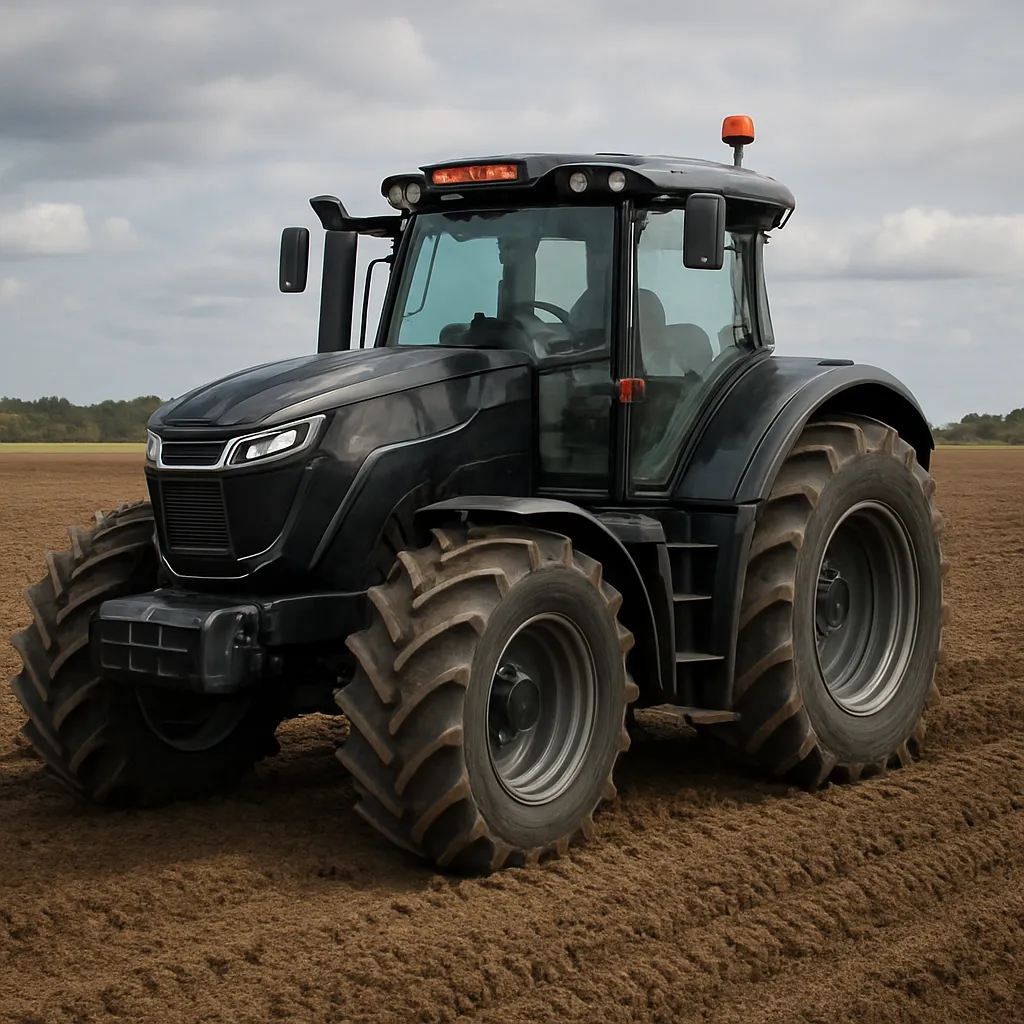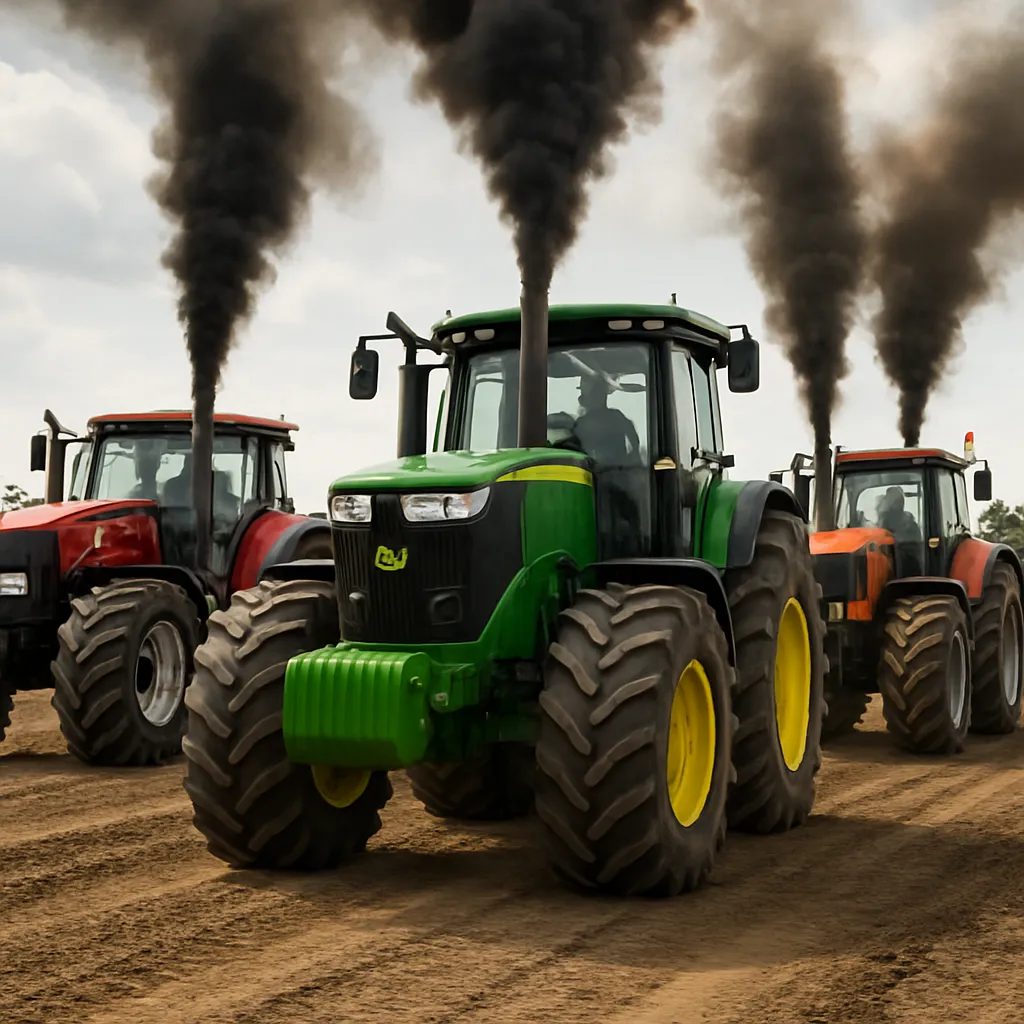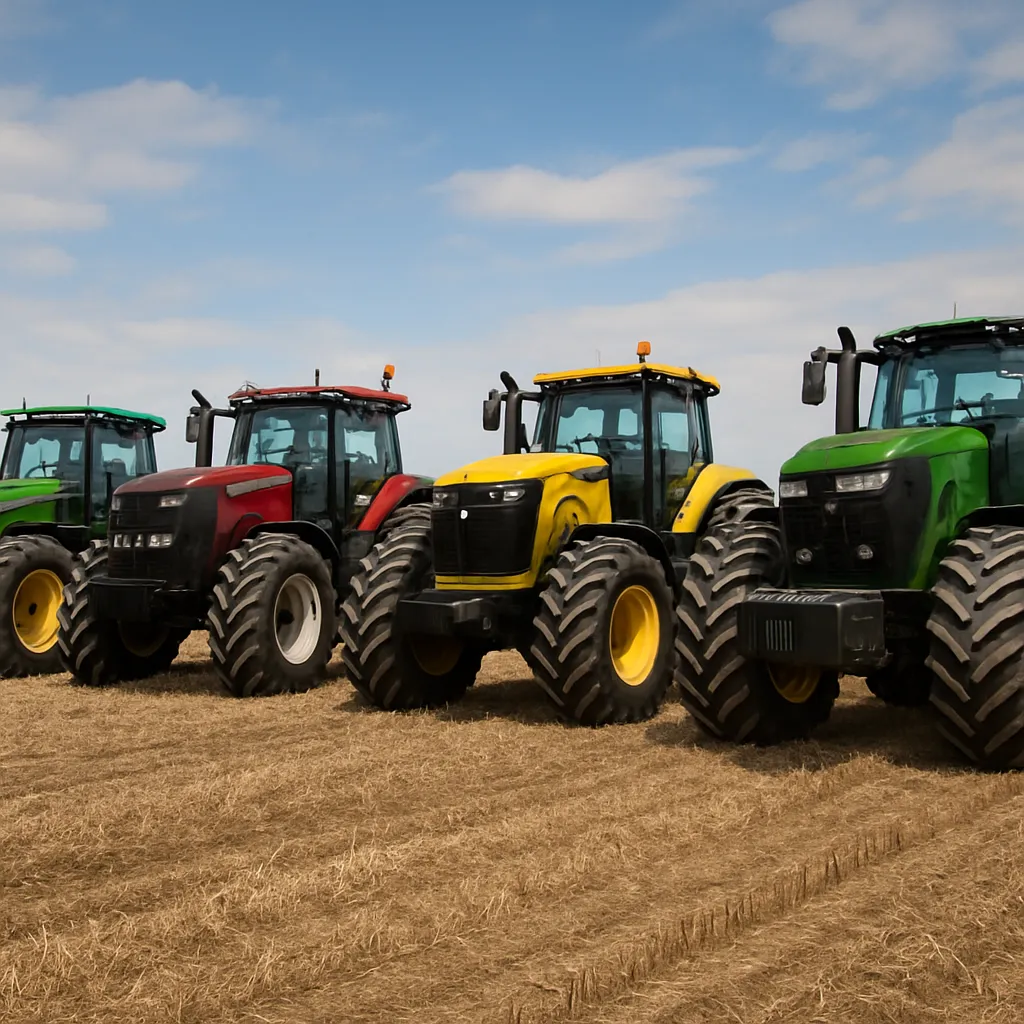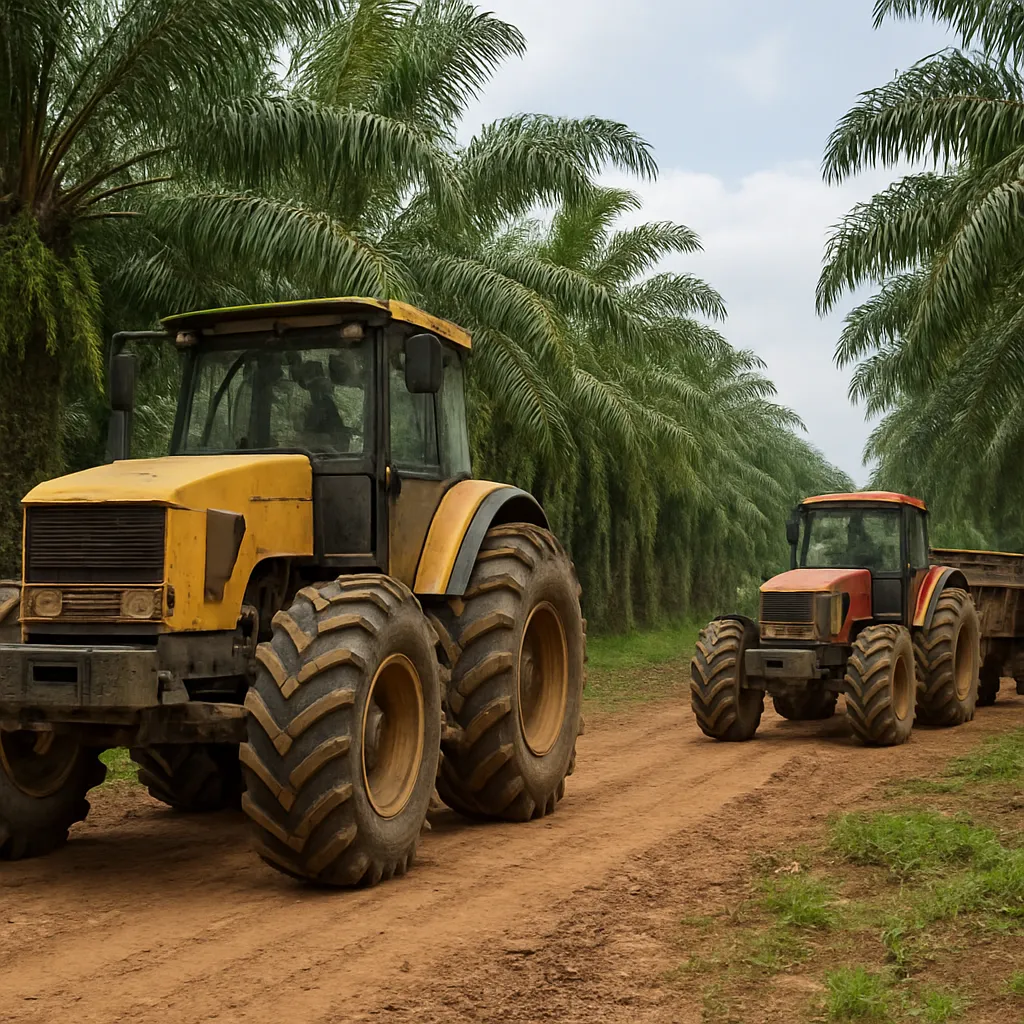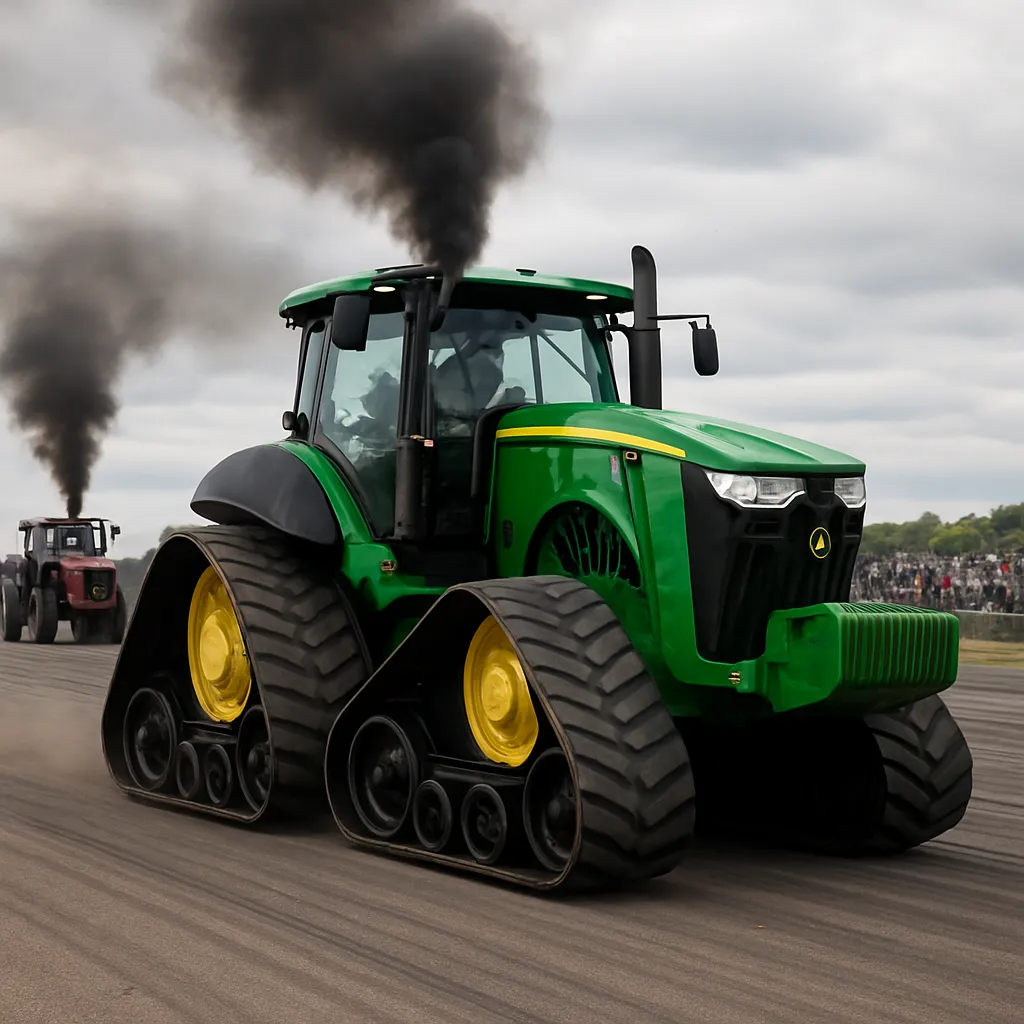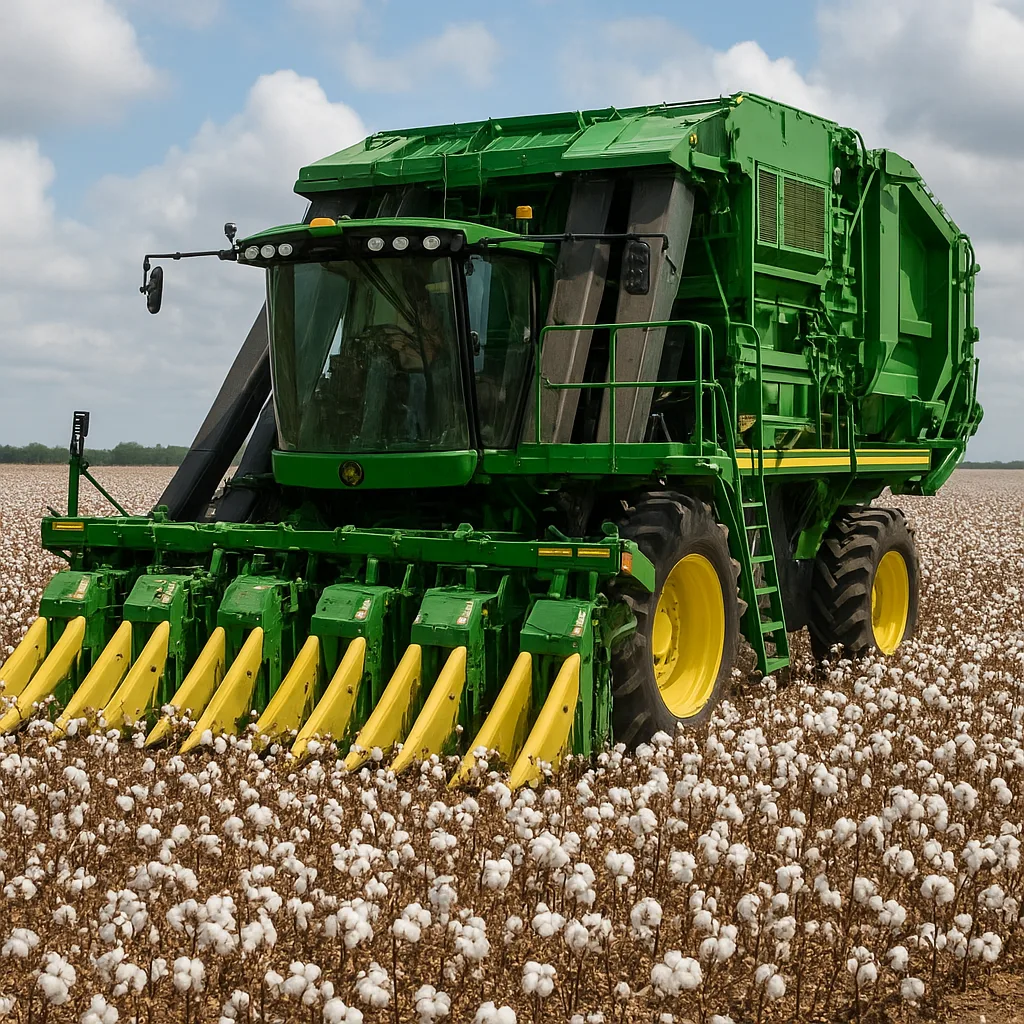
Exploring the realm of the largest machinery in cotton cultivation reveals the pivotal role of heavy-duty tractors. With fields stretching thousands of acres, growers demand equipment that delivers unmatched power and reliability. This article delves into the characteristics, top models, operational strategies, and technological advances that define the biggest tractors in modern cotton farming.
Size and Power: Defining the Biggest Tractors
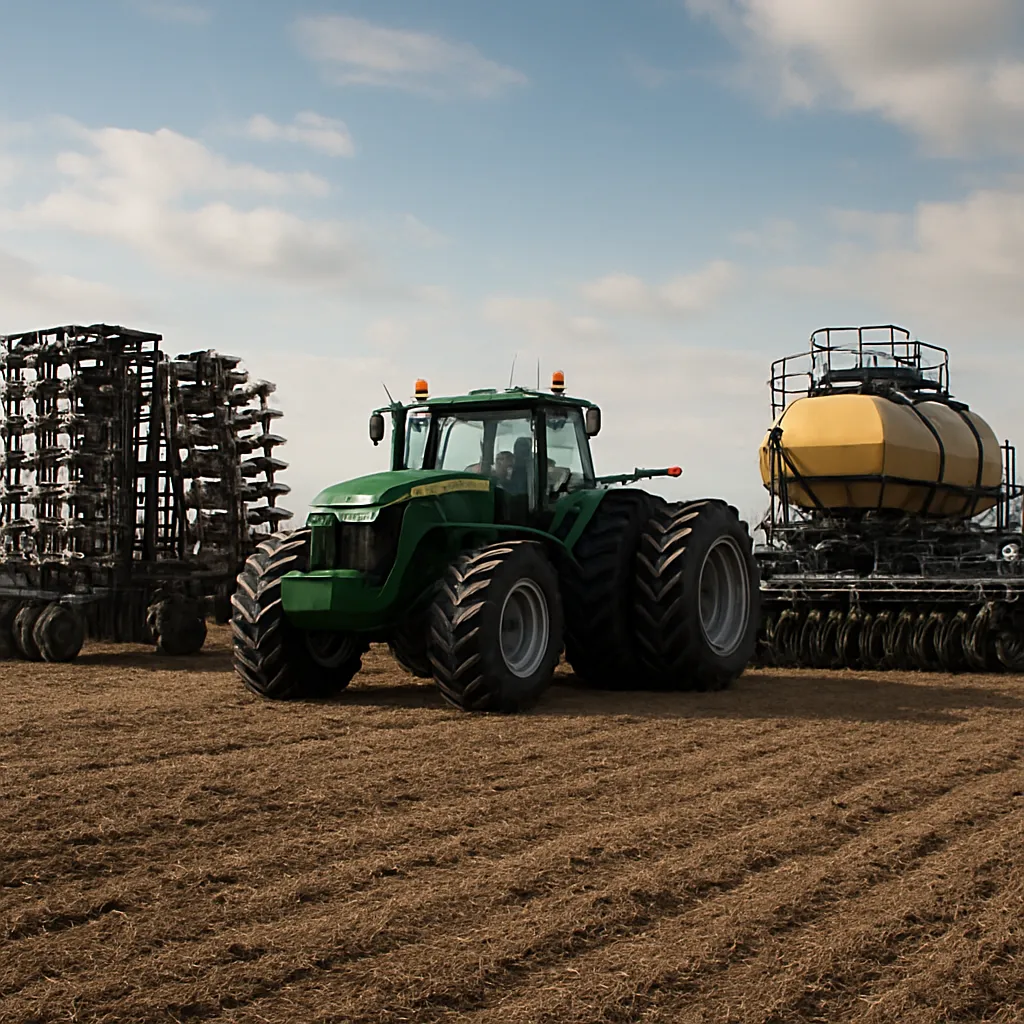
At the heart of extensive cotton operations lies the requirement for colossal tractors capable of tackling vast fields with minimal downtime. These machines are engineered to offer unparalleled horsepower, robust chassis, and fortified drivetrains. Manufacturers often categorize these behemoths by their horsepower ratings, with leading models surpassing 600 HP to manage heavy implements such as multi-row planters, high-capacity sprayers, and tillage equipment.
Key physical attributes of the largest tractors include:
- Massive weight for improved traction and reduced slippage.
- High-capacity fuel tanks to extend field hours between refills.
- Advanced cooling systems to sustain performance in hot climates.
- Reinforced frames and axles to handle heavy attachments.
Tractors of this scale also integrate sophisticated power distribution systems. Whether employing full-time all-wheel drive or multi-speed transaxles, these machines ensure engine output is effectively translated into ground force. As a result, operators can maintain consistent speeds even in soft soil conditions, a common characteristic of cotton fields after irrigation or rainfall.
Leading Models in Cotton Production
Cotton farmers have gravitated toward a handful of powerhouse tractor lines that have proven their mettle in demanding environments. Below are some standout models revered for their efficiency and durability:
- Model XZ-700 – Offers 650 HP, an advanced hydrostatic transmission, and a self-leveling front axle.
- AgroMax 6200 – Features 620 HP, auto-guidance capability, and a configurable ballast system.
- FarmTitan 680 – Boasts 680 HP, integrated telematics, and modular weight blocks.
- PowerKing 640 – Equipped with 640 HP, active suspension, and quick-attach three-point hitch.
Each of these models brings unique benefits. The XZ-700’s hydrostatic transmission grants smooth speed adjustments under heavy loads, while the AgroMax 6200’s ballast configurations allow fine-tuning to match different soil textures. FarmTitan’s telematics suite provides real-time diagnostics, minimizing unplanned downtime, and PowerKing’s quick-attach system simplifies transitions between planting, spraying, and harvesting implements.
Optimizing Field Operations with High Horsepower Machines
Integrating the largest tractors into cotton operations reshapes the workflow and improves overall productivity. Key operational strategies include:
- Implementing strip tillage to reduce soil disturbance and retain moisture.
- Synchronizing tractor speed with planter row spacing for uniform seed placement.
- Utilizing auto-steering systems to limit overlap and prevent gaps.
- Scheduling maintenance based on engine hours to uphold peak performance.
By matching implements to tractor capabilities, growers can cover more acres daily. For instance, coupling a 12-row planter with a 650 HP tractor enables planting operations at speeds up to 8 mph, cutting downtime significantly. Furthermore, high-horsepower tractors can pull large cotton defoliator rigs, ensuring foliage removal keeps pace with harvesting schedules.
Load management techniques also play a critical role. Operators often employ on-the-go ballast adjustment, adding or removing tire-mounted weights to maintain optimal traction. This flexibility reduces wheel slip and conserves fuel by preventing over-throttle conditions in heavy soils.
Advanced Technology and Precision Agriculture
Modern big tractors are not just about brute force; they integrate cutting-edge technology that elevates precision and data-driven decision-making. Key technological features include:
- GPS-assisted auto-steer that maintains straight lines across large fields.
- Variable rate application controls for fertilizers, glyphosate, and growth regulators.
- Real-time yield mapping and moisture sensors for informed resource allocation.
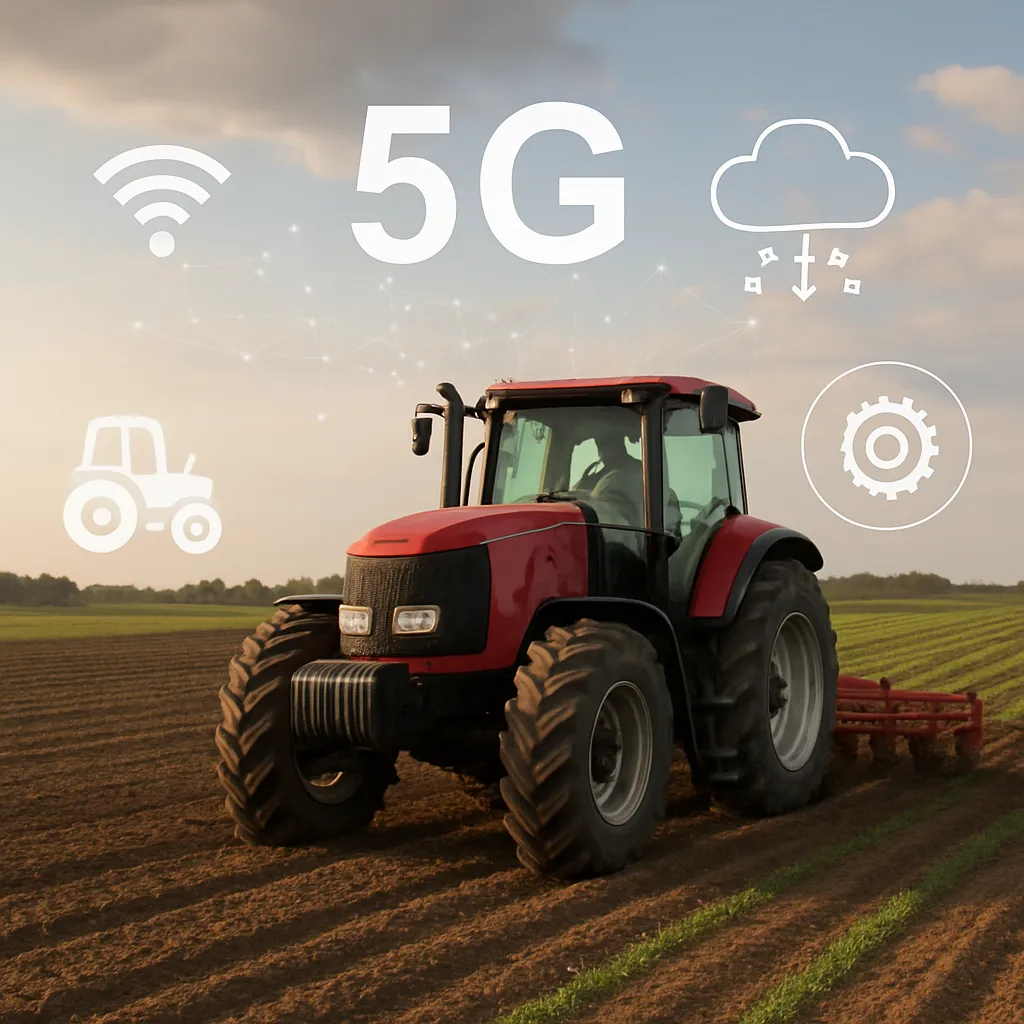
- Remote monitoring platforms that transmit engine health and performance metrics.
Applying such precision tools transforms the way cotton is grown. For example, by leveraging variable rate seeding, growers can adjust seed density based on soil fertility zones, optimizing plant population and maximizing yield potential. Yield monitors capture data every few seconds, enabling detailed post-harvest analysis that informs next season’s planting strategy.
Telematic systems allow farm managers to oversee multiple tractors across thousands of acres from a central office. Alerts for filter changes, oil pressure drops, or overheating mean repairs can be scheduled before major breakdowns occur. This proactive maintenance approach reduces costly field stoppages and extends the service life of tractor components.
Durability and Versatility: The Hallmarks of Modern Giants
The largest tractors in cotton farming must be engineered for longevity. Heavy-duty components, such as planetary gear final drives and cast-iron front axles, withstand the stress of prolonged operations. Key durability factors include:
- High-strength steel chassis resists twisting under load.
- Sealed electronics protect sensitive modules from dust and moisture.
- Modular design ensures damaged parts can be replaced without full component swaps.
- Enhanced filtration systems maintain clean oil and coolant, extending service intervals.
Versatility also defines these machines. A robust 3-point hitch and PTO (power take-off) system permit the quick exchange of various attachments—from rotary hoes to large-capacity cotton pickers. Articulated steering or four-wheel steering options improve maneuverability in tight field headlands, making these giants surprisingly nimble despite their size.
Sustainability and Economic Impact
In recent years, sustainable practices have become inseparable from cotton production. Big tractors contribute to conservation efforts through minimal-till and cover cropping routines enabled by their raw pulling power. By seeding cover crops immediately following cotton harvest, soil structure is preserved, erosion is mitigated, and moisture retention improves, setting the stage for the next planting cycle.
Economically, investing in a top-tier 600+ HP tractor represents a significant capital commitment. However, the return on investment manifests in:
- Lower labor costs due to reduced hours in the field.
- Higher yields from precise planting and application techniques.
- Decreased fuel consumption per acre when work is completed more efficiently.
- Extended equipment lifespan through proactive maintenance and quality manufacturing.
Financial models often show that multi-field farming operations break even on their tractor investment within three to five seasons, assuming consistent crop management and commodity pricing.
Emerging Trends and the Future of High-Capacity Tractors
Looking forward, the next generation of large tractors promises even greater levels of automation and environmental stewardship. Some anticipated advancements include:
- Fully autonomous tractors capable of operating 24/7 without human intervention.
- Electrified drivetrains to reduce carbon emissions and noise pollution.
- Enhanced machine learning algorithms for predictive maintenance and field optimization.
- Integration with drone-based scouting to create closed-loop decision systems.
As cotton farming continues to evolve under the pressures of climate change and global market shifts, the role of the biggest tractors will only grow more critical. With ongoing improvements in sustainability and efficiency, these mechanical giants stand at the forefront of modern agriculture, empowering growers to meet the demands of tomorrow’s markets.