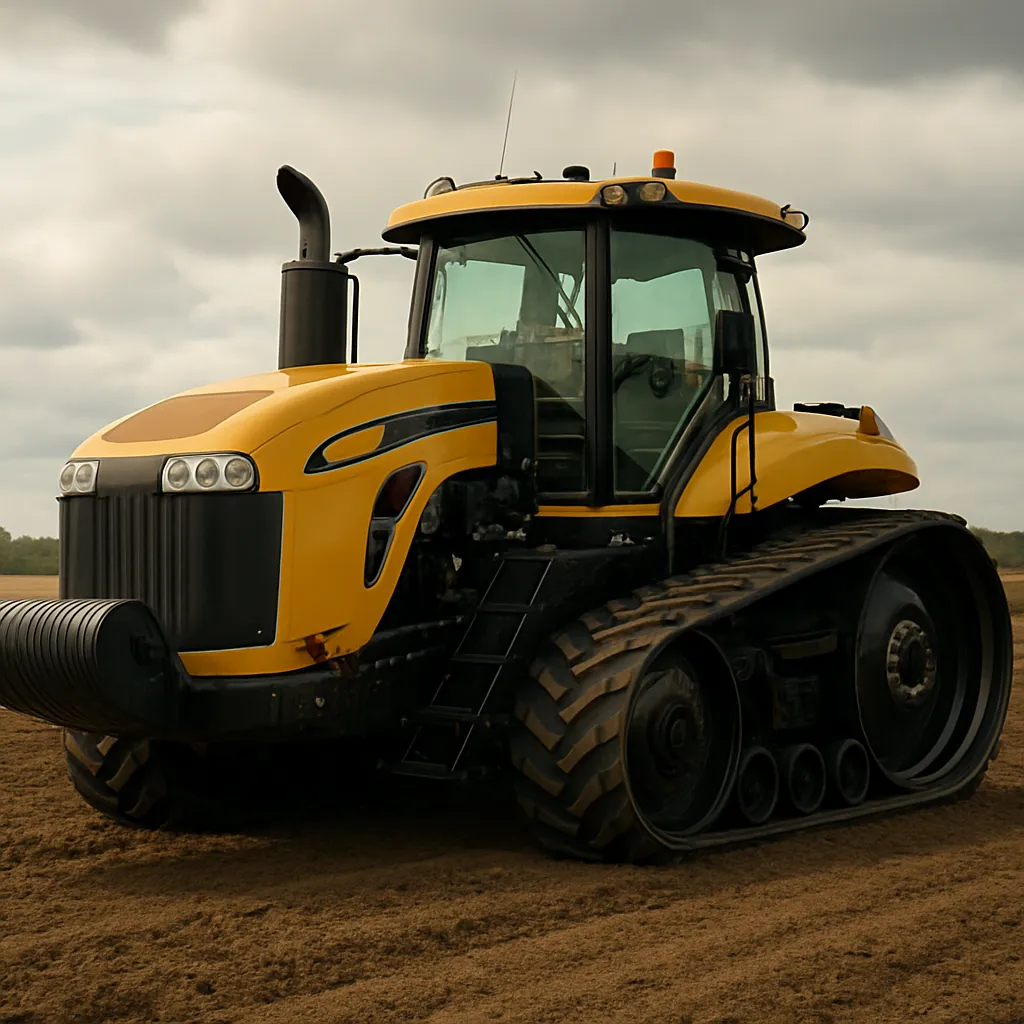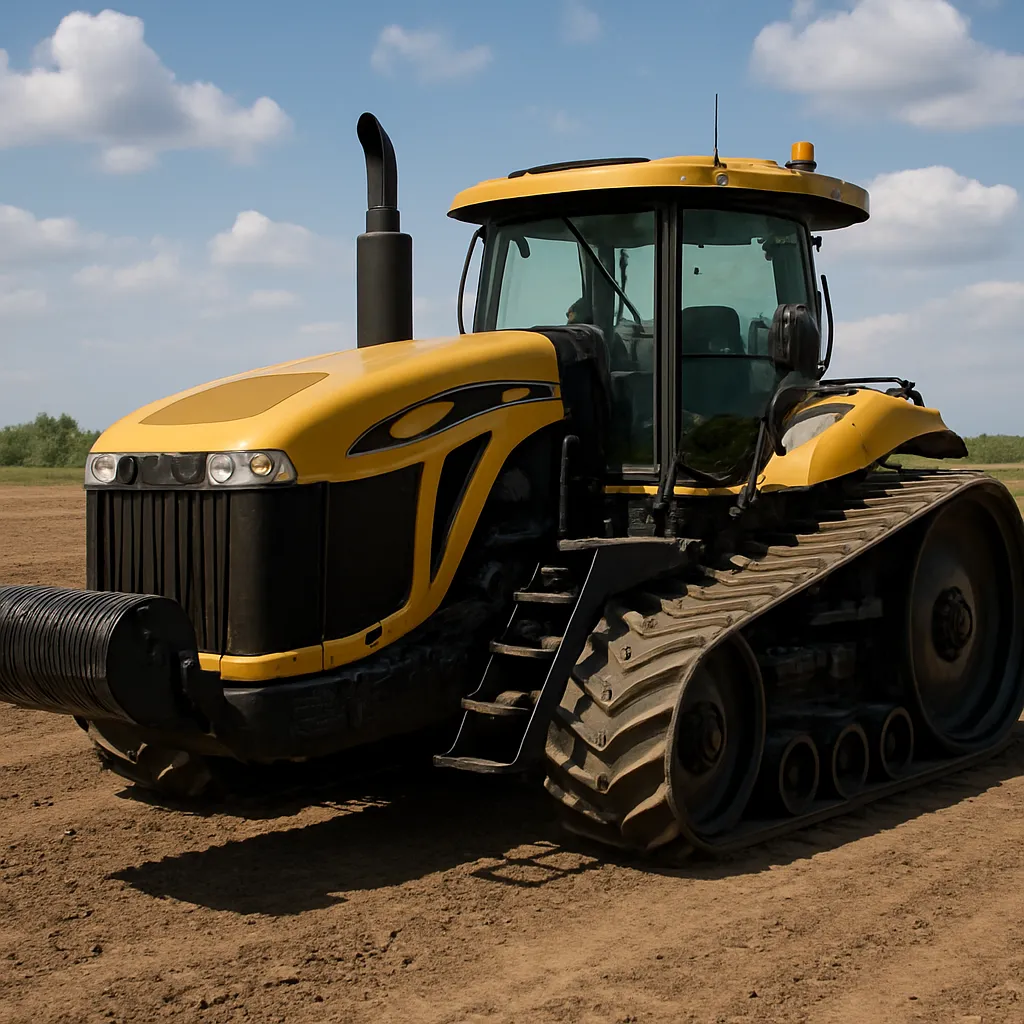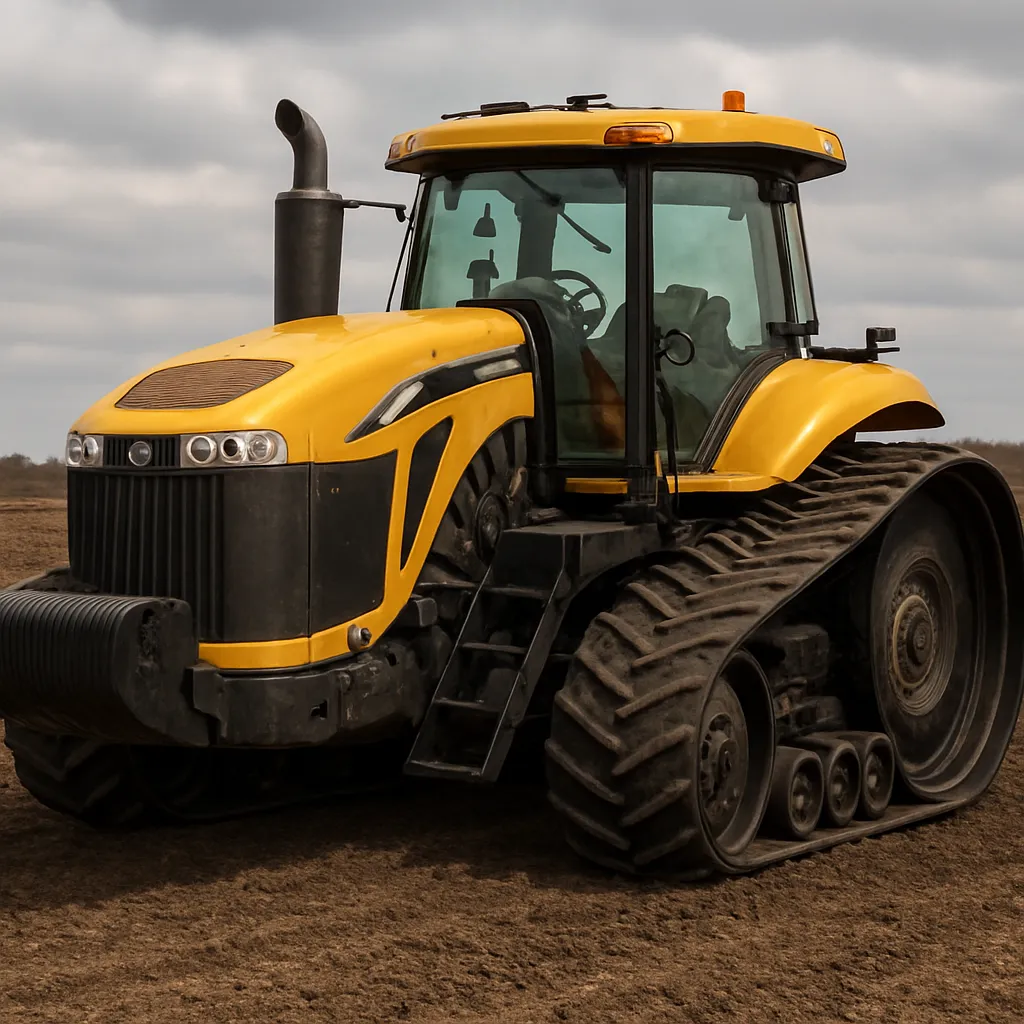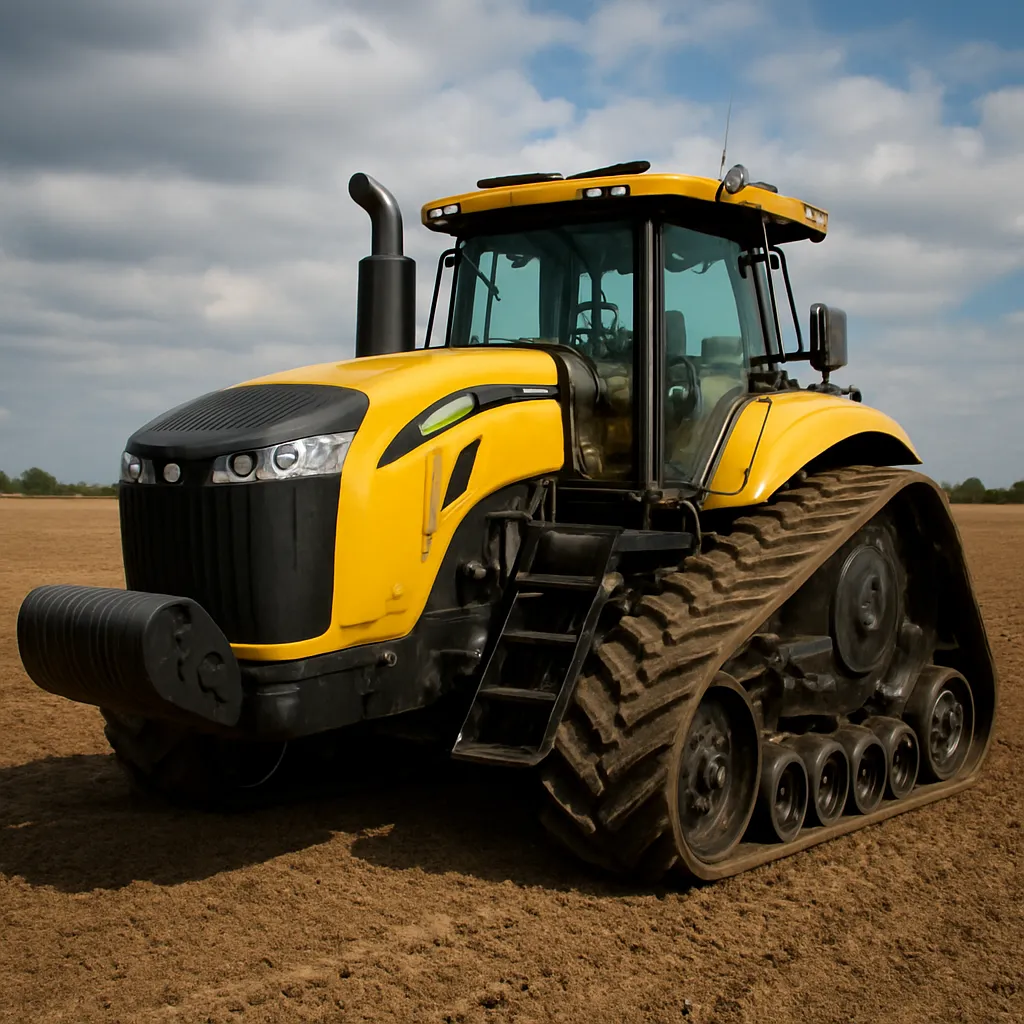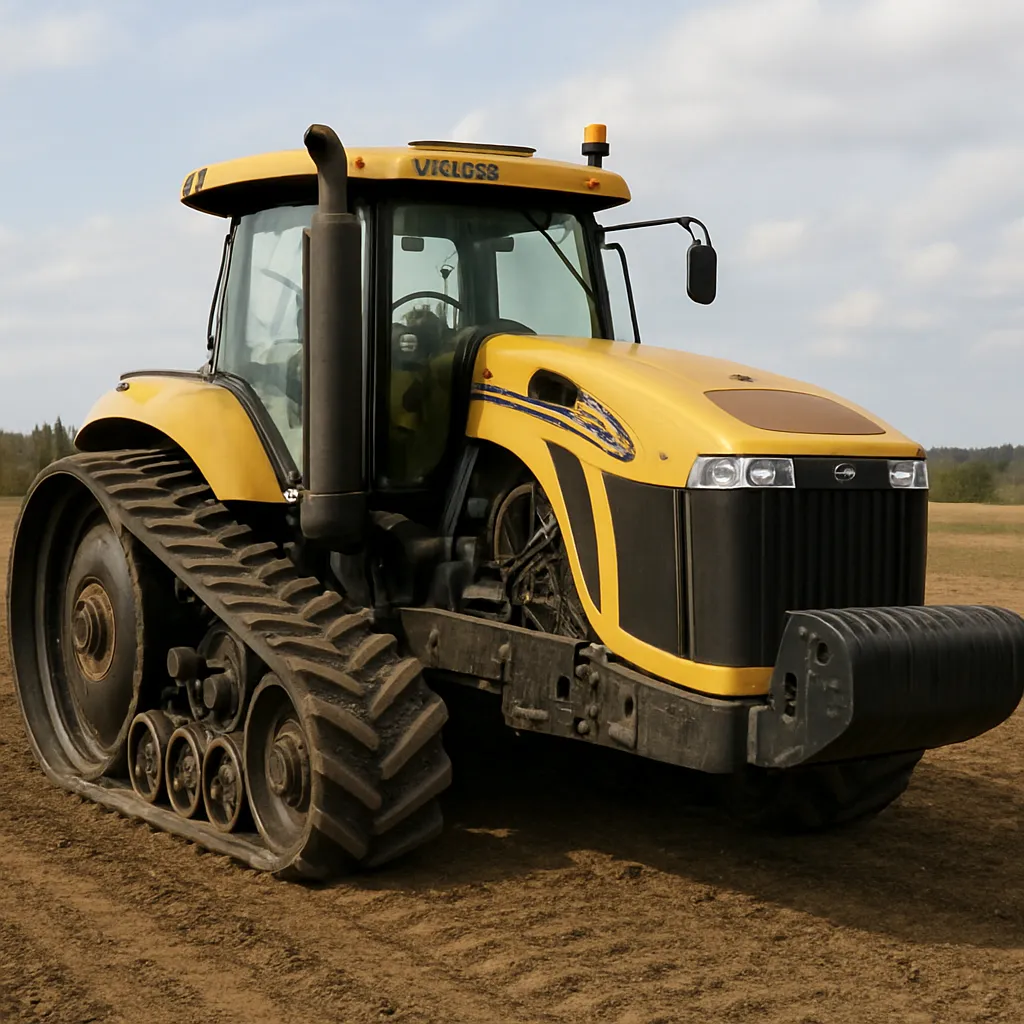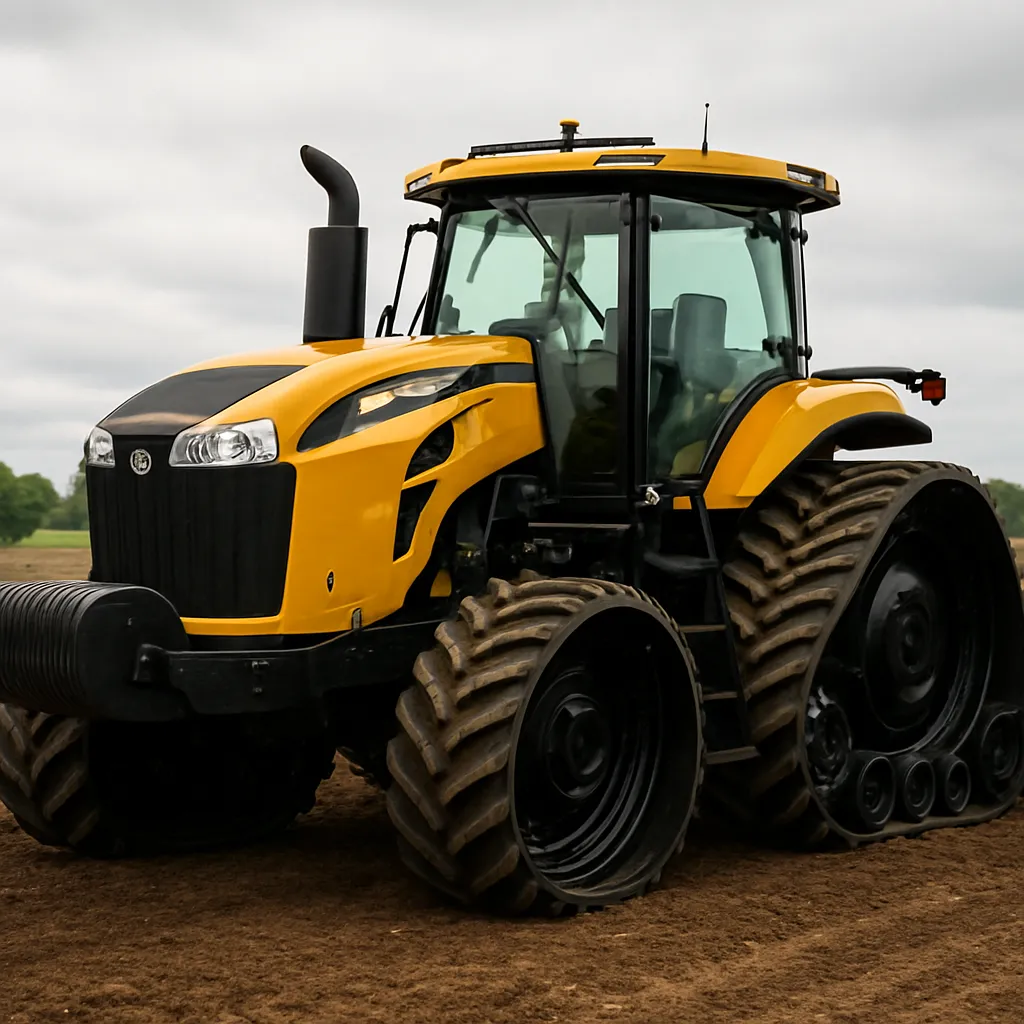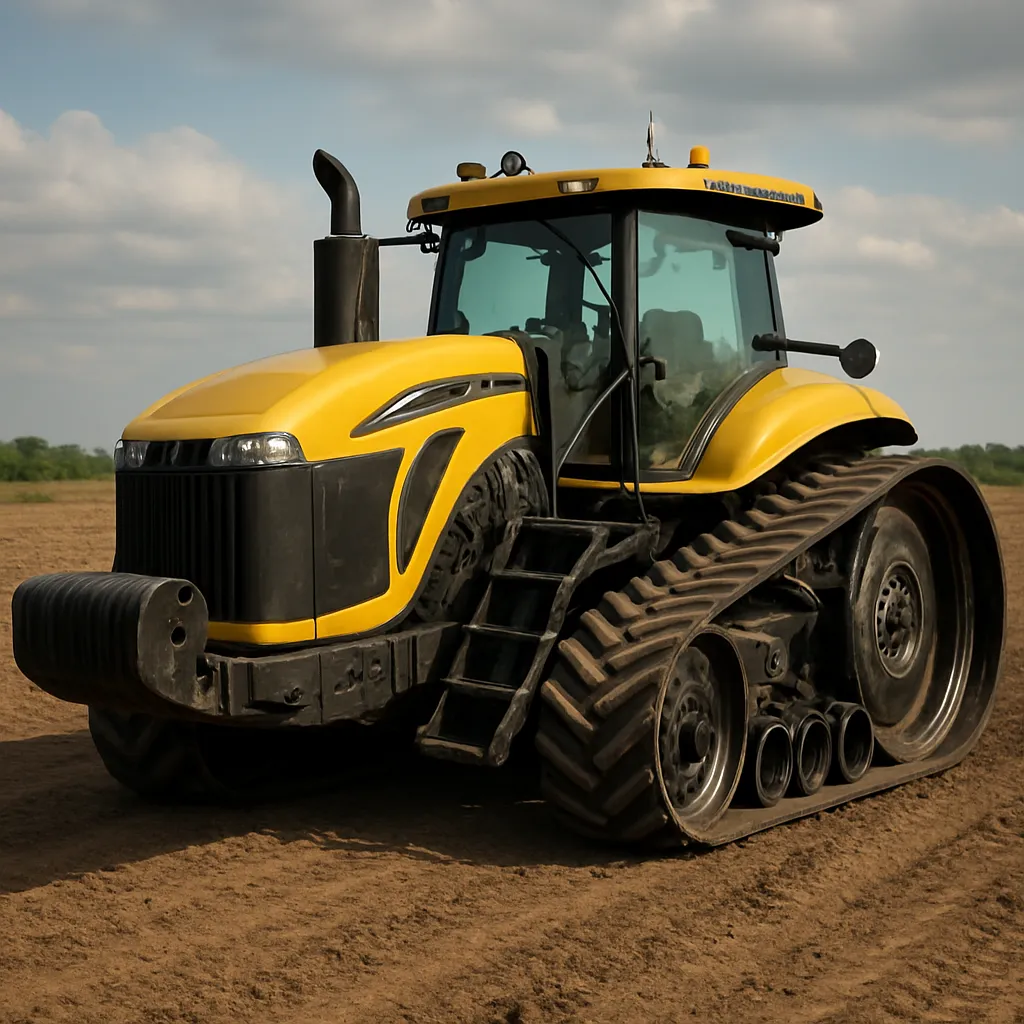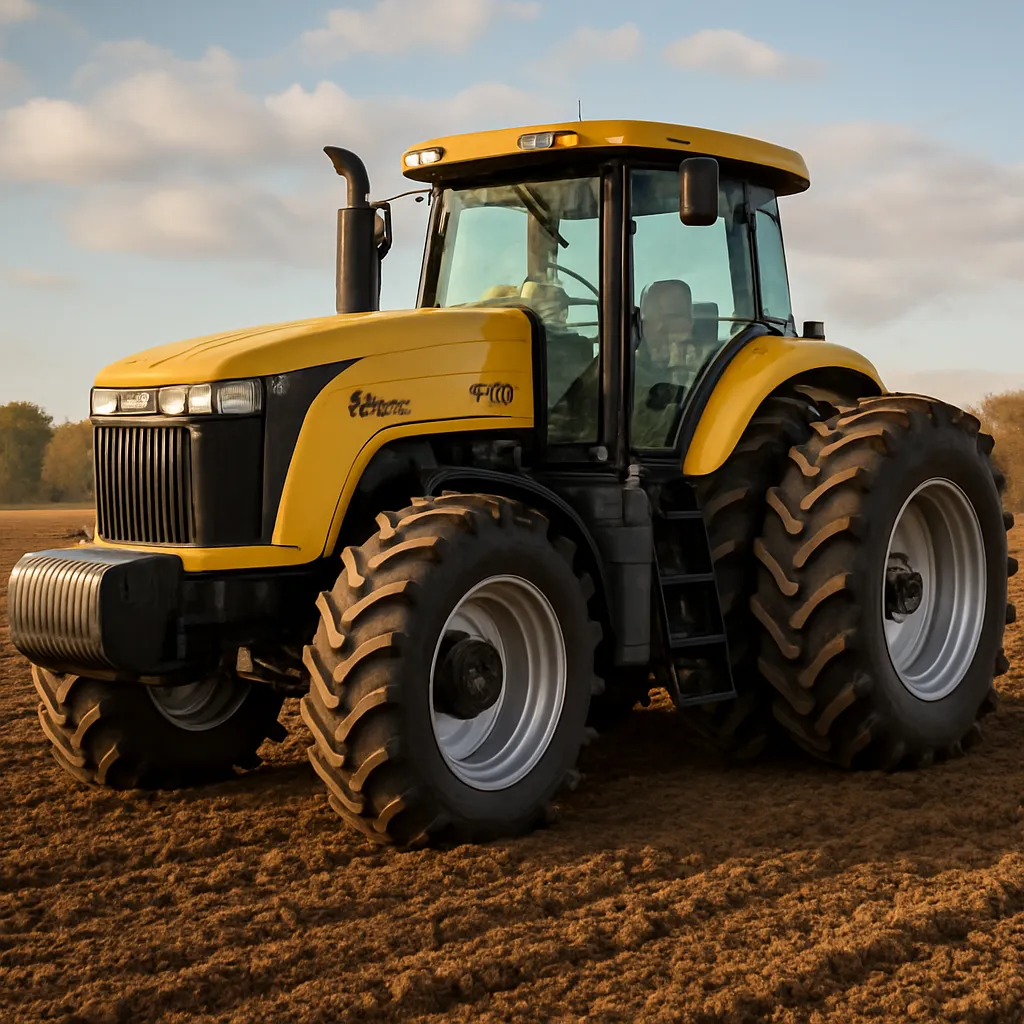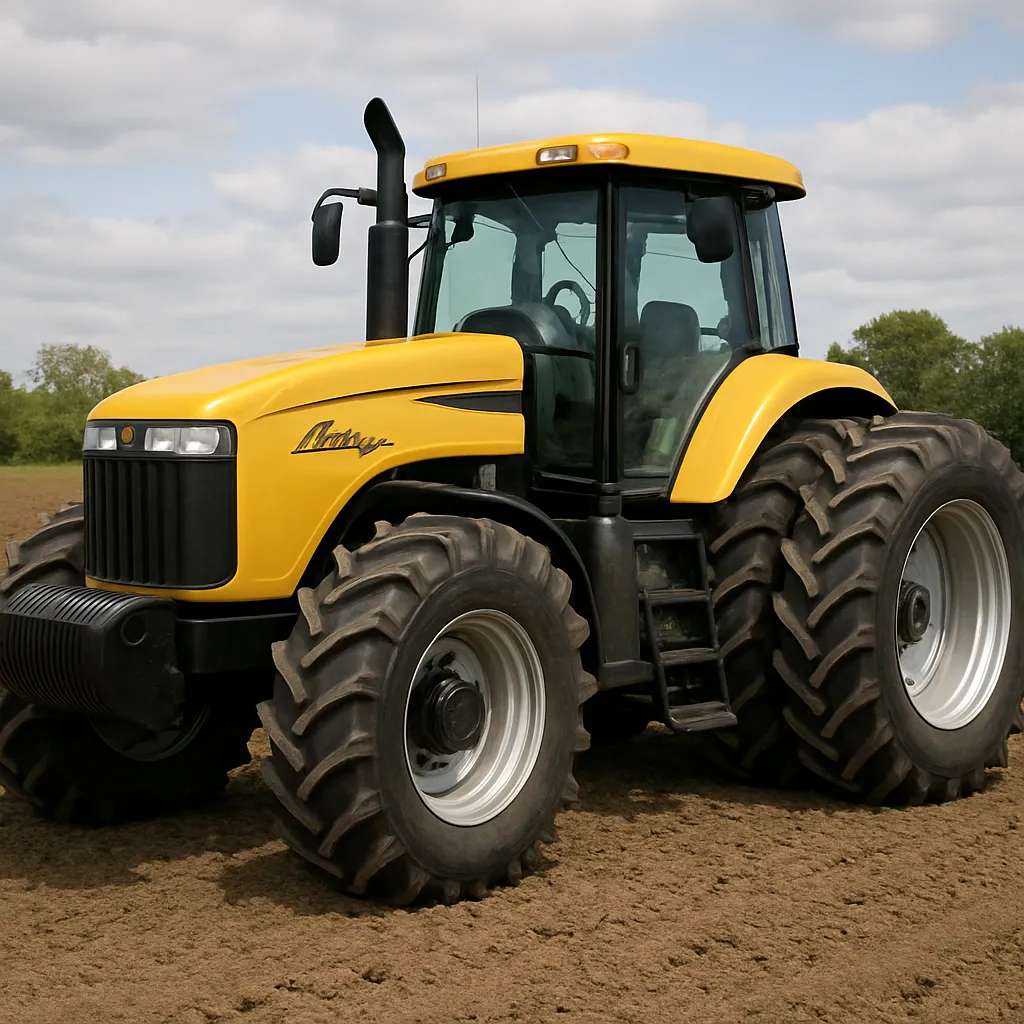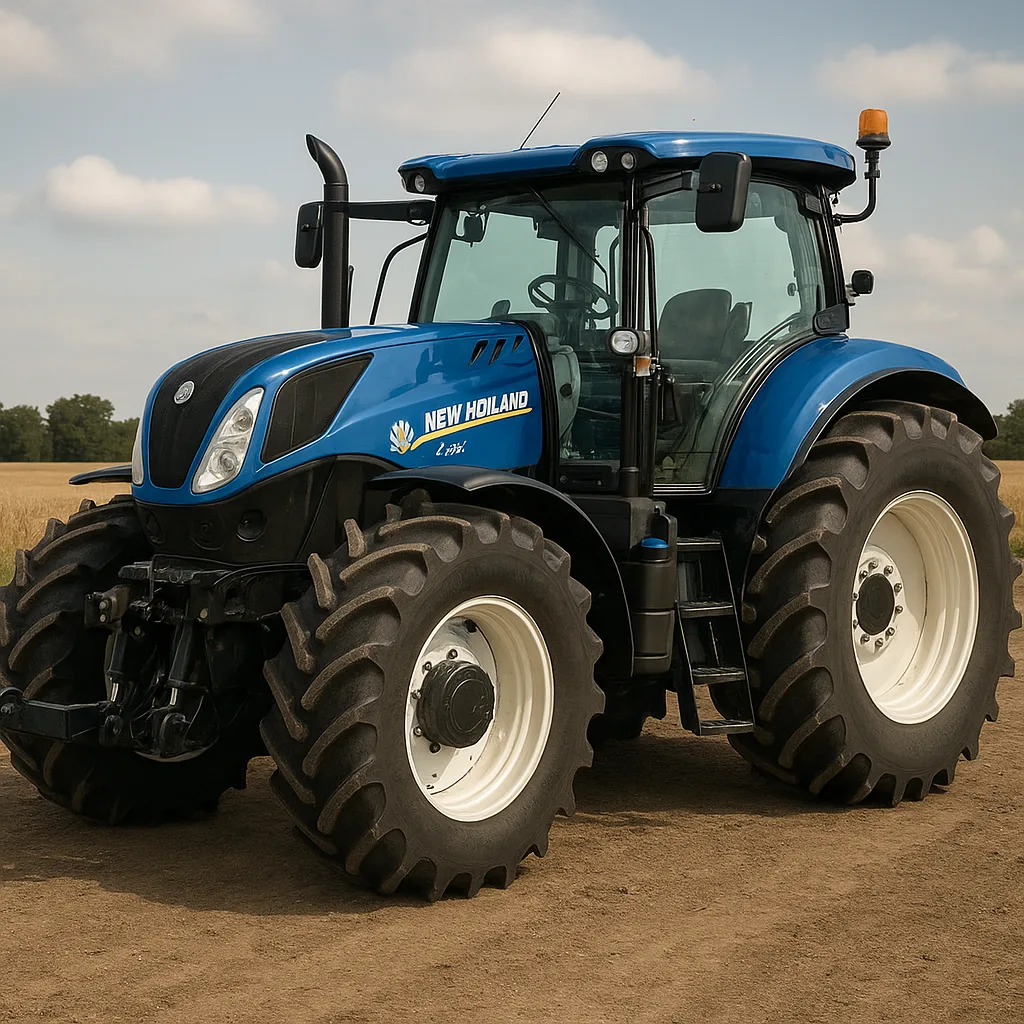
The New Holland T7.230 is a member of the T7 family of utility and row-crop tractors designed to bridge the gap between high-horsepower field work and versatile farmyard chores. Renowned for its balance of power, comfort and technology, the T7.230 is often chosen by arable farmers, livestock producers and contractors who require a dependable machine capable of handling a wide variety of implements. This article explores the T7.230’s design philosophy, typical technical specifications, practical applications and notable features that make it a valuable asset on modern farms.
Overview and design philosophy
The T7 series was developed by New Holland to deliver a combination of reliability, fuel efficiency and operator-centric design. The T7.230 occupies a segment intended for customers who need substantial power without moving into the very largest utility tractor class. In practice, that means the T7.230 is engineered to be a true all-rounder: strong enough for primary tillage, yet refined enough for precision tasks such as planting, spraying and baling.
Key design priorities for the T7.230 include improved transmission efficiency, comfortable cab ergonomics for long hours, and modular hydraulic and PTO arrangements so the tractor can be configured to specific farm requirements. New Holland typically emphasizes integration between the engine, transmission and hydraulic systems to optimize power delivery and reduce operating costs.
Typical technical specifications and performance figures
Exact specifications for the T7.230 can vary by model year and regional configuration. Below are representative figures and capabilities commonly associated with the T7.230. These should be treated as typical values rather than universal guarantees because options, emissions packages and market-specific variants can change figures such as engine capacity, hydraulic flow and lifting capability.
- Engine: Inline six-cylinder diesel, turbocharged and charge-cooled; rated power approximately 230 horsepower (HP). Engine displacement in T7-class tractors commonly ranges in the 6–8 liter class depending on generation and specific engine family.
- Emissions: Configured to meet contemporary emissions standards for its production era (Tier 4 Final / Stage IV or equivalent depending on year and market), featuring aftertreatment systems such as selective catalytic reduction (SCR) and diesel particulate filter (DPF) where required.
- Transmission: Multiple transmission options are offered with the T7 series. The most popular choices include the continuously variable Auto Command (CVT) or equivalent stepless transmission for smooth variable ground speed control, and multi-range powershift alternatives for users preferring conventional gear change behavior. Creeper and shuttle options may be available.
- PTO: Rear PTO with selectable speeds commonly 540 and 1000 rpm; economy PTO options (540E / 1000E) to reduce engine speed for lighter PTO-driven implements are often available. A front PTO option may be offered on certain configurations.
- Hydraulics: Closed-center load-sensing (CCLS) hydraulic systems are typical on larger T7 models. Standard hydraulic flow can be in the range of roughly 100–160 L/min for basic systems, with higher-flow options up to 200–240 L/min for high-demand implements such as large planters, sprayers or front loaders.
- Linkage and lifting capacity: Rear linkage lift capacity often ranges from about 7,000 kg to over 9,000 kg depending on specification and enhancements, allowing use with heavy tillage equipment, large planters and balers.
- Axles and brakes: Heavy-duty front and rear axles with optional suspension packages (front axle suspension, cab suspension) for improved ride quality and traction; differential lock and limited-slip options available.
- Fuel capacity: Fuel tanks on tractors of this class often hold several hundred liters to support long field days—typical volumes often fall between 350–500 liters depending on specification and auxiliary tank options.
- Weight and dimensions: Operating weight typically in the range of 8,000–10,000 kg depending on ballast, tire choices and attachments, providing the traction needed for medium- to heavy-duty implements.
Performance metrics such as drawbar pull, PTO torque and fuel consumption depend heavily on configuration and how the tractor is used. In real-world conditions, operators report good mid-range torque for pulling and steady fuel consumption when using Auto Command or equivalent stepless transmissions, particularly when tasks are matched to the tractor’s powerband.
Primary applications and common implements
The New Holland T7.230 proves most valuable where a mix of heavy field work and precision operations is required. Typical application categories include:
- Primary tillage: Large ploughs, cultivators and discs that require steady drawbar or linkage performance. The T7.230’s torque delivery and lifting capacity enable it to pull wide implements effectively on medium to large farms.
- Seeding and planting: High-capacity planters and seed drills—especially those requiring ISOBUS compatibility—benefit from stable ground speed control and precise hydraulic control.
- Baling and forage: Tractors in this power class tow large round and large square balers, forage harvest transport wagons and straw choppers. PTO robustness and hydraulic capacity are important here.
- Spraying and spreading: Self-propelled sprayer alternatives aside, large trailed sprayers and fertilizer spreaders are commonly matched to a T7.230 for mid-to-large area coverage where boom or spreader weight requires reliable hydraulic and rear linkage capabilities.
- Loader work: Front-end loaders for bale handling, feedlot work and farmyard tasks—loader packages with appropriate hydraulic flow and joystick control are frequently specified.
- Transport and haulage: Heavy trailers and grain carts on road and field; transmission choices such as Auto Command are advantageous for maintaining consistent speeds under load.
Because of its versatility, the T7.230 is often chosen by mixed farms and contractors who need one machine to perform many jobs efficiently across seasons.
Cab comfort, controls and technology
New Holland places strong emphasis on operator comfort and intuitive controls in the T7 series. The T7.230 typically includes a spacious, quiet cab with ergonomic layout, high-visibility glazing and advanced climate control. Technology features that improve productivity and ease-of-use commonly found on these tractors include:
- Stepless transmission controls—where Auto Command is fitted, operators enjoy infinitely variable speed selection and simple cruise/working speed presets.
- Advanced displays—IntelliView or similar touchscreen terminals allow control of tractor functions, implement settings and mapping/ISOBUS implement management.
- Precision farming options—factory-fitted or dealer-installed systems for GPS guidance, auto-steer, section control and telematics (e.g., PLM Connect or comparable remote monitoring services) to optimize field efficiency.
- Electro-hydraulic remote valves with fingertip controls and programmable spool settings for complex implement control, often alongside integrated joystick controls for loader or implement actuation.
- Comfort features—air-suspended seats, adjustable steering columns, low noise levels and optional cab suspension can reduce operator fatigue during long working days.
These technological integrations allow the T7.230 to serve as a platform for precision agriculture, improving input accuracy and reducing overlap and waste when mapping and guidance systems are employed.
Hydraulics, PTO and implement integration
One of the T7.230’s strengths is flexible implement integration. The combination of strong hydraulic performance, high rear linkage capacity and multiple PTO choices makes the tractor adaptable to a wide range of implements.
- Hydraulic circuits: Options typically include multiple remote valves, with flow rates scalable to match high-demand implements. Closed-center load-sensing systems optimize oil flow and reduce power loss when wear or heat would otherwise degrade performance.
- PTO modes: Standard and economy PTO modes provide both high-power and fuel-efficient options for different implement speeds, and electronic PTO engagement with soft-start capability protects driveline components during heavy starts.
- ISOBUS compatibility: Many T7 tractors support ISOBUS Class II certification or equivalent, enabling plug-and-play implement control and simplifying the operator interface for modern implements.
Fuel economy, lifecycle costs and maintenance
Operators of the T7.230 prioritize return on investment and total cost of ownership. Key factors influencing operating economics include:
- Fuel efficiency: Integration between engine and transmission helps maintain efficient RPM ranges for typical tasks. While absolute fuel consumption varies by workload, modern engines and transmission control strategies are designed to reduce fuel burn under variable loads.
- Serviceability: Easier access to daily check points (fluid levels, filters, greasing points) and scheduled maintenance intervals reduce downtime. Dealer support networks and parts availability play an important role in minimizing downtime.
- Residual value: Tractors from well-known brands with strong dealer networks generally retain value better in resale markets, and models like the T7.230 are often attractive on the secondhand market because of their broad capability.
- Telematics and preventative maintenance: Integrated telematics can notify operators and dealers about potential issues before they become critical, enabling planned maintenance that reduces costly emergency repairs.
Operator safety and ergonomics
Safety features are built around minimizing operator strain and preventing accidents during routine operations. Features typically include excellent all-round visibility, robust ROPS/cab structures, effective lighting packages for night work, and easy-to-reach service and safety controls. Electronic aids such as hill-start assist and auto diff-locks are frequently part of modern configurations, improving traction and safety on slopes and loose ground.
Market positioning and user profiles
The New Holland T7.230 is most commonly chosen by:
- Large mixed farms that need a single tractor capable of handling both heavy tillage and precision tasks through the year.
- Contractors who value the tractor’s balance of power and transport performance for multi-task operations across different customers and fields.
- Dairy and livestock operations that require a robust loader tractor for feeding, bedding and material handling while also needing sufficient power for field work.
- Arable producers using large planters, sprayers or cultivators where stable ground speed and efficient power delivery are priorities.
Practical considerations when choosing a T7.230
Before purchasing or specifying a T7.230, operators should consider:
- Implement compatibility—confirm hydraulic flow, linkage lift and PTO speed meet implement requirements.
- Transmission preference—whether smooth stepless speed control (CVT/Auto Command) or a traditional powershift is more appropriate for the operation’s typical tasks.
- Precision farming needs—determine whether guidance, section control and telematics are required from day one or can be added later.
- Service network—evaluate local dealer support for both warranty and aftermarket maintenance needs to minimize downtime.
- Resale and financing—consider expected usage intensity and plan financing to match the tractor’s productive life and resale expectations.
Notable strengths and potential limitations
Strengths of the T7.230 include its combination of power, versatility and modern cab ergonomics, making it suitable for long field days and varied tasks. The availability of advanced transmissions and precision-farming systems positions it well within contemporary agricultural practice. High hydraulic capacity and rear linkage capability make it compatible with many large implements.
Potential limitations are typical of any tractor class trade-offs: larger tractors naturally incur higher fuel and maintenance costs than smaller units when used for light tasks, and the initial purchase price for high-spec versions with Auto Command, precision packages and high-flow hydraulics will be substantially higher. Buyers should match specification to real operational needs to avoid paying for unused capacity.
Summary and closing remarks
The New Holland T7.230 is a capable, adaptable tractor that fills an important niche for farmers and contractors who need a balance of horsepower, hydraulic capacity and operator comfort. Its strengths in technology integration and driveline design make it a strong contender for operations that require reliable, efficient performance across a wide range of tasks. While specific figures such as hydraulic flow, engine displacement and lift capacity vary by year and option package, the overall package of the T7.230 emphasizes productivity, comfort and implement compatibility—key factors for any modern agricultural enterprise.
Quick reference — representative figures
- Rated power: approximately 230 HP
- Engine: inline 6-cylinder, turbocharged (displacement varies by generation)
- Transmission: Auto Command (CVT) or powershift options
- PTO speeds: 540 / 1000 (with economy PTO options)
- Hydraulic flow: typical ranges from ~100 L/min to 240 L/min depending on options
- Rear linkage lift capacity: commonly in the 7,000–9,500 kg class depending on configuration
Note: The figures above are representative and may differ for specific production years or market variants. Always consult manufacturer documentation or an authorized dealer for exact specifications for a particular machine.