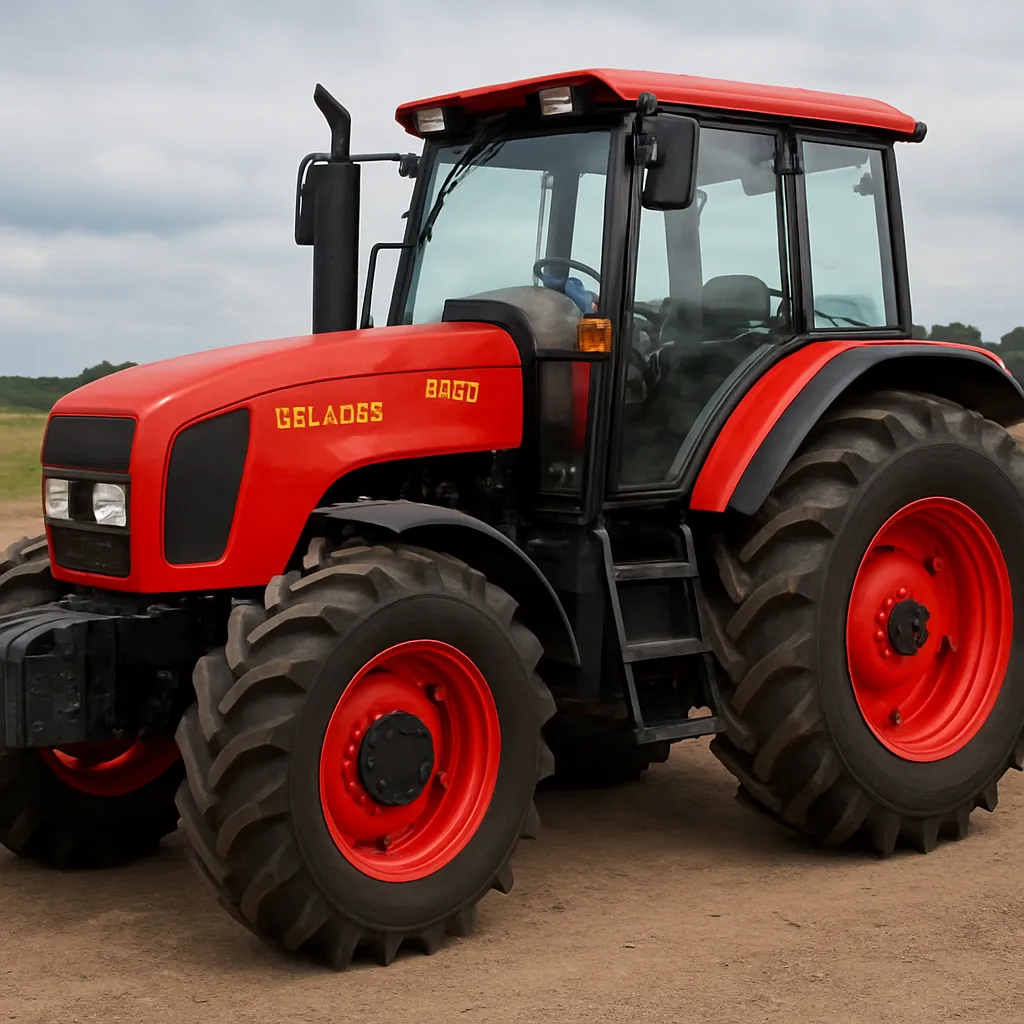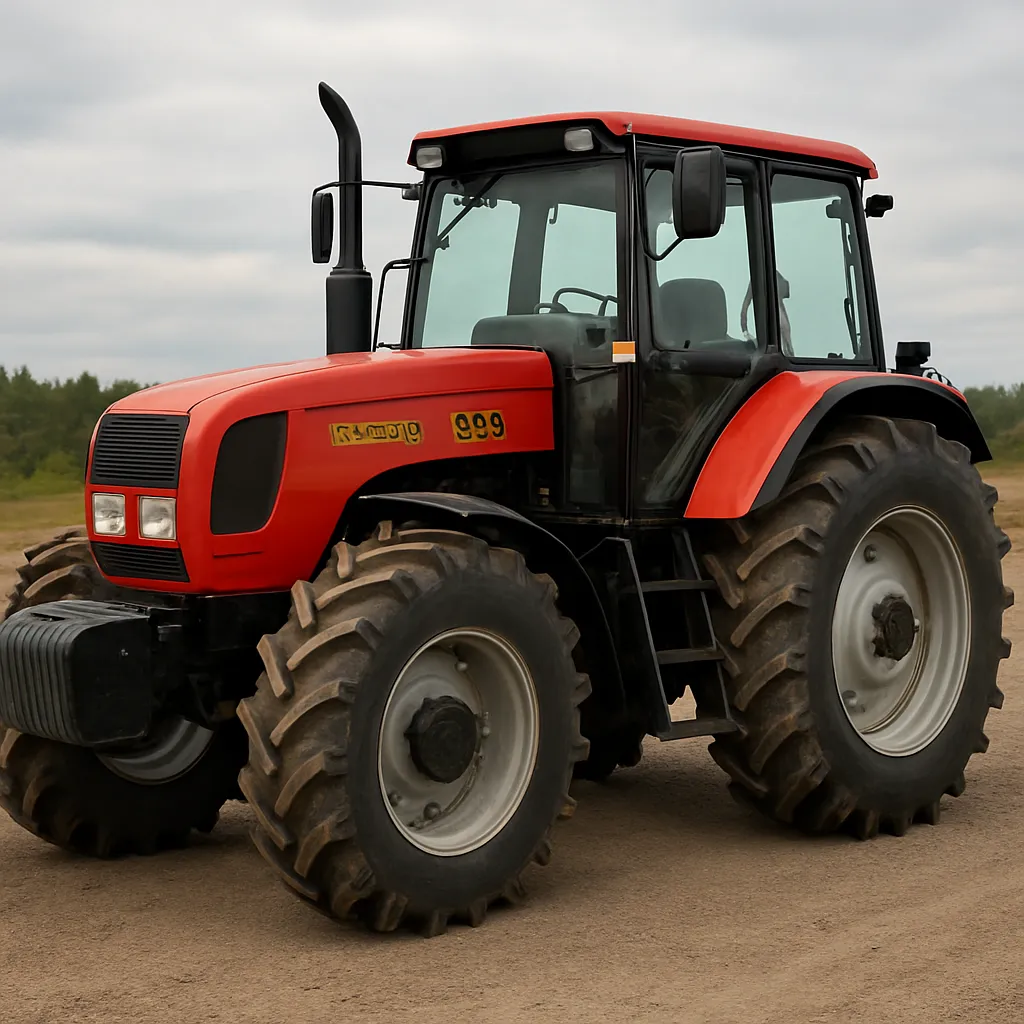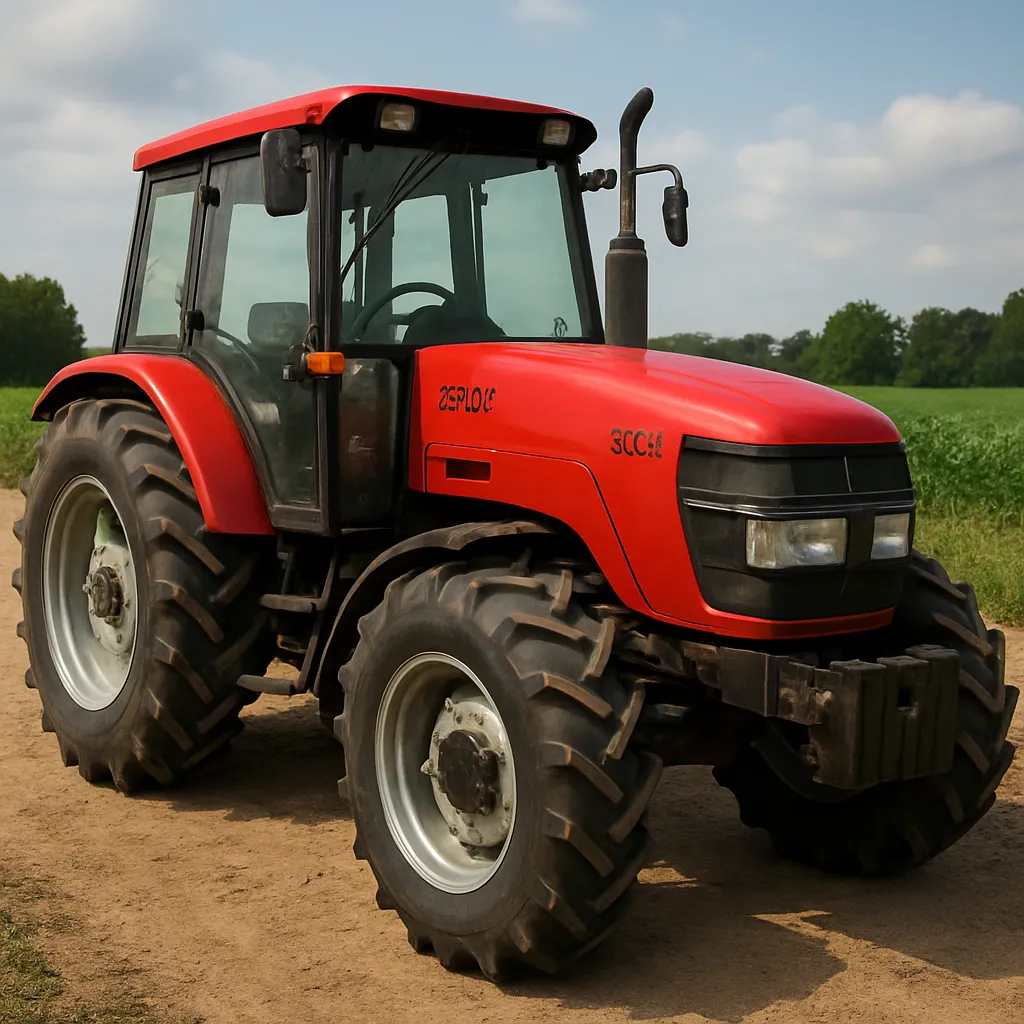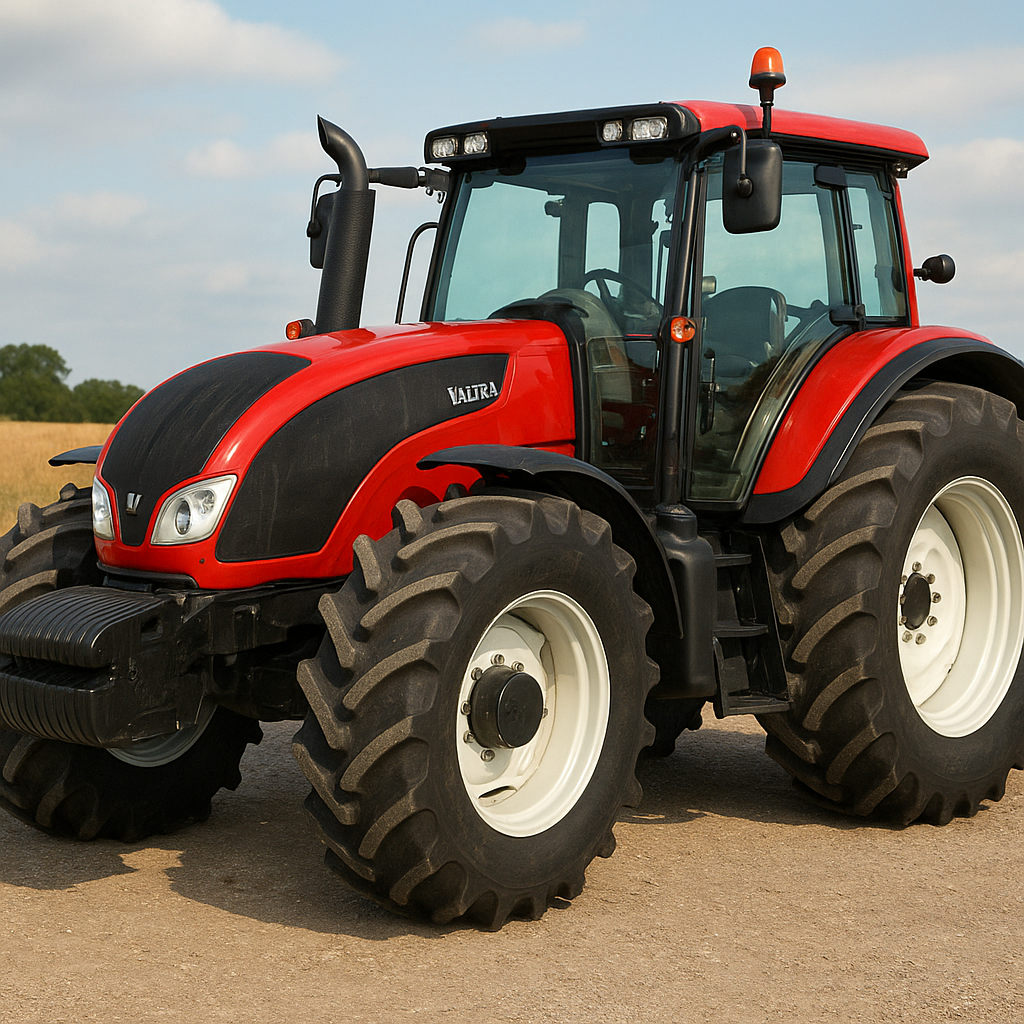
The Valtra N164 is a member of the Valtra N Series, a family of tractors designed to combine robust agricultural capability with operator comfort and adaptable configuration. Built with versatility in mind, the N164 is frequently chosen by farmers, contractors, and municipal operators who need a dependable machine that performs well in a wide range of tasks — from tillage and haymaking to loader work, transport and specialized applications such as forestry or slurry spreading. In this article you will find an overview of the machine’s characteristics, the contexts in which it is most useful, important technical aspects, operational tips, and market considerations.
Overview and position in the Valtra lineup
The Valtra N Series has historically targeted customers looking for a balance between power and agility. The N164 typically occupies the medium-to-high power segment of this series and is recognized for offering a strong combination of engine capability and hydraulic performance within a compact footprint. The designation “N164” commonly indicates a model configured to deliver roughly 164 horsepower in its standard setup, though exact figures depend on regional specs and optional power-boost features.
Valtra’s design philosophy emphasizes modularity — customers can choose different cabin options, transmissions, hydraulic packages and front/rear implement interfaces. This allows the N164 to be tailored for mixed farms, livestock operations, contractors, and municipal work. Its relative compactness, combined with substantial tractive capacity, makes it a popular choice where both field performance and maneuverability are required.
Technical characteristics (typical and configurable)
Exact specifications of the N164 vary by market and production year, as Valtra offers multiple configurations and updates over time. Below are typical technical characteristics and ranges you may encounter for this model:
- Power: Rated in the region of approximately 160–170 hp (engine-rated power often listed near 164 hp for the N164 designation). Peak power with boost or torque rise systems can be higher during PTO or transport work.
- Engine: Robust agricultural diesel engine, turbocharged and intercooled. Depending on model year and market, engines are supplied by Valtra/AGCO powertrain partners; cylinder count and displacement differ by configuration. Engines emphasize efficiency and reliable low-end torque for heavy draft work.
- Transmission: Multiple choices are typically available — mechanical or powershift transmissions, semipowershift (e.g., Versu-type), and in some configurations a continuously variable transmission (CVT) option. These choices affect fuel efficiency, ease of control and suitability for loader or transport work.
- PTO: Standard 540/1000 rpm PTO options are usual; economy PTO settings and electro-hydraulic engagement may be available for implements requiring smooth engagement.
- Hydraulics: High-flow hydraulic systems with selectable pump flows. Typical flow ranges might be in the order of 80–140 L/min depending on the chosen hydraulic package. Multiple spool valve options and electronic control make the N164 compatible with demanding implements and front loaders.
- Three-point hitch: Category II or III linkages with high-lift capacity allow heavy mounted implements; mechanical or electronic draft control is normally an option.
- Brakes and axles: Durable wet-disc or oil-immersed brakes with differential locks for demanding traction. Front axle options include mechanical or hydrostatic front-wheel drive engagement systems.
- Cab and operator environment: Comfort-focused cab with ergonomic controls, heating/air-conditioning, optional air-ride seat and noise reduction measures. Visibility and access to controls are designed for long working days.
- Weights and dimensions: Operating weight and wheelbase vary by configuration (ballpark operated weight often between 5 and 7 tonnes). Compact enough for headland work yet heavy enough for traction-intensive tasks.
- Fuel capacity: Tank sizes are chosen to give several hours of continuous operation; exact capacities vary by option and region.
Primary applications and operational roles
The Valtra N164’s adaptability allows it to be used across a wide range of agricultural and non-agricultural tasks. Typical applications include:
- Arable farming: ploughing, cultivations, seedbed preparation and precision seeding when combined with suitable implements and guidance systems.
- Hay and forage: mowing, tedding, raking, baling and forage harvesting support due to steady PTO performance and hydraulic control for baler or wrapper attachments.
- Loader work: front-loader-equipped N164 tractors deliver fast cycle times and sufficient lift capacity for feed handling, bale stacking and general material movement.
- Livestock operations: bedding distribution, manure spreading and feed pushing benefit from maneuverability and hydraulic responsiveness.
- Transport and logistics: efficient on-road travel between fields, trailer hauling, and slurry tank transport, particularly with appropriate transmission choices.
- Contracting and municipal services: hedge-cutting, snow clearing, street sweeping and similar tasks where robust hydraulics and optional front equipment are required.
- Forestry and niche tasks: with protective packages and special tire/tyre options, the N164 can be adapted to light-duty forestry or estate management roles.
Notable features and technological highlights
Valtra equips its tractors with features intended to improve productivity, comfort and uptime. While feature lists vary by year and package, common highlights for the N164 include:
- Modularity: Extensive options for transmissions, axles, hydraulics and cabin fittings, enabling a machine tailored to the buyer’s primary uses.
- Comfort: Spacious cab with ergonomic controls, low noise levels and adjustable seating aimed at reducing operator fatigue.
- Reliability: Components selected for heavy-duty agricultural cycles — emphasis on long service intervals and straightforward access for routine maintenance.
- Traction: Effective weight distribution, powerful torque delivery and selectable differential locks to maximize traction in wet or heavy soils.
- Serviceability: Accessible engine bay layout and clear maintenance points to reduce downtime during routine checks.
- Advanced control options: Electronic draft control, GPS-ready guidance systems and implement control packages are often available to increase accuracy and efficiency.
Maintenance, economics and operational tips
Maintaining an N164 to deliver reliable performance and good resale value involves standard best practices for modern agricultural machinery:
- Adhere to manufacturer service intervals for oil, filters and hydraulic fluid changes. Clean filters and proper fluids preserve turbocharger life and hydraulic pump longevity.
- Monitor air filters and cooling systems closely during dusty or hot conditions to prevent overheating and power loss.
- Keep PTO and hitch linkages clean and properly greased. Use correct PTO shafts and driveline protections to prevent driveline wear or sudden failures.
- Where available, utilize telematics or onboard diagnostics to track fuel use, engine hours and error codes — this aids preventive maintenance and improves fuel economy.
- Choose the transmission and tyre configuration suited to primary work: loader-intensive users often prefer responsive powershifts or CVT settings, while heavy draft work benefits from torque-rich gearing and appropriate inflation pressures for traction.
- Consider resale: record-keeping of services, use of genuine replacement parts and visible maintenance history strengthen resale value.
Performance, fuel economy and statistical considerations
In terms of performance, the N164 tends to be balanced between field pulling power and on-road speed. Fuel economy will depend on load, transmission choice and duty-cycle; operators report that proper gear selection and keeping the engine in its optimal torque band markedly improves liters/hour consumption.
Key performance-oriented statistics operators typically track include:
- Engine hours to overhaul: depends on maintenance and duty cycle; with good maintenance engines can run many thousands of hours before major work.
- Fuel consumption: varies widely by task — heavy draft can raise consumption substantially over light transport work. Using cruise/auto settings on transmissions can reduce fuel use during transport.
- Hydraulic flow rates and hitch lift capacity: crucial for matching implements; ensure the tractor’s flow rating meets the implement’s requirement to avoid performance bottlenecks.
Because Valtra offers the N164 in multiple configurations across different markets, exact numeric statistics such as curb weight, engine displacement, maximum torque and hydraulic flow should be confirmed from a dealer or an official spec sheet for the precise production year and option list in question. Dealers can also provide operational data from fleet customers in similar climates and tasks.
Comparisons and market perception
Valtra tractors, including the N164, have a reputation for being practical, tough and adaptable. In markets competing with manufacturers like John Deere, New Holland, and Case IH, Valtra often differentiates itself by the degree of customization available directly from factory and a focus on rugged mechanical simplicity in many options.
Market feedback typically highlights:
- Solid resale values in regions where Valtra is well-supported by dealerships and parts networks.
- High satisfaction among mixed farmers and contractors who value the machine’s flexibility and strong hydraulics.
- A perception of robust build quality, especially for tasks requiring continual heavy use (loader cycles, bale work, slurry tanks).
Customization and special packages
One advantage of the Valtra N164 is the ability to order factory-installed specializations: heavy-duty front axles, reinforced loaders, forestry protection packages, and front PTOs are common options. Customers operating in orchard, hillside or municipal environments often specify customized tyre setups, narrow-track configurations, or specialized lighting and safety features.
Customization can improve productivity by matching the tractor precisely to operational needs — for example, increased hydraulic flow for high-capacity implements, or enhanced cab comfort packages for long transport operations. Choosing factory-installed options often yields better integration than aftermarket retrofits.
Buying considerations and lifecycle costs
When evaluating an N164 purchase, consider:
- Total cost of ownership: factor in fuel usage, scheduled maintenance, consumables and expected resale value.
- Warranty and dealer network: a strong local dealer reduces downtime and expense for parts and service.
- Purpose-fit: select the transmission, hydraulic package and hitch capacity that match the majority of your tasks — over-specifying adds upfront cost, under-specifying reduces productivity.
- Used vs new: many buyers find good value in lightly used machines because of the N164’s robust engineering; however, newer models may offer improved fuel economy, emissions compliance and operator aids.
Environmental and regulatory aspects
Like all modern agricultural equipment, the N164 must meet emissions regulations applicable in its target markets. Depending on the model year, engines may feature technologies such as exhaust aftertreatment to comply with Tier/Stage regulations. Proper engine tuning, correct fuel and oil selection and timely maintenance not only keep emissions systems functioning correctly but also protect fuel economy and longevity.
Conclusion
The Valtra N164 is a versatile mid-power tractor designed to serve a wide variety of agricultural and auxiliary roles. Its strengths include modular configuration options, dependable hydraulic capacity, and operator-focused cabin design. While precise specifications vary by year and regional configuration, the N164’s balance of power, torque and hydraulics make it suitable for medium to heavy farm duties, loader work and contractor tasks. When considering purchase, operators should match transmission, hydraulic flow and hitch capacity to their typical workload and consult local dealers for exact stats and configuration advice. Proper maintenance, suitable configuration and an active support network will maximize the tractor’s productivity and resale value over its working life.