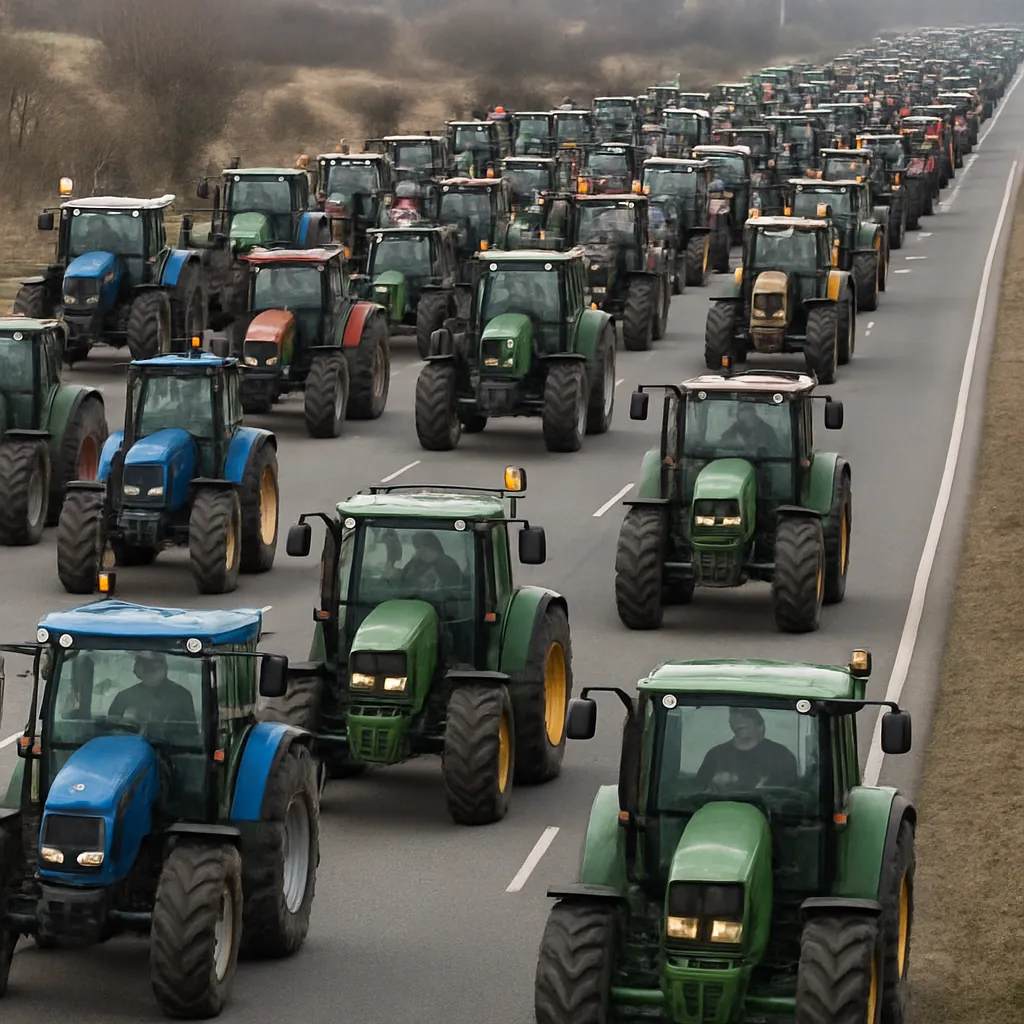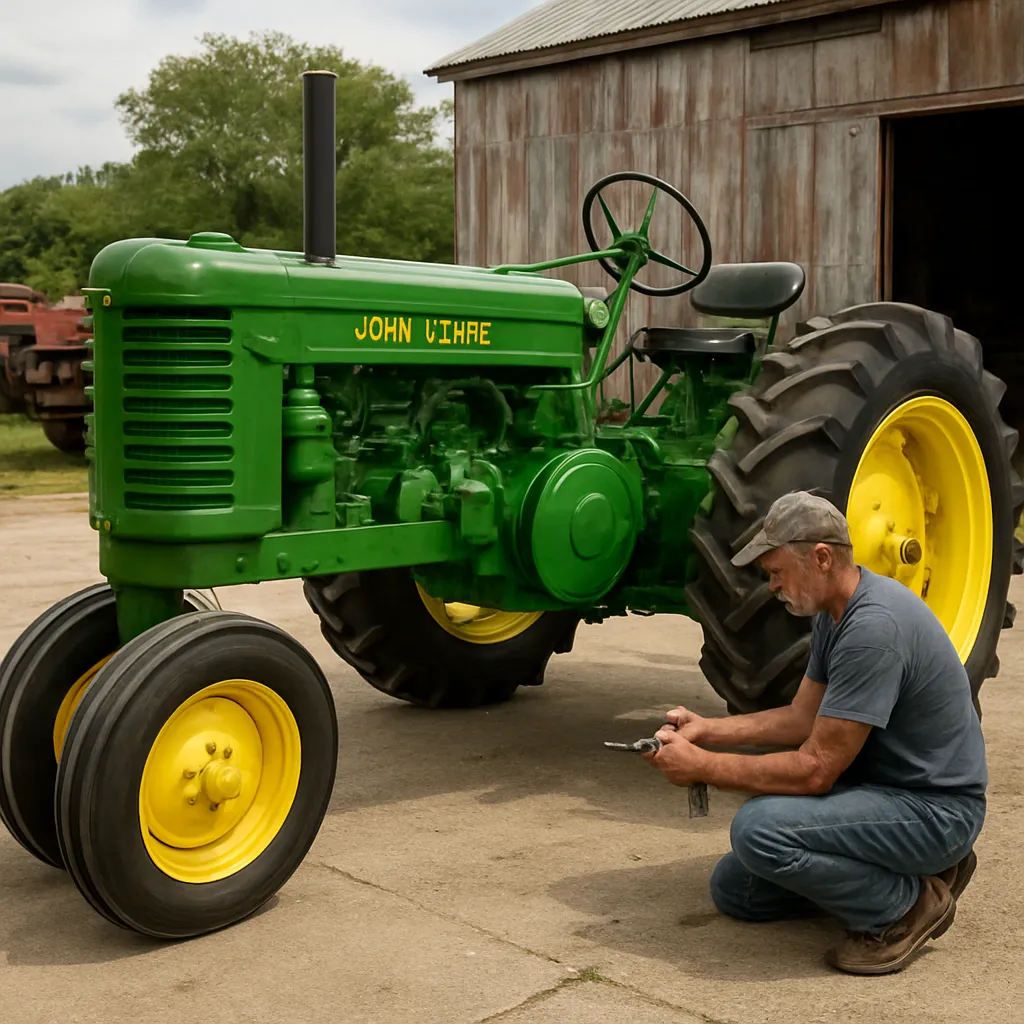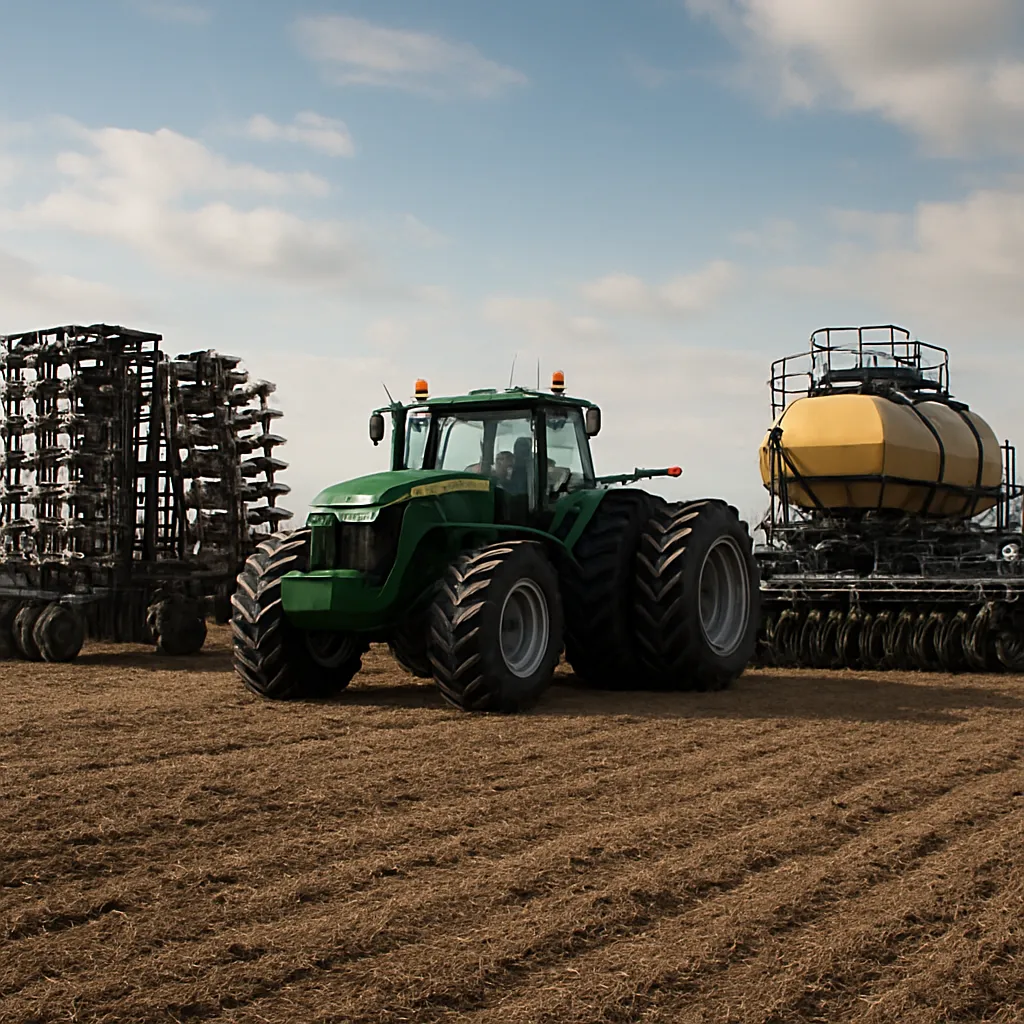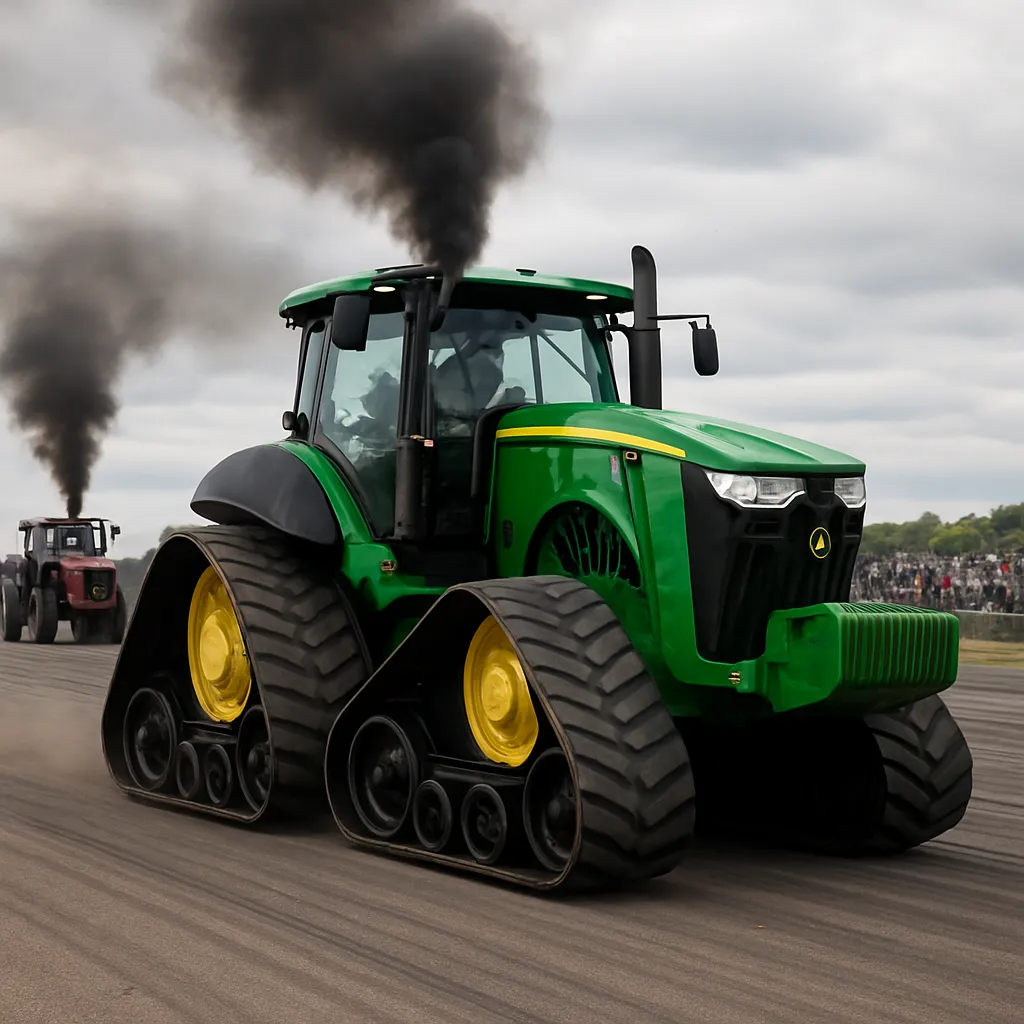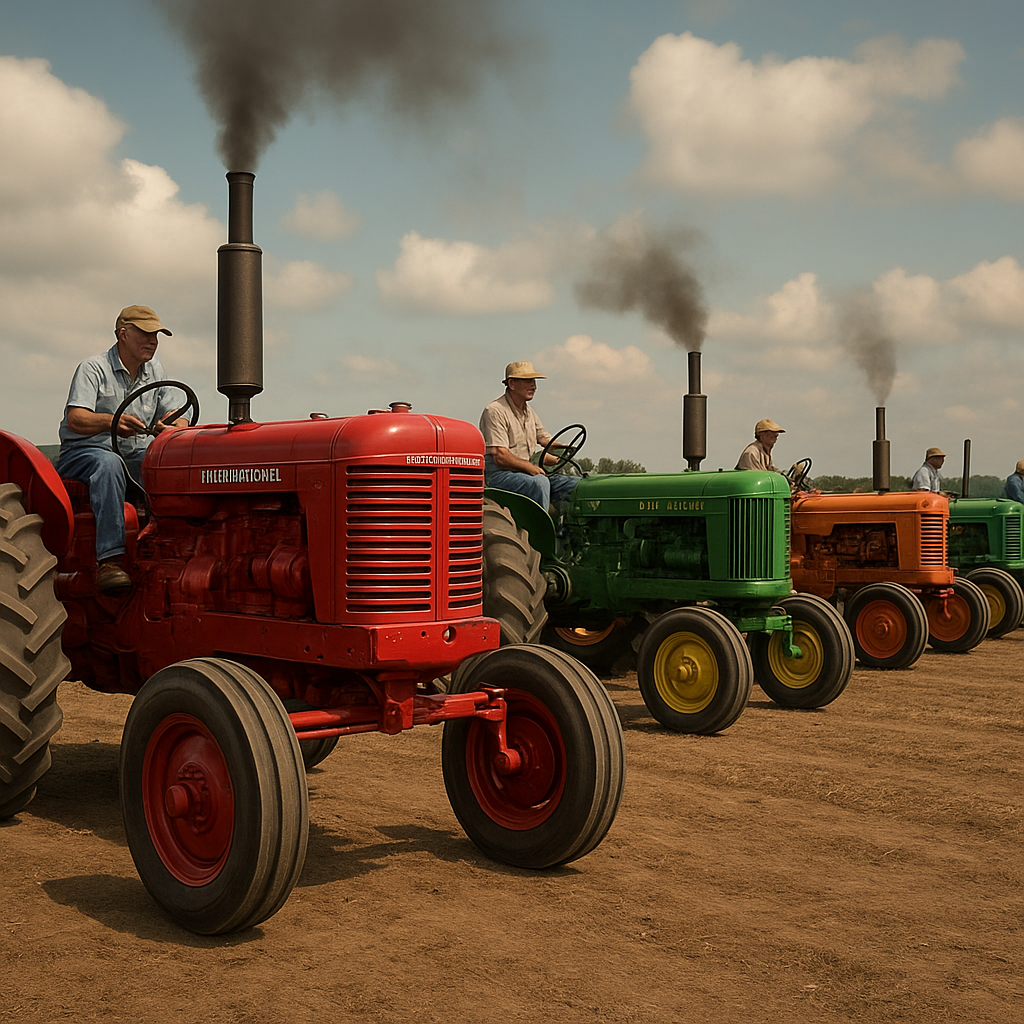
The chronicles of agricultural history are peppered with tales of ingenuity and ambition, none more captivating than the saga of the world’s largest vintage tractors still in operation today. These awe-inspiring machines combine raw power with intricate engineering, embodying an enduring legacy of rural innovation. From iron giants that once tilled wide plains to meticulously restored behemoths showcased at modern rallies, vintage tractor aficionados cherish a potent blend of nostalgia and mechanical marvel.
Origins and Evolution of the Giant Tractors
The inception of large-scale tractor design dates back to the early 20th century, when farmers and inventors sought to replace horsepower with mechanical might. Early experiments with steam traction engines quickly gave way to internal combustion prototypes boasting cylinders that dwarfed those of standard tractors. The pursuit of greater performance led companies like Ford, International Harvester, and Allis-Chalmers to compete in creating progressively larger models throughout the 1930s and 1940s.
Steam to Diesel: The Transition
Steam engines, though powerful, were notoriously cumbersome to start and maintain. The advent of diesel power introduced a new era of efficiency. Manufacturers engineered engines with higher compression ratios, translating into enhanced torque for heavy tillage and haulage.
- Increased fuel efficiency compared to steam.
- Lower maintenance demands thanks to fewer moving parts.
- Consistent power delivery for demanding fieldwork.
Key Early Behemoths
Among the first truly monumental tractors was the Rumely OilPull, recognized for its massive enclosed flywheel and robust frame. Soon after, the John Deere Model D and International Harvester’s Farmall series pushed the envelope further, featuring multi-cylinder diesel engines designed for continuous heavy-duty operation.
Engineering Marvels and Technical Highlights
Studying these vintage giants reveals a treasure trove of innovation. Each component, from oversized transmission gears to reinforced chassis, reflects an era when brute strength and mechanical resilience took precedence over compactness and comfort. Detailed craftsmanship ensured that many of these tractors could operate for decades with proper care.
Engine Design and Powertrain
Large tractors commonly utilized inline six-cylinder or even V-8 configurations, delivering unparalleled pulling capability. Engine blocks were cast from high-grade iron alloys, prioritizing durability under extreme loads. Precision-machined crankshafts and sturdy connecting rods were essential for sustaining high torque outputs over time.
Hydraulics and Implement Compatibility
By the 1950s, integrated hydraulic systems became standard on top-tier models. These systems allowed seamless attachment of plows, cultivators, and seeders. A single operator could switch implements quickly, boosting productivity across diverse tasks.
- Efficiency: Hydraulics replaced cumbersome manual linkages.
- Versatility: Facilitated multi-function farming operations.
- Control: Improved precision in depth and angle adjustments.
Preservation, Restoration, and Enthusiast Communities
Behind every operating vintage tractor lies a dedicated group of hobbyists and professional restorers who invest countless hours in maintenance. The process involves sourcing rare replacement parts, often custom-fabricated, and painstakingly refurbishing engines to original specifications. This communal dedication preserves the heritage of agricultural machinery for future generations.
Challenges in Restoration
- Scarcity of period-correct components
- Specialized knowledge required for antique diesel engines
- Balancing originality with modern safety upgrades
Role of Clubs and Associations
Organizations like the Antique Tractor Club and international federations provide resources, from repair manuals to swap meets. Members share technical drawings, hold seminars on boiler inspection for steam tractors, and coordinate regional parades showcasing fully functional vintage giants.
Showcasing at Modern Agricultural Events
Classic tractor shows and plowing competitions draw thousands of spectators eager to witness these iron colossi in action. Live demos often include:
- Parade laps exhibiting restored paint and period-correct insignia
- Plowing contests highlighting torque under deep-soil conditions
- Engine run-ups, where the thunderous rumble demonstrates raw mechanical machinery prowess
These gatherings reinforce a sense of camaraderie among enthusiasts, who trade stories of hard-won restorations and share tips on achieving authentic finishes and reliable performance.
Impact and Future of Vintage Tractor Preservation
Beyond nostalgia, preserving large vintage tractors offers educational insights into agricultural mechanization’s evolution. Museums and university agricultural programs often collaborate with collectors to provide hands-on workshops. Students learn fundamentals of mechanical overhaul, theory behind multi-speed gearboxes, and the socioeconomic effects of mechanized farming.
Educational Initiatives
- Technical courses on antique engine tuning
- Historic demonstrations analyzing soil conservation techniques
- Interactive exhibits simulating the effort required for 1930s-era fieldwork
As interest in sustainable agriculture grows, lessons drawn from the robust simplicity of vintage tractor design continue to inspire modern eco-friendly machinery. Whether on display at a county fair or quietly thriving on a heritage farm, these towering testaments to human creativity remain an indelible chapter in the story of farming innovation.