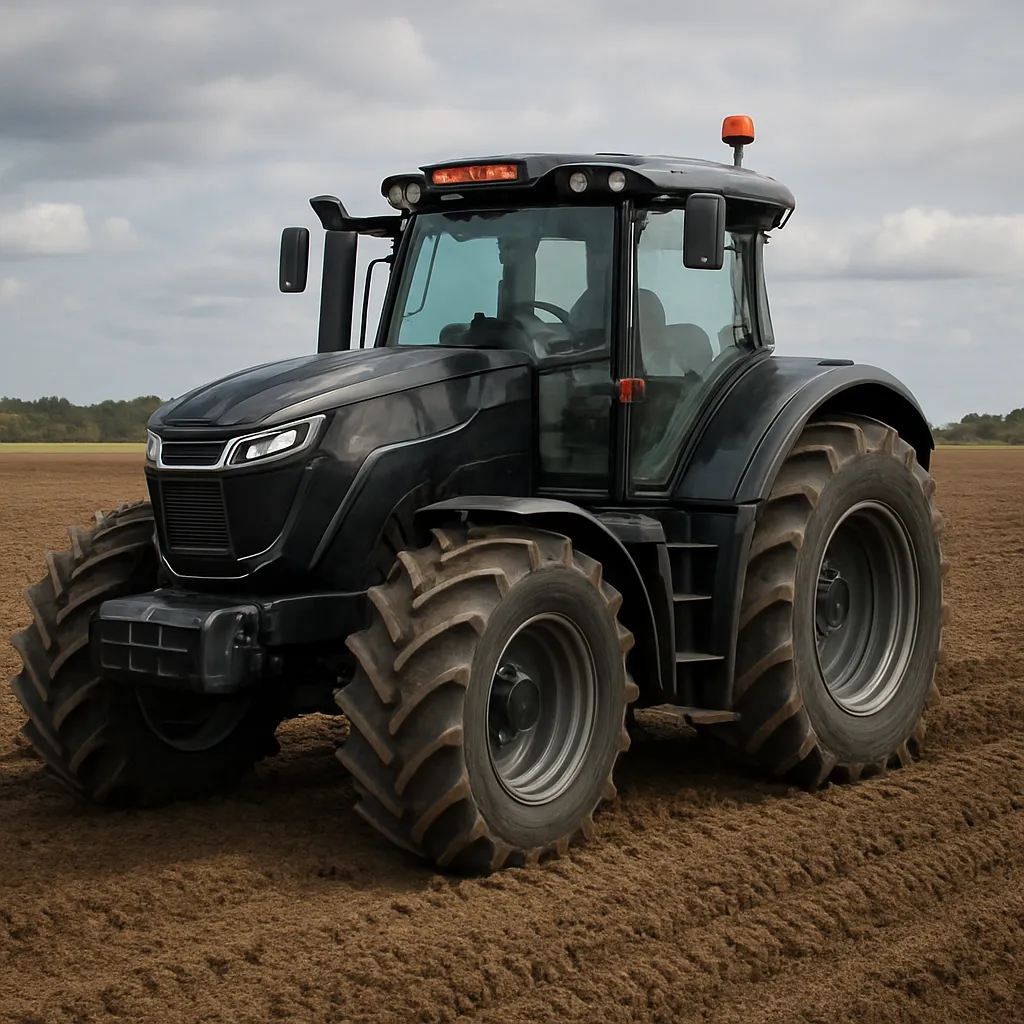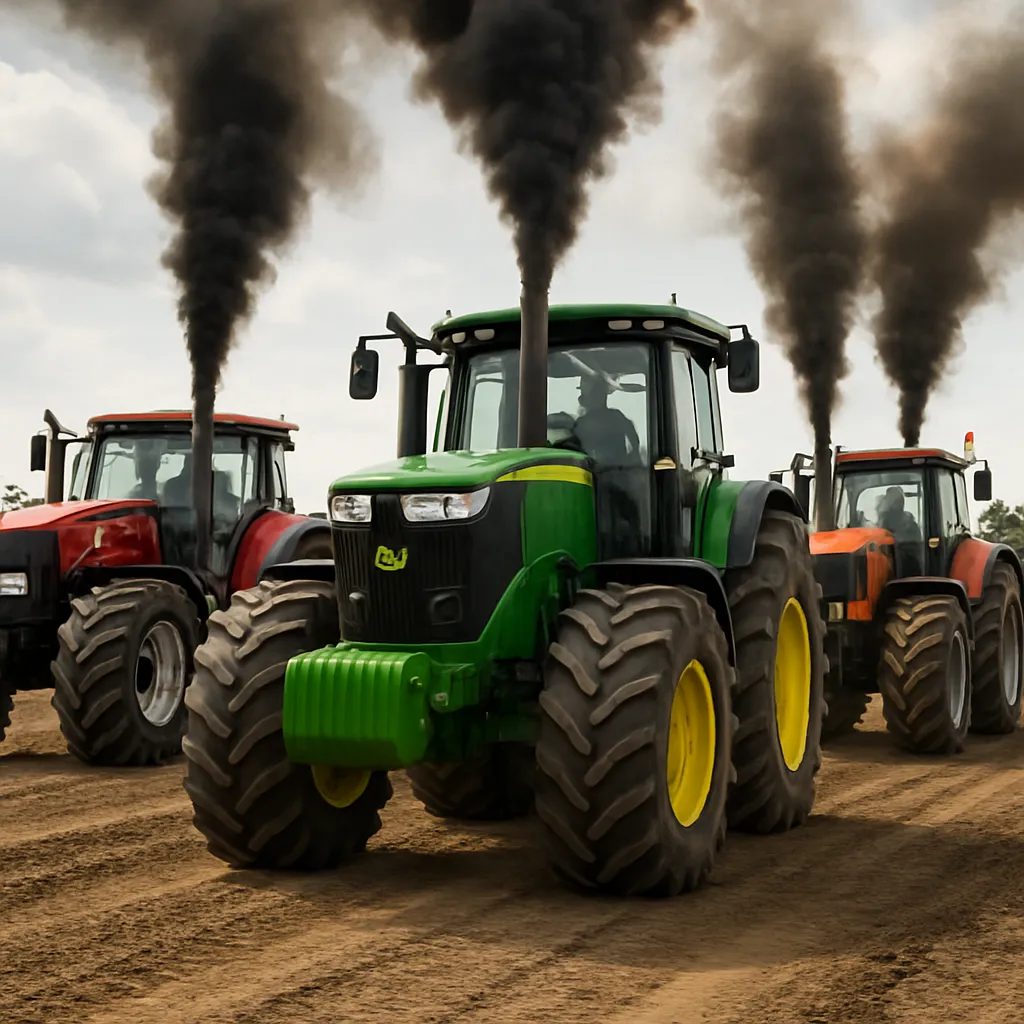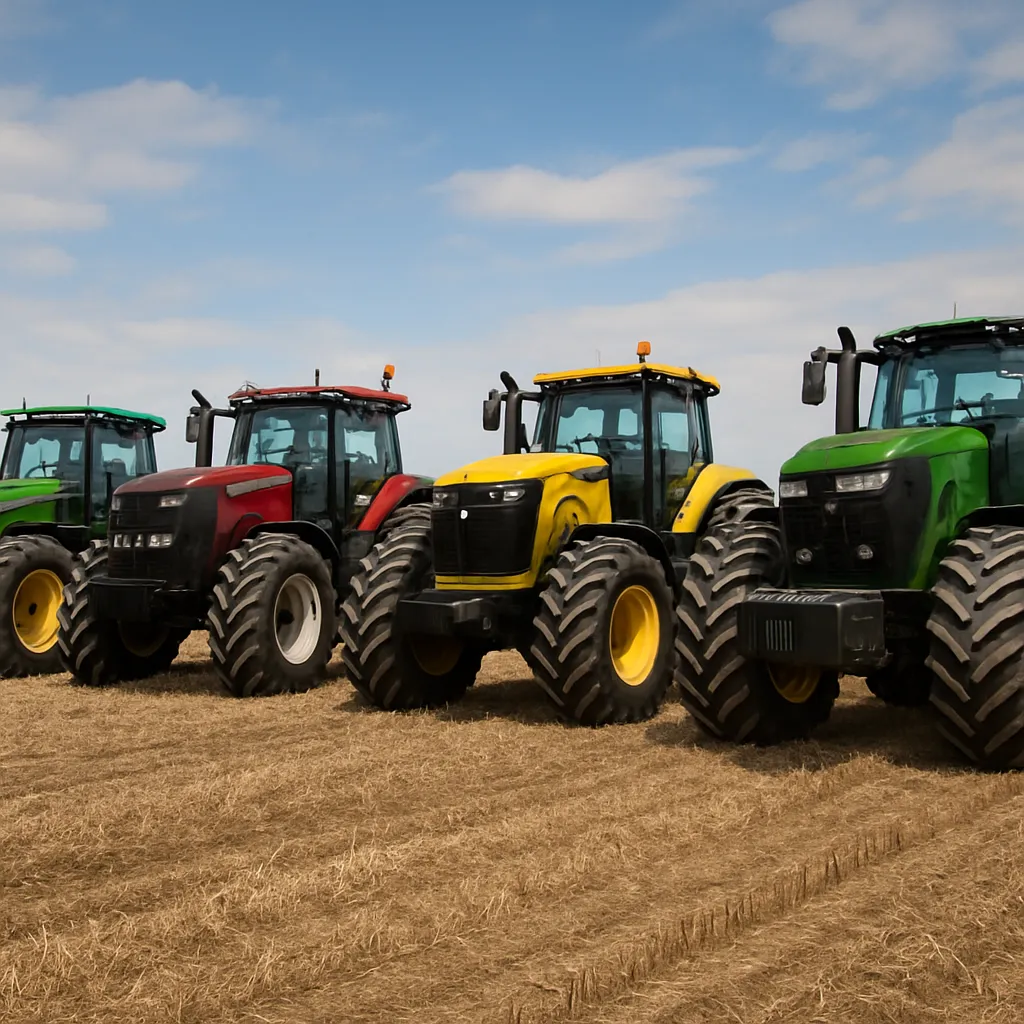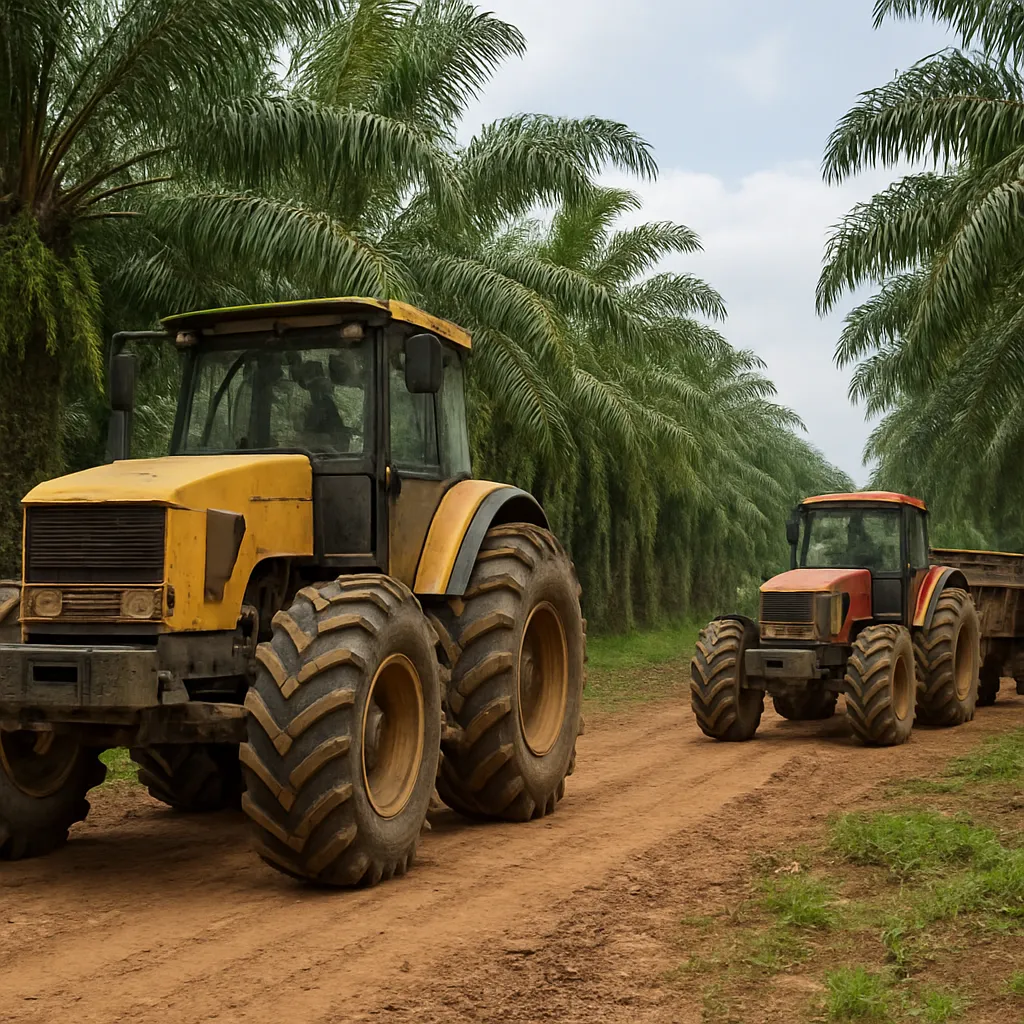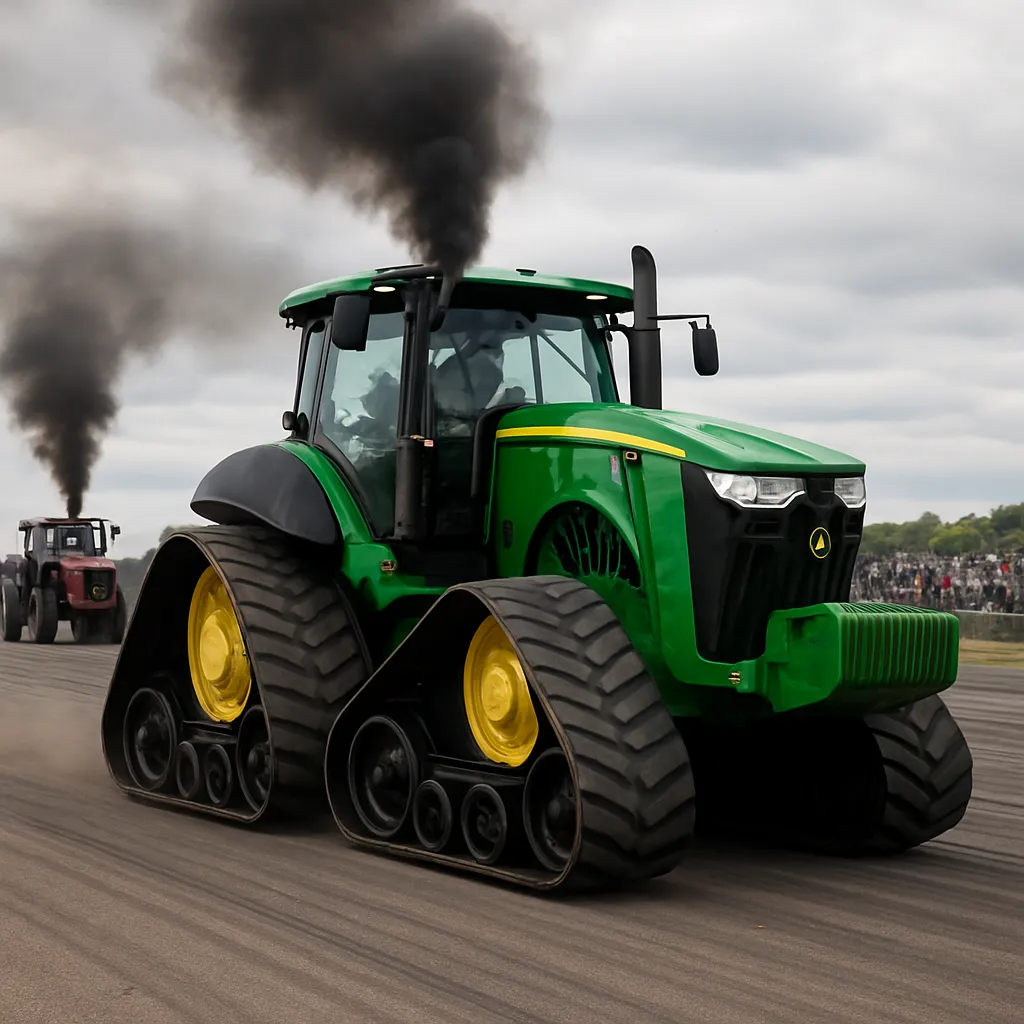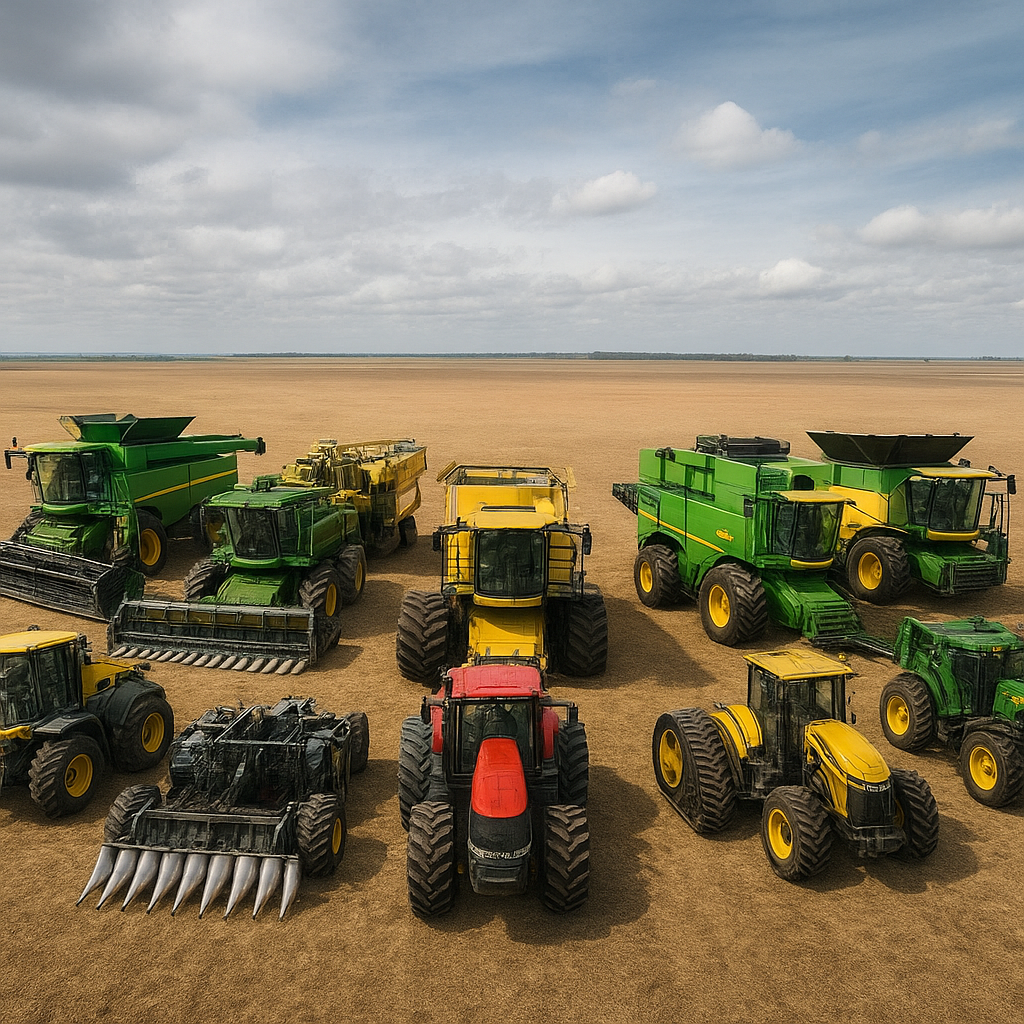
From sprawling fields to expansive plantations, the pursuit of greater efficiency and output has driven engineers and farmers to design and deploy some of the most awe-inspiring machines on the planet. These agricultural giants combine mind-boggling horsepower, immense bulk, and cutting-edge electronics to cultivate, harvest, and transform the way we feed billions. In this article, we delve into the history and evolution of monster tractors, count down the top ten largest agricultural machines ever built, examine their impact on modern farming, and explore what might come next in the realm of ultra-large machinery.
The Evolution of Giant Agricultural Machines
Since the first steam-powered ploughs of the 19th century, the quest for bigger and stronger traction units has never slowed. Early tractors offered a few dozen horsepower, yet as global population boomed and demands on arable land intensified, manufacturers answered with progressively larger models. The mid-20th century saw the advent of diesel engines that offered unprecedented torque and reliability, paving the way for multi-thousand-horsepower giants in the late 20th and early 21st centuries. Advances in hydraulics, electronics, and materials science enabled these machines to grow in size without sacrificing agility or comfort. Today’s behemoths boast cab environments more akin to luxury automobiles, complete with climate control, GPS-driven auto-steer, and real-time performance analytics. These improvements ensure that operators can harness massive capacity and power for long hours without fatigue.
Top 10 Biggest Agricultural Machines Ever Built
- Big Bud 747 – Often cited as the world’s most powerful farm tractor, the Big Bud 747 was custom-built in the late 1970s. Weighing over 100 metric tons and delivering over 900 horsepower, this emblematic machine boasts eight massive tires, four per axle, to distribute its tremendous weight in the field.
- MT 1000 Series – New Holland’s MT1000 runner-up tractors can produce up to 674 horsepower and tip the scales at nearly 30 metric tons. Equipped with advanced traction control and a robust, six-cylinder engine, they excel at both ploughing and heavy tillage operations.
- Case IH Quadtrac 620 – Renowned for its revolutionary four-track design, the Quadtrac 620 generates 620 horsepower while minimizing soil compaction. Its track system enhances flotation and traction on soft ground, making it ideal for large-scale row-crop farming.
- John Deere 9620RX – Delivering 620 horsepower and built on a revolutionary four-track undercarriage, this tractor combines immense pulling power with lower ground pressure. Its futuristic cabin includes automated guidance and integrated field-mapping tools.
- Challenger MT975E – With a staggering 720 horsepower output, the Challenger MT975E stands as one of the most potent production tractors. Its flexible track system and heavy-duty frame permit unparalleled traction in demanding soil conditions.
- Fendt 1050 Vario MT – Germany’s pride, the Fendt 1050 Vario MT, pushes out 517 horsepower through an advanced continuously variable transmission. Its innovative design optimizes fuel consumption and delivers precise speed control under heavy loads.
- Versatile 610 DT – A Canadian marvel, the Versatile 610 DT offers 610 net horsepower and a dual-track chassis for consistent traction. With an eco-friendly engine that meets stringent emissions standards, it showcases a blend of raw power and environmental responsibility.
- Steiger STX 620 – Produced by Case IH, the STX 620 sets benchmarks in durability and strength. Its 620 horsepower engine is fitted into a heavy-frame chassis, offering superior stability during ploughing and seeding.
- Belarus 3522 – This mammoth from Eastern Europe achieves up to 320 horsepower with a robust two-axle design. It may not match Western giants in raw numbers, but its simple mechanics and ease of maintenance make it highly prized in remote farming regions.
- MB Trac 1800 Intercooler – Built in the late 1980s, Mercedes-Benz’s MB Trac 1800 Intercooler was one of the earliest tractors to break 180 horsepower. Though modest by today’s standards, it pioneered the integration of intercooler technology and high-capacity hydraulics.
Impact on Modern Farming Practices
Giant tractors have revolutionized how large farms manage time-critical tasks across thousands of hectares. Their high efficiency translates into fewer passes over the field, reducing fuel consumption and soil disturbance. When combined with precision agriculture tools – including drones, soil sensors, and satellite-guided steering – these machines can plant seeds, apply fertilizers, and harvest crops with unprecedented accuracy. The saved time often allows for perfect timing of field operations, which can boost yields by optimizing moisture and nutrient availability. Moreover, modern beasts often include remote diagnostics and telematics. Manufacturers and dealers can monitor performance metrics from afar, proactively schedule maintenance, and minimize expensive downtime.
Yet enormous size brings challenges. Soil compaction remains a serious concern, as heavy loads can crush pore spaces essential for root growth and water infiltration. Manufacturers mitigate this through wide tracks, dual or even quadruple wheel assemblies, and adjustable tire pressures. Additionally, training operators to handle multi-million-dollar machinery safely has become a significant sector in agricultural education. Simulators replicate field conditions, ensuring that drivers master turn radii, load distribution, and emergency procedures before setting foot in the real cab.
Future Trends in Ultra-Large Agricultural Machinery
The relentless push for greater productivity and sustainability suggests that tomorrow’s giants will be smarter, greener, and possibly autonomous. Electric drivetrains are already under development, promising zero emissions and instant torque delivery. Battery capacity improvements and on-farm charging infrastructure could soon make fully electric traction units viable for many operations. Meanwhile, hydrogen fuel cells offer an alternative clean energy source with fast refueling times.
Artificial intelligence will play a growing role in optimizing every aspect of field work. Self-driving tractors will navigate independently, communicate with combine harvesters to streamline logistics, and adjust speed or implements in real time based on soil readings and weather data. Swarm farming concepts envision fleets of smaller, networked machines working in concert, reducing the need for a single massive unit while maintaining high output.
Beyond power and autonomy, sustainability features will become imperative. Biodegradable implements, regenerative tillage attachments, and integrated carbon monitoring systems will allow farmers to track and reduce their environmental footprints. As the world grapples with climate change and resource constraints, the next generation of agricultural giants must balance immense capacity with responsible stewardship of both land and atmosphere.