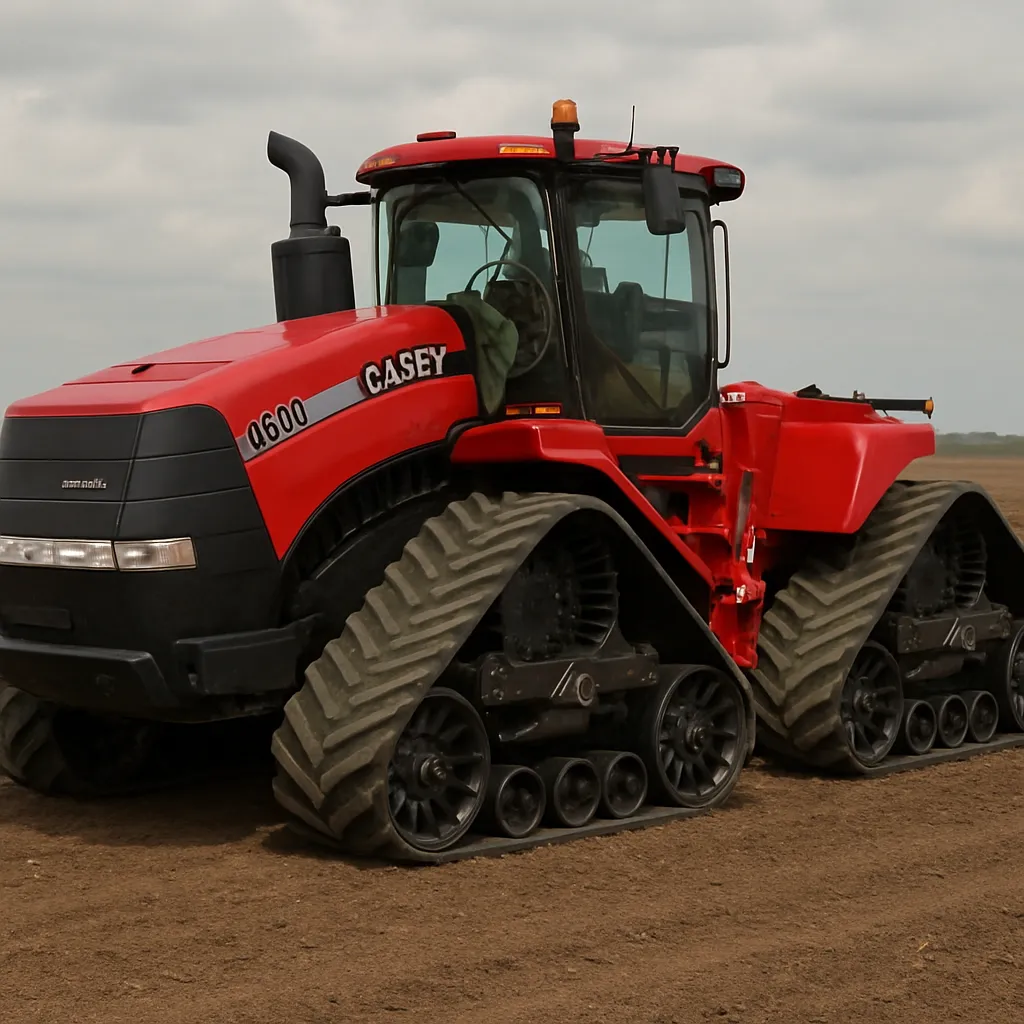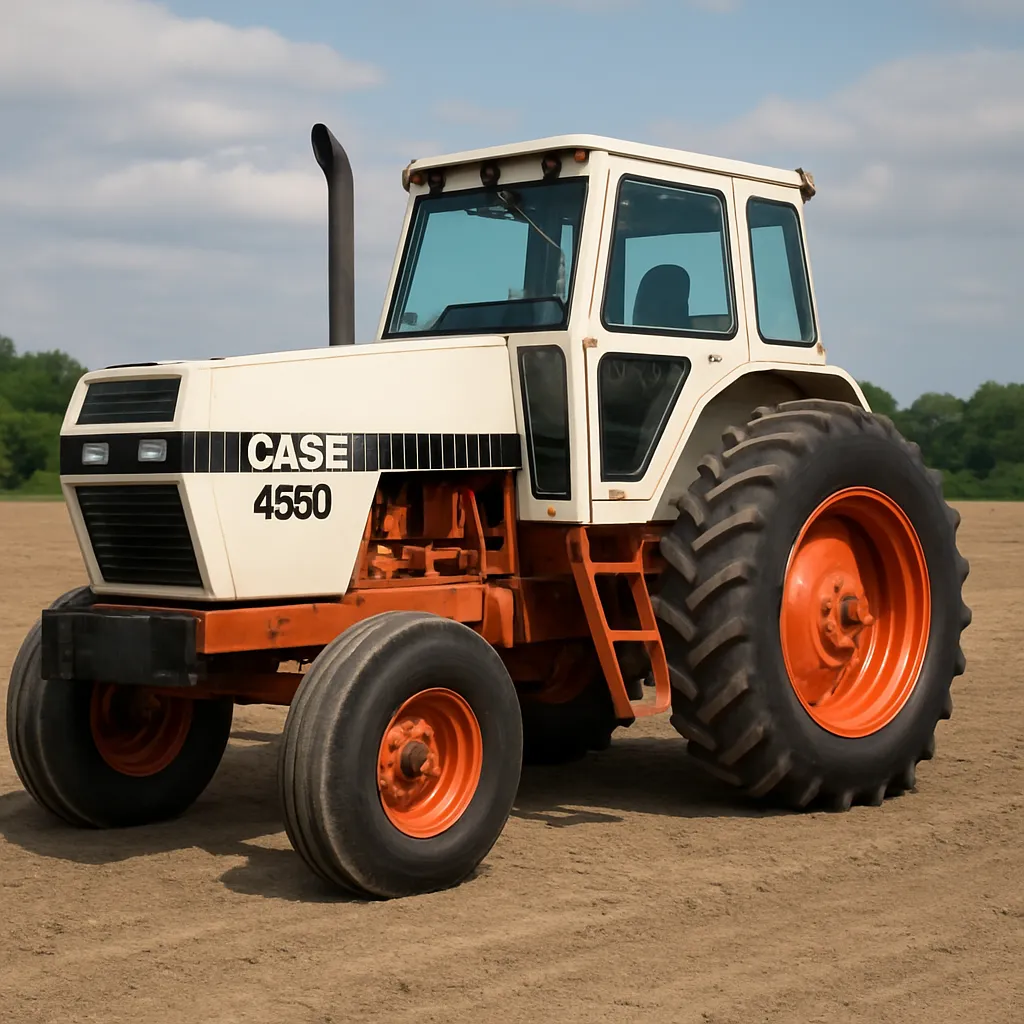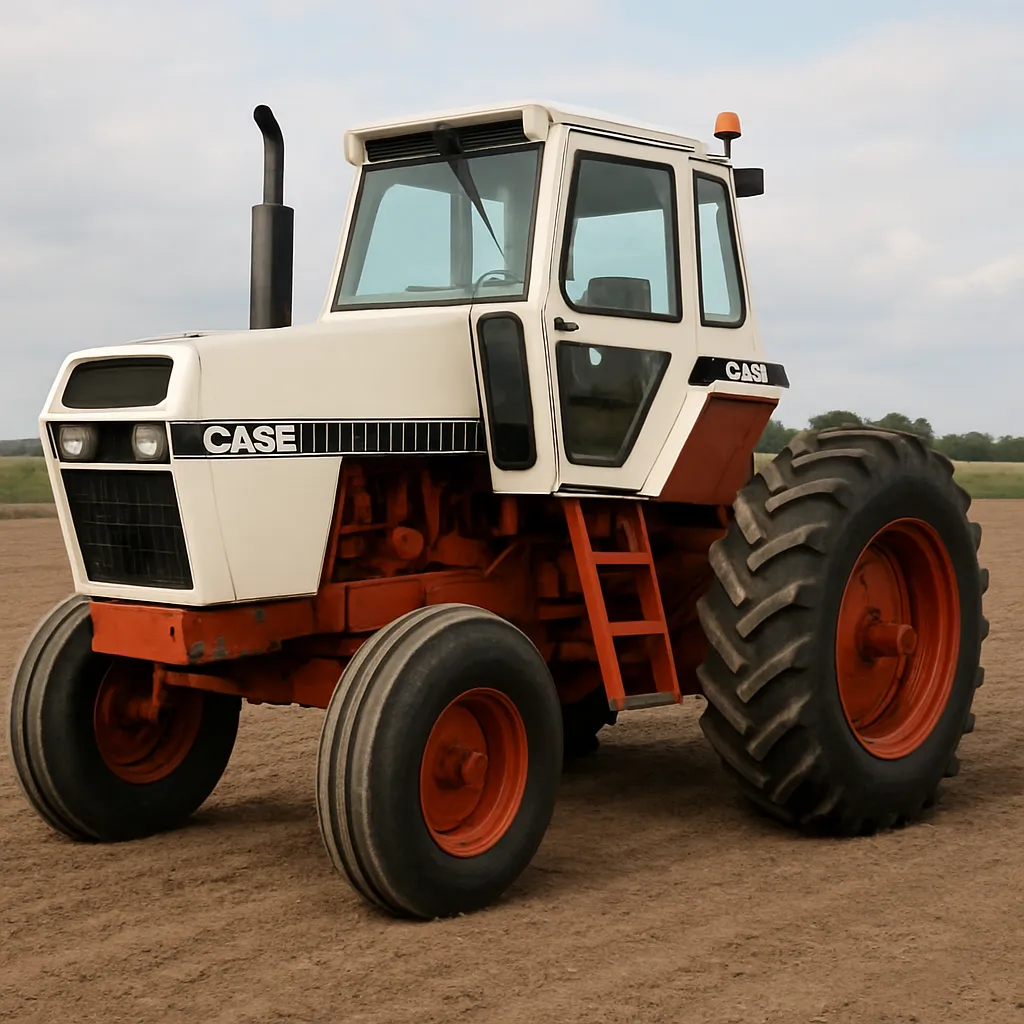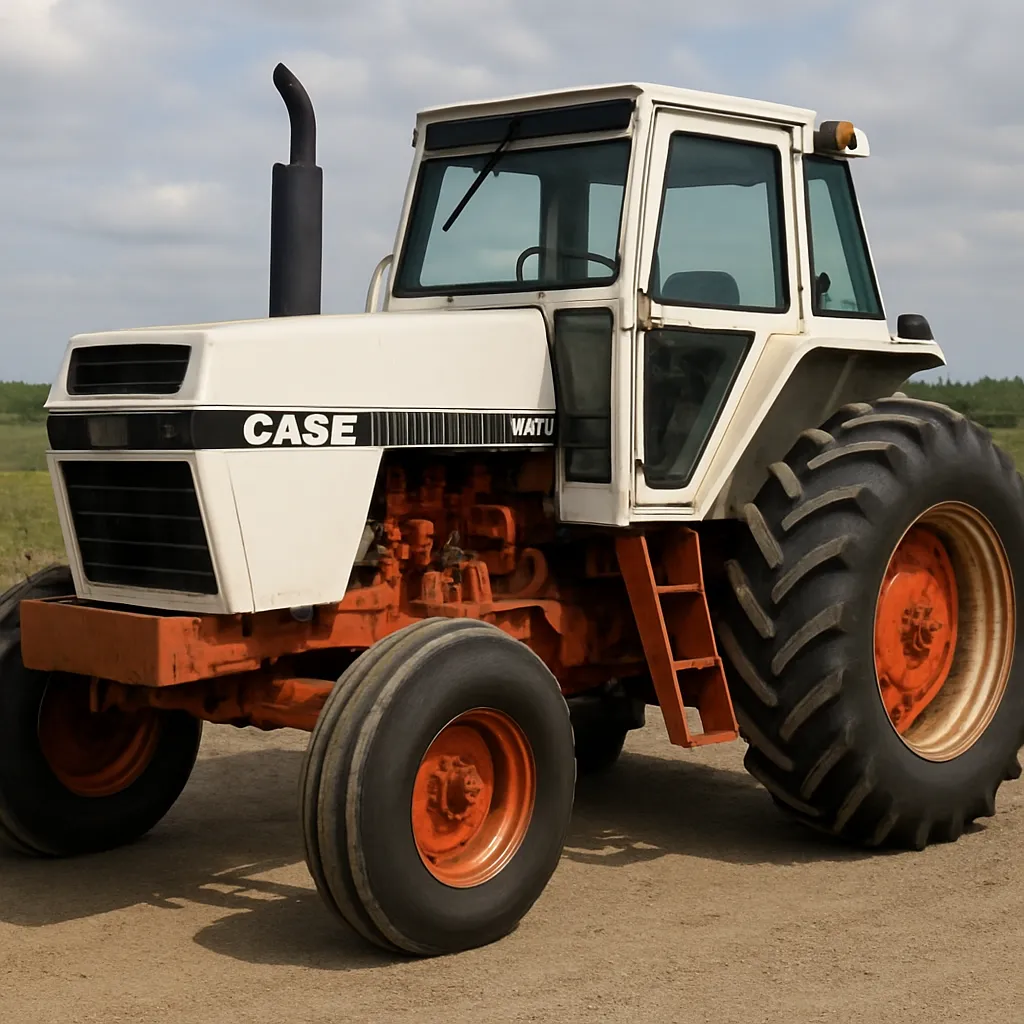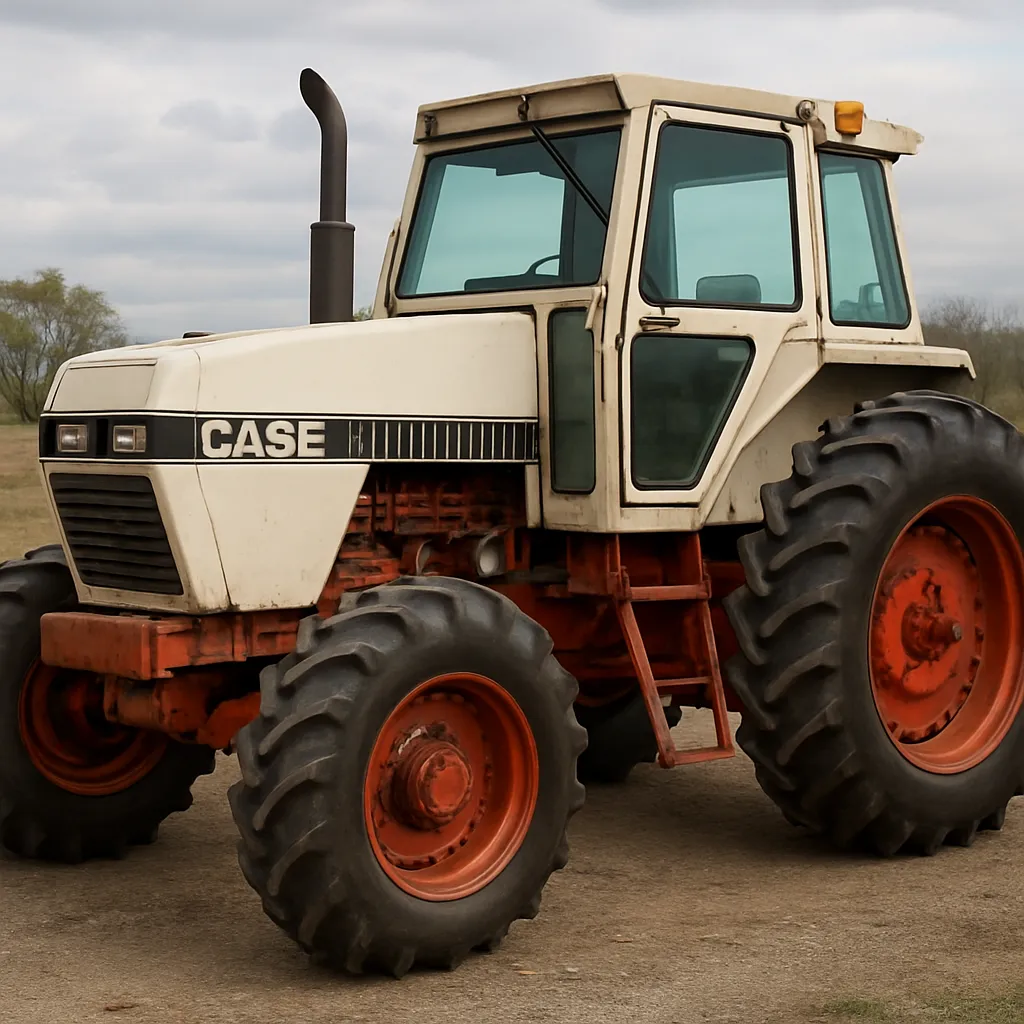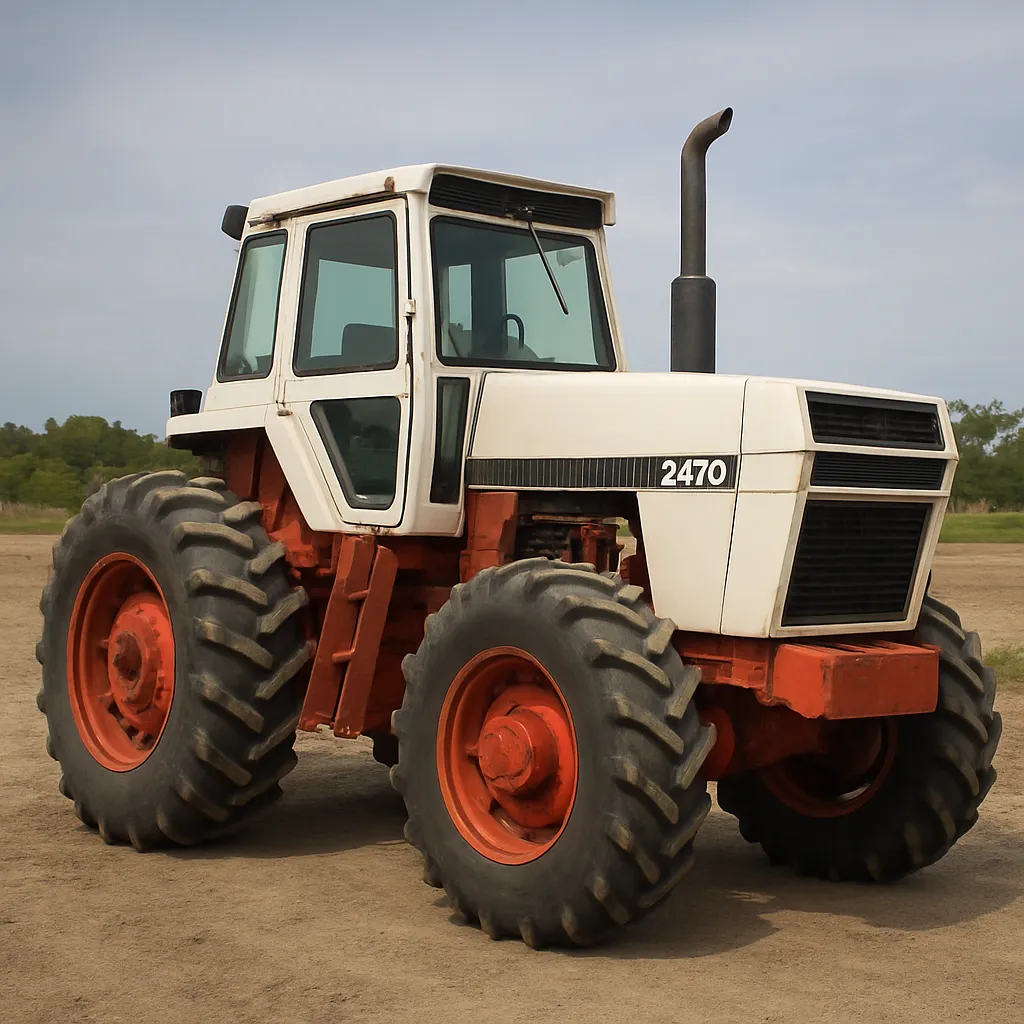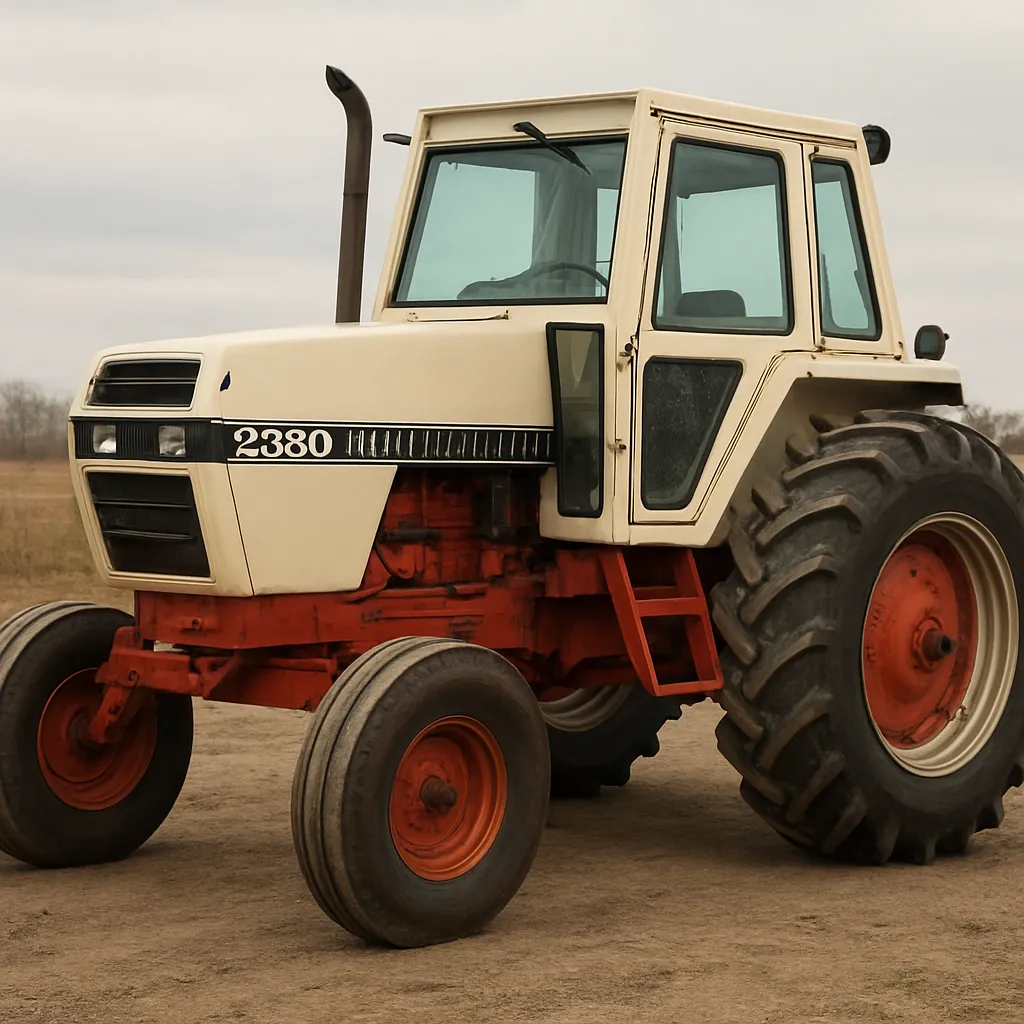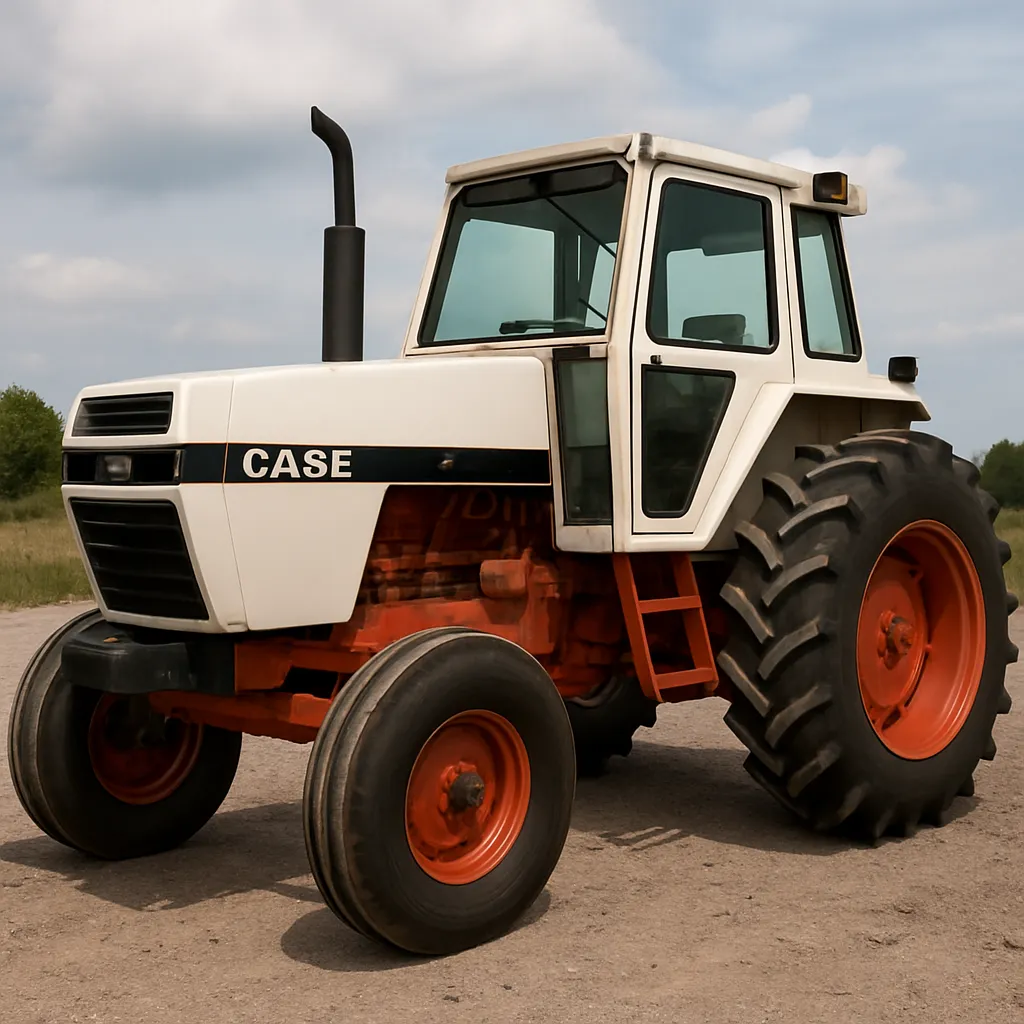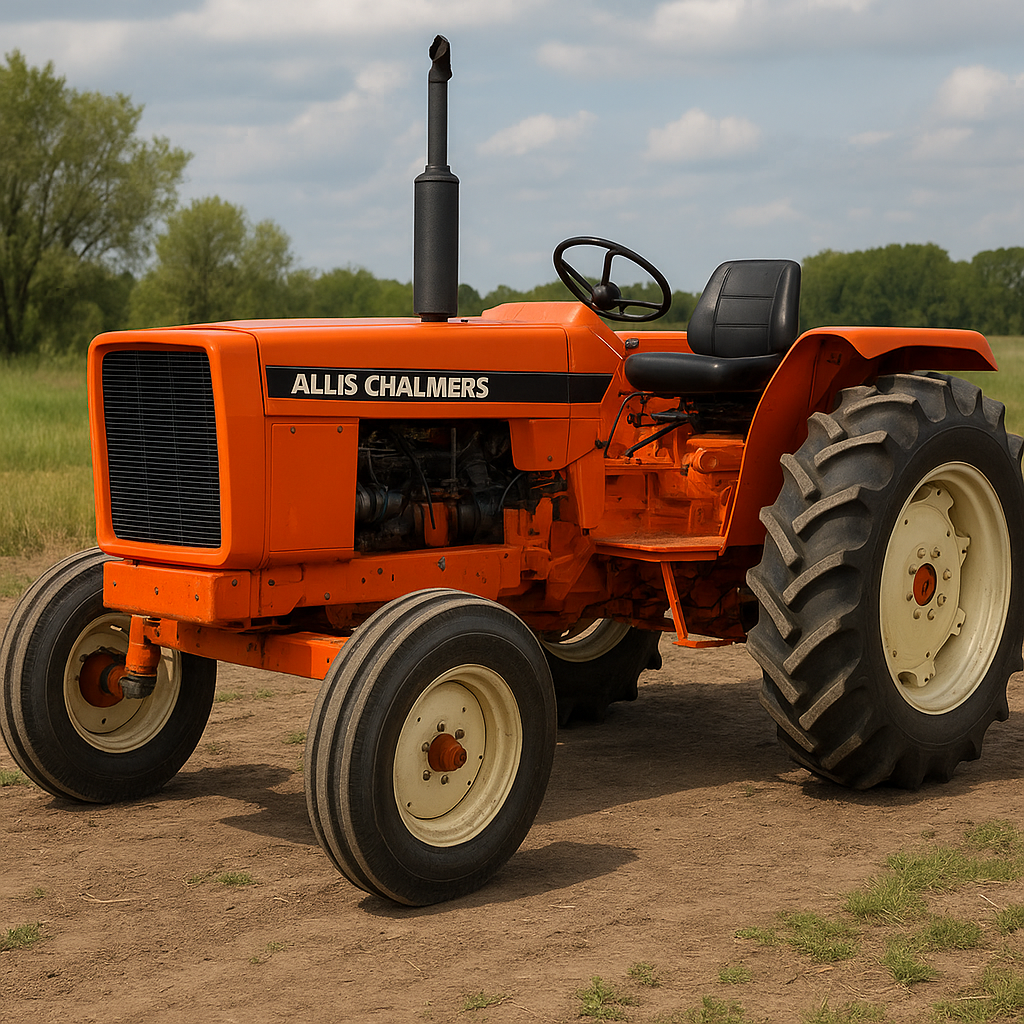
The Allis-Chalmers 280 is a notable model in the lineage of mid-sized agricultural tractors produced under the Allis-Chalmers name during the late 20th century. Practical, robust and designed for a wide range of farm tasks, the 280 earned a reputation among farmers for solid performance in fieldwork, haying and light loader duties. This article examines the 280’s history, technical characteristics, applications and practical considerations for owners and collectors. Throughout the text, key terms are highlighted to facilitate quick scanning and emphasis.
Historical context and design philosophy
The Allis-Chalmers company, an important American manufacturer of agricultural machinery, industrial equipment and engines, developed the 280 in the context of evolving farm needs in the late 1970s and early 1980s. While the company’s product line had several family lines, the 280 was positioned as a versatile, mid-power tractor aimed at mixed farms and contractors who needed dependable performance without the complexity or cost of larger machines.
Allis-Chalmers designed the 280 to be a pragmatic blend of simplicity and capability. The goal was to produce a tractor easy to maintain in the field, with components that offered both durability and reasonable parts interchangeability with other models. The result was a machine that many operators found straightforward to repair and operate.
Evolution and market placement
- Mid-sized utility tractor aimed at mixed farms and small contractors.
- Built to bridge the gap between compact tractors and large row-crop machines.
- Emphasized a balance of power, hydraulics and operator comfort without luxury features.
Design choices focused on practical durability: a robust diesel engine, dependable transmission options, live PTO functionality and a three-point hitch with sufficient lift capacity for common implements such as mowers, balers and plows.
Technical specifications and performance (typical figures)
Exact specifications can vary by year, market and optional equipment. The following are commonly reported, representative figures for the Allis-Chalmers 280 series and intended to give a realistic picture of the tractor’s capabilities.
- Engine type: 4-cylinder diesel (naturally aspirated).
- Displacement: typically in the 3.8–4.5 L range (varies by serial and market).
- Rated horsepower: around 75–95 HP (gross). Typical PTO horsepower usually falls in the 60–80 HP range depending on configuration.
- PTO: 540 rpm standard; live/independent PTO available on many models.
- Transmission: multi-speed synchronized gearbox in common trims; some units offered powershift or partial powershift options depending on year and factory options.
- Hydraulics: open-center system with adequate flow for loader and implement work; three-point hitch typically Category II with lift capacity often in the 3,000–5,500 lb range depending on configuration and extension.
- Operating weight: roughly 6,000–8,500 lb (2,700–3,850 kg), varying by wheel configuration, duals, and front-end loader installations.
- Fuel capacity: commonly between 30–45 gallons (114–170 L).
- Tire sizes: rear tires commonly in the 16.9–30 to 18.4–34 range on agricultural versions; industrial or turf tires available in some markets.
These figures emphasize that the Allis-Chalmers 280 sat comfortably in the utility-to-row-crop category, offering sufficient horsepower for tillage, mowing and medium-duty loader work while remaining economical to purchase and run compared with larger models.
Performance in everyday tasks
In field conditions the 280 typically excelled at:
- Secondary tillage and seedbed preparation with two-bottom to three-bottom plows or equivalent cultivators.
- Mowing, raking and baling hay with rear-mounted implements and small to medium balers.
- Loader work for feeding, material handling and light construction tasks when equipped with a front-end loader.
- Transport and utility tasks around the farm, using live PTO-driven implements such as post-hole augers or sprayers.
Practical features, options and operator environment
The Allis-Chalmers 280 was not aimed at luxury but at providing the essentials: reliable ergonomics, visible instrumentation and easy access for maintenance. Many units were fitted with cabs in cooler climates, while open-station variants were common in warmer areas.
Key features
- Live PTO capability for safer implement engagement and easier operation.
- Steering and braking systems designed for long-haul duty on rural roads between fields.
- Optional enclosed cab with heating and, in some cases, air conditioning for year-round comfort.
- Simple electrical system to facilitate troubleshooting and repairs.
- Loader-ready frames for convenient retrofit of front-end loaders and skid-steer style quick attachments.
Because of its mechanical simplicity, the 280 is often favored by owners who value serviceability — filters, belts and routine items are accessible, and the straightforward design reduces diagnostic complexity compared with more modern electronic controls.
Applications and common uses on the modern farm
Even decades after its introduction, the Allis-Chalmers 280 remains useful in many settings. Enthusiasts and practical owners continue to employ these tractors across a variety of agricultural and non-agricultural tasks.
Typical applications
- Crop farming: seeding, cultivating, spraying and grain handling on small to medium-sized acreages.
- Haymaking: mowing, raking, baling and bale transport.
- Livestock operations: feed handling, manure spreading and barn maintenance when fitted with a loader or implements.
- Property and land management: brush mowing, fence maintenance and snow clearing with appropriate attachments.
- Contract work: small-scale custom work such as posthole drilling, rotary tilling and light earthmoving for local customers.
Its adaptability makes the 280 a common choice for hobby farms, orchards, and estates where a balance between power and maneuverability is required. The option to fit a front loader expands its utility significantly.
Maintenance, reliability and common issues
One of the 280’s strengths is its reputation for durability, but like any machine of its era it benefits from attentive maintenance. Regular checks, preventive replacement of wear items and attention to hydraulics and cooling systems will extend the machine’s life.
Routine maintenance checklist
- Frequent oil and filter changes for both engine and hydraulics.
- Inspection and cleaning of cooling system, radiator and fan belts.
- Periodic clutch and transmission adjustments or inspections, especially if used for heavy loader work.
- Tire inspection and correct inflation to avoid undue stress on transmissions and axles.
- PTO shaft servicing and universal joint greasing when used frequently.
Common issues reported by owners include wear in the clutch assembly after heavy implements, occasional hydraulic leaks from seals and hoses, and electrical gremlins related to aging wiring in machines that have not had electrical upgrades. However, these are typical maintenance matters rather than inherent design defects.
Restoration, parts availability and aftermarket support
For collectors and hobbyists interested in restoring a 280, parts availability is an important consideration. Although Allis-Chalmers as an independent company no longer exists in the same form, parts and aftermarket support remain reasonably accessible.
- Aftermarket suppliers and specialist vintage tractor vendors stock filters, seals, gaskets and many wear items.
- Used parts are commonly found through salvage dealers, online marketplaces and tractor clubs.
- Some components are interchangeable with other Allis-Chalmers models of the era, simplifying sourcing.
- Dedicated restoration communities and forums provide technical guidance, wiring diagrams and tips for modernization (for example, upgrading to modern electronic ignition or improved lighting).
Clubs and regional antique tractor associations are excellent resources for parts, advice and events where restored 280s are shown and demonstrated.
Market value and collectibility
The market for vintage tractors like the Allis-Chalmers 280 depends on condition, regional demand and documented maintenance history. Values can vary widely:
- Poor-condition, non-running units are often valued only for parts or project restoration—these might change hands for a few thousand dollars.
- Running tractors in good mechanical condition typically sell in the mid-range market, where prices depend on hours, maintenance and regional market conditions.
- Fully restored or rare-option examples with cab, low hours and documented history can achieve higher prices among collectors.
In recent years, typical sale prices for well-maintained Allis-Chalmers 280 tractors have often fallen in the lower four-figure to mid four-figure range in USD, with restored examples occasionally reaching higher. Local demand for used tractors and the cost of modern replacements can affect resale values significantly.
Modifications, common upgrades and practical tips
Many modern owners perform practical upgrades to increase safety, comfort and utility without compromising the classic character of the 280. Common modifications include:
- Installing modern LED lighting for improved road visibility and reduced electrical load.
- Upgrading the seat and adding suspension to reduce operator fatigue during long days.
- Fitting auxiliary hydraulic circuits for newer implements.
- Adding a modern battery and starter upgrades for more reliable cold starts.
- Installing a front loader or quick-attach brackets to broaden daily usefulness.
When modifying, many owners emphasize maintaining reversibility so the tractor can be returned to original specification for show purposes or resale.
Cultural and practical legacy
The Allis-Chalmers 280 occupies an interesting place in agricultural history: it reflects an era when farm machinery was transitioning from purely mechanical systems toward more operator-focused designs, but before electronics became pervasive. Its lasting appeal is based on:
- Simple, understandable mechanics that farmers can work on themselves.
- Versatility across many farm tasks, making it a true workhorse on small to medium farms.
- An active enthusiast community that preserves knowledge and parts availability.
Collectability of the 280 rests not only on nostalgia but also on practical utility: many remain in daily service. For new farmers, hobbyists, and restorers, the model offers a tangible connection to a hands-on era of agriculture where mechanical aptitude and practicality were central to equipment choice.
Where to learn more and find support
For those interested in buying, restoring or running an Allis-Chalmers 280, several resources can help:
- Regional and national antique tractor clubs and Allis-Chalmers enthusiast groups.
- Online forums and marketplaces where owners trade parts, manuals and advice.
- Service manuals, parts catalogs and wiring diagrams that are often available as reprints or scanned PDFs through specialist vendors.
- Local agricultural equipment dealers who specialize in vintage machinery or who carry used parts.
Whether used as a practical farm tool, a restoration project or a collectible, the Allis-Chalmers 280 remains a significant example of late 20th-century tractor design—valued for its blend of reliability, simplicity and practical capability.