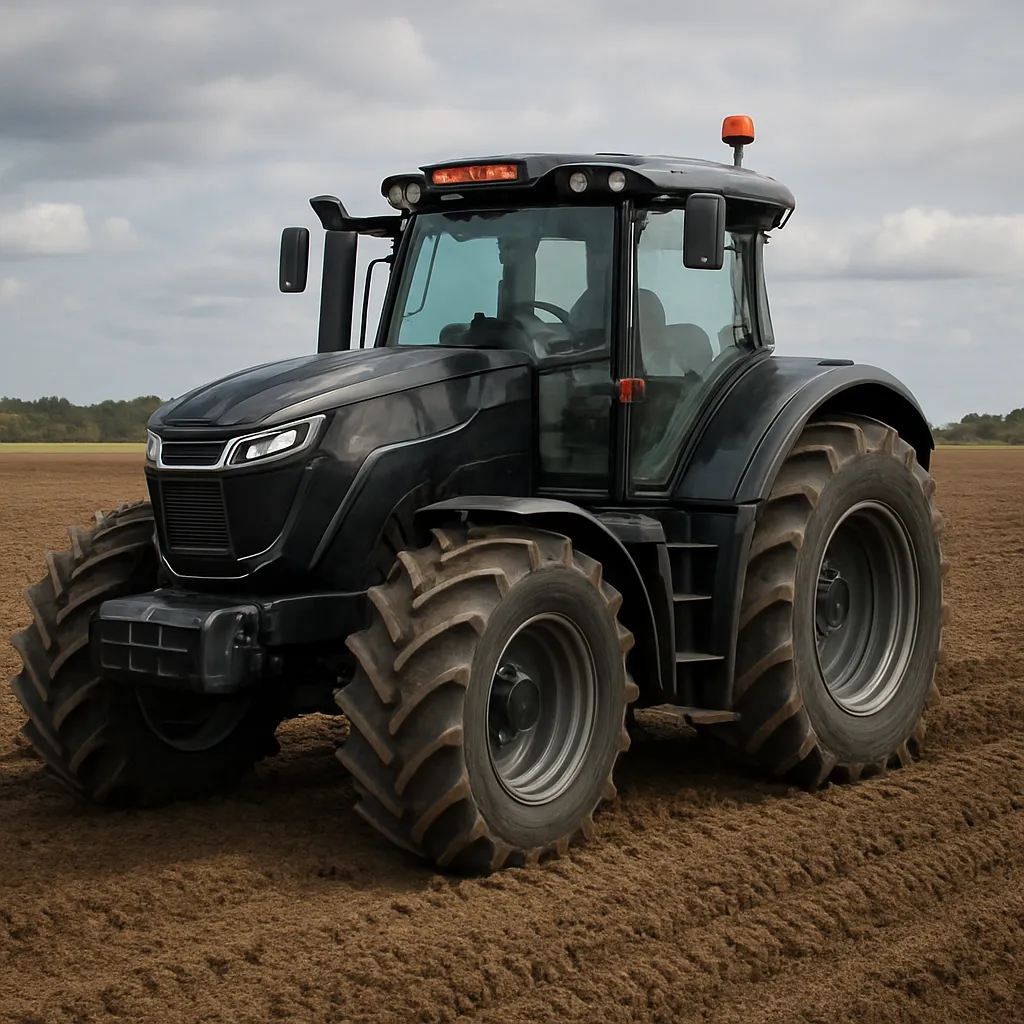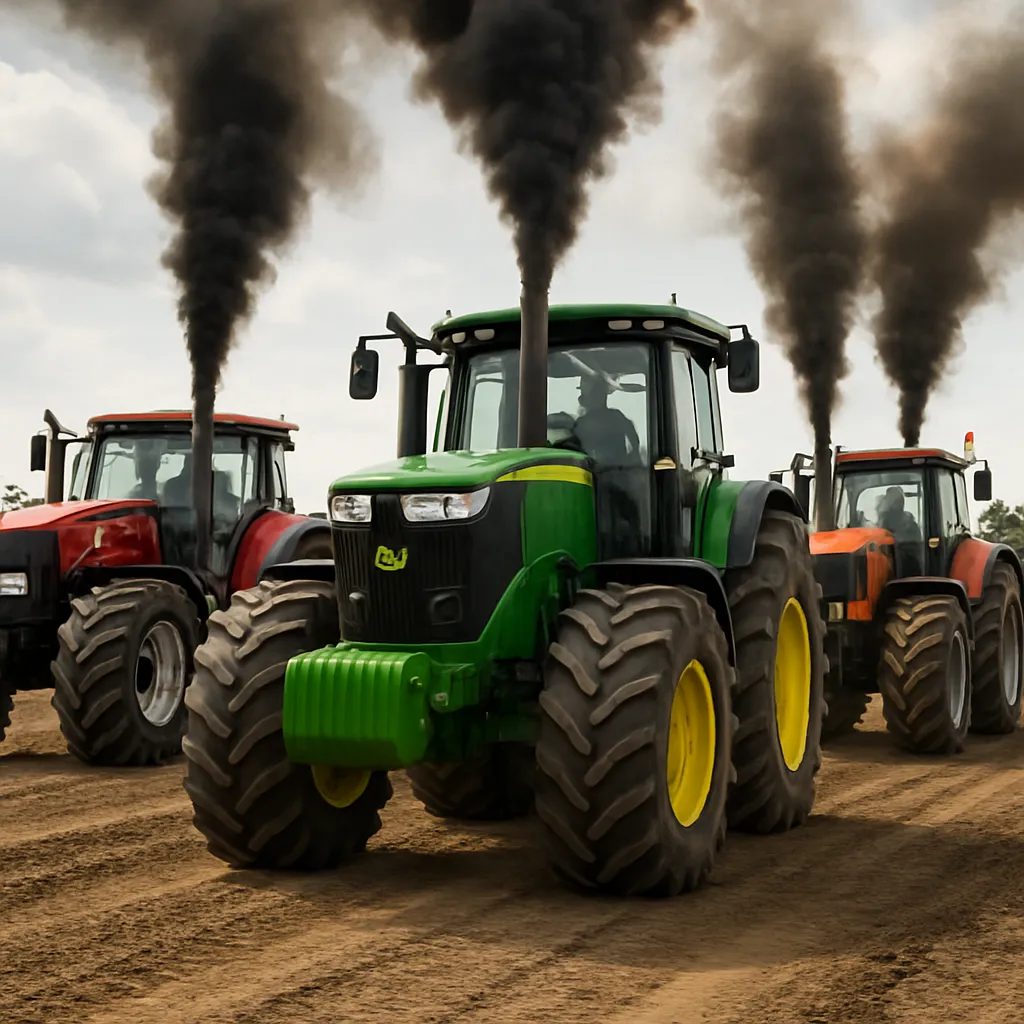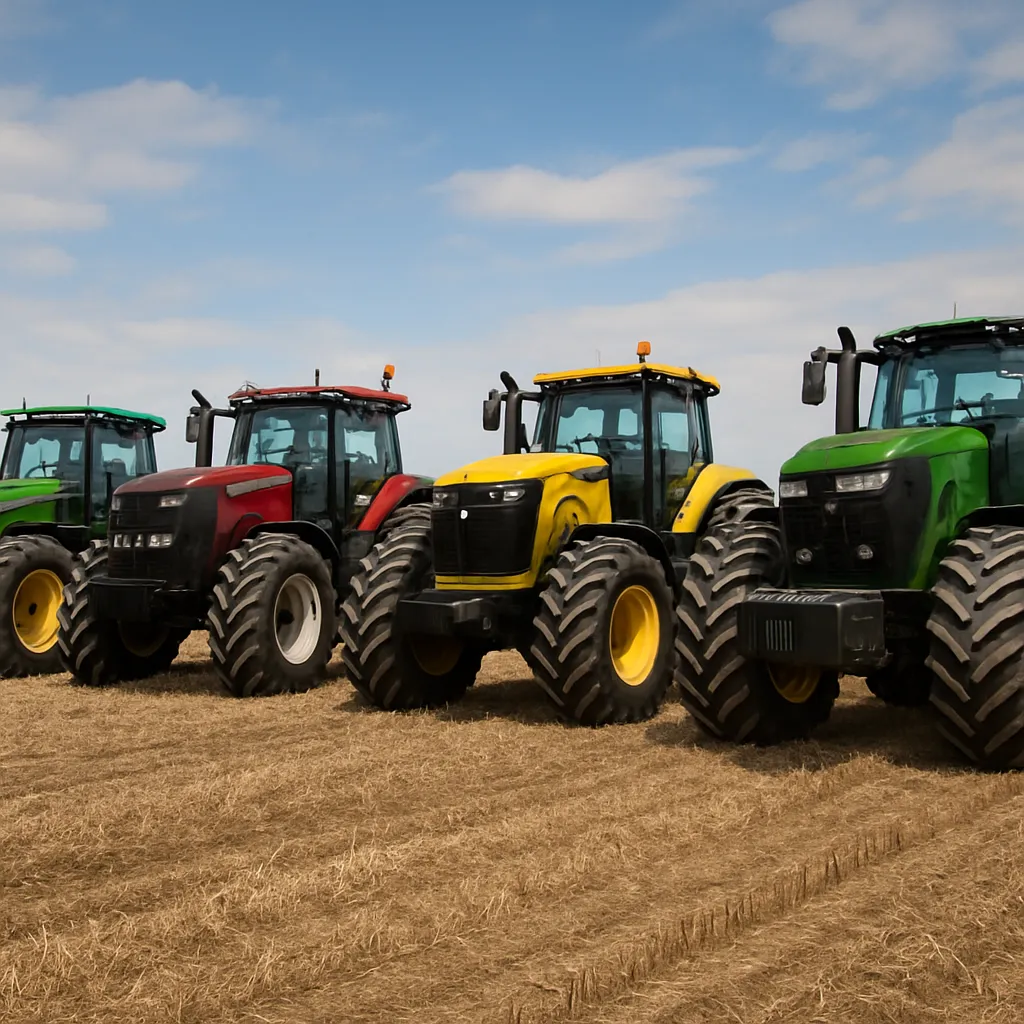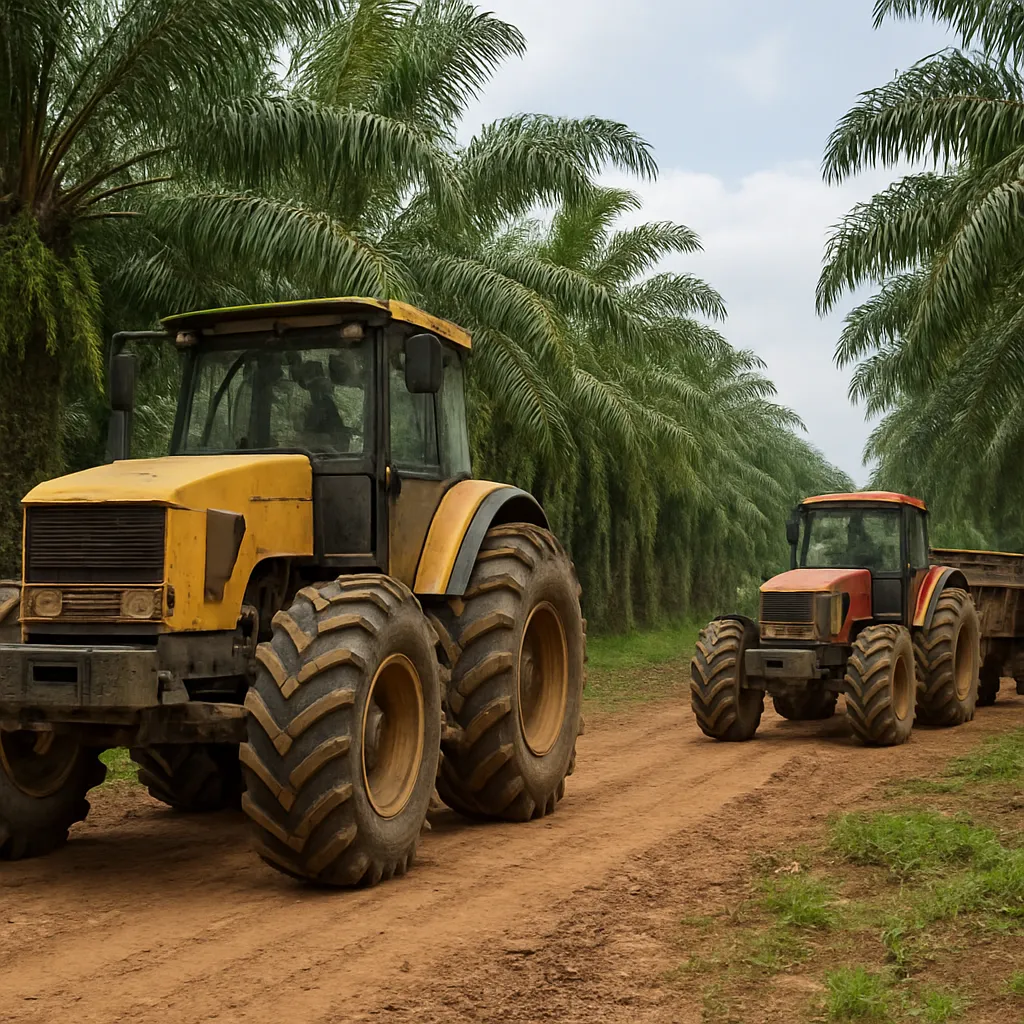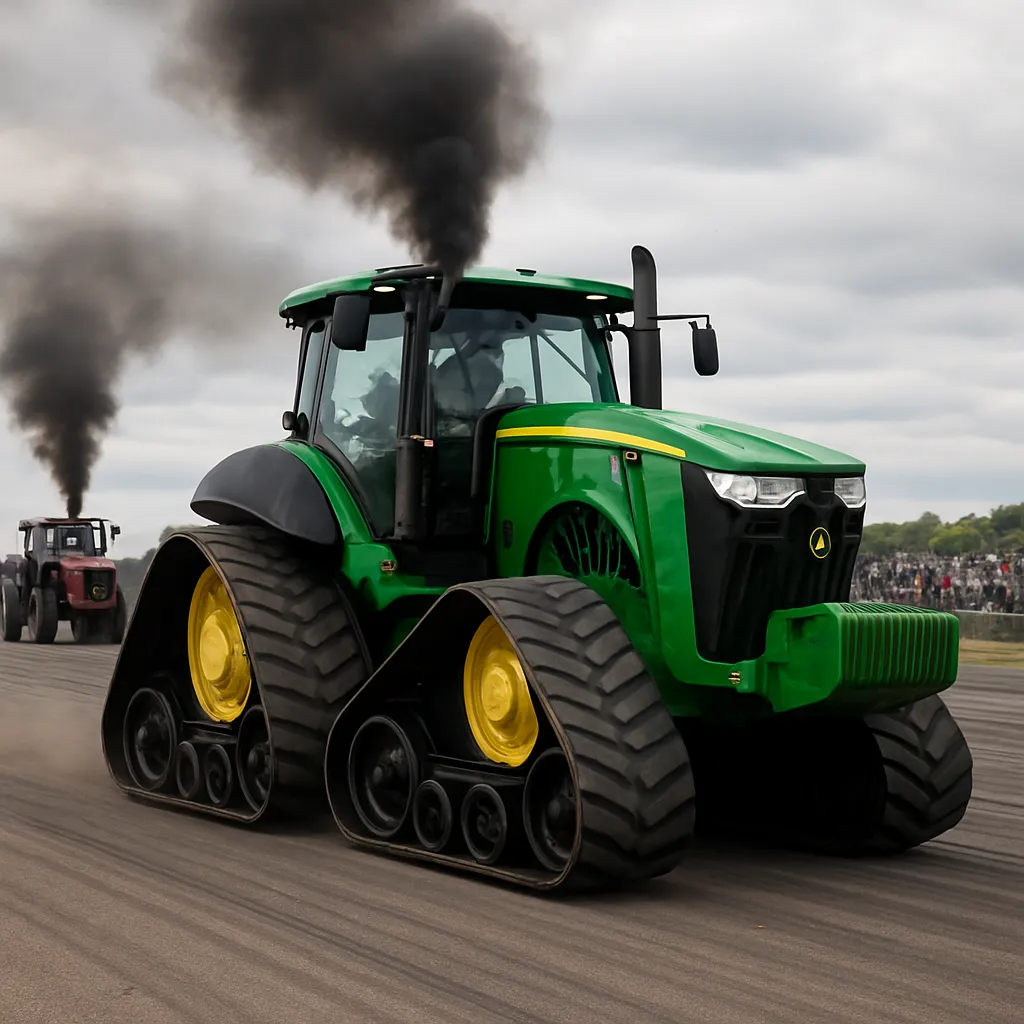
The Most Advanced Control Systems in Big Tractors explore the intersection of raw power, precision engineering, and cutting-edge technology. This article delves into the evolution, key components, and future directions of large agricultural machines that are transforming modern farming. Read on to discover how sophisticated control architectures are enhancing productivity, safety, and resource management in the world’s biggest tractors.
Evolution of Big Tractors: Power and Precision
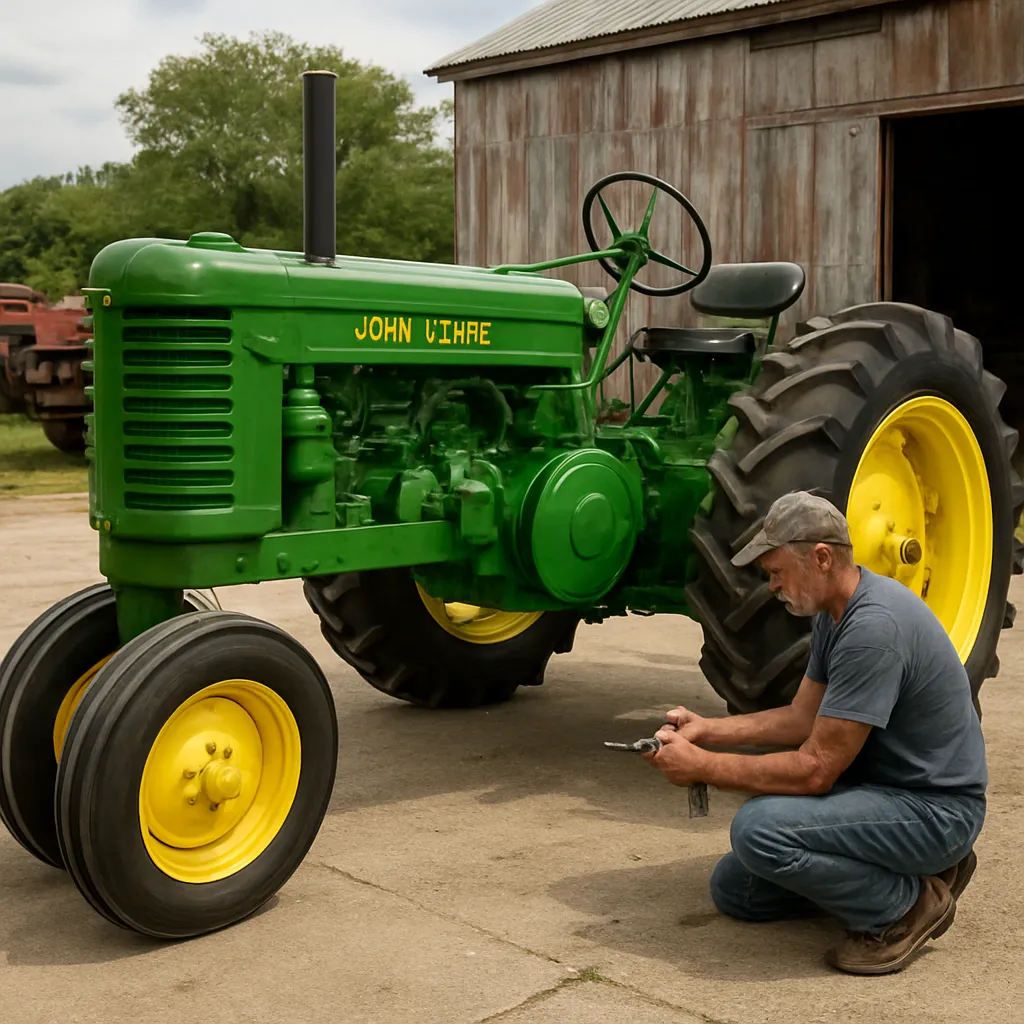
Over the decades, heavy-duty tractors have transitioned from mechanically simple machines to complex vehicles governed by integrated electronic systems. Early models relied solely on hydraulic levers and analog gauges. Today, advanced microprocessors and software algorithms coordinate every motion, from steering to implement management. This shift reflects the relentless pursuit of efficiency and greater uptime on the field.
In the 1970s, tractors typically delivered around 100–150 horsepower through four-speed transmissions and basic hydraulic systems. By the 1990s, modular electronic control units (ECUs) began to appear, offering rudimentary engine management and transmission shift logic. Contemporary giants now offer over 600 horsepower, continuously variable transmissions, and adaptive suspension systems. Each feature relies on a network of sensors and real-time data processing to optimize performance under varying soil, load, and climatic conditions.
State-of-the-Art Control Systems
Engine Management Units
Modern Big Tractors use advanced Engine Management Units (EMUs) that adjust fuel injection timing, turbo boost pressure, and exhaust gas recirculation. These EMUs employ closed-loop control strategies, comparing feedback from pressure and temperature sensors to target values. The result is tighter emission control, improved fuel economy, and consistent power delivery across a wide rpm range. Key benefits include:
- optimization of combustion based on ambient conditions
- adaptive load sensing to prevent power lag
- self-diagnostic routines to preemptively alert operators of maintenance needs
Transmission and Drivetrain Controls
Continuously Variable Transmissions (CVTs) and power shift gearboxes leverage electromechanical actuators to deliver smooth torque transfer. A central Transmission Control Unit (TCU) monitors factors such as engine torque, ground speed, and wheel slip. Through advanced algorithms, it seamlessly shifts gears and modulates differential locks. The result is minimal interruption to traction and enhanced reliability during heavy draft work.
Hydraulic and Implement Management
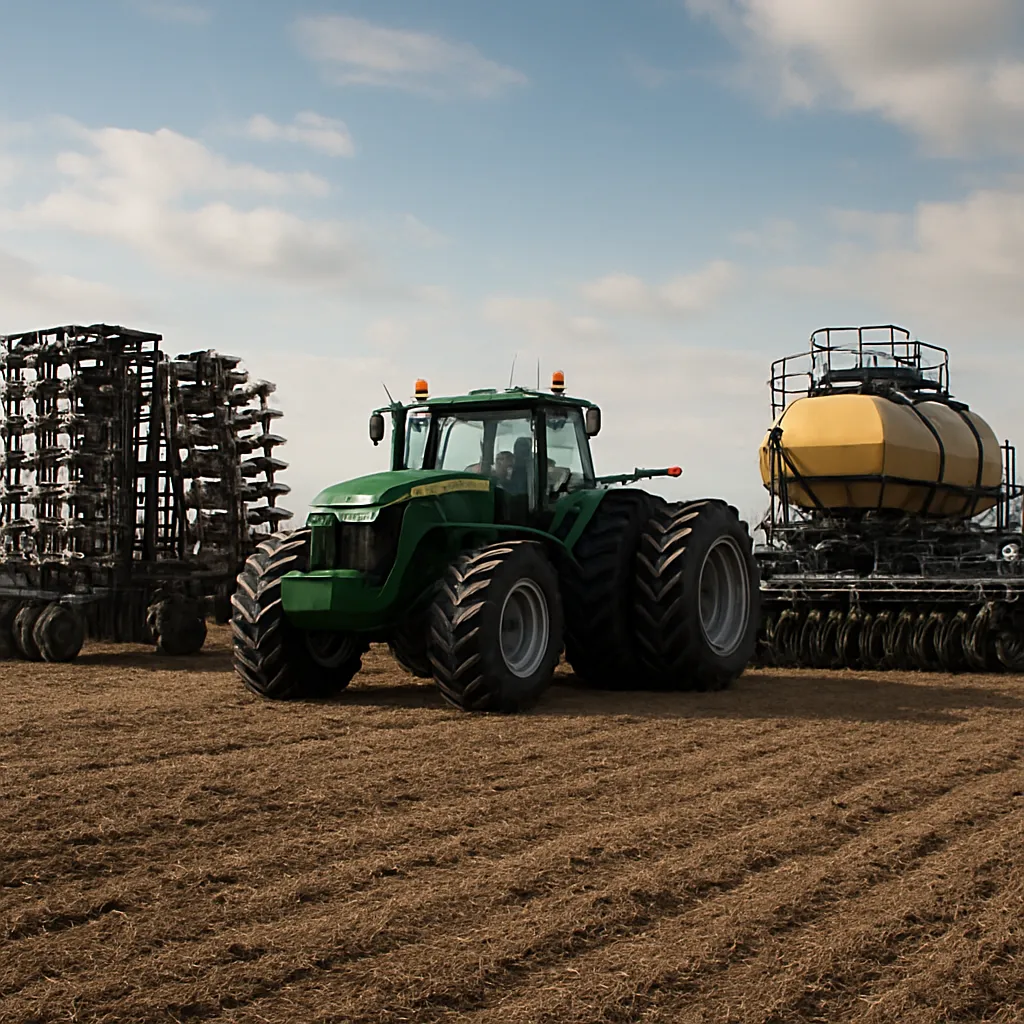
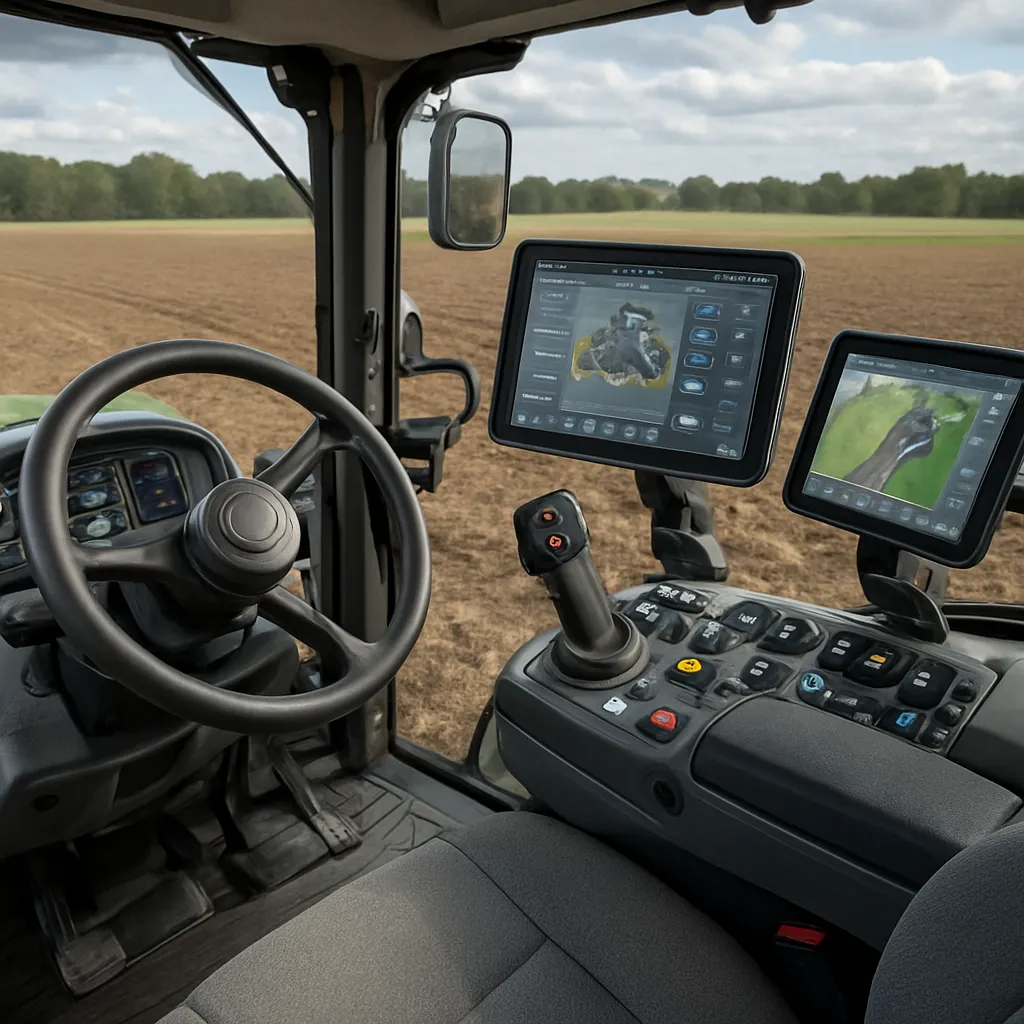
Hydraulic systems in large tractors manage everything from front loaders to rear-mounted plows. Electronic valves controlled by a dedicated Hydraulic Control Unit (HCU) adjust pressure and flow rate for implements in real time. Operators enjoy precise control over lifting forces and implement angles via in-cab joysticks, which communicate with the HCU over CAN bus networks. This integration enables complex tasks like auto-depth regulation during tillage, maximizing soil consistency and crop emergence rates.
Smart Sensors and Automation
The backbone of any advanced control system is a network of sensors. From Global Navigation Satellite System (GNSS) receivers to soil moisture probes, these devices feed live data to on-board controllers. Tractors now commonly incorporate:
- multi-frequency GNSS modules for centimeter-level positioning
- inertial measurement units (IMUs) to detect roll, pitch, and yaw
- radar and LiDAR for obstacle detection during autonomous operation
Machine learning models process this data, enabling features such as auto-guidance, boundary recognition, and obstacle avoidance. For example, when a tractor approaches a field edge, the system automatically slows down and corrects its path, minimizing overlaps and preventing crop damage. This level of precision not only saves time but also reduces input costs like seed and fertilizer.
Connectivity and Data Management
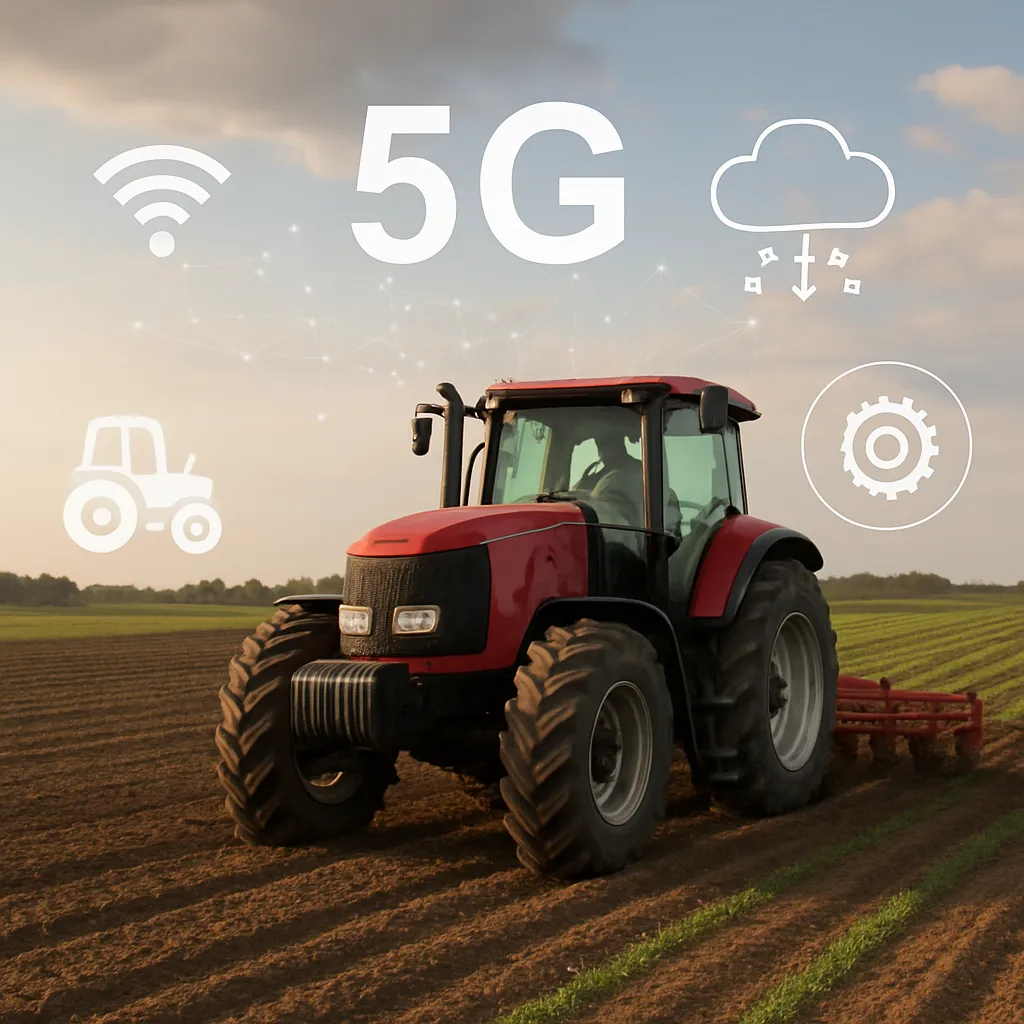
Connectivity is vital for remote monitoring and diagnostics. Most leading tractor manufacturers offer cloud-based platforms that collect performance metrics, maintenance logs, and fuel consumption data. Fleet managers can access dashboards showing real-time machine health, geofenced locations, and predictive maintenance alerts. Common features include:
- over-the-air software updates to control modules
- wireless data synchronization between tractors and farm management systems
- manual or automated region-based compliance reporting
Integrating these data streams empowers agronomists and machine operators to make informed decisions, adjust field strategies, and maximize yield while maintaining sustainability standards.
Future Trends in Tractor Control Systems
The trajectory of agricultural machinery points toward fully autonomous fleets and advanced human–machine interfaces. Research projects are testing driverless tractors equipped with swarm intelligence, where multiple units coordinate tasks collaboratively. Anticipated advancements include:
- augmented reality (AR) windshields displaying real-time telemetry
- neural network-based fault prediction with zero false positives
- integrated drone deployment for field scouting from a single control station
Emerging powertrain technologies, such as hydrogen fuel cells and hybrid-electric drivetrains, will introduce new control challenges, requiring enhanced software frameworks and fail-safe architectures. These developments will push the boundaries of autonomy and resource stewardship, shaping the next generation of Big Tractors.
Operational Safety and Human Factors
As control systems grow more complex, operator safety and ergonomics remain paramount. Modern cabs feature vibration-dampening seats, noise reduction insulation, and intuitive touchscreen interfaces. Advanced driver-assist functions include roll-over protection monitoring, fatigue detection via biometric sensors, and collision avoidance alerts. By prioritizing security and user-centered design, manufacturers ensure that operators can trust automated processes without losing situational awareness.
Integration with Precision Agriculture Practices
Precision Agriculture relies on variable-rate application of seeds, fertilizers, and chemicals to match soil variability. Big Tractors equipped with Section Control and Prescription Mapping can modulate output on the fly, guided by field-specific geo-referenced maps. Benefits include:
- up to 20% reduction in input costs
- enhanced environmental compliance through targeted application
- increased yield consistency across heterogeneous fields
These capabilities depend on robust control loops between GNSS, implement actuators, and central decision engines. The synergy between hardware and software defines the tractor’s ability to perform high-precision tasks from planting to harvest.
Conclusion on Technological Convergence
Combining high horsepower, advanced electronics, and connected services, the latest big tractors exemplify a new era of agricultural machinery. They offer unparalleled flexibility and reliability, ensuring that every hectare is worked with scientific accuracy. As digital transformation permeates farming, these control systems will continue to evolve, driving efficiency, sustainability, and profitability for growers worldwide.