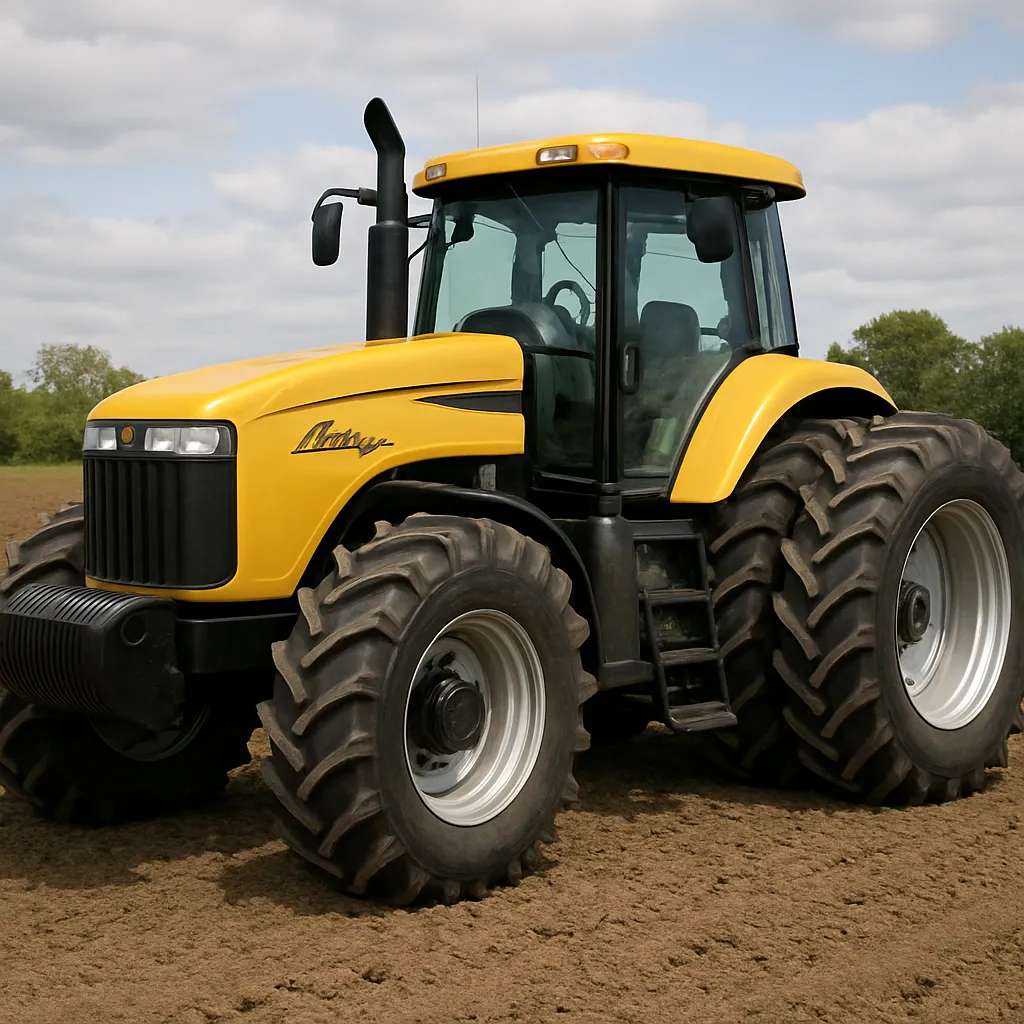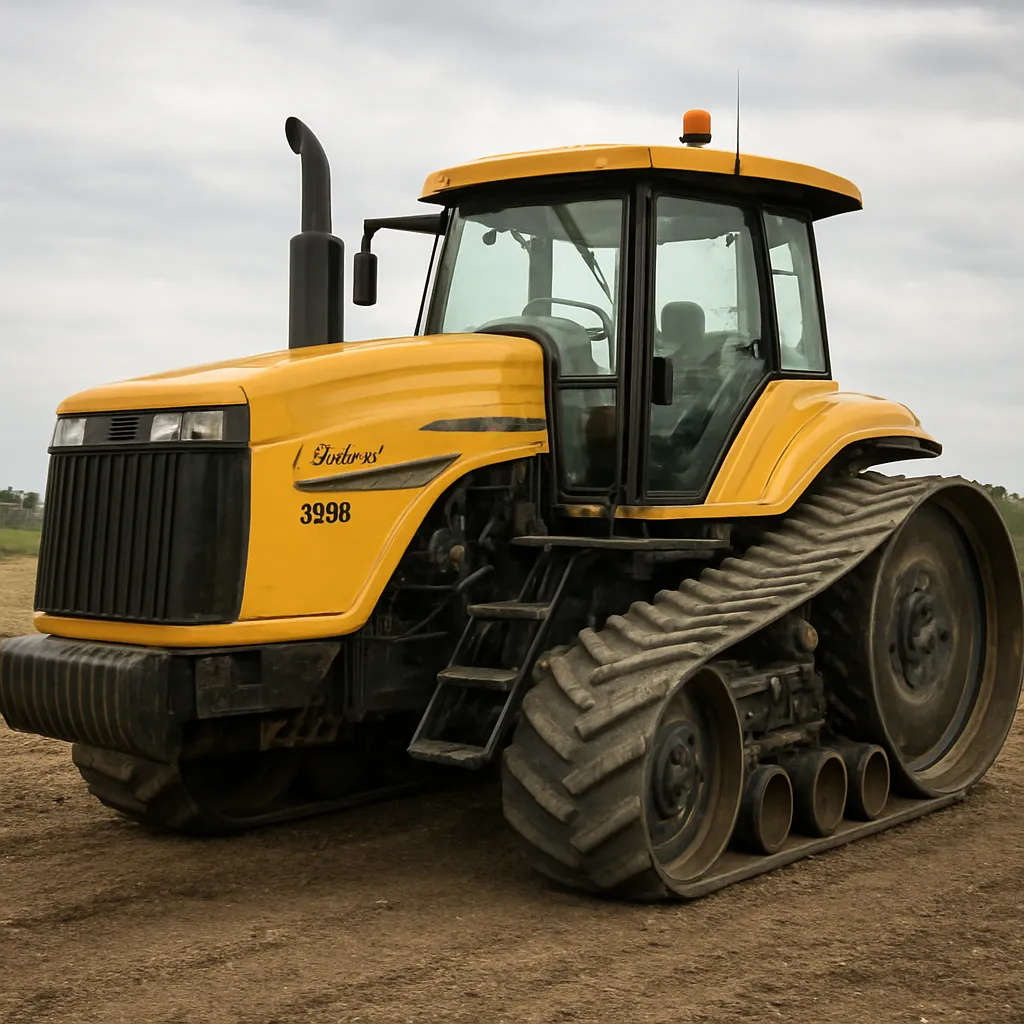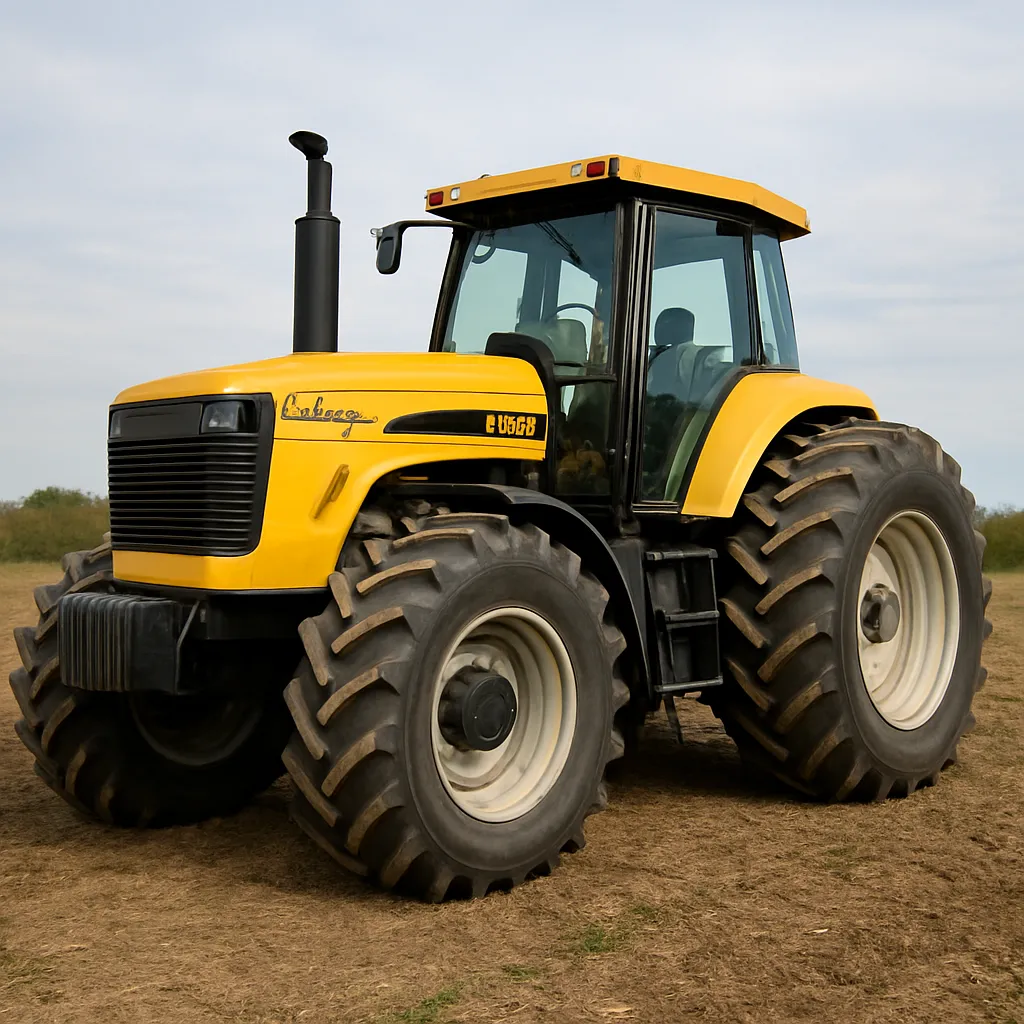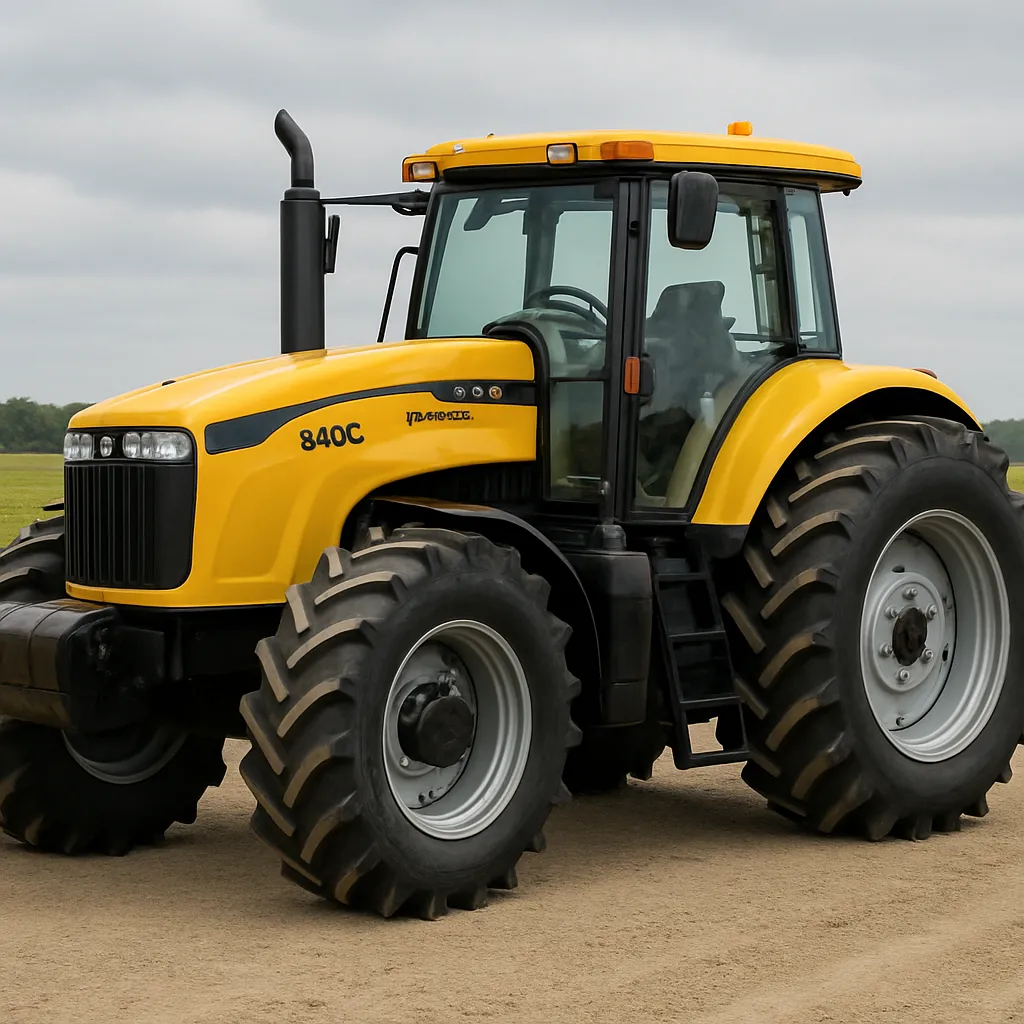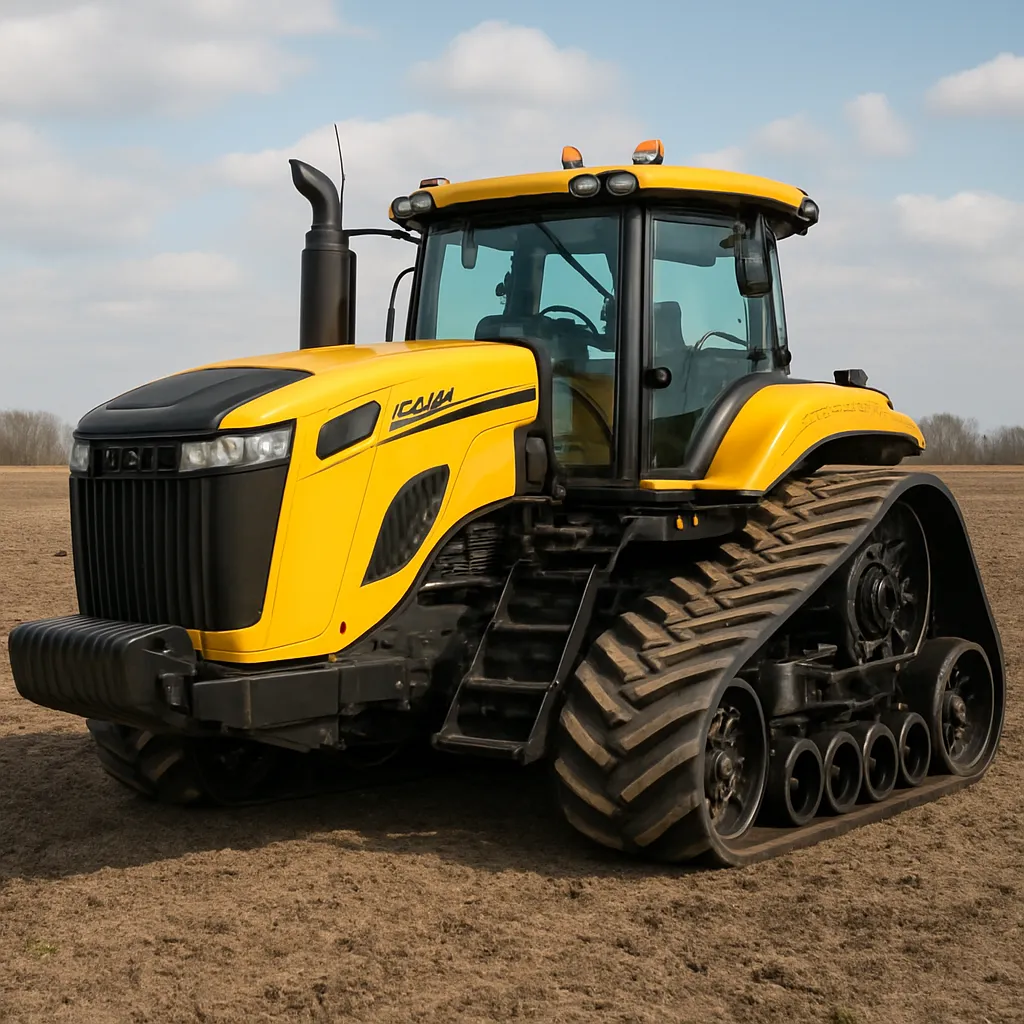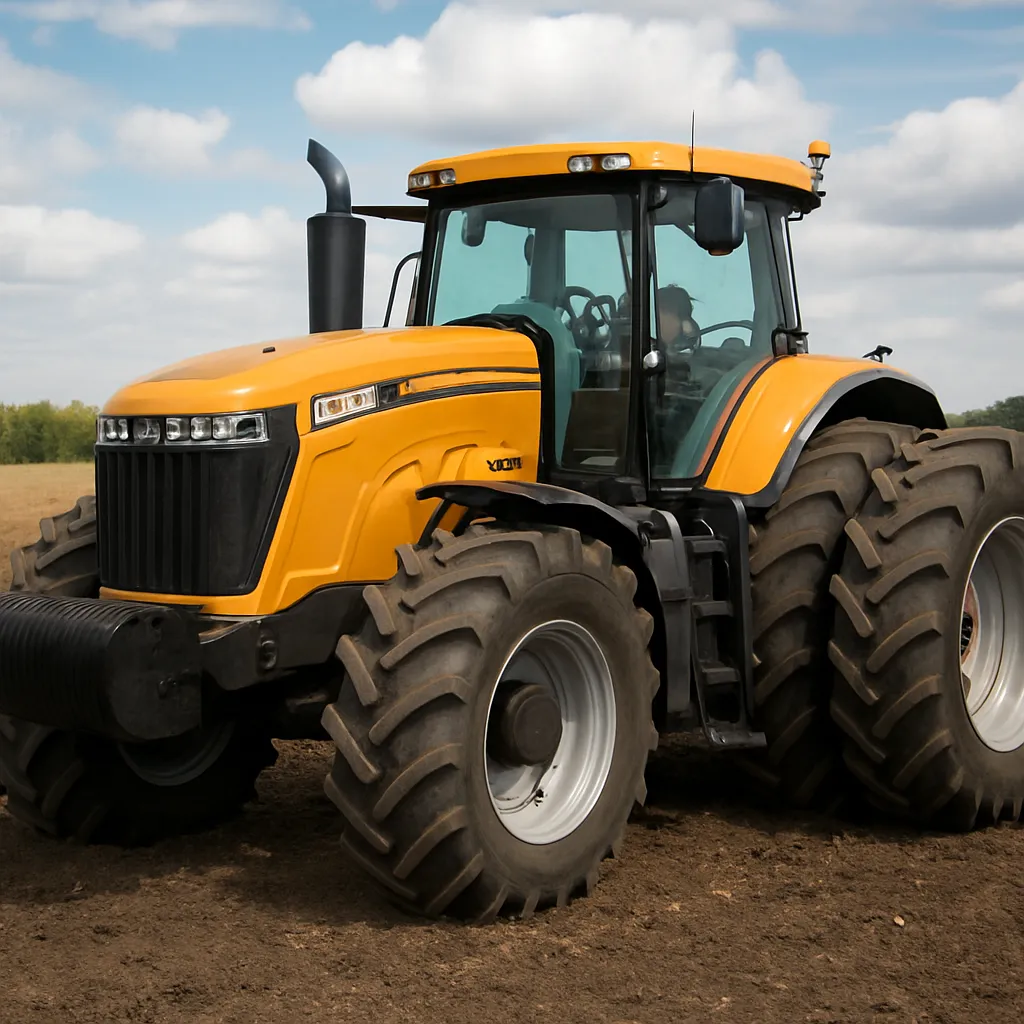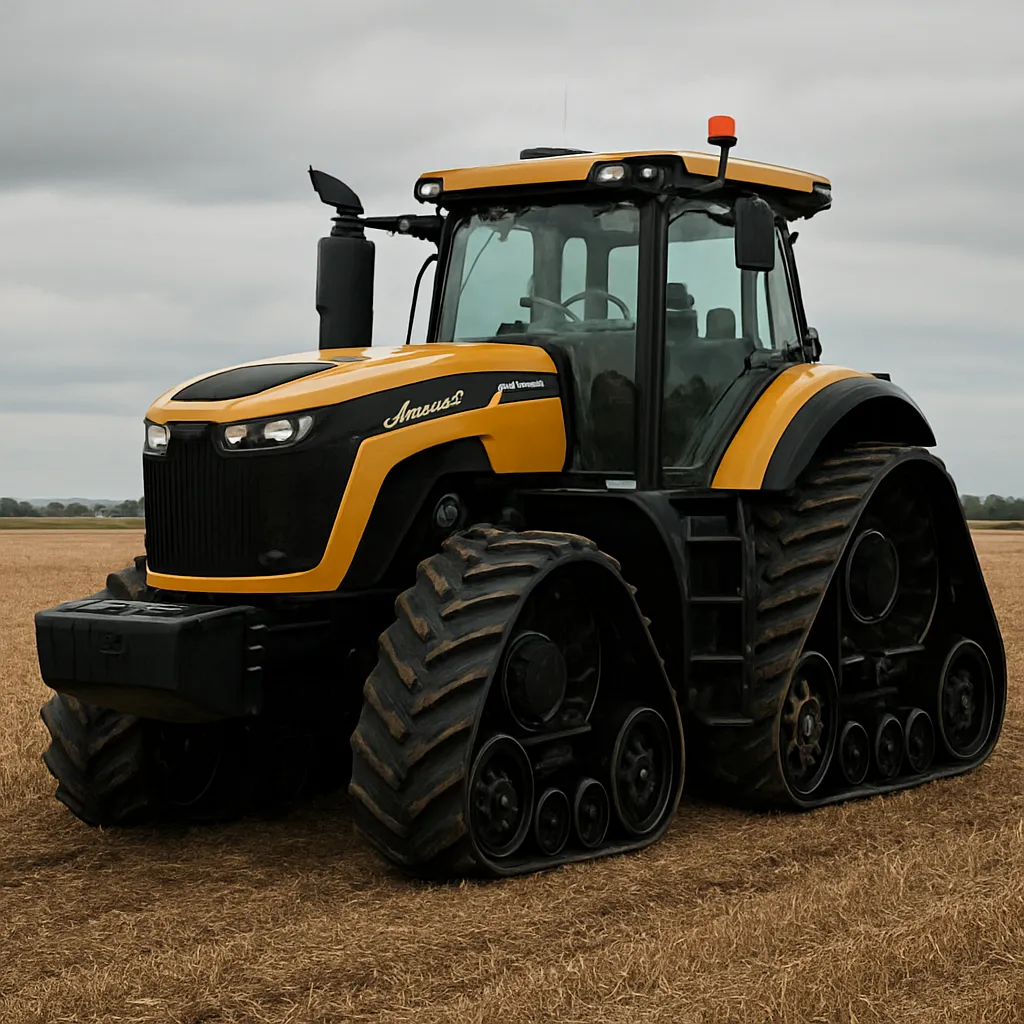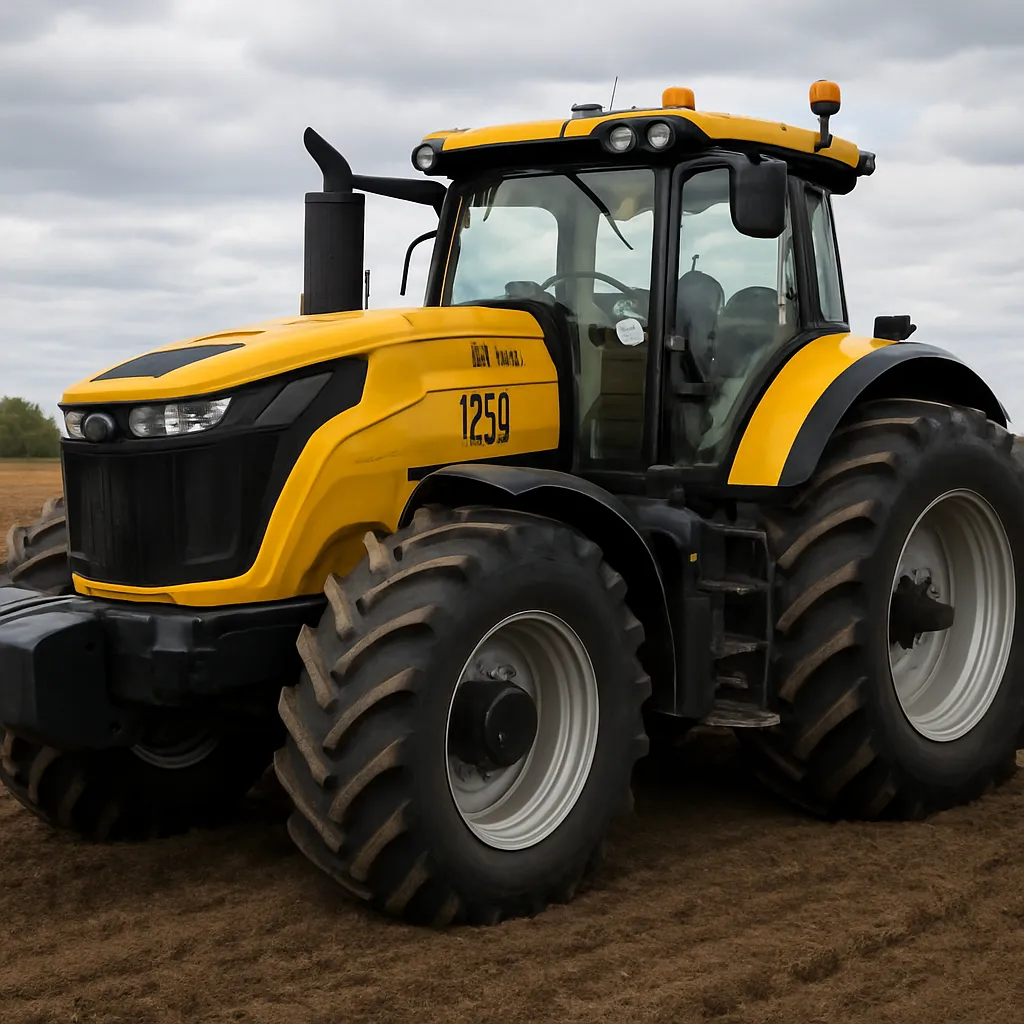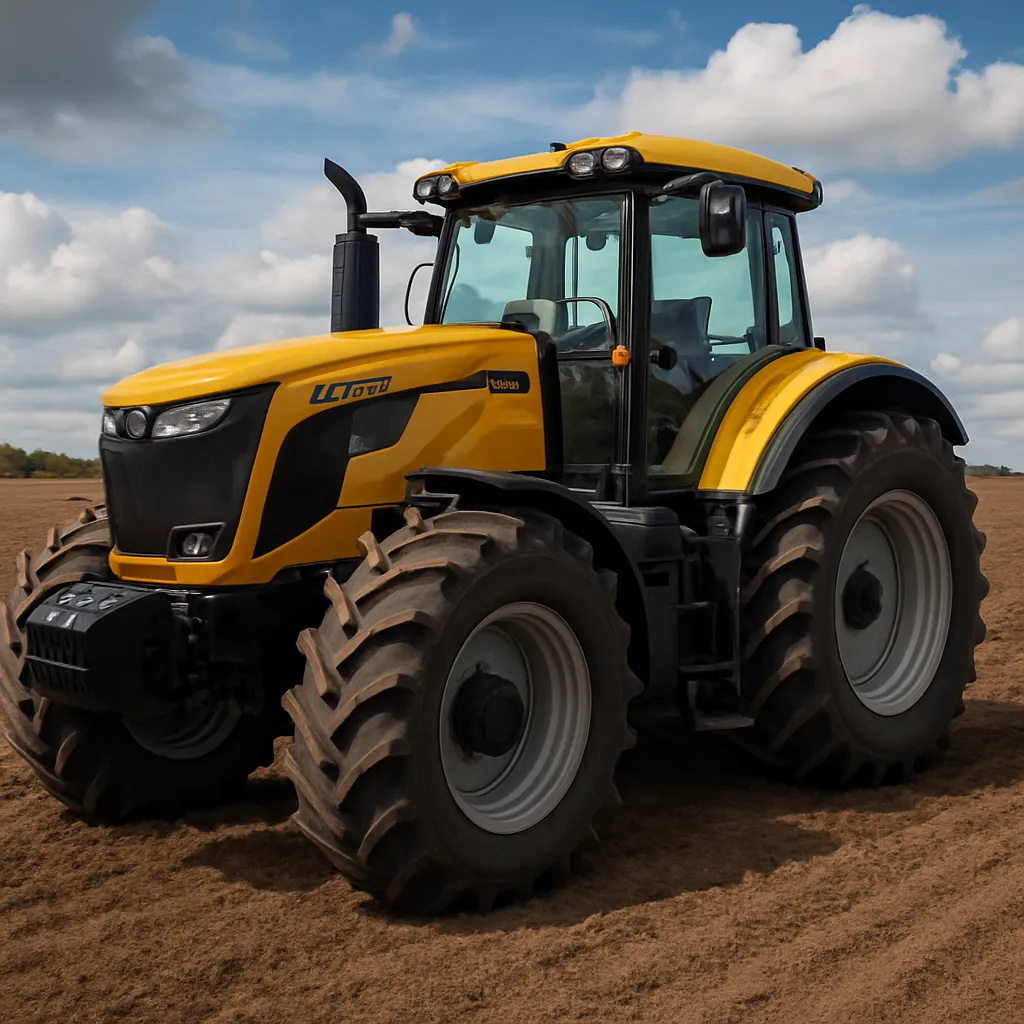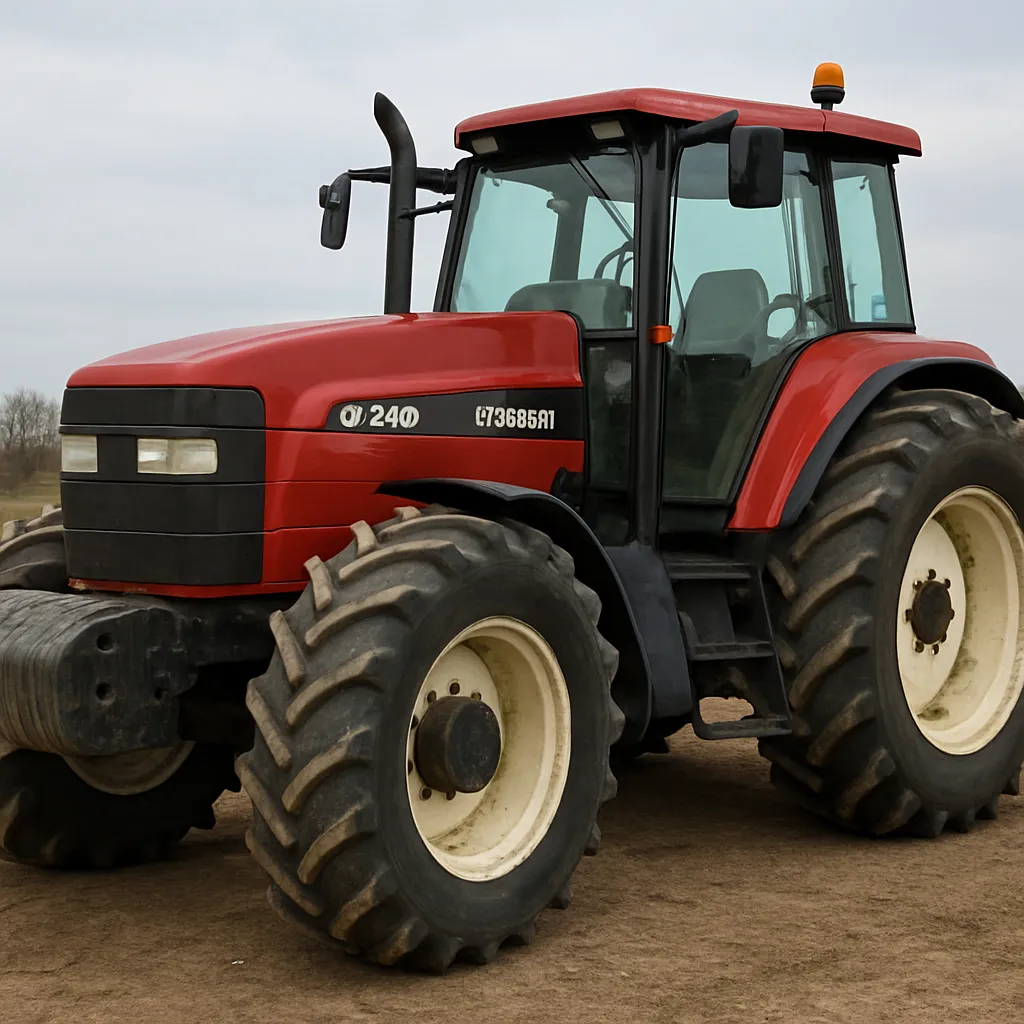
The Fiat G240 is a noteworthy example of mid- to late-20th-century agricultural machinery produced under the Fiat Trattori / Fiatagri banner. Designed to serve as a versatile workhorse on farms, small holdings and in light industrial roles, the G240 represents a blend of practical engineering, straightforward serviceability and adaptable configuration. This article explores the tractor’s history, technical features, common applications and practical advice for owners and restorers, offering context and useful information for enthusiasts and professionals alike.
Historical background and manufacturer context
The name Fiat is synonymous with a wide spectrum of vehicles and equipment, and the company’s agricultural division built tractors that served European, African and Latin American markets. The Fiat G240 emerged during a period when mechanization accelerated across many regions, and manufacturers aimed to produce machines that balanced power, simplicity and cost-effectiveness. While specific production dates and volumes for the G240 can vary by region and source, it is best understood within the lineage of Fiat’s medium-duty tractors that were intended to fill the gap between compact models and heavier, high-horsepower machines.
Fiat Trattori, later reorganized as Fiatagri and eventually becoming part of CNH Industrial, prioritized modular components and compatibility across model lines. That strategy allowed parts sharing, easier repairs and broader dealer support—advantages that helped models like the G240 remain in service for many decades. The G240 was often marketed to farmers who needed a dependable, mid-range tractor capable of handling ploughing, transport and PTO-driven implements without the complexity or cost of large, modern tractors.
Design and technical characteristics
The Fiat G240 was engineered with practicality in mind. Its design reflects the priorities of durability, accessibility and functional performance. While factory literature for specific years and regional variants can differ, several defining characteristics are commonly attributed to the model:
- Engine: The G240 typically uses a diesel unit optimized for torque and longevity rather than high-revving power. Many examples feature an inline four-cylinder configuration with a mechanical injection pump. This kind of engine favors easy serviceability and reliable low-end pull—critical traits for implements like ploughs and loaders.
- Horsepower: Reported power for similar midsize Fiat models sits in a modest range. For practical planning, expect the G240 to deliver performance appropriate for medium-duty agricultural tasks. Exact figures can vary by year and market; many tractors in this class range roughly between 60 and 100 horsepower depending on configuration.
- Transmission: A synchronized geartrain with multiple forward and reverse speeds is common, often including a power shuttle or range gearbox in later or upgraded variants. Robust gear cases and straightforward shifting patterns make the tractor comfortable for fieldwork and road travel.
- PTO and hydraulics: The G240 is typically equipped with a rear power take-off (PTO) at standard speeds (for example, 540 rpm), with optional configurations for multiple PTO speeds in some markets. A simple but effective hydraulic system powers three-point linkage and auxiliary functions suitable for a wide array of implements.
- Chassis and axles: Built on a sturdy frame with either two-wheel drive or optional four-wheel drive, the G240 provides stability and traction for uneven terrain. Hydraulic differential locks or limited-slip solutions are often used to improve field performance.
Overall, the focus is on tried-and-tested mechanical systems rather than electronic complexity. That design philosophy contributes to the model’s reputation for ease of maintenance and long service life in varied environments.
Primary applications and typical uses
The Fiat G240’s adaptability makes it suitable for a broad range of tasks. Farmers, contractors and municipal operators have used tractors of this class for:
- Arable farming operations such as ploughing, harrowing, seeding and cultivating
- Baling and haymaking with mowers, tedders and balers connected to the PTO and three-point linkage
- Transport duties using a trailer for grain, fertilizer, wood or general goods
- Loader work—moving feed, manure, gravel and other bulk materials with front loaders
- Orchard and vineyard support when fitted with narrower tyres or specific protective cabs/guards
- Municipal and groundskeeping tasks, including mowing large grass areas, clearing snow with blades and light earthmoving operations
The combination of a robust drivetrain and accessible hydraulics allows the G240 to accept a wide variety of implements, which is why it has been popular with mixed farms and small contractors who need one machine that can perform many roles.
Performance, fuel economy and operational considerations
Performance of the Fiat G240 is characterized by strong low-speed torque rather than high top-end power. This makes it effective for draft work where steady pulling force is crucial. Actual fuel consumption depends on load, terrain and tuning, but diesel tractors in this class typically achieve reasonable efficiency for their era—often acceptable for daily farm operations. Key operational points include:
- Steady idling and correct injection timing help optimize fuel use and reduce smoke
- Maintaining proper tyre pressure and using the correct gear for the task minimizes fuel waste
- Regular maintenance of the air filter, fuel filter and injectors preserves efficiency and responsiveness
Because detailed manufacturer figures for the G240 may differ between markets, owners often rely on community-shared figures and real-world experience to estimate typical fuel use and field output. For planning purposes, treat published consumption rates as indicative rather than exact.
Maintenance, common issues and longevity
One of the G240’s strongest attributes is its relative simplicity and the ease with which owners can perform basic service. Common maintenance tasks include oil and filter changes, valve adjustments, hydraulic fluid and filter service, clutch inspection and transmission oil checks. Frequent checks of hoses, belts and electrical connections will reduce the risk of downtime.
Common wear points observed in tractors of this era and class are:
- Clutch wear, especially in machines used heavily for loader work or frequent transport duties
- Hydraulic pump wear and leaks around seals and connections
- Fuel system deposits if low-quality fuel or long storage periods occur
- Electrical system deterioration—corrosion of terminals and aged wiring
With attentive maintenance and timely replacement of wear components, a G240 can remain in productive service for decades. Spare parts availability varies by country; however, many mechanical components are robust and interchangeable with other Fiat/Fiatagri parts of the same period, which helps owners keep machines running.
Variants, modifications and modern upgrades
As with many agricultural tractors, regional variants and owner modifications are common. Dealers sometimes offered factory options like cab installation, air conditioning, different tyre sizes, front-end loaders and auxiliary hydraulics. Enthusiasts and small contractors have retrofitted modern electronics, improved seating, upgraded lighting and additional safety features to extend the usefulness of older tractors.
Popular upgrades include:
- Retrofit cabs or roll-over protection structures (ROPS) for improved operator safety
- Aftermarket hydraulic kits for more versatile implement control
- Modern lighting packages for night or low-visibility operations
- Electrical system overhauls if additional accessories or modern instrumentation are fitted
Such upgrades can significantly enhance operator comfort, safety and productivity while preserving the core mechanical advantages of the tractor.
Market presence, collector interest and resale
The Fiat G240 and comparable models have retained a following among collectors, hobby farmers and small contractors. Factors that influence market value and interest include condition, documented service history, presence of original components and rarity in a particular region. Well-maintained examples of historic Fiat tractors can command premiums among enthusiasts due to the brand’s legacy and the machines’ practical utility.
Resale value tends to reflect supply and demand in local markets. In regions where parts and service networks are strong, older Fiat tractors remain particularly desirable because they can be kept operational with reasonable effort. Collectors also value originality: preserved paintwork, original badges and factory-installed options can increase appeal at sale or auction.
Practical advice for buyers and owners
Prospective buyers should assess any used G240 with attention to:
- Service records and evidence of regular maintenance
- Compression test results or signs of smoke on startup—indicators of the engine’s internal condition
- Transmission and gearbox function under load, looking for slipping, noise or delayed engagement
- Hydraulic performance and presence of leaks
- Structural integrity of the chassis, loader mounts and three-point linkage
For owners, building relationships with specialist mechanics and sourcing common consumables in advance reduces downtime. Joining online forums and owner clubs can provide practical tips, sourcing leads for parts and peer support for repairs and restorations.
Environmental and regulatory considerations
Older tractor models like the G240 were designed before modern emissions regulations. As a result, they may not meet present-day standards in some jurisdictions. Owners should be aware of local rules regarding emissions, noise and use of agricultural vehicles on public roads. Practical responses include proper tuning to minimize smoke and particulate matter, and in some cases retrofitting particulate reduction devices or participating in programs that allow older equipment limited use under specified conditions.
Summary and concluding observations
The Fiat G240 remains an emblematic example of a mid-range agricultural machine that emphasizes durability, simplicity and adaptability. While exact technical specifications and production data can vary by market, the tractor’s overall profile—dependable diesel engine, manageable horsepower for medium-duty tasks, practical transmission and accessible hydraulics—makes it a sensible choice for mixed farms, contractors and restoration enthusiasts. The model’s strengths in maintenance friendliness and proven reliability contribute to its continued presence on farms and in collections.
Whether used as a daily workhorse, a restored showpiece or a platform for modernization, the Fiat G240 offers a combination of historical value and practical utility. Its continued use reflects the enduring demand for machines that are straightforward to service, flexible in function, and robust enough to handle decades of hard work. For anyone considering acquisition or restoration, careful inspection, an eye for common wear items and connection with the Fiat tractor community will be valuable steps toward successful ownership.