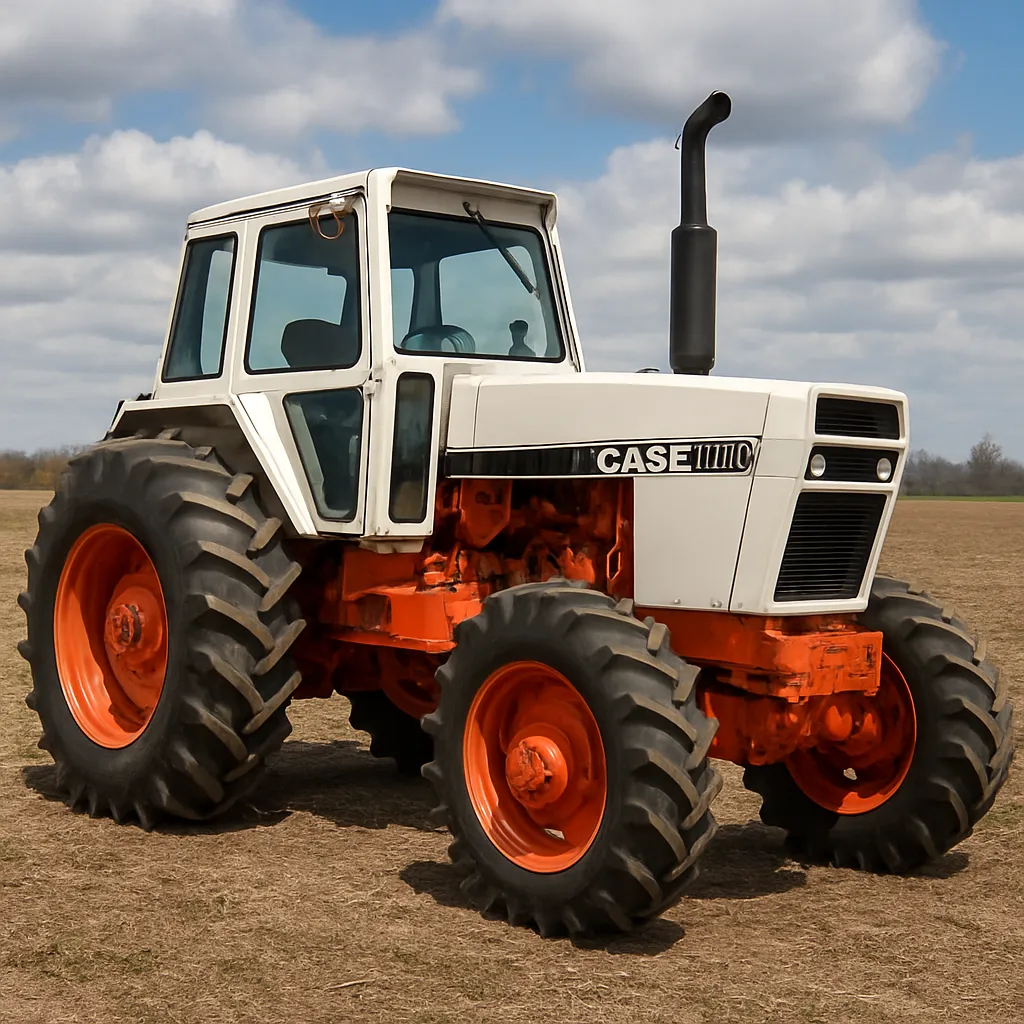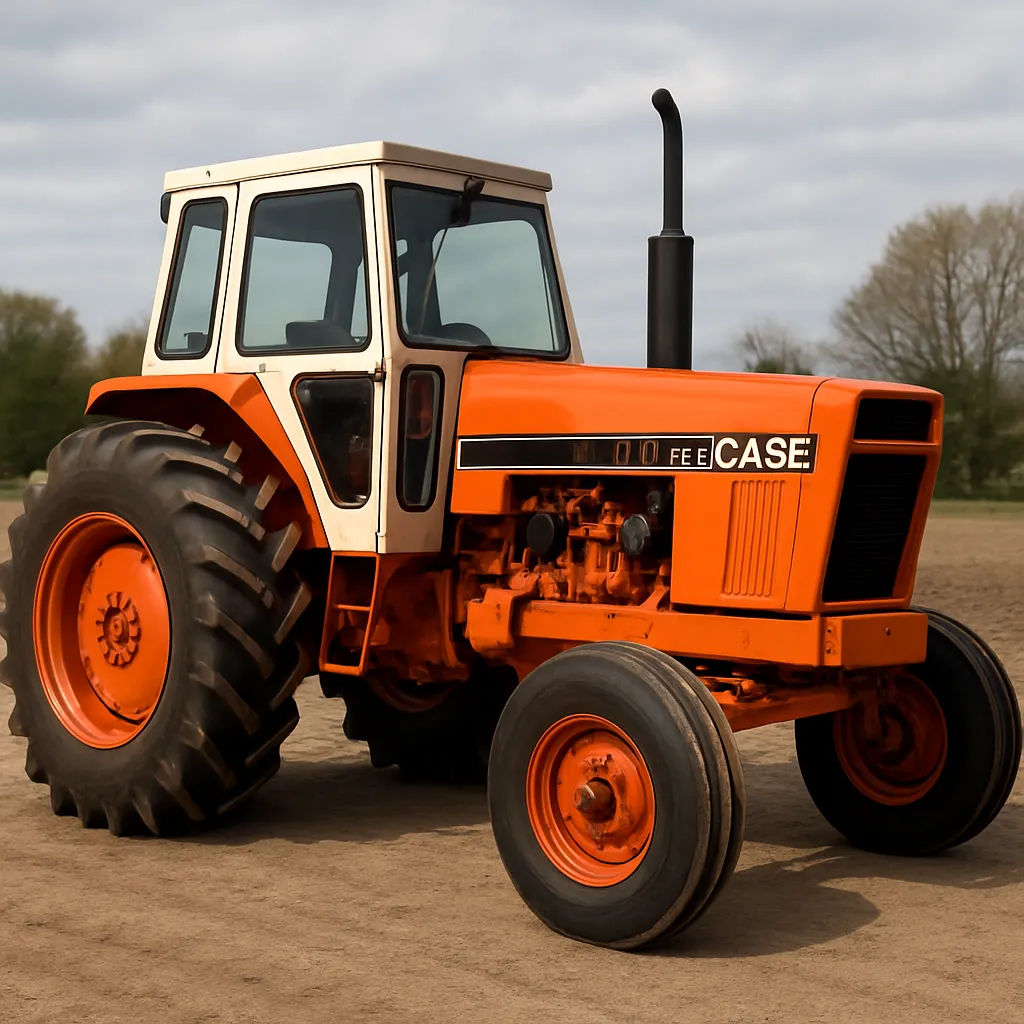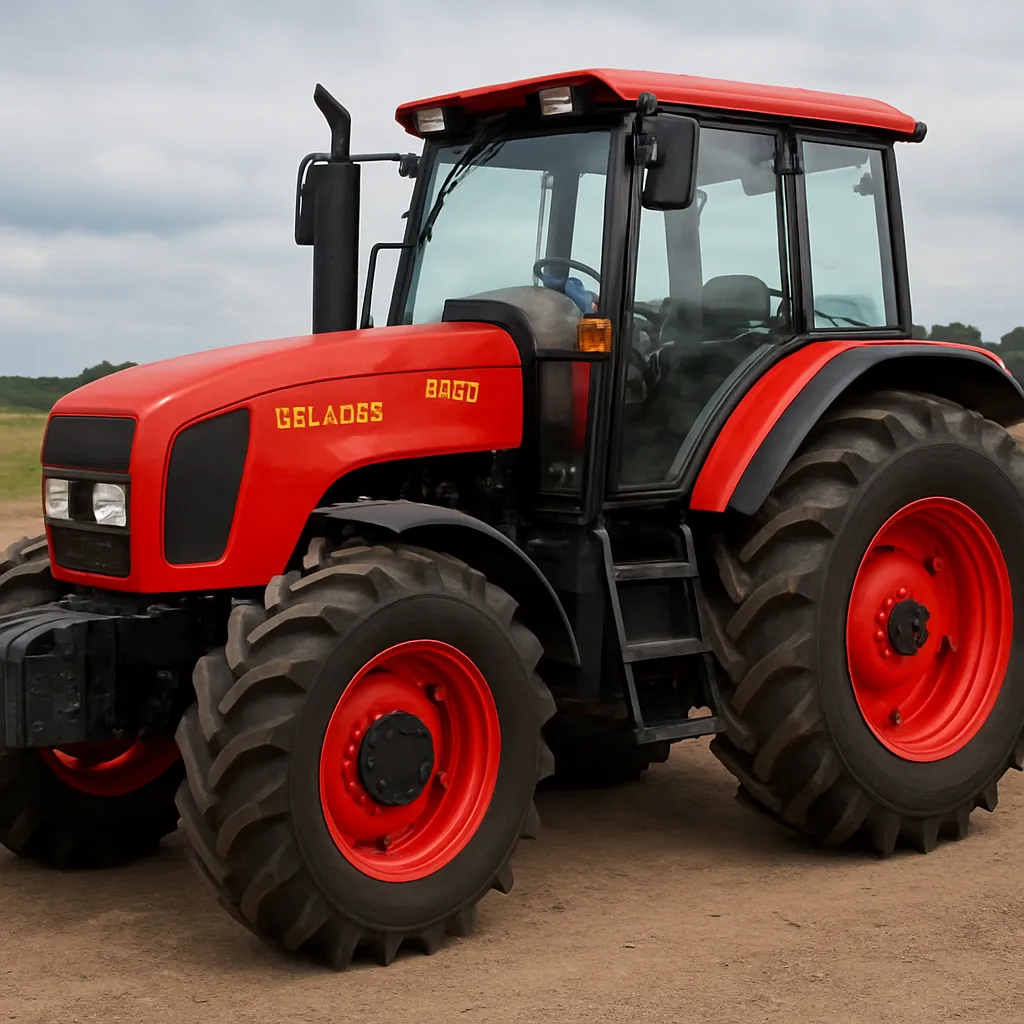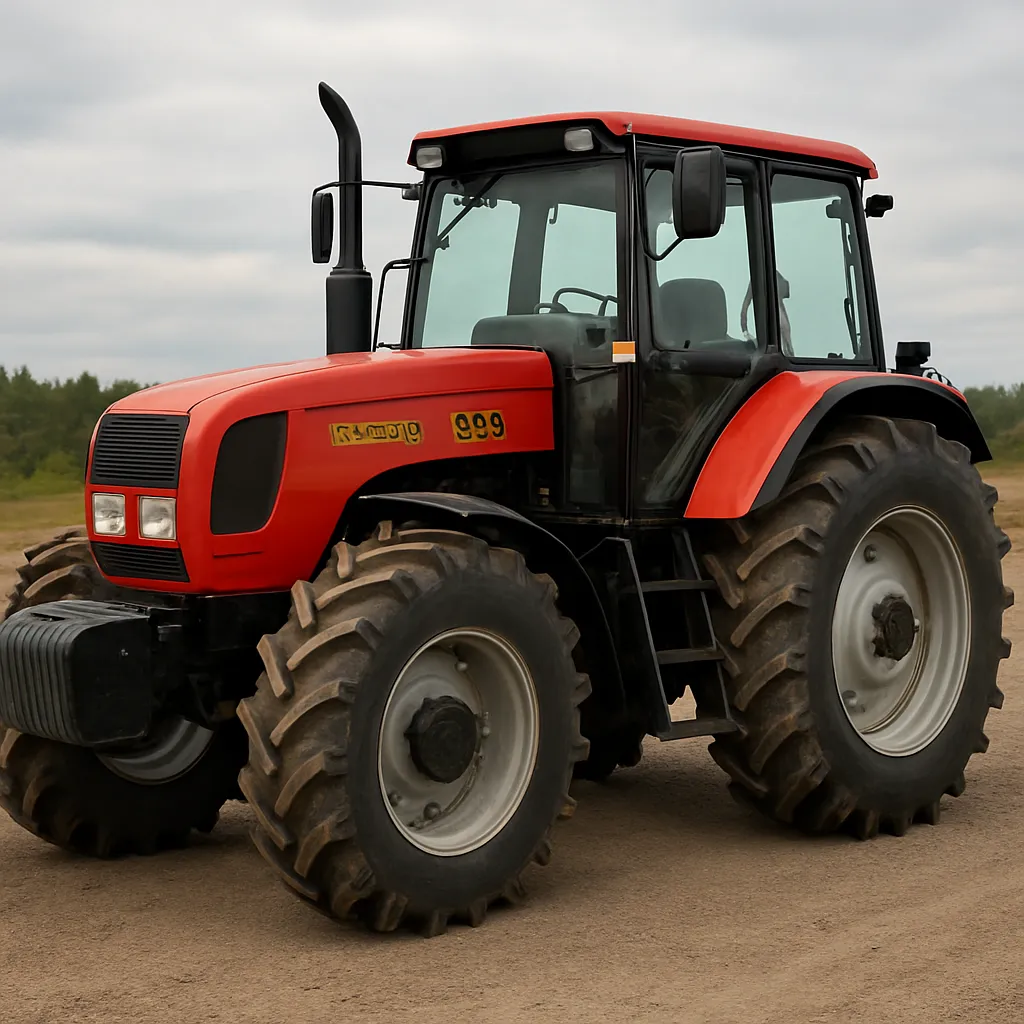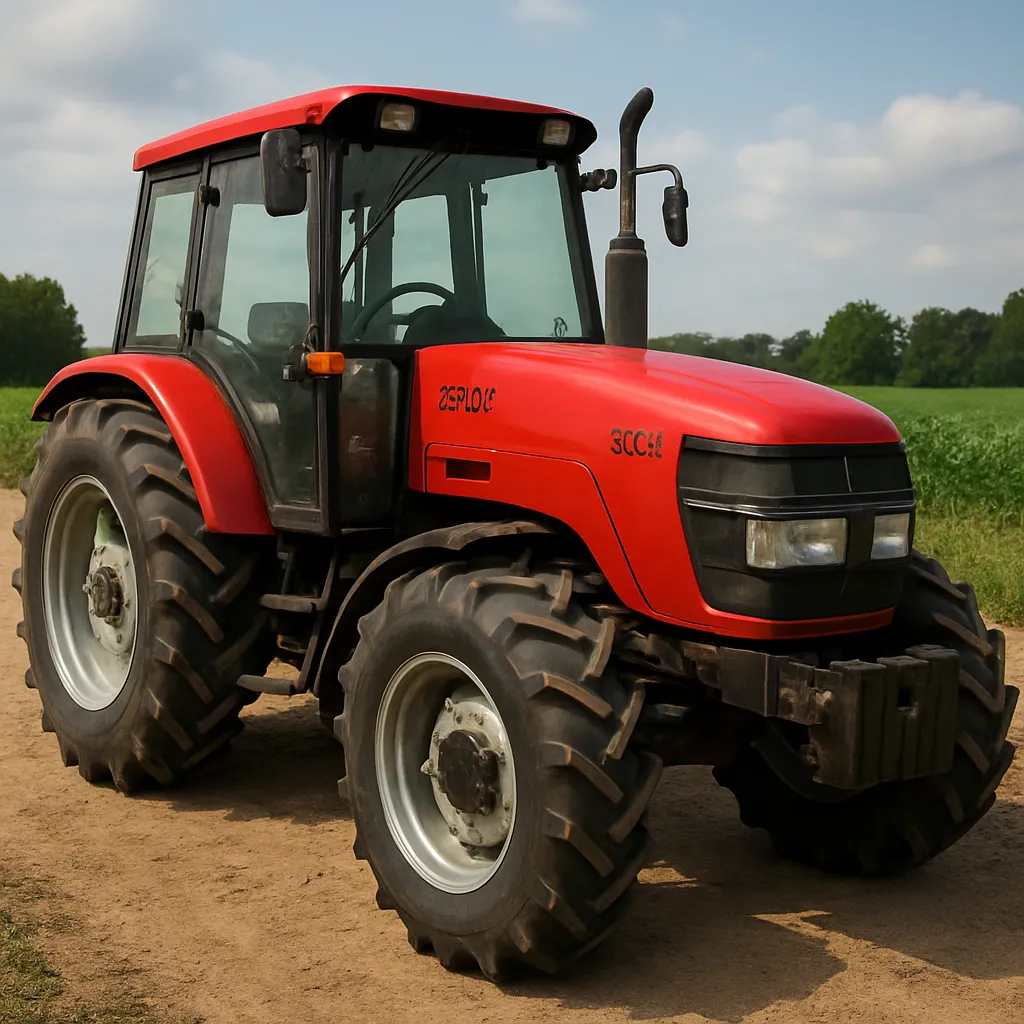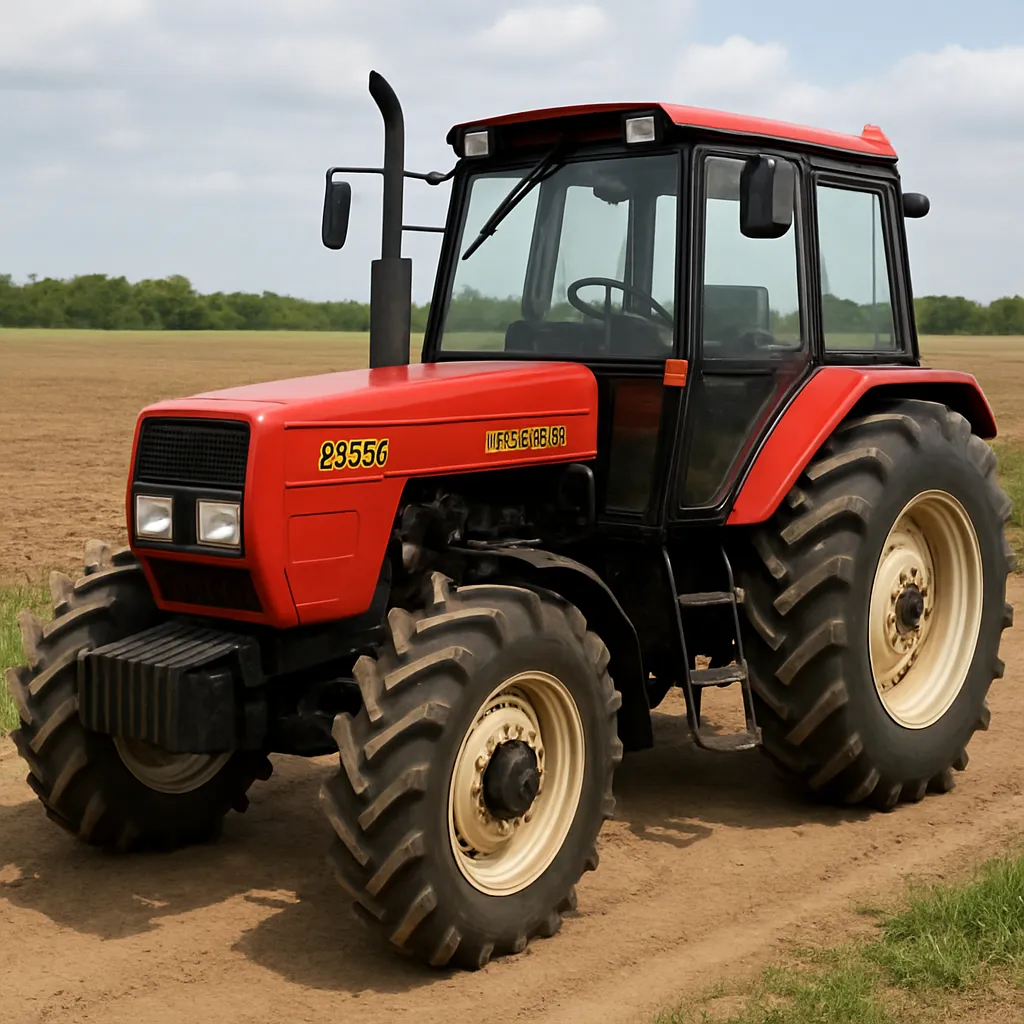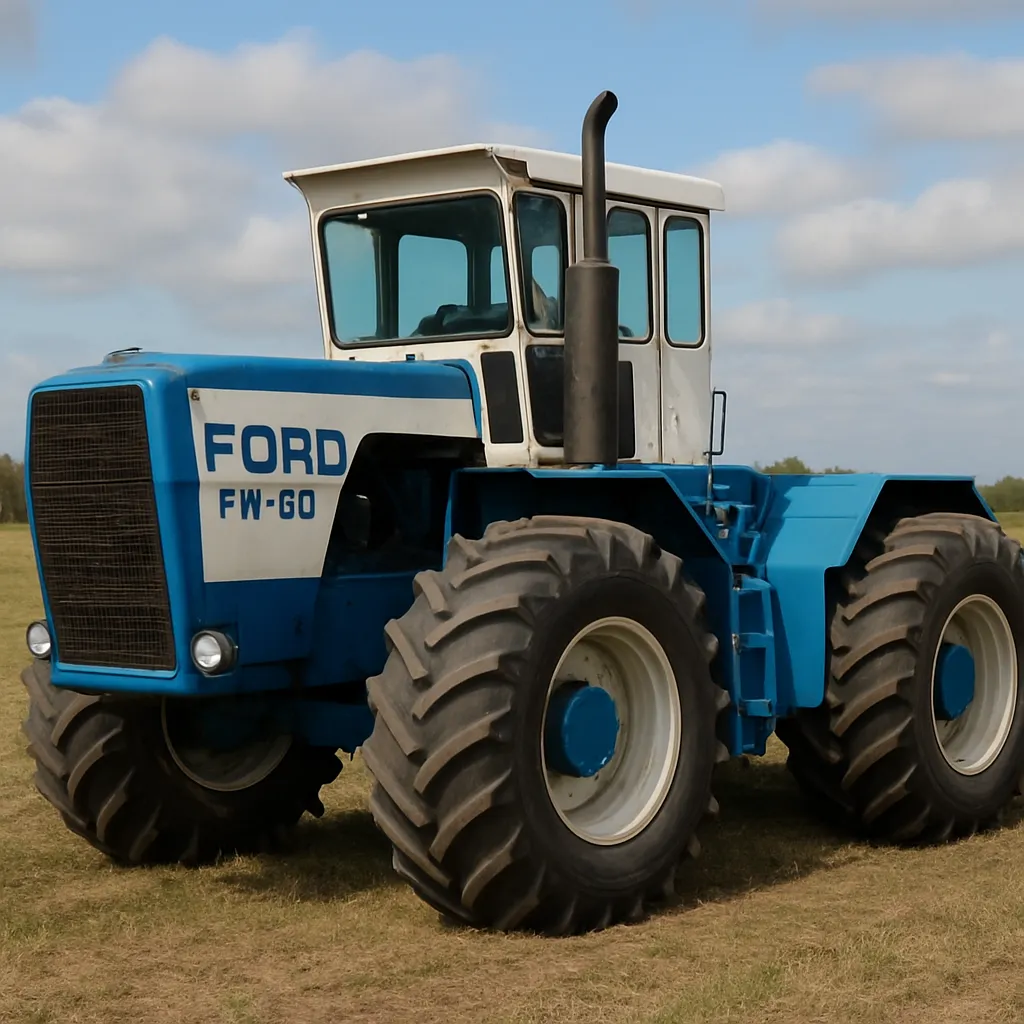
The Ford FW-60 is a name that evokes practicality, mid-range power and adaptability in agricultural machinery. Although not as universally recognized as some other Ford tractor lines, the FW-60 represents a class of machines designed to bridge the gap between light utility tractors and heavy row-crop or industrial units. This article explores the FW-60 from multiple angles: its technical design and likely specifications, everyday and specialized applications, maintenance and ownership considerations, historical context and market presence, and interesting facts for enthusiasts and operators. Wherever possible, estimates and typical figures are given with clear caveats where official, model-specific data are scarce or vary by market and year.
Design and technical characteristics
The Ford FW-60 was conceived for users needing a robust, mid-powered tractor suitable for a wide range of tasks. Its design priorities typically include a reliable engine, practical transmission choices, effective hydraulics for implements, and a durable chassis. Exact specifications can vary by country, year and optional packages, but some general characteristics apply to tractors in this class.
Engine and powertrain
- Horsepower: The designation FW-60 often implies a tractor rated in the neighborhood of 55–70 drawbar or PTO horsepower, depending on engine tuning and market measurement standards. For many mid-range tractors of the era and class, the engine’s rated power typically falls around 60 horsepower at the PTO, which provides a balance between fuel economy and working capability.
- Type: FW-60 variants may be equipped with naturally aspirated four-cylinder diesel engines, though gasoline variants or diesel derivatives tuned for different emissions rules could exist in some markets. Diesel engines are preferred in agricultural contexts for their torque characteristics and fuel economy.
- Cooling and aspiration: Simple water-cooled designs with mechanical injection or indirect injection systems are common; turbocharged versions may be available in later or upgraded variants to provide better high-altitude or heavy-load performance.
Transmission and driveline
- Gearboxes are typically available in multiple speed configurations—often 8-forward/2-reverse or 12-forward/4-reverse in upgraded versions—and may offer a mix of H-pattern manual gears with optional partial synchronized ranges for easier shifting.
- Power take-off (PTO) options normally include a rear PTO standardized at 540 RPM, and possibly selectable 1000 RPM for implements requiring higher speeds. The presence of a live PTO is often a selling point for flexibility when using mounted implements.
- Four-wheel drive (4WD) or two-wheel drive (2WD) options: Many FW-60-like tractors were offered in both configurations, with 4WD providing better traction for heavy tillage, muddy conditions and loaders.
Hydraulics, three-point hitch and lifting capacity
- Hydraulic systems for mid-range tractors typically include a gear or vane pump with a flow rate ranging from moderate to adequate for most implements. Rated hydraulic flow and pressure can dictate how well the tractor handles front loaders, multiple remotes and hydraulically driven implements.
- The three-point hitch (CAT II in many markets) should provide a useful lift capacity, often in the range of 1,500–3,000 kg at the lift points depending on whether the tractor is 2WD or 4WD and on specific hydraulic equipment.
- Auxiliary remote valves: One or two spool valves are common, enabling quick hookups for loaders, balers, mowers and other hydraulically actuated attachments.
Chassis, weight and dimensions
- Operating weight: For this class the operating weight will typically be around 2,500–3,500 kg (dry) with variations due to tire choice, ballast and optional weights. Heavier configurations with 4WD and front-end loaders can be significantly heavier.
- Axles and brakes: Robust rear axles with drum brakes and differential lock options are typical; front axles designed for steering loads and optional front-wheel weights or ballast for improved stability are common.
- Comfort and ergonomics: Cab or open-station versions may be available. Cab-equipped FW-60 models would usually offer climate control, sound insulation and improved visibility compared to open-platform designs.
Typical applications and fields of use
The real value of a tractor like the FW-60 is its versatility. Farmers, contractors and municipal operators turn to mid-sized tractors for tasks that are too demanding for a small utility tractor but do not require the heavy footprint and expense of a large agricultural machine. The FW-60 fits a wide spectrum of roles.
Primary agricultural tasks
- Ploughing and primary tillage: With sufficient drawbar power and traction—especially in 4WD—this class can handle two- and three-bottom ploughs or medium-sized discs on many soil types.
- Secondary tillage and seedbed preparation: Harrows, cultivators and rotary tillers can be driven efficiently using the tractor’s PTO and three-point hitch.
- Seeding, fertilizing and planting: When paired with medium-sized planters and spreaders, an FW-60-class tractor covers most field sizes effectively.
- Hay and forage: Mowing, conditioning, raking and baling operations benefit from reliable PTO output and hydraulic control for baler pick-ups and tie mechanisms.
Livestock and mixed-farm operations
- Feeding and manure handling: Loader-equipped tractors in this category are ideal for moving feed, bedding and managing manure with bucket or fork attachments.
- Transport: Trailer hauling, moving feedstuffs and general farm logistics suit mid-range tractors that balance fuel economy with payload capability.
Contracting, landscaping and municipal work
- Loader operations: With the right loader and hydraulic flow, these tractors are widely used for earthmoving, loading, pallet handling and material movement on construction and landscaping jobs.
- Mowing and verge maintenance: Flail mowers, rotary mowers and boom mowers for roadside and municipal maintenance are common implement pairings.
- Snow removal and winter work: Plows and snow blowers can be mounted for winter road clearing, especially when customers choose 4WD and front weights for stability.
Specialized applications
- Vineyards and orchards: While specialized narrow tractors are normally preferred, some FW-60 variants can be adapted for orchard work, particularly if orchards are more open and wider row spacing is used.
- Forestry and off-road jobs: With protective guards, forestry tires and winches, this class can serve light forestry tasks and skid operations in rugged conditions.
Operation, maintenance and reliability
Owning and operating an FW-60-class tractor requires attention to routine care and an understanding of practical maintenance that prolongs machine life and ensures consistent performance. The model’s long-term reputation often hinges on a few key features: robust engine architecture, simple but serviceable hydraulics, and ease of access for routine checks.
Routine maintenance tasks
- Engine oil and filter changes at recommended intervals are essential to maintain the engine‘s longevity. Clean fuel filters and regular fuel-system checks prevent clogging and injector problems on diesel variants.
- Air filter inspection and replacement under dusty conditions protect the combustion chamber and turbo (if fitted).
- Transmission and final drive oil changes: Keeping the gearbox and differentials serviced prevents premature wear, particularly when working in heavy-load applications.
- Hydraulic system care: Filter replacements and periodic checks for leaks preserve pump life and ensure consistent implement performance.
- Tire maintenance and wheel alignment: Proper inflation and wheel balance reduce fuel use and extend tire life, critical for field traction and road transport.
Common upgrades and operator comforts
- Aftermarket cabs, improved seats and sound insulation are popular among owners who spend long hours on the tractor.
- Front loaders, quick-attach systems and additional remote valves increase versatility.
- GPS/autosteer retrofits and modern monitor systems for guidance and yield mapping are increasingly available for older tractors, enabling precision agriculture techniques.
Reliability and long-term ownership
Tractors like the FW-60 are often prized for their durability and straightforward mechanical design. Operators value ease of repair and parts availability. Key considerations for prospective buyers or restorers include:
- Availability of spare parts and aftermarket support in their region.
- Whether the unit has been kept up to date with basic maintenance and whether major components (engine, transmission, axle) have been overhauled.
- Records of previous use—heavy contractor work may suggest higher stress and wear than careful mixed-farm use.
Historical context, market presence and variants
The FW-60 sits within a broader family of Ford agricultural equipment that has been marketed under different model codes and trademarks across regions. Ford’s tractor business has a long history of regional adaptations, local production and model rebadging, which makes tracing exact production counts and variant lists a challenge without manufacturer archives.
Market positioning
- Positioned as a mid-range workhorse, the FW-60 competes with similar tractors from brands such as Massey Ferguson, John Deere, New Holland and Belarus in various markets. Buyers choose the model class for a mix of power, cost-effectiveness and adaptability.
- Its popularity depends heavily on local dealer support and parts networks; in regions where Ford agricultural equipment has strong representation, such tractors secure better resale value and longer on-field life.
Variants and optional equipment
- Open-station (ROPS) versions for warmer climates and cabbed versions for cold-weather operations are common variant branches.
- Loader-ready models, orchard trims, industrial-specialized frames and narrow-track adaptations demonstrate the platform’s flexibility.
- Fuel tank sizes, PTO options and hydraulic capacities can differ by trim level or market packaging, giving buyers choices tailored to specific operational needs.
Production and statistical notes
Specific production numbers and global sales figures for the FW-60 are not always publicly aggregated, especially when model designations differ between markets or when manufacturers rebadge units. Some general points:
- Mid-range tractors similar to the FW-60 were among the workhorses of mixed farms worldwide from the latter half of the 20th century through the early 21st century.
- Estimated operating lifespans for well-maintained units often exceed several tens of thousands of engine hours; it is not unusual to see reputable tractors in the class pass 10,000–20,000 hours with proper refurbishment and maintenance.
- Resale and collector interest depend on local nostalgia, parts availability and the presence of active owner communities. In many regions, older Ford tractors retain strong resale value due to simple mechanics and availability of repair knowledge.
Ownership tips, restoration and community resources
For anyone considering purchasing, restoring or operating an FW-60-type tractor, a combination of practical inspection and community engagement yields the best results. Older tractors reward owners who are proactive about preventive maintenance and who tap into owner networks for parts and advice.
Pre-purchase checklist
- Service history: Verify oil change intervals, major repairs and whether the tractor has had rebuilds (engine, transmission, hydraulics).
- Check for leaks: Oil, hydraulic fluid and coolant leaks can indicate seals or gasket needs that are sometimes costly.
- Inspect wear items: Clutch condition, brake effectiveness, tire tread and wheel bearings should be assessed.
- Try a working test: A running test under load (lifting implements, engaging PTO) will reveal clutch slip, overheating, smoke characteristics and hydraulic responsiveness.
Restoration and parts sourcing
- Original manuals, parts catalogs and exploded diagrams are invaluable for restoration. Many owner clubs and online repositories digitize these resources.
- Aftermarket suppliers often make filter kits, seal kits and common wear components for popular Ford models; cross-referencing part numbers can save time and money.
- When restoring for display, original paint schemes and badging are key to collector value, whereas functional restorations prioritize reliability and safety upgrades.
Communities and learning resources
- Owner clubs and online forums dedicated to Ford and Fordson tractors provide troubleshooting tips, sourcing help and community events such as ploughing matches and shows.
- Local agricultural colleges, extension services and machinery workshops can offer training in hydraulic systems, diesel maintenance and safety practices relevant to FW-60 owners.
Interesting facts and concluding observations
The FW-60 epitomizes the mid-range tractor ideal: powerful enough for substantial fieldwork but compact and economical enough for small-to-medium farms, contractors and municipal fleets. Its real-world value lies not only in raw power but in accessibility—straightforward mechanical systems that a competent mechanic or owner can maintain without highly specialized tools.
- Versatility: Whether hauling, ploughing, loading, mowing or towing, the FW-60 and its peers adapt to a wide implement ecosystem.
- Longevity: With correct maintenance, many units remain useful for decades, which is a key reason they remain part of secondary markets.
- Upgrade-friendly: Modern technology—GPS guidance, telematics retrofits and improved comfort options—can be added to increase efficiency and operator well-being.
For prospective buyers, operators and enthusiasts, the FW-60 stands as a practical choice when a blend of reliability, moderate power and adaptability are required. Exact specifications and historical production details depend on regional variants and model years; for precise technical data, consult local dealer archives, original factory manuals or verified owner-club documentation to match the tractor in question to the right parts and service recommendations.