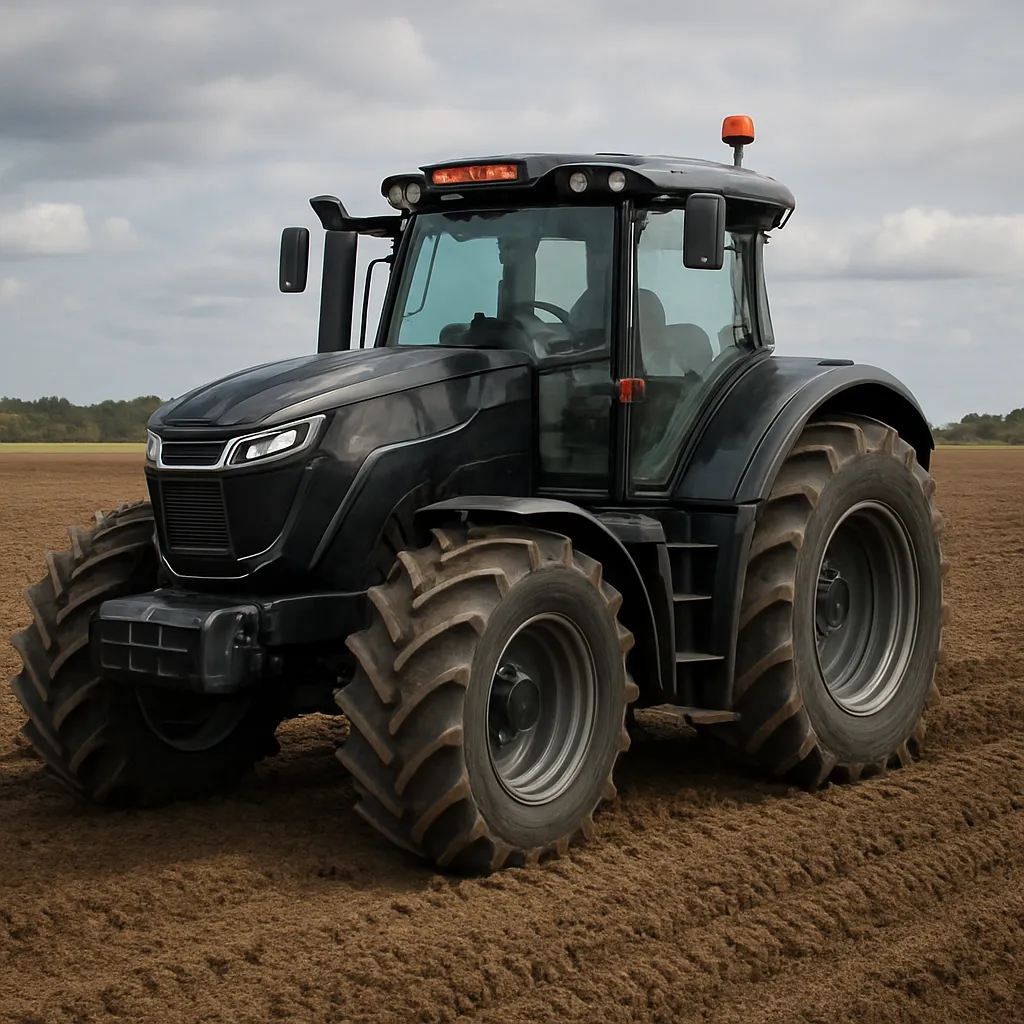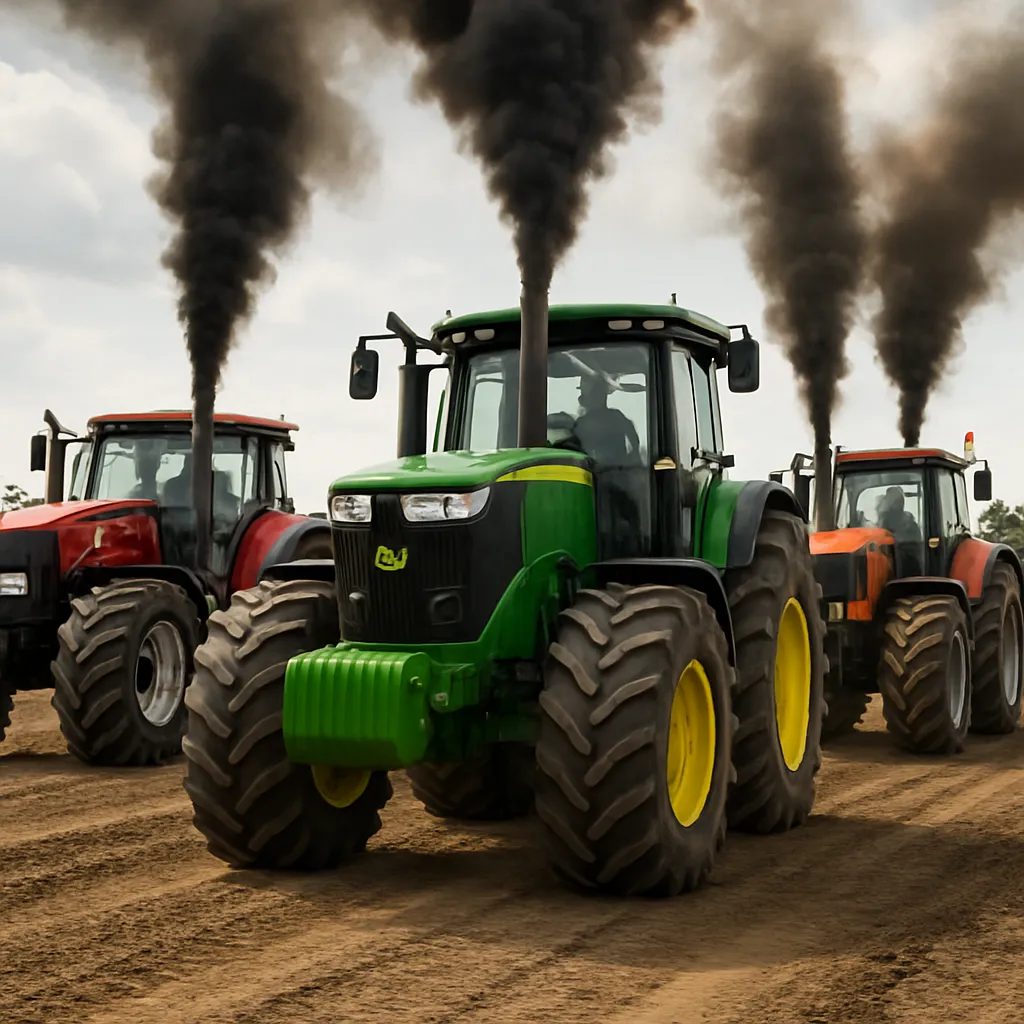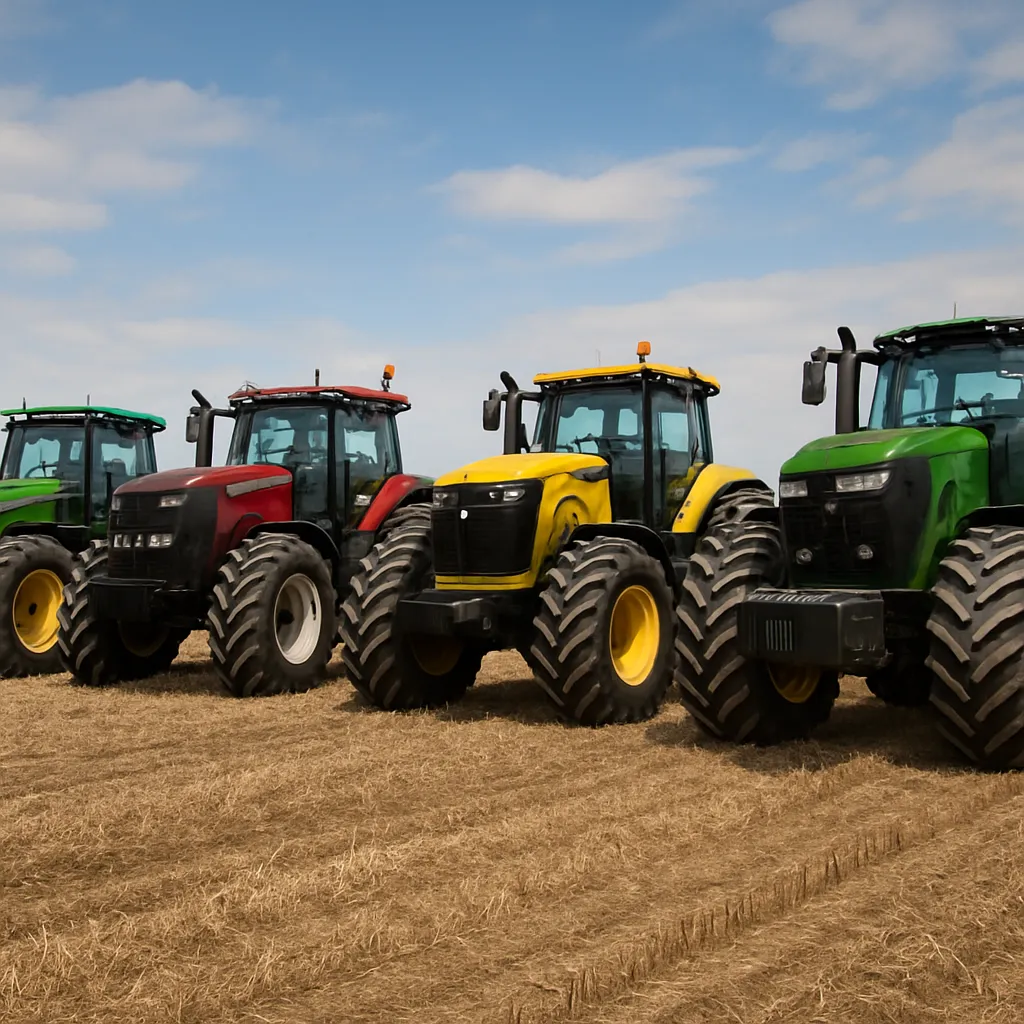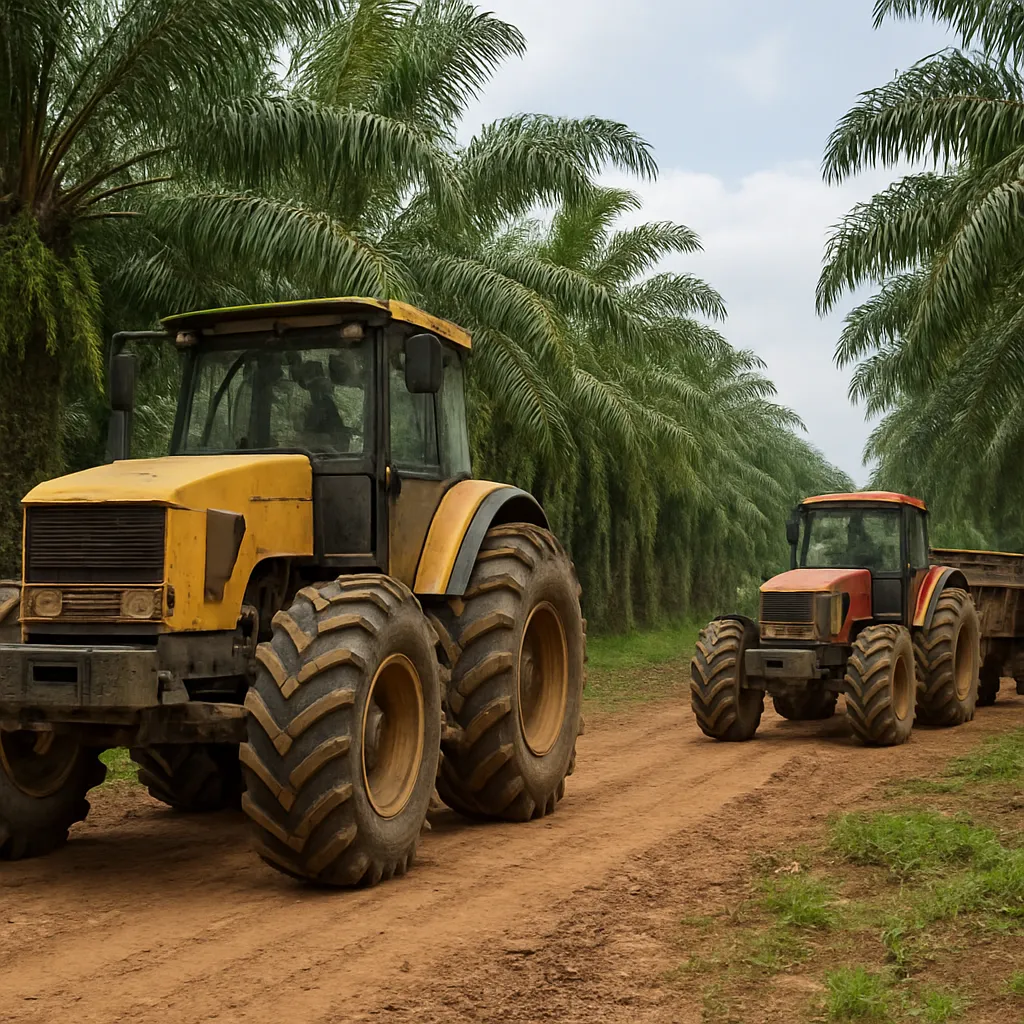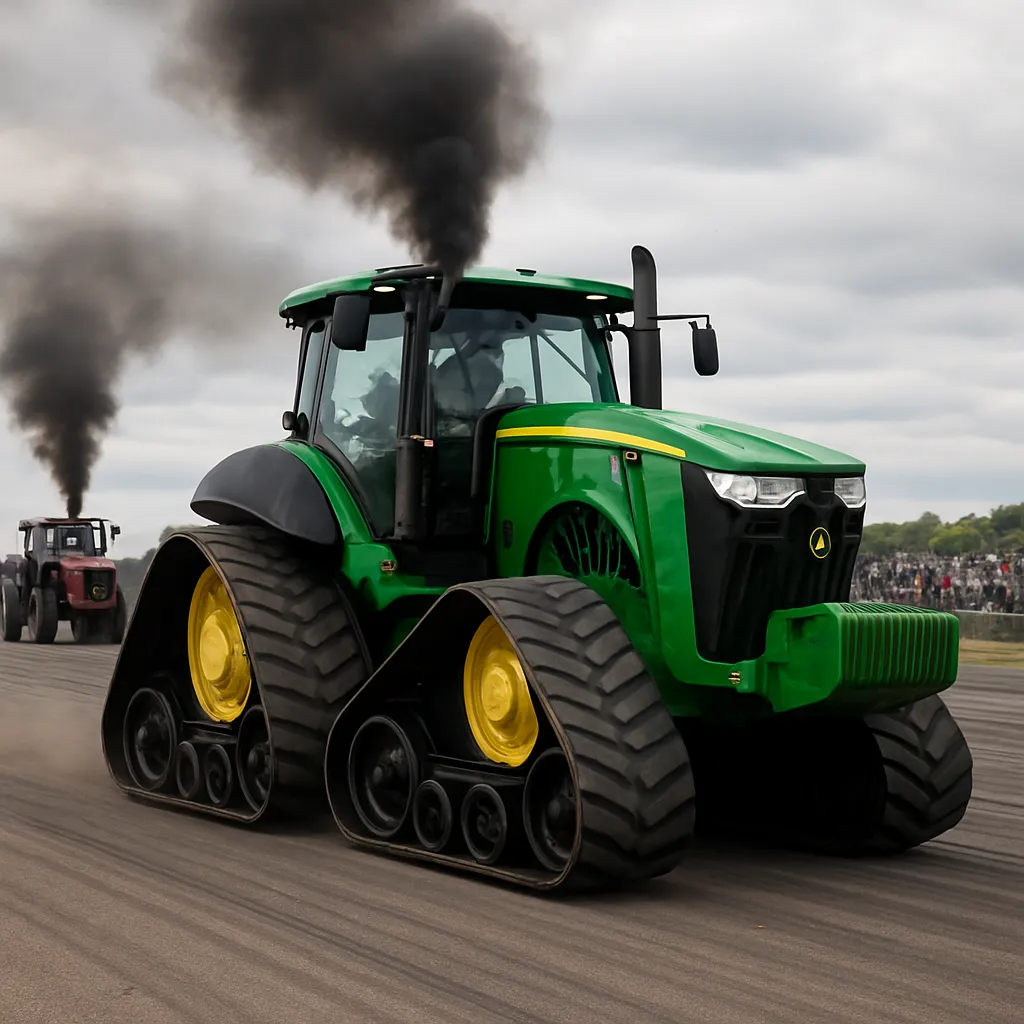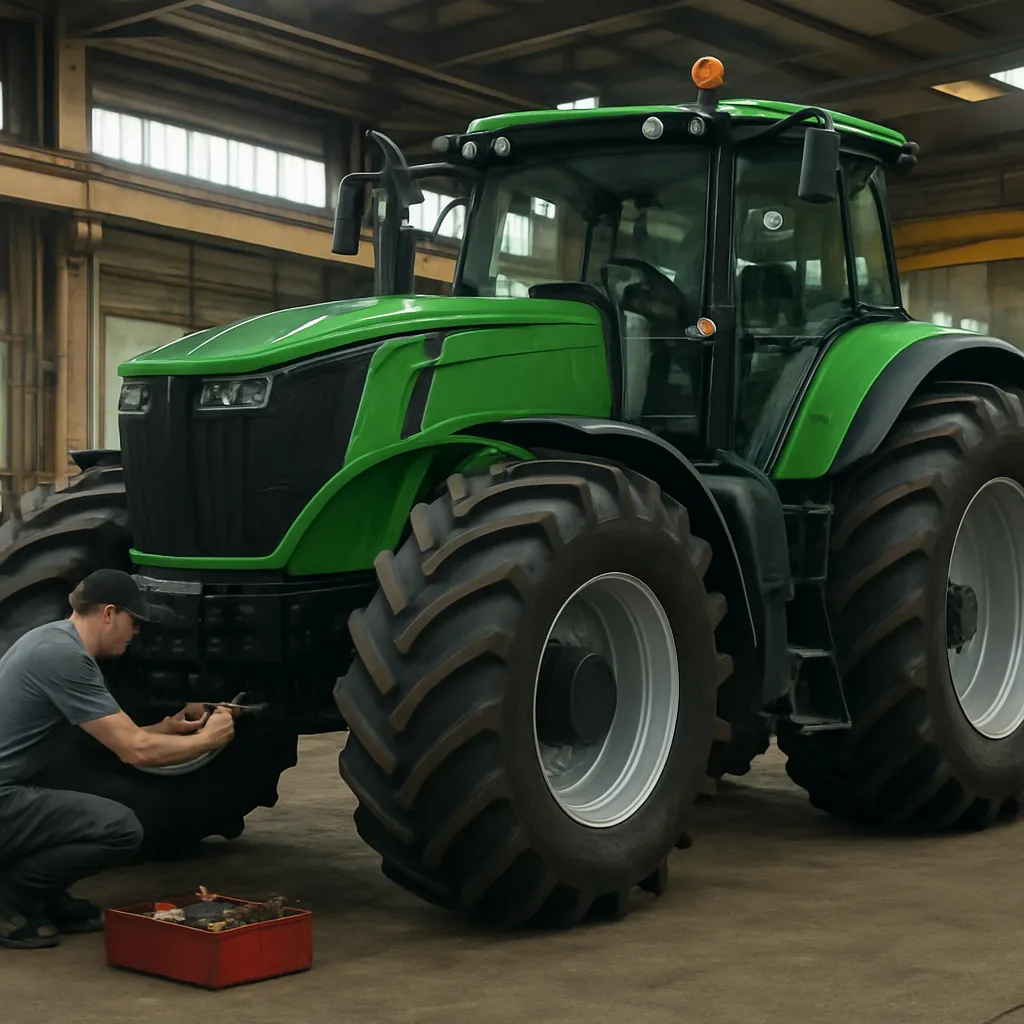
Pushing the limits of agricultural machinery, the world’s largest tractors are feats of modern engineering designed to tackle the toughest tasks on expansive farms. These behemoths blend raw power with advanced technology, addressing the growing demand for greater land coverage, higher yields, and improved resource management. This article delves into the journey from simple plowing machines to fully **customized**, state-of-the-art tractors, exploring their design, manufacture, and real-world impact.
The Evolution of Maximum Power Tractors
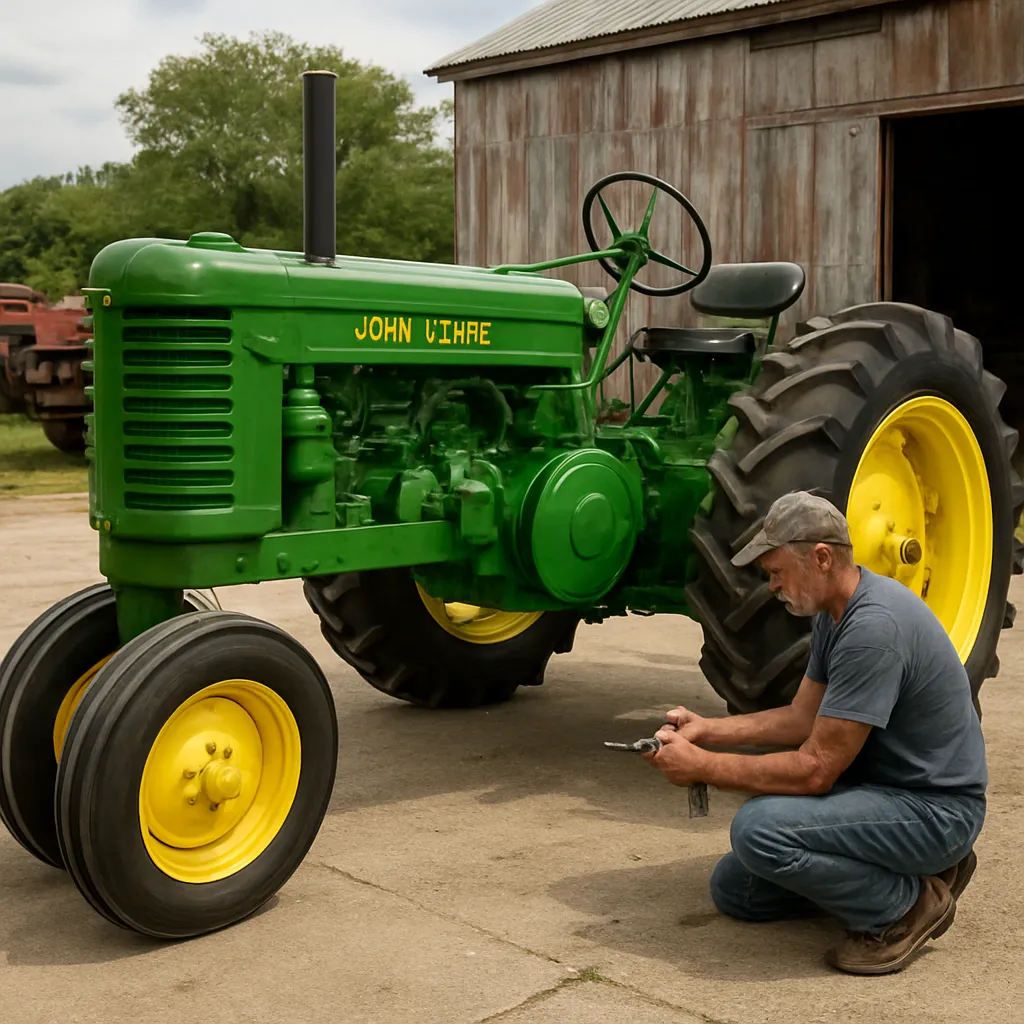
The pursuit of sheer power has driven tractor development for over a century. Early steam engines gave way to internal combustion models, each generation boosting **horsepower** to conquer larger implements. As farms expanded and global food needs rose, manufacturers responded with models surpassing 400, 600, and even 1,000 hp.
Key milestones in this evolution:
- 1920s: Introduction of the first 50 hp gasoline tractors revolutionized small-scale farming.
- 1960s: Diesel engines became dominant, boosting **efficiency** and reliability.
- 1990s: Supercharged and turbocharged drivetrains delivered over 200 hp to meet growing demands.
- 2010s: Megawatt-class tractors emerged, eclipsing 500 hp and enabling huge implements.
These advances laid the groundwork for the current generation, where bespoke configurations and modular designs take center stage. Tractors now feature split transmissions, adjustable track widths, and advanced telemetry systems, reshaping the landscape of modern agriculture.
Customization Techniques and Engineering Marvels
Custom-built tractors represent the pinnacle of **engineering** prowess. Farmers and contractors seek machines tailored to their specific conditions—soil type, crop variations, field size, and even regional regulations.
Frame and Chassis Adaptations
- Reinforced steel frames to carry heavy loads and withstand repeated stress.
- Adjustable wheelbase and track systems enabling navigation across wet or uneven terrain.
- Hydraulic suspension kits for improved ride comfort and reduced soil compaction.
Powertrain and Engine Tunings
- High-displacement diesel engines with staged turbocharging for both low-end torque and high-speed efficiency.
- Electronically controlled fuel injection systems that optimize combustion and minimize emissions.
- Dual-clutch and continuously variable transmissions (CVT) enhancing fuel economy and smooth operation.
Cab Interiors and Operator Interfaces
- Ergonomic seats with air-ride suspension and multi-zone climate control.
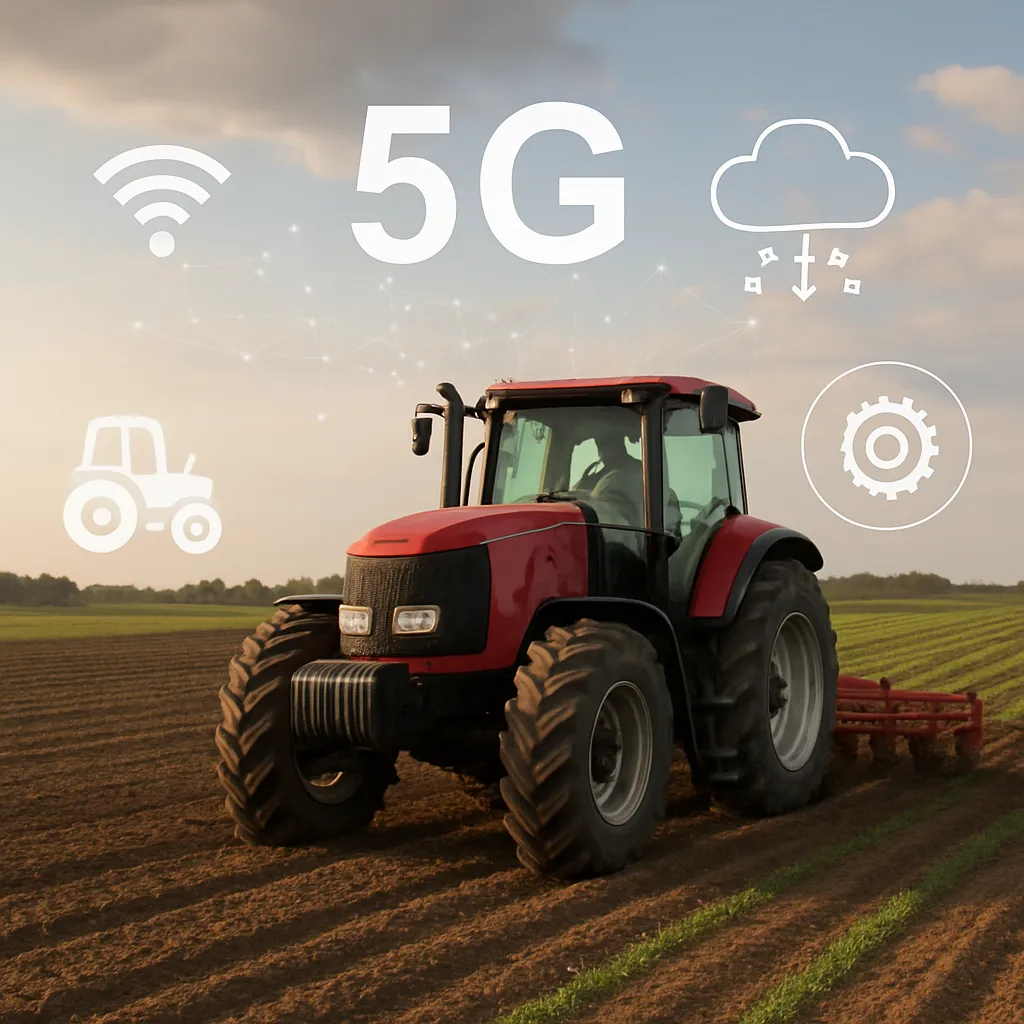
- Touchscreen displays integrating GPS, yield mapping, and real-time diagnostic alerts.
- Voice-activated controls and customizable control panels tailored to operator preference.
Every element—from the steel alloys used in structural members to the software algorithms governing engine maps—reflects a commitment to heightened **performance** and unwavering **durability**.
Field Performance and Operator Experience
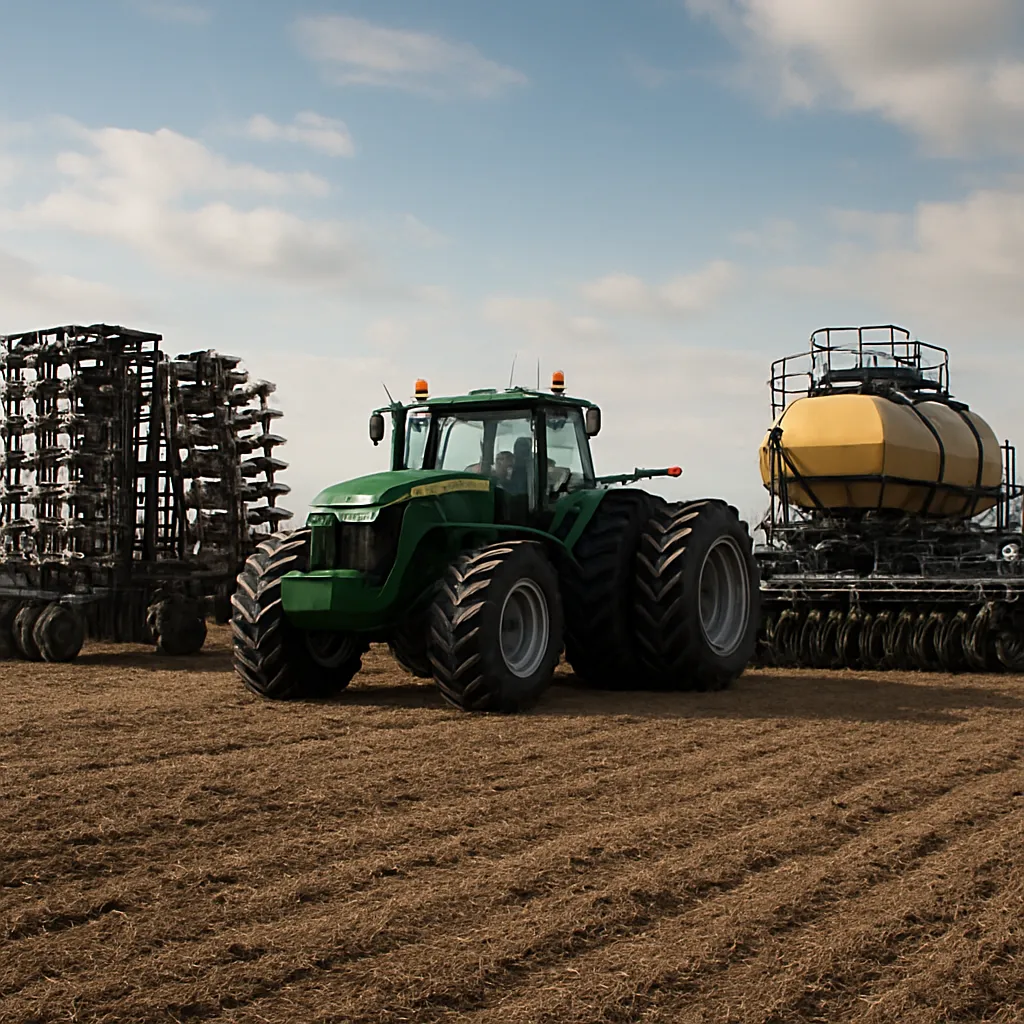
Once deployed, the biggest tractors transform large-scale farming operations. With working widths exceeding 30 feet and drawbar pulls rivaling industrial tow trucks, these machines blaze through acres with remarkable speed.
Productivity Gains
- Higher ground coverage reduces repeat passes, conserving time and fuel.
- Precision-guided auto-steering eliminates overlaps and minimizes missed strips.
- Real-time data analytics allow agronomists to make split-second adjustments, optimizing input usage.
Soil Health and Crop Outcomes
- Controlled traffic farming techniques concentrate compaction to designated lanes, preserving root-zone structure elsewhere.
- Variable-rate seeding and fertilizing systems tailor inputs to micro-variations in soil fertility.
- Crop protection tools mounted directly to the tractor minimize drift and ensure targeted application.
Operators report reduced fatigue thanks to low-vibration cabins, high-visibility panoramic glazing, and intuitive control layouts. These enhancements reinforce the tractor’s role as both a **precision** instrument and a comfort haven for long days in the field.
Challenges and Future Trends
Designing and deploying the world’s largest tractors is not without obstacles. Manufacturers face complex trade-offs between **scalability**, transportability, and environmental impact.
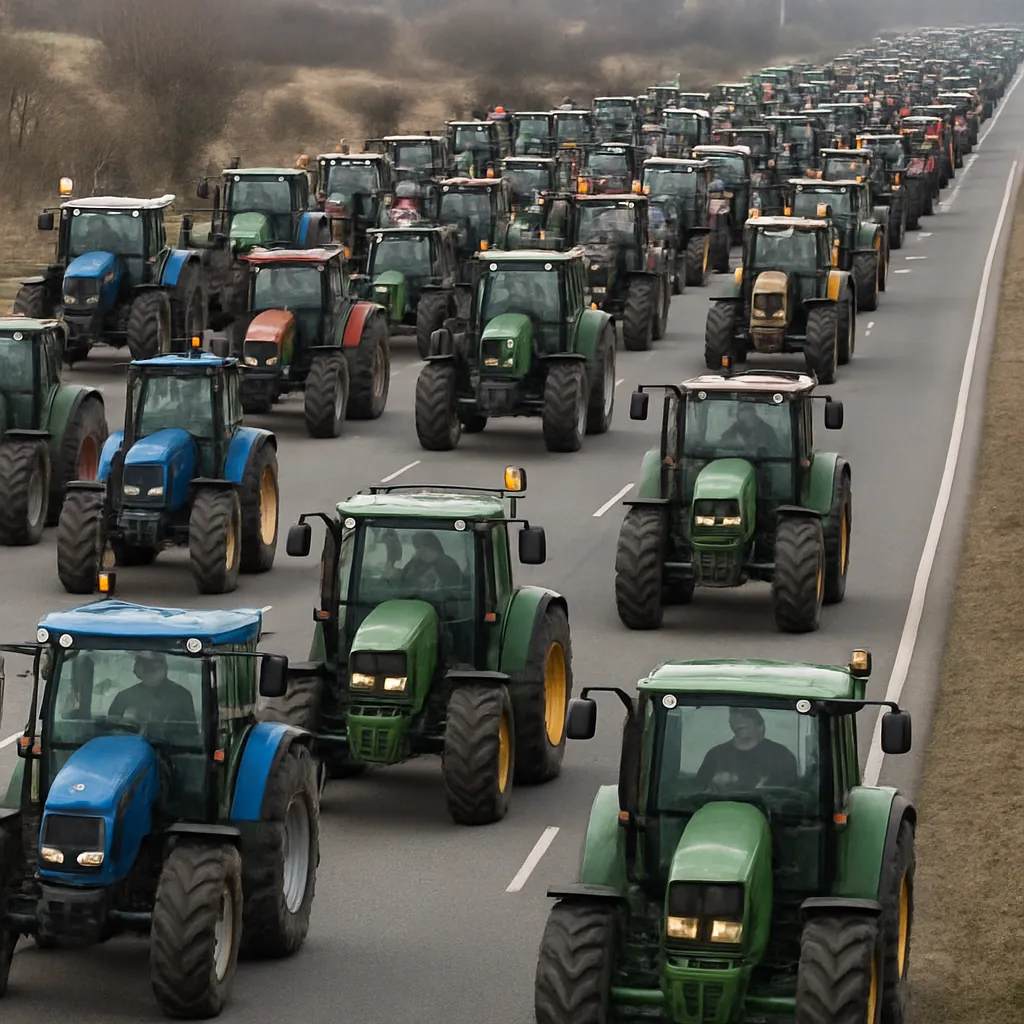
- Road regulations often limit axle loads and travel speeds, necessitating quick-attach transport modules.
- Emissions standards push continuous innovation in after-treatment systems and alternative fuels.
- Maintenance demands rise with machine complexity, driving the need for predictive diagnostics and remote service connectivity.
Looking ahead, several trends promise to redefine the landscape:
- Electrification: Hybrid and fully electric drivetrains offering near-instant torque and zero local emissions.
- Autonomy: Driverless operation systems that can work around the clock, orchestrated by farm management platforms.
- Material science breakthroughs: Lighter composites and high-strength alloys reducing weight without sacrificing **reliability**.
- Modular implements: Plug-and-play attachments enabling rapid role changes from tillage to planting to spraying.
As these technologies mature, the next wave of mega-tractors will likely be more **innovative**, sustainable, and attuned to the precision needs of tomorrow’s agriculture. Far from mere powerhouses, they will serve as interconnected nodes in a digital ecosystem, driving productivity and stewardship in equal measure.