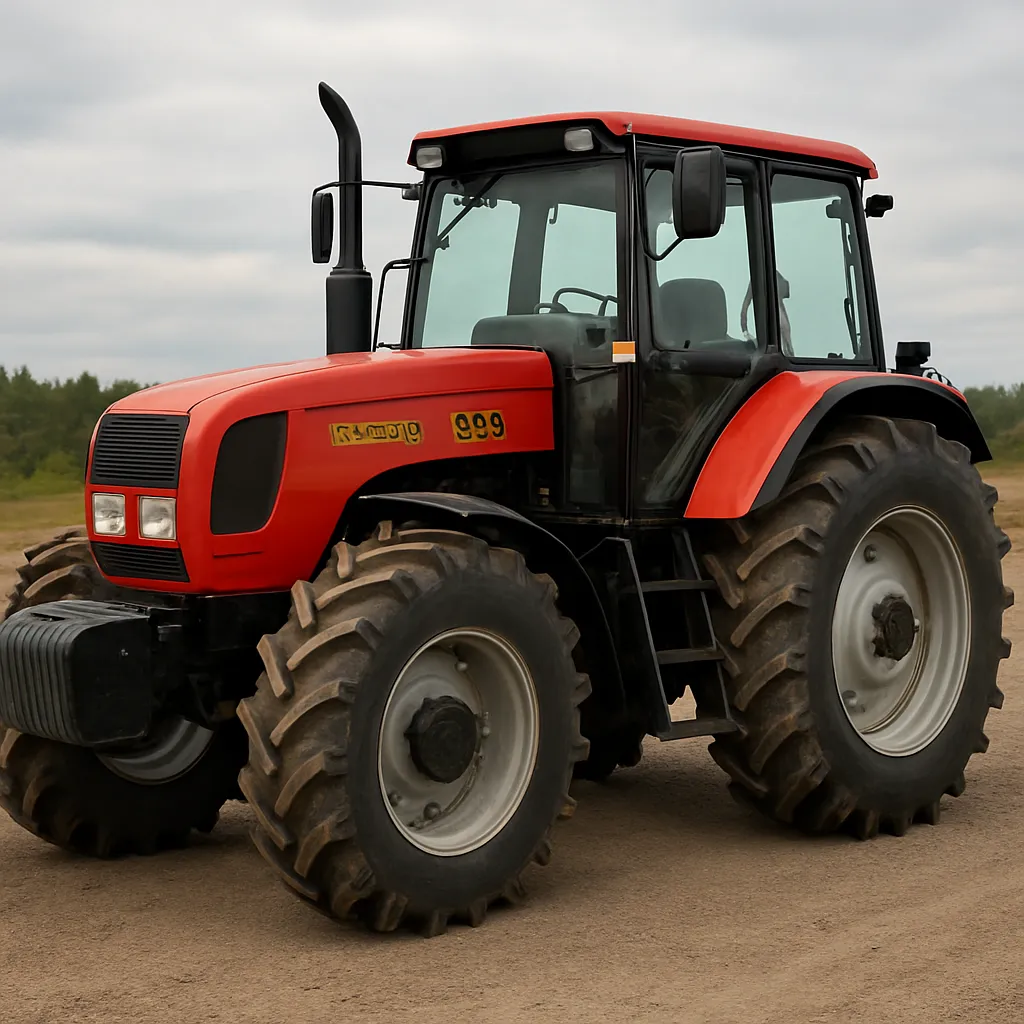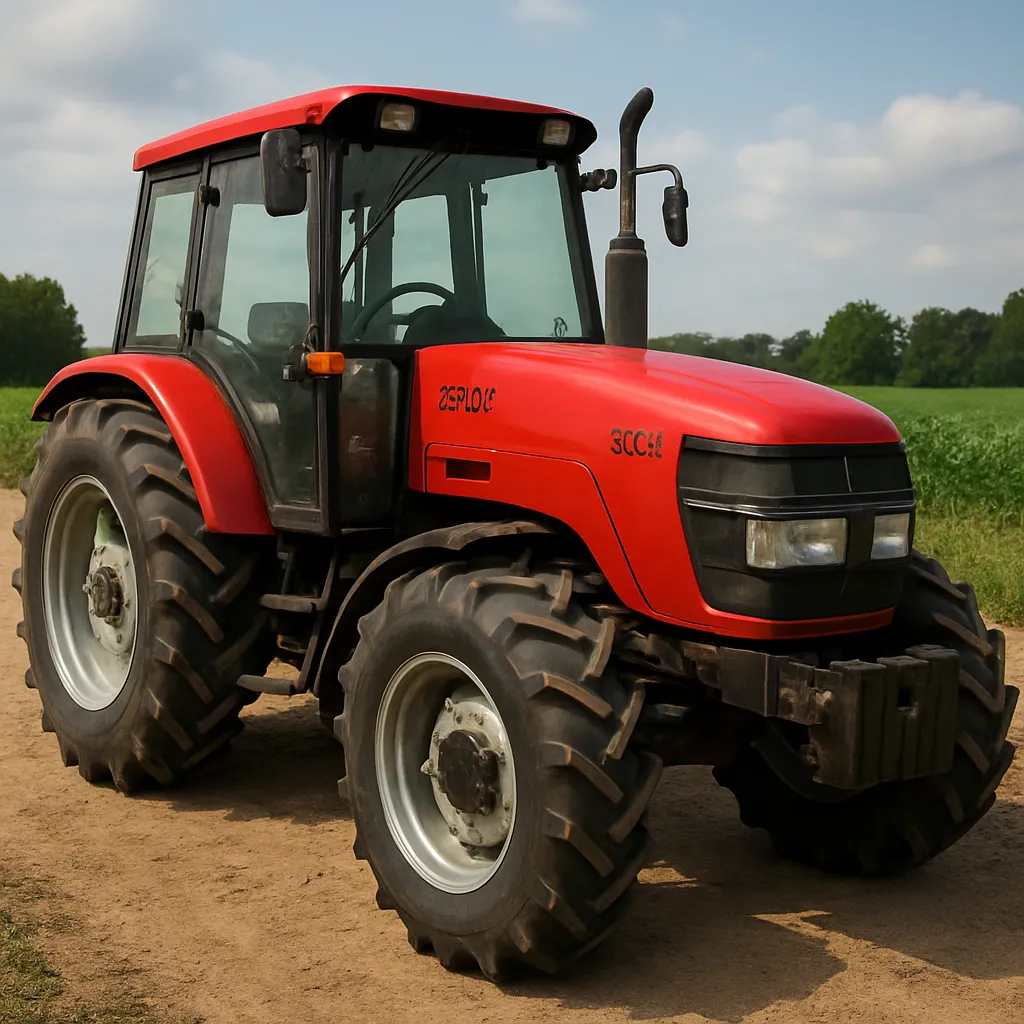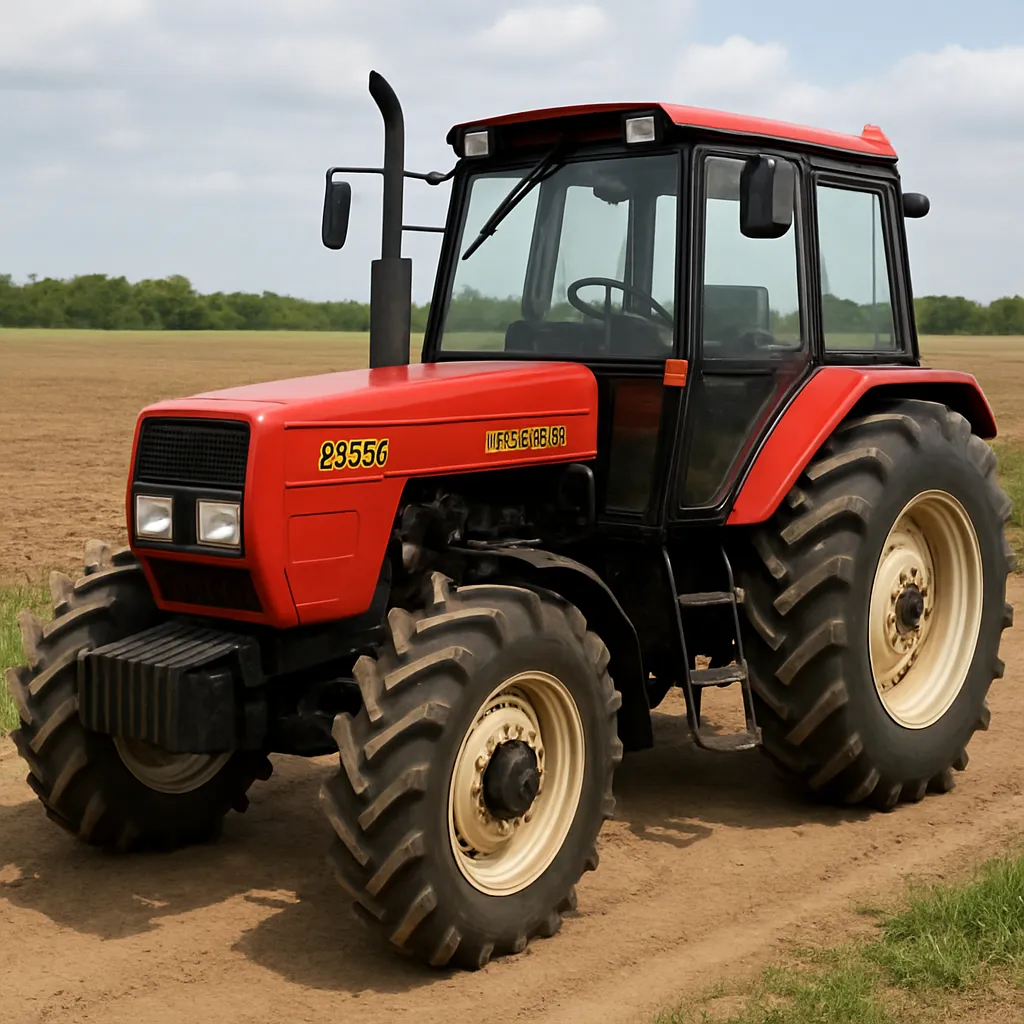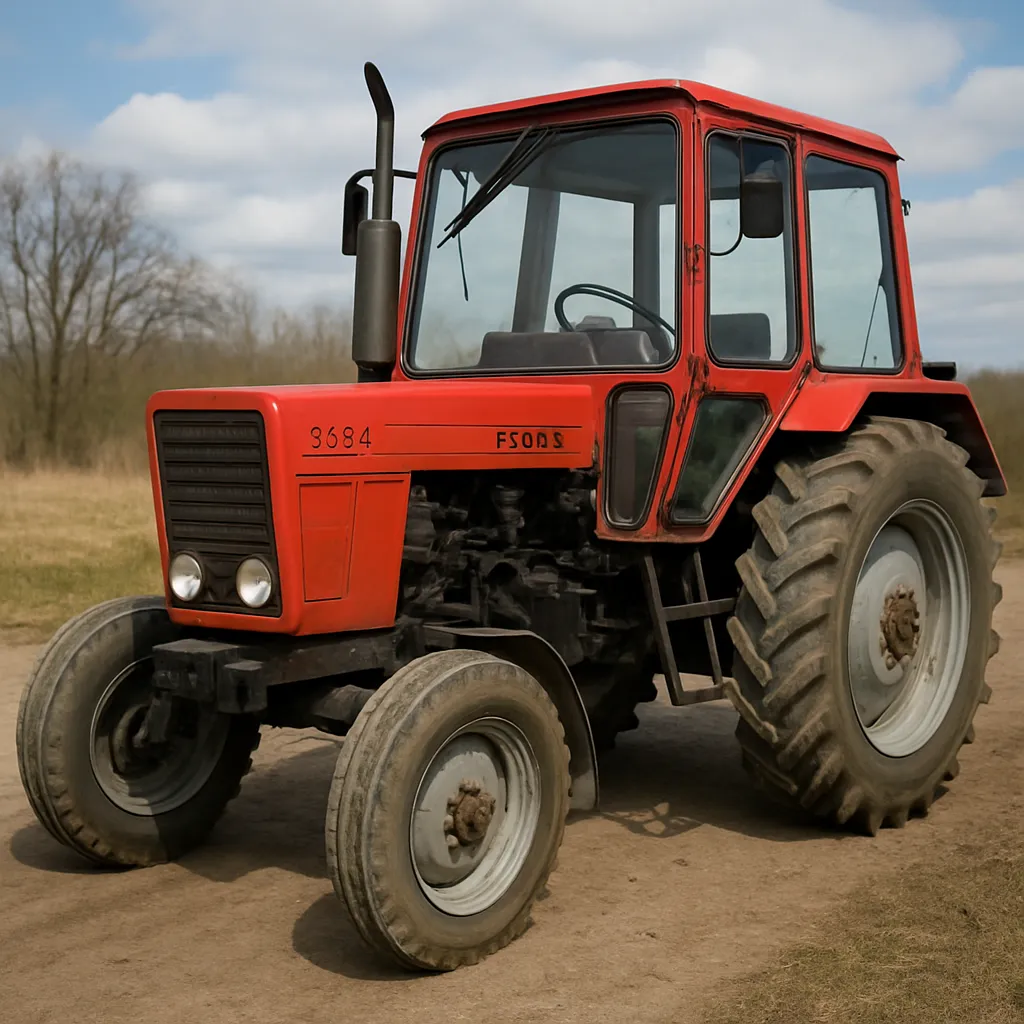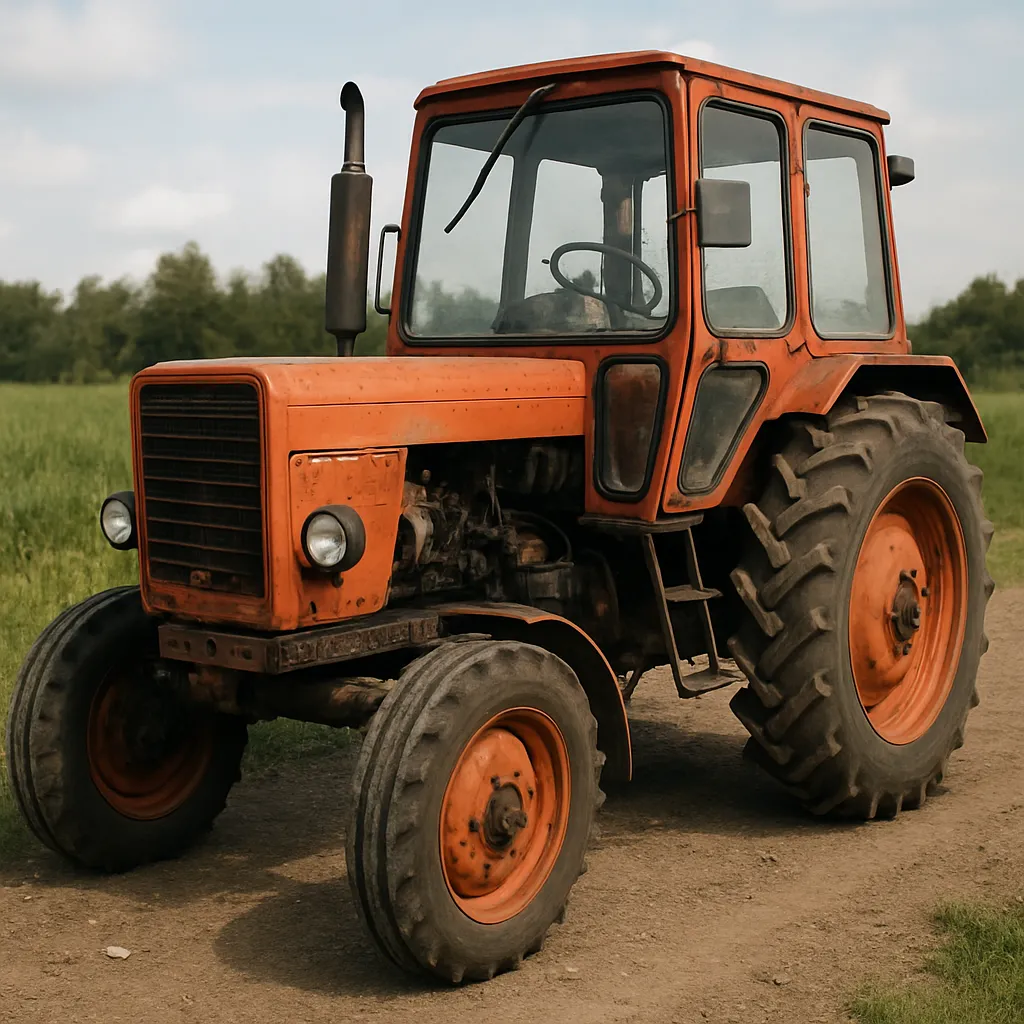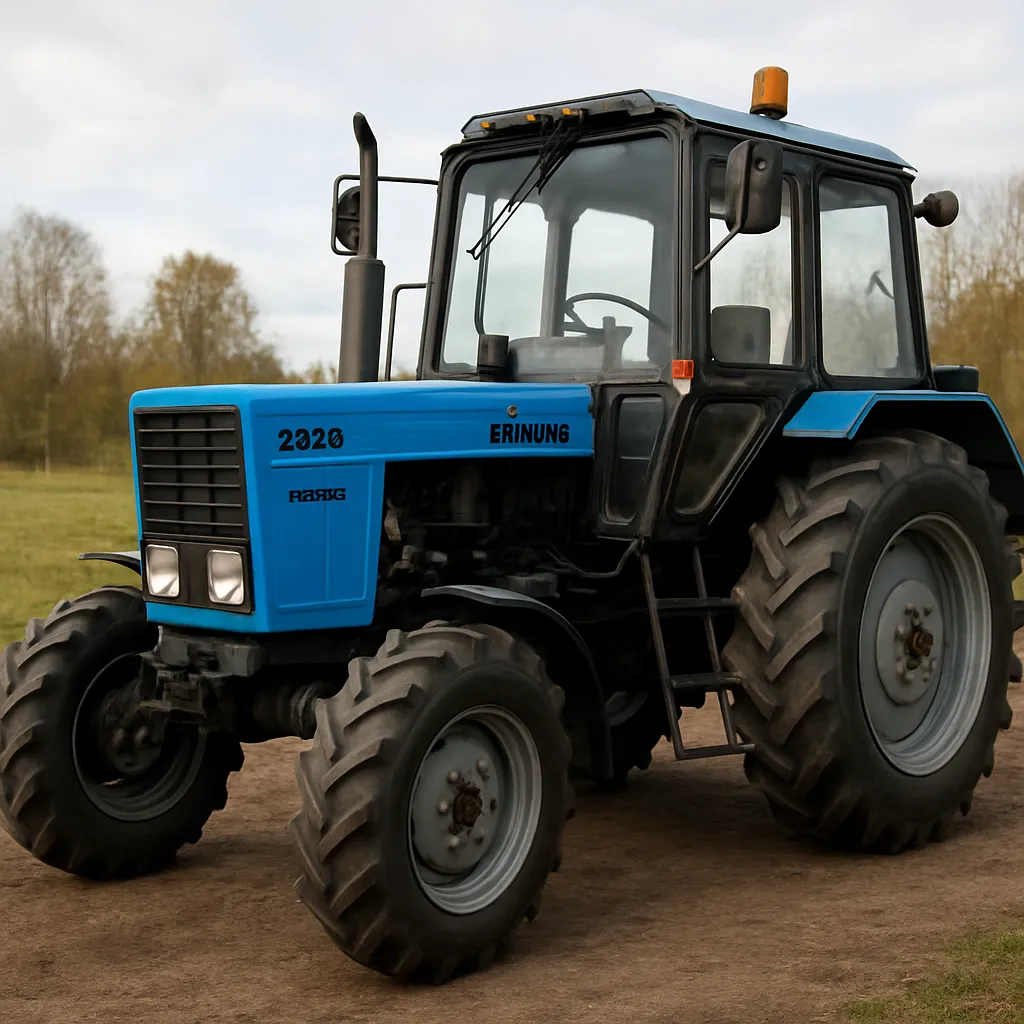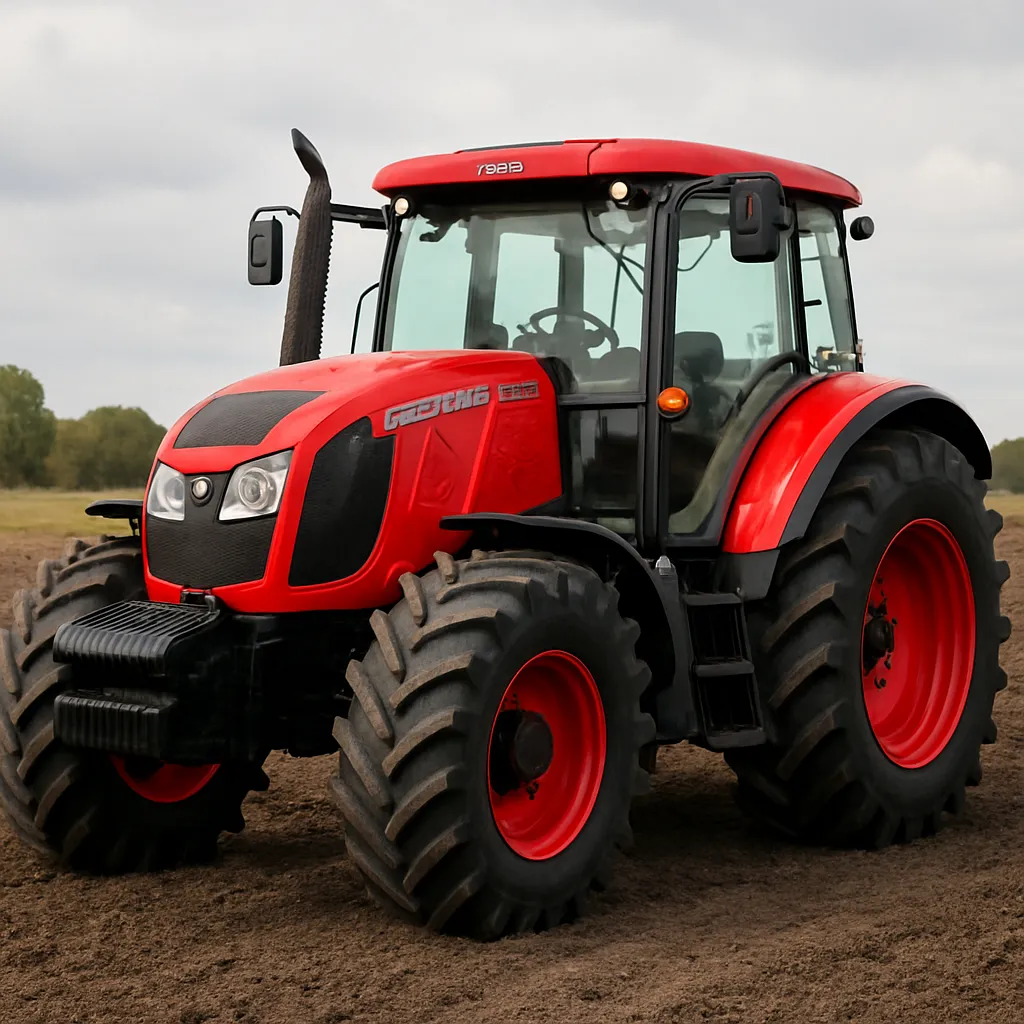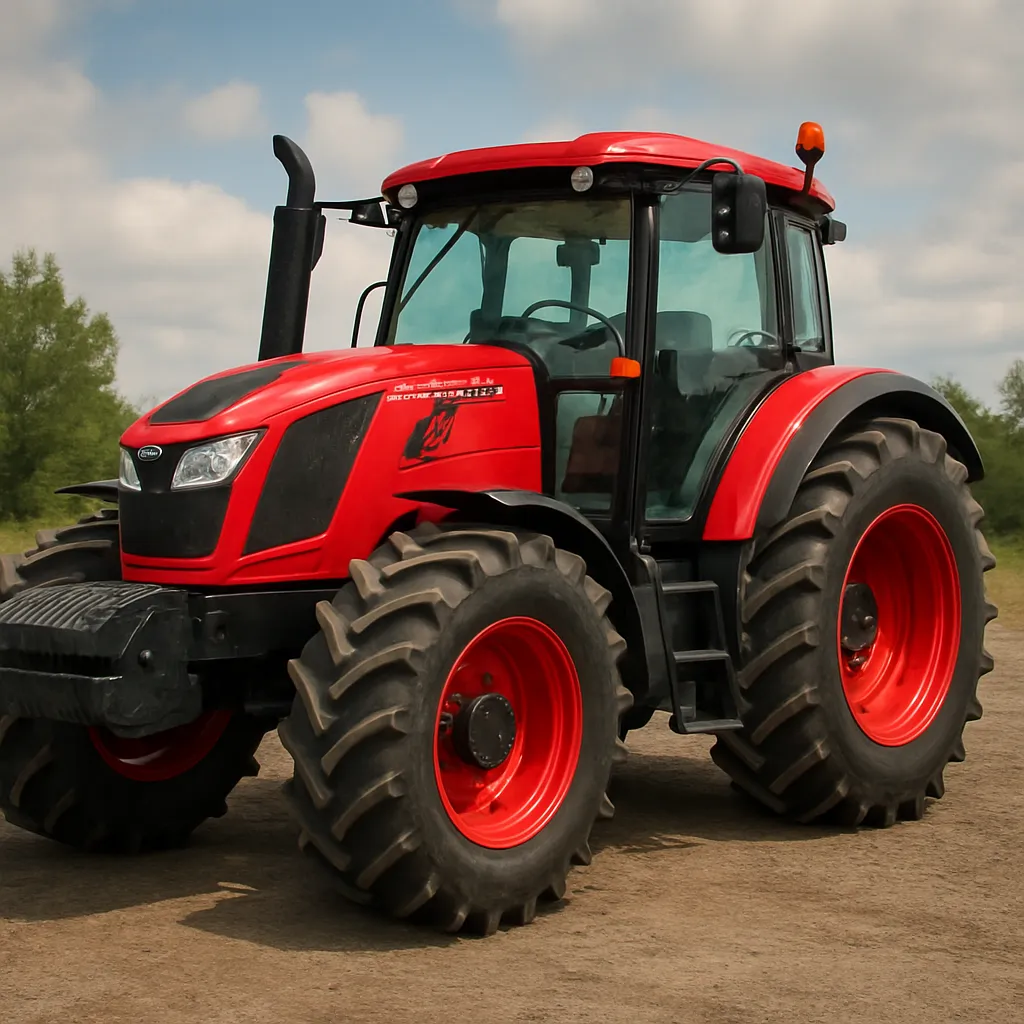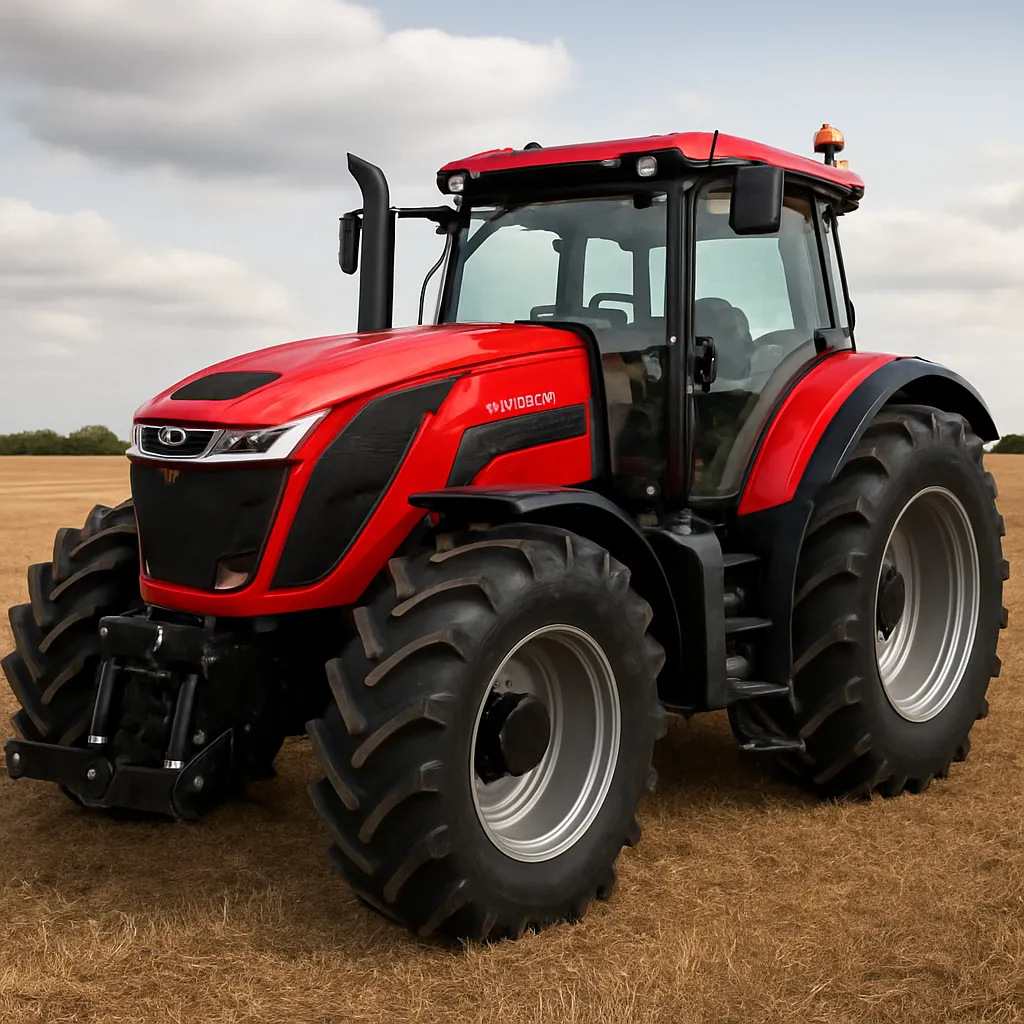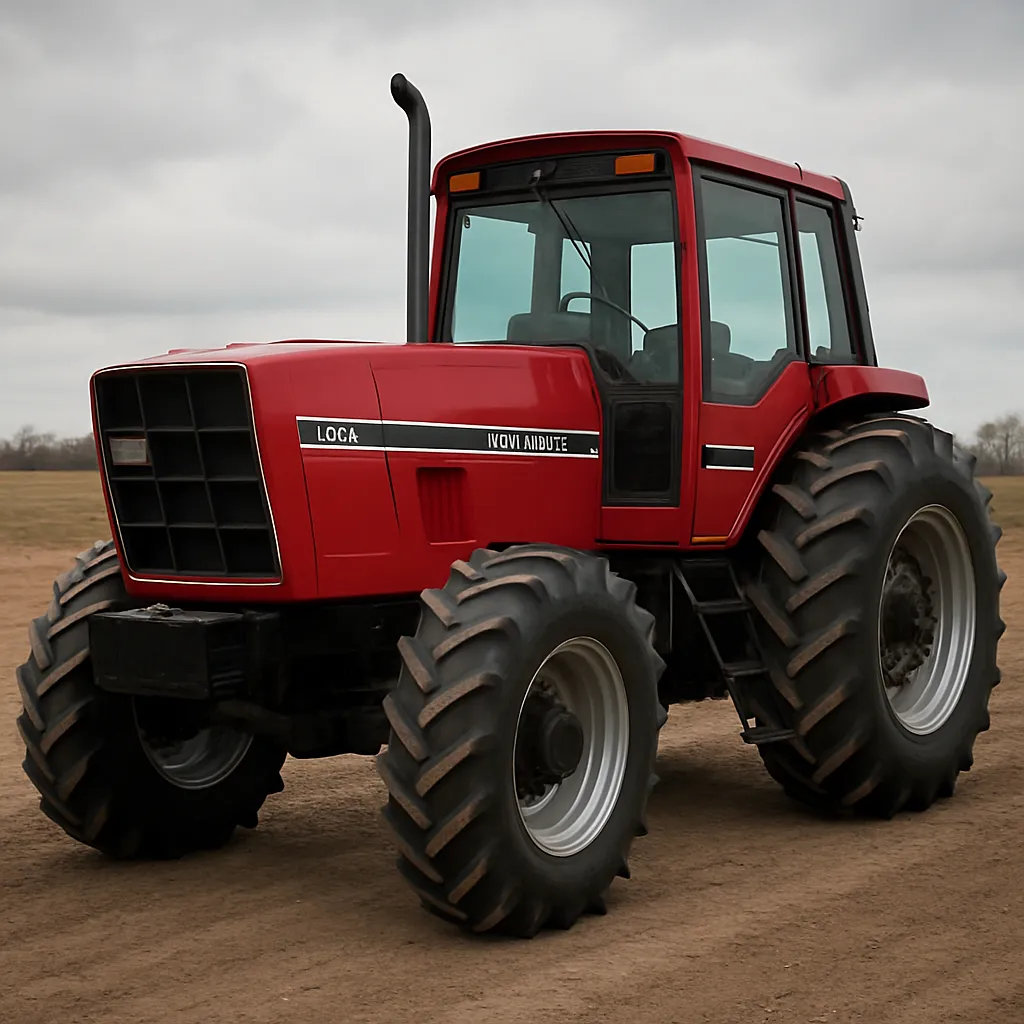
The International Harvester 6788 is a machine that occupies an important place in the story of late-20th-century agricultural mechanization. Known for its robust construction and practical capabilities, this model has been used worldwide by farmers, contractors and custom operators for a wide range of tasks. In the following article you will find an overview of its design and history, practical applications, technical highlights and maintenance considerations, along with notes on the market, collectors and restoration. The information includes commonly reported specifications and operational realities so you can better understand where the 6788 fits among classic tractors.
Design, development and historical context
The International Harvester 6788 emerged at a time when tractor manufacturers were responding to increasing farm sizes, the demand for greater fuel efficiency and the need for more versatile machines. Introduced in the late 1970s and produced into the early 1980s as part of IH’s 68-series line, the 6788 was intended to provide dependable mid‑ to high‑range power for medium to large farms and for contractors who required a tough, multi‑purpose tractor.
Engineering philosophy
- Robustness: The 6788’s frame and drivetrain were engineered to tolerate heavy use and the stresses of implements such as plows, planters and balers.
- Serviceability: IH designs of the era emphasized accessibility of routine service points—filters, pumps and electrical components—making field repairs and maintenance more straightforward.
- Versatility: The tractor was offered with a range of options—front axle types, wheel sizes, PTO configurations and hydraulic packages—so operators could adapt the machine to diverse tasks.
Market positioning
The 6788 filled a niche between smaller row-crop tractors and the largest articulated or high‑horsepower models. Its combination of power, traction and reasonable fuel economy made it attractive for mixed farms handling grain, forage and livestock operations. Because it shared many components with other models in the 68 series, dealers could support owners with parts and service more easily than for completely unique models.
Technical characteristics and commonly reported specifications
While individual tractors can vary depending on options and the market for which they were produced, the 6788 generally offers a set of technical characteristics typical for a late‑1970s/early‑1980s row‑crop/hybrid utility tractor.
Engine and powertrain
- Diesel engine: The 6788 was fitted with a turbocharged diesel engine designed for continuous duty. It favored torque delivery for pulling and hydraulic power for implements.
- Horsepower: Commonly reported engine horsepower for the model ranges in the neighborhood of 170–190 HP at the flywheel, with PTO horsepower slightly lower depending on transmission and options.
- Multiple transmission options were offered on different configurations, often including synchronized range-type gearboxes or power-shift options (depending on market and production year).
PTO, hydraulics and three-point hitch
- PTO: The 6788 typically featured standard PTO speeds to match a broad array of implements, and many units were later adapted or equipped with dual‑speed PTOs (540/1000 rpm) or other optional configurations.
- Hydraulic capacity: Hydraulics on the 6788 were designed to handle medium-to-heavy implements; options included multiple remote valves and higher‑flow pumps to support equipment such as front loaders, planters and other high‑demand tools.
- Three-point hitch: Category II/III three-point hitches were common, offering compatibility with many implements and providing solid draft control for tillage and seeding tasks.
Dimensions, weight and performance (commonly reported values)
- Operating weight for many units is often cited in a range that reflects tires, ballast and attachments; commonly reported values place the 6788 in the mid‑to‑upper range for tractors of its class.
- Ground clearance, wheelbase and track width varied with configuration, allowing adaptations for row-crop work or broader traction-focused setups.
- Fuel capacity, electrical output and cooling systems were sized to support prolonged fieldwork.
Note on numbers: Because production variants and dealer-installed options introduced variation across individual machines, treat specific numeric values as typical ranges rather than single fixed figures. When considering acquisition, inspect the specific tractor, consult serial-number resources and request factory or dealer literature where available.
Practical applications and fields of use
The 6788 proved itself as a flexible platform that could be pressed into service for many agricultural and non‑agricultural tasks. Its balanced power and features made it a favorite on diverse operations.
Primary agricultural uses
- Tillage and primary cultivation: With sufficient drawbar and hitch capacity, the 6788 was commonly used to pull heavy plows, discs and field cultivators on medium and large farms.
- Seeding and planting: Stable draft control and PTO reliability made it suitable for operating large planters and drills, particularly where consistent ground speed and power delivery were needed.
- Forage and hay: The tractor handled balers, mowers and forage harvest equipment well, and many farms used it as the go‑to tractor during harvest season.
- Transport and haulage: Its torque and transmission options allowed the 6788 to haul grain carts, wagons and trailers effectively across fields and farm roads.
Contracting, construction and specialty roles
- Loader work: Paired with a front loader, the 6788 could perform heavy material handling, feedlot tasks and loader-based earthmoving jobs.
- Roadside and municipal work: With attachments such as mowers and sweepers, some units found use in municipal contexts.
- Adaptability: The tractor’s compatibility with many aftermarket attachments allowed it to transition between roles quickly, which appealed to contractors and diversified farms.
Operator experience, ergonomics and controls
Operator comfort and control layout were important design considerations. The cab, seat and control placements aimed to reduce fatigue during long days in the field.
Cab and visibility
- Factory cabs on many units offered basic climate controls, a clear field of view and logically placed instruments.
- Visibility to front and rear implements was usually good, although larger modern cabs and ergonomic advances in later decades eclipsed this older cab design.
Controls and ease of use
- Mechanical linkages and robust analog gauges provided straightforward feedback to the operator.
- Transmission and hydraulic controls were simple by modern standards and could be mastered quickly by experienced operators.
Maintenance, reliability and common issues
A significant reason many 6788 tractors remained in service for decades is their emphasis on durability and serviceability. Owners and mechanics valued the straightforward access to maintenance points and the generally rugged components.
Routine maintenance priorities
- Engine: Regular oil and filter changes, attention to the turbocharger (if equipped), and fuel system care are essential for longevity.
- Cooling system: Radiator cleaning and coolant maintenance prevent overheating under heavy loads.
- Hydraulics: Filter and fluid changes, along with seal inspections, preserve hydraulic performance—especially important for loader and planter work.
- Electrical: Charging systems and starter motors on older machines may require periodic attention; keeping batteries strong helps long-term reliability.
Common wear points and renovation tips
- Hitches and PTO shafts experience mechanical wear—regular inspection and greasing extend service life.
- Transmission components in heavily used tractors may need overhaul; correct fluid type and change intervals slow wear.
- Cab seals, upholstery and trim can degrade over time—restoration often involves updating these for operator comfort.
Market, resale and collector interest
As tractors age, their market role often shifts from everyday farm work to part‑time use, secondary machines or collector items. The 6788 has a following among enthusiasts who appreciate its balance of power and classic IH styling.
Resale considerations
- Price depends on hours, condition, maintenance history, and whether original components remain.
- Tractors with well-documented service records and preserved original equipment command higher prices.
Collector and restoration community
Members of the restoration community prize original paint, intact decals and mechanical originality. Because International Harvester has a strong collector base, parts networks (both aftermarket and NOS—new old stock) and club support make restoration feasible.
Comparison with contemporaries and successors
When compared to contemporaneous models from competitors, the 6788 often balanced capability and affordability. Later successor models pursued greater operator comfort, electronics and emissions improvements, but for many owners the mechanical simplicity of the 6788 remains an advantage.
Strengths
- Durability: A reputation for long service life under heavy workloads.
- Versatility: Effective across a wide range of agricultural tasks.
- Serviceability: Straightforward maintenance and strong parts support in many regions.
Limitations
- Older cab ergonomics and basic electronics relative to modern tractors.
- Fuel efficiency and emissions controls are behind contemporary standards.
Practical buying guide and tips for prospective owners
If you are considering purchasing an International Harvester 6788—whether as a working machine or a restoration project—several practical checks can save time and money.
Inspection checklist
- Verify engine compression and look for smoke on startup that could indicate wear.
- Check for oil leaks around the engine, transmission and hydraulic system.
- Test PTO and three-point hitch operation under load if possible.
- Inspect tires, axles and wheel bearings for wear or damage.
- Review maintenance and service records—hours alone do not always tell the story; a low-hour neglected tractor can be less desirable than a well-maintained higher-hour unit.
Negotiation and value considerations
Documented maintenance, recent major service (such as injector work, transmission service, or hydraulic pump replacement) and the presence of desirable extras (loader, front weights, newer tires) can justify higher asking prices. Conversely, significant rust, chassis damage, or major mechanical overhauls should be accounted for in your offer.
Restoration, preservation and upgrades
Restorers often face choices about whether to return machinery to factory-original condition or to update systems for modern usability. Each approach has advantages.
Common restoration priorities
- Engine rebuilds or partial overhauls to restore reliable performance.
- Reconditioning the hydraulic system to remove leaks and restore flow.
- Cosmetic restoration—paint, decals and cab interiors—if the goal is a show-quality machine.
Upgrades for continued use
- Improved seats, soundproofing and HVAC changes for operator comfort.
- Updated lighting and electrical upgrades (alternator, wiring harness) for safety and convenience.
- Modern PTO adaptors and implement interfaces to allow use with contemporary equipment.
Summary and final observations
The International Harvester 6788 represents a pragmatic chapter in agricultural machinery history: a powerful, serviceable and versatile tractor that met the needs of its era and continues to serve in many places today. Its reputation rests on dependable components, adaptability to different tasks and the availability of parts and community support through the International Harvester enthusiast network. Whether used as a workhorse on a small‑to‑medium farm, as a secondary tractor on larger operations, or preserved by collectors, the 6788 remains a meaningful example of durable agricultural engineering.
International Harvester, 6788, tractor, horsepower, diesel engine, PTO, transmission, hydraulics, durability, versatility