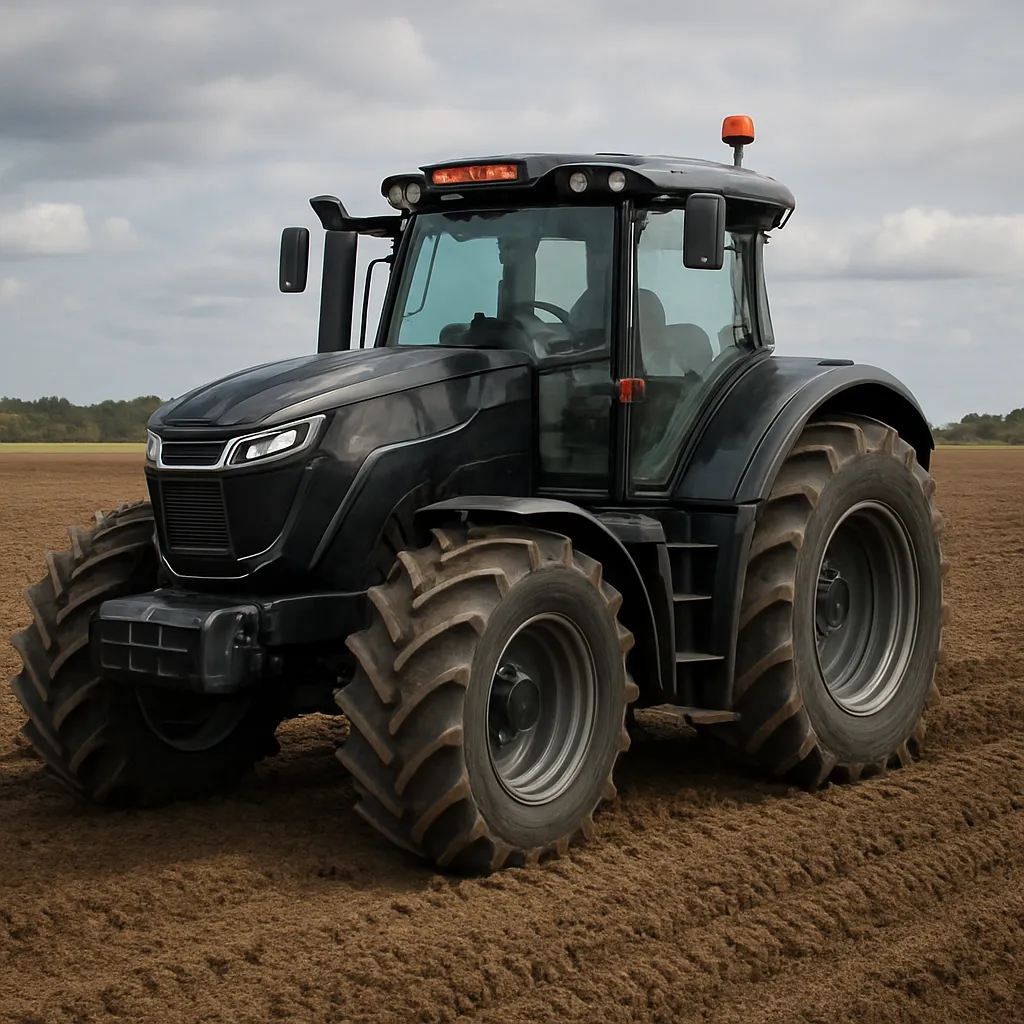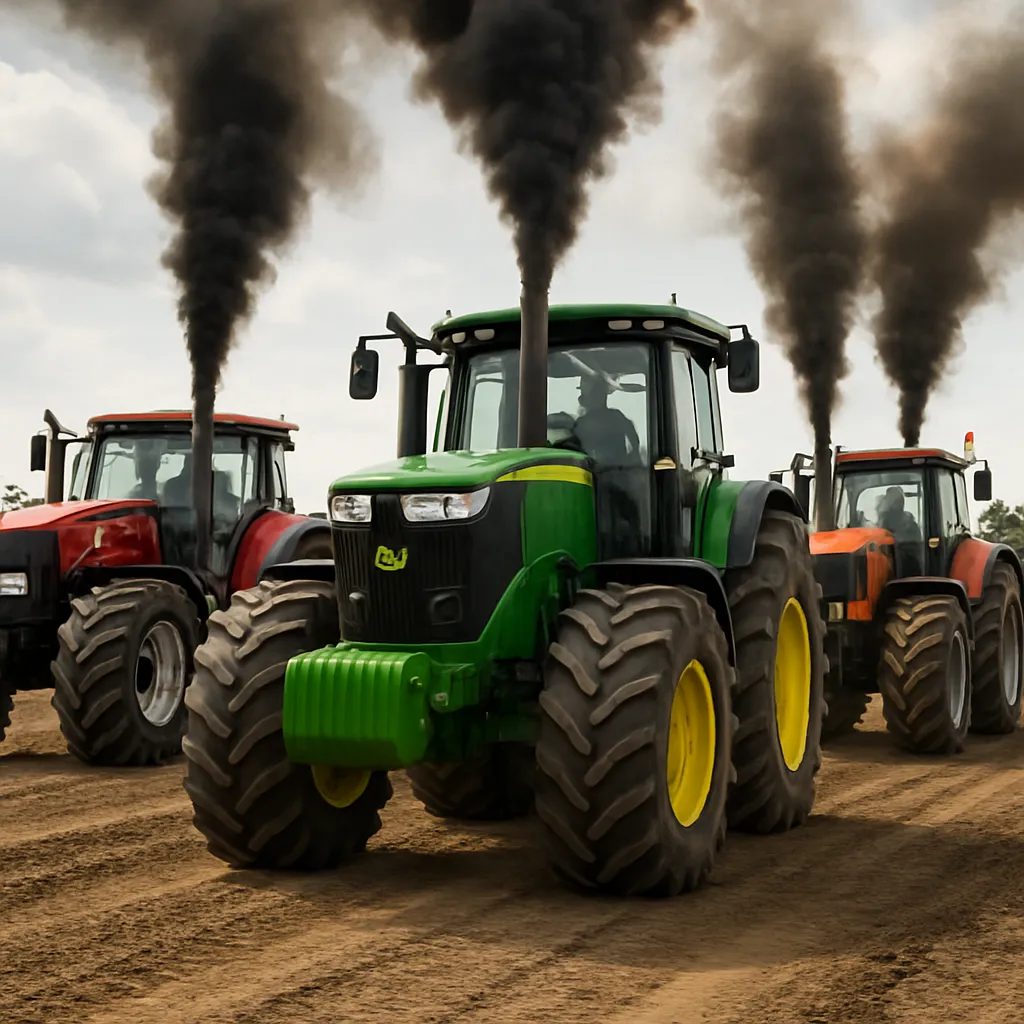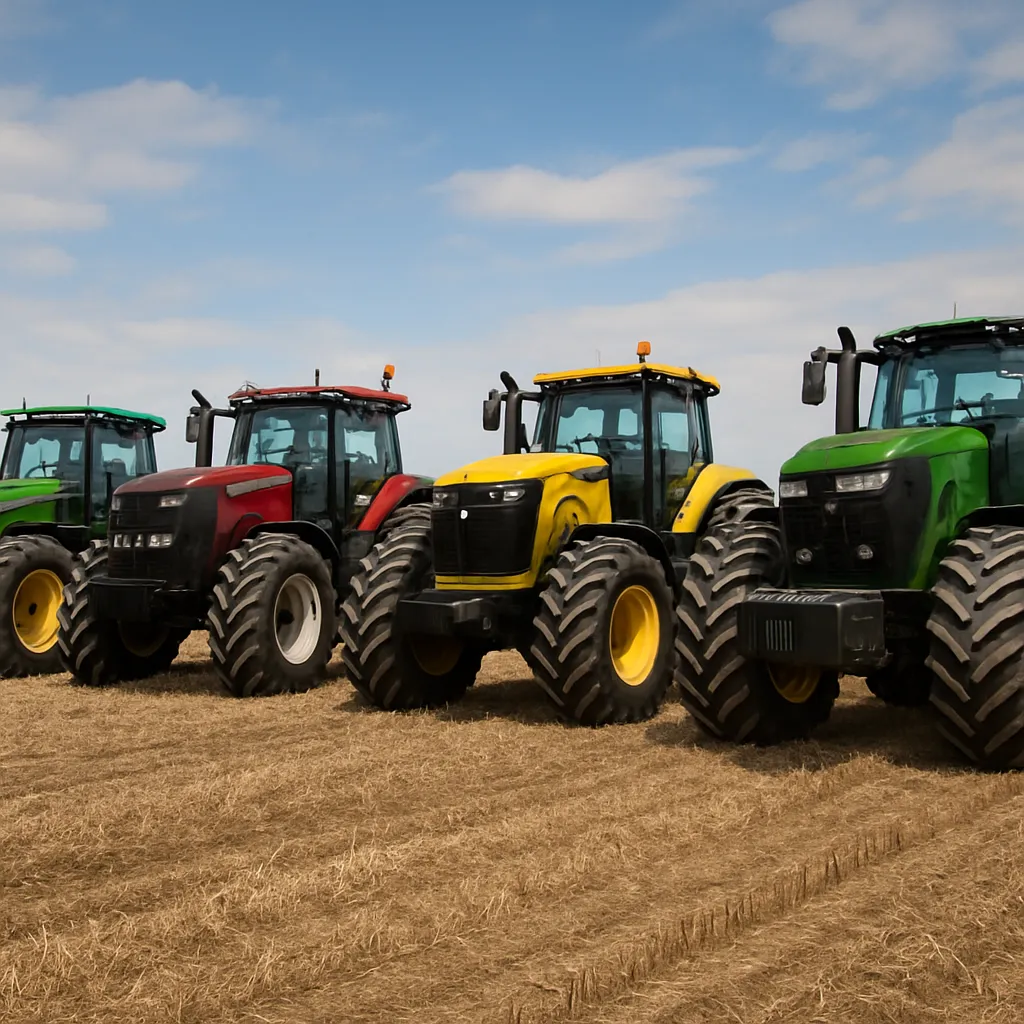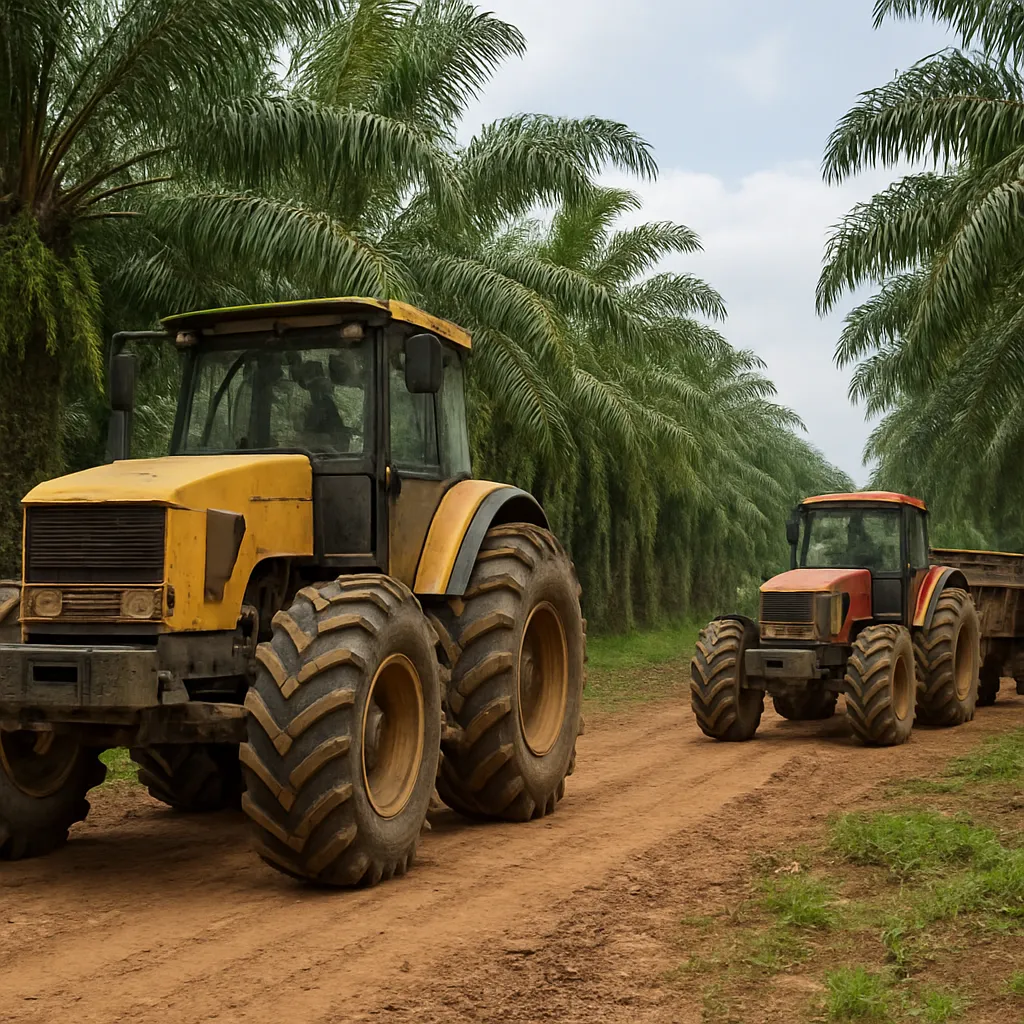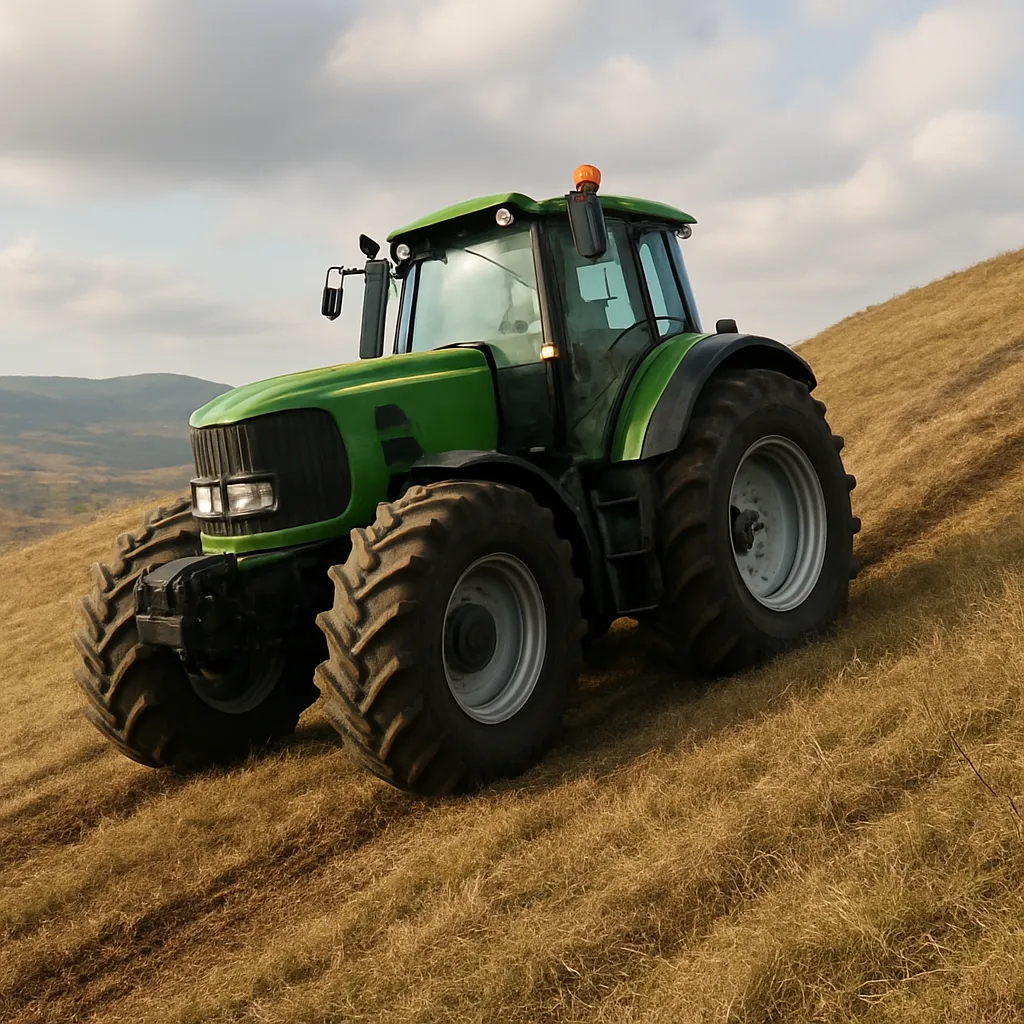
Big tractors have redefined the limits of agricultural and construction efficiency on challenging terrain. These mechanical giants are engineered to climb steep slopes, haul heavy loads, and maintain traction on loose soil. Their design blends raw power with cutting-edge technology, ensuring that farmers and operators can tackle the most extreme inclines with confidence. This article explores the evolution, design innovations, and applications of these behemoths, shedding light on how they master hills and slopes.
The Evolution of Giant Tractors for Uneven Terrain
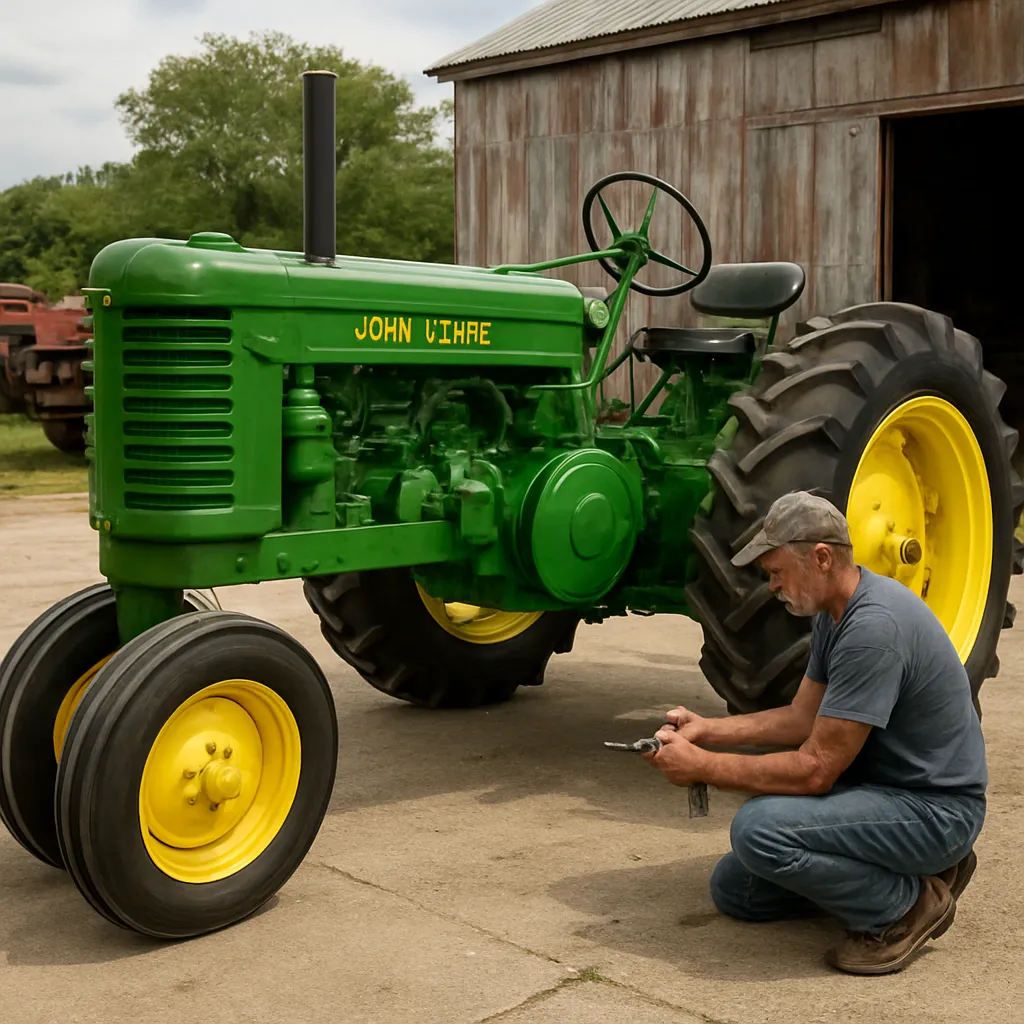
Since the early days of mechanized farming, engineers have pursued ways to enhance tractor performance on non-level ground. Early models struggled on inclines, often losing traction or tipping over. Over decades, breakthroughs in drivetrain design, chassis stability, and tire technology transformed these machines into modern marvels capable of climbing gradients exceeding 45 degrees.
Key milestones include the shift from two-wheel drive to four-wheel and all-wheel drive systems. These configurations distribute power more evenly and minimize wheel slip. The introduction of turbocharged diesel engines in the 1970s marked another leap, delivering more torque at lower RPMs—critical for pulling implements uphill. Over time, manufacturers integrated hydraulic assists, electronic controls, and advanced transmission systems, all contributing to the robust performance seen in today’s tractors.
Engineering Marvels: Design Features for Slopes
Modern large tractors incorporate specialized features that ensure stability and traction on hills:
- Low Center of Gravity: Chassis and engine placement are optimized to reduce rollover risk.
- Wide Track Width: Extending wheelbase dimensions enhances lateral stability on side slopes.
- Articulated Frames: Pivot joints allow the front and rear axles to adapt to uneven ground independently.
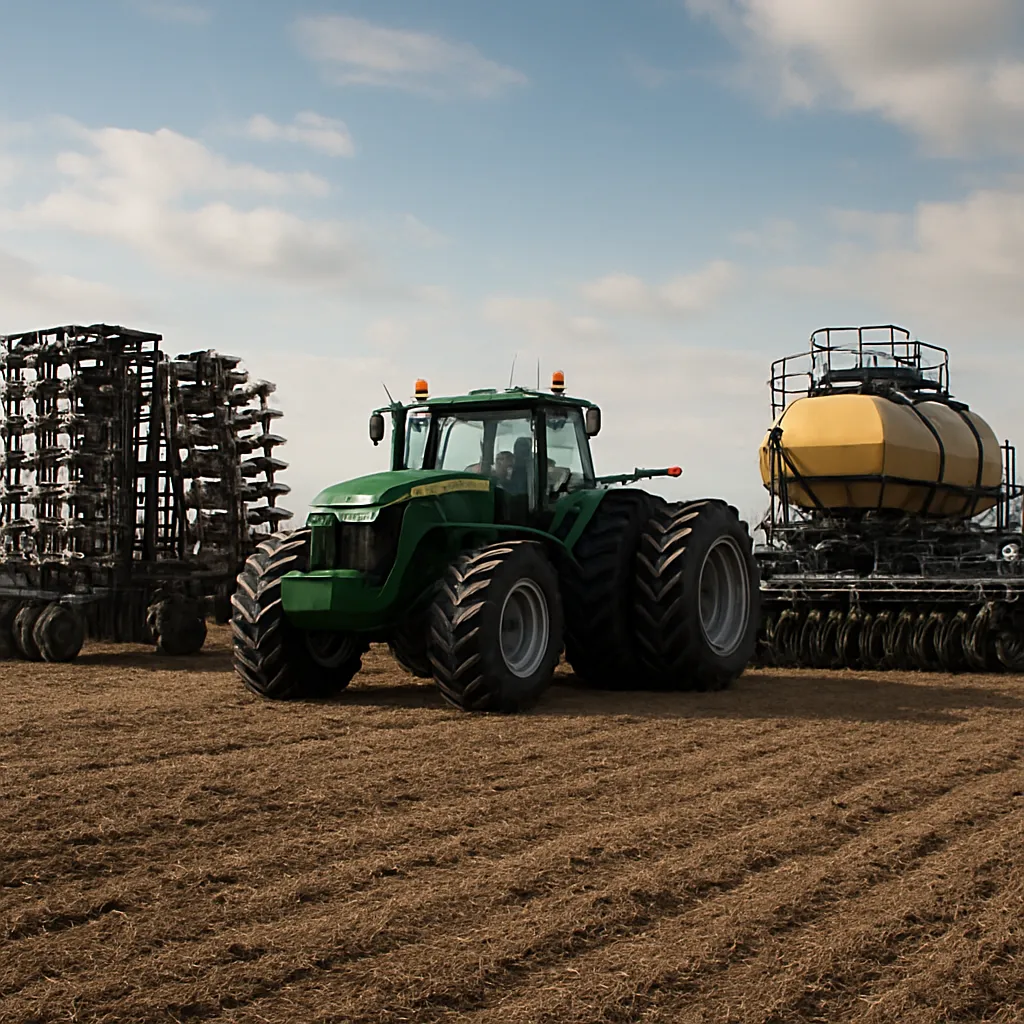
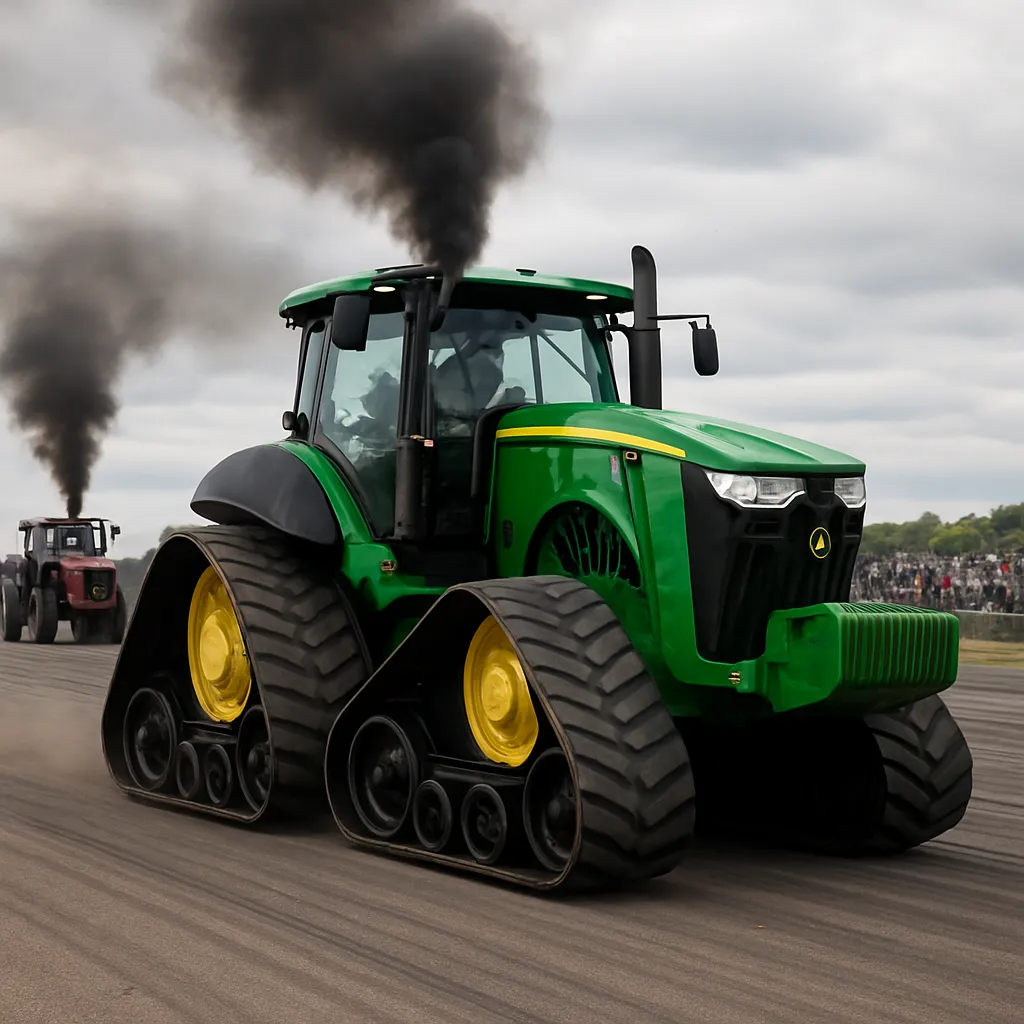
- Dual Wheels and Tracks: Optional attachments increase ground contact area, distributing weight more evenly.
- Ballast Systems: Adjustable weights help maintain balance and improve traction when hauling heavy loads uphill.
These design principles combine to form a platform that can tackle demanding Grade conditions. For instance, some of the largest agricultural tractors boast a total weight exceeding 25,000 kilograms—making careful weight distribution crucial.
Power and Traction: Conquering Steep Grades
Engine Performance
Big tractors rely on high-output engines delivering over 600 horsepower. Manufacturers like John Deere, Case IH, and Fendt deploy engines with after-treatment systems to meet emission standards without sacrificing power. Key attributes include:
- High torque at low RPM, enabling steady pulling force on steep inclines.
- Intercoolers and advanced fuel injection for peak efficiency under load.
- Variable geometry turbochargers to optimize airflow across varying altitudes.
Advanced Tire Technology
Tire advancements are critical for ensuring grip on loose or wet slopes. Innovations include:
- Radial Construction: Flex zones improve ground contact, reducing soil compaction and enhancing traction.
- Self-Cleaning Tread Patterns: Channels that eject mud and debris, maintaining grip on slippery terrain.
- High-flotation tires or dual setups that distribute massive tractor weight, preventing sink-in on soft ground.
In addition, manufacturers experiment with air pressure adjustments via on-the-go inflation systems, allowing operators to fine-tune tire pressure for maximum traction on steep or uneven surfaces.
Precision Control and Operator Assistance
Climbing hills in a giant tractor demands more than brute strength; it requires precision and responsive control systems. Modern cabs are equipped with:
- Intuitive touchscreen interfaces integrating GPS, slope sensors, and implement data.
- Automated transmission settings that shift gears optimally to maintain constant speed uphill.
- Electronic differential locks that adjust torque distribution to individual wheels based on slip detection.
- Load-sensing hydraulics that modulate power delivery to attachments, ensuring implements remain stable on inclines.
Furthermore, camera systems and proximity sensors provide real-time feedback, helping operators navigate tight turns and avoid obstacles on sloping fields. Semi-autonomous features can control throttle and steering to maintain a consistent line on contour plowing tasks.
Applications in Agriculture and Construction
Big tractors have found vital roles across sectors where elevation changes are common:
- Vineyard and Orchard Work: Specialized narrow-track models climb steep terraces while pruning or spraying.
- Hillside Terracing: Heavy-duty machines prepare land, transport soil, and shape contours for erosion control.
- Logging and Forestry: Tracked tractors with winches pull timber downhill safely and efficiently.
- Infrastructure Projects: Construction firms use hillside-capable tractors for road grading and earthmoving in mountainous regions.
Each application leverages the tractor’s combination of durability, power, and adaptability. By selecting the appropriate attachments—like flail mowers, front loaders, or 3-point linkage implements—operators can perform multiple tasks without switching machines, maximizing productivity on uneven landscapes.
Safety Protocols and Environmental Considerations
Operating heavy tractors on steep slopes poses inherent risks. To mitigate hazards, manufacturers and regulators emphasize:
- Rollover Protection Structures (ROPS) and reinforced cabs designed to withstand impact.
- Operator training programs focusing on slope angle assessment and safe maneuvering techniques.
- Advanced braking systems, including hill-hold functions that prevent rollback when starting on an incline.
- Environmental safeguards such as fuel-efficient engine modes and biodegradable hydraulic fluids to minimize ecological impact.
With these measures in place, big tractors can tackle hillsides safely while reducing soil erosion, protecting watercourses, and maintaining field integrity. Ongoing research in innovation and emissions control promises even greener performance, ensuring these machines remain sustainable workhorses for decades to come.