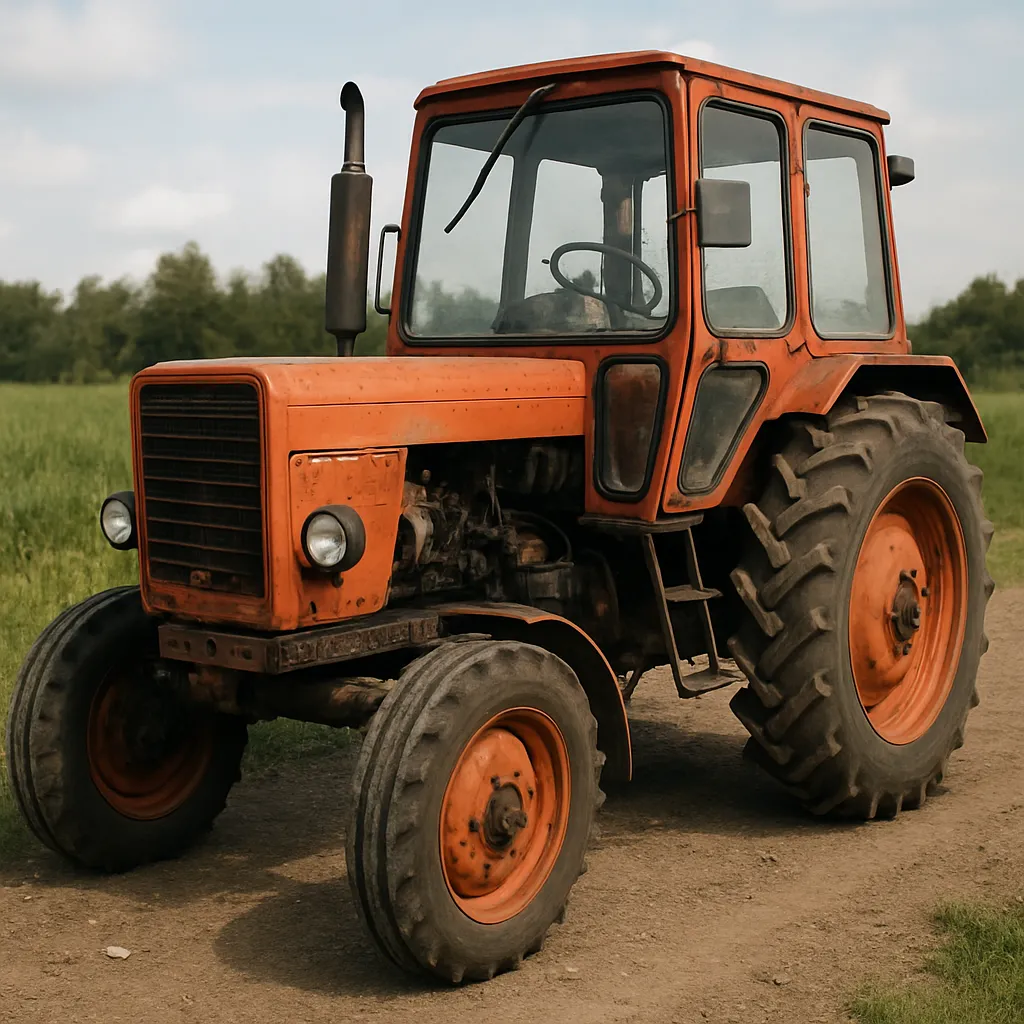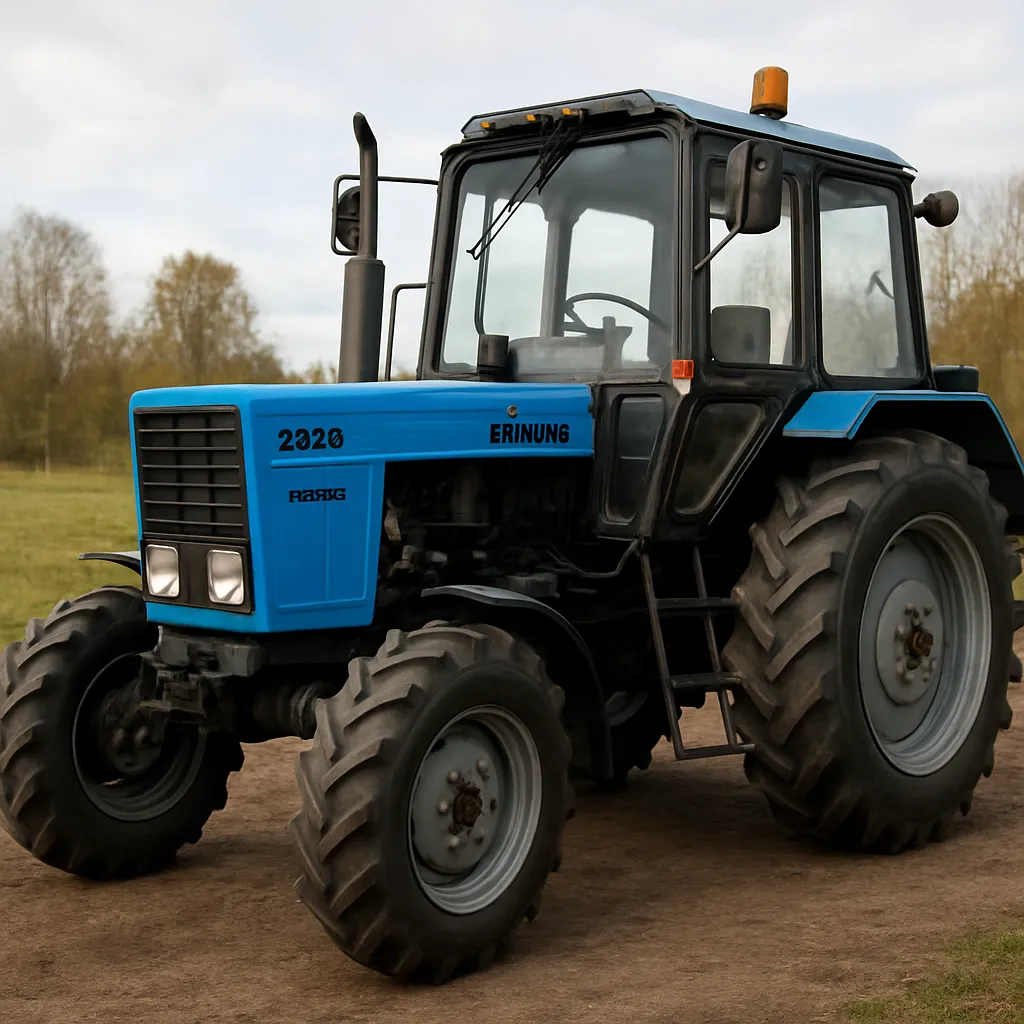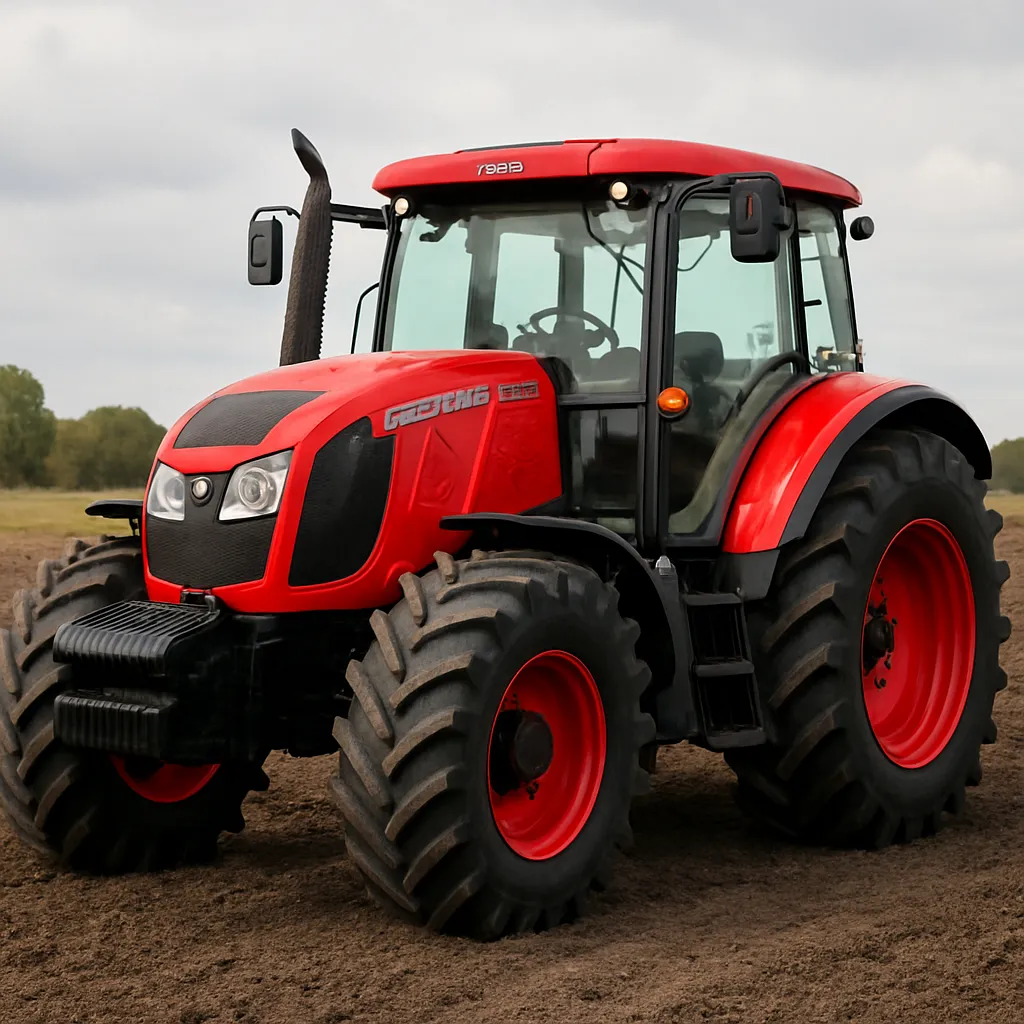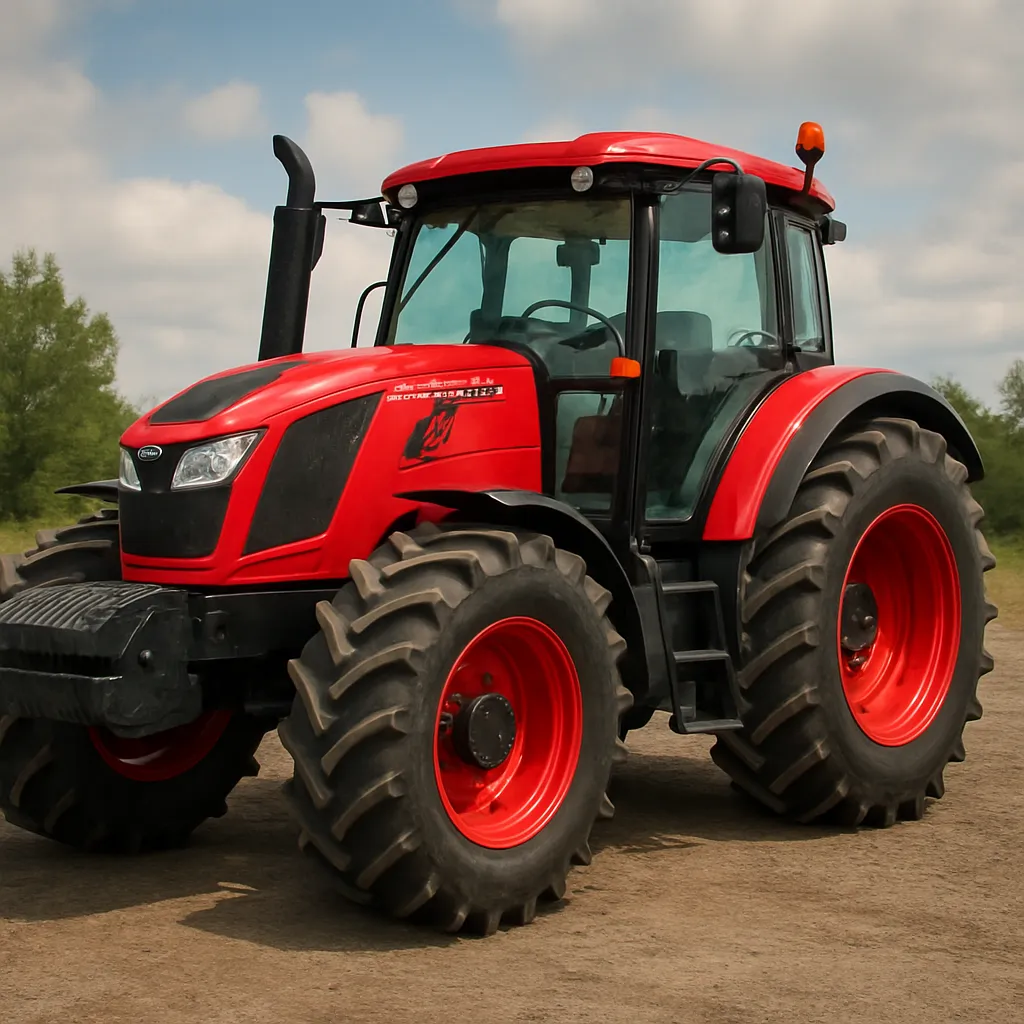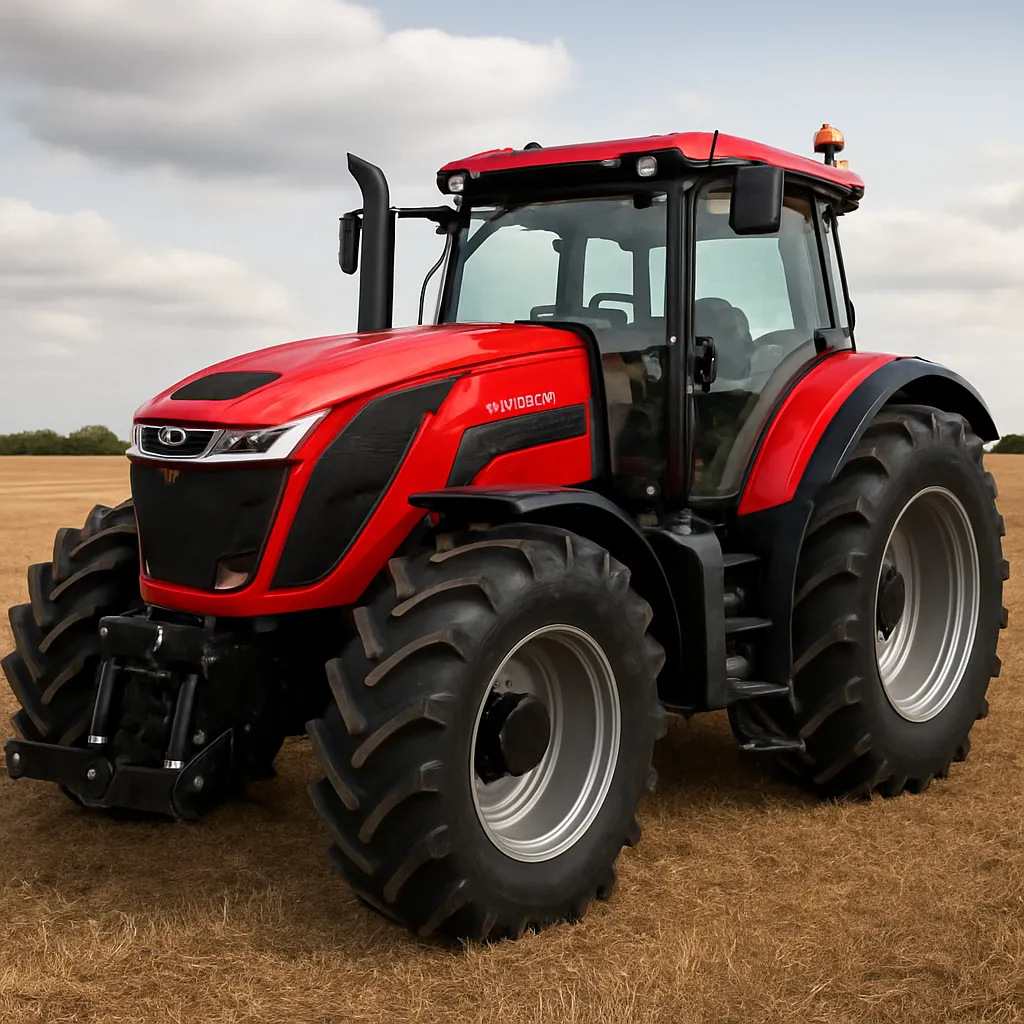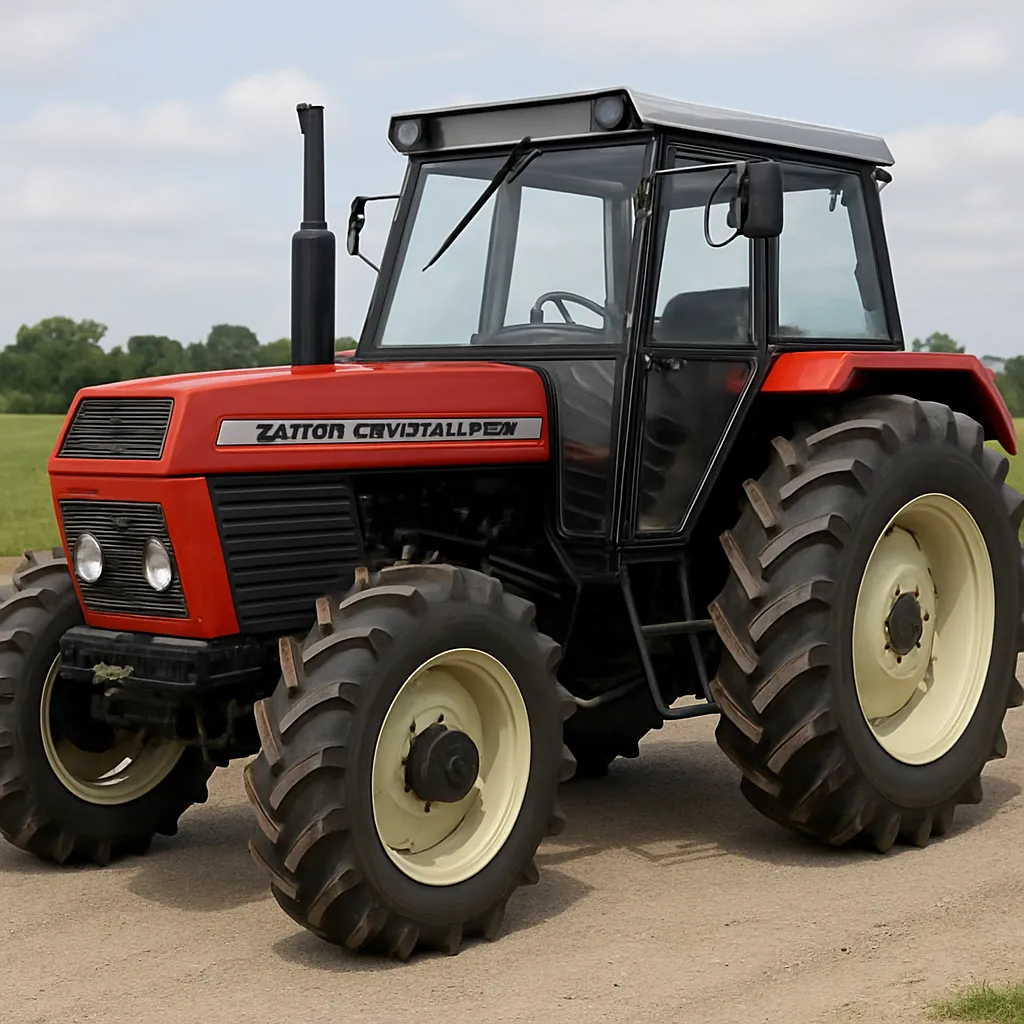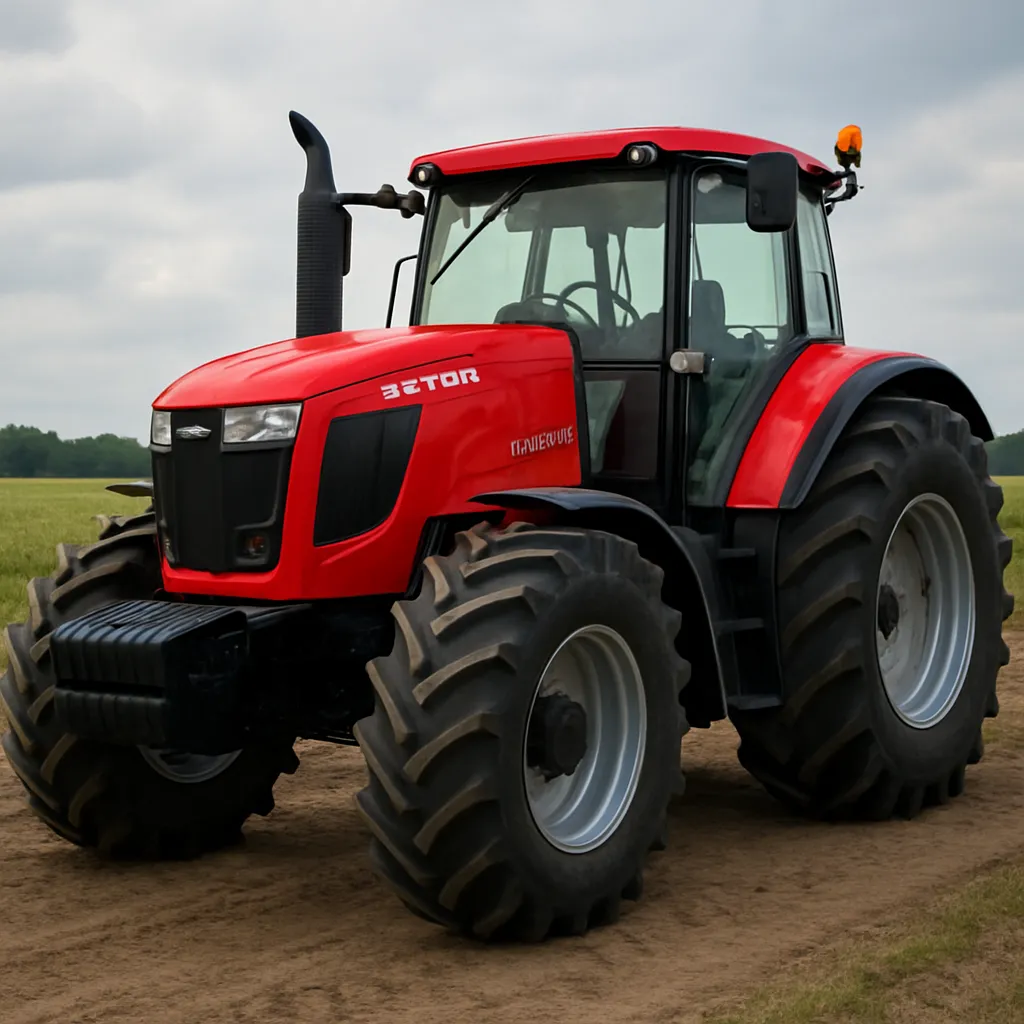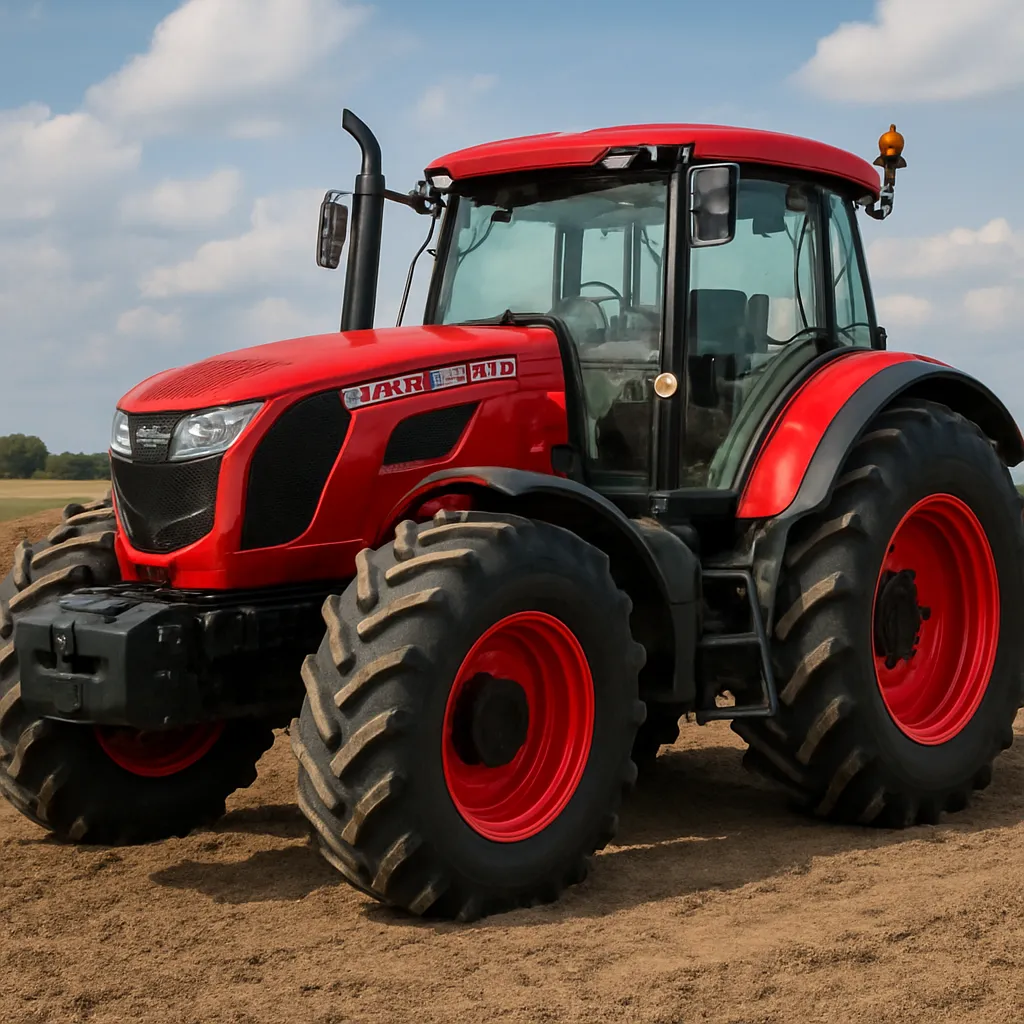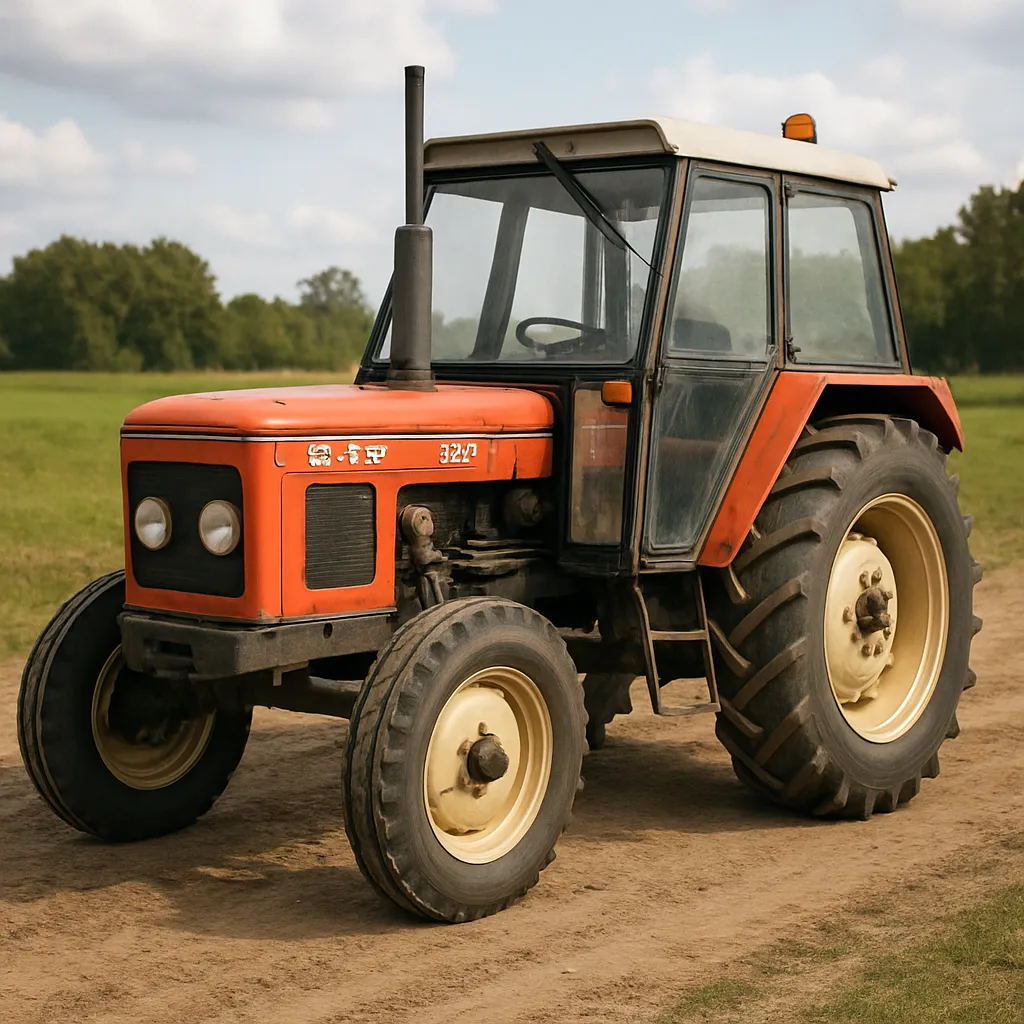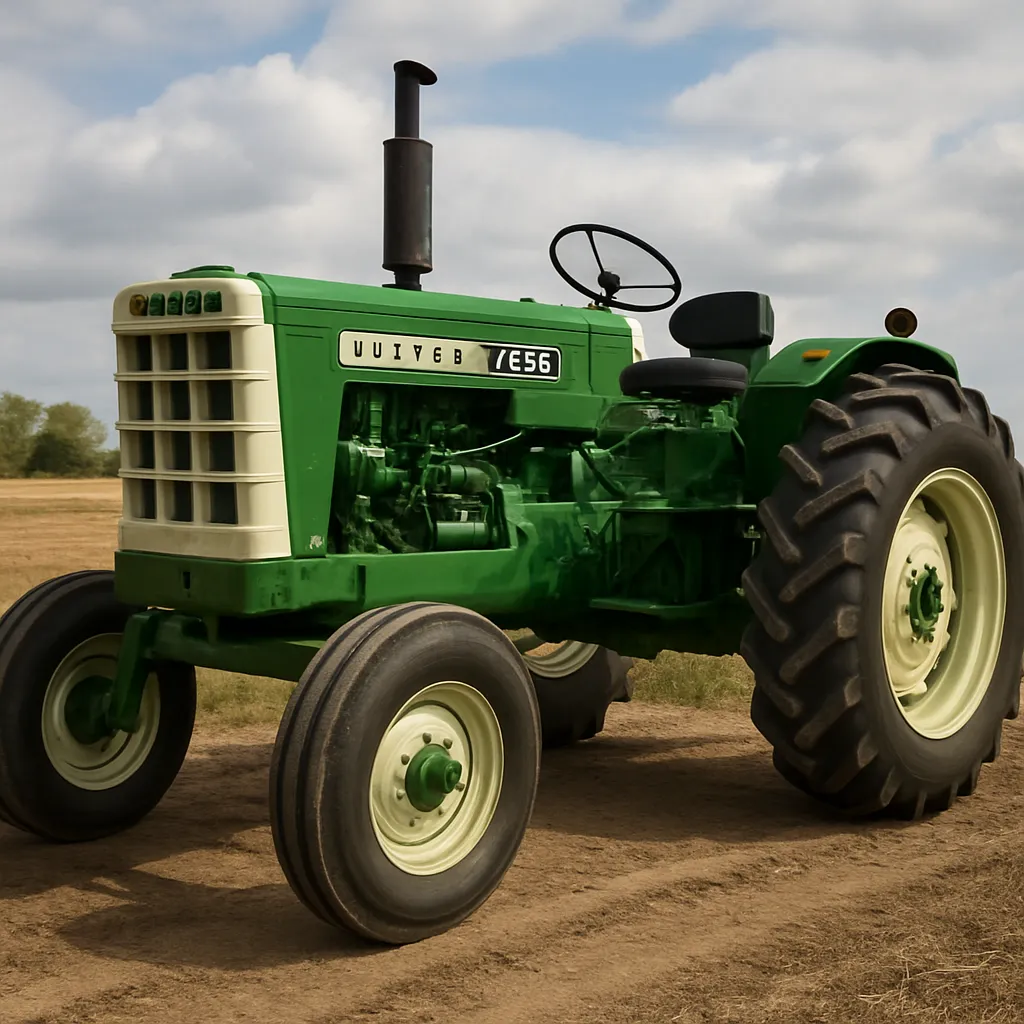
The following text explores the Oliver 1955 tractor: its historical context, technical characteristics, typical applications on farms, and its continuing appeal among collectors and restorers. Drawing on the general knowledge of mid-20th-century Oliver tractors, the article outlines practical uses, maintenance considerations, and the machine’s legacy in agricultural mechanization. Wherever specific numbers are uncertain for a single model, I indicate approximate ranges typical for Oliver tractors from the mid-1950s.
History and background of the Oliver brand in the mid-1950s
The name Oliver evokes a crucial chapter in North American agricultural mechanization. By the mid-1950s, Oliver Farm Equipment Company had consolidated a reputation for producing robust, well-engineered row-crop and utility tractors that served family farms and larger operations alike. The post-war era was a period of rapid modernization: expanding tractor power, improved hydraulics, and wider adoption of diesel engines transformed fieldwork routines.
Oliver’s designs were often praised for practical features like live power take-off (PTO), reliable transmissions, and durable frames. In 1955, tractors carrying the Oliver name embodied the company’s focus on combining simple operation with mechanical resilience. The company’s marketing emphasized productivity gains, lowering labor costs, and enabling year-round versatility — plowing, planting, cultivating, mowing, and hauling.
Design and technical characteristics
Engine and powertrain
Mid-1950s Oliver tractors were commonly offered with a choice of fuel types: gasoline, gasoline-allied fuels, and increasingly, diesel. Engines were typically inline 4- or 6-cylinder units, depending on the tractor’s intended role (row-crop vs. utility or orchard). Typical power outputs for Oliver machines of this era ranged approximately from 20 to 60 horsepower at the drawbar or belt, with many popular models clustering between 30 and 45 horsepower — sufficient for most medium-sized family farms of the time.
Transmissions in these tractors prioritized simplicity and durability. Manual gearboxes with 4 to 6 forward speeds and 1–2 reverse speeds were common. Some models offered synchronized shifting or range boxes to increase usable gear ratios. The inclusion of a live PTO (Power Take-Off) was a significant operational improvement: it allowed implements to be driven while the tractor’s motion was independently controlled. Reliable clutch design and robust final drives were features farmers counted on during long harvest seasons.
Hydraulics, PTO, and three-point hitch
- Hydraulic systems in Oliver tractors by the mid-1950s improved implement control. Many tractors had variable-flow pumps and simple remote valves suitable for plows, loaders, and mowers.
- The adoption of standardized three-point hitch systems increased implement compatibility and made tasks like rear-mounted plowing or rotary mowing easier to perform.
- PTO speeds typically adhered to industry norms (540 rpm was becoming standard for many implements), making Oliver tractors compatible with a wide range of farm equipment.
Chassis, tires, and attachments
Designers focused on good weight distribution and traction. Row-crop variants often had adjustable front wheel spacing and narrow front ends to navigate between rows, while utility models used wider front axles or front-wheel-drive arrangements for increased stability carrying front loaders. Tire options varied between agricultural lug tires for fieldwork and turf/implement tires for road and landscaping use. Many units could be fitted with front-end loaders, dozer blades, and implement hydraulics, enhancing versatility.
Applications and typical farm uses
The Oliver 1955-era tractors were workhorses of mixed farms, grain operations, and livestock enterprises. Their versatility made them suitable for multiple roles across the agricultural calendar.
- Plowing and primary tillage: Powerful pulls and durable drivelines enabled these tractors to handle 2–4 bottom plows, depending on soil type and tractor size.
- Seeding and planting: With PTO-driven planters and mounted hitches, they performed precision planting and seedbed preparation.
- Cultivation and weed control: Row-crop variants with narrow fronts and adjustable axles were well-suited for cultivating row crops like corn and cotton.
- Baling, mowing, and forage: Belt-driven and PTO-driven implements made hay production practical, with speeds and power adequate for most mid-century farm implements.
- Hauling and chores: Farm wagons, feed handling, and loader tasks were common uses, extending utility beyond field operations.
Performance and operational statistics (approximate)
Exact factory statistics for a specific “1955” stamped Oliver model can vary by serial number, market, and configuration. The following figures represent typical ranges for Oliver tractors produced in the mid-1950s; they should be used as a general guideline rather than precise specifications for a particular unit.
- Engine displacement: commonly between 150 and 300 cubic inches (approx. 2.5–5.0 liters) for 4–6 cylinder units.
- Rated engine horsepower: often 30–60 hp at the flywheel; drawbar horsepower typically 20–45 hp depending on gearing and testing method.
- Fuel consumption: diesel models typically returned better fuel economy than gasoline versions, with fuel burn varying by load but often in the range of 3–7 gallons per hour under moderate to heavy work.
- Weight: operating weight tended to range from 3,000 to 6,000 pounds (1,360 – 2,720 kg), depending on ballast, tires, and attachments.
- PTO RPM: many models offered a standard PTO speed around 540 rpm, enabling compatibility with common implements.
Because production options included different transmissions, engines, and final-drive ratios, two Olivers from the same year could perform noticeably differently. Farm owners often selected options to match soil conditions, typical implement sizes, and desired fuel economy.
Maintenance, reliability, and long-term ownership
One reason Oliver tractors from the 1950s remain in use or are sought after by collectors is their mechanical simplicity and robust construction. With regular maintenance, many of these tractors can operate reliably for decades.
Routine upkeep
- Oil and filter changes at manufacturer-recommended intervals to protect bearings and piston rings.
- Cooling system checks and radiator maintenance to prevent overheating, especially in heavy loads.
- Clutch and transmission inspections; manual gearbox designs require periodic clutch adjustments to ensure smooth engagement.
- Hydraulic fluid and seal maintenance for hoses and control valves — replacing aged seals prevents leaks and loss of function.
- Periodic greasing of chassis points and PTO shafts to minimize wear.
Common issues and their solutions
Typical aging problems include worn rings and valves in high-hour engines, corroded fuel systems (especially in gasoline models), and cracked hoses in hydraulic circuits. However, because parts and service knowledge for mid-century tractors are widespread among enthusiasts, these machines are often less costly to repair than modern electronically controlled equipment. Aftermarket repro parts and rebuild services are commonly available for widely used components like carburetors, injectors, water pumps, and clutches.
Restoration, collecting, and value
As original agricultural equipment transitions into the realm of collectible machinery, Oliver tractors from the 1950s enjoy steady interest. Restorers and collectors prize tractors that retain original paint, badges, and mechanical authenticity, while others prefer “resto-mod” conversions that update engines or add modern conveniences like improved lighting and hydraulics.
Restoration considerations
- Assessing originality: matching serial numbers, correct paint shades, and era-appropriate accessories increase historical value.
- Cost factors: mechanical restoration can be less expensive than bodywork and paint. Engine rebuilds, hydraulic overhauls, and transmission repairs often form a core of restoration budgets.
- Availability of parts: for popular Oliver models, reproduction panels, decals, and engine components are available; rare variants may require fabricating parts or sourcing donor tractors.
Collector categories and market trends
Collectors range from farmers preserving a family machine to enthusiasts participating in vintage tractor shows and parades. Prices depend on model rarity, condition, and provenance. A fully restored, rare Oliver from the 1950s can command a premium, while a solid, running example in original paint may represent strong value to a working collector. The market prioritizes cleanliness, mechanical soundness, and historical accuracy.
Comparisons and legacy
Oliver’s tractors competed with contemporaries from Ford, International Harvester, John Deere, and Allis-Chalmers. Each company emphasized different strengths: John Deere’s dealer network and green branding, Ford’s mass-produced affordability, IH’s commercial robustness. Oliver’s niche was often a balance between durability and thoughtful engineering — offering implements and features that made mid-century farm tasks more efficient.
The legacy of the Oliver machines from this era is multifold. Technically, they helped cement standards such as live PTOs and three-point hitches that remain important today. Culturally, they symbolized the mechanization of the family farm and the transition from draft animals to reliable machine labor. For many rural communities, Oliver tractors of the 1950s are remembered for their role in seasonal rhythms and local economies.
Practical advice for prospective owners
If you are considering acquiring an Oliver tractor from 1955 or a similar era, consider the following practical steps:
- Inspect mechanical condition: run the engine if possible, check for smoke, listen for knocks, and verify hydraulic function.
- Check for structural integrity: look for frame cracks, heavy rust that compromises mounting points, and the state of the axles and final drives.
- Verify PTO and hitch operation: practical use depends on reliable PTO torque and a functioning three-point hitch.
- Research parts availability for the specific model: popular models have active support networks and repro suppliers.
- Consider transport and storage: these tractors are heavy and may require special hauling arrangements; secure, dry storage will extend their useful life.
Modern uses and adaptations
Although modern farms often favor high-horsepower, computer-controlled equipment, restored mid-century tractors remain useful for niche applications. They are particularly well-suited for:
- Small-acreage farms and hobby farmers who appreciate manageable size and mechanical simplicity.
- Vineyards and orchards where narrow row-crop versions offer maneuverability and minimal soil compaction.
- Landscape contractors and municipal crews using vintage tractors for light hauling, mowing, or historical displays.
- Educational and demonstration settings, where older machines illustrate historical agricultural practices.
Conclusion
The Oliver tractors of the mid-1950s represent a meaningful link between early mechanized farming and modern agricultural technology. With practical engineering, a range of fuel and transmission options, and an enduring reputation for durability, these tractors performed essential jobs on farms across North America and beyond. Today they survive as working machines, restoration projects, and collector’s items — a testimony to the craftsmanship of a bygone era.
Oliver machines continue to draw attention for their blend of practical capability and historical significance; whether used in the field, restored for shows, or appreciated by tractor enthusiasts, they remain an enduring symbol of mid-20th-century farming.