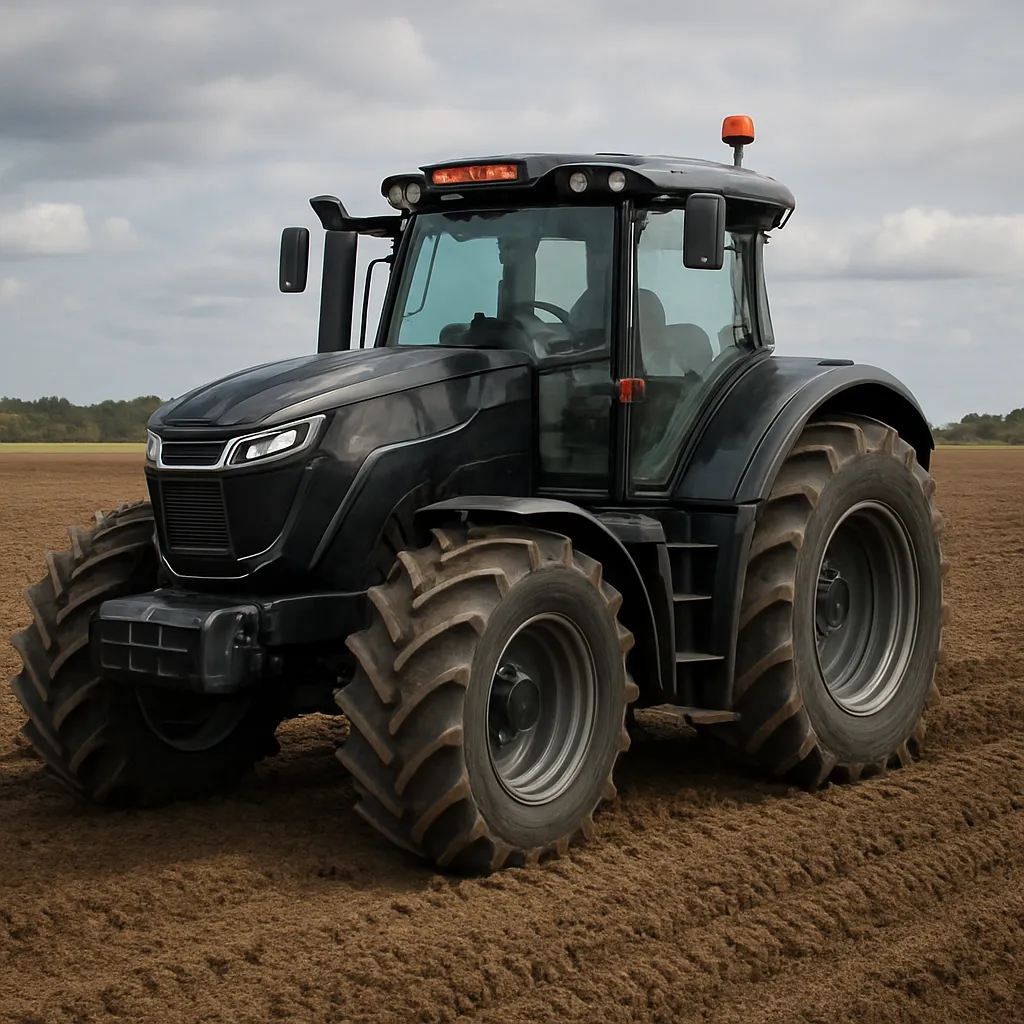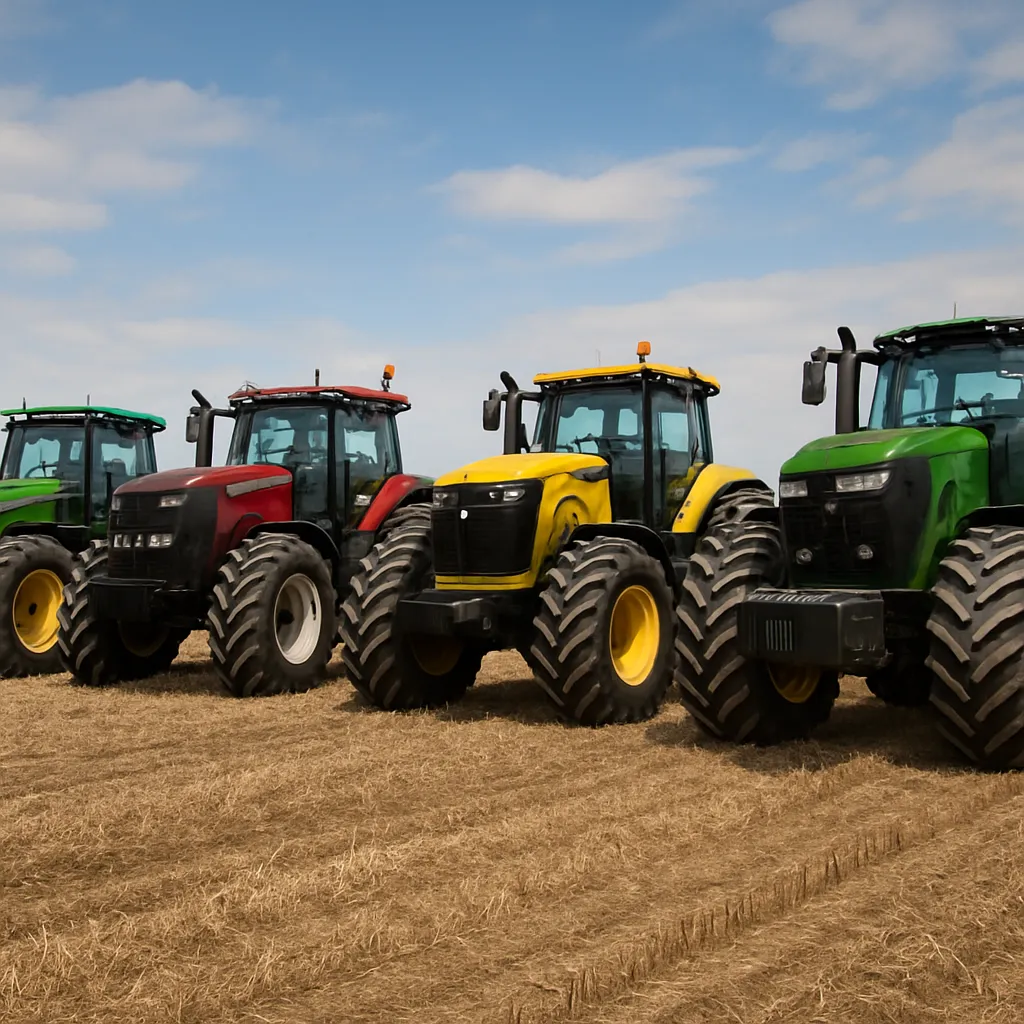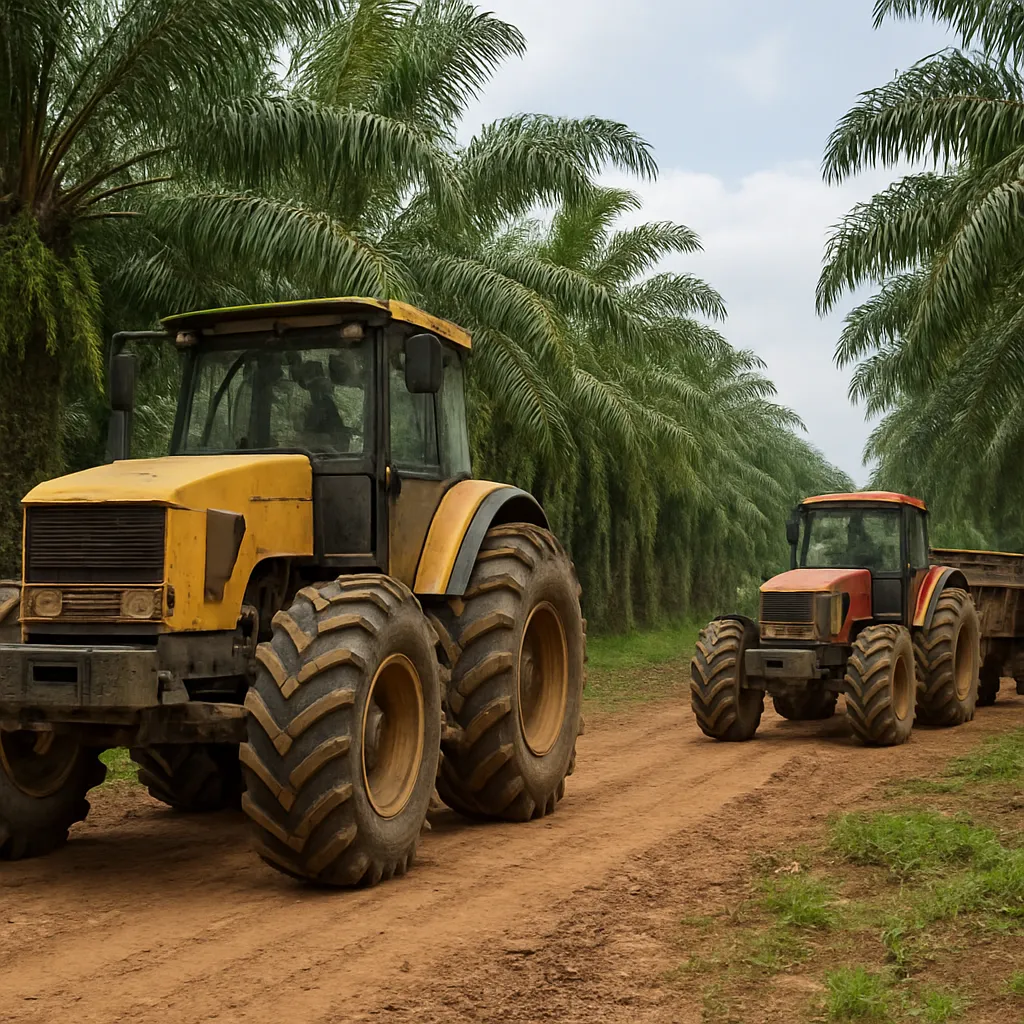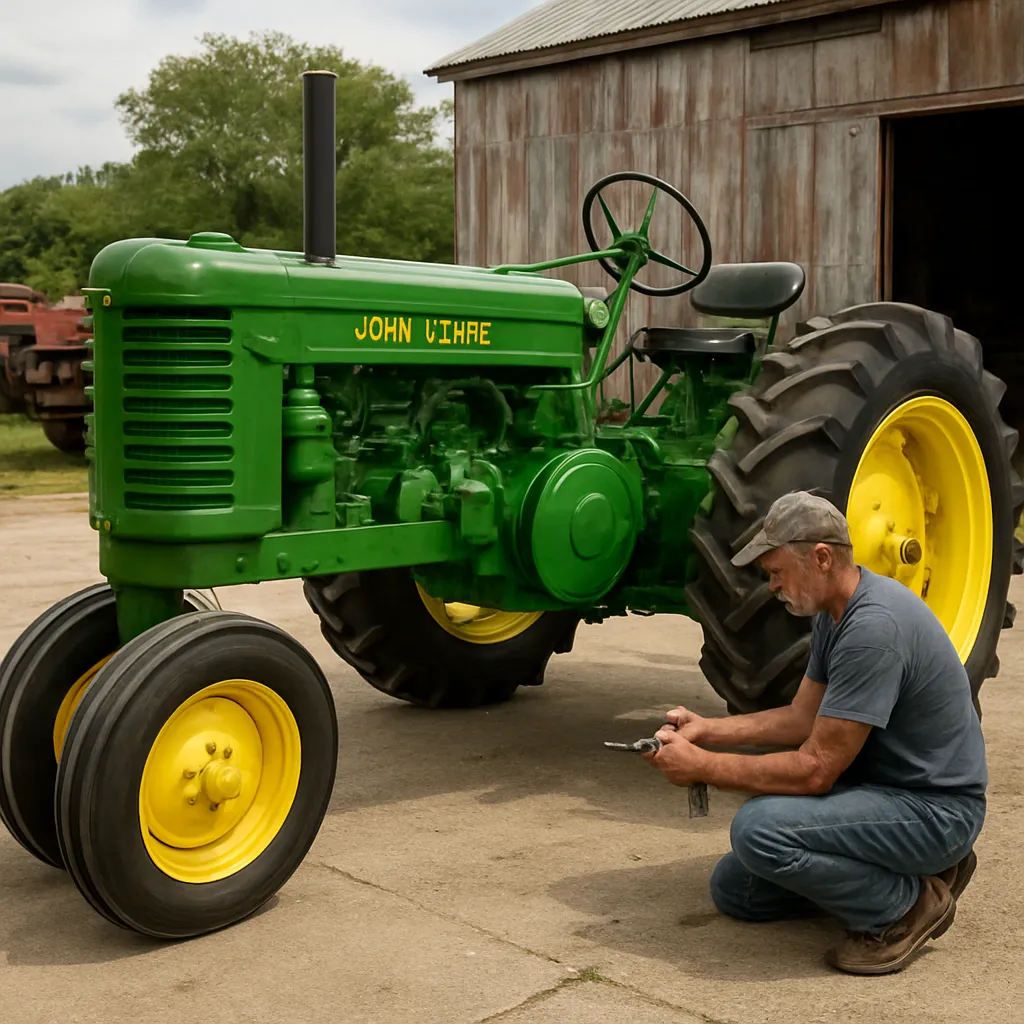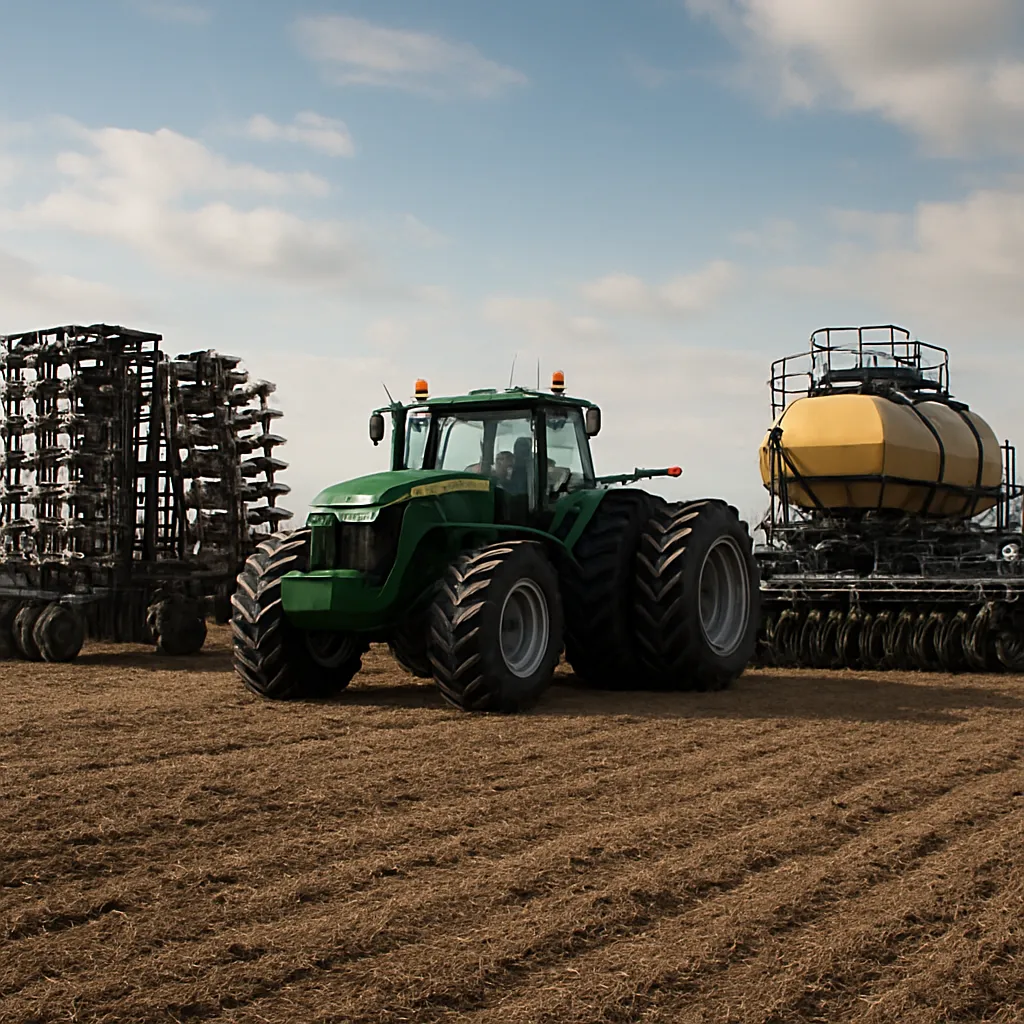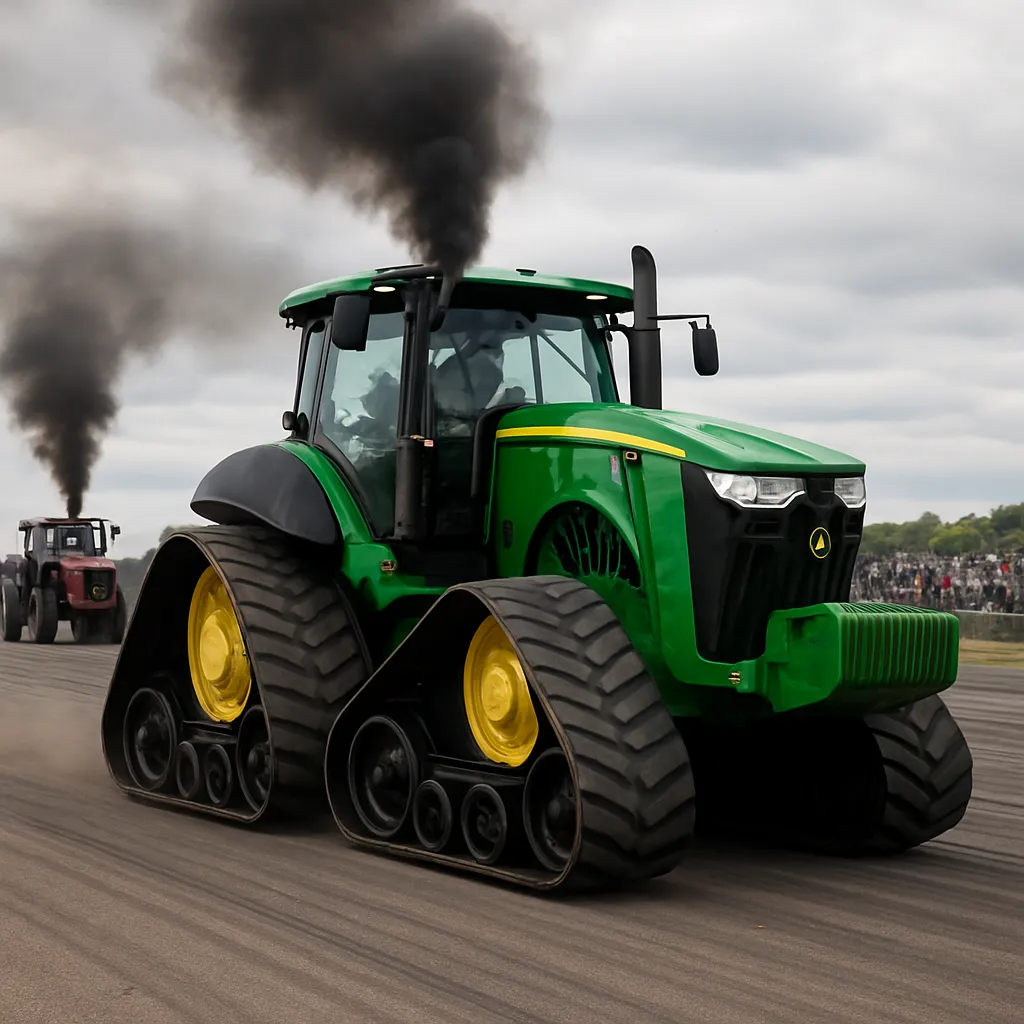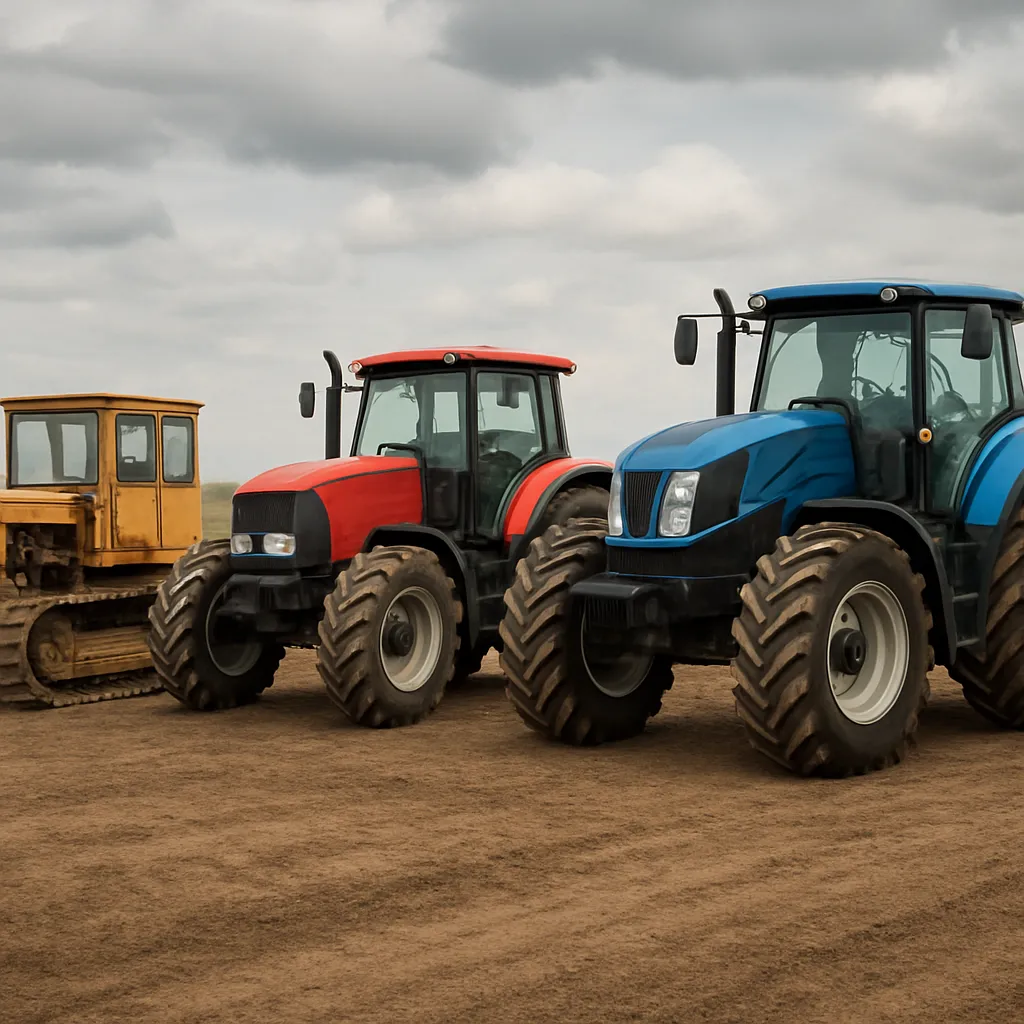
The Evolution of Transmission Systems in Heavy Tractors explores how cutting-edge innovations have transformed the way these colossal machines deliver power to the field. By examining early mechanical designs, the rise of synchronized gearboxes, and the integration of advanced electronics, this article reveals how today’s agricultural giants achieve unprecedented levels of efficiency and reliability. Alongside technical developments, we highlight landmark models that pushed boundaries in horsepower, torque, and overall performance.
Historical Beginnings of Heavy Tractor Transmissions
Early Mechanical Setups
At the dawn of mechanized farming, tractors relied on rudimentary transmission systems consisting of a direct drive shaft and a handful of spur gears. Farmers learned to manage the limited range of speeds to optimize field work. These pioneering designs set the stage for future breakthroughs in durability and load-handling capacity. Early manufacturers prioritized simplicity to ensure that repairs could be made on the farm, often under demanding conditions.
The Rise of Multi-Speed Gearboxes
By the mid-20th century, engineers introduced multi-speed gearboxes with synchronized shifting. This innovation reduced gear clash and enabled operators to change speeds more smoothly, which in turn enhanced fuel efficiency and decreased downtime. Key features included:
- Multiple forward and reverse gears to match varying field tasks
- Synchronized gear engagement for quieter operation
- Reinforced housing for increased durability
These improvements allowed tractors to tackle both heavy draft work and high-speed transport on farm roads without sacrificing performance.
Advancements in Transmission Technology
Power Shift and Torque Amplification
The advent of power shift transmissions marked a significant leap forward. By employing a network of hydraulic clutches and planetary gearsets, power shift units enabled on-the-go shifting without clutching. Operators could slip seamlessly between speeds while under load, unlocking improved tractor responsiveness and continuous power delivery. Notable benefits included enhanced torque multiplication and reduced mechanical stress.
Continuously Variable Transmissions (CVT)
In the late 20th century, the introduction of continuously variable transmissions revolutionized the heavy tractor market. CVTs offer a theoretically infinite range of ratios, allowing the engine to operate at optimum rpm for any given task. This results in:
- Maximized fuel efficiency across all working conditions
- Seamless acceleration and deceleration
- Elimination of torque spikes that can damage driveline components
Key challenges such as managing heat generation and ensuring long-term durability have been addressed through advanced cooling circuits and premium materials.
Dual-Clutch Systems
Dual-clutch transmissions (DCT) represent another modern stride, combining the benefits of mechanical gearboxes with the smoothness of an automatic. By alternating between two clutches, one handling odd gears and the other even gears, DCTs achieve near-instantaneous shifts without power interruption. This design optimizes load distribution and preserves consistent traction, making it ideal for high-horsepower applications.
Integration of Electronics and Automation
Electronic Control Units (ECUs)
The rise of microprocessors in heavy tractors has enabled precise management of transmission behavior. Electronic Control Units monitor variables such as engine speed, ground speed, and load conditions to adjust shift points and clutch engagements in real time. This level of control delivers significant gains in:
- Fuel efficiency through adaptive learning algorithms
- Reduced operator fatigue by simplifying shift operations
- Enhanced reliability via predictive maintenance alerts
Automated Transmission Modes
Contemporary heavy tractors often feature multiple transmission modes, including field, transport, and custom profiles. Each mode tailors shift logic to specific tasks:
- Field mode prioritizes high torque at low speeds for tilling and planting
- Transport mode shifts earlier to maximize road travel efficiency
- Custom mode allows operators to define preferred shift points and clutch settings
These capabilities contribute to greater operational precision and productivity on diverse terrains.
Telematics and Remote Diagnostics
Integration with telematics platforms enables fleet managers to track transmission performance metrics, observe real-time temperature and pressure data, and schedule maintenance before issues escalate. This proactive approach reduces unexpected breakdowns and extends service intervals.
Design Considerations for Maximum Traction
Hydraulic vs. Mechanical Power Delivery
Heavy tractors balance mechanical gear trains with hydraulic circuits to achieve superior traction and implement control. Modern transmissions often incorporate hydrostatic drives for low-speed tasks that demand fine control, while locking in mechanical gear sets for high-speed travel. This hybrid approach merges the best of both worlds, delivering smooth modulation via hydraulics and robust power transfer through gears.
Managing Slip and Wheel Slip Control
Excessive wheel slip not only reduces field efficiency but also compacts soil. Advanced systems employ sensors to monitor ground speed and compare it to transmission output. When slip thresholds are exceeded, automatic adjustments reduce power or engage differential locks to optimize traction while preserving soil structure.
Case Studies of Record-Breaking Tractors
Biggest Tractors in Production
Several manufacturers compete to build the most powerful production tractors, often surpassing 500 horsepower. Examples include:
- A flagship model featuring an eight-speed power shift with integrated CVT for seamless torque delivery.
- A dual-engine concept employing linked transmissions to double available torque without compromising stability.
- An articulating design with electronically controlled traction management, offering unmatched flexibility in uneven terrain.
All-Time Record Holders
Beyond production units, custom-built tractors have shattered barriers. The current record-holder employs a multi-stage planetary gearbox paired with a hydrostatic finale, achieving over 1,000 horsepower for deep subsoiling. Careful integration of electronic management ensures all power is harnessed effectively without catastrophic drivetrain failure.
Lessons for Future Development
These engineering marvels demonstrate that pushing the envelope in transmission design requires:
- Advanced materials to withstand extreme loads
- Precision manufacturing to achieve tight tolerances
- Smart control systems for real-time optimization
- Robust testing protocols to validate durability under harsher-than-farm conditions
As agriculture continues to scale, transmission innovations will remain at the heart of tractor evolution, driving the next generation of giants to balance raw power with exceptional efficiency and sustainable performance.