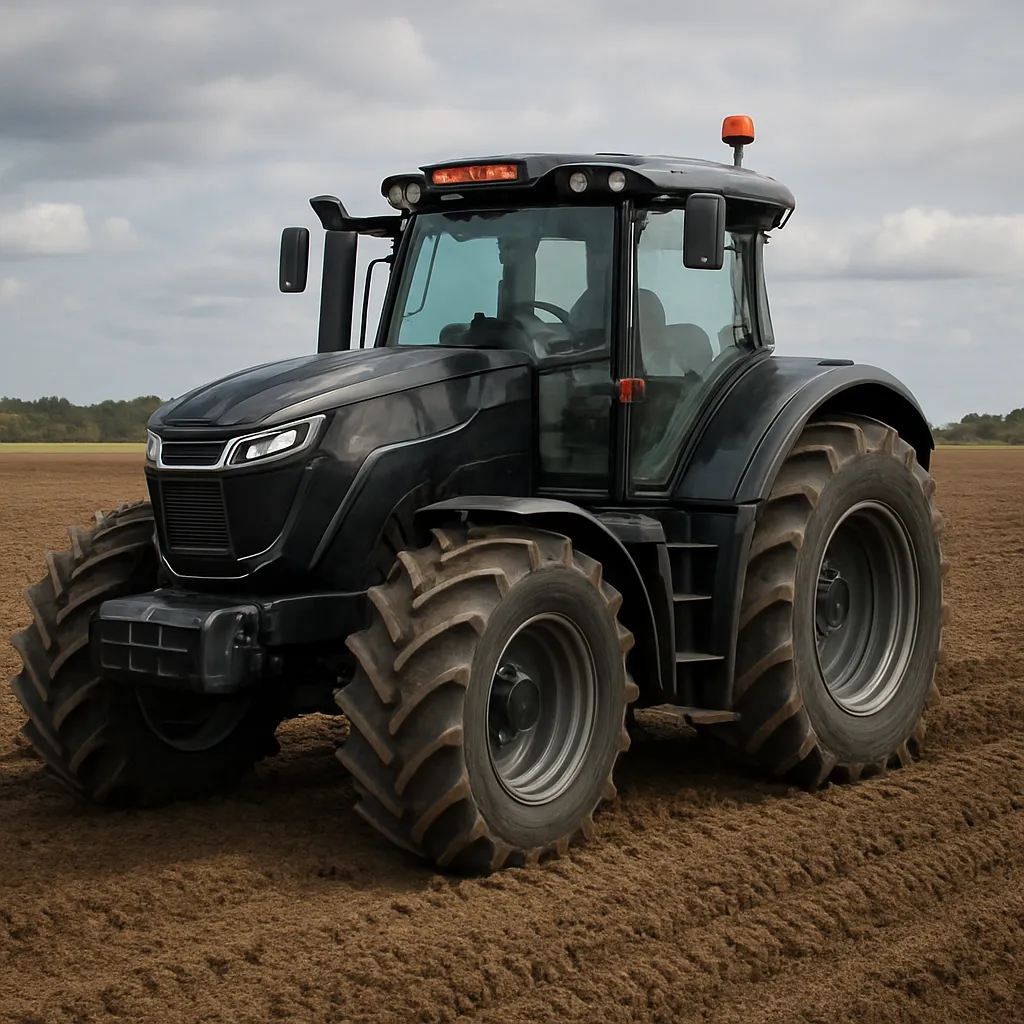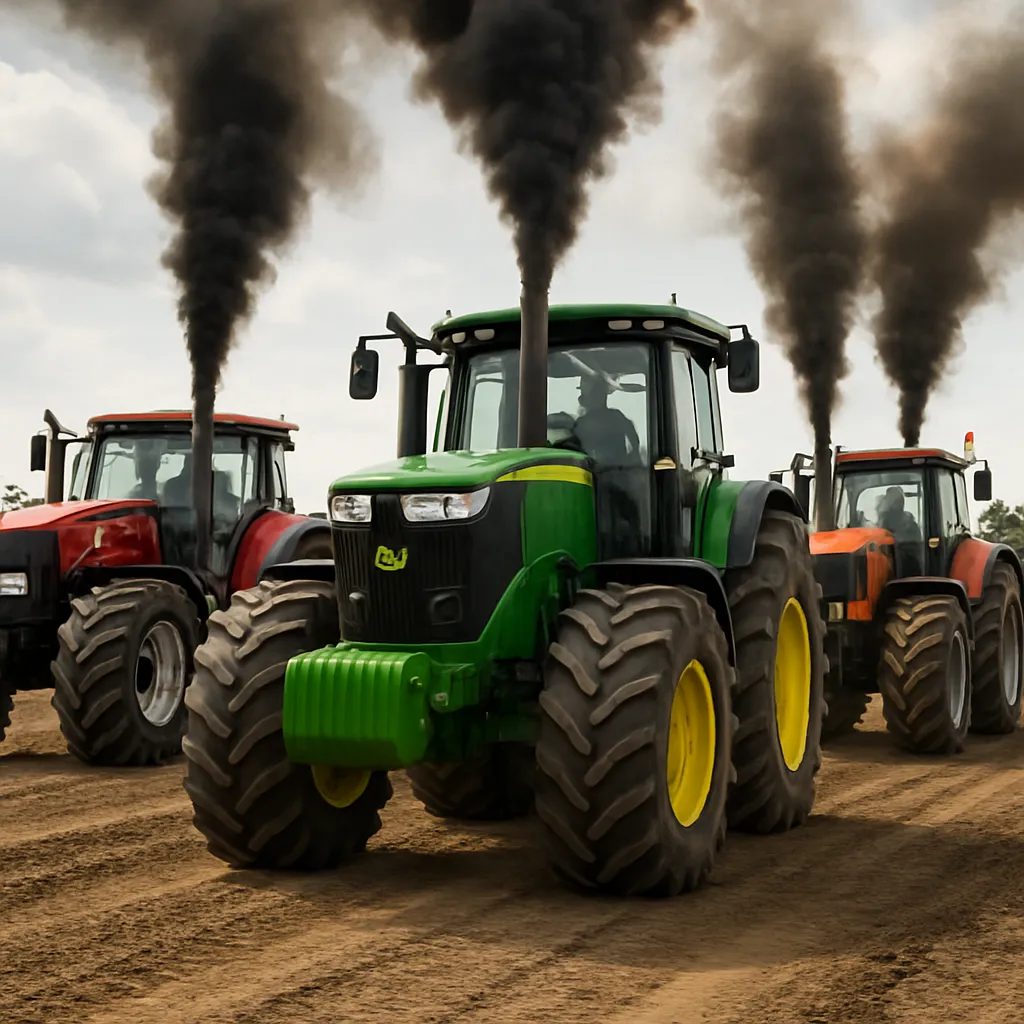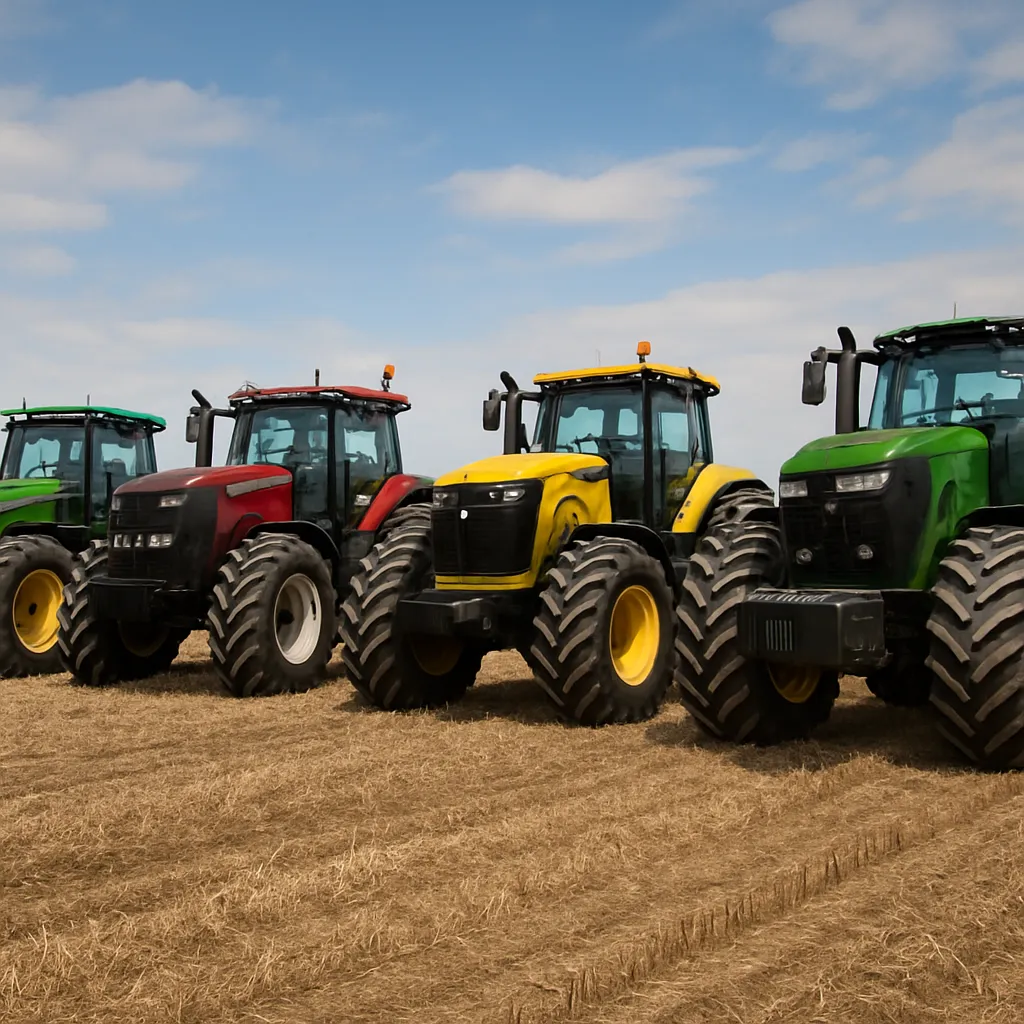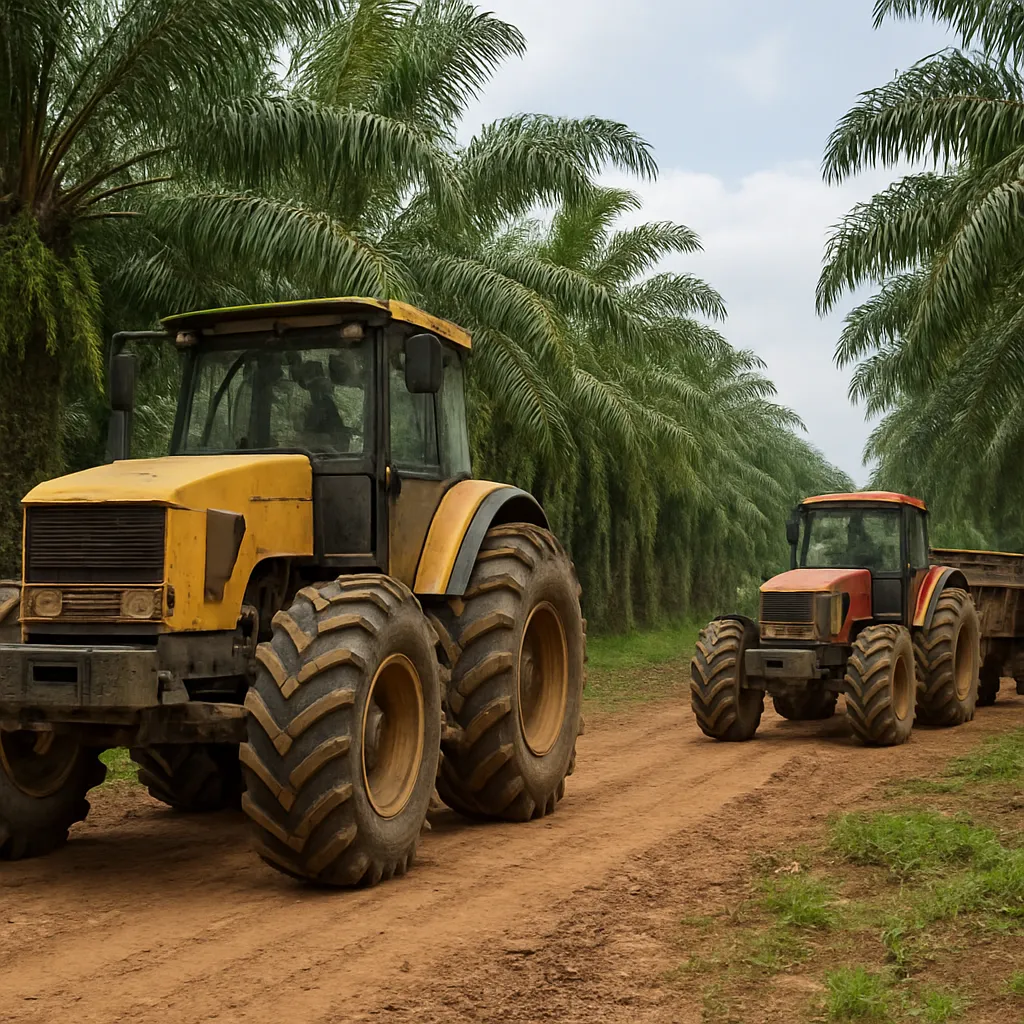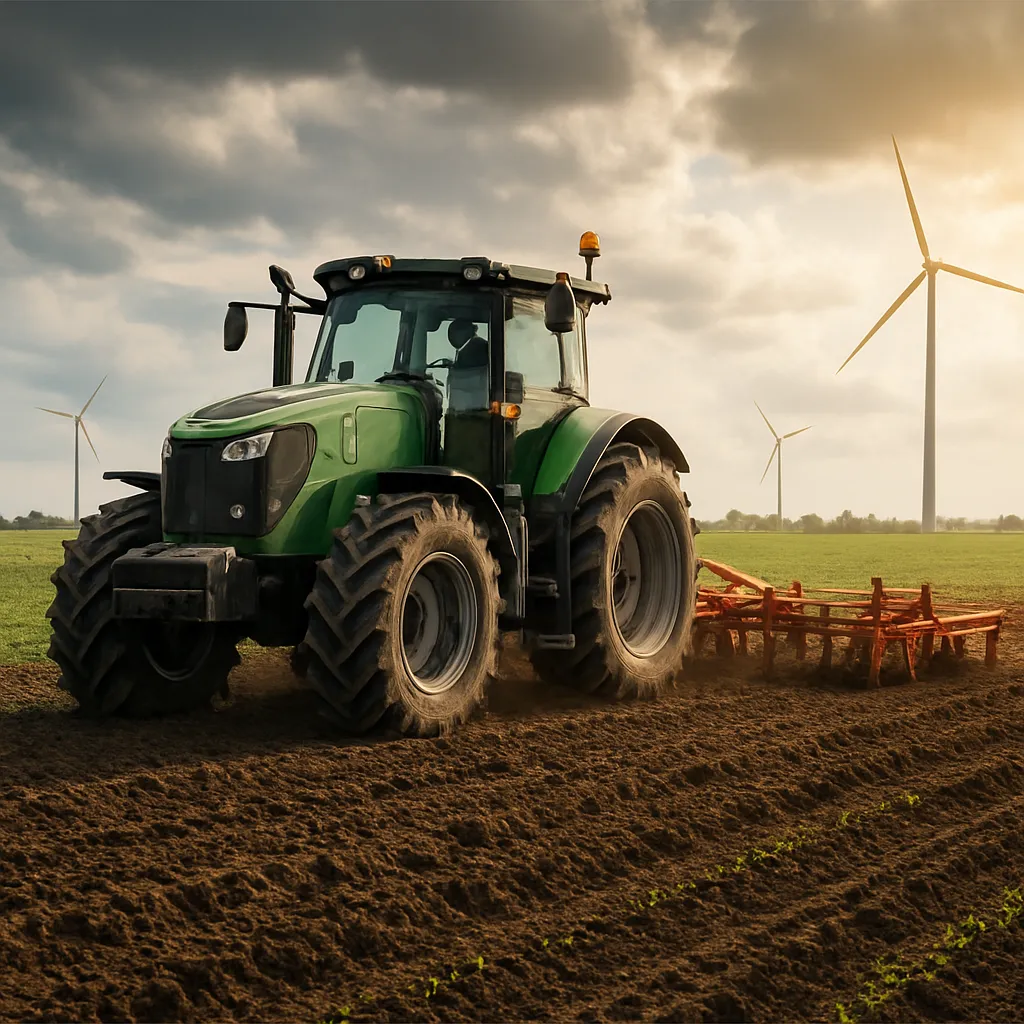
The world of agriculture has witnessed an extraordinary transformation as manufacturers push the boundaries of size and power. From humble beginnings to modern giants, tractors now tower over fields, combining brute force with advanced digital systems. This exploration delves into the forces behind the rise of the largest tractors, the cutting-edge technologies that drive them, and the ways these behemoths are reshaping farming practices.
While sheer scale grabs headlines, the true story lies in how innovation and engineering excellence have redefined capability, efficiency, and environmental impact. Farmers demand machines that deliver consistent results under demanding conditions, and the industry responds with engineering marvels that blend muscle with intelligence.
Evolution of Massive Tractor Design
From Steam Engines to Colossal Steel
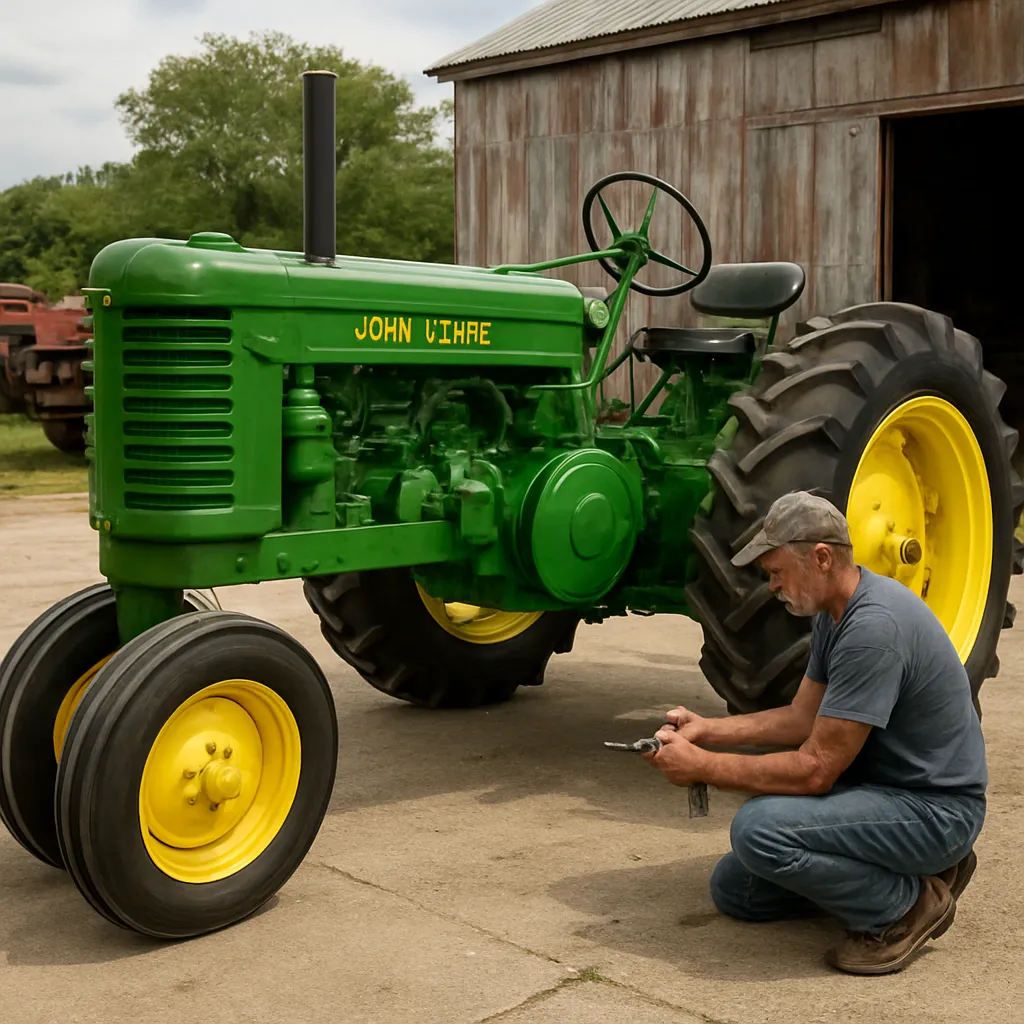
Early agricultural machinery relied on steam power and rudimentary gear systems. These ancestors paved the way for internal combustion engines, unleashing unprecedented levels of power. Over decades, incremental improvements in materials, safety features, and ergonomics led to the modern leviathans on today’s farms.
- 1920s: Introduction of gasoline-powered tractors replacing animal draft.
- 1950s: Development of diesel engines providing greater torque and fuel economy.
- 1980s: Four-wheel drive systems for improved traction on challenging terrain.
- 2000s: Computer-controlled transmissions and enhanced hydraulic capacity.
- 2010s–Present: Integration of sensors and remote monitoring capabilities.
Driving Factors Behind Growing Dimensions
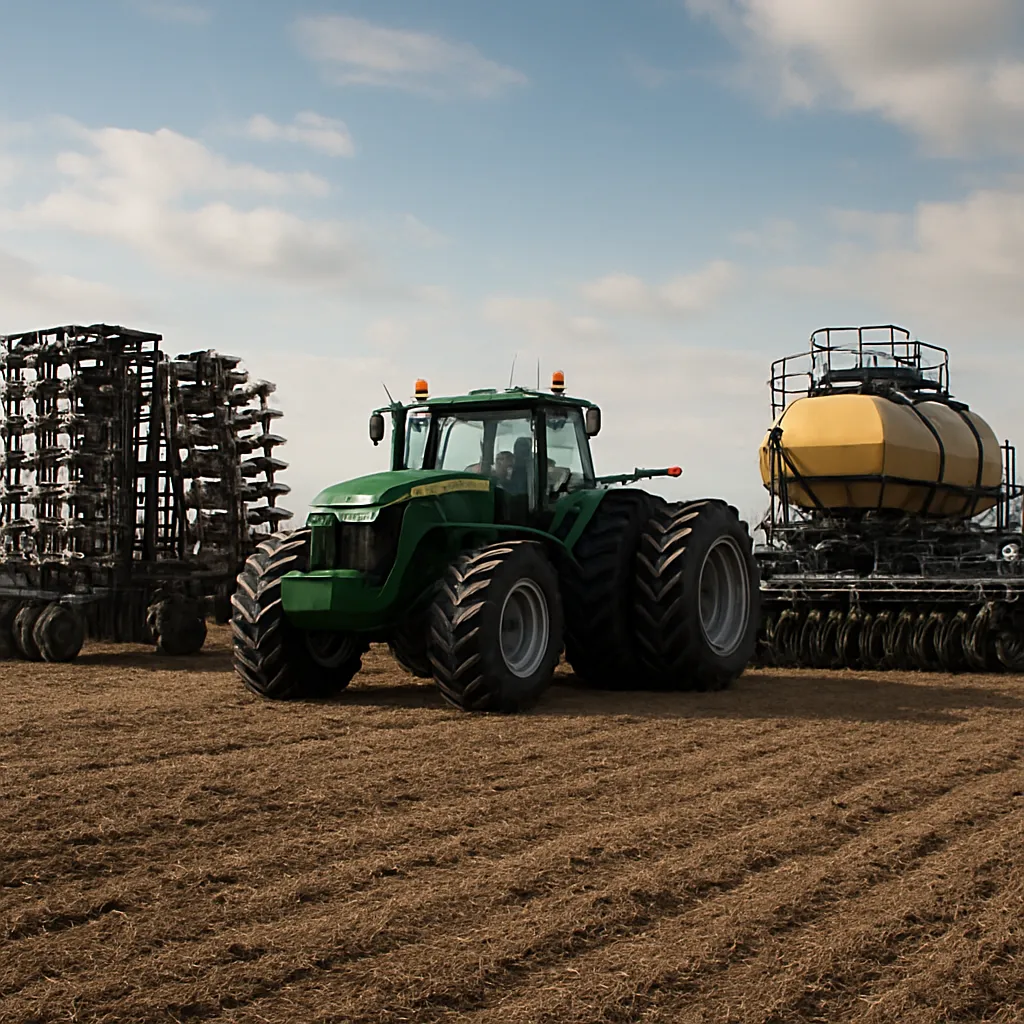
As farms consolidated into larger operations, the need for wider implements and faster coverage fueled demands for bigger tractors. Greater horsepower translated into the ability to pull multi-row planters, deep tilling rigs, and heavy balers without compromising speed.
Manufacturers also focused on operator comfort and safety. Spacious cabs, climate control, touchscreen controls, and panoramic visibility became standard, even on the biggest platforms. Advanced suspension systems now cushion both machine and driver against rough ground.
Technologies Powering the Giants
High-Power Engines and Drivetrains
The heart of a massive tractor is its engine. Modern flagship models boast over 600 to 700 horsepower, thanks to turbocharging, precise fuel injection, and emission-control technologies. These powerplants optimize combustion to deliver consistent performance while meeting strict environmental regulations.
Transmissions have evolved from manual shift designs to continuously variable transmissions (CVT) that adjust ratios seamlessly, maximizing both efficiency and responsiveness. Heavy-duty axles and reinforced frames handle the immense forces involved, ensuring long-term durability and reliability.
Digital Integration and Connectivity
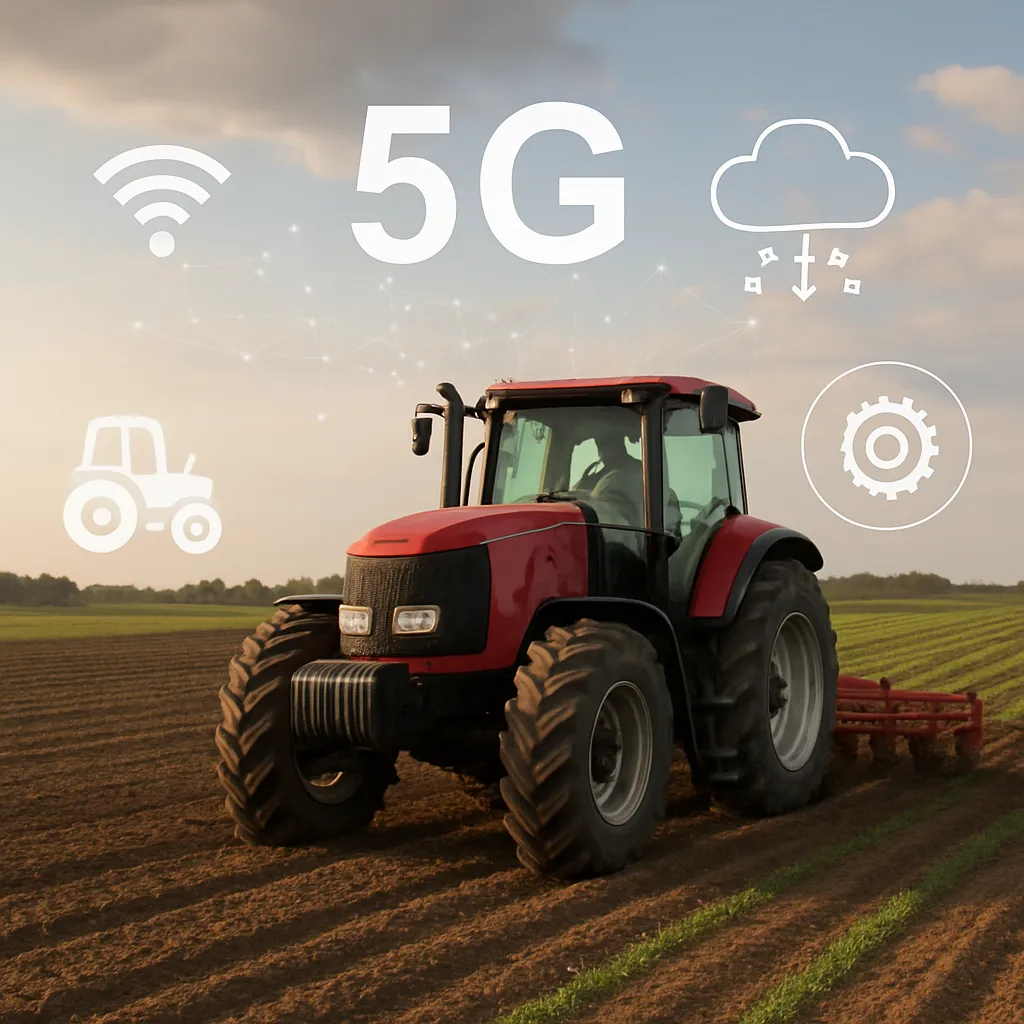
At the forefront of transformation is the integration of IoT devices, enabling real-time data exchange between machines and farm management platforms. Embedded sensors monitor engine health, hydraulic pressure, tire inflation, and fuel levels, transmitting information via high-speed networks.
- Precision Guidance: RTK GPS systems ensure field passes are accurate to within centimeters.
- Telematics: Remote diagnostics alert technicians to potential issues before failures occur.
- Connectivity Protocols: 5G networks facilitate large data transfers, supporting high-definition camera feeds and over-the-air updates.
- Performance Analytics: Cloud-based dashboards analyze fuel usage, work rates, and maintenance intervals.
Autonomy and Machine Learning
Leading manufacturers are developing autonomous tractor prototypes capable of operating without a driver. These units use machine learning algorithms, lidar, radar, and camera arrays to navigate fields, detect obstacles, and adjust parameters on the fly.
True autonomy promises to alleviate labor shortages by handling repetitive tasks such as plowing, seeding, and spraying. As software matures, human supervisors will manage fleets of robotic tractors from centralized control centers, boosting productivity around the clock.
Applications and Future Trends
Enhancing Precision Farming
Massive tractors equipped with advanced implements have elevated the concept of precision farming. Variable-rate application tools can modulate seed, fertilizer, and pesticide delivery in real time, based on soil maps and crop health data.
Farmers leverage data-driven insights to optimize yield while minimizing environmental impact. By matching input levels to site-specific conditions, operators achieve uniform stand establishment and reduce waste, aligning with sustainability goals.
Sustainability and Environmental Impact
While large tractors consume significant fuel, manufacturers are investing heavily in alternative powertrains. Hybrid diesel-electric models and trials of hydrogen fuel cells aim to reduce greenhouse gas emissions without sacrificing output.
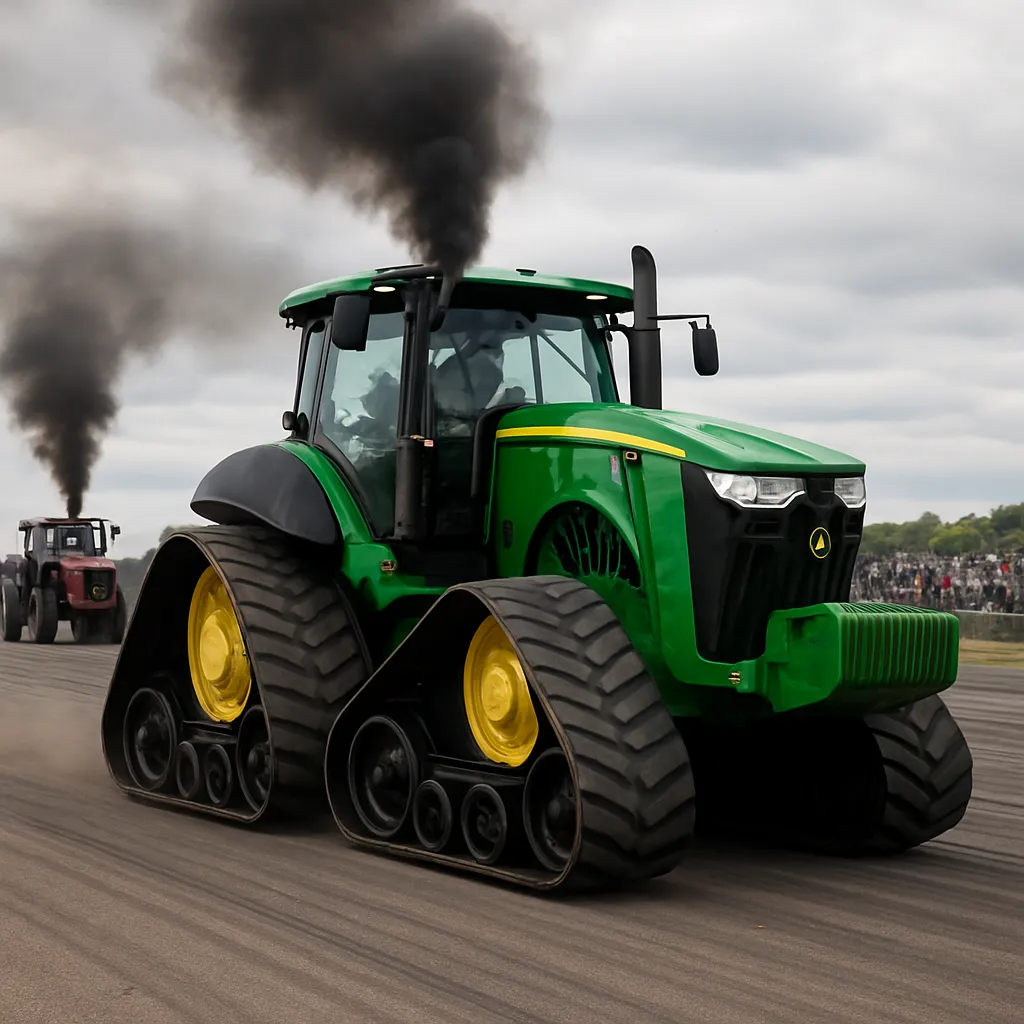
New tire designs and track systems improve traction while minimizing soil compaction, preserving soil structure and long-term productivity. Innovations in regenerative braking and hydraulic energy recovery further enhance overall sustainability.
Looking Ahead: Innovation on the Horizon
The next generation of mega-tractors will feature deeper integration with digital ecosystems. Expect seamless cooperation between machines, drones, and satellites, enabling holistic farm management. Real-time agronomic recommendations will be delivered directly into the cockpit, guiding operators or autonomous systems to optimal decisions.
Emerging trends include swarm-based operations, where multiple smaller autonomous units collaborate for tasks traditionally reserved for single large machines. This approach balances flexibility with efficiency, opening new possibilities for diverse cropping systems and terrain challenges.
In the interplay between colossal mechanical force and cutting-edge digital intelligence lies the future of modern agriculture. By mastering scale and technology, the agricultural sector is poised to meet the demands of a growing population while safeguarding vital natural resources. The giants of the field are not only symbols of raw power but also harbingers of a smarter, more connected farming era.