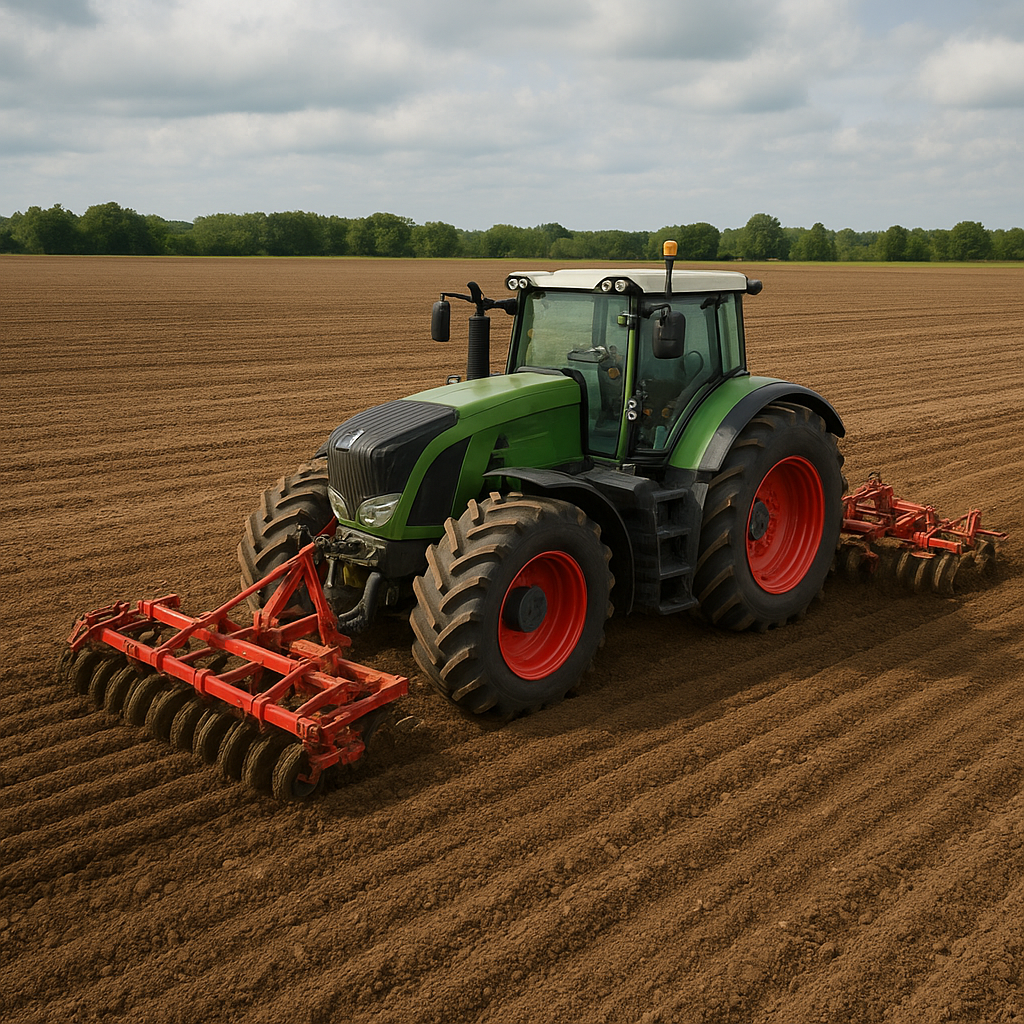
The relentless pursuit of higher productivity in agriculture has driven manufacturers to design some of the most awe-inspiring farm machinery on the planet. Among these giants stand the ultra-large tractors, engineered to reshape the way farmers manage vast fields while tackling one of the industry’s greatest challenges: soil compaction. With the advent of cutting-edge technologies and a growing emphasis on sustainability, these monolithic workhorses are redefining modern farming practices and delivering unprecedented levels of efficiency across diverse landscapes.
Engineering Marvels: The Rise of Ultra-Large Tractors
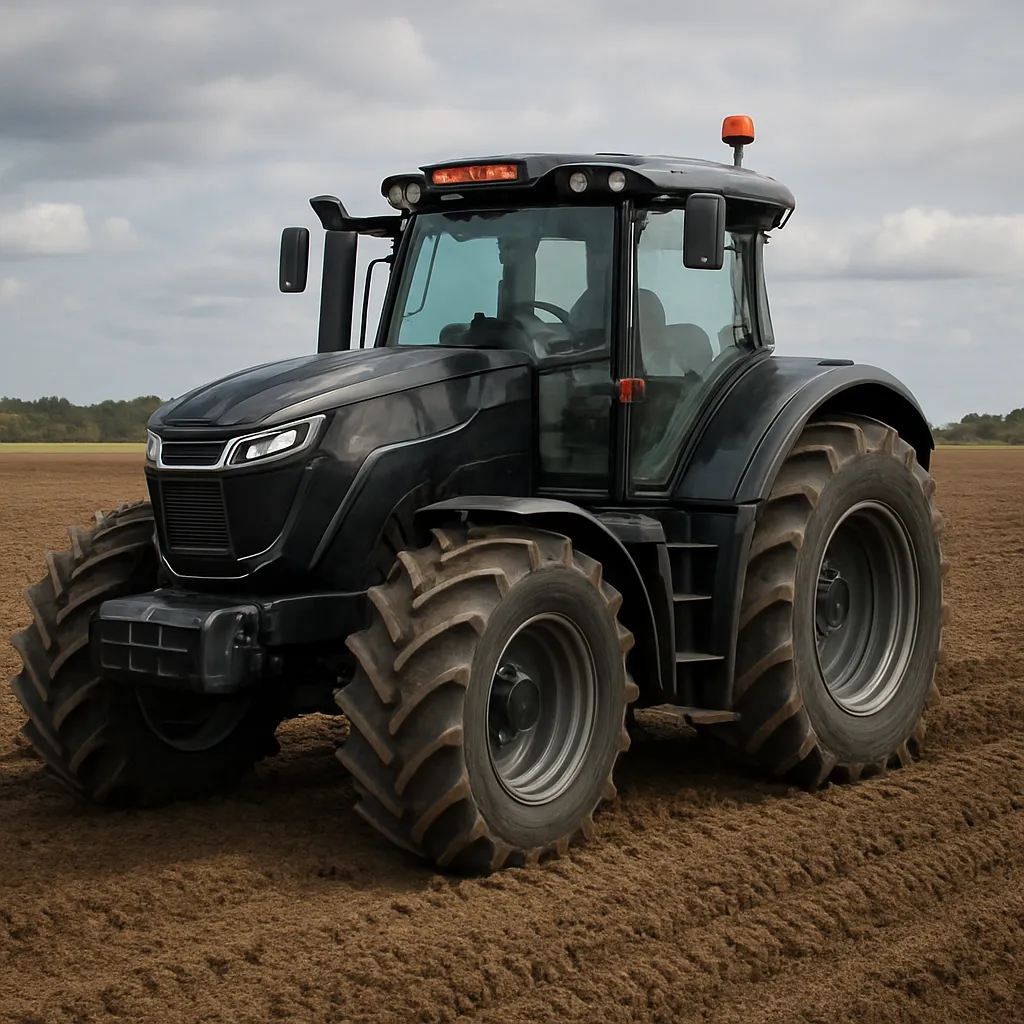
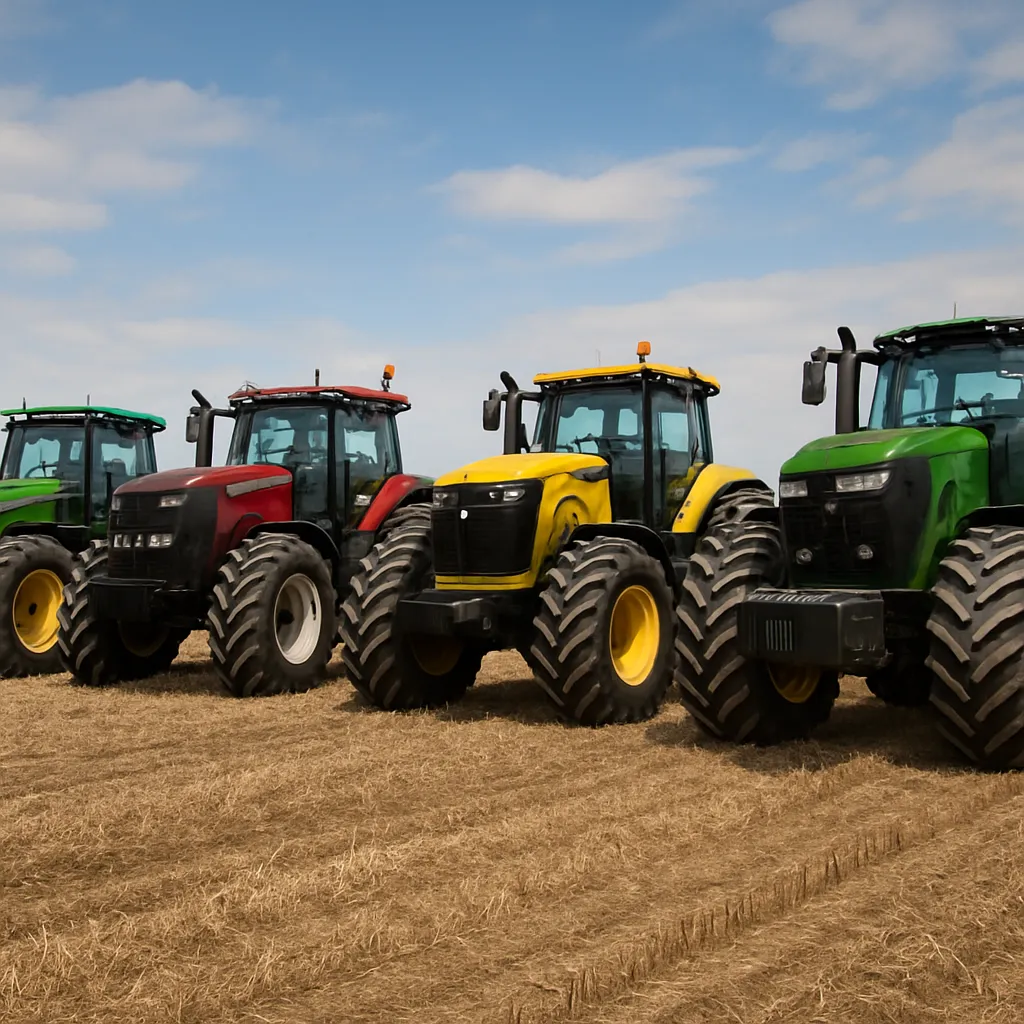
Ultra-large tractors represent a quantum leap in agricultural machinery. Models such as the Big Bud 747, Fendt 1150 Vario, and John Deere 9RX series boast engine outputs often exceeding 600 horsepower. They tip the scales at more than 20 metric tons, yet they manage weight distribution in ways that preserve delicate topsoil structures. This is achieved through innovative design features:
- Advanced Transmission Systems: State-of-the-art continuously variable transmissions (CVTs) ensure seamless power delivery to the wheels, maximizing traction under varying field conditions.
- Multi-Axle Configurations: Some models incorporate triple or quadruple axles to spread mass over a larger footprint, reducing peak ground pressure.
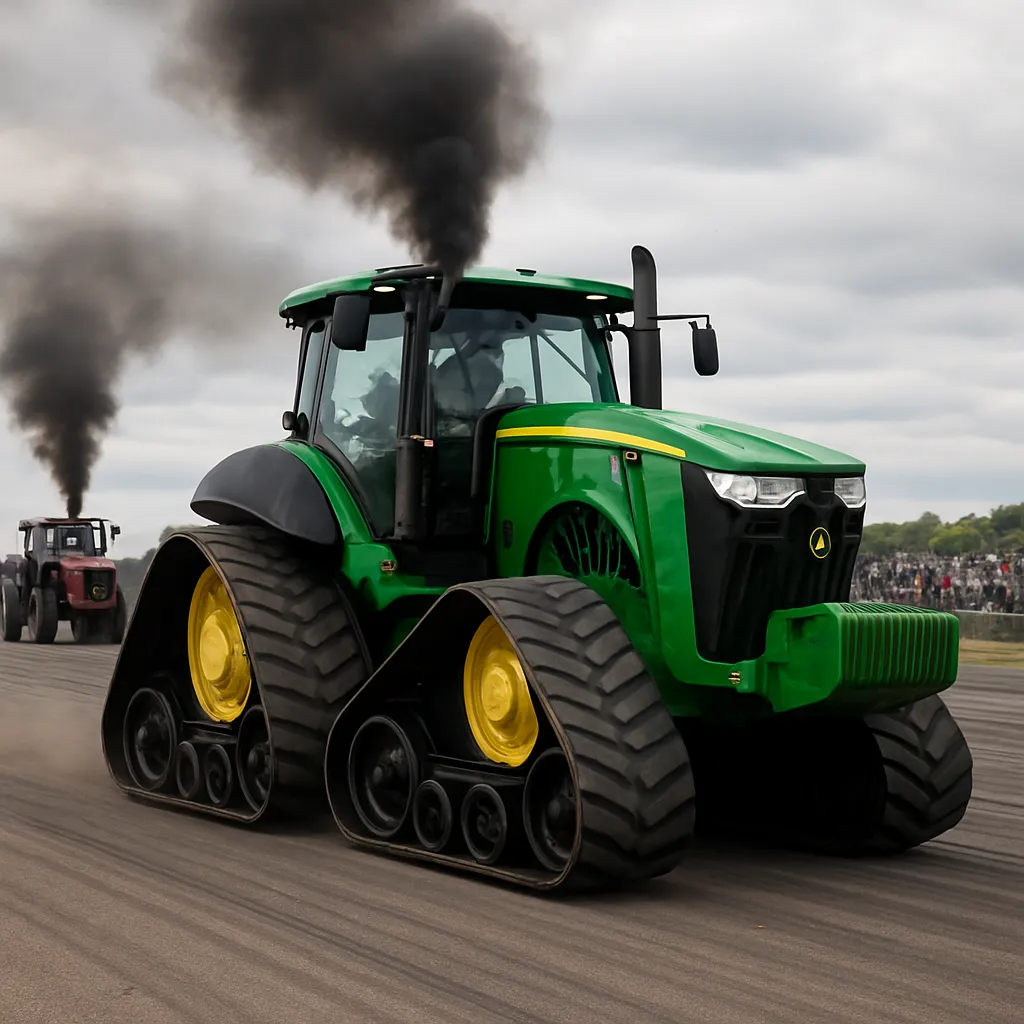
- Integrated Track Modules: Many large tractors offer interchangeable rubber tracks, which replace conventional tires to create a far wider contact area, slashing soil compaction risks.
- Closed-Center Hydraulics: High-capacity hydraulic pumps deliver smooth implement control, enabling farmers to operate large seed drills and subsoilers with remarkable precision.
By focusing on these core components, manufacturers demonstrate a deep commitment to innovation in the face of ever-larger planting and harvesting equipment.
Technical Innovations Reducing Soil Compaction
Soil compaction poses a significant threat to crop productivity. Overly compacted soil layers impede root penetration, hinder water infiltration, and reduce microbial activity. In response, tractor engineers have developed several groundbreaking solutions:
- Central Tire Inflation Systems (CTIS): These allow operators to adjust tire pressure on the go, adapting to different soil types. Lowering pressure increases the tire’s footprint, distributing weight more evenly.
- Dual-Width Tire Technology: By mounting pairs of tires in tandem arrangements, tractors maintain stability while reducing individual tire load.
- Variable-Rate Ballasting: Automated ballasting systems add or remove water or fluid weights in mid-mission, ensuring optimal ballast without manual intervention.
- Modular Track Solutions: Quick-change track modules let farmers switch from tires to tracks within a couple of hours, offering flexibility when moving between fields.
- Advanced Telemetry: Real-time monitoring of ground pressure and implement loads via integrated telematics systems empowers operators to fine-tune operations, minimizing undue stress on the soil.
These technical advances collectively promote healthier soil structure, enhancing long-term farm sustainability and improving yield potential.
Case Studies: Farm Operations Embracing the Giants
Several large-scale farms around the globe have adopted ultra-large tractors to reap significant benefits. Their experiences illustrate the practical impact of these machines in reducing compaction and maximizing field performance.
North American Grain Producer
A 12,000-hectare grain farm in Saskatchewan transitioned to a fleet of 9RX John Deere models. Prior reliance on multiple mid-sized tractors for seeding could not match the new setup’s efficiency. With 9RX machines, the farm achieved:
- 20% reduction in fuel consumption per hectare
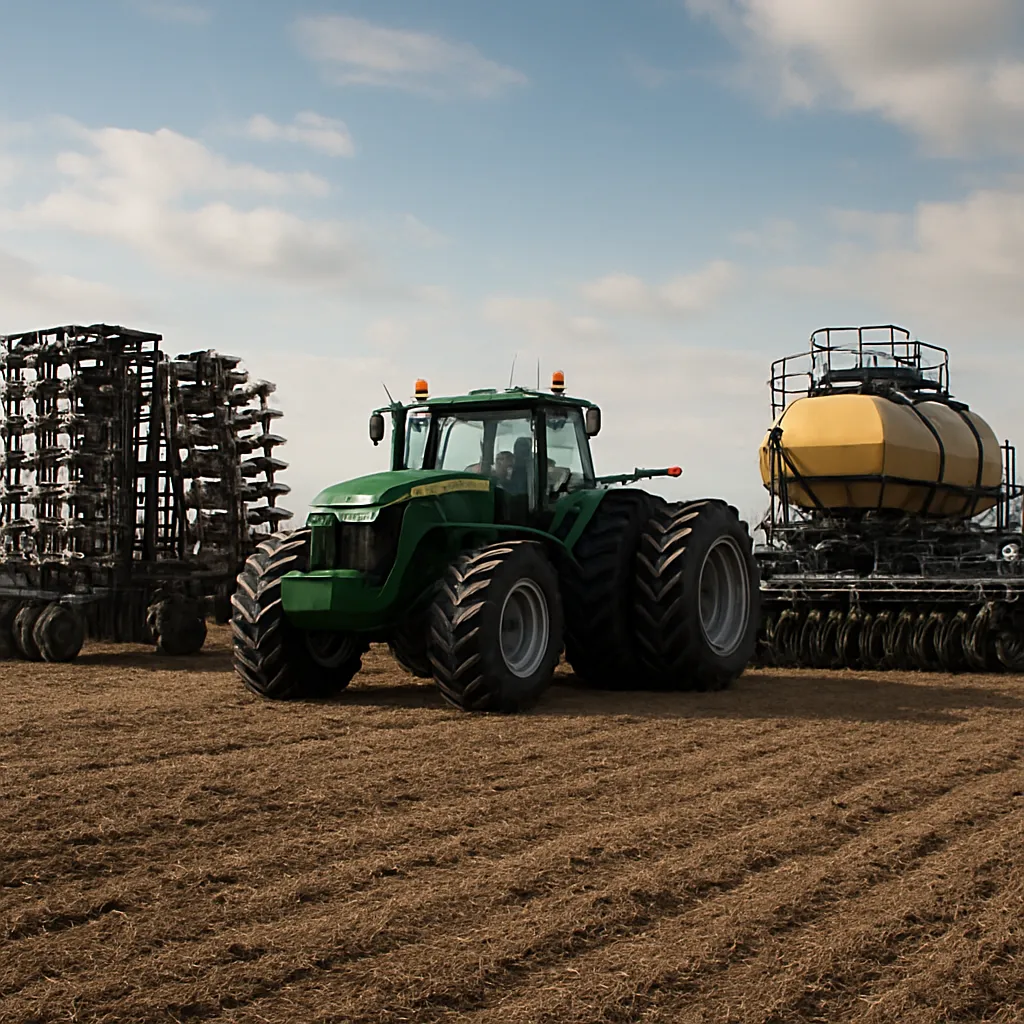
- 30% faster seeding operations thanks to wide air drills
- Noticeable improvement in root biomass due to lower average soil pressure
Australian Cotton Enterprise
In the Darling Downs region, a family-run cotton operation invested in the Fendt 1150 Vario. The machine’s impressive torque curve allowed deep ripping between planting cycles. Field trials demonstrated:
- Enhanced water infiltration by 15%, leading to improved drought resilience
- Uniform plant stands across varied terrain, attributable to consistent weight distribution
- Reduced time spent on post-harvest compaction remediation
South American Soybean Farm
A consortium in Mato Grosso, Brazil, purchased a pair of 500-plus-horsepower articulated tractors equipped with track options. They reported:
- Superior traction during wet-season operations
- Minimized wheel slip—down to under 5%—even on muddy slopes
- Accelerated turnaround times between fields, boosting daily coverage by 40%
These case studies underscore how tailored integration of large tractors can transform operational efficiency while safeguarding soil health.
Environmental and Economic Impacts of Large-Scale Farming
Deploying ultra-large tractors carries both environmental benefits and economic considerations. On the upside:
- Reduced Soil Disturbance: By covering more ground per pass, heavy compaction zones are fewer and farther between.
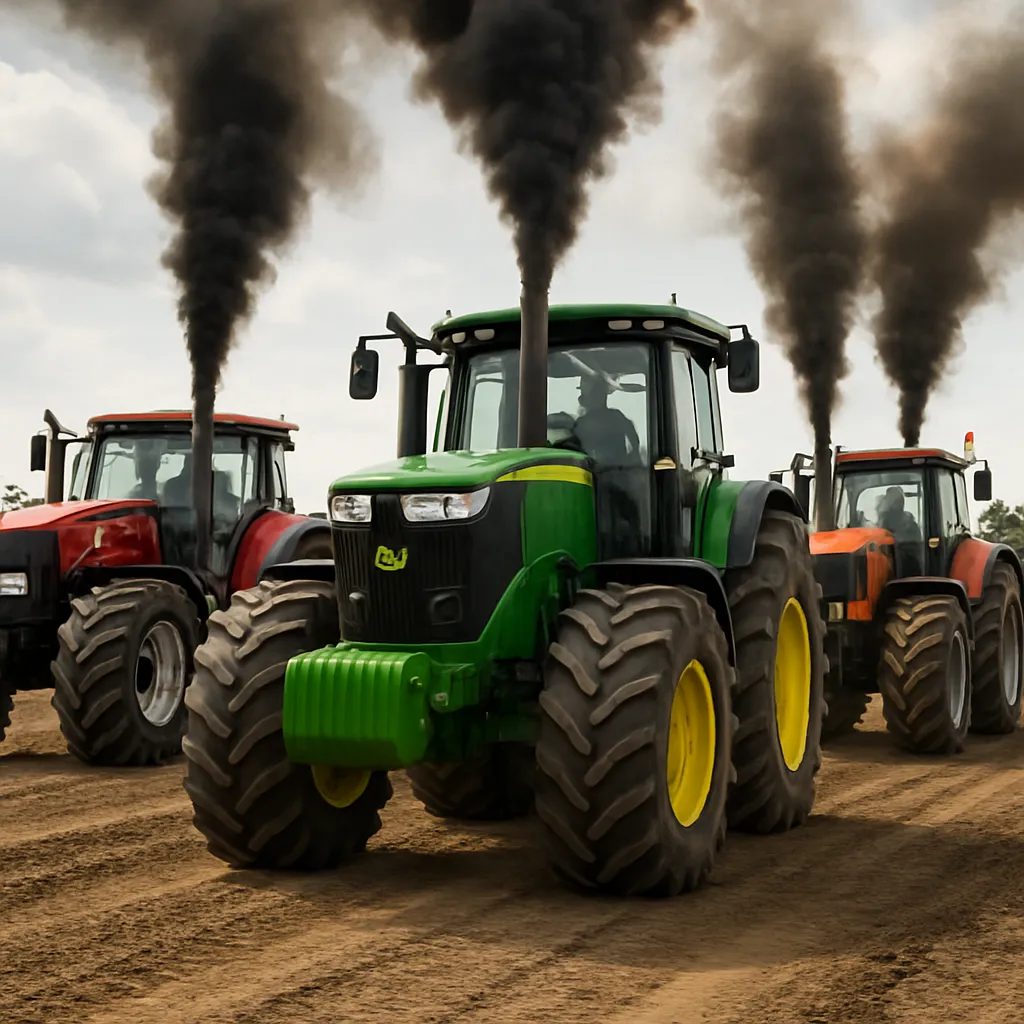
- Lower Fuel Emissions: Despite their size, modern engines meet stringent emission standards (Tier 4 Final / Stage V), cutting particulate and NOx output.
- Improved Water Management: Less compacted soils absorb rainwater more effectively, reducing runoff and erosion.
However, farmers must weigh these advantages against higher acquisition costs and maintenance expenses. Leasing options, government subsidies, and cooperative ownership models have emerged to offset initial investments and spread financial risk across multiple stakeholders.
Future Trends in Tractor Development
The next frontier in ultra-large tractor technology promises even more radical changes. Engineers are exploring:
- Electrification: Hybrid and fully electric drivetrains aim to lower operational emissions and reduce dependence on fossil fuels.
- Autonomy: Guided by GPS and AI-driven obstacle detection, autonomous tractors can perform repetitive tasks at any hour, increasing uptime.
- Precision Ag Integration: Seamless communication between tractors, drones, and satellite imagery will enable hyper-targeted applications of inputs.
- Advanced Materials: Use of high-strength composites and lightweight alloys will keep overall mass in check while maintaining structural integrity.
- Enhanced Connectivity: Next-gen telematics platforms will offer predictive maintenance alerts, optimizing service intervals and preventing costly downtime.
By marrying these innovations with the robust platforms of today’s mega-tractors, the agricultural sector stands poised to meet global food demands more sustainably than ever before.