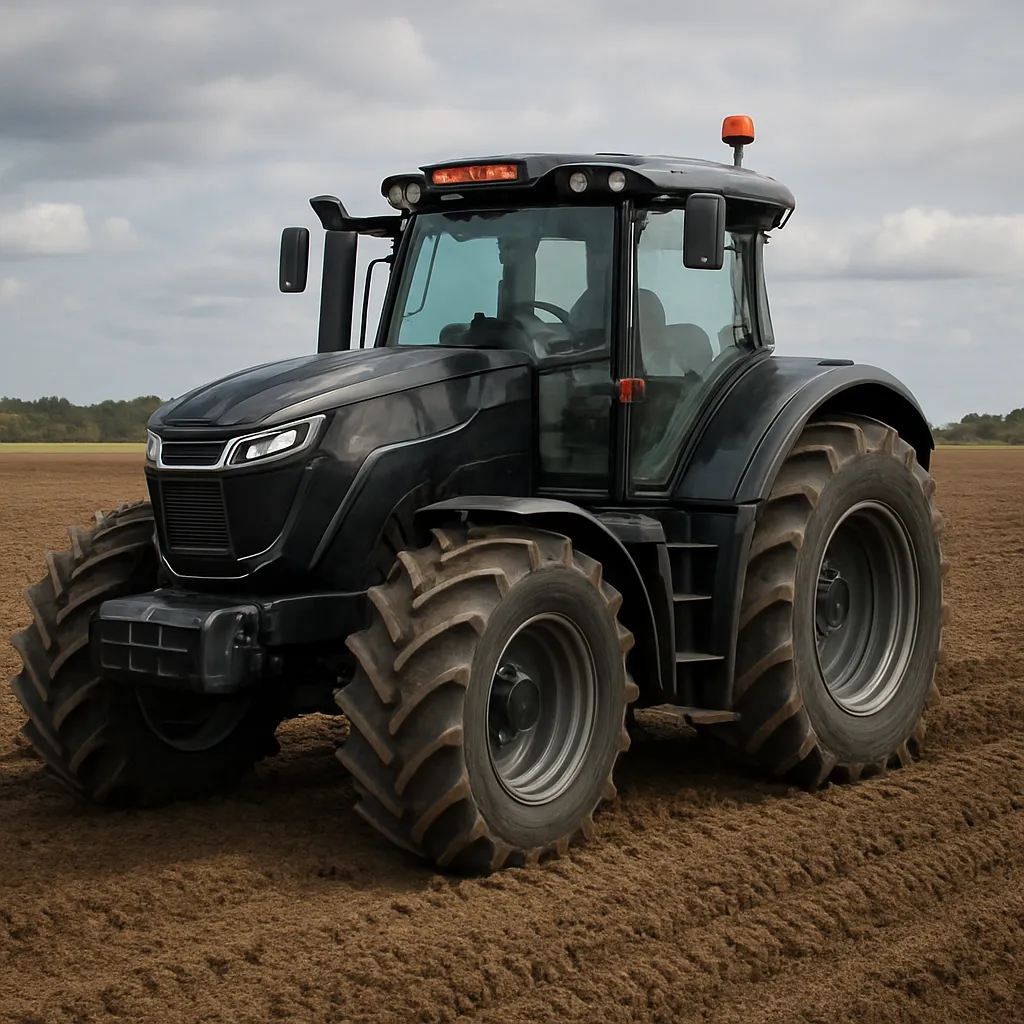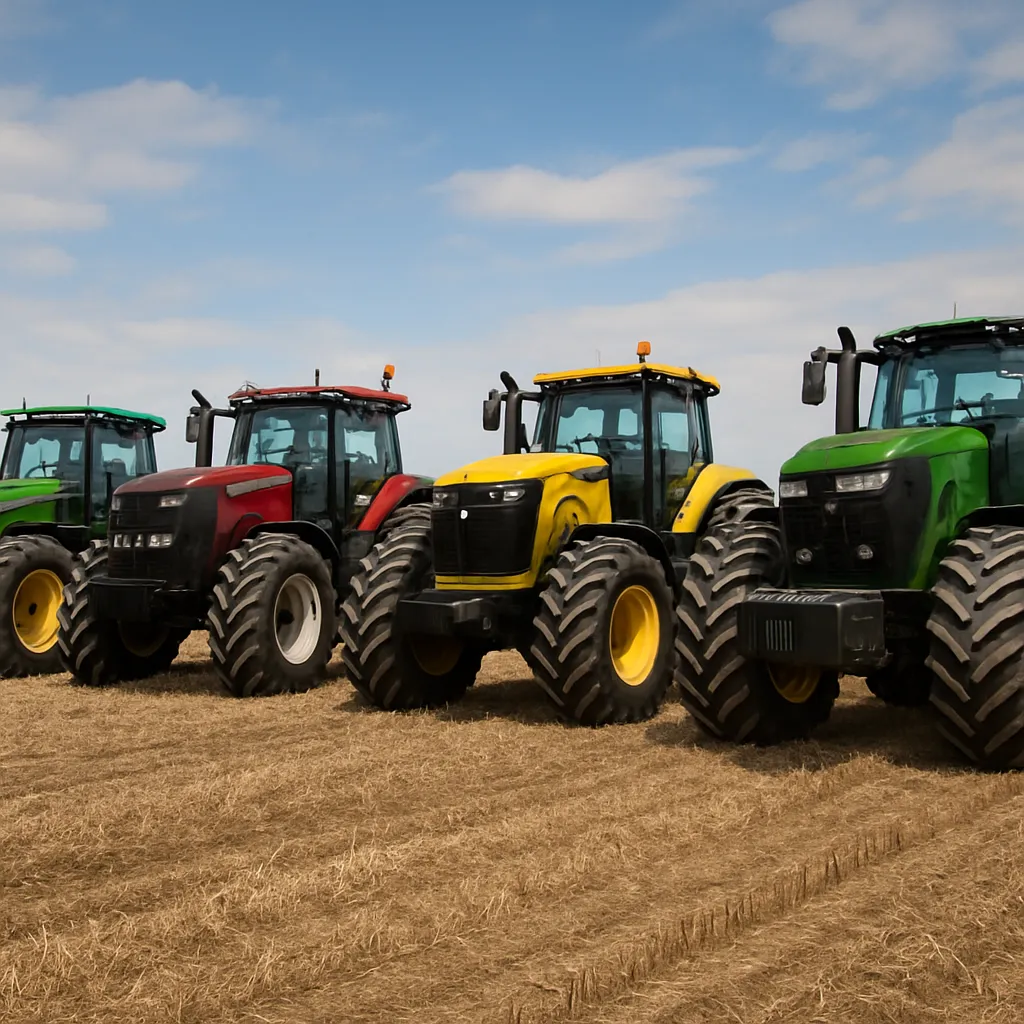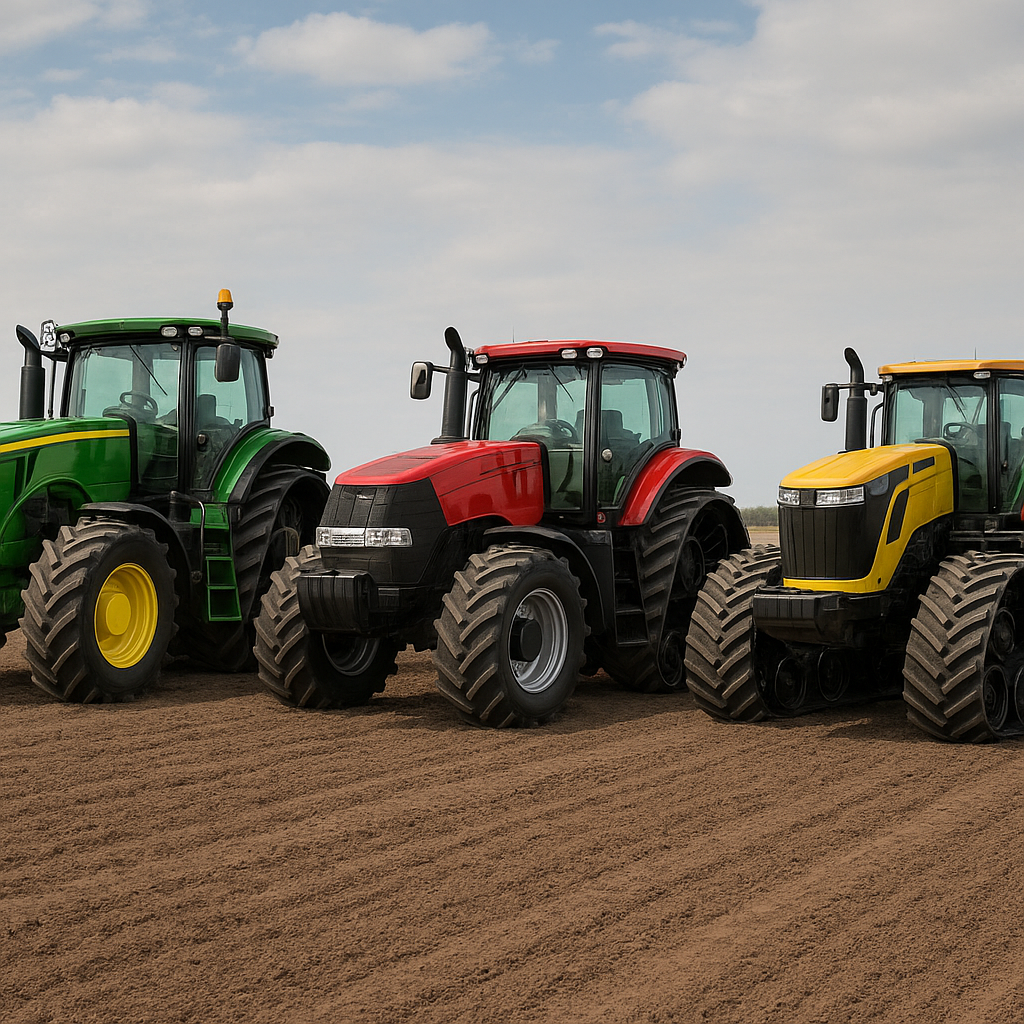
Massive tractors equipped with advanced track systems have reshaped the landscape of modern **agriculture**. From the muddy fields of the American Midwest to the vast plains of Eastern Europe, these behemoths deliver unmatched **traction**, **stability**, and soil protection. This article delves into the evolution, design, and real-world performance of the world’s largest tracked tractors, shedding light on the innovations that drive their **efficiency** and **performance**.
Evolution of Track Systems in Heavy-Duty Tractors
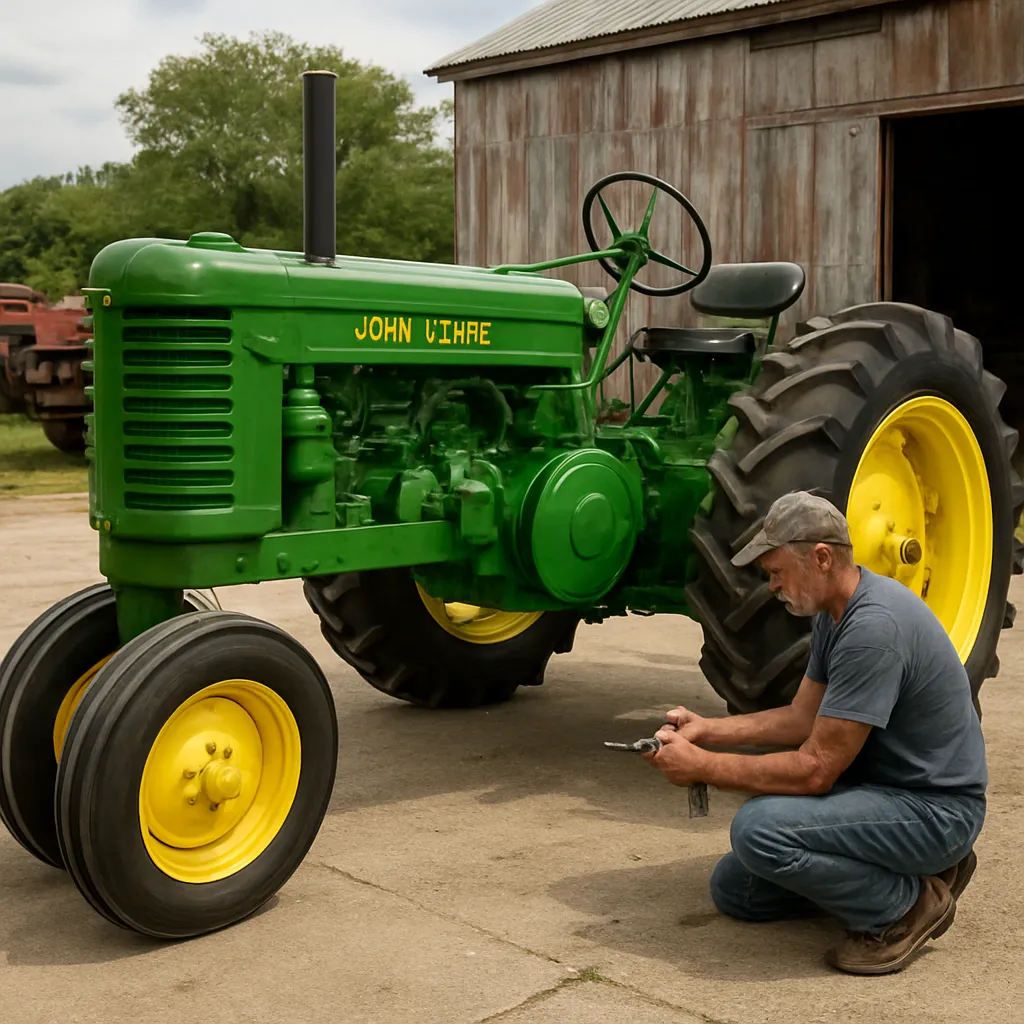
The journey of tracked tractors began in the early 20th century when engineers sought alternatives to wheeled machines for challenging terrain. The original designs featured steel plates riveted onto endless chains, inspired by military tank technology. Over time, manufacturers prioritized **durability** and operator comfort, leading to new materials and suspension systems.
- Early Innovations: The first commercial tracked tractor appeared in 1904, boasting steel treads that delivered unprecedented grip. Despite high maintenance, these machines proved the concept.
- Transition to Rubber: By the 1970s, manufacturers introduced rubber-band tracks, reducing ground compaction and noise while increasing ride quality.
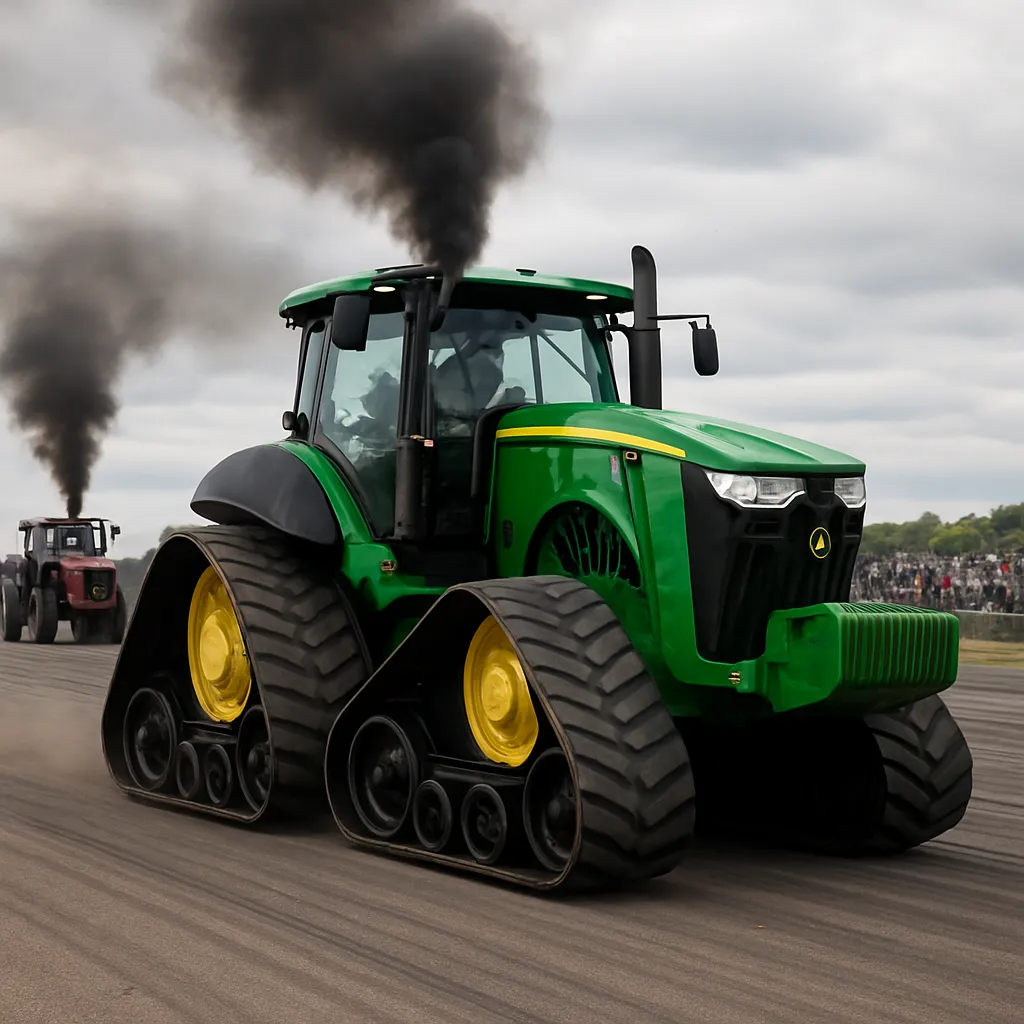
- Advanced Undercarriages: Modern systems integrate hydrostatic drives, independent suspension, and modular components, boosting **reliability** and ease of service.
Key Components of Modern Track Systems
Understanding the anatomy of a contemporary track system reveals why these tractors excel in the field. Three primary components define performance:
Tracks Material and Design
- Rubber Composites: Proprietary blends of synthetic rubber and reinforcing fibers guarantee resistance to abrasion and slicing.
- Steel Inserts: Embedded steel cables or plates maintain shape under extreme loads, enhancing **stability**.
- Pattern Engineering: Tread patterns optimize self-cleaning and grip on wet, uneven soil.
Undercarriage and Suspension
- Spring-Assist Systems: Coil or torsion springs absorb shocks, reducing operator fatigue and chassis stress.
- Active Suspension: Hydraulic or pneumatic links adapt to terrain changes, maintaining consistent ground pressure.
- Modularity: Quick-swap idler wheels and track assemblies minimize downtime during maintenance.
Drive Mechanisms
- Hydrostatic Drives: Offer stepless speed variation and instantaneous torque, crucial for maneuvering heavy loads.
- Planetary Final Drives: Deliver high torque in compact packages, ensuring **durability** under demanding conditions.
- Electronic Control: Integrated sensors manage slip, speed, and load distribution to maximize **efficiency**.
Comparison of the World’s Largest Tractors
Around the globe, several models stand out for their sheer size and capability. We compare four flagship tractors to illustrate how track systems rise to the challenge.
John Deere 9RX Series
- Engine Output: 470–620 horsepower
- Track Width: 800–900 mm
- Key Feature: AutoTrac™ guidance with integrated sensors for precise headland turns and reduced overlap.
- Benefit: Exceptional fuel efficiency and consistent soil contact across rolling terrain.
Case IH Steiger Quadtrac 620
- Engine Output: 620 horsepower
- Track System: Four independent tracks with oscillating bogies
- Key Feature: Terralock™ track tensioning ensures constant grip without manual adjustment.
- Benefit: Reduced compaction and improved flotation in wet conditions.
New Holland T9 Series
- Engine Output: 380–669 horsepower
- Track System: Dual-track and Quadtrac options available
- Key Feature: IntelliView™ III console monitors track temperature and tension in real time.
- Benefit: Enhanced track life and reduced maintenance costs.
Claas Xerion 5000 Trac
- Engine Output: 503 horsepower
- Track System: Wide, heavy-duty tracks with oscillating undercarriage
- Key Feature: Steer-by-wire system offering multiple steering modes for field and transport.
- Benefit: Superior **maneuverability** and comfort on long drives between fields.
Performance Metrics and Field Applications
Quantifying the advantages of tracked tractors involves multiple metrics:
- Traction Coefficient: Tracks can achieve up to 30% more grip than dual wheels, reducing slippage and fuel burn.
- Ground Pressure: Modern quad-track layouts distribute weight over a larger surface, lowering compaction by 15–25%.
- Fuel Efficiency: Electronic controls maintain optimal engine load, often resulting in 5–10% fuel savings versus wheeled counterparts.
- Operational Uptime: Robust undercarriage components and smart diagnostics cut unplanned downtime by up to 20%.
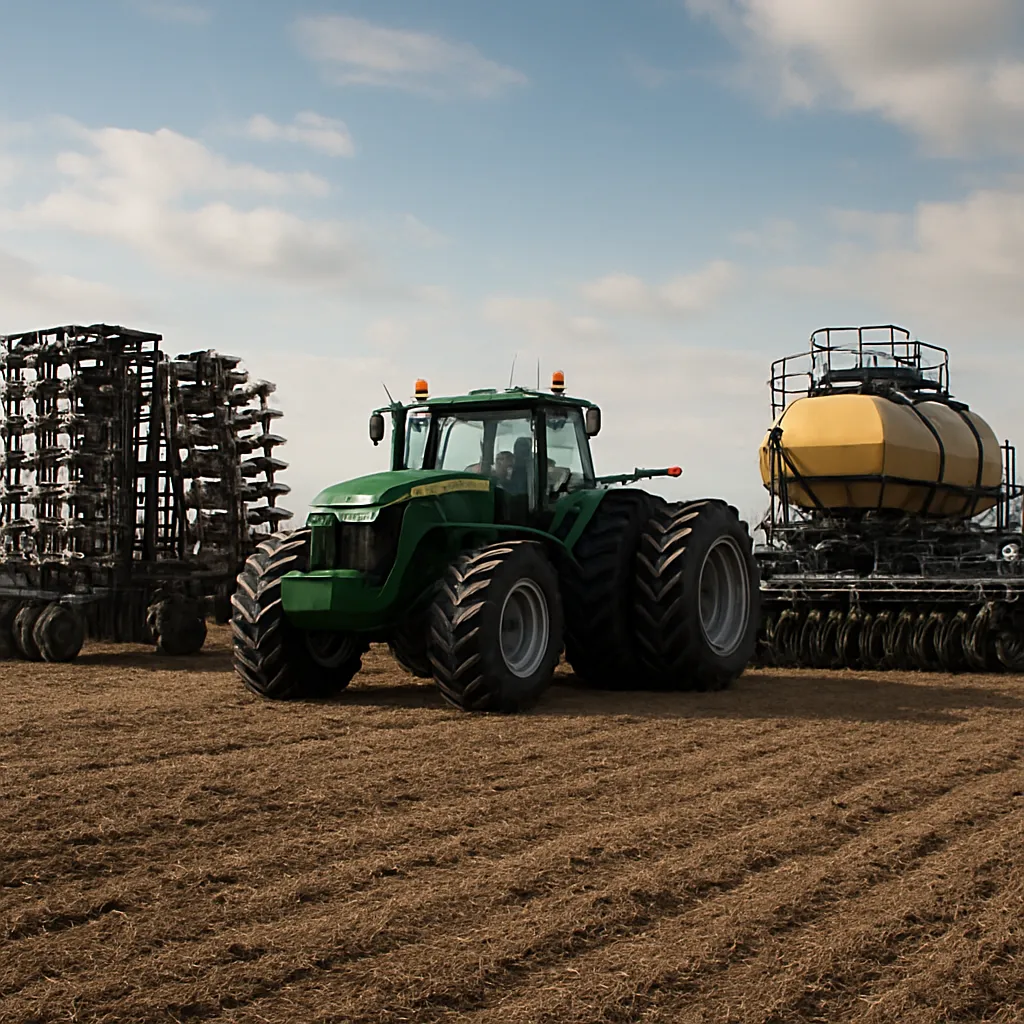
These metrics translate into real benefits for large-scale operations, from planting and tillage to heavy transport and specialized applications such as sub-soiling.
Future Trends and Innovations
As global demand for food rises and sustainability goals tighten, tracked tractors will continue to evolve:
- Autonomous Operation: Advanced GPS, LiDAR, and AI systems enable unmanned field passes with precision better than ±2 cm.
- Telematics Integration: Real-time data on **performance**, fuel consumption, and maintenance alerts optimize fleet management.
- Eco-Friendly Powertrains: Hybrid diesel-electric systems and hydrogen fuel cells promise lower emissions and quieter operation.
- Adaptive Tracks: Materials that adjust stiffness on the fly could fine-tune ground pressure for varied soil types.
With these technologies on the horizon, the next generation of tracked tractors will not only boost productivity but also advance the cause of sustainable, precision **agriculture**.