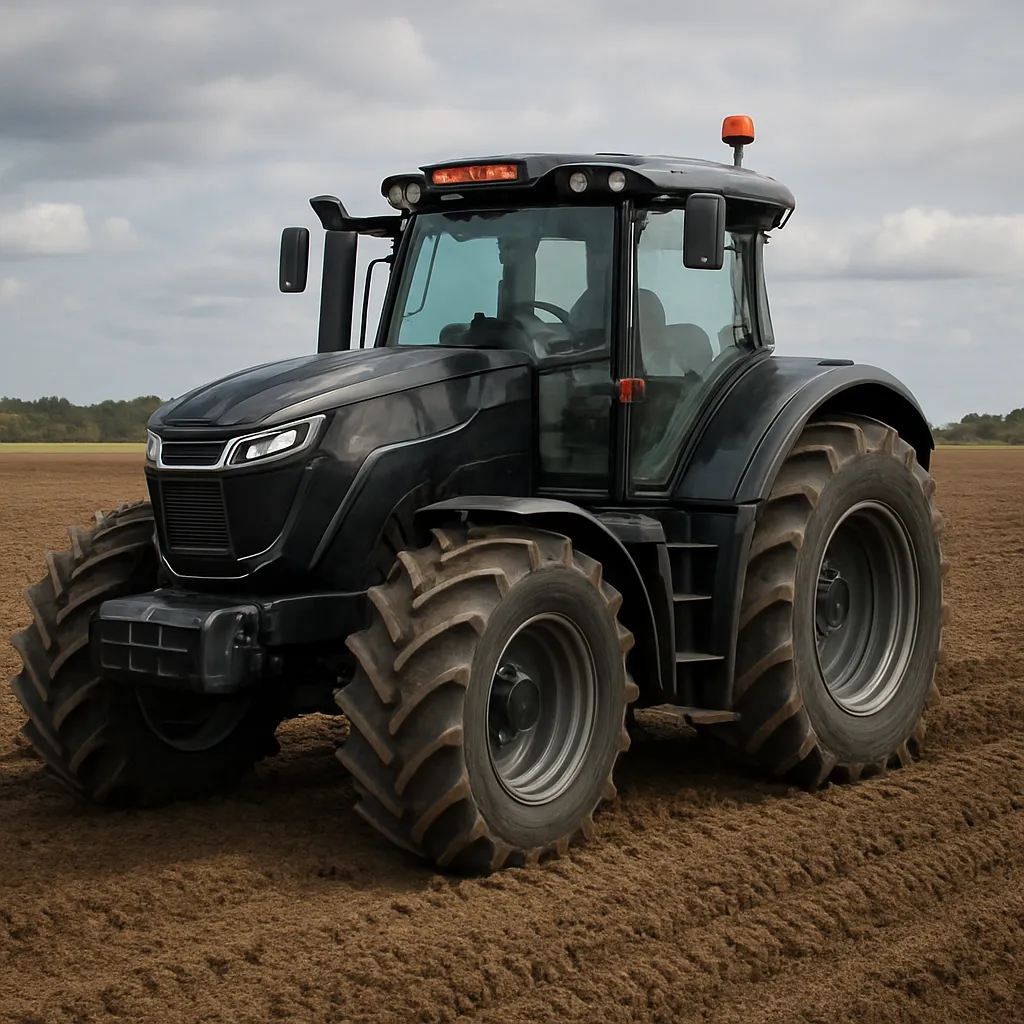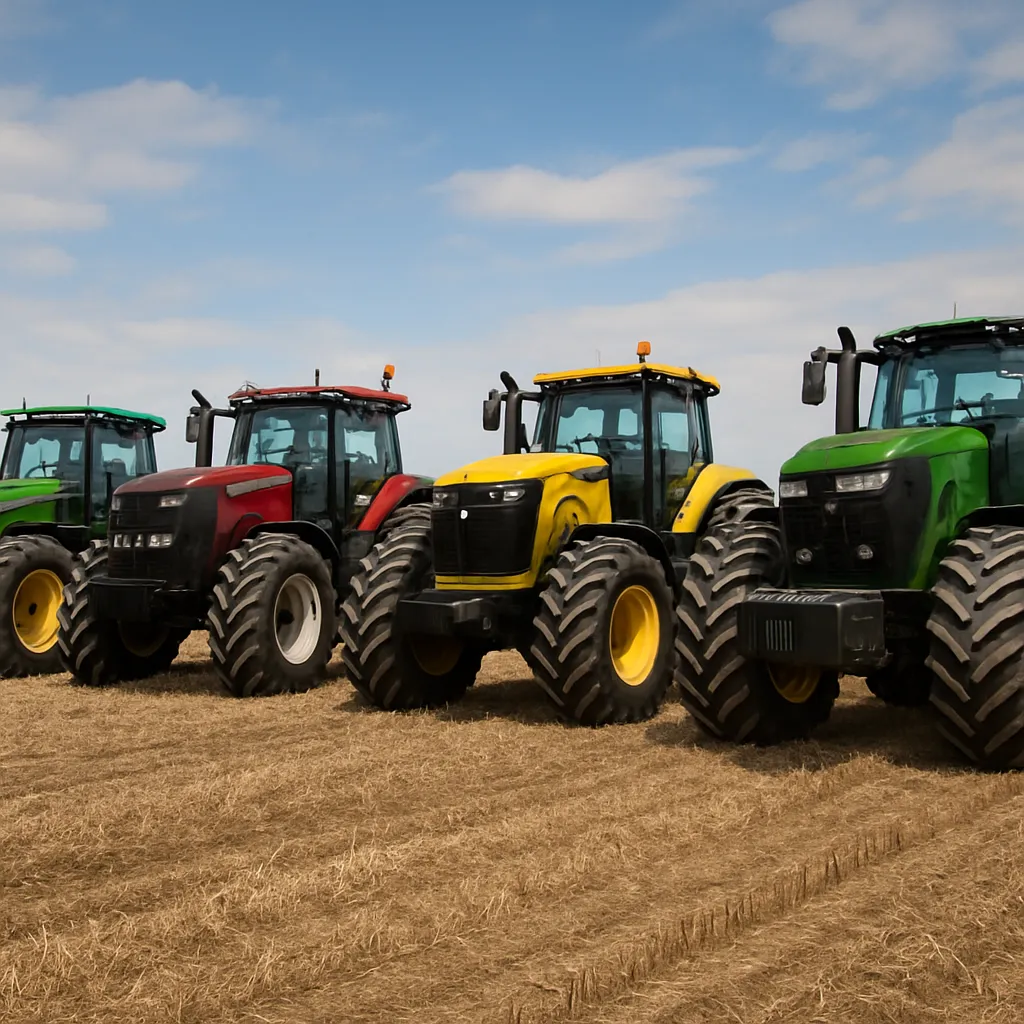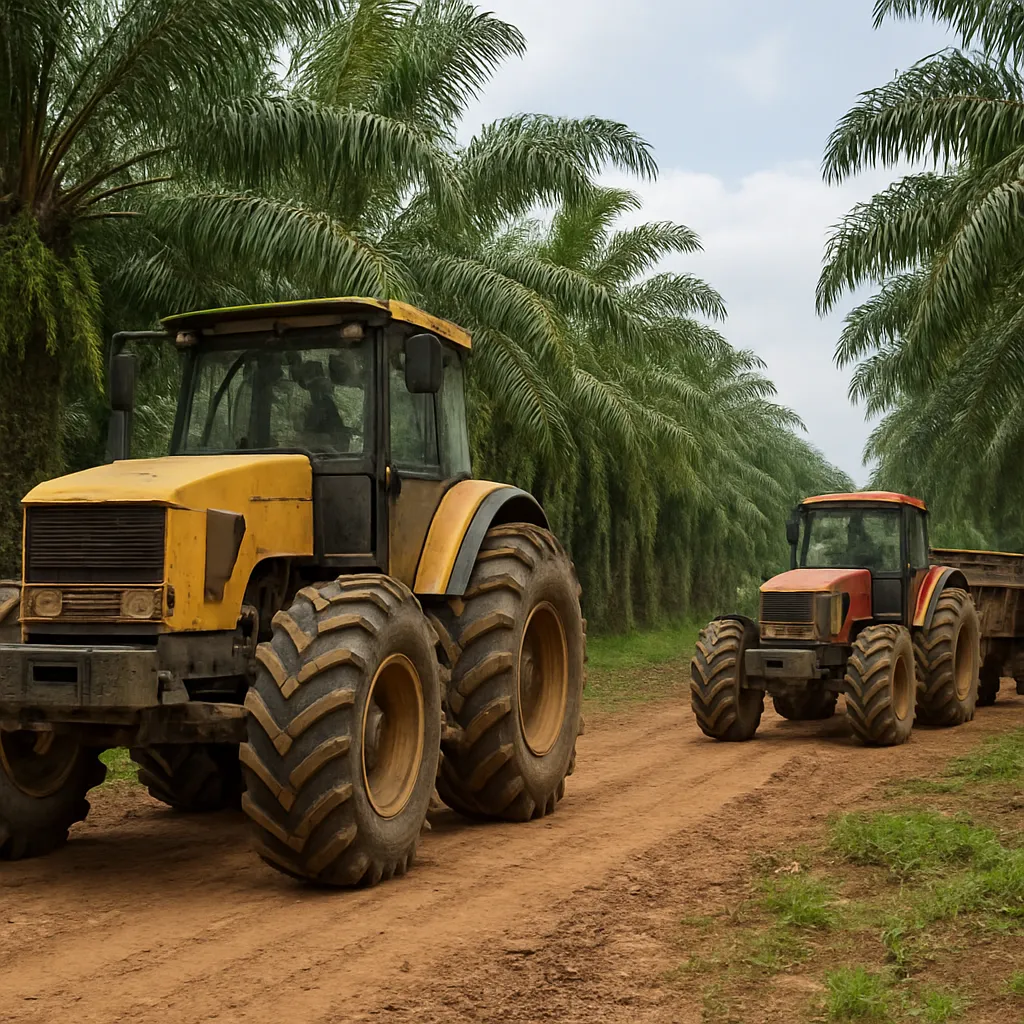
From the sprawling fields of North America to the vast landscapes of Eurasia, the development of modern tractors has reached monumental proportions. These mechanical giants are more than just agricultural machinery; they embody decades of engineering breakthroughs, representing a blend of brute strength and digital sophistication that defines contemporary farming practices. Understanding the features and capabilities of the most massive models reveals how they shape the future of food production on a global scale.
Evolution of Tractor Design and Power
The early 21st century marked a dramatic shift in tractor engineering. Manufacturers began to push the envelope on power and torque ratings, resulting in machines that dwarf their predecessors in both size and capability. Advances in engine technology, transmission systems, and chassis reinforcement allowed engineers to increase horsepower while maintaining reliability and comfort for operators who spend long hours behind the wheel.
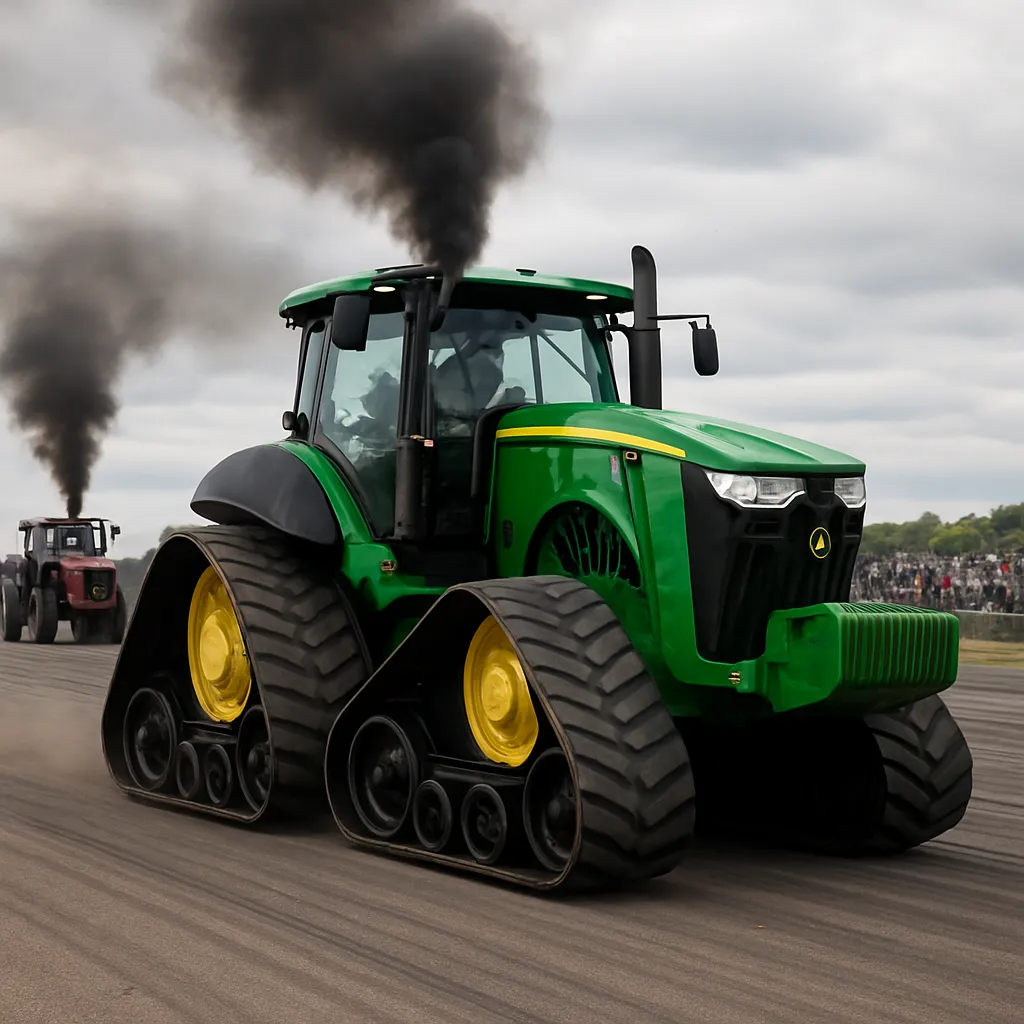
Track-based models and hybrid designs emerged alongside traditional wheeled tractors, offering different advantages in traction, soil preservation, and operational flexibility. The integration of electronic controls replaced mechanical linkages, paving the way for sophisticated data-driven farming approaches.
Leading Models and Their Specifications
The highest-ranking tractors by raw performance share a set of common traits: colossal engines, cutting-edge drivetrain configurations, and state-of-the-art cab ergonomics. The following list highlights some of the most formidable machines:
- Big Bud 747: Often called the “world’s largest farm tractor,” this legend boasts a 16-cylinder Cummins engine delivering over 900 horsepower. Its dual rear wheels and massive frame were originally custom-built in 1977 but remain a benchmark for scale.
- Case IH Quadtrac 620: Featuring four independent track systems, this model generates 620 horsepower and excels at distributing force evenly across soft ground, reducing soil compaction.
- John Deere 9620R: A flagship wheeled tractor with 620 horsepower, advanced hydraulics, and integrated GPS-guidance for precision tasks across thousands of acres.
- Fendt 1100 Vario MT: This tracked powerhouse offers 517 horsepower alongside Fendt’s stepless Vario transmission, merging high efficiency with smooth acceleration.
- New Holland T9 670: Packing 670 horsepower, a user-friendly IntelliView IV touchscreen, and automated headland turns, it represents a modern approach to large-scale farming.
- AGCO Challenger MT875E: With optional engine tuning up to 375 horsepower, it stands out for its unique four-tracked undercarriage and adjustable track widths.
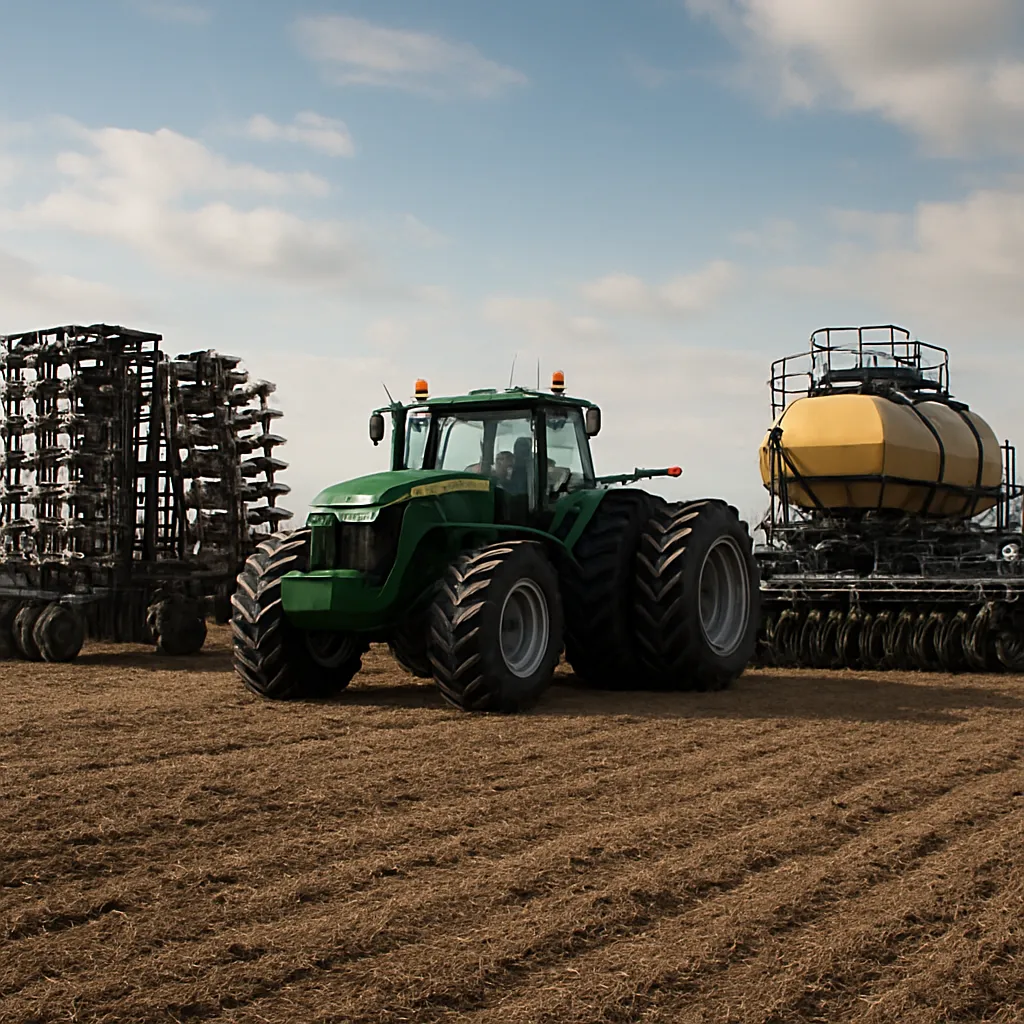
Each of these giants incorporates advanced hydraulics capable of powering implements with demanding torque requirements, such as deep tillage plows and high-capacity seed drills. Their cabins are often climate-controlled, equipped with air-ride seats, and feature noise insulation to protect operators’ well-being.
Innovations Driving Performance
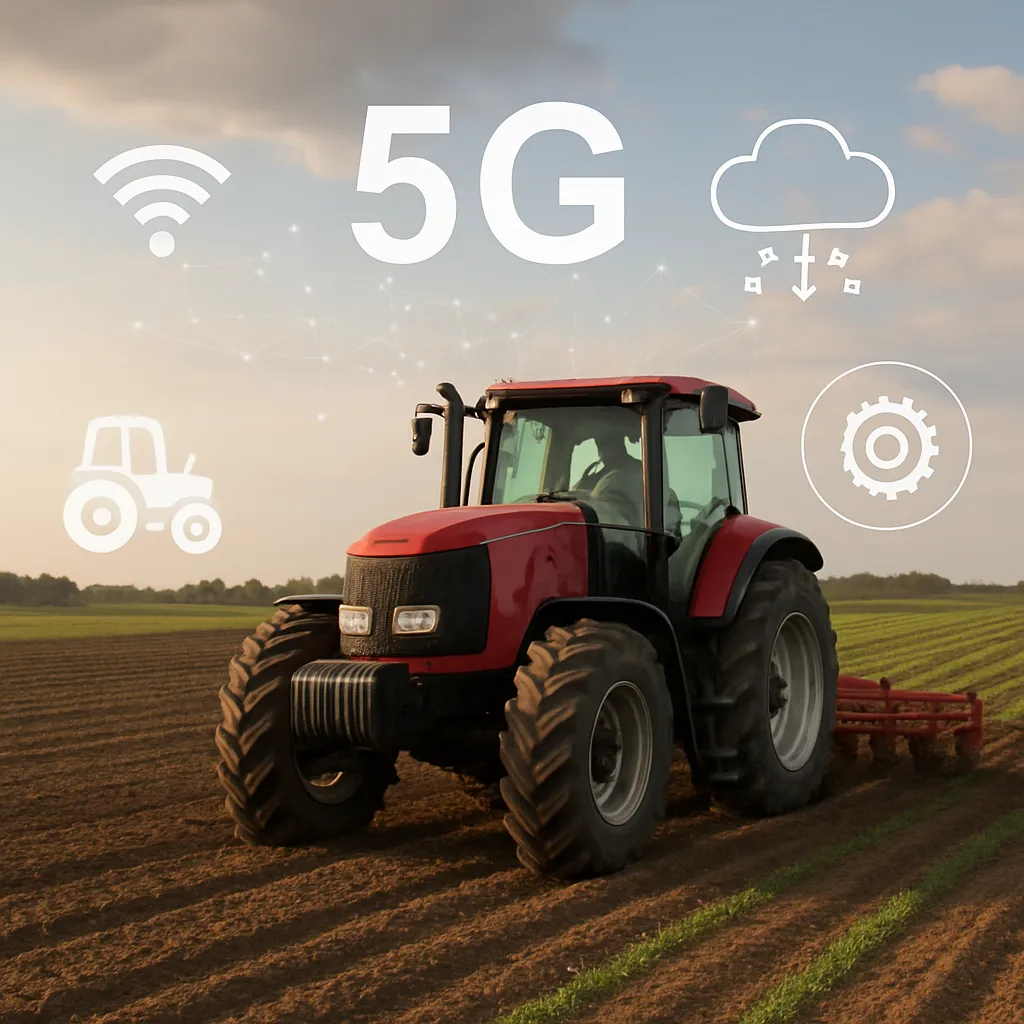
Recent breakthroughs in agricultural machinery focus on integrating digital tools with mechanical might. The rise of precision farming techniques allows for zoning fields, variable-rate fertilizer application, and real-time soil monitoring, all controlled from the tractor’s onboard computer.
- Advanced telematics systems transmit machine data to farm managers, enabling predictive maintenance and minimizing downtime.
- Hybrid powertrains combine diesel engines with electric motors to deliver peak efficiency at varying loads while cutting fuel consumption.
- Adaptive track technology adjusts tension and ground pressure automatically, optimizing traction across changing field conditions.
- AI-enabled cameras and lidar sensors support semi- autonomy in tasks such as seeding and harvesting, reducing the need for human intervention.
Manufacturers also emphasize operator experience, packing cabs with intuitive controls, panoramic visibility, and connectivity options similar to smart devices. This convergence of comfort and technology ensures that drivers can oversee complex operations without fatigue or confusion.
Economic and Environmental Impact
Deploying mega-tractors in large-scale agriculture offers significant economic advantages. High daily field capacity and reduced fuel use per unit of work lower operating costs over time. Farmers gain the ability to cultivate more acreage with fewer vehicles, optimizing labor and machinery investments.
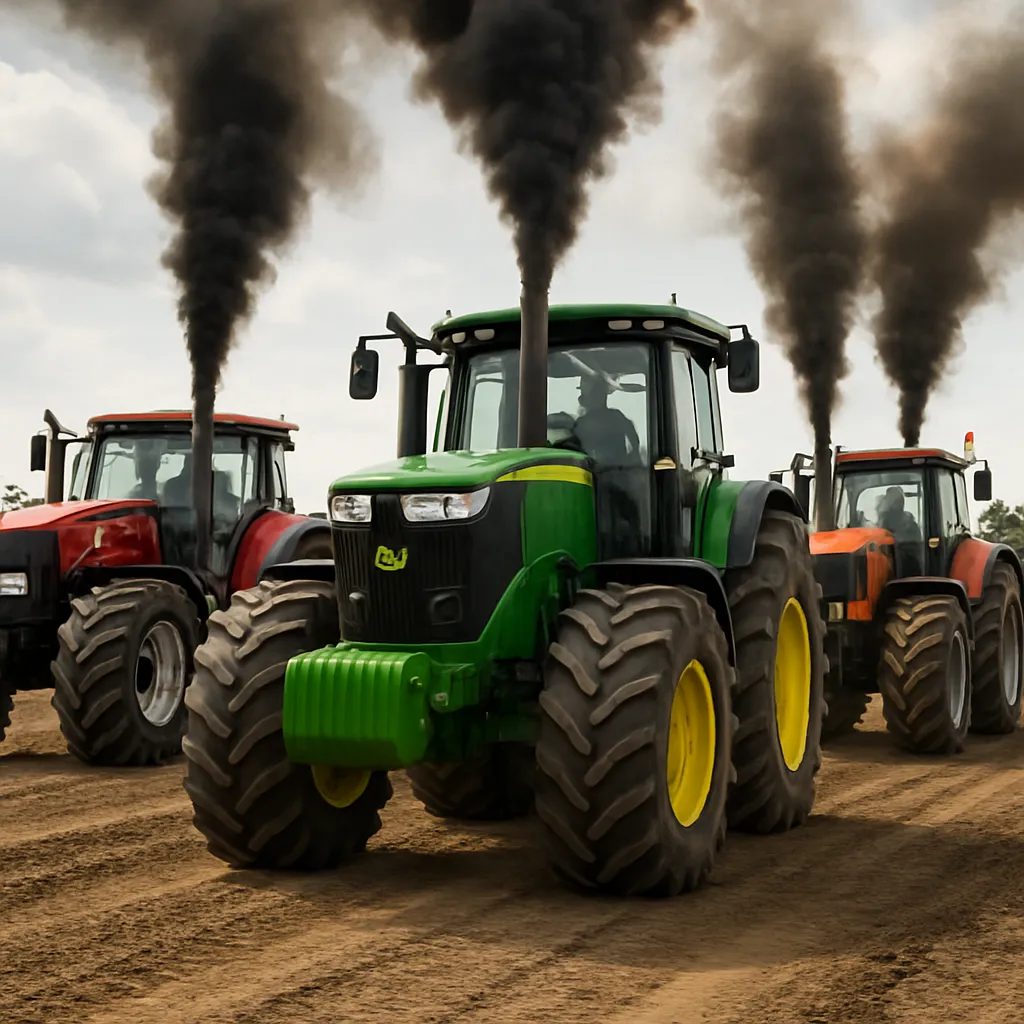
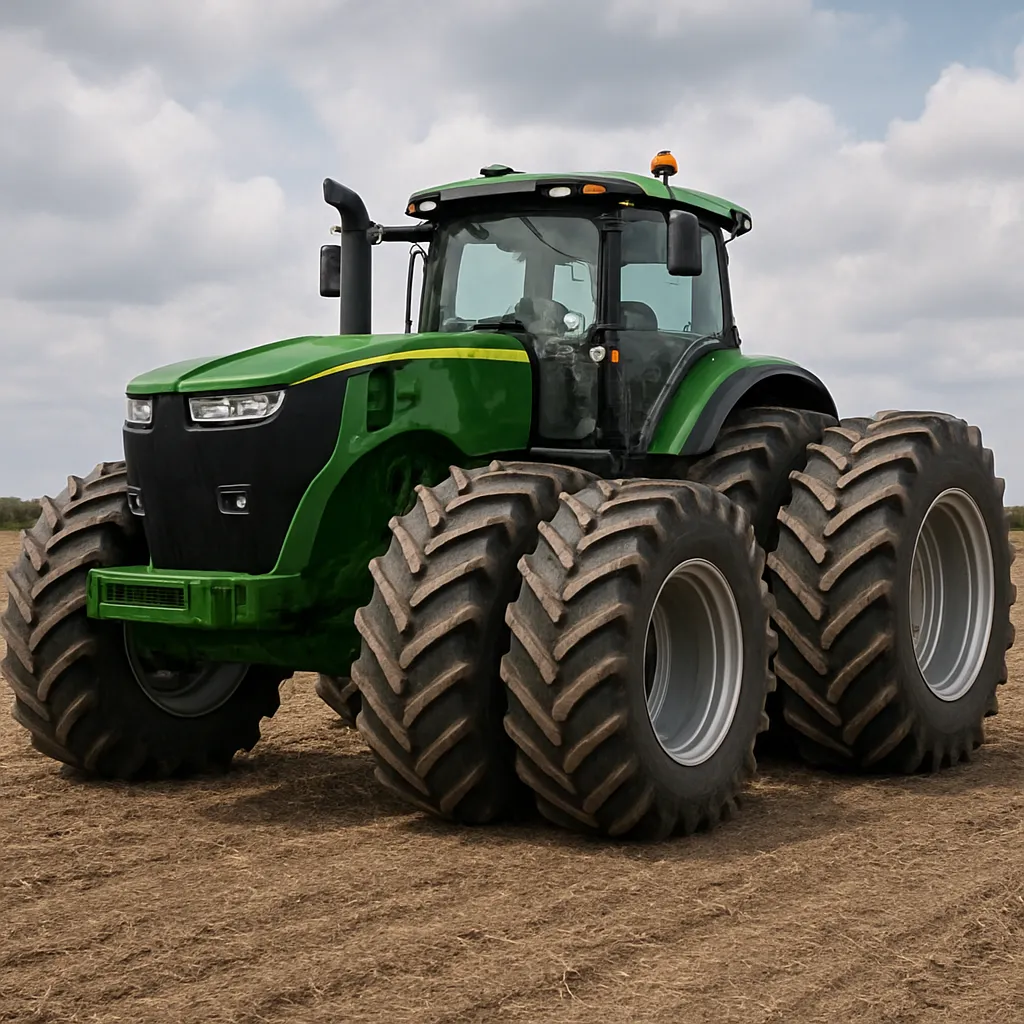
However, environmental considerations are equally critical. Soil health can suffer under extreme machine weights, prompting the need for track systems and dual-wheel setups designed to distribute weight more evenly. Efforts to curb emissions include tier-compliant engines, exhaust aftertreatment systems, and biofuel compatibility that align with global climate goals.
By balancing the pursuit of productivity with sustainable practices, modern tractors contribute to long-term land stewardship. Programs supporting carbon credits and regenerative agriculture often hinge on the efficient use of advanced farm equipment.
Future Trends in Heavy-Duty Tractors
The trajectory of tractor development points toward fully unmanned, electric-powered units capable of continuous operation. Robotic systems and machine-learning algorithms will allow tractors to navigate field obstacles, optimize routes, and perform tasks without human operators on board.
Battery technology and hydrogen fuel cells are under investigation to power next-generation models while reducing reliance on fossil fuels. Modular designs may enable swappable power packs, minimizing downtime during charging.
Interoperability between brands and open architecture controls could foster greater collaboration among equipment manufacturers, software providers, and farmers. This ecosystem approach promises enhanced customization and rapid rollout of innovations as agriculture adapts to a changing global landscape.
In the coming decades, these evolutionary trends will redefine what it means to farm with massive machinery, solidifying the role of tractors as both workhorses and data centers in the fields of tomorrow.