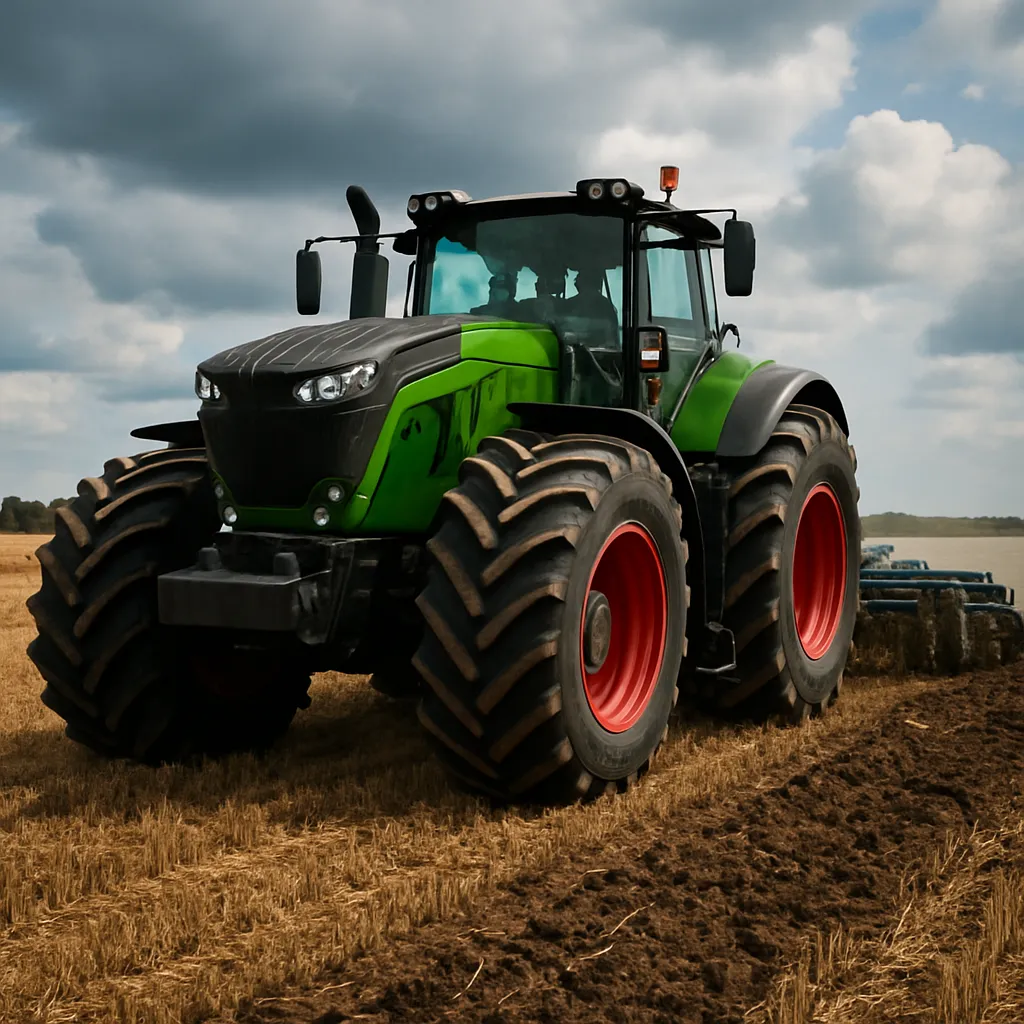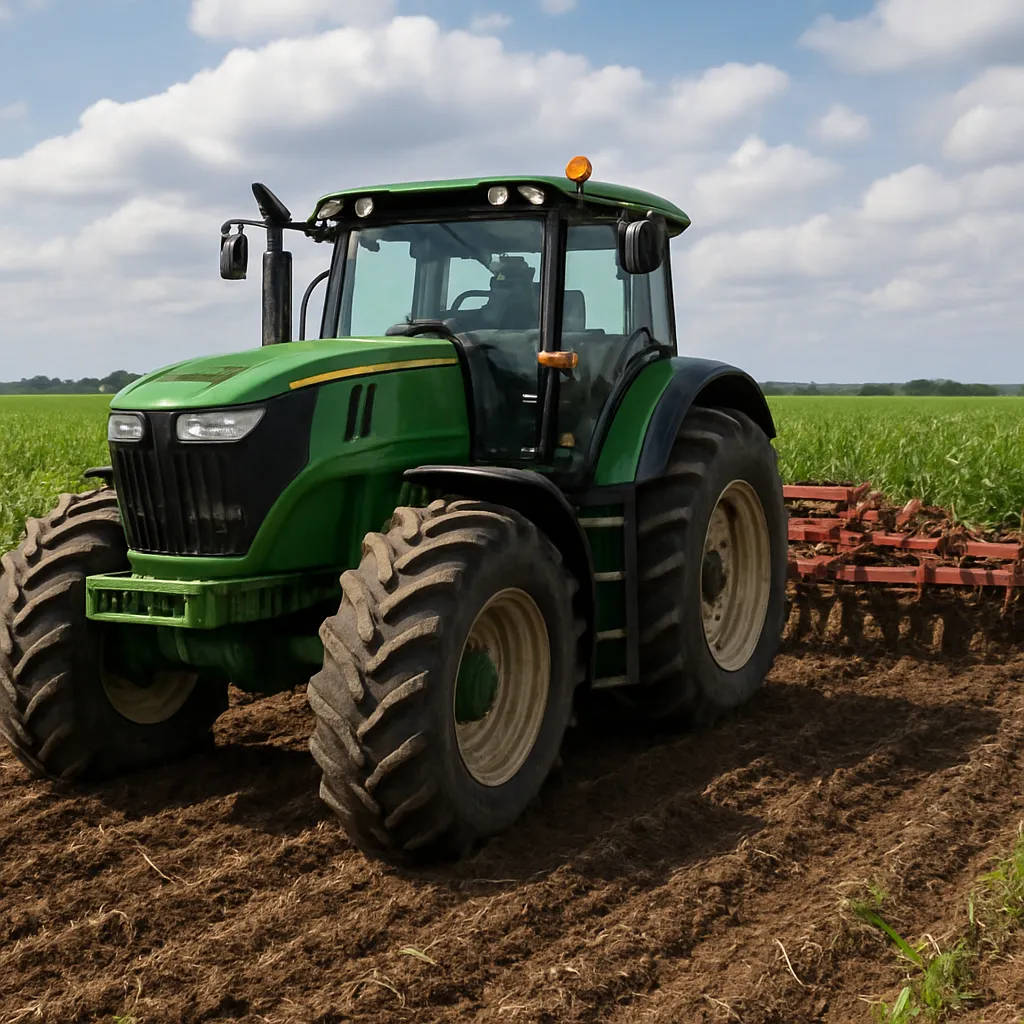
Modern farms demand versatile machinery capable of delivering both power and comfort. Among these machines, the tractor remains the undisputed workhorse. However, recent advances have transformed the operator’s station into a high-tech environment rivaling luxury automobiles. This article explores the interior design breakthroughs in the largest modern cab interiors, detailing how manufacturers prioritize space, comfort, technology, and safety to meet the evolving needs of today’s agricultural professionals.
Design and Space Innovations
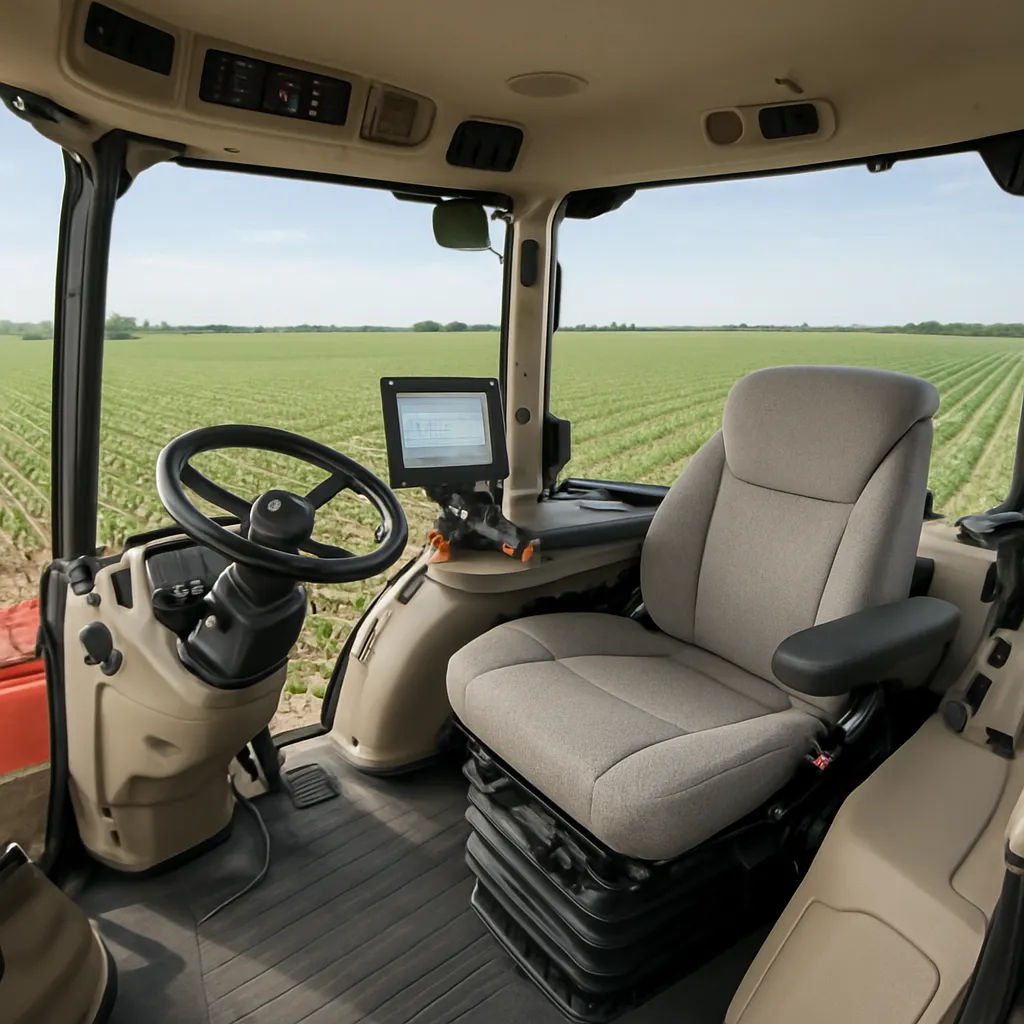
Leading manufacturers have reimagined cab layouts to give operators unprecedented freedom of movement. By stretching rooflines and widening body frames, these tractors offer a panoramic experience combined with ample headroom and leg space. Some of the most impressive models feature interior volumes that surpass 6 cubic meters, allowing for adjustable seating, foldable tables, and storage compartments that rival those in commercial trucks.
- Ergonomics-driven seat positioning with multi-axis adjustment
- Integrated LED lighting strips for night-time operation
- Modular storage bins and cup holders within arm’s reach
- Noise-dampening panels along doors and floors
- Removable footrests and reclining backrests
By leveraging advanced materials—lightweight composites, sound-absorbing foams, and thermally insulating fabrics—engineers ensure that expansive space does not compromise structural integrity or climate performance. The result is a cab interior that balances dimension with durability, giving operators a sense of openness without sacrificing protection from external elements.
Advanced Comfort and Ergonomics
Comfort is no longer a luxury; it’s a necessity for long days assigned to fieldwork. Adjustable seats now come with air-ride suspension systems that automatically tune themselves based on terrain feedback. These seats can be heated, ventilated, and even massaging, significantly reducing operator fatigue. Armrests and consoles follow the operator’s natural posture, ensuring that all controls can be reached without strain.
Controls are arranged in clusters around the main console, with each lever or button logically grouped by function. Color-coded indicators and haptic feedback ensure that critical commands are executed without hesitation. Moreover, windshield angles and slanted roof pillars are optimized to reduce glare, while panoramic skylights provide additional natural light without compromising shade or temperature control.
- Multi-zone climate control with programmable presets
- Fully adjustable steering column with telescopic reach
- Noise reduction down to 68 decibels in idle mode
- Active seat balancing to counter uneven terrain
- Memory settings for multiple operators
State-of-the-Art Technology Integration
At the heart of every modern tractor cab sits a powerful digital ecosystem designed to maximize productivity and precision. Large touchscreens, often exceeding 12 inches, serve as the nerve center for navigation, implement control, and telematics. Drivers can monitor real-time yield data, soil moisture levels, and equipment diagnostics through intuitive dashboards.
Connectivity is another critical ingredient. With built-in 4G/5G modems and Wi-Fi hotspots, operators can remotely update software, stream instructional videos, or even video-call a technician while still in the field. USB-C ports and wireless charging pads keep mobile devices powered, while integrated speakers with noise-cancelling microphones ensure crystal-clear communication.
- Autonomous steering with centimeter-level precision
- Split-screen functionality for simultaneous map and implement views
- Voice-command capability for hands-free operation
- Cloud-based data sync and remote diagnostics
- Over-the-air software updates
Manufacturers are also integrating AI-driven systems that analyze field data to suggest optimal speeds, paths, and implement settings. This blend of automation and human oversight leads to significant gains in efficiency and resource management.
Enhanced Visibility and Safety Features
Safety remains a top priority, especially when working near obstacles or in poor weather. Large, curved windscreens and A-pillars with minimal obstruction deliver a near-360-degree field of view. Reinforced frames combined with breakaway mirror mounts reduce damage risk in tight passages. Many high-end models include 12 to 16 high-definition cameras, providing all-around surveillance and blind-spot alerts.
Automatic brake systems can detect potential collisions with stationary objects or other vehicles, engaging hydraulics to slow the tractor before human reaction time. Proximity sensors and radar units manage speed control in reverse or when approaching work zones. Winches and tool mounts within the cab allow operators to secure loose equipment without stepping outside, enhancing both convenience and safety.
- Roof-mounted LED warning beacons
- Rain-sensing wipers and hydrophobic window treatments
- Emergency stop buttons on both sides of the cab
- Fire suppression nozzles integrated into ceiling panels
- Alert system for driver health monitoring (heart rate, fatigue)
Environmental and Efficiency Considerations
Leading brands adopt sustainable materials and manufacturing processes to reduce ecological footprints. Cabin panels often feature recycled plastics and organic fibers, while water-based paints limit volatile organic compound emissions. Advanced HVAC units recycle cabin heat during winter, reducing engine load and fuel consumption.
Acoustic insulation not only promotes comfort but also lowers engine noise leakage, which benefits wildlife and surrounding communities. Intelligent climate systems track external temperature and sunlight intensity to adjust airflow and shading automatically, cutting down on energy usage. Solar roof panels can power auxiliary fans, internal lighting, and battery charging systems, further reducing the reliance on diesel-driven alternators.
- Low-E tinted glass to minimize solar gain
- Energy-efficient LED cabin lighting
- Programmable shutdown to save fuel during idle periods
- Regenerative braking for hydraulic systems
- Optimized airflow channels to reduce drag and fuel burn
Looking forward
As global demands on agriculture intensify, tractor cab interiors will continue to evolve. Expect more seamless integration of augmented reality overlays, gesture-based controls, and multi-operator collaboration tools. With each innovation, the modern cab becomes not just a workspace, but a command center designed to tackle tomorrow’s farming challenges with precision and comfort.