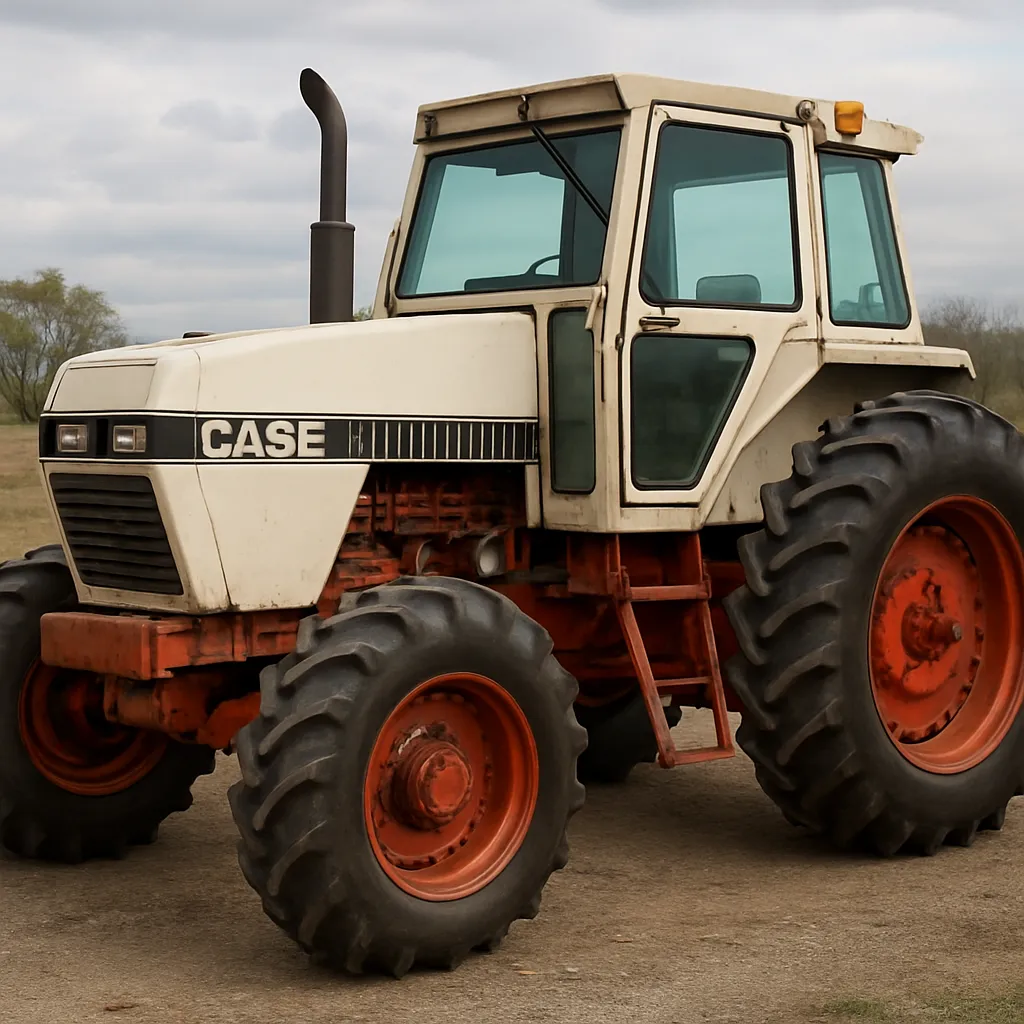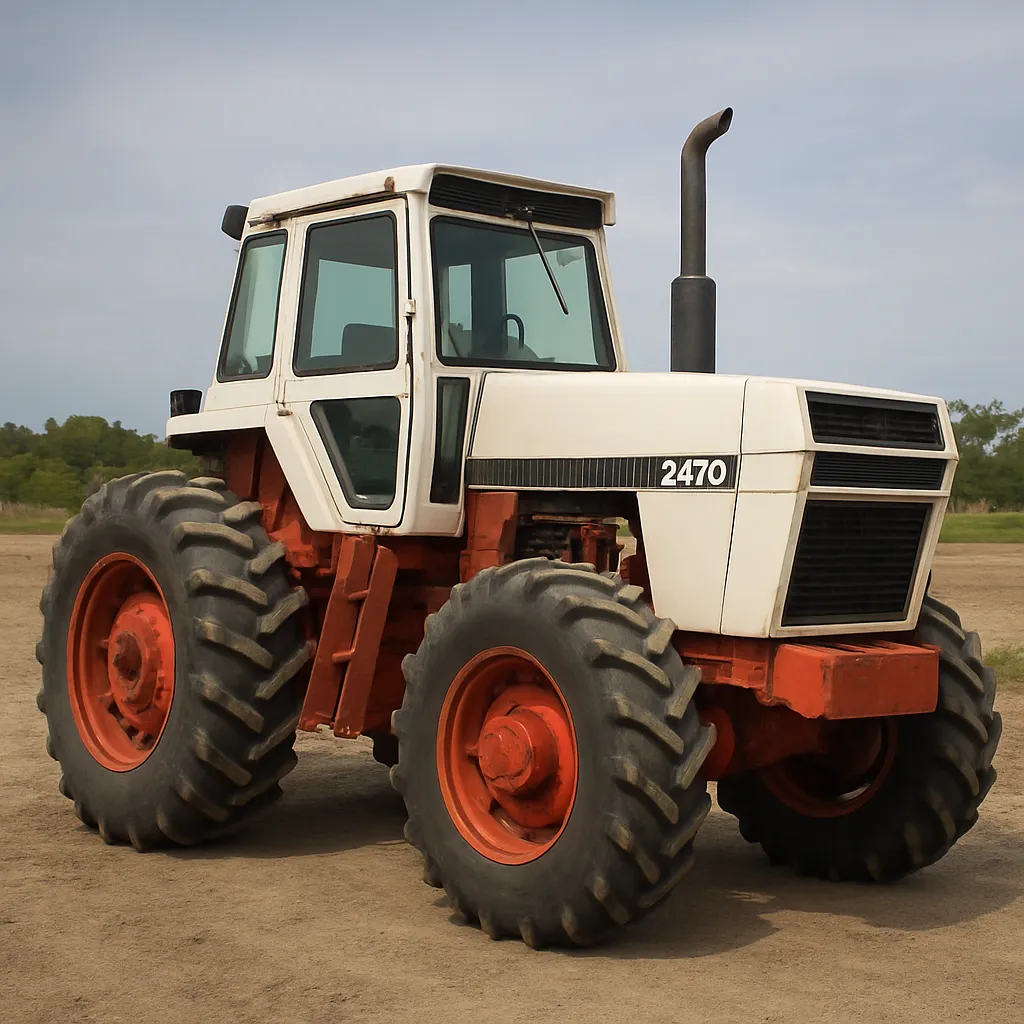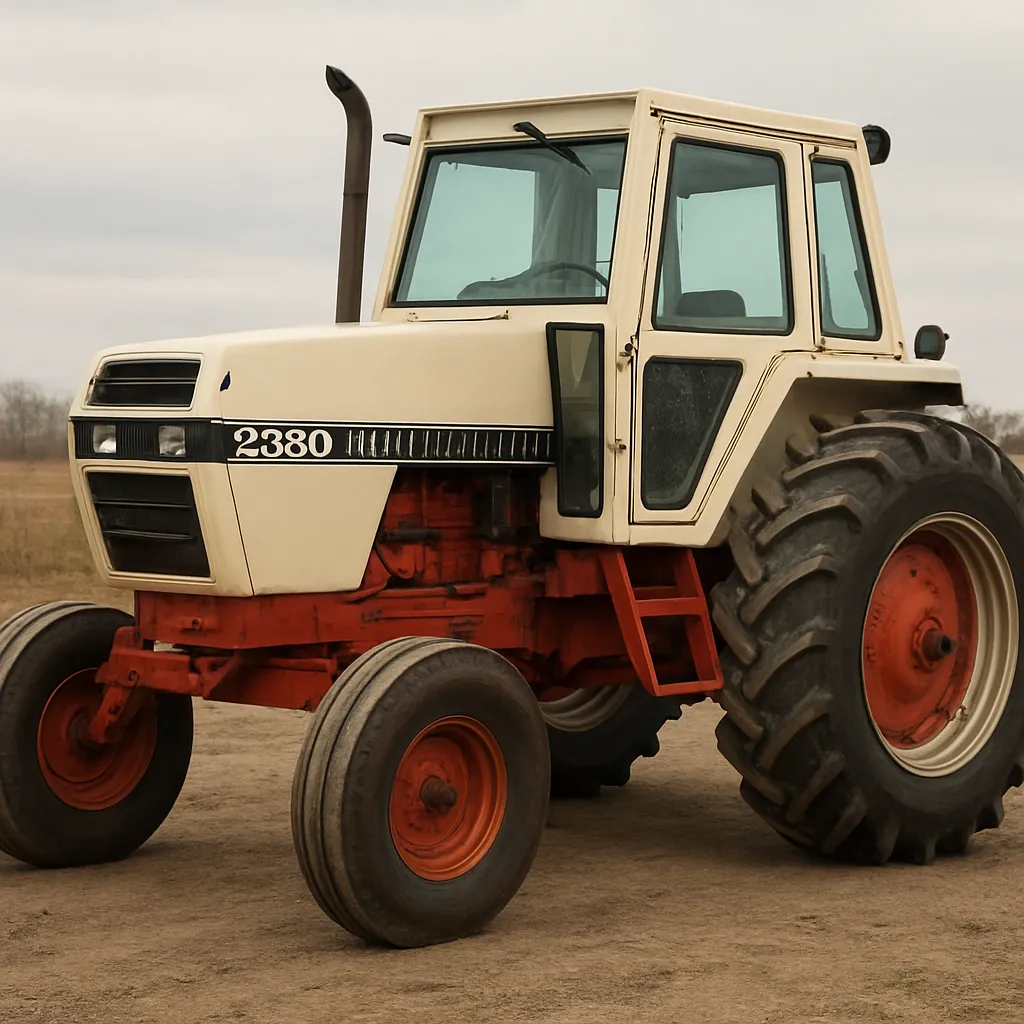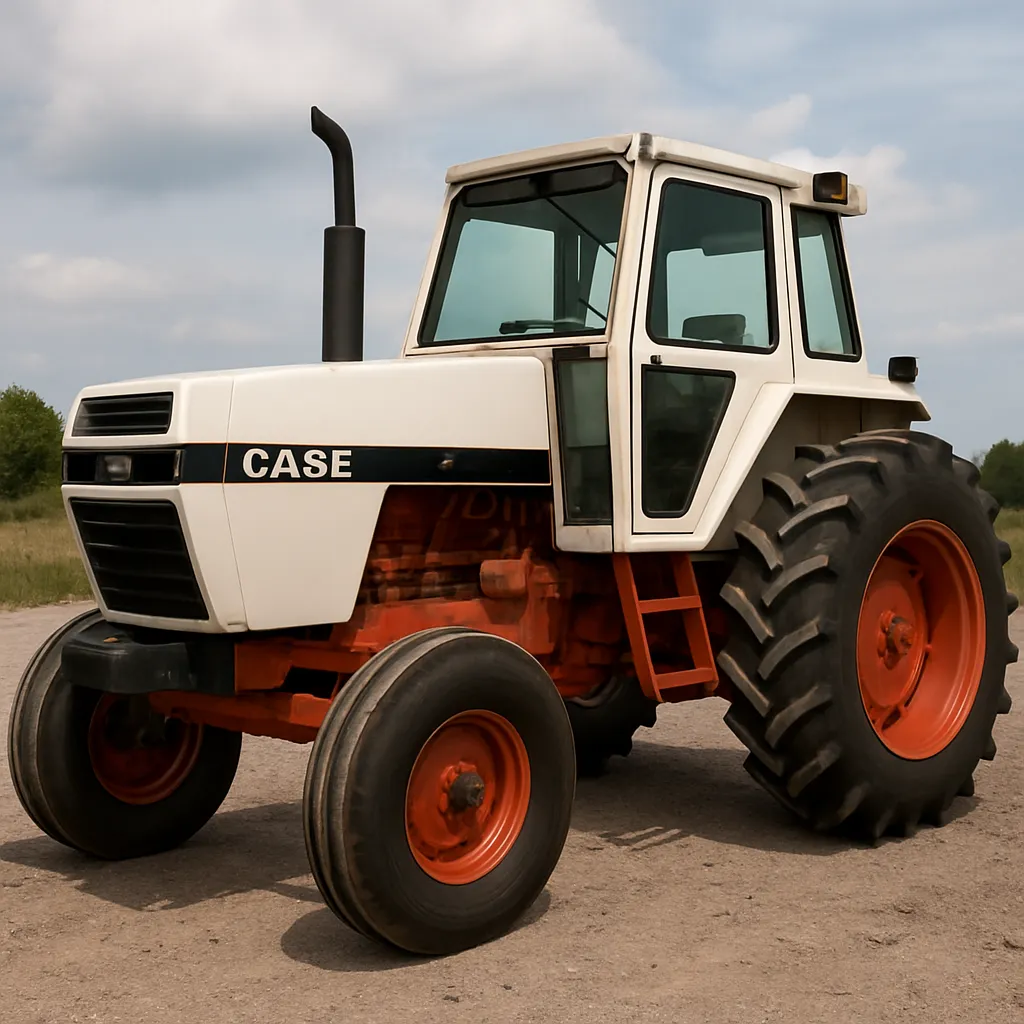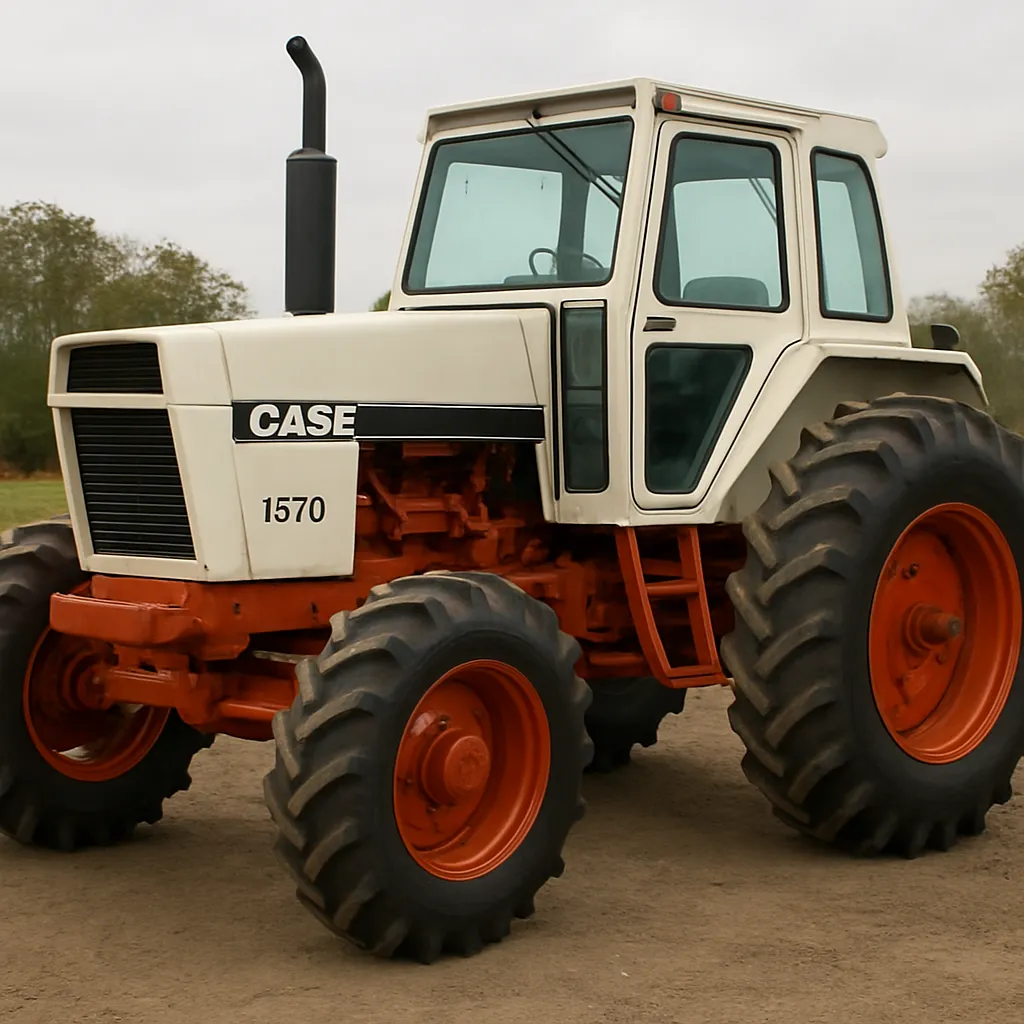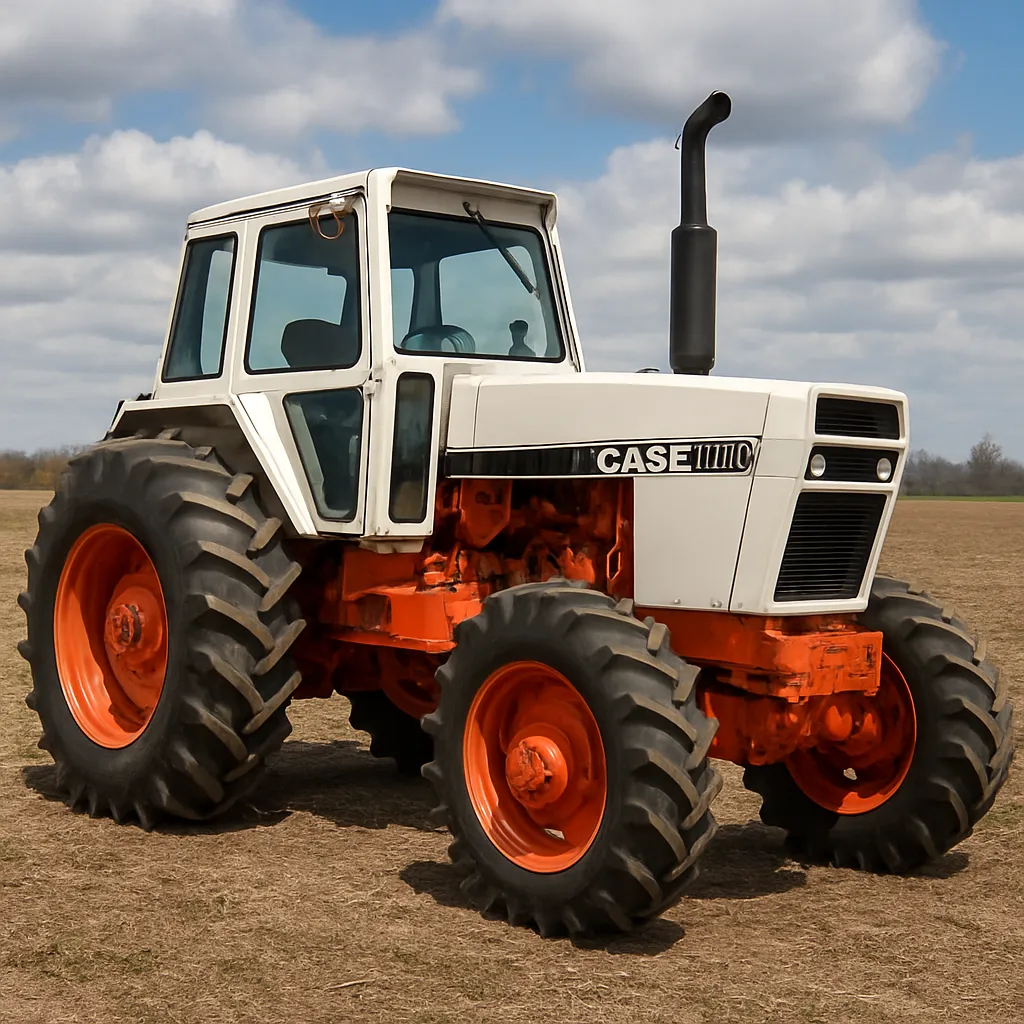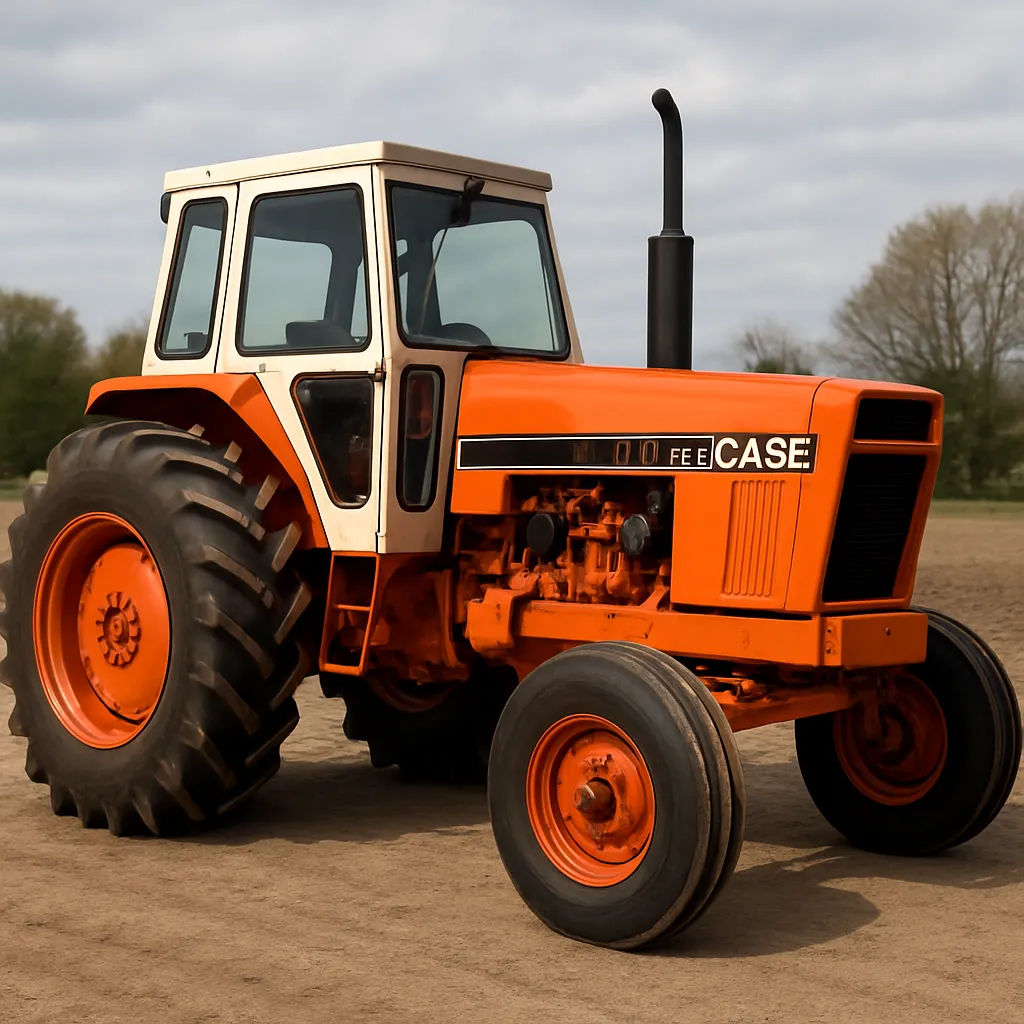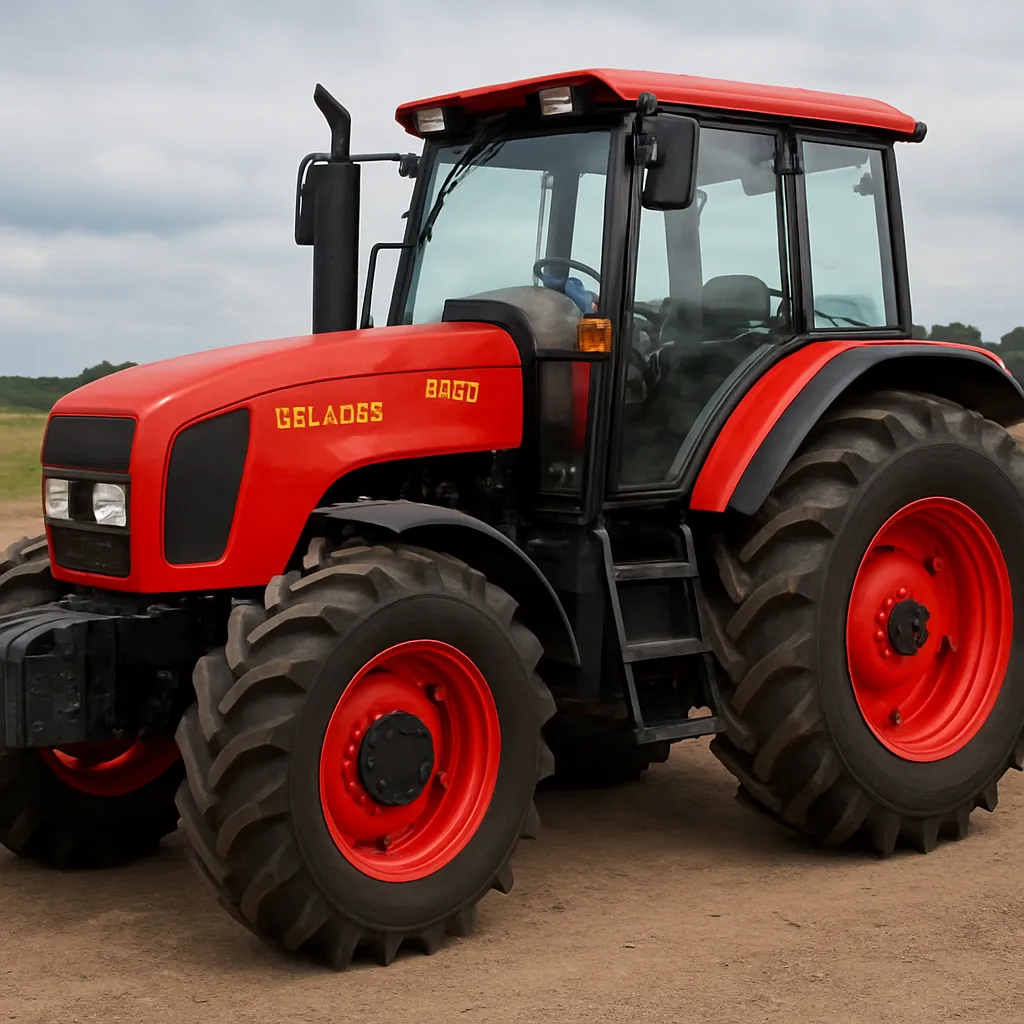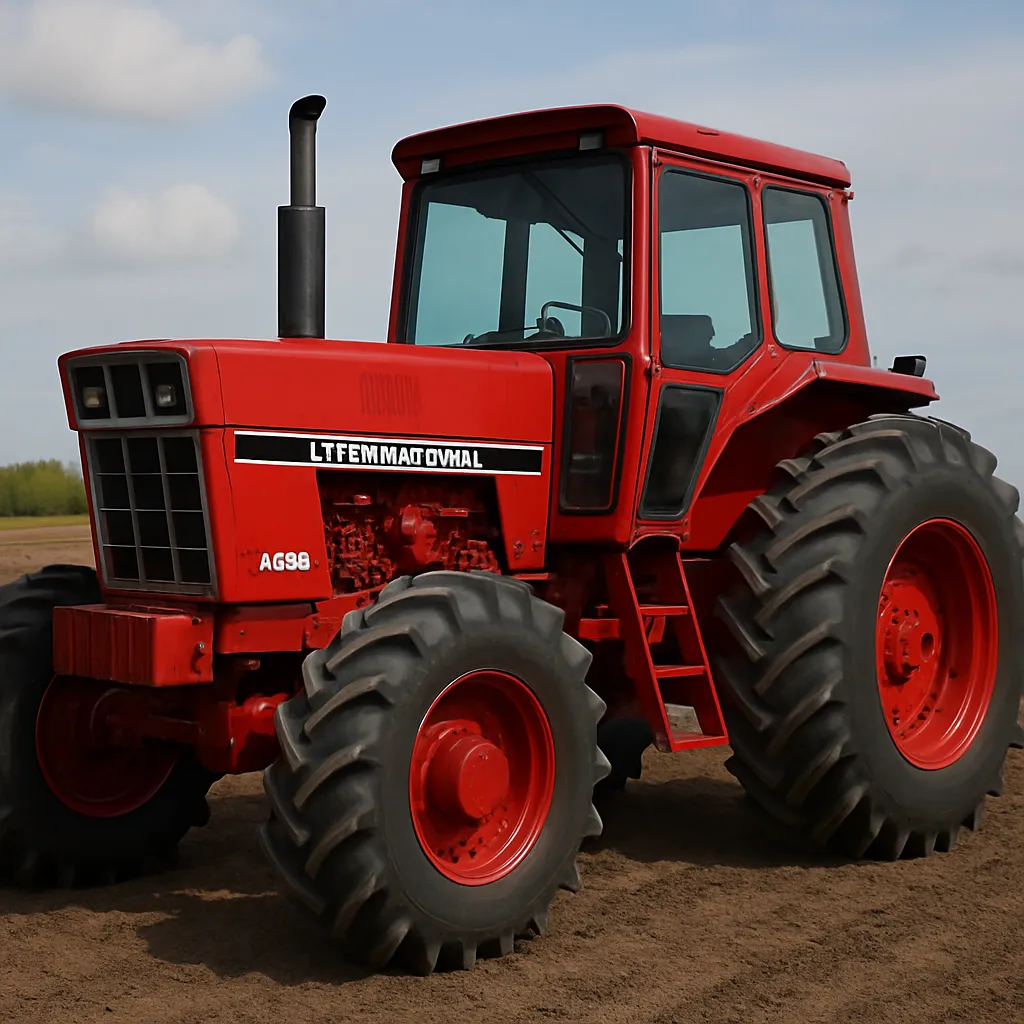
The International Harvester 4586 is a machine that sits at the crossroads of durable agricultural engineering and practical versatility. As a part of the broader lineage of tractors from the International Harvester and later Case IH heritage, the 4586 is valued by many farmers, contractors, and collectors for its balance of power, simplicity, and serviceability. This article explores the 4586 in depth: its background, technical features, typical uses, maintenance considerations, and market context. Throughout the text, key terms and concepts are emphasized to help readers quickly identify important points.
Origins and historical context
The name International Harvester evokes a long tradition of farm machinery innovation. Although specific production details for the 4586 model are less widely publicized than some marquee models, the tractor embodies design principles common to International Harvester and successor brands: robustness, ease of maintenance, and a focus on practical performance. The 4586 is often encountered in mixed farms, medium-scale operations, and among owners who appreciate straightforward mechanical systems.
Lineage and manufacturer background
International Harvester (IH) manufactured a wide range of tractors through much of the 20th century. Following corporate reorganizations and brand transitions, many IH designs informed later Case IH models. The 4586 carries elements from that engineering tradition: emphasis on reliable diesel engines, durable drivetrains, and adaptable hydraulic and hitch systems. Collectors and long-term operators often highlight the 4586’s design as reflecting an era when serviceability and simple diagnostics took priority.
Era and intended market
The 4586 was aimed at farmers and contractors who needed a machine capable of handling fieldwork, transport, and light to moderate implement duties. Its configuration supports a variety of attachments and tasks, making it attractive to owners who require a single, multipurpose tractor rather than a fleet of specialized units. This versatility has helped the model remain in use on farms where equipment lifespans extend for decades through careful maintenance.
Technical characteristics and specifications (typical)
Tractor models can be offered in multiple configurations depending on options such as cab or open platform, 2WD or 4WD, and transmission choices. Exact factory specifications for the International Harvester 4586 can vary. The values below represent a typical baseline for similar tractors from the same family and era; specific machines may differ depending on overhaul history, regional variants, or dealer-installed options.
- Engine: Diesel, naturally aspirated or turbocharged variants possible; inline multi-cylinder design common in IH tractors.
- Horsepower: Typically in the medium-class range; many comparable models provide usable engine power in the neighborhood of 120–180 engine horsepower (ballpark).
- Transmission: Could include synchronized gearboxes, power shift options, or partial powershift ranges depending on build—designed to balance field speeds and hauling capability.
- Torque: Diesel torque characteristics favor pulling power at low RPM; torque rise and usable PTO torque are important for implements.
- Hydraulics: Open-center or closed-center hydraulic systems with a multi-spool valve block for implements.
- PTO: Rear PTO standard, often rated at a fraction below engine maximum horsepower for safe implement operation.
- Axles & drivetrain: Available in two-wheel-drive and four-wheel-drive configurations; differential locks and front-wheel-assist options may be present.
- Weight & dimensions: Medium to heavy chassis suitable for stable field operation; ballast options allow tuning for traction and implement balance.
- Fuel capacity: Sized for full-day field operations; diesel tanks often in the several-hundred-liter or gallon range depending on region.
Note on accuracy: because manufacturers offer factory and dealer variations, consult a specific tractor’s data plate or service manual for exact numbers. The values above aim to provide a realistic picture without claiming factory-precise figures where records vary by market and year.
Design features and mechanical highlights
The 4586’s design prioritizes a few recurring themes: mechanical access, modular service points, and durable systems. Operators and technicians often praise the straightforward layout that reduces downtime during routine maintenance.
Engine and fuel system
The tractor relies on a heavy-duty diesel engine with a design that supports long intervals between major overhauls when properly serviced. Key design elements include robust block and crank components, accessible filters and injection systems, and cooling systems sized to cope with continuous field loads. Fuel delivery systems were engineered to function reliably on farm-grade diesel, with attention to filtration to avoid particulate-related wear.
Cooling and electrical systems
Effective cooling is critical for tractors that operate under load for many hours. The 4586 typically features a radiator and fan arrangement designed for debris resistance and easy cleaning. Electrical systems focus on durability: a charging system sized to support lighting and cab accessories, starter motors capable of frequent cold starts in agricultural climates, and wiring harnesses routed to minimize exposure to debris and moisture.
Hydraulics, hitch, and PTO
Hydraulic capacity determines what implements a tractor can lift and control. The 4586’s hydraulic system is engineered to provide reliable three-point hitch operation, auxiliary remotes for hydraulic cylinders, and dependable tractor hydraulic flow for loaders, plows, and other attachments. The PTO is a central interface used by mowers, balers, and tillage equipment; standardized PTO speeds and clutch arrangements enable broad implement compatibility.
Practical applications and typical use cases
The versatility of the 4586 allows it to serve many roles on a farm and in light contractor work. Its balanced power-to-weight ratio and attachment-compatible layout make it suitable for both field and yard operations.
- Field tillage and seedbed preparation: With plows and cultivators attached, the 4586 can pull medium-sized implements across varied soil types.
- Planting and seeding operations: Adequate hydraulic and PTO support allow use with planters and seeders of regional sizes.
- Hay and forage handling: From mowing to baling to transport, the tractor handles a range of haymaking tasks.
- Loader work and material handling: When fitted with a front loader or forklift attachments, the 4586 serves in barns, yards, and construction-adjacent roles.
- Transport and tipping: Trailers and spreaders can be towed and powered, making the tractor useful for seasonal hauling and spreading operations.
- Specialty and orchard tasks: Narrow-track or modified versions can operate in orchards, vineyards, and other specialty crop systems where maneuverability matters.
Maintenance, repair, and longevity
Longevity is one reason many owners keep tractors like the 4586 running for decades. A regimented maintenance schedule and understanding of common wear items are essential to maximize service life.
Routine maintenance items
- Engine oil and filter changes at recommended intervals
- Fuel filter replacement and fuel system purging to prevent injector wear
- Cooling system inspection, radiator cleaning, and coolant changes
- Hydraulic fluid and filter servicing to preserve valve and cylinder life
- Transmission and differential oil changes to protect gearsets and bearings
- PTO clutch inspection and driveline lubrication
- Tire maintenance and wheel alignment for traction and fuel efficiency
Common repairs and upgrades
Typical repairs on an older tractor like the 4586 often include injector servicing, starter/alternator replacement, hydraulic leak remediation, and clutch adjustments. Owners frequently invest in upgrades that improve daily usability: more efficient lighting, improved seating and ergonomics in cabs, and modern hitch or PTO adapters for contemporary implements.
Economic and market considerations
The market for classic and utilitarian tractors is shaped by supply, the condition of individual machines, regional demand, and the availability of parts. The 4586 often trades at prices reflecting its condition and service history rather than a fixed market value.
Depreciation and resale
Unlike modern highly computerized tractors, machines with mechanical simplicity can retain significant value if well-maintained. Buyers appreciate low-tech designs for their ease of repair and the lower cost of aftermarket parts. A properly maintained 4586 with documented service history will generally command a premium over similar machines with uncertain maintenance records.
Parts and aftermarket support
Parts availability is a major factor influencing the desirability of older tractors. For the 4586, many wear components and consumables (filters, belts, seals, hoses) are widely available either as new aftermarket parts or through remanufactured components. More specialized parts may require sourcing from vintage parts suppliers or salvage units, but the mechanical simplicity of the tractor reduces dependence on scarce electronic modules and unique proprietary items.
Safety, operator training, and ergonomics
Safe operation is a key component of tractor ownership. The 4586, like many tractors of its time, benefits from operator training and awareness of common hazards: rollovers, entanglement with PTO shafts, and crush risks from implements. Modern safety retrofits—such as rollover protection systems (ROPS), improved lighting, mirrors, and PTO shields—can significantly reduce accident risk.
Recommended safety practices
- Always use seatbelts when a ROPS is installed
- Keep PTO shields and driveline covers in place
- Shut down the engine before servicing or adjusting implements
- Perform daily walk-around inspections for oil leaks, tire damage, and loose fasteners
- Ensure that bystanders, especially children, are kept away during operation
Collectability and cultural value
Some owners collect International Harvester tractors as part of preserving agricultural heritage. Models that represent a particular era of design or that were produced in limited numbers can be especially prized. The 4586 finds fans among enthusiasts who appreciate its mechanical clarity and the role it plays in the history of farm mechanization.
Restoration considerations
Restorers often face choices between preserving the tractor’s working capability and returning it to factory-original appearance. Decisions include whether to rebuild the engine to original tolerances, restore the paint and decals, or modernize certain systems for improved reliability. Availability of original parts and documentation influences these decisions.
Comparisons and alternatives
When evaluating the 4586, prospective buyers often compare it with contemporaneous models from other manufacturers. Factors in such comparisons include fuel efficiency, PTO power, hydraulic capacity, overall comfort, and cost of ownership. While newer tractors may offer superior electronics and precision farming aids, the 4586 competes well in scenarios prioritizing simple, robust operation.
Choosing the right tractor for your farm
Selection should be guided by the farm’s primary tasks, implement sizes, and expectations for downtime. If you favor ease of maintenance, straightforward hydraulics, and a reliable mechanical platform, tractors in the International Harvester lineage like the 4586 remain a practical choice for many operators.
Conclusion
The International Harvester 4586 is a testament to an era when tractors were engineered for longevity, serviceability, and practical versatility. Whether used for tillage, transport, haymaking, or loader work, the 4586’s strengths are its durable engineering and compatibility with a wide range of implements. By adhering to routine maintenance, investing in sensible safety upgrades, and understanding the tractor’s capabilities, owners can rely on the 4586 for many seasons of productive service. For those valuing heritage and mechanical clarity, the 4586 represents both a functional tool and a piece of agricultural history.