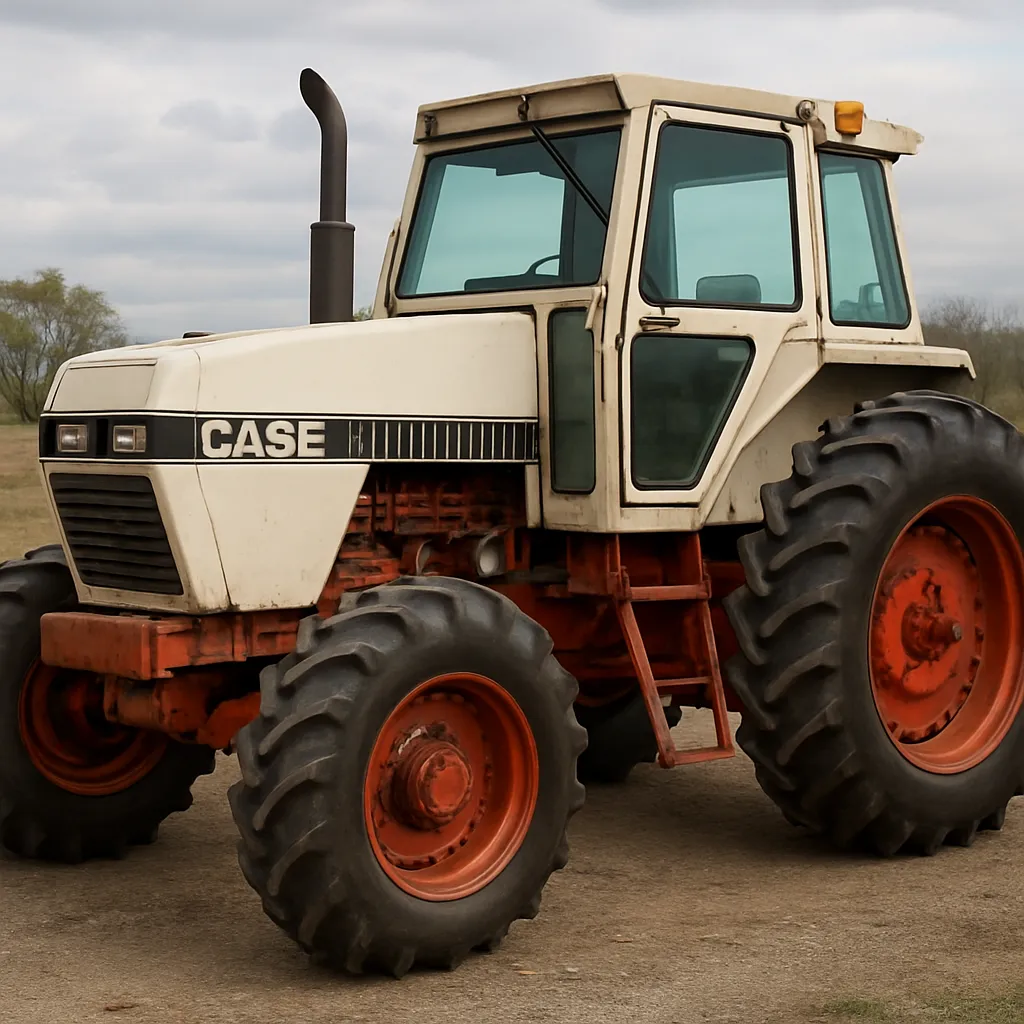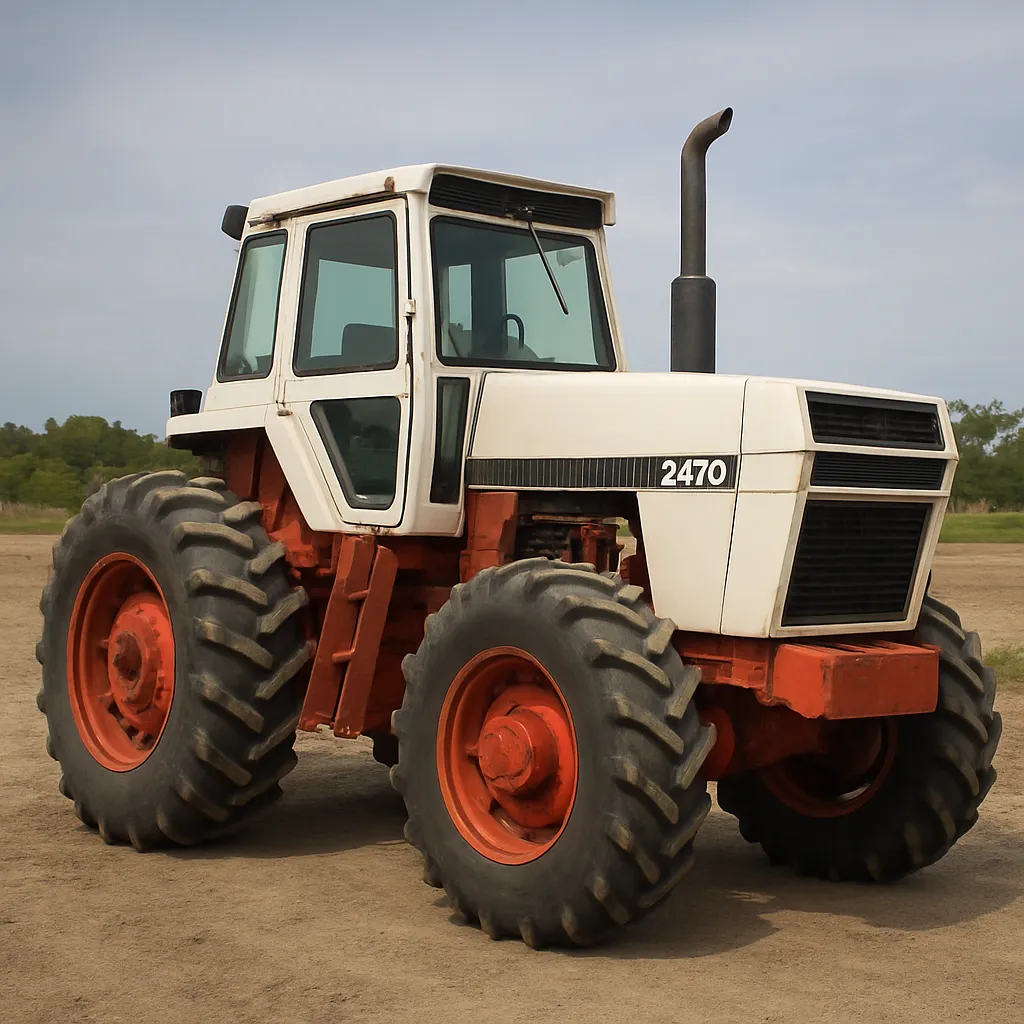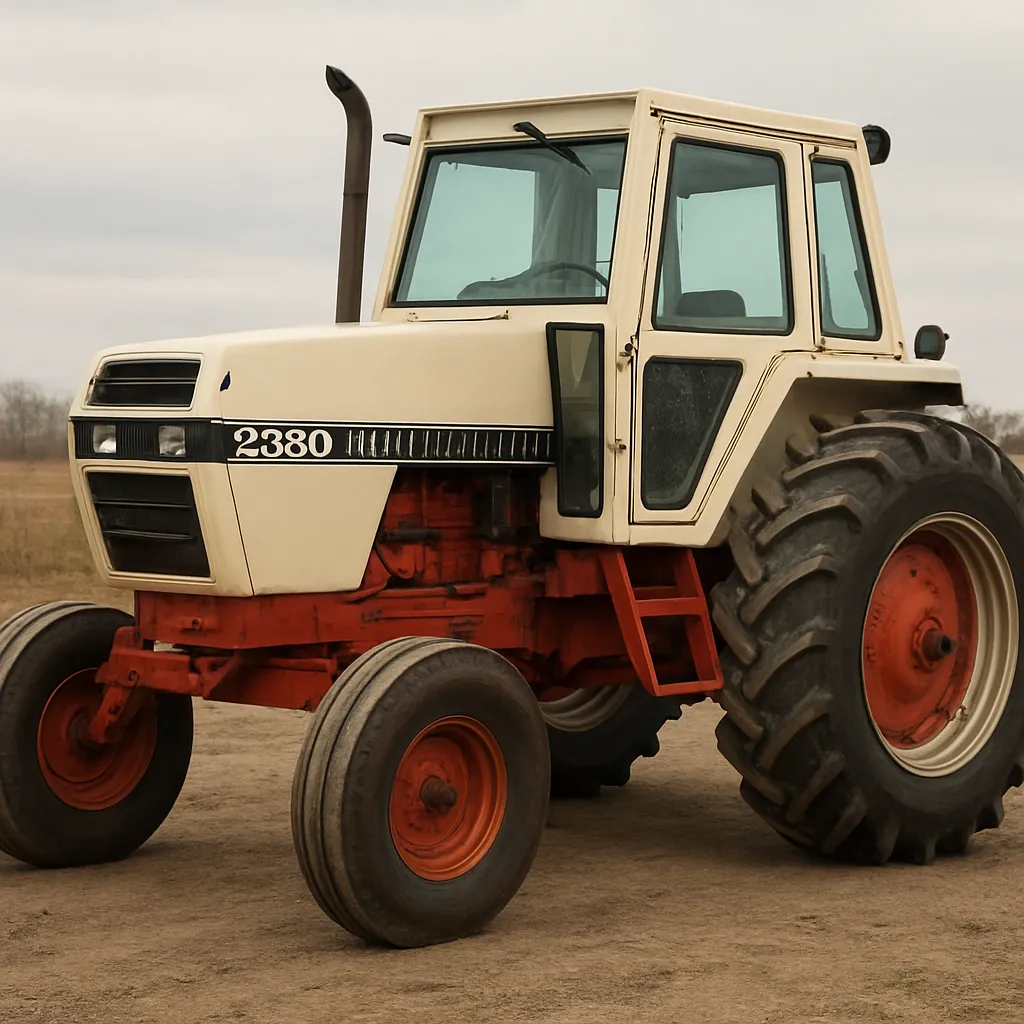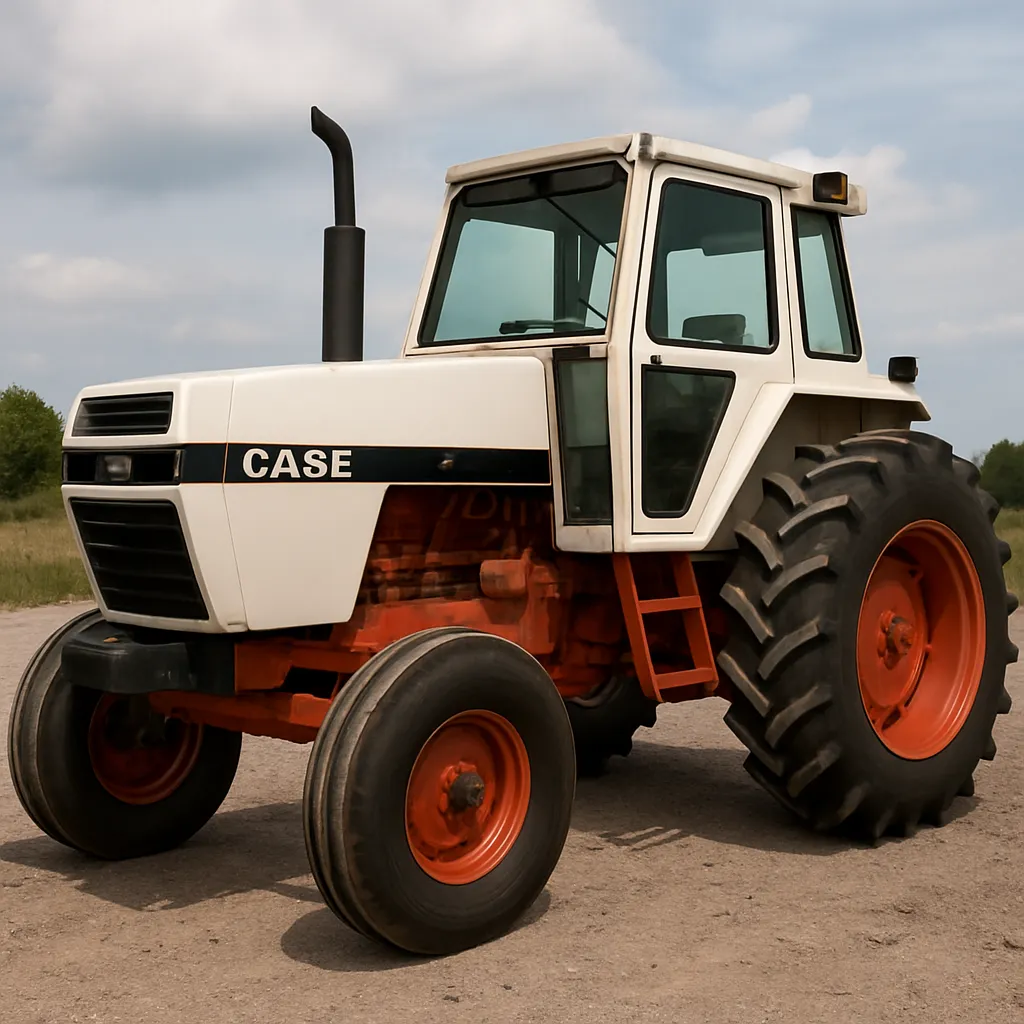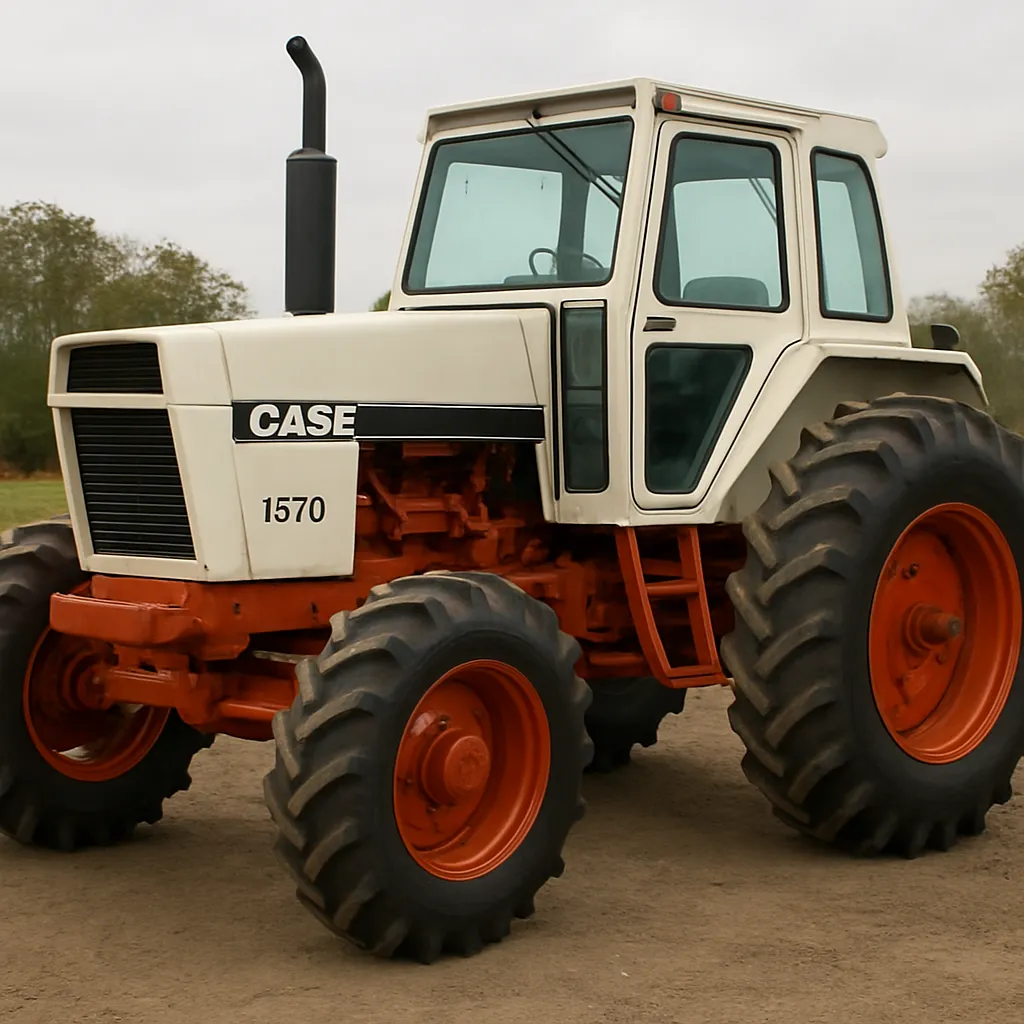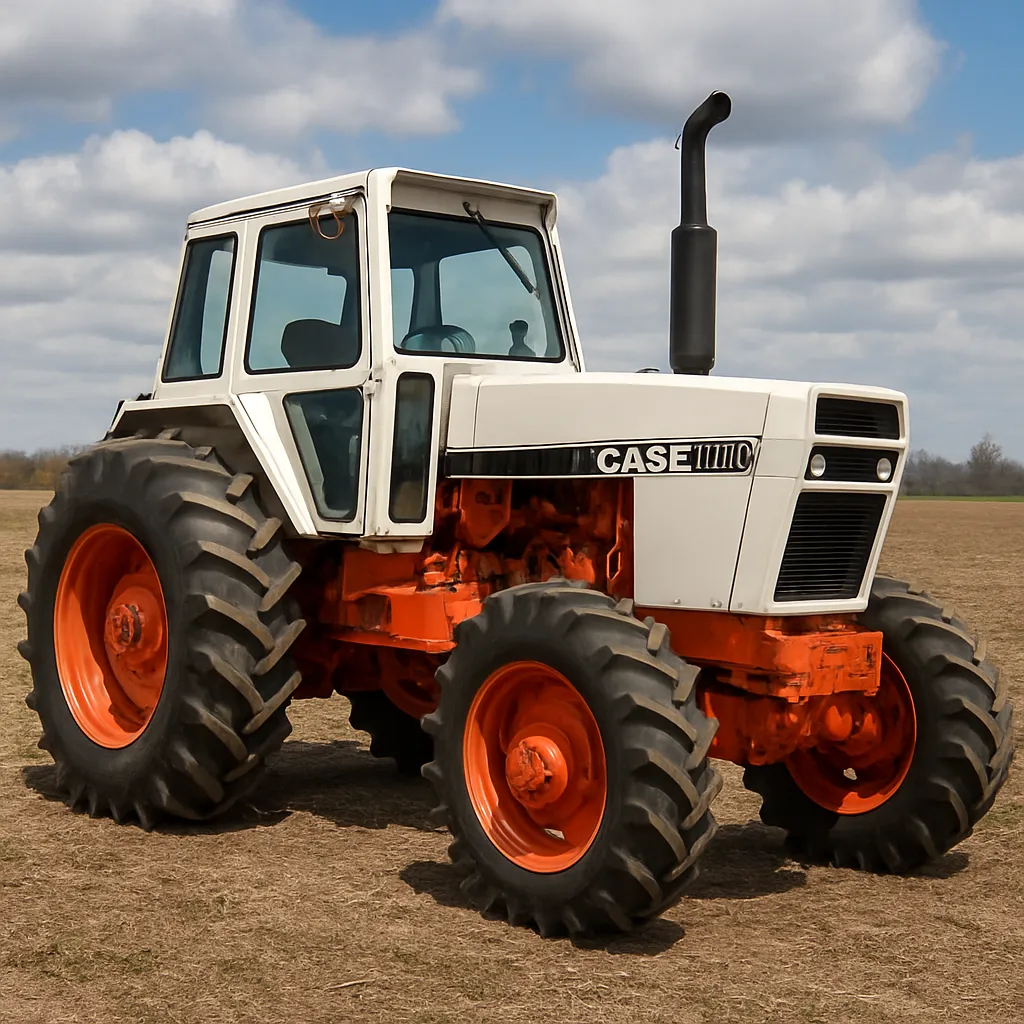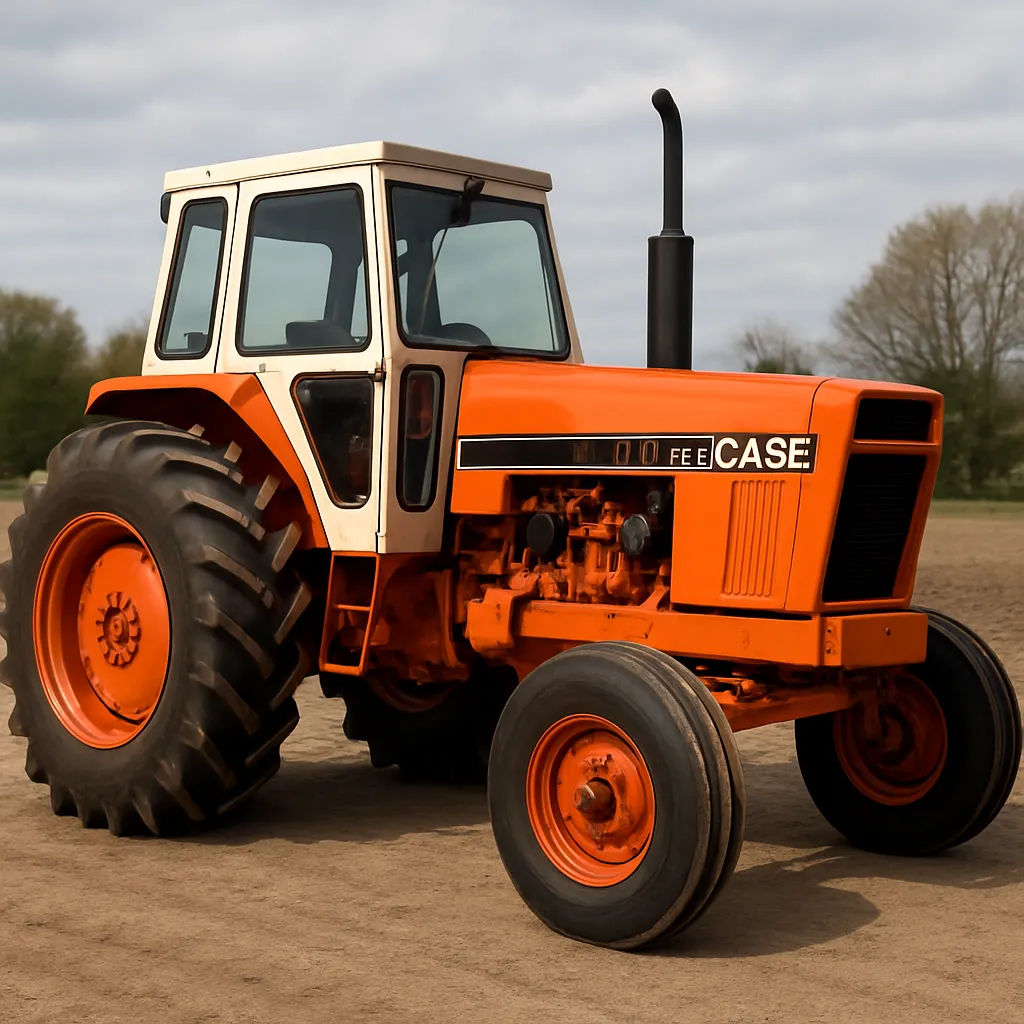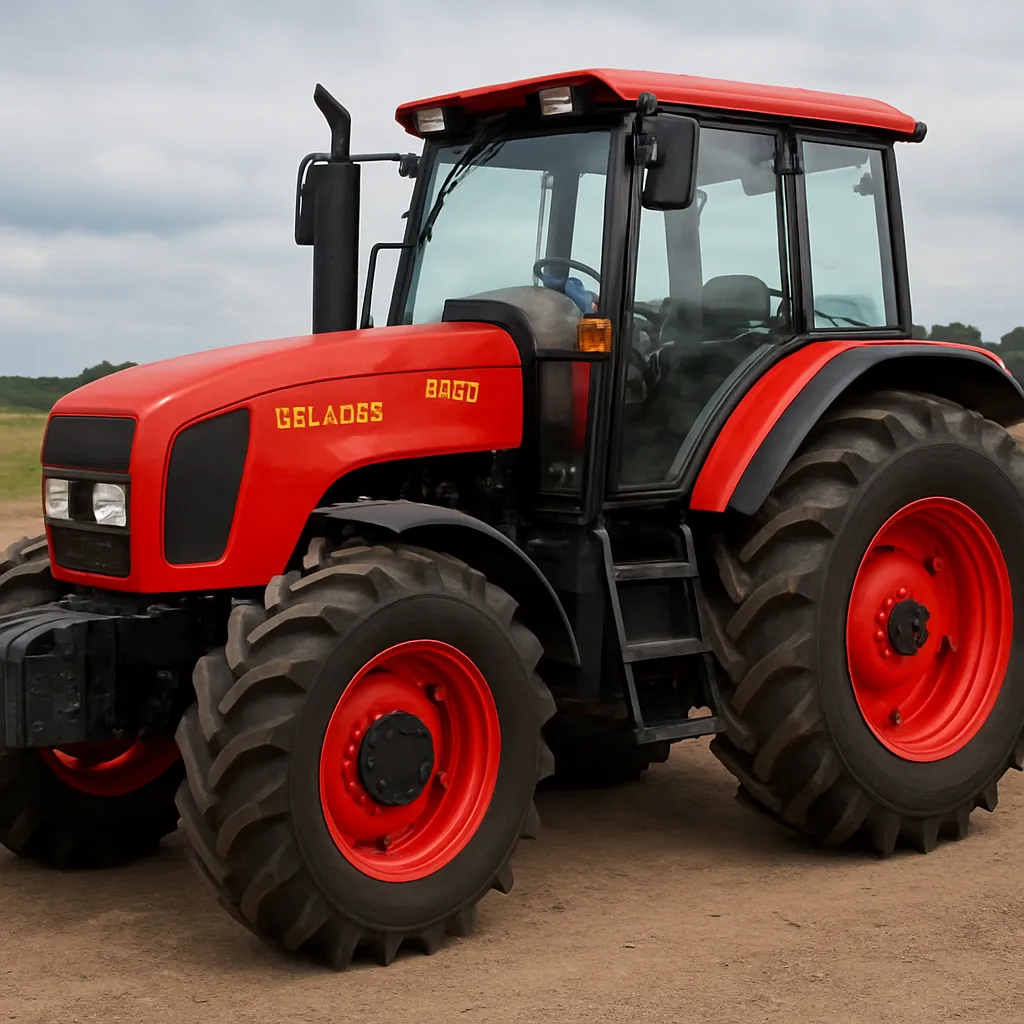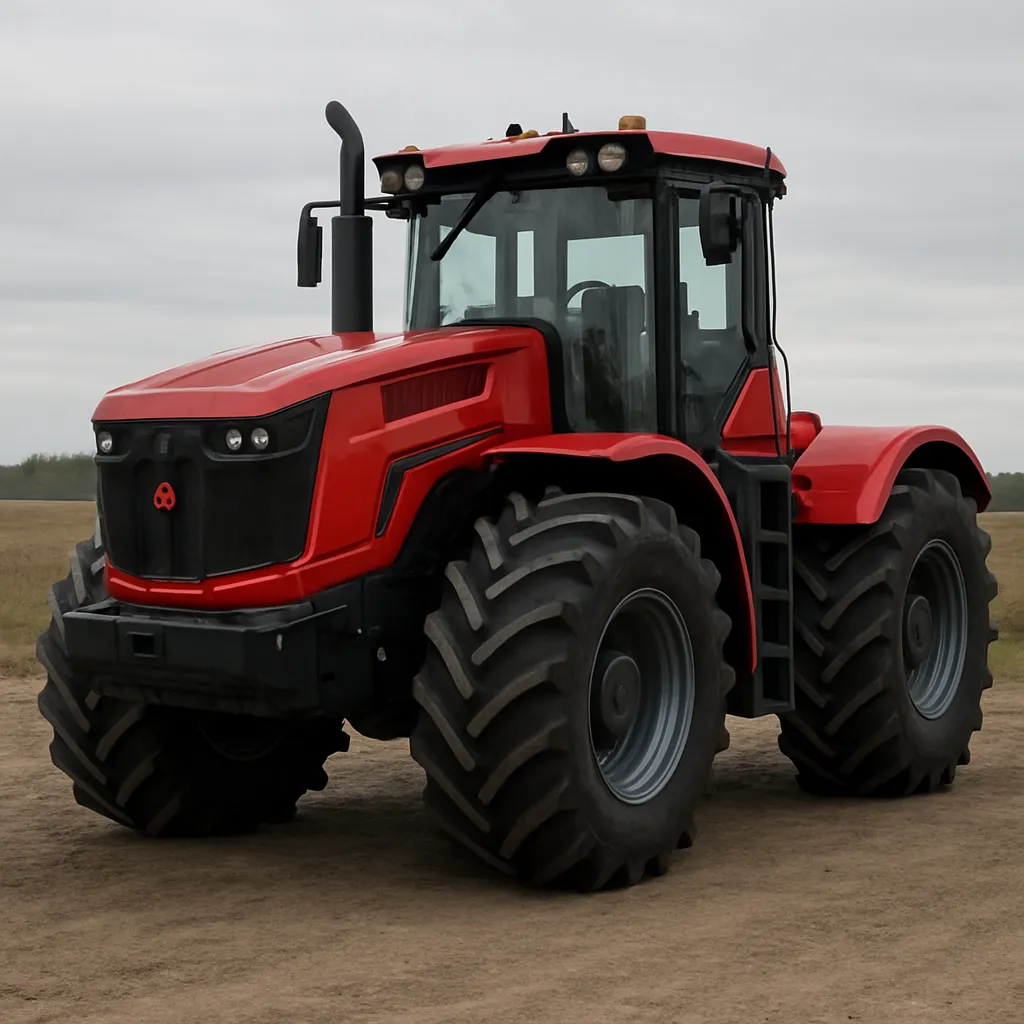
The Kirovets K-742 is a heavyweight, articulated, four-wheel-drive agricultural and industrial machine that embodies Soviet-era engineering adapted for modern heavy-duty tasks. Known for its simplicity, robustness and capacity to work in harsh conditions, the Kirovets family of tractors (of which the K-742 is a prominent member) has been a familiar sight across large farms, construction sites and remote operations throughout Russia and many other regions. This article explores the K-742’s design, typical specifications, operational uses, maintenance considerations and some lesser-known facts that make it a distinctive vehicle in the world of heavy tractors.
Design and development
The Kirovets line originated with tractors designed in the mid-20th century, intended to meet the needs of large-scale collective farming and heavy industry. The K-742 is an evolution of that lineage, incorporating modernized components and configurations while keeping the core attributes that give the series its reputation: simplicity, serviceability and a frame built to survive extremes of climate and terrain.
Architecture and chassis
The K-742 is typically an articulated four-wheel-drive tractor with a central hinge that enables excellent maneuverability despite a long overall length. The articulation design reduces turning radius without the complexity of front-wheel steering systems used on smaller tractors. A heavy, ladder-type frame and reinforced axle housings are common features, which allow the machine to carry and tow very large implements and loads.
Cab and operator environment
While the basic emphasis is on functionality rather than luxury, later versions and upgrades of the K-742 offer improved cabins with standard features such as heating, sound insulation, ergonomic controls and better visibility. Some models include air conditioning, suspension seats and modern instrumentation when repurposed for roles beyond purely agricultural tasks.
Powertrain layout
The K-742 is powered by large diesel engines, typically turbocharged and designed to provide strong low-end torque for heavy draft work. Power delivery is commonly routed through robust gearboxes or power-shift transmissions, a multi-speed range selector and heavy-duty final drives. The drivetrain emphasizes long service life and easy access for repairs.
Technical specifications and performance
Specifications for vehicles like the K-742 can vary with model year, factory options and retrofit packages. Below are representative characteristics and performance ranges that reflect how the tractor is commonly configured in operation. Where precise figures vary by configuration, values are indicated as approximate.
Representative specifications
- Engine type: Turbocharged diesel inline or V-type engine with intercooling (common architectures include 6- or 8-cylinder designs).
- Rated power: Approximately 300–400 hp (220–300 kW) in many K-742 configurations; specific tunings exist above and below this band depending on purpose-built variants.
- Torque: Designed for high torque at low RPM to handle plowing and heavy draft implements; torque figures will typically exceed those of smaller agricultural tractors by a wide margin.
- Transmission: Multi-range gearbox with power take-off (PTO) and heavy-duty final drives. Options include mechanical synchronized gearboxes and power-shift units depending on the variant.
- Drive: Articulated 4WD with transfer case and limited-slip or locking differentials.
- Hydraulics: High-flow hydraulic pumps with multiple remote couplers to operate large implements; lift capacities suitable for heavy plows and mounted equipment.
- PTO: Rear PTO standard, with some configurations offering dual PTO options or front PTO for specialized attachments.
- Operating weight: Commonly in the range of 10,000–15,000 kg (approximate) depending on ballast and fittings.
- Dimensions: Long wheelbase and overall length relative to smaller tractors; high ground clearance for rough-field operation.
- Top speed: Road speeds up to approximately 30–40 km/h depending on gearing and legal restrictions for heavy agricultural vehicles.
Fuel consumption and efficiency are influenced by load, implement type and terrain. Under heavy draft work, fuel use can be substantial — rough operational estimates for machines in this power class range from about 15 to 40 liters per hour depending on task intensity and engine tuning. These values should be treated as indicative rather than definitive; operators commonly monitor fuel burn closely to manage operating cost.
Variants and factory options
The K-742 platform is often adapted into several sub-variants that emphasize different capabilities:
- Pure agricultural builds optimized for traction and hydraulic capacity for large tillage implements.
- Industrial or forestry adaptations with reinforced bodywork, winches and protective guarding.
- Road and municipal service versions equipped with implements for snow removal, sanding or road maintenance.
- Export and retrofitted versions featuring updated cabins, modern electronics or alternative powerplants in response to local markets.
Applications and operational uses
The K-742’s strengths are most evident in large-scale, heavy-duty operations. The machine shines where power, traction and the ability to haul large implements are required. Its versatile nature means it is used across several sectors.
Agriculture
On large farms and in collective or industrial agriculture operations, the K-742 is used for:
- Primary tillage with large ploughs and cultivators — deep ploughing and ripping of compacted soils.
- Seedbed preparation and heavy disc harrowing where wide working widths are needed to reduce field pass counts.
- Transport of heavy equipment, trailers and bulk material across rough fields.
- Applying large mounted or trailed implements such as subsoilers, large planters and fertilizer spreaders.
Forestry and land reclamation
Forestry operations exploit the K-742’s raw pulling power. With appropriate tires or tracks and protective guards, the machine is used to haul logs, tow specialized trailers, operate winches and tow heavy earthmoving attachments for land reclamation or road-building in logging areas.
Construction, mining and municipal services
Contractors value the K-742 where its traction and weight distribution can replace more common earthmoving equipment in certain tasks. Examples include:
- Site preparation and grading when large-tooth rippers or scarifiers are used.
- Snow removal and road maintenance using front-mounted plows and spreaders in regions with severe winters.
- Mining support tasks where robust, repairable vehicles are preferred in remote locations.
Specialized roles
Because of its modularity, the K-742 is occasionally adapted for less conventional tasks such as firefighting in remote areas (with specialized tanks and pumps), oilfield service vehicles, and as prime movers for mobile drilling rigs. Its straightforward mechanical systems make it easier to maintain in isolated environments where specialized parts for Western machines may be scarce.
Maintenance, operational economics and common upgrades
One of the distinguishing characteristics of the K-742 is that it was designed to be maintained by crews with basic mechanical skills, with an emphasis on mechanical simplicity and rugged components. This reduces downtime in many operational settings but does not eliminate the need for regular, thorough servicing.
Routine servicing and reliability
Regular service items include oil and filter changes, inspection and adjustment of valve clearances, cooling system maintenance, hydraulic fluid and filter replacements, final-drive oil checks, and routine attention to the articulation joint and steering components. Operators commonly report that the machine’s reliability is high provided these routine tasks are performed — but neglect can quickly lead to heavy wear on driveline components given the high torques involved.
Common upgrades and retrofits
Owners and fleet managers often upgrade K-742 tractors to improve comfort, reduce fuel use or extend the life of key systems. Typical upgrades include:
- Modernized cabins with climate control and improved seating.
- Engine remaps or replacement engines to improve emissions or power delivery.
- Hydraulic system capacity increases to support modern, high-demand implements.
- Fitting of GPS and precision-agriculture electronics for improved efficiency in large-field operations.
Operating costs and lifecycle considerations
Although purchase prices and parts for Kirovets tractors can be attractive compared with similarly sized Western machines, total cost of ownership depends on fuel consumption, implement compatibility, and local availability of parts and service skills. The robust construction can deliver long service life; many K-700 series tractors have been in service for decades where they are well cared for.
Legacy, regional presence and interesting facts
The Kirovets family, including the K-742, occupies a particular niche. It is less about high-tech sophistication and more about conservative engineering that performs reliably under tough conditions. Its footprint is broad in regions where agriculture and industry require heavy traction machines but where repair infrastructure favors mechanical simplicity.
Regional presence
The K-742 and related models are common in Russia and neighboring countries in the Commonwealth of Independent States (CIS). Exports have reached parts of Africa, Central Asia and some Eastern European markets. Their suitability for extreme cold and for operation on unimproved roads has been an important factor in their adoption.
Production and historical notes
Derived from tractors first developed in the Soviet era, modern Kirovets models are often the result of incremental upgrades rather than wholesale redesigns. This continuity ensures parts commonality and familiarity for mechanics and operators who have worked with earlier models.
Notable operational statistics (indicative)
- Estimated typical engine power range: 300–400 hp (220–300 kW); depends on variant and tuning.
- Estimated operating weight: roughly 10–15 tonnes depending on ballast and equipment.
- Typical top road speed: up to 30–40 km/h depending on gearing.
- Estimated fuel consumption under heavy load: roughly 15–40 L/h depending on task intensity (indicative).
These values are representative and can vary considerably between manufacture dates, country-specific regulations and aftermarket modifications. Exact figures for any particular machine should be confirmed from the vehicle’s specification plate or factory documentation.
Concluding remarks
The Kirovets K-742 is a work-focused heavyweight tractor designed to confront large-scale agricultural, forestry and industrial tasks where sheer traction and durability matter more than sophisticated automation. Its continued use is driven by a combination of historical availability, mechanical simplicity, and the ability to adapt the platform to different roles. For operators in remote or demanding environments the K-742 remains a pragmatic choice: powerful, straightforward to service and capable of handling tasks that require consistent, heavy-duty performance.
Whether used to pull massive tillage implements across the steppe, haul timber in a logging concession, or sustain municipal services in harsh winters, the K-742 is emblematic of a class of machines that prioritize robustness and serviceability. Prospective buyers and fleet managers should weigh the advantages of raw capability and ease of repair against fuel consumption, operator comfort and the availability of compatible implements in their region.