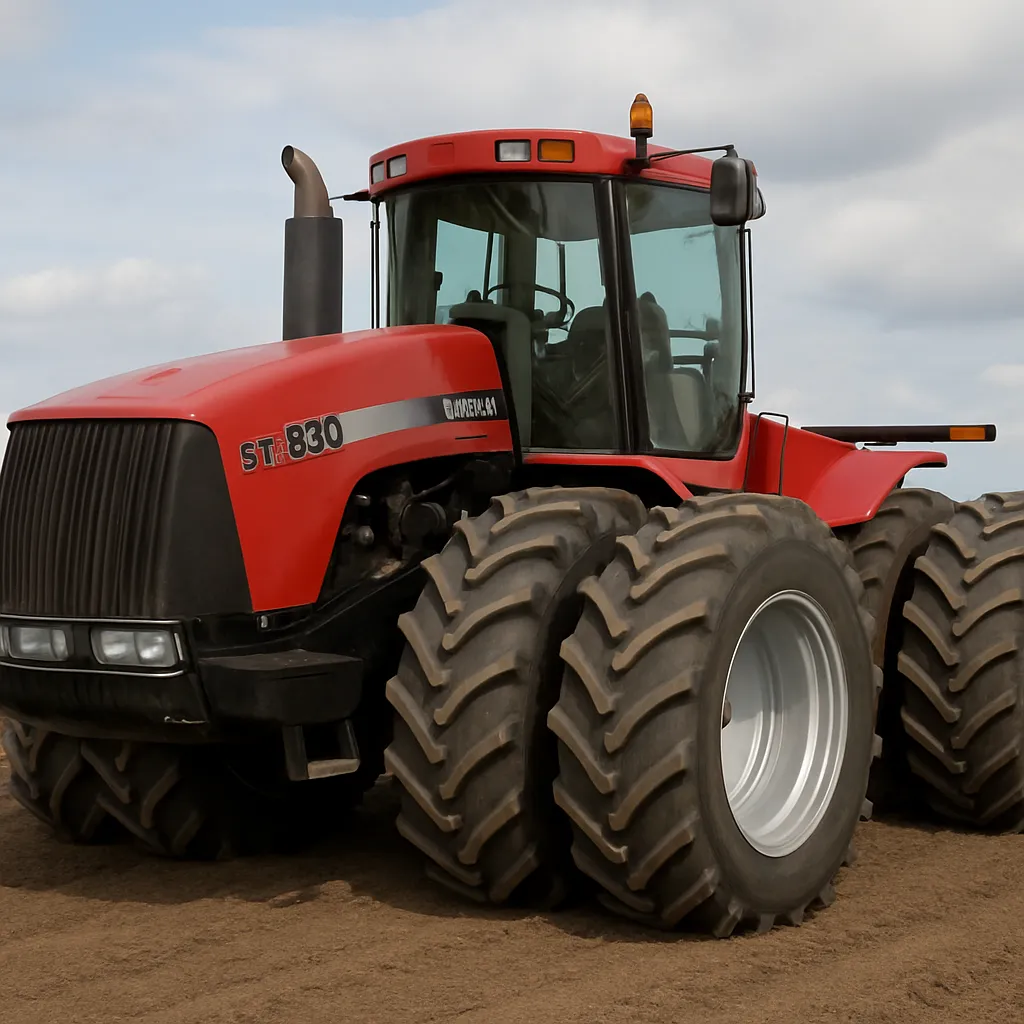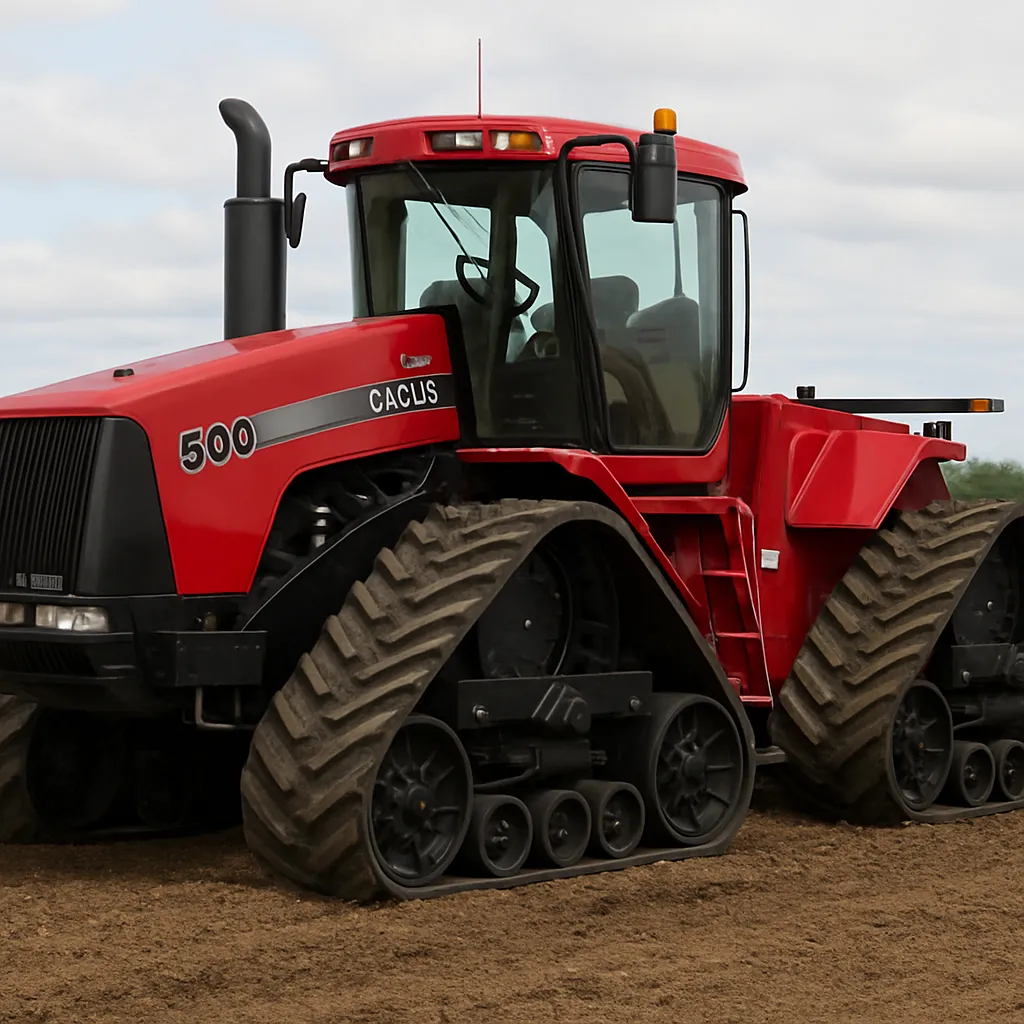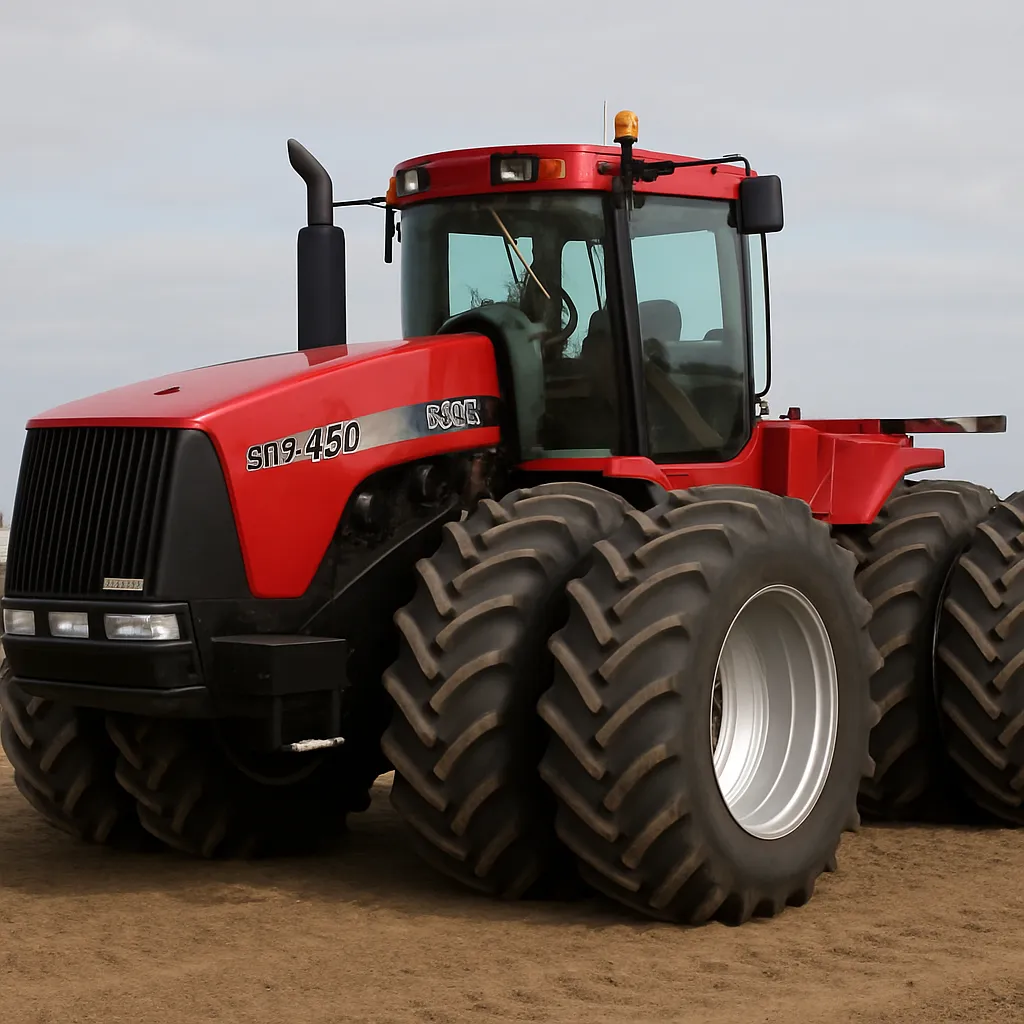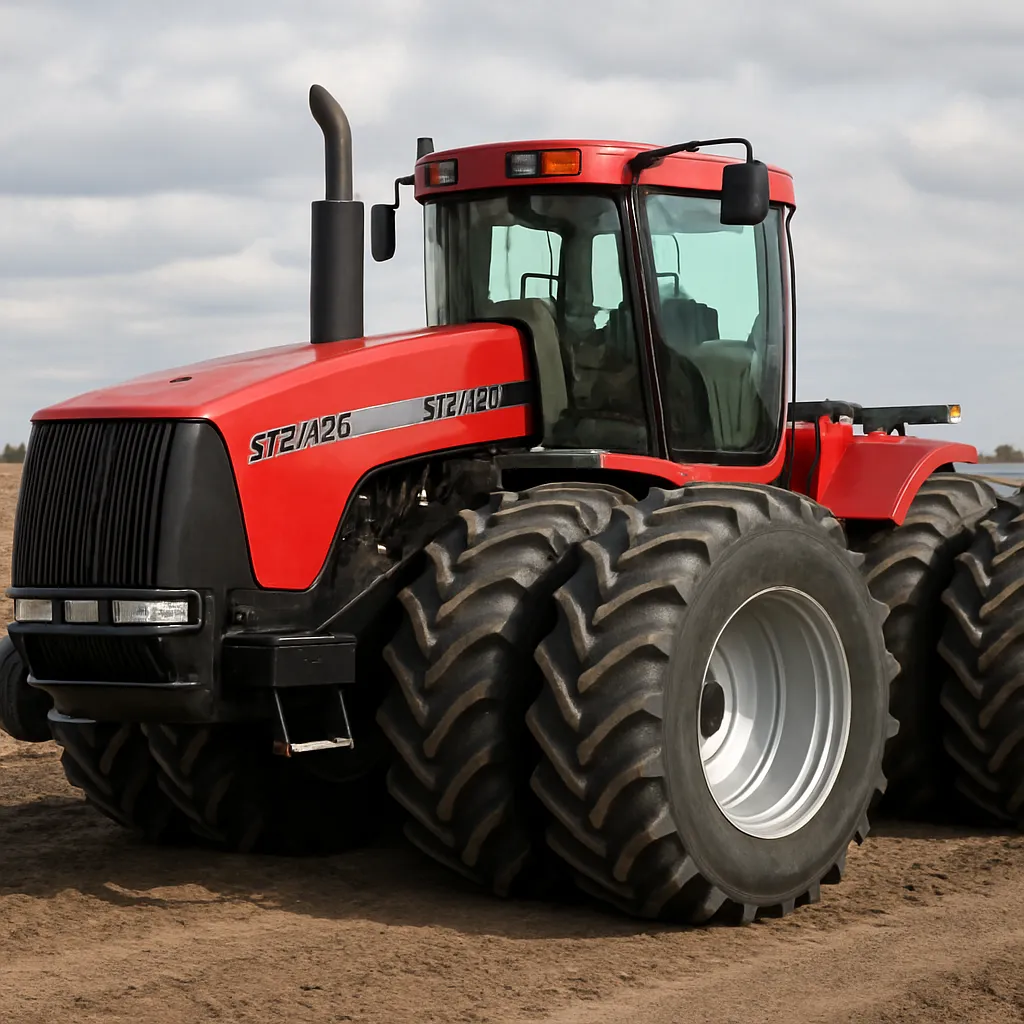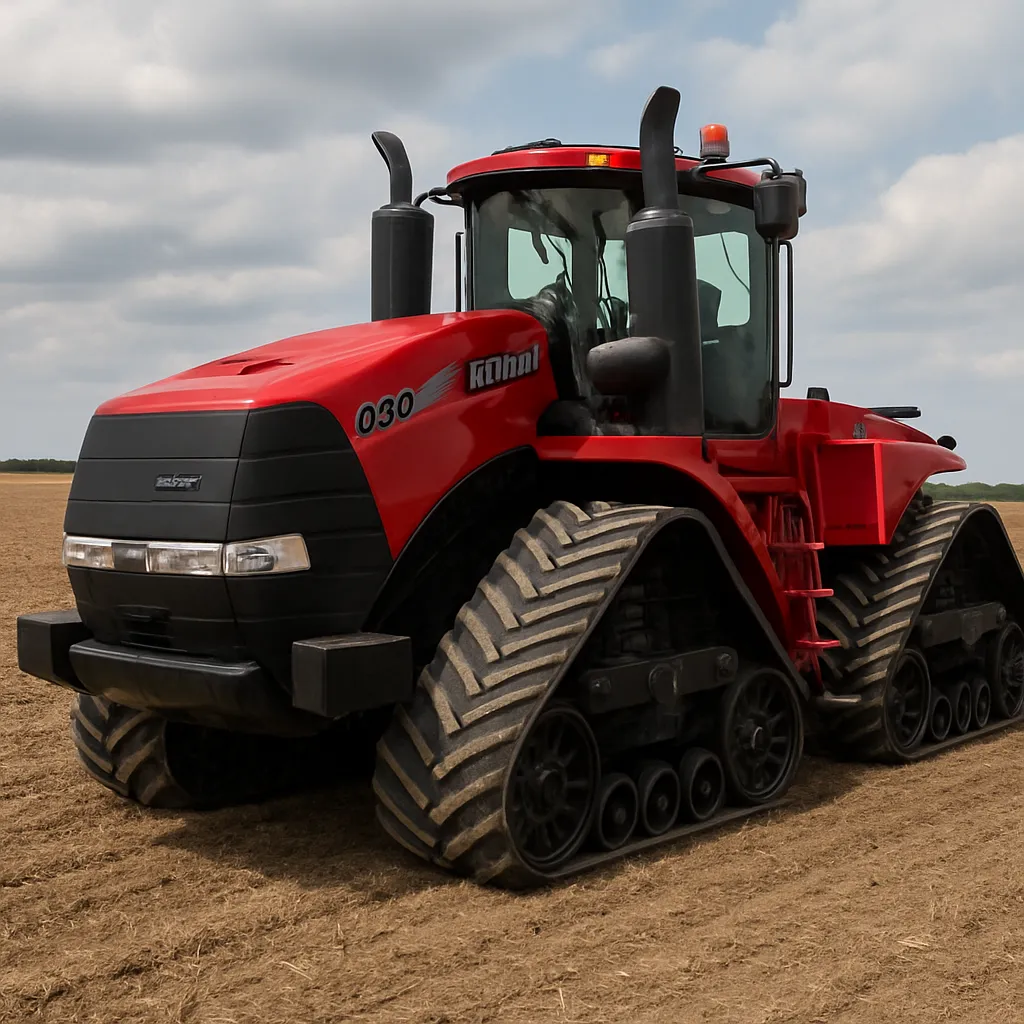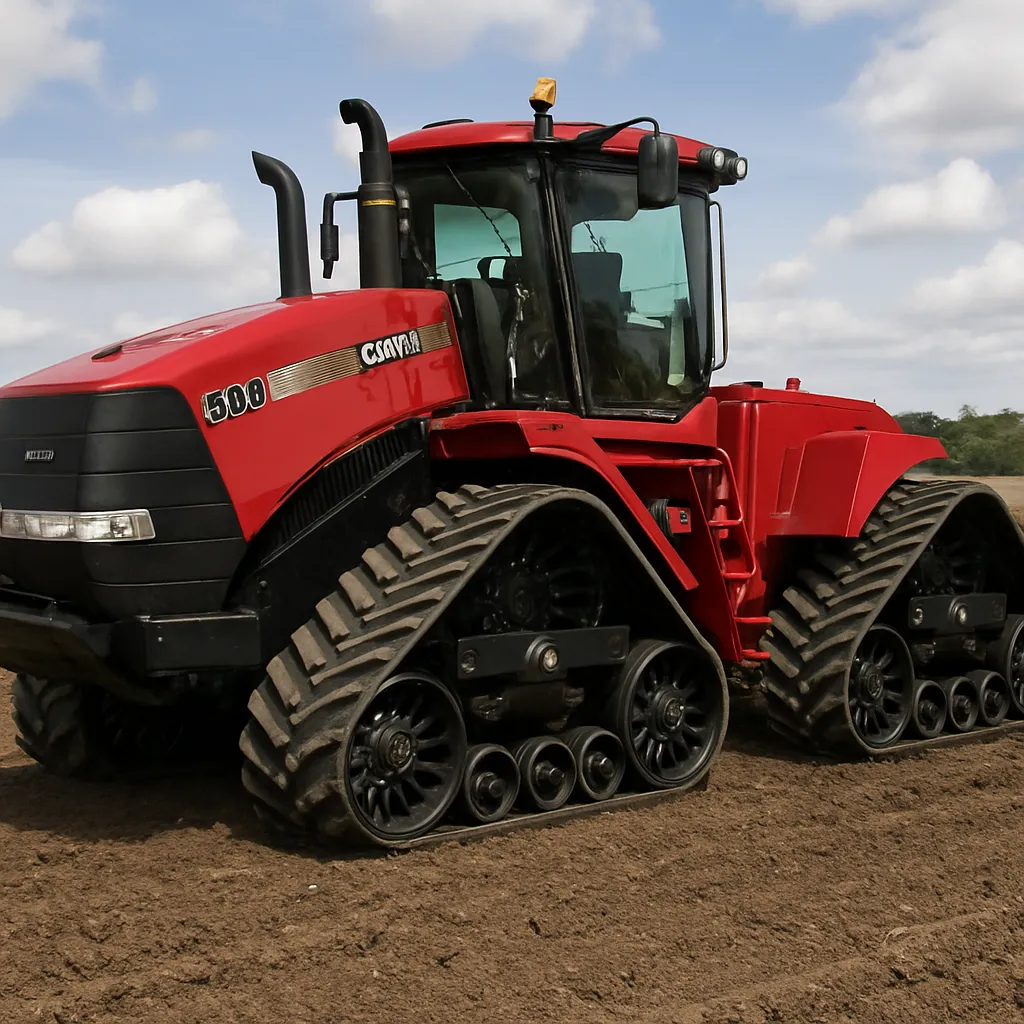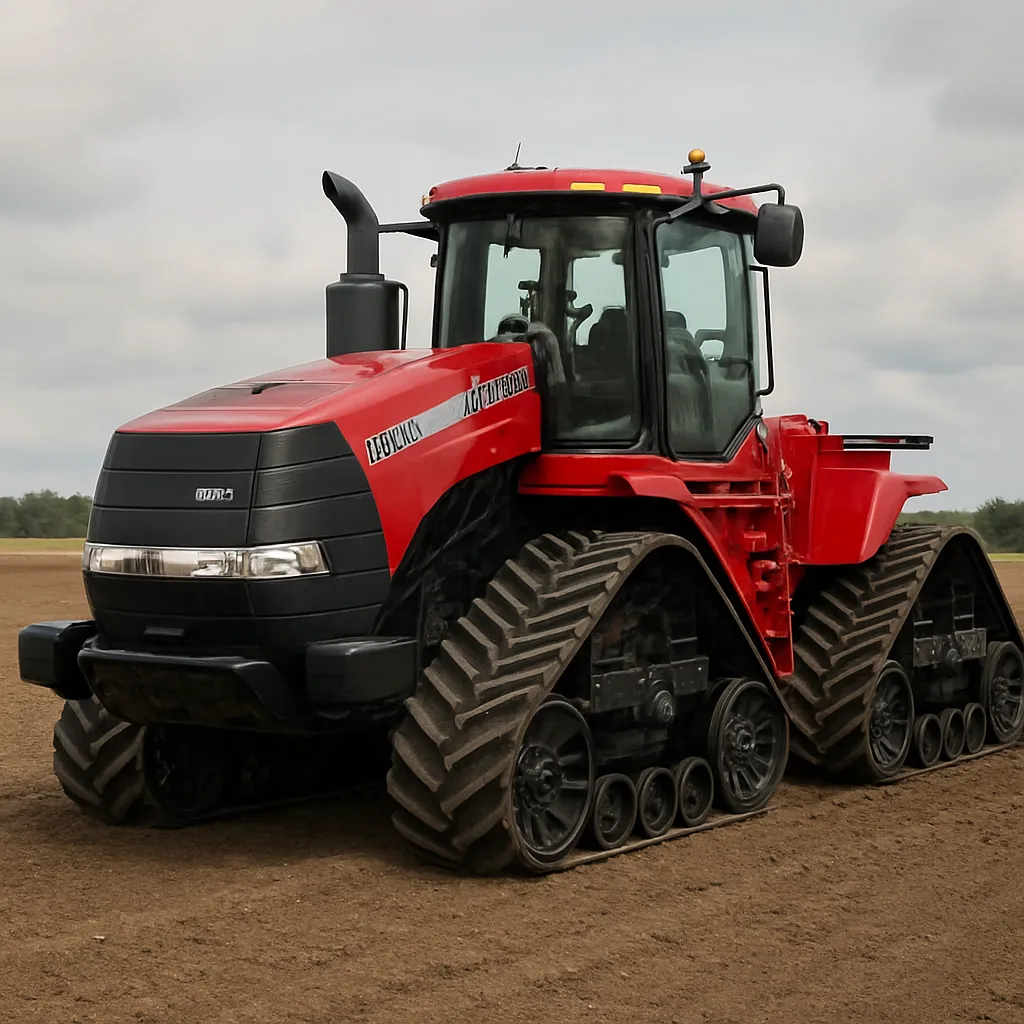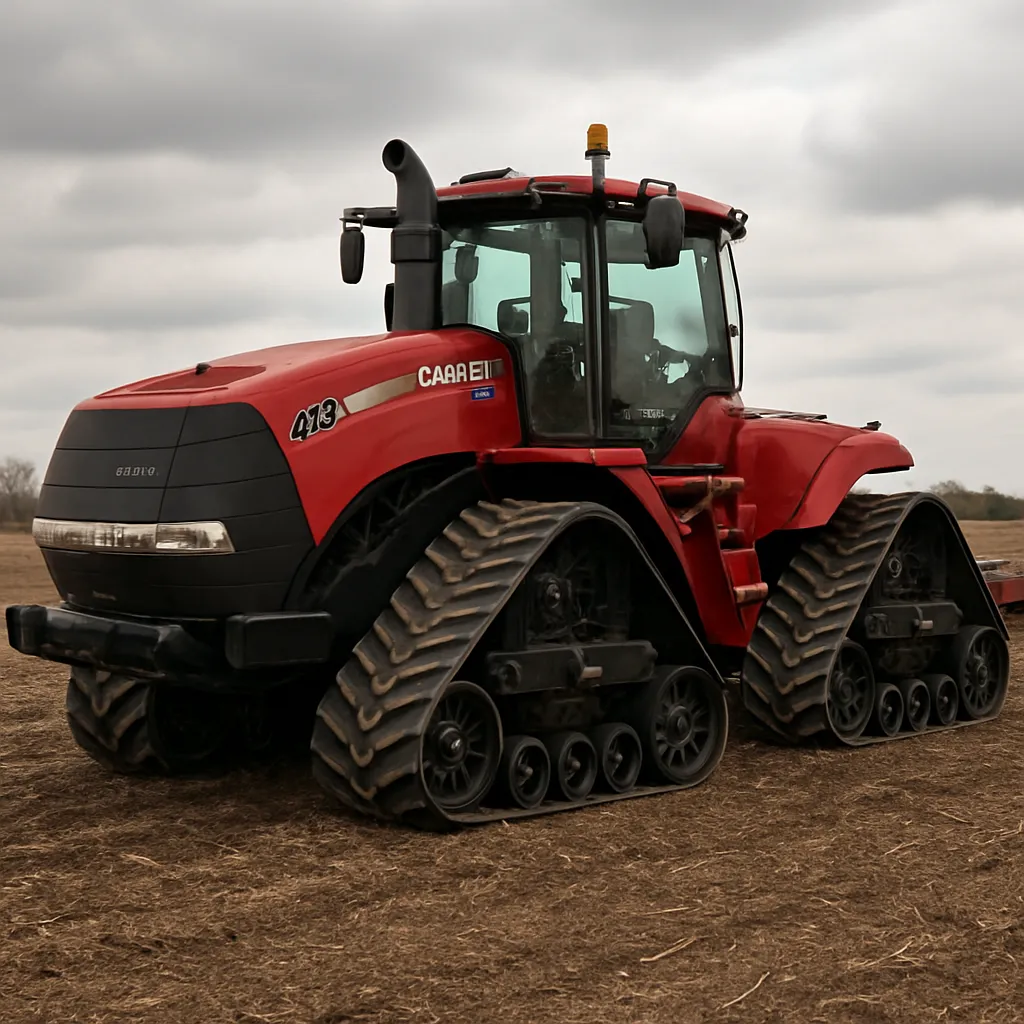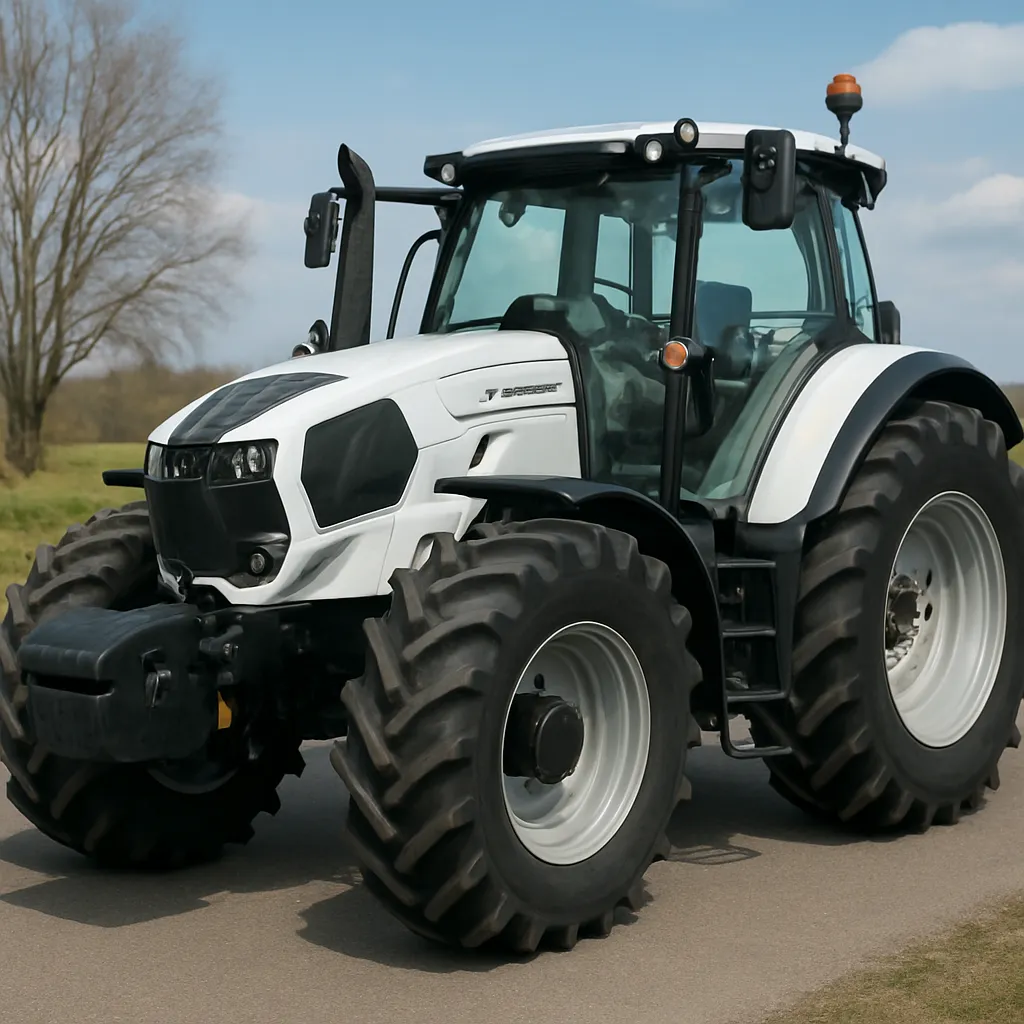
Lamborghini Mach 250 VRT is a high‑performance agricultural tractor from the Lamborghini Trattori range designed for heavy duty fieldwork, transport and specialized agricultural operations. Combining modern engine management, an advanced continuously variable transmission (VRT/CVT) philosophy and a focus on operator comfort, the Mach 250 VRT aims to serve farms, contractors and mixed‑use operations that require both power and versatility. This article examines the machine’s design, typical applications, technological highlights, operational economics and practical considerations for buyers and operators.
Design and technical features
The Mach 250 VRT is purpose‑built to deliver consistent power across varied tasks while maintaining smooth, controllable performance. Underlying the model is a balance between robust mechanical components and electronic systems for precision control. Below are the primary technical areas that define the tractor’s capabilities.
Engine and performance
The tractor name itself indicates the target power bracket; the Mach 250 VRT is engineered to deliver around 250 rated horsepower, with peak outputs varying by engine mapping and market emissions standards. The engine package emphasizes torque availability at low engine speeds to maximize tractive effort and fuel efficiency during heavy draft work.
- Engine: turbocharged, intercooled diesel unit tuned for agricultural duty cycles, with electronic common‑rail fuel injection for optimized combustion and emissions control.
- Horsepower: nominally in the 240–260 HP range depending on rating and regional configuration; boost functions may provide short‑term additional power for transport or PTO‑demanding implements.
- Torque: designed to provide broad torque curves, favoring low‑end pull for field tasks such as ploughing and deep cultivation.
- Emissions: typically equipped to meet contemporary emissions stages (Tier/Stage IV or equivalent) using exhaust aftertreatment systems to balance environmental requirements with performance.
Manufacturers often tailor engine tuning and auxiliary systems to local markets; therefore, exact outputs and technical details can vary by model year and specification pack.
Transmission and drivetrain
VRT stands for Variable Ratio Transmission, a type of continuously variable transmission concept adapted for agricultural use to deliver stepless speed variation with optimized engine revs. In the Mach 250 VRT this system is focused on:
- Seamless acceleration and deceleration without the gear shift interruptions typical of stepped gearboxes.
- Maintaining the engine within an economical RPM band for fuel savings while providing the ground speed required by different implements.
- Driver‑friendly interface with dedicated modes for fieldwork, transport and transport with heavy PTO loads.
Drivetrain architecture typically incorporates full‑time four‑wheel drive with electronically controlled differential locks and, in many configurations, electronically managed front‑axle suspension for traction and ride comfort. Braking systems and integrated drive logic are tuned to deliver safe operation up to transport speeds that can reach approximately 40–50 km/h in many contemporary high‑power tractors.
Hydraulics, hitch and PTO
To handle large implements, the Mach 250 VRT’s hydraulics and three‑point hitch systems are designed for high flow, precision control and durability:
- Hydraulic flow: a high‑capacity pump system delivering substantial flow for multiple simultaneous functions—steering, hitch control and implement hydraulics. Flow rates in this class commonly range from roughly 150 to over 200 liters per minute depending on pump configuration.
- Hitch capacity: rear linkage lifting capacities are engineered to accommodate the weight of wide, heavy implements. Typical lift capacities in the segment often exceed several tonnes at optimal linkage positions.
- PTO: multiple PTO speeds (540/1000 rpm or economy settings) and strong driveline components enable effective power transfer for mowers, balers, seed drills and other PTO‑driven implements.
Applications and use cases
The Mach 250 VRT is positioned to serve large farms, contractor fleets and enterprises that demand a single tractor capable of covering a wide variety of tasks. Its blend of power, hydraulic capacity and transmission flexibility make it a multi‑role machine in modern farming systems.
Primary agricultural applications
- Heavy soil tillage: deep ploughing, subsoiling and intensive cultivations where sustained torque and stable traction are essential.
- Sowing and seeding: pulling large seed drills and air seeders with precise ground speed control to ensure uniform seed placement.
- Large‑area mowing and forage harvesting: powering wide mower conditioners and forage harvesters with PTO and hydraulic demands.
- Baling and crop processing: running high‑capacity balers and conditioning equipment, where hydraulic support and PTO torque are critical.
Contractor and transport roles
Contractors often benefit from the Mach 250 VRT’s combination of road speed and field performance. The VRT enables quick shifts from high‑speed transport to low‑speed high‑torque field settings without mechanical gear changes, saving time between job sites and improving overall productivity.
- Field contracting services: large scale cultivations, sowing windows and multi‑operator teams.
- Transport of heavy implements and trailers: highway‑capable speeds and stability when hauling wide or heavy loads.
- Specialized applications: vineyard and orchard service (in modified or narrower configurations), heavy loader work when fitted with front loaders rated for the tractor’s class.
Operator environment, electronics and safety
Modern tractors in this power class emphasize ergonomics and integrated electronics to reduce operator fatigue and enhance precision. The Mach 250 VRT typically includes these features:
- Cabin comfort: spacious, climate‑controlled cabs with suspended seats and effective noise and vibration isolation to support long workdays.
- Controls: joystick and multi‑function lever options to control transmission, hydraulics and hitch functions with minimal hand movements.
- Telematics and precision farming: optional GPS guidance, ISOBUS compatibility and fleet management systems to support precision seeding, variable rate applications and remote diagnostics.
- Safety systems: rollover protection, lighting packages for night work and advanced braking/traction control systems for demanding conditions.
These electronic systems not only improve operator comfort but also support efficiency gains through precise implement control and reduced overlap during field passes.
Maintenance, consumables and operating economics
High‑power tractors require a maintenance strategy that balances uptime with lifecycle costs. The Mach 250 VRT, being a modern design, integrates features to simplify routine servicing while protecting the machine’s core systems.
Routine maintenance and service intervals
- Engine oil and filter changes at manufacturer‑recommended intervals to preserve turbocharger and injection system longevity.
- Transmission and hydraulic fluid checks: the VRT system and high‑flow hydraulics require consistent fluid monitoring and timely filter replacement.
- Cooling and aftertreatment maintenance: cleaning radiators and maintaining exhaust aftertreatment components ensures engine performance and compliance.
- Undercarriage and drivetrain inspections: axles, differentials and linkage components should be checked frequently in heavy‑use operations.
Fuel consumption and lifecycle costs
Fuel consumption depends heavily on duty cycle. In heavy draft tasks the machine will consume more fuel per hour than in light transport. The VRT system, when used to maintain efficient engine RPMs, can reduce overall fuel usage compared with geared transmissions in variable‑load scenarios. Contractors and large farms typically evaluate total cost of ownership by factoring purchase price, fuel, maintenance, insurance and resale value.
Comparative strengths and potential limitations
When choosing a high‑power tractor such as the Mach 250 VRT, decision makers weigh strengths against tradeoffs. Key advantages and considerations include:
- Strengths:
- Versatility across field and transport tasks.
- Stepless transmission facilitating smooth operation and fuel optimization.
- High hydraulic flow and hitch capacity for large implements.
- Integration with precision agriculture systems to enhance productivity.
- Limitations:
- Initial acquisition cost and the need for operator training to exploit advanced features.
- Complexity of VRT systems requiring trained technicians for deeper repairs.
- Weight and size may limit use in fragile soils or small fields unless ballast and tyre choices are carefully managed.
Market presence, availability and resale considerations
Lamborghini Trattori models are distributed through regional dealer networks, often bundled with service contracts and parts support. The Mach 250 VRT’s resale value depends on maintenance history, hours, regional demand for high‑horsepower tractors and the condition of value‑critical components such as the engine, transmission and hydraulic systems. Buyers often choose extended warranties or service plans to protect asset value and uptime.
Choosing the right configuration
Potential buyers should evaluate:
- Wheel vs. track options (if available): wheel tractors are common, but some operations may prefer rubber‑tracked configurations for flotation and reduced soil compaction.
- Tire selection and ballast strategy to match soil types and implement weight.
- Telematics packages and precision farming options that provide measurable productivity improvements for a given operation.
- Dealer network capabilities for parts and service in the region where the tractor will work.
Real‑world performance and operator feedback
Operators of tractors in this power and technology class commonly report that the benefits of VRT-style transmissions are most noticeable during mixed tasks where frequent speed changes are required—switching between transport, headland turns and implement engagement. The combination of responsive hydraulics and high torque at low RPMs makes heavy draft tasks less demanding for both the tractor and the operator.
However, feedback also highlights the importance of regular maintenance and proper operator training to maximize uptime and avoid costly repairs, particularly for driveline and transmission systems that are more complex than traditional stepped gearboxes.
Summary and buying checklist
The Lamborghini Mach 250 VRT is a high‑power, feature‑rich tractor engineered for large farms and contractor operations that need a dependable, versatile workhorse. Its key selling points include the variable transmission for smooth and efficient operation, a torque‑rich engine suited to heavy draft work, and modern hydraulics and electronics for precision farming.
- Assess your needs: match engine power, hydraulic flow and hitch capacity to the implements you use most.
- Evaluate dealer support: local service and parts availability are essential for minimizing downtime.
- Consider telematics: precision farming features can raise initial costs but often pay back through improved efficiency and input savings.
- Train operators: experienced operators can unlock the advantages of VRT transmissions and advanced hitch/hydraulic control.
When properly matched to the operation, the Mach 250 VRT can be a productive and flexible centerpiece of a modern, high‑output farming enterprise.