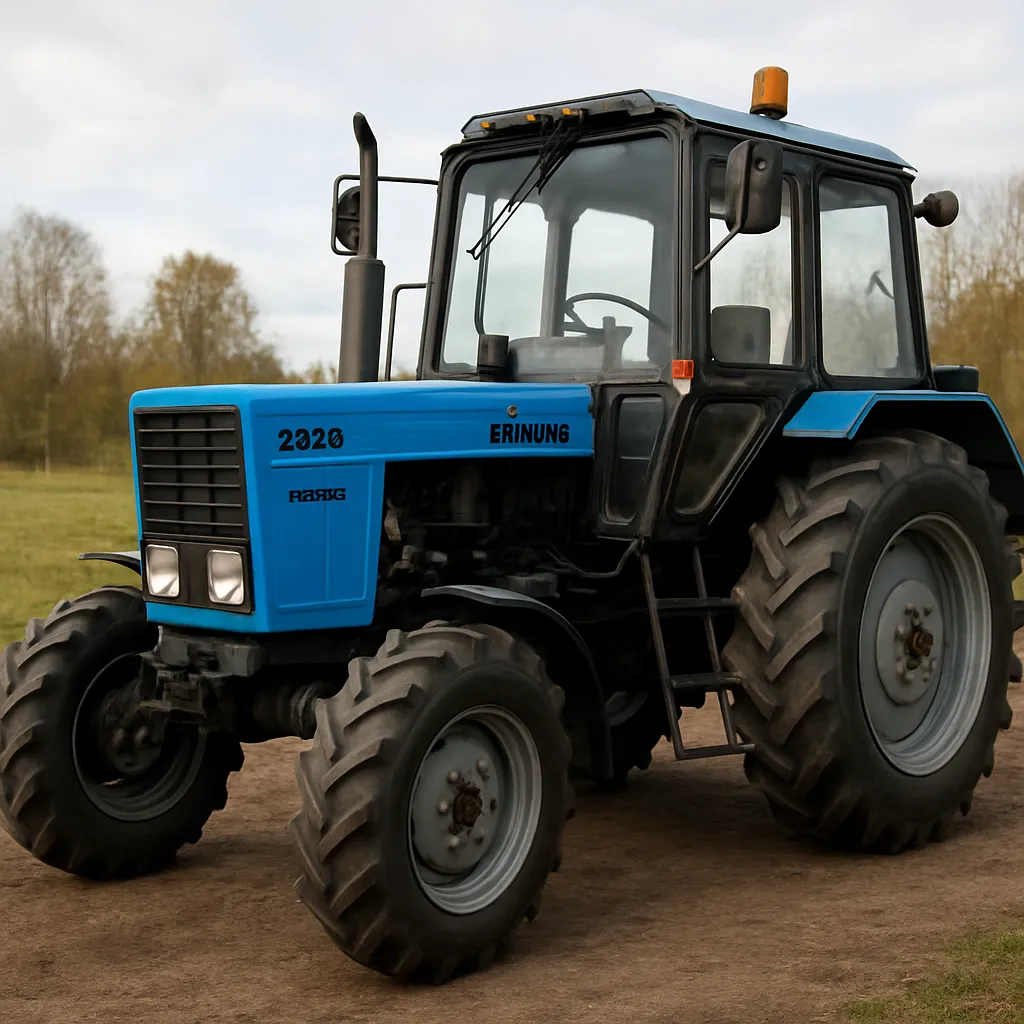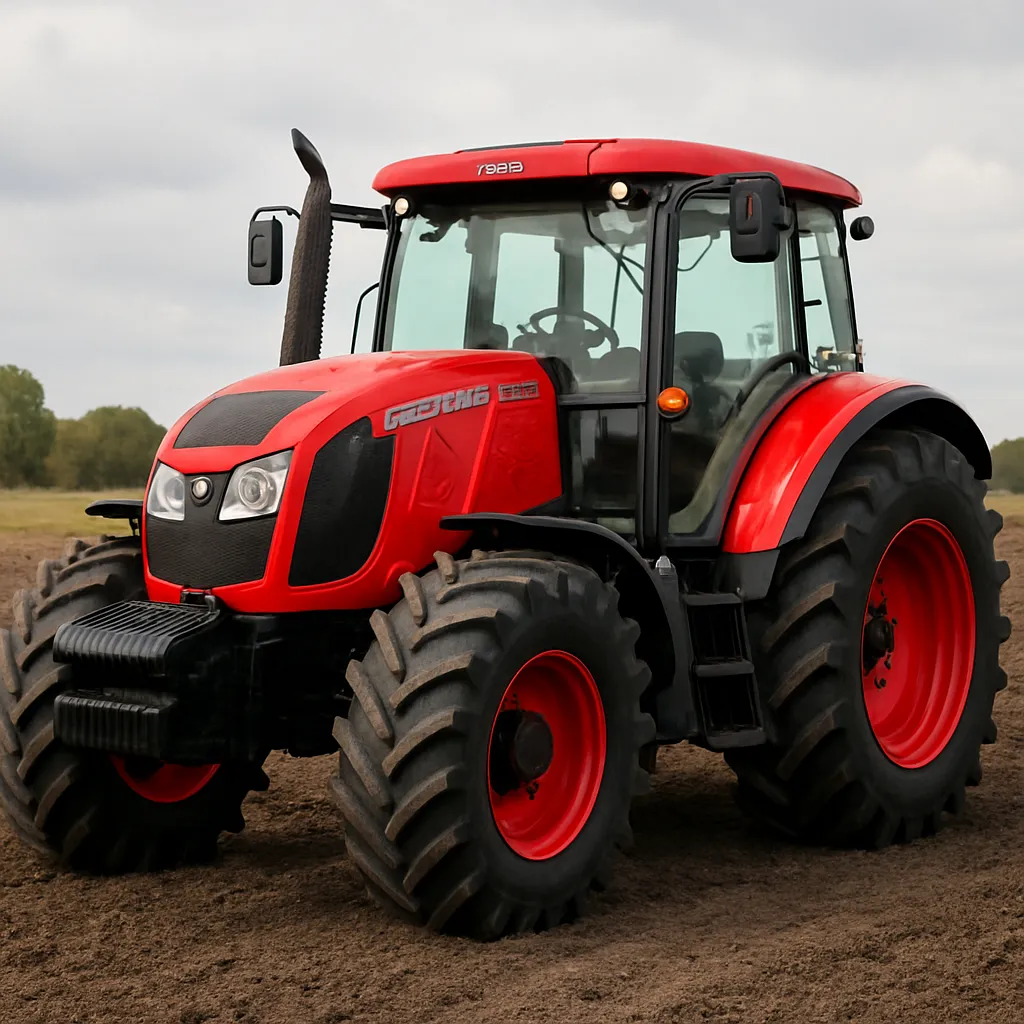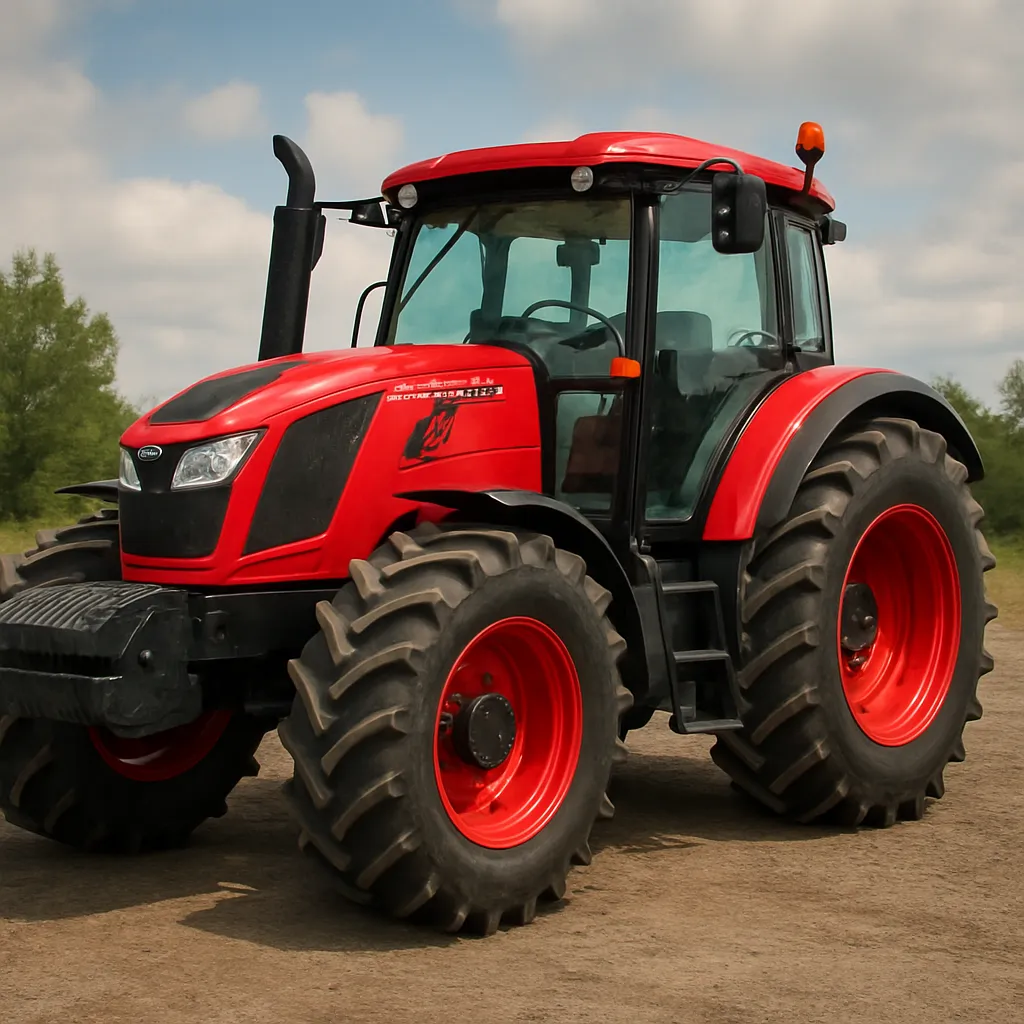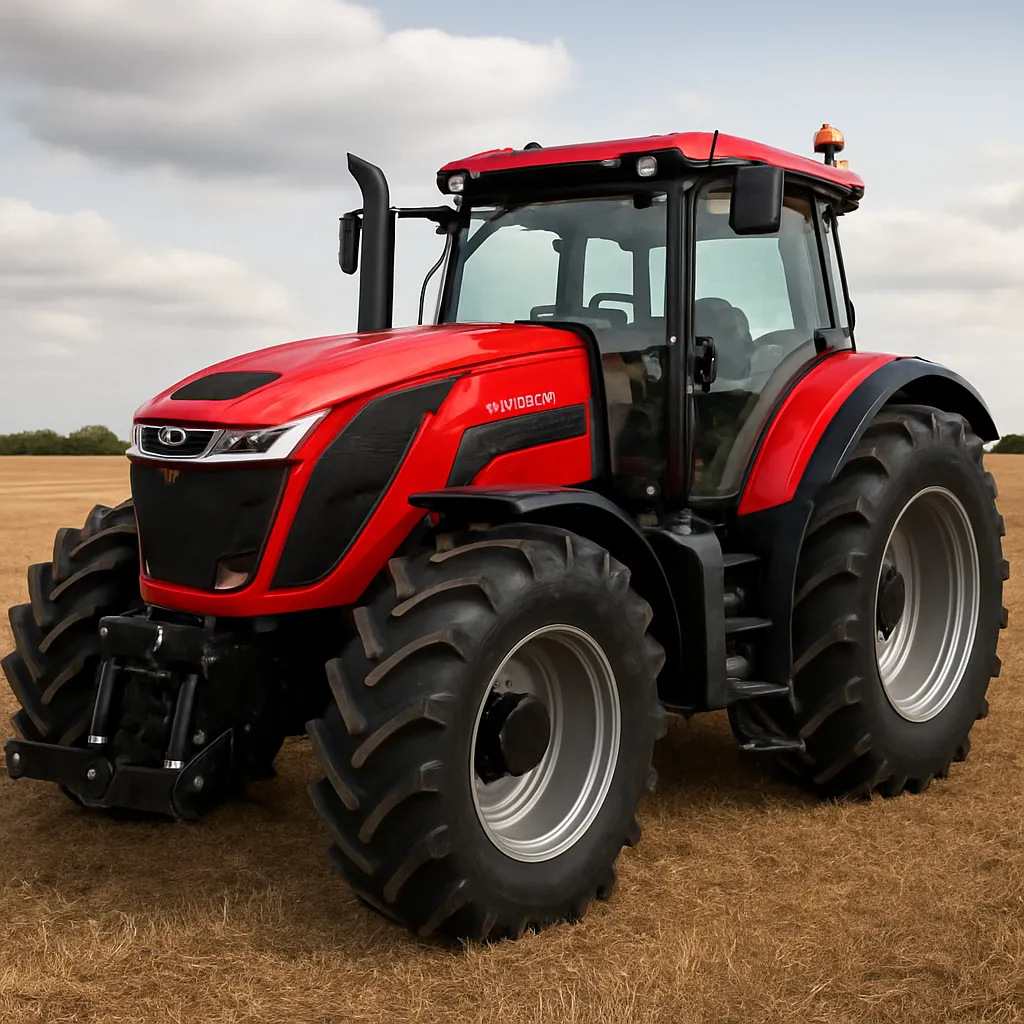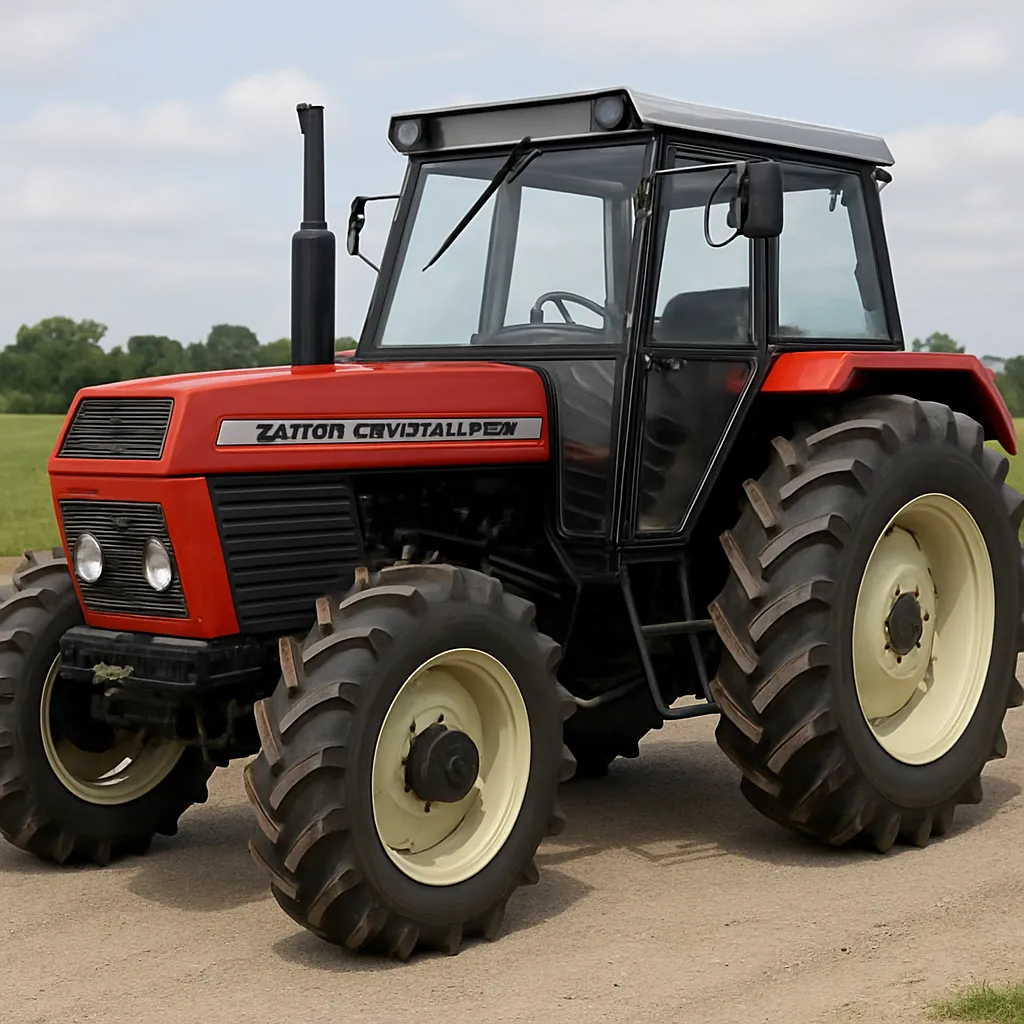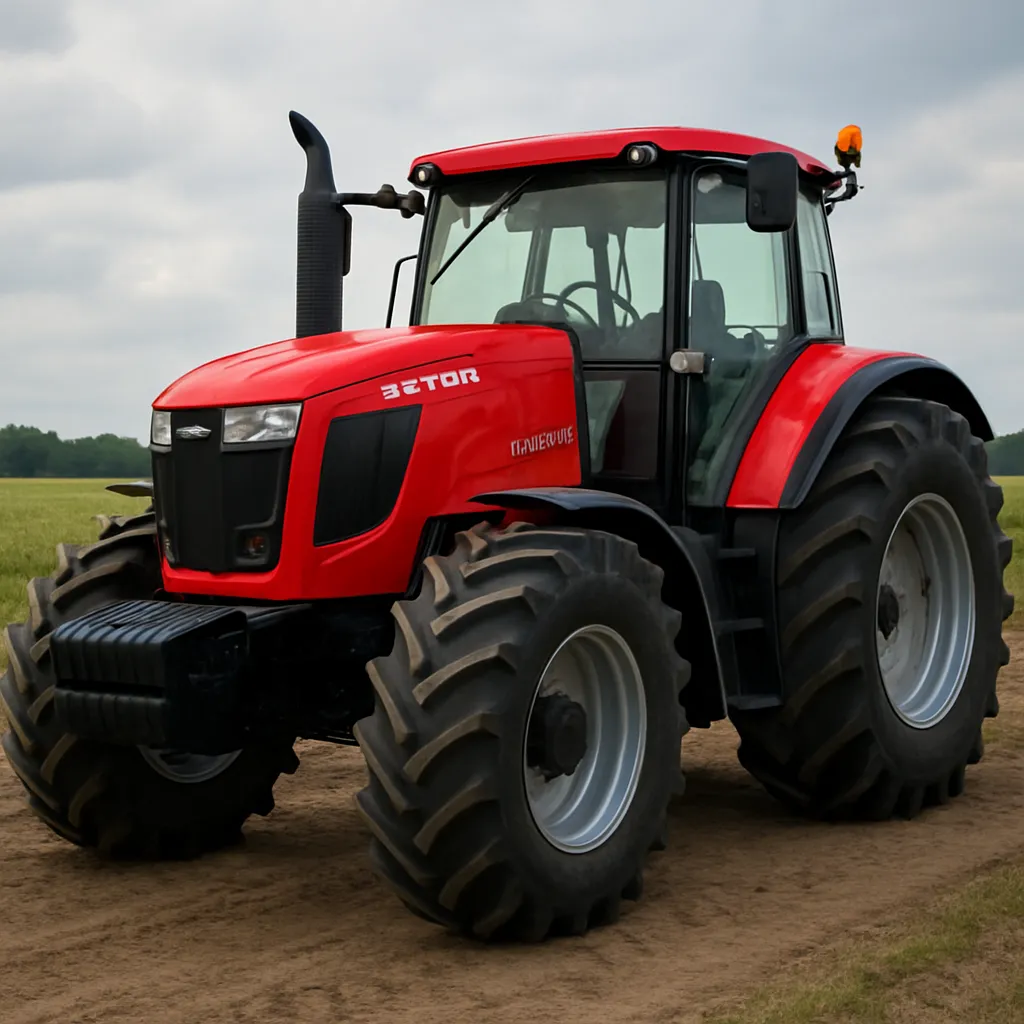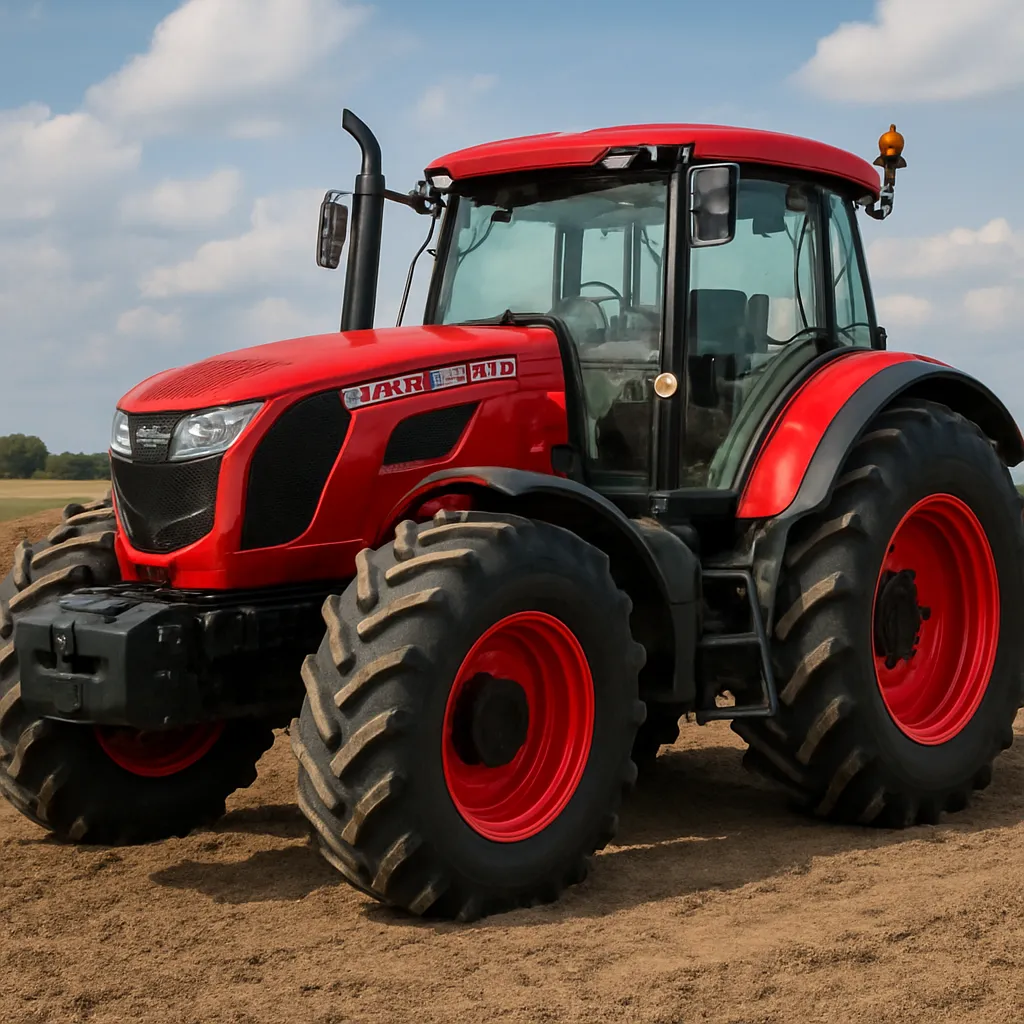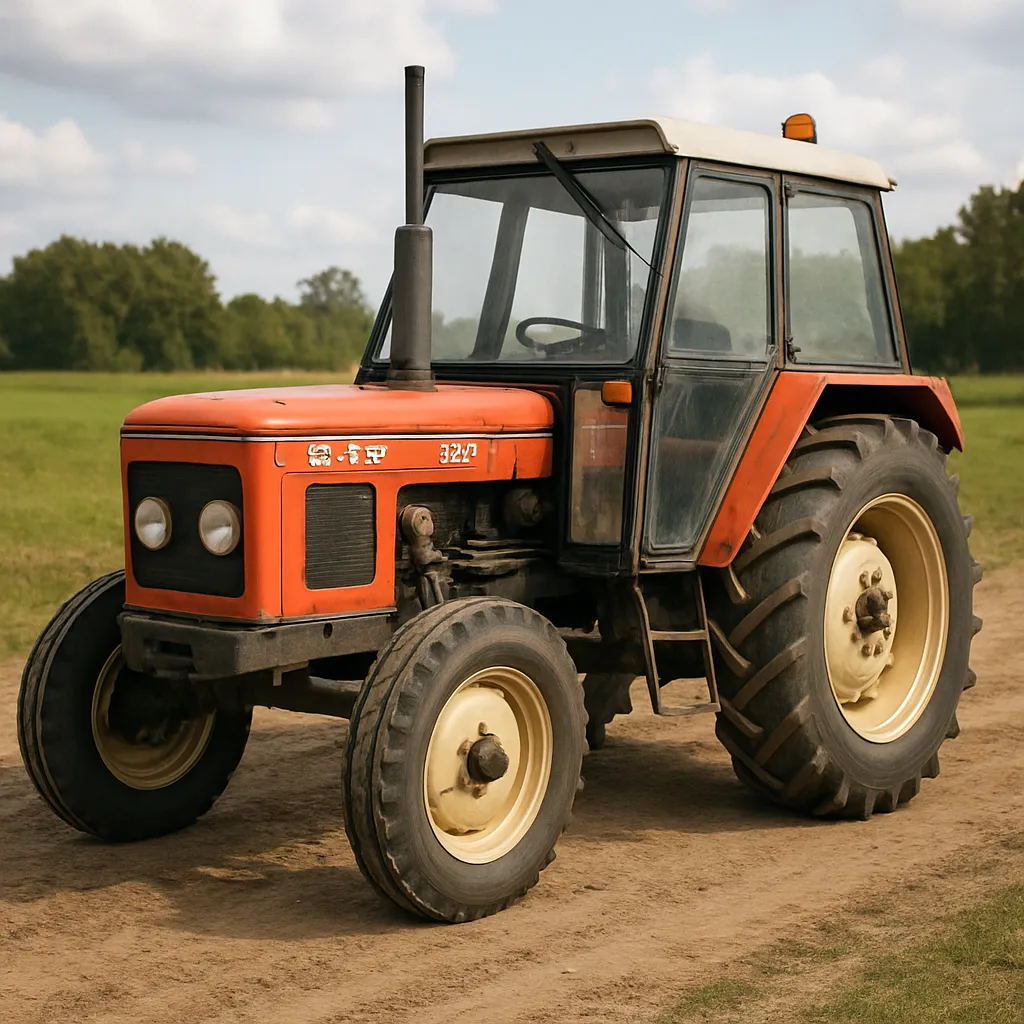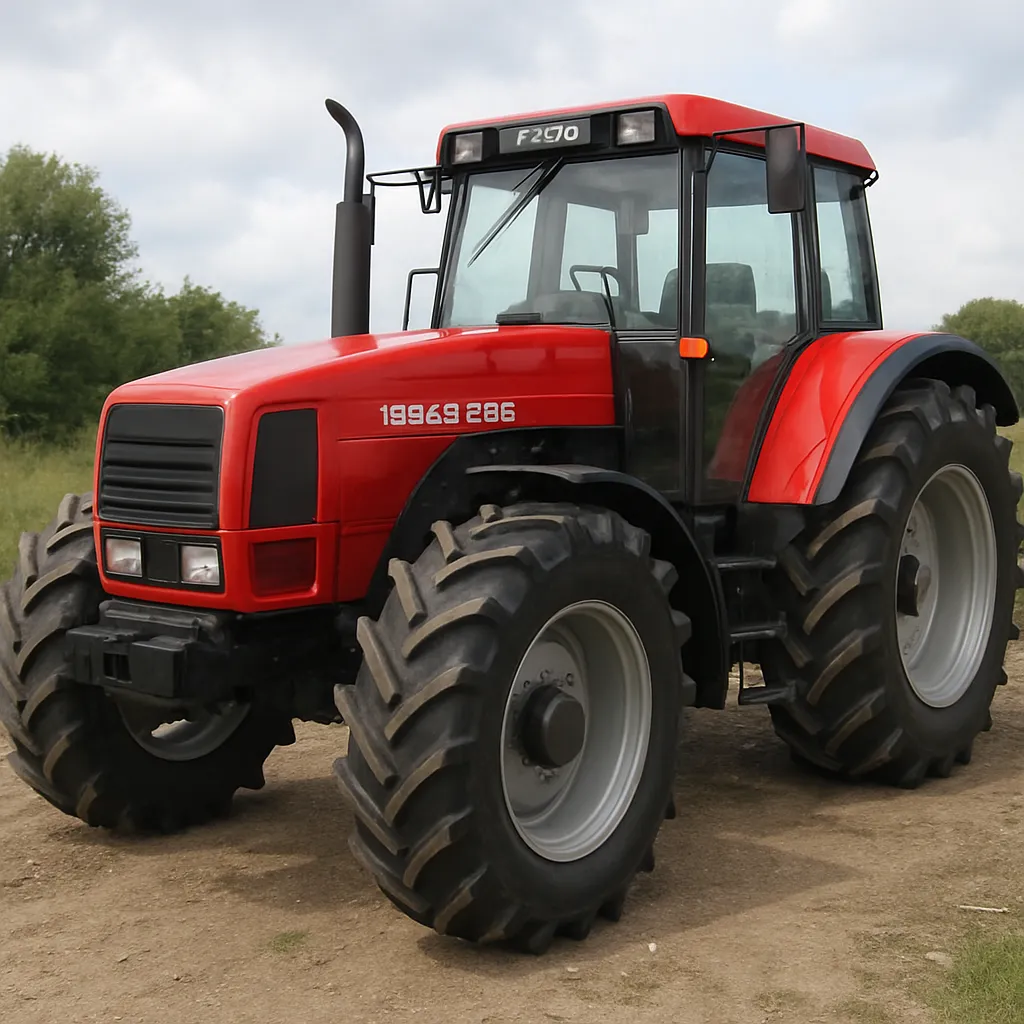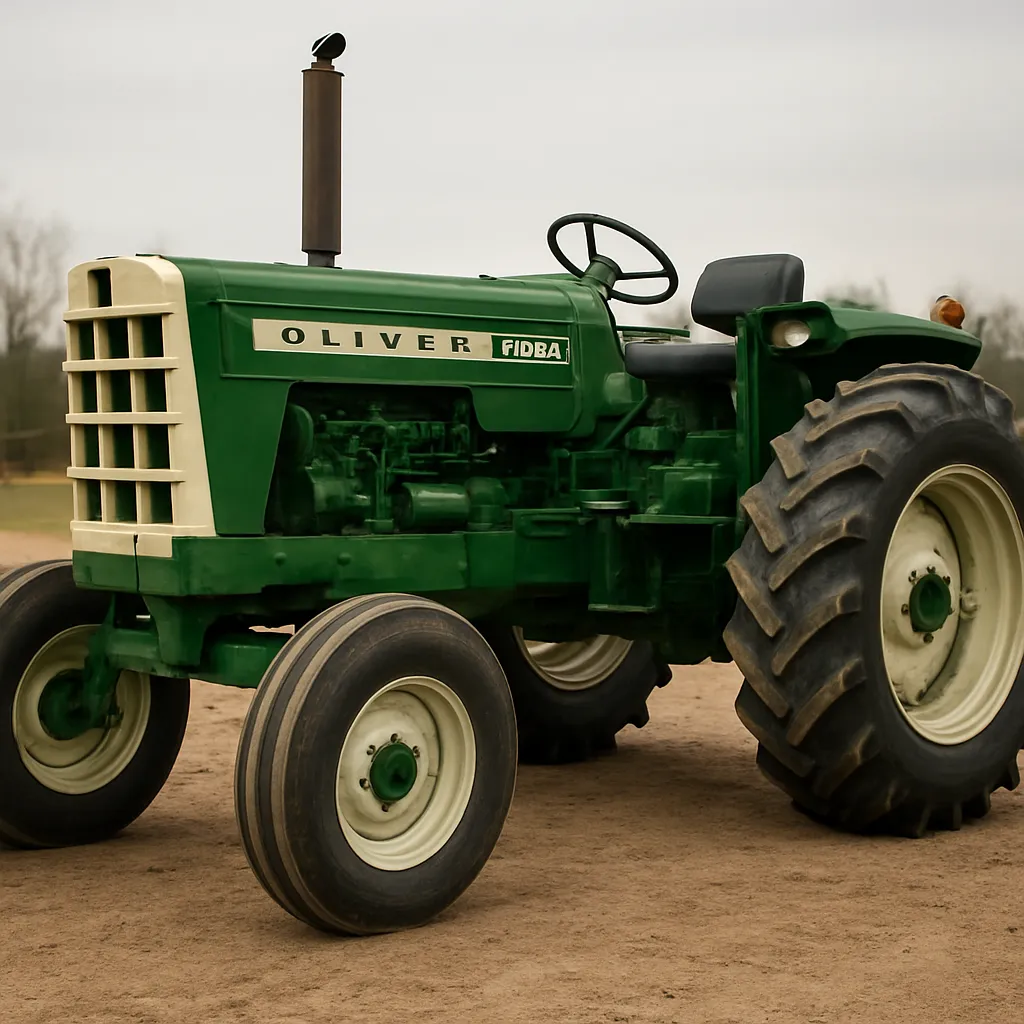
The Oliver 1855 is a model that represents a blend of practical engineering, field-proven performance and appeal to both working farmers and vintage equipment enthusiasts. Although specific factory data can vary by year and configuration, this tractor is best understood by looking at its design features, common applications on modern and historical farms, and the factors that make it of interest to collectors. The following sections explore the machine’s technical characteristics, typical uses, maintenance and restoration considerations, and its place in agricultural history. Throughout the text I highlight several important terms and themes to help the reader quickly identify the most relevant points about the Oliver 1855.
Design and technical characteristics
The Oliver 1855 is usually described as a medium-sized utility tractor designed to deliver reliable performance for general farm work. The model’s architecture emphasizes a balance between power and maneuverability, making it suitable for a wide range of agricultural tasks. A number of features define the machine’s character:
- Oliver styling that prioritizes operator visibility and straightforward controls.
- A robust chassis and frame engineered to tolerate steady use under load.
- Engine and driveline options that commonly include naturally aspirated diesel powerplants and synchronized transmissions.
- Standard rear PTO and often optional front-end loader or three-point hitch packages for flexible implement attachment.
Engine and powertrain (typical)
Published factory specifications for specific serial runs can differ, and aftermarket rebuilds or conversions add further variety. However, common characteristics reported by owners and restoration guides include:
- Engine type: four-cylinder diesel (some units may use gasoline conversions or upgraded diesel units during rebuilds).
- Horsepower (crank/discrete ratings): typically in the mid-range for utility tractors — approximate drawbar ratings of 35–55 HP and PTO ratings often between 40–60 HP depending on configuration and condition.
- Transmission: range options usually include multiple-speed synchronized gearboxes or power shift variants in later or modified versions, enabling both fieldwork and transport speeds.
- Drive options: two-wheel drive common, with some factory or aftermarket four-wheel drive conversions found on examples adapted for heavier work.
Dimensions, capacities and operational data (approximate)
Because parts and setups vary by model year and by owner modifications, the following figures should be treated as representative, not absolute. They give a practical sense of the machine’s footprint and capabilities:
- Operating weight: commonly in the 3,000–5,500 lb range depending on configuration (steel or rubber tires, ballast, loader).
- Fuel tank: typical capacities range from ~15 to ~30 gallons, sufficient for a full day of medium-intensity fieldwork.
- Hydraulics: three-point hitch lifting capacity in the mid-range for its class — often capable of handling light-to-medium implements such as single-bottom plows, disc harrows, mowers and small seed drills.
- PTO speed: near-standard 540 RPM for most agricultural implements; some variants may support optional PTO speeds via adapters or aftermarket drives.
Applications and work roles
The Oliver 1855 is valued for its adaptability and straightforward serviceability. Its most common uses include:
- Cultivation and tillage: performing tasks like plowing, disking and harrowing on small to medium acreage farms.
- Hay and forage operations: powering mowers, balers and rakes when equipped with the appropriate PTO and hitch arrangements.
- Loader work: when fitted with a front-end loader, the tractor becomes effective at material handling — feeding livestock, loading trailers and moving silage or soil.
- Transport and utility chores: hauling trailers, moving equipment between fields, and general farmstead duties.
For many operators, the combination of moderate horsepower and accessible controls makes the Oliver 1855 a solid choice for mixed farms, hobby farms and maintenance operations where extreme power is unnecessary but reliability and ease of repair are valued. The tractor’s size and weight also make it suitable for fields with medium soil compaction risk: heavy enough to provide traction, but not so heavy as to cause excessive ground damage in most conditions.
Specialized uses and aftermarket adaptations
Owners have adapted the 1855 platform for several specialized roles that extend beyond straightforward fieldwork:
- Vineyard and orchard conversions with narrower tires and modified fenders for row clearance.
- Snow clearing and municipal use with front-mounted blades or blowers.
- Restoration projects where the chassis becomes the base for custom-built demonstrator machines.
These applied modifications underline the Oliver’s core strength: versatility. Because the model typically has a simple mechanical layout, it lends itself well to conversions and custom attachments.
Maintenance, parts, and restoration
Ownership of an Oliver 1855 often comes with the satisfaction of a machine that is serviceable by a competent amateur mechanic or a dedicated small-farm technician. Maintenance intervals and common service tasks include regular oil and filter changes, cooling system checks, fuel system tuning, clutch and brake inspections, and hydraulic system maintenance. Here are key points to bear in mind:
- Engine care: Diesel engines benefit from clean fuel filters and periodic injector checks to preserve economy and longevity.
- Transmission and clutch: attention to linkage wear and periodic adjustments keeps shifting crisp and minimizes downtime.
- Hydraulics: checking hoses, seals and fluid condition prevents leaks and loss of implement control.
- Tires and steering: correct inflation and alignment reduce uneven wear and improve fuel efficiency and operator comfort.
Common issues and troubleshooting
Owners report that the most frequent concerns with older Oliver units are:
- Wear in the clutch and gear selectors leading to slipping or hard shifting.
- Corrosion in fuel lines or water contamination in fuel causing rough running — an issue with stored or seasonal machines.
- Hydraulic seal deterioration and the need to rebuild cylinders after decades of use.
These problems are generally repairable with basic tools and replacement parts; many restoration projects involve sourcing replacement components from specialist vintage tractor suppliers or fabricating parts where necessary.
Parts availability and support
While some specific factory parts may be scarce for older Oliver models, a healthy secondary market exists through collectors’ networks, tractor clubs and specialty suppliers. Rebuilt components, remanufactured parts and aftermarket upgrades are commonly available for engines, pumps, and transmission components. Because of this community support, long-term ownership is feasible and restoration can be cost-effective relative to acquiring an equal-capacity modern tractor.
Collectibility and community value
Beyond its practical utility, the Oliver 1855 has appeal as a collectible for enthusiasts of vintage agricultural equipment. Several factors drive this interest:
- Nostalgia and the aesthetic character of classic farm machinery — many collectors value original paint, emblems and mechanical authenticity.
- Participation in tractor shows, parades and demonstration plowing events where historical models are showcased.
- The social networks that support parts swaps, technical advice, and event organization, which make ownership more engaging and rewarding.
Restoration projects often become community activities, with local tractor clubs providing expertise and shared resources. The result is not only a refurbished machine but also preserved knowledge of maintenance practices and traditional farming techniques.
Economic considerations for collectors
Pricing for a restored or serviceable Oliver 1855 depends on condition, originality and regional demand. Factors that increase value include well-documented provenance, original parts and paint, and a complete set of service records. While pristine restorations may command premium prices at auction or in private sales, many enthusiasts prefer models kept in working condition rather than cosmetically perfect, as the utility and operational heritage are central to the tractor’s character.
Preserving authenticity — paint, decals and original attachments — tends to yield the strongest collector interest, while thoughtful mechanical upgrades (such as modernized charging systems or improved seat suspension) can enhance usability without drastically reducing historical value.
Historical context and legacy
The Oliver 1855 sits within a lineage of tractors produced under the Oliver marque and other related brands that prioritized ruggedness and value for smaller commercial and family farms. Although larger manufacturers produced high-horsepower machines for extensive row-crop and industrial agriculture, models like the 1855 filled an essential niche for diversified operations, livestock farms, and contractors needing a dependable, mid-sized workhorse.
Its legacy can be measured in a few ways:
- Longevity: many units remain in operation decades after manufacture, a testament to durable design and repairability.
- Community: an active base of enthusiasts and clubs preserves the history and technique of operating these tractors.
- Educational value: restored tractors appear in museums and agricultural schools, providing a tactile link to mid-20th-century mechanized farming.
Comparisons with contemporaries
Compared to similar models from other manufacturers of the same era, the Oliver 1855 typically emphasized simplicity and serviceability over cutting-edge features. Competing machines might offer slightly higher factory horsepower or more advanced hydraulics, but the Oliver’s balance of features often yielded a lower total cost of ownership for small and medium farms. This practical focus has contributed to its enduring presence among operators who favor straightforward, fixable machinery.
Summary and practical advice for prospective owners
If you are considering acquiring an Oliver 1855 for work or as a restoration project, keep the following practical points in mind:
- Inspect mechanical condition carefully: compression, clutch engagement, and hydraulic integrity are priority checkpoints.
- Confirm parts availability in your region or access to reputable mail-order suppliers and club networks.
- Decide whether you want a working tractor or a period-correct restoration — this will affect your parts sourcing and budget.
- Consider operational costs: older diesel engines are economical in fuel consumption but may need injector and turbo maintenance if fitted.
- Engage with local tractor clubs or online communities for technical advice and potential leads on parts and restoration help.
The Oliver 1855 stands as a representative of durable, no-nonsense agricultural machinery. It continues to be valued for its combination of adequate power, practical features and the strong community that supports its upkeep. For farmers, hobbyists and collectors alike, it offers a window into the period when tractors were built to be repaired on the farm and passed down through generations — a distinction that contributes as much to its appeal as any technical specification.