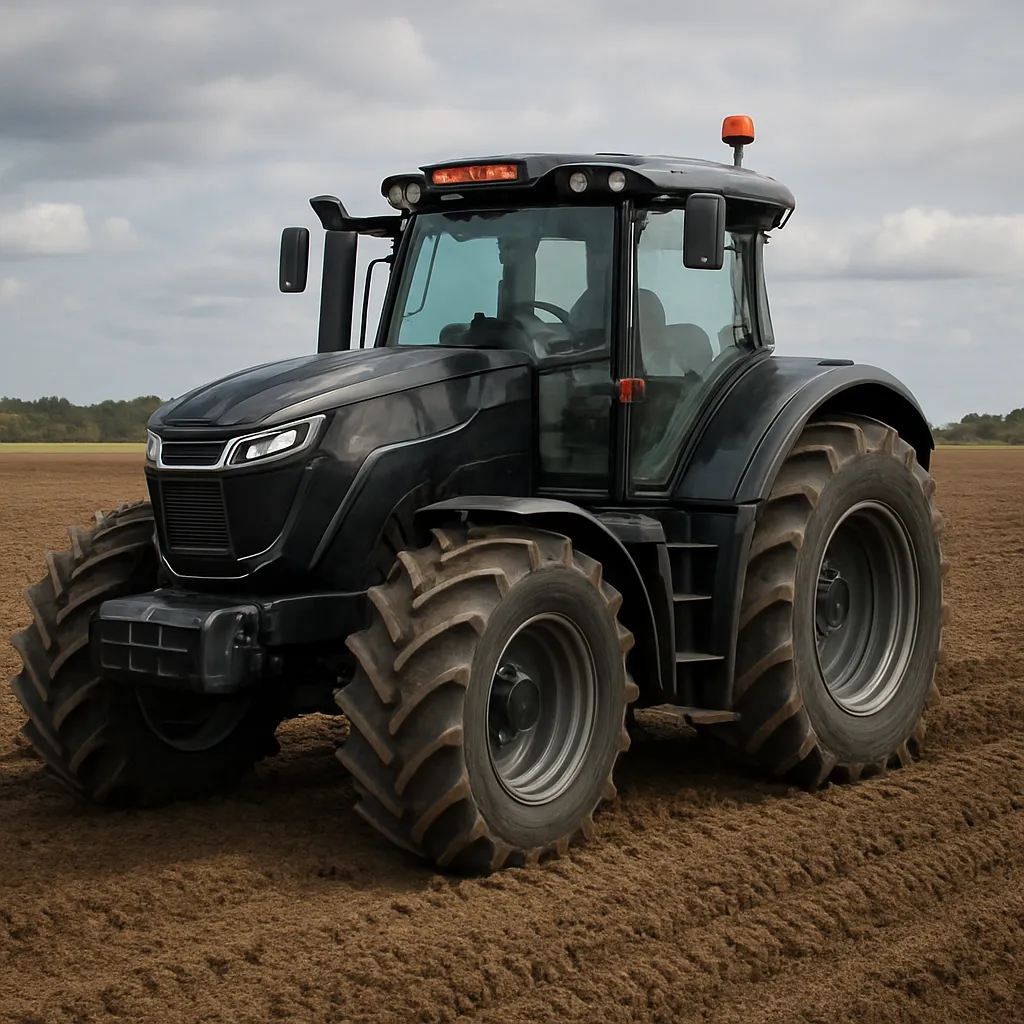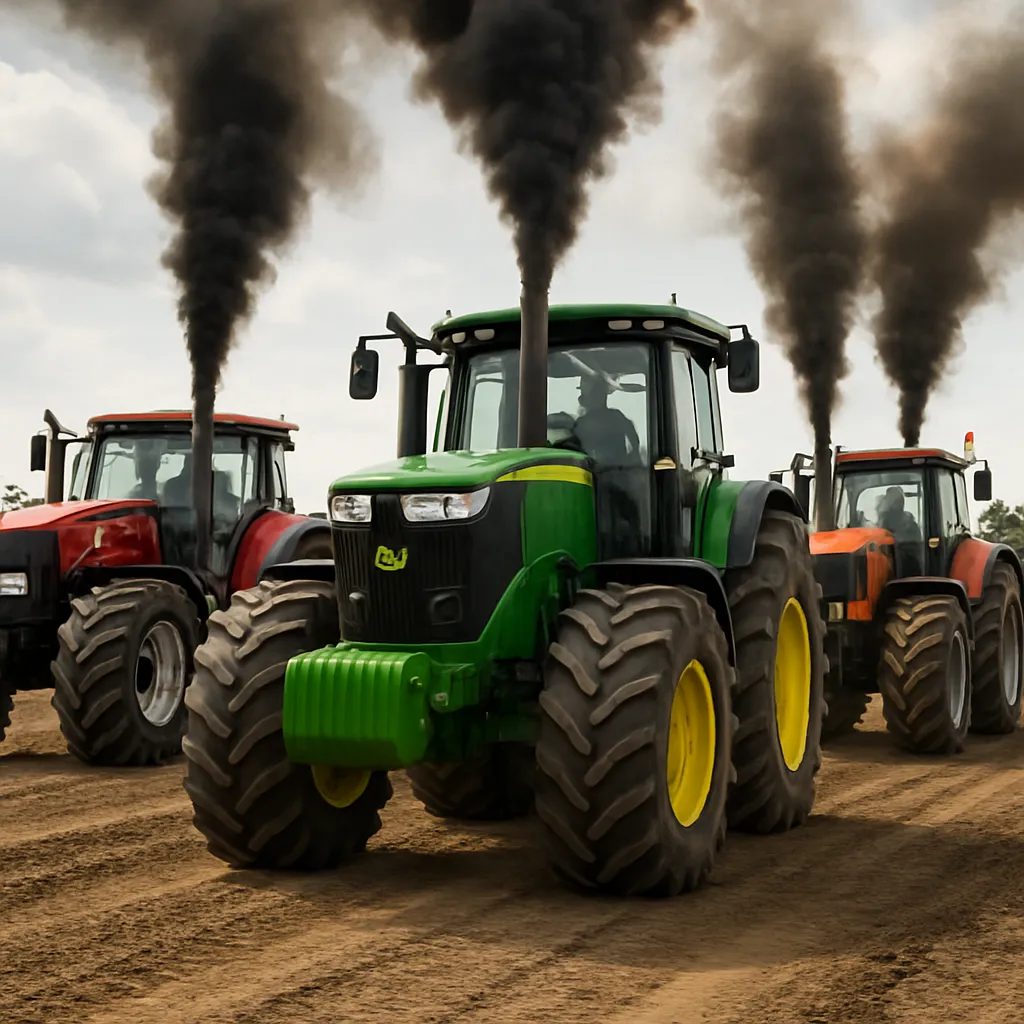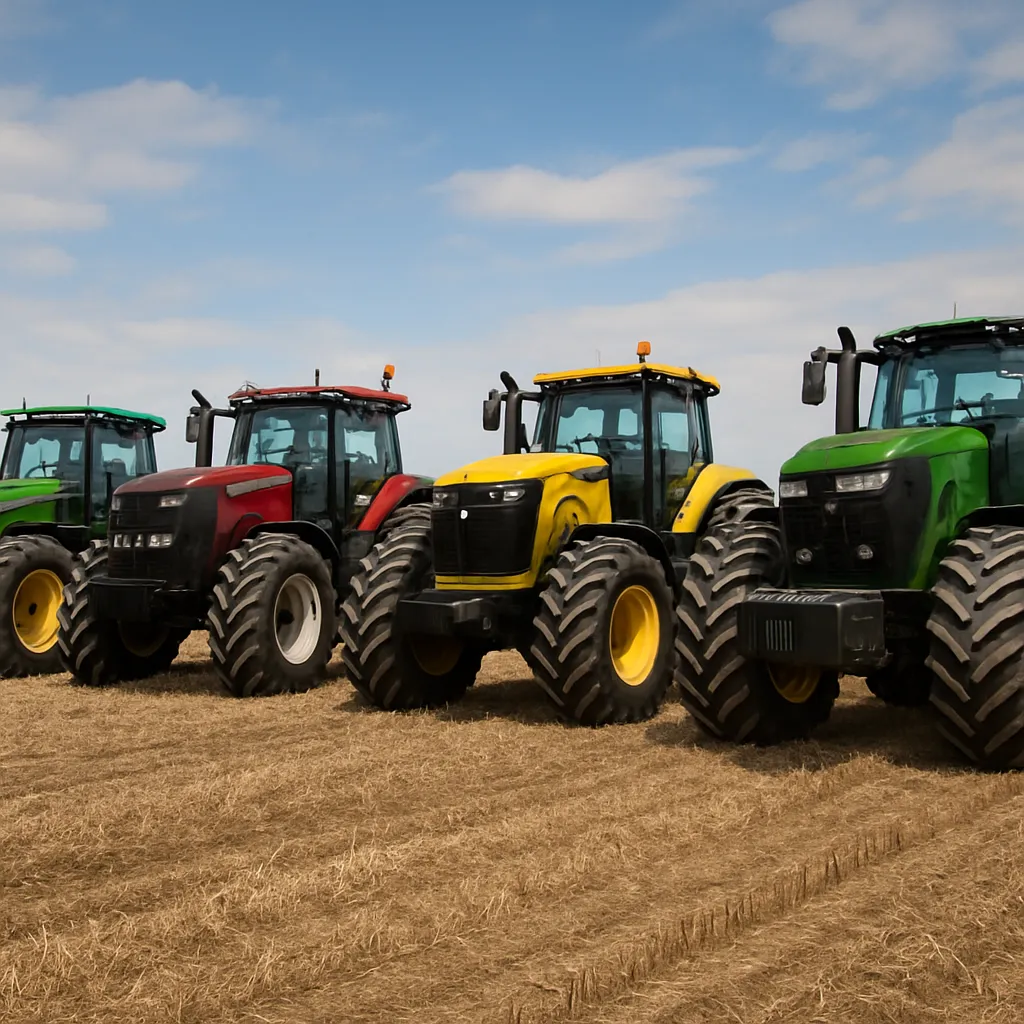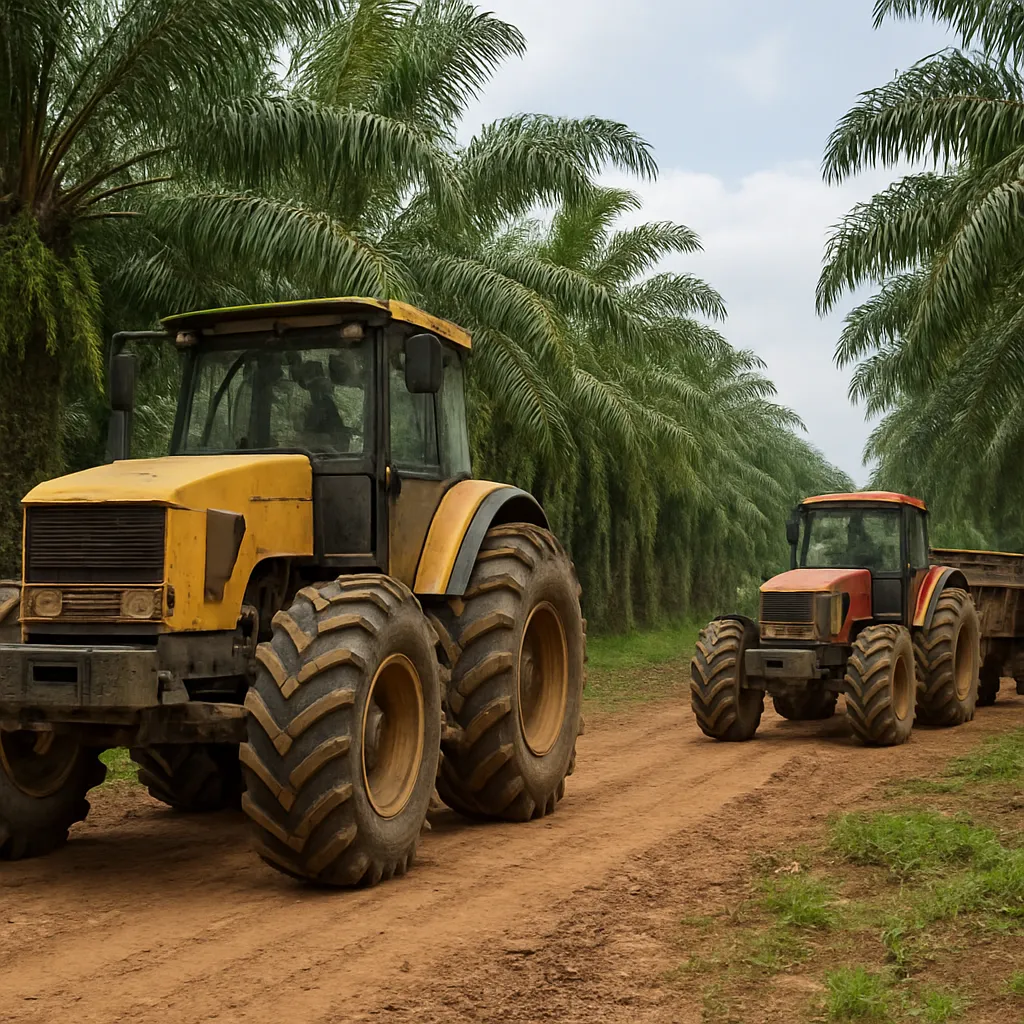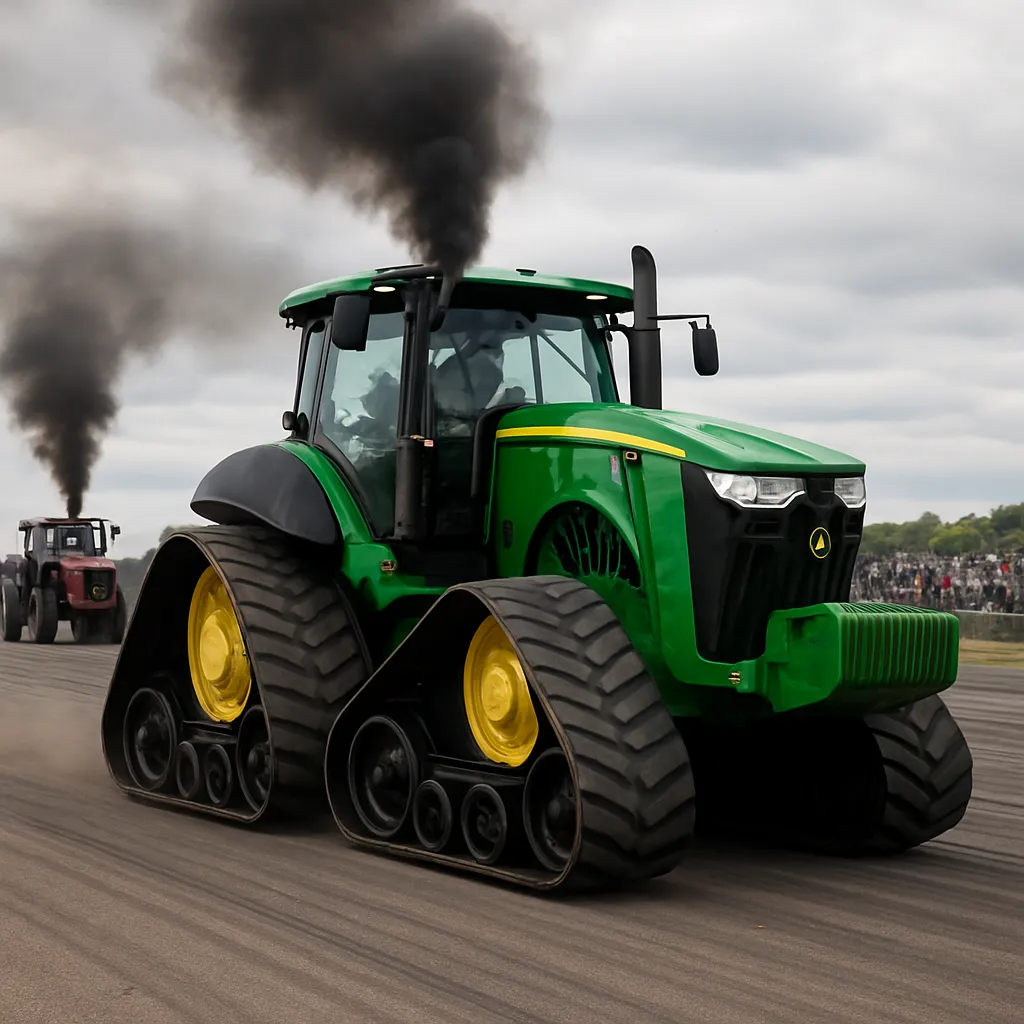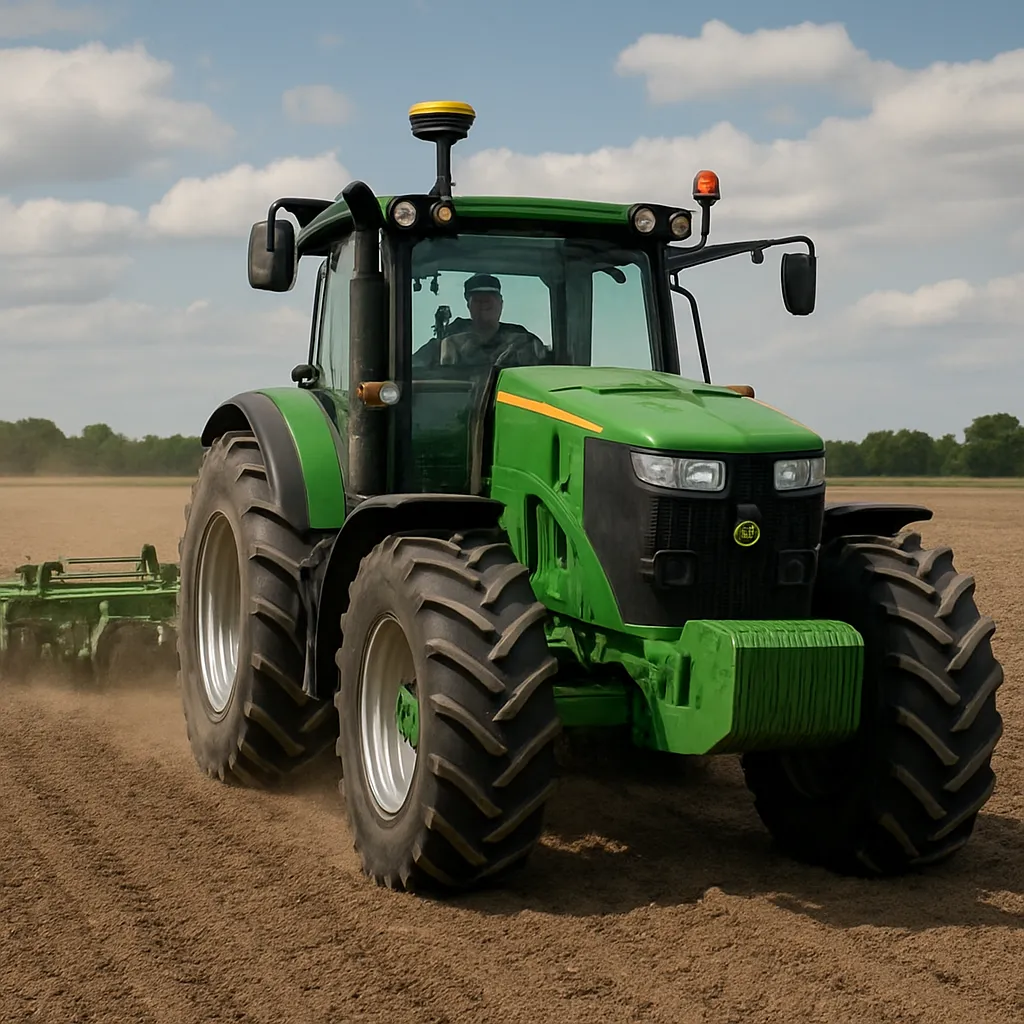
Modern agriculture demands unparalleled efficiency as farms expand beyond traditional boundaries. Giant tractors, once a luxury, have become essential assets for large-scale crop production. However, operating these behemoths across varied terrain without specialized guidance can lead to uneven planting, increased fuel consumption, and accelerated soil degradation. Implementing advanced precision steering systems transforms these challenges into opportunities, ensuring every pass is accurately aligned with agronomic goals.
The Evolution of Large-Scale Farming
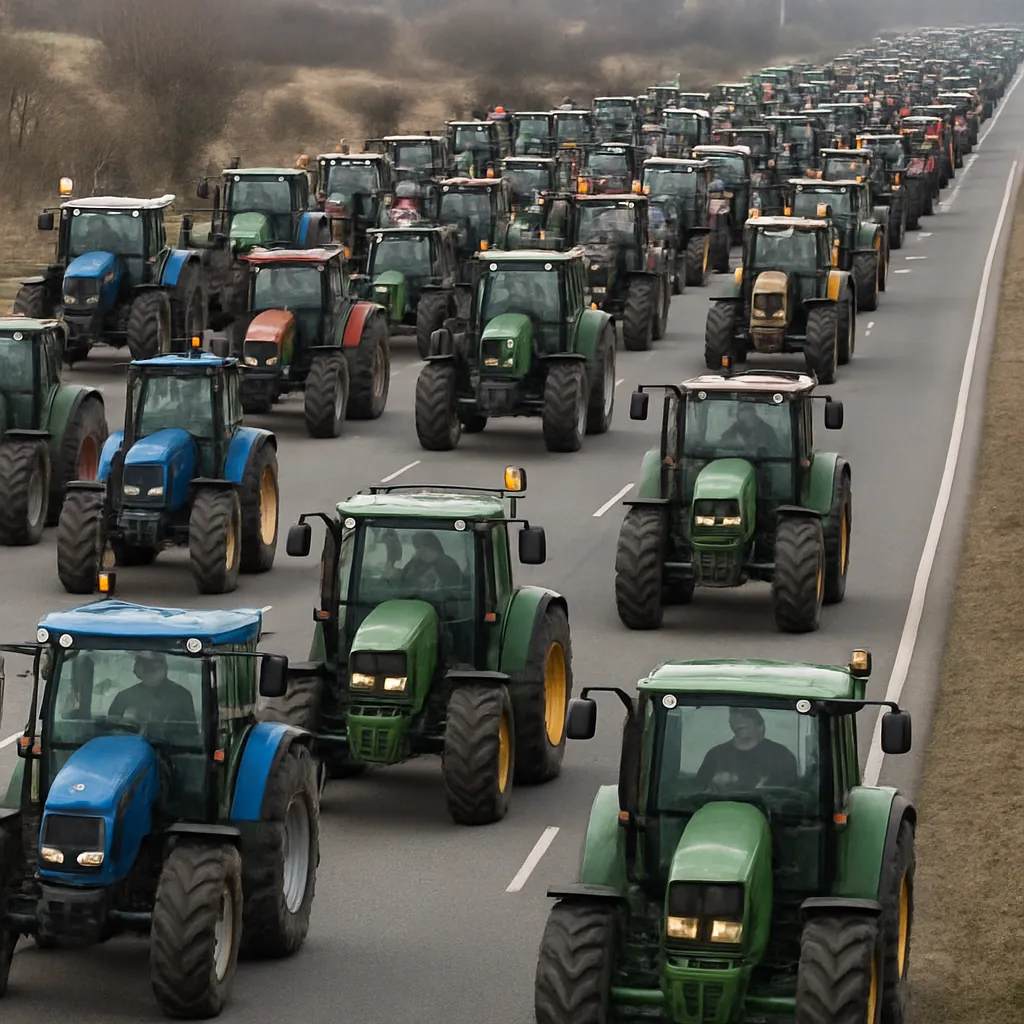
Over the past few decades, farms have grown from small family plots to vast enterprises spanning thousands of acres. These operations rely on equipment capable of covering huge swaths of land in minimal time. As a result, manufacturers responded by engineering ever-larger tractors boasting horsepower ratings well over 600 HP. While this growth in size boosted productivity, it also introduced new obstacles in maneuverability and field consistency.
Early tractors required manual steering corrections every few feet, leading to operator fatigue and occasional overlaps or gaps in planting. The introduction of basic auto-steer features reduced some of these issues, but without real-time feedback and high-resolution positioning, errors still accumulated over long rows. Advancements in satellite navigation and electronics paved the way for more sophisticated guidance, enabling tractors to follow preprogrammed paths with centimeter-level accuracy.
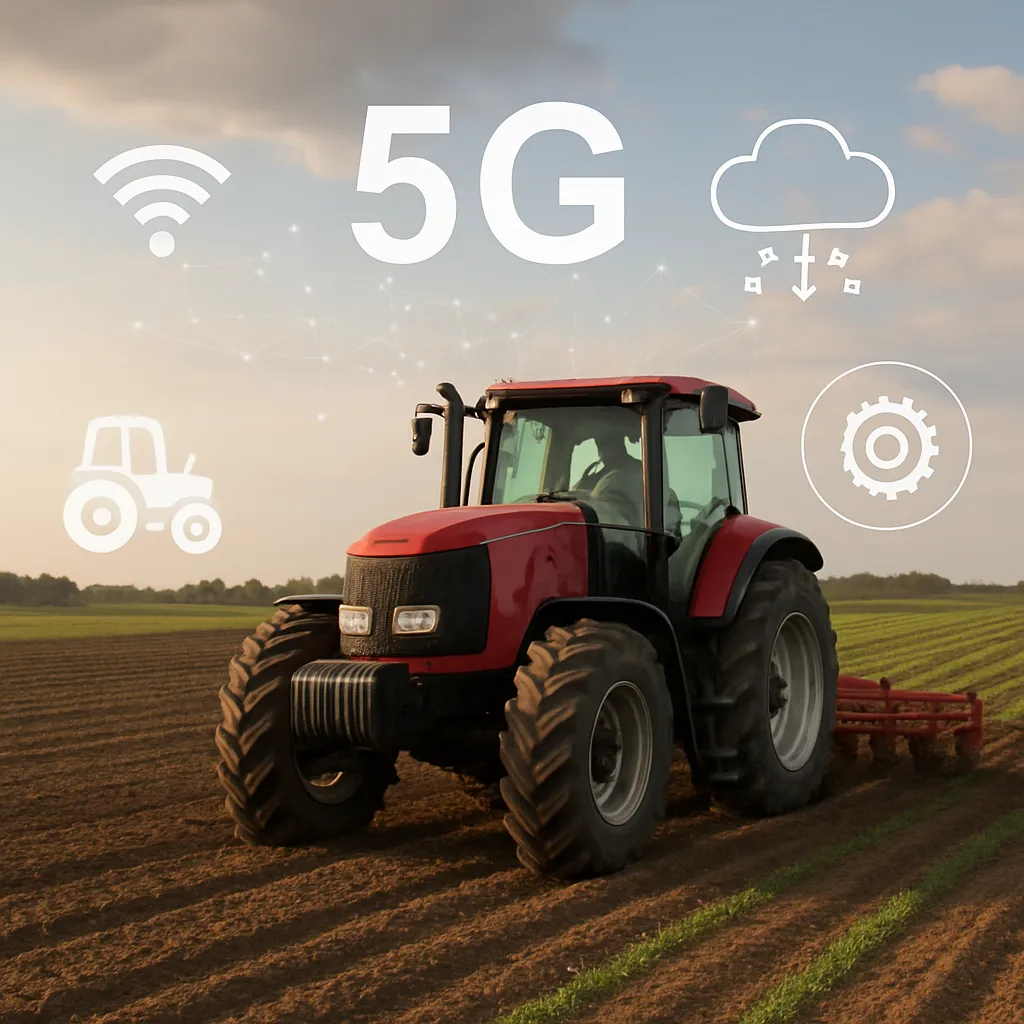
Today’s largest tractors integrate multiple systems—mechanical, hydraulic, and digital—to coordinate wheel angles, monitor soil conditions, and adjust speed. This convergence has given rise to a new generation of equipment focused on harnessing data to guide physical movement. Farms that adopt these platforms can maximize yield while safeguarding natural resources against overuse and compaction.
Key Challenges in Managing Large Tractors
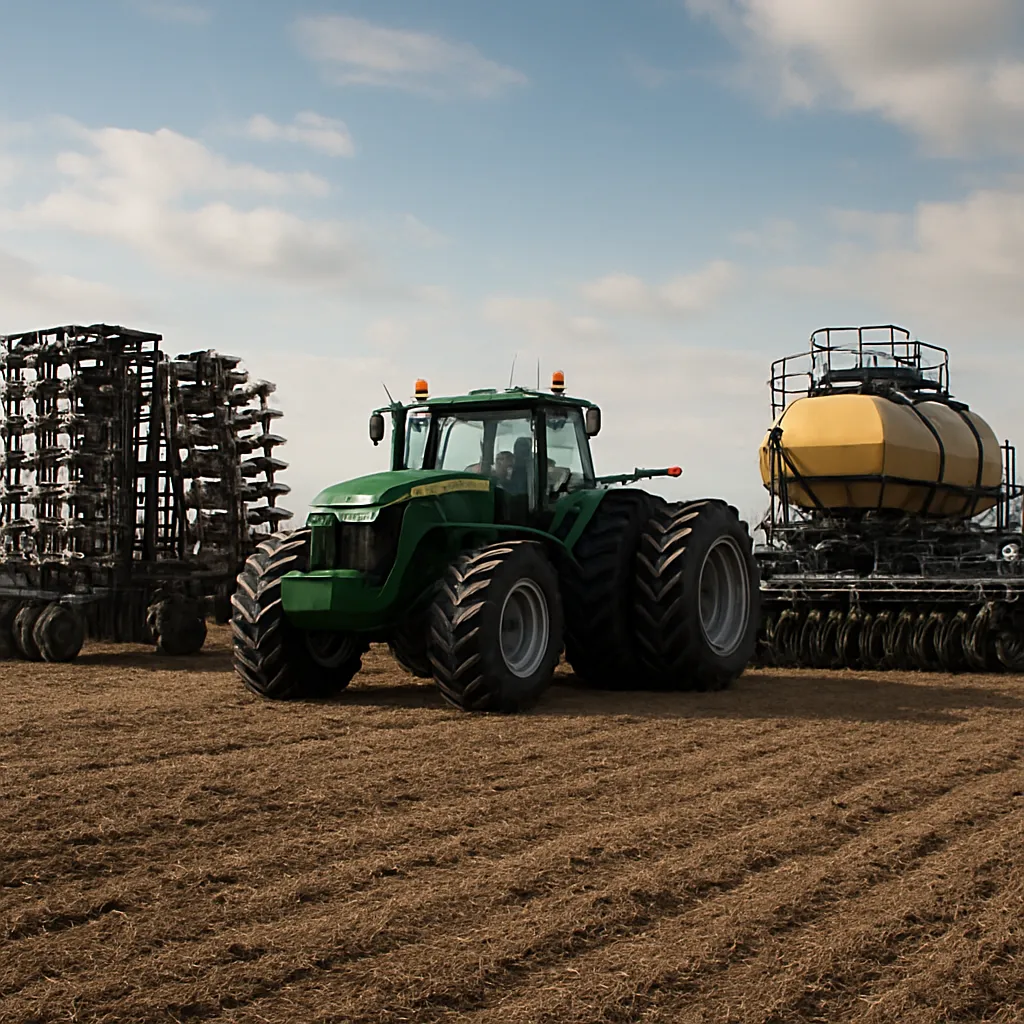
Handling tractors weighing over 20 tons presents unique difficulties:
- Poor visibility at higher speeds can cause missed passes or uneven distribution of seeds and inputs.
- Compaction risk increases with axle loads, threatening soil structure and microbial health.
- Fuel consumption spikes when tires slip or tractors drift off their intended track.
- Manual steering demands constant attention, contributing to operator fatigue and reduced productivity over long shifts.
Without precise guidance, simple tasks like spraying or fertilizing require extra passes to compensate for drift. These additional trips not only waste resources but also damage young crops. Moreover, varying field topographies—from slopes to wet patches—amplify steering errors, since wheel slippage can go undetected without proper sensors.
Ensuring consistent row spacing is vital for optimizing sunlight exposure, irrigation patterns, and harvesting efficiency. Even a few centimeters of deviation per pass can accumulate across multiple passes, resulting in significant yield loss. Addressing these concerns demands a coordinated solution that blends navigation, sensing, and real-time correction.
Components of Precision Steering Systems
A true precision steering system marries several key elements into a cohesive whole:
- GPS Modules: High-accuracy RTK (Real-Time Kinematic) receivers provide sub-inch positioning.
- Sensors: Wheel-angle encoders, yaw-rate gyros, and ground-speed sensors supply instant feedback.
- Electronic Control Units (ECUs): These microprocessors interpret sensor data and generate steering commands.
- Hydraulic Actuators: Mechanical components that adjust wheel orientation on the go.
- Software Interfaces: User-friendly displays allow operators to program field layouts and monitor performance.
Installation begins with mounting a base station or accessing a correction network, which refines raw satellite signals into precision fixes. Next, the tractor’s ECU is calibrated to understand the geometry between its steering mechanism and the GPS antenna. During operation, any deviation from the planned trajectory triggers immediate actuator corrections, keeping the tires on an exact path.
Another critical component is automated calibration. Seasonal changes in tire pressure or wear patterns can alter how a tractor responds to control inputs. Modern systems periodically perform self-checks, comparing expected movement to actual results and adjusting control parameters accordingly. This feature reduces the need for manual tuning and keeps accuracy consistent over thousands of acres.
Benefits of Precision Steering in Big Tractors
Precision steering delivers measurable advantages across multiple dimensions:
- Productivity: Operators can work longer hours with less fatigue, maintaining uniform speed and alignment.
- Input Savings: Fertilizer, seed, and chemical use drops by 10–15% thanks to reduced overlap.
- Soil Health: Targeted passes minimize soil compaction, preserving pore structure and moisture retention.
- Fuel Efficiency: By eliminating drift and idle corrections, fuel consumption decreases significantly.
- Cost-effectiveness: Enhanced precision often yields a return on investment within a single growing season.
Farm managers often report up to a 20% boost in effective field coverage when combining precision steering with automated throttle and implement control. The synergy of multiple automated subsystems transforms a tractor into a smart, data-driven machine that adapts dynamically to terrain and crop conditions.
Furthermore, by logging georeferenced data for each pass, these systems feed into broader farm-management platforms. Agronomists can analyze patterns—such as zones of heavy compaction or areas needing more irrigation—leading to more informed decisions. This continuous feedback loop drives ongoing improvement in both machine performance and crop outcomes.
Future Trends and Innovations
The march toward autonomous agriculture is accelerating. Research teams are developing tractors that can navigate complex field layouts without human intervention. Upcoming machine learning algorithms will interpret satellite imagery, weather forecasts, and soil-sensor data to optimize routes in real time.
Swarm robotics, where multiple smaller vehicles work in concert, may challenge the dominance of single giant tractors. Even so, the principles of precision steering will remain central. Coordinated fleets will require robust inter-vehicle communication links, ensuring each unit operates within millimeter tolerances relative to its neighbors.
As regulators and consumers demand more sustainable practices, the ability to apply inputs only where needed will become a competitive necessity. Companies that continue to invest in innovation around guidance systems, sensor fusion, and data analytics will lead the next green revolution in agriculture.
Ultimately, big tractors equipped with advanced precision steering systems will strike the balance between scale and sustainability, empowering farmers to feed a growing population while preserving the land for future generations.