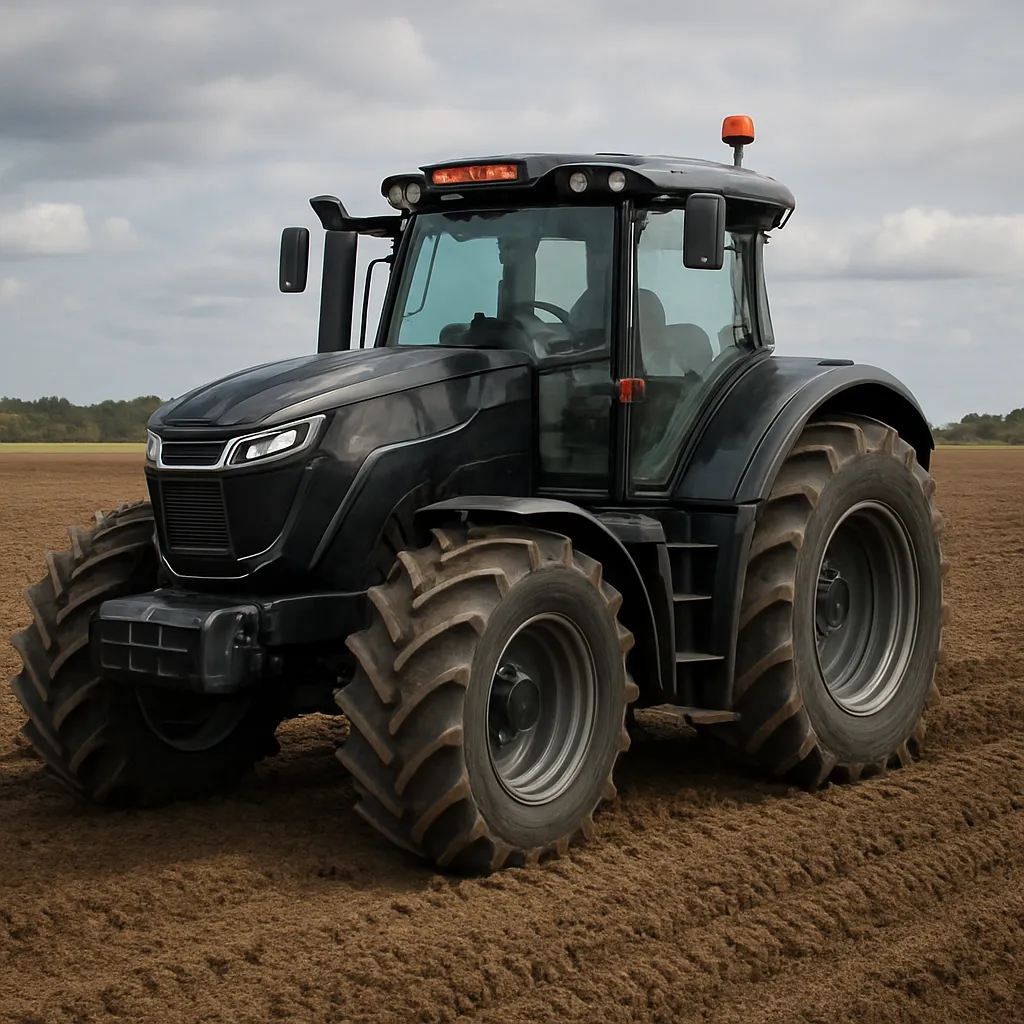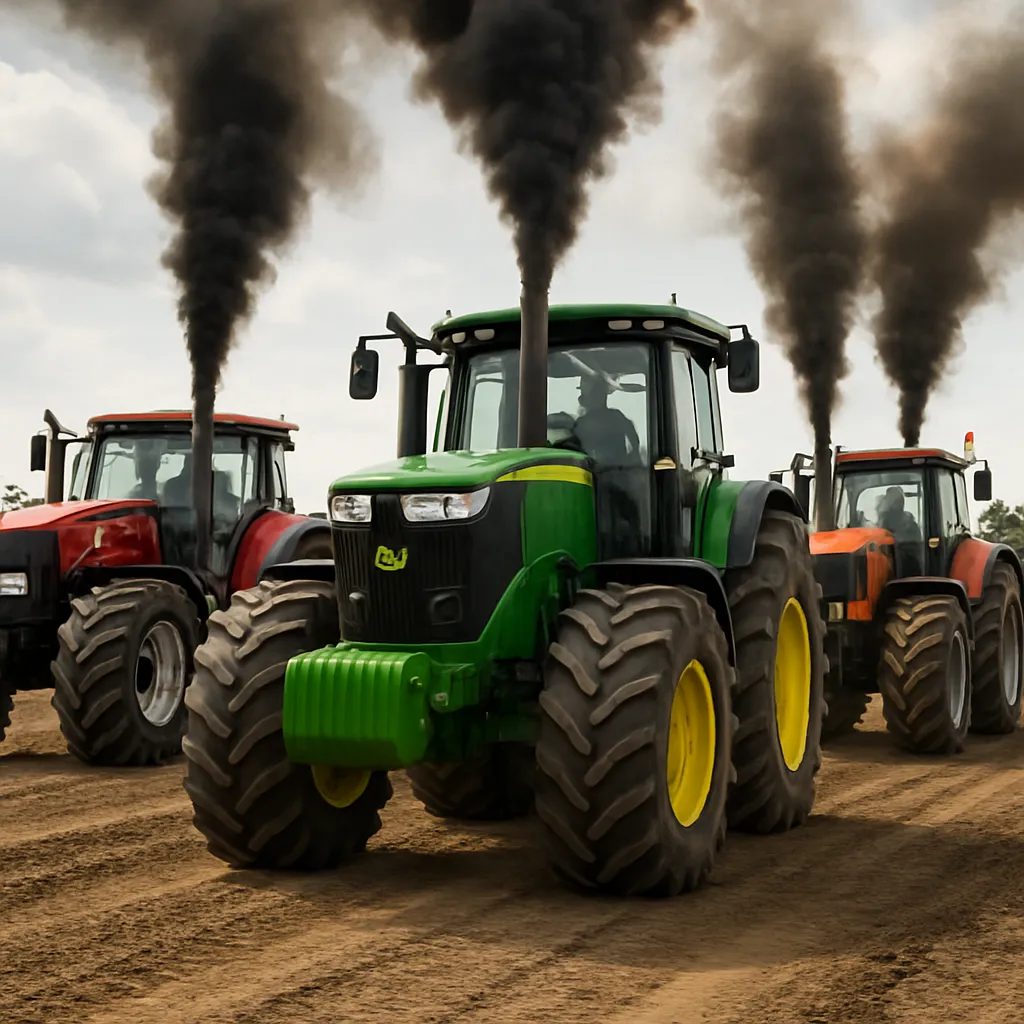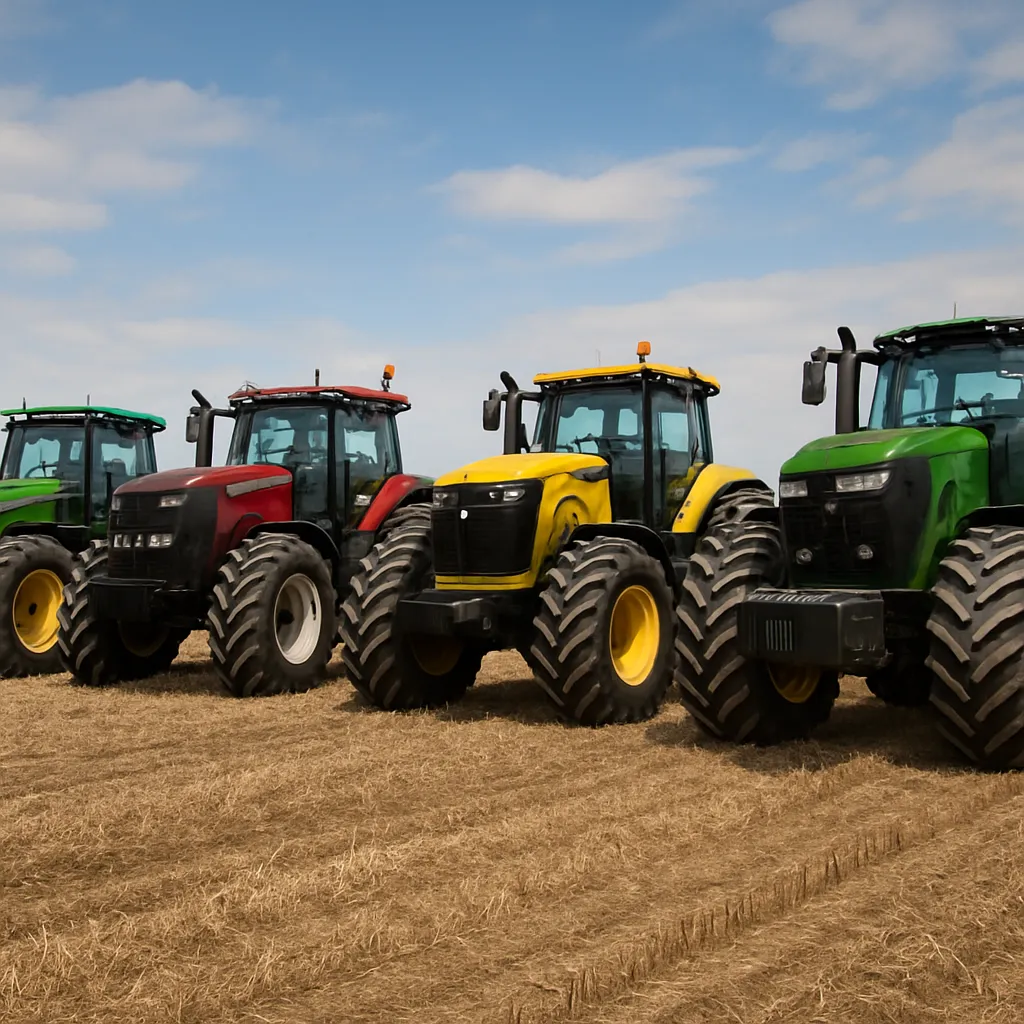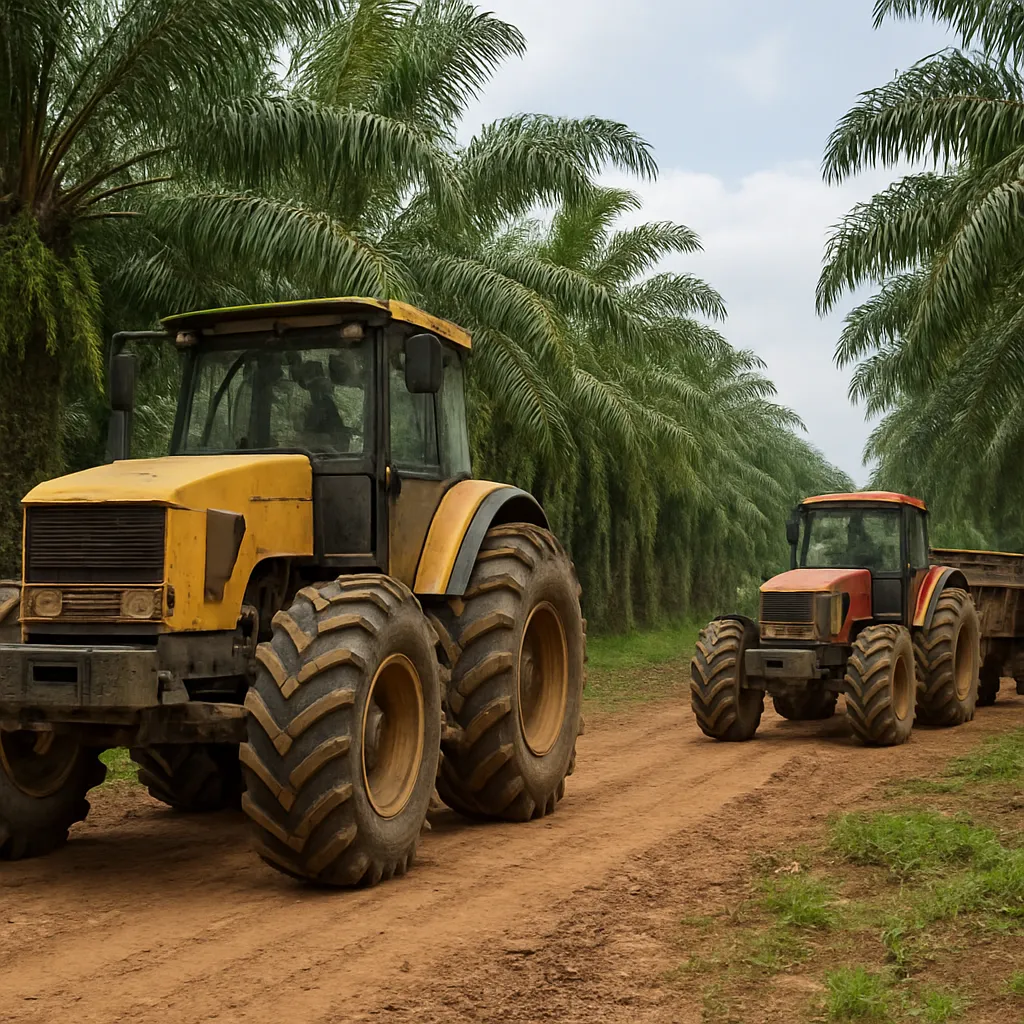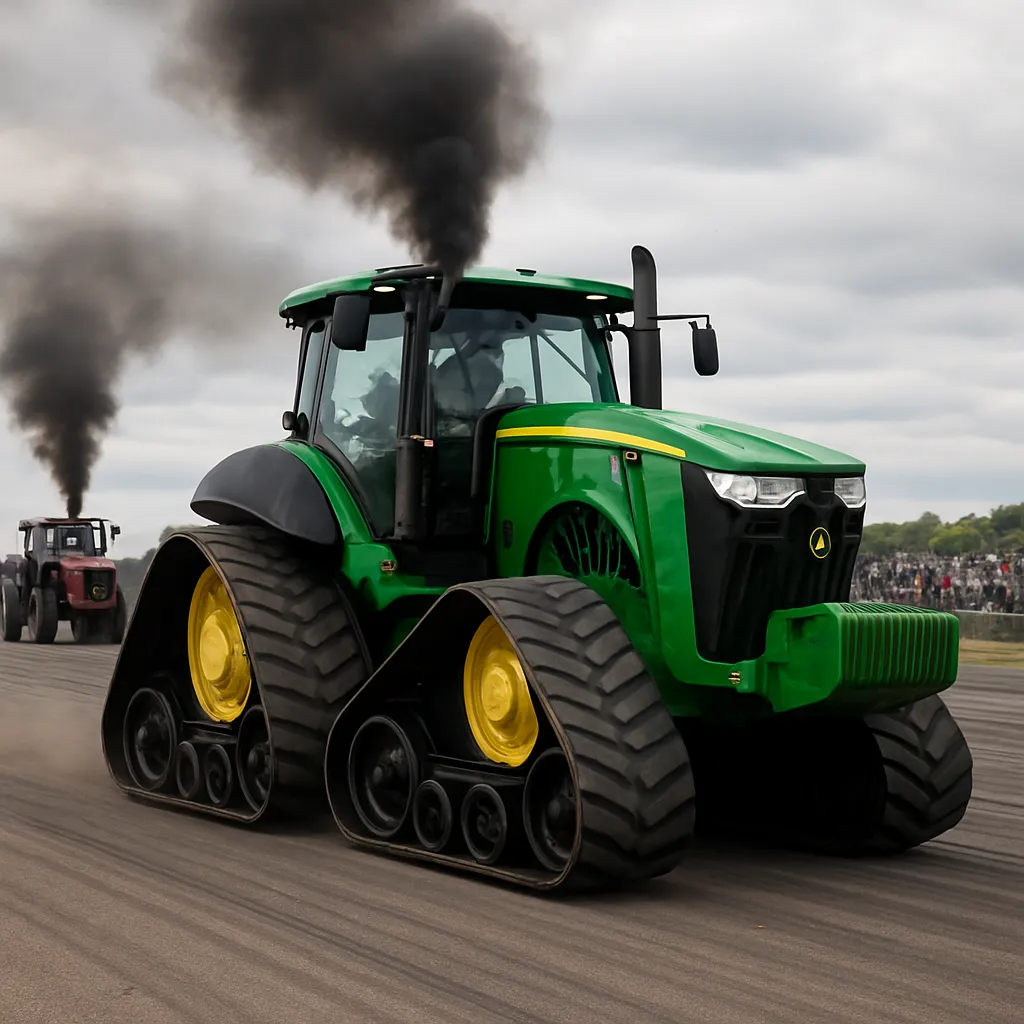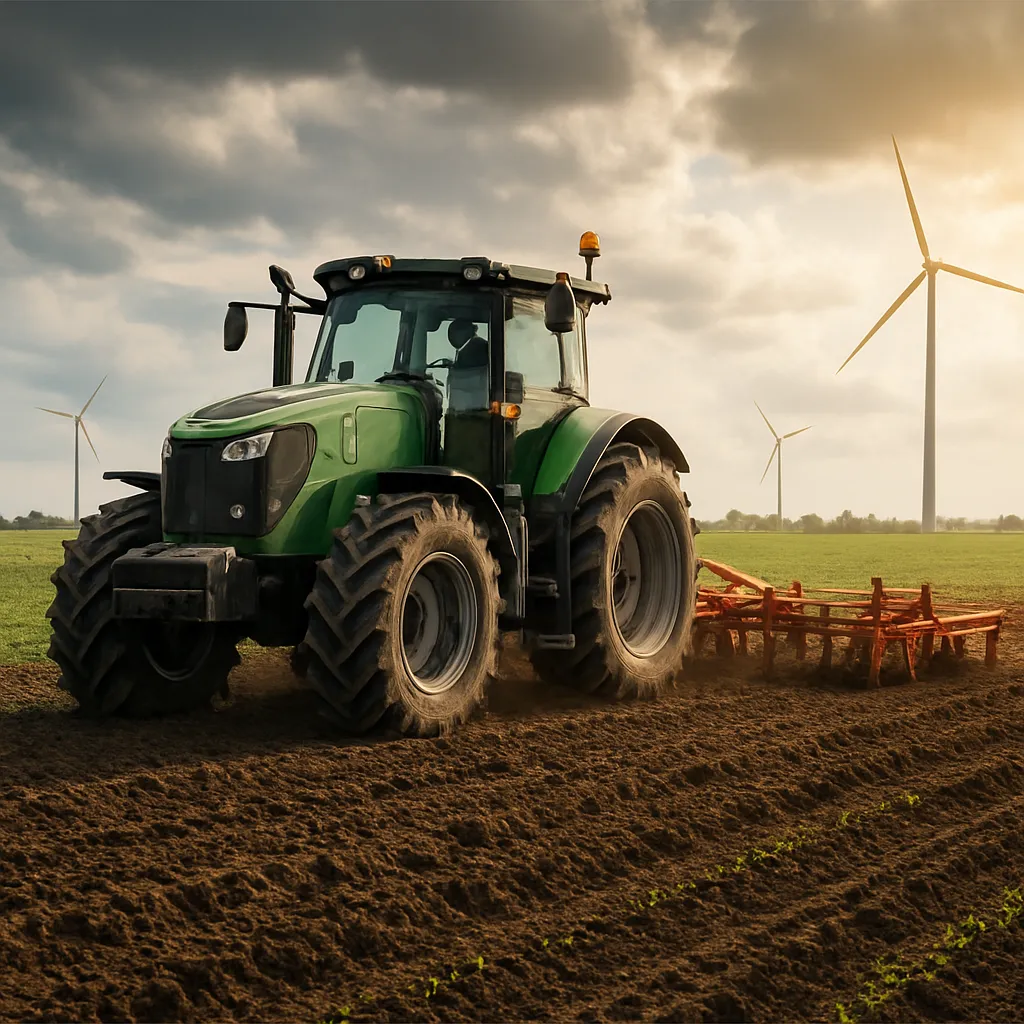
Agricultural landscapes are undergoing a profound transformation as global temperatures rise and weather patterns become increasingly erratic. Mega-sized tractors, once limited to sheer brute strength and raw horsepower, are now being reimagined with advanced technologies to foster greater sustainability and adaptability. Farmers and manufacturers alike are collaborating to tackle new challenges posed by droughts, floods, and shifting planting seasons, ensuring that the world’s largest mechanized workhorses remain efficient and reliable.
Impact of Climate Variability on Large-Scale Farming
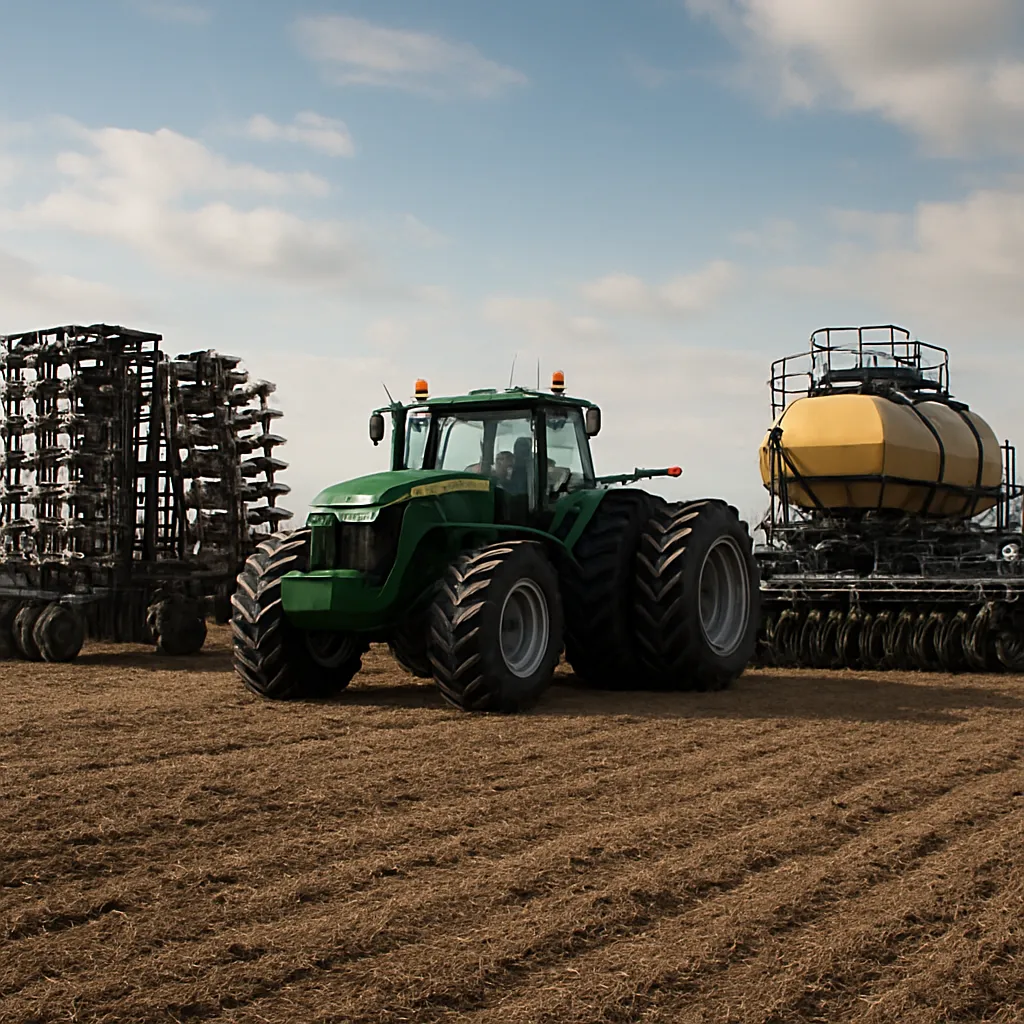
Extreme heatwaves and unpredictable rainfall have placed unprecedented stress on commercial agriculture. Fields that once yielded consistently now suffer from soil erosion, nutrient leaching, and uneven moisture distribution. In response, operators of the planet’s biggest tractors are focusing on optimizing every pass over the land to conserve resources and protect soil health. Customizable ballast systems and variable-width implements allow a single tractor to adapt to wet and dry zones within the same field, reducing compaction and preserving vital topsoil.
Moreover, these giants of the farm floor must contend with higher fuel consumption during prolonged work hours under high-temperature conditions. Elevated ambient heat increases engine load and accelerates wear on drivetrain components. To address these issues, engineers are integrating advanced cooling circuits, high-capacity radiators, and heat-tolerant materials into the chassis design. These improvements help maintain optimal operating efficiency even in the most punishing environments.
Finally, water scarcity in many regions has led to innovative irrigation attachments that mount directly to heavy tractors. Equipped with precise flow-control valves and remote monitoring via telematics, these systems can apply exact volumes per acre, reducing waste and ensuring young crops receive the moisture they need during critical growth stages. As a result, farm operations can maintain productivity despite extended dry spells.
Innovative Technological Developments in Mega Tractors
While raw power remains essential, the biggest tractors are no longer defined solely by engine displacement or axle count. Instead, modern designs emphasize digital integration, electrification, and autonomous features that boost overall productivity and minimize environmental impact.
- Electric and Hybrid Drivetrains
- Some manufacturers have unveiled prototypes of fully electric tractors exceeding 500 horsepower, using high-density batteries and rapid-swapping modules to maintain long field hours.
- Hybrid systems pair diesel engines with electric motors, enabling regenerative braking and power-assist functions that lower emissions by up to 30 percent compared to conventional models.
- Precision Guidance and Autonomy
- GPS-based auto-steering ensures straight, accurate passes, reducing overlap and fuel waste. This technology can improve field coverage by nearly 15 percent and cut input costs.
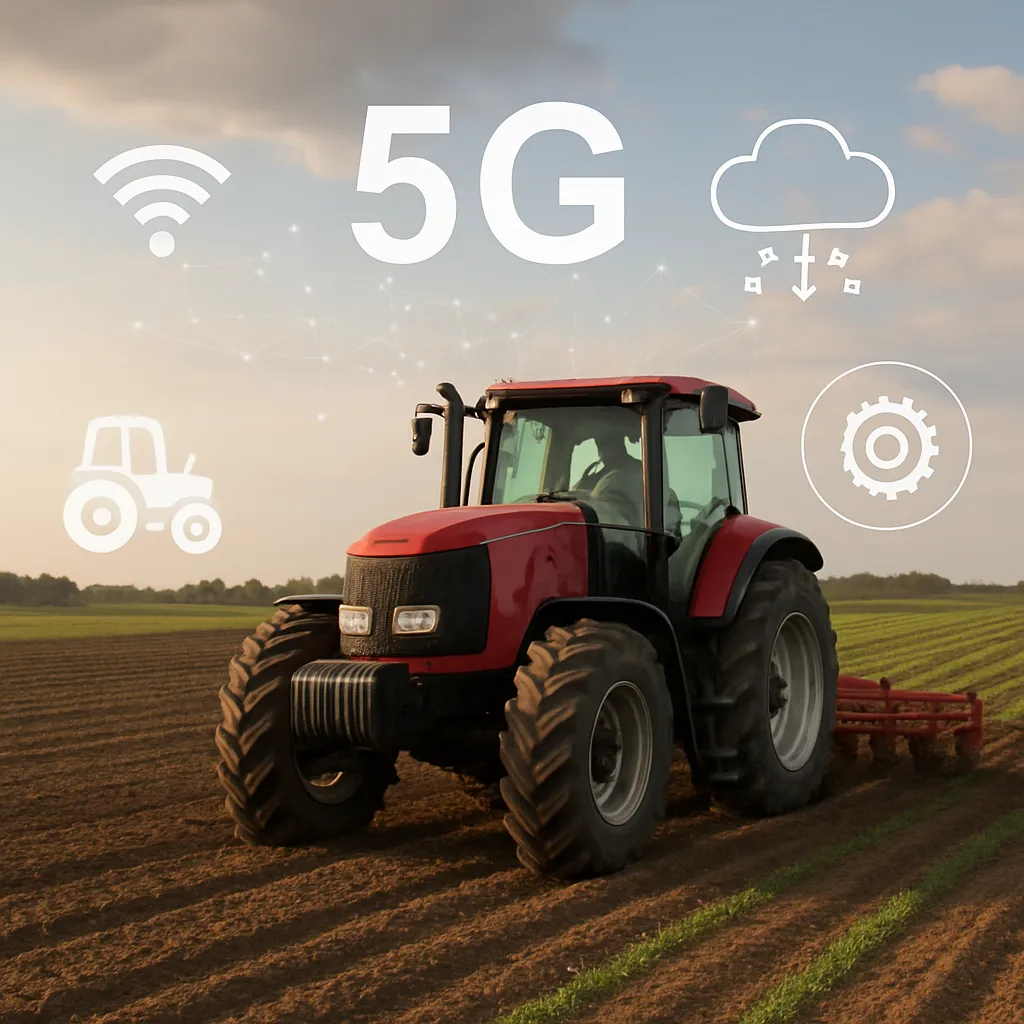
- Fully autonomous mega tractors use lidar, radar, and computer vision to navigate complex terrains, avoiding obstacles, and adapting to changing field conditions in real time.
- Smart Implement Integration
- ISO bus connectivity allows implements—seeders, sprayers, and tillers—to communicate with the tractor’s onboard computer, optimizing speed, depth, and application rate on the go.
- Real-time soil sensors mounted on the hitch can measure moisture, pH, and nutrient levels, feeding data to in-cab displays or farm management software for immediate adjustments.
These breakthroughs not only enhance the versatility of large tractors but also align with global goals to reduce carbon footprints across the agricultural sector. By leveraging resilience and digital intelligence, farmers can manage risk while maintaining high yields.
Future Outlook for Sustainable Heavy-Duty Farm Machinery
Looking ahead, the synergy between advanced materials science, renewable energy, and artificial intelligence will further redefine what the world’s largest tractors can accomplish. Ongoing research projects are exploring lightweight yet durable composites to replace traditional steel frames, reducing overall mass without sacrificing structural integrity. This shift could improve fuel economy and decrease ground pressure, mitigating compaction in soft soils.
On the powertrain front, ammonia-based fuels and renewable hydrogen are under investigation as alternative energy carriers capable of powering autonomous behemoths over extended periods. When combined with onboard fuel-cell systems, these tractors may operate with zero tailpipe emissions, addressing both climate goals and rural air quality concerns.
Furthermore, as farms become more data-driven, the integration of machine learning algorithms will enable predictive maintenance schedules, preventing breakdowns before they occur and ensuring uninterrupted service even during peak seasons. Artificial intelligence will also refine planting patterns based on hyper-local weather forecasts, crop rotation histories, and pest outbreak predictions, maximizing land efficiency and profitability.
Collaboration between equipment manufacturers, agricultural researchers, and policymakers will be crucial to scale these innovations. Government incentives for carbon reduction and support for rural broadband infrastructure can accelerate the deployment of connected, high-capacity tractors. In turn, resilient machinery will empower farmers to feed a growing population while safeguarding the planet for future generations.