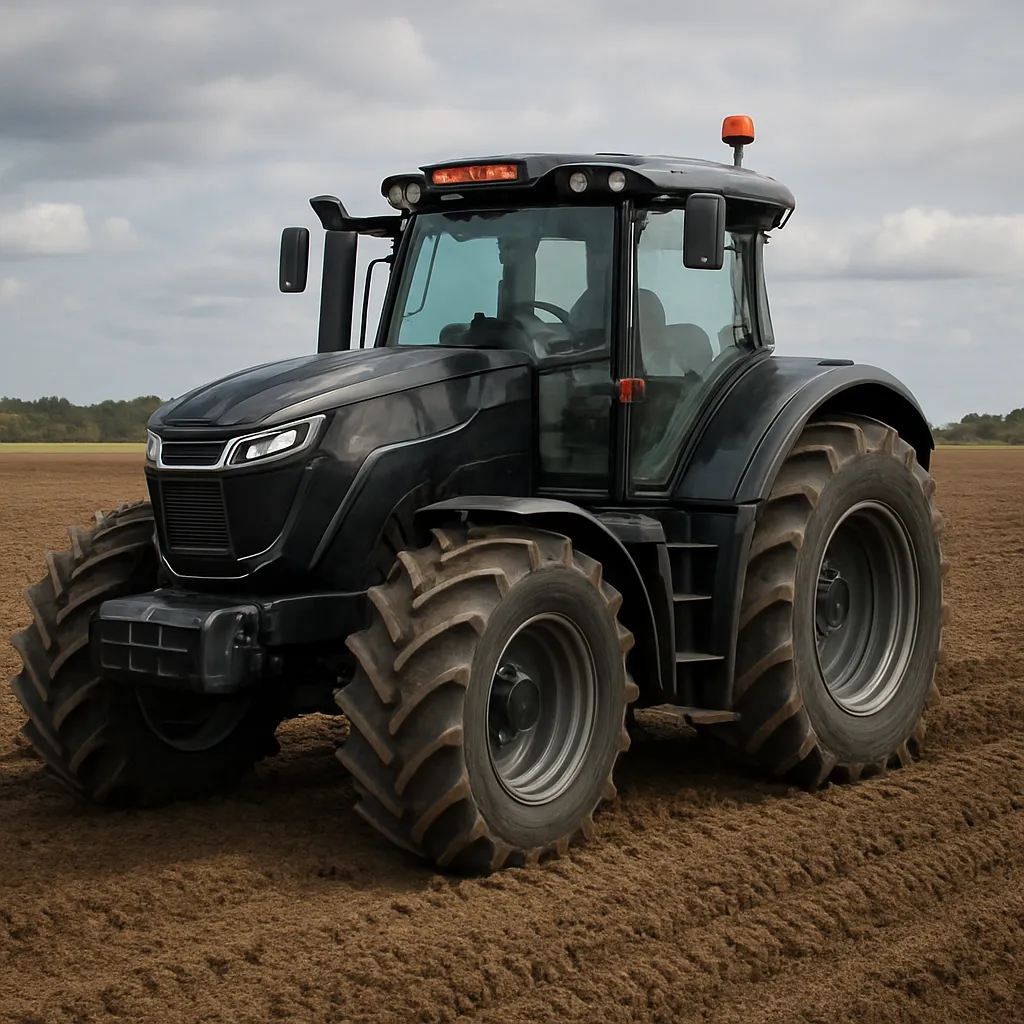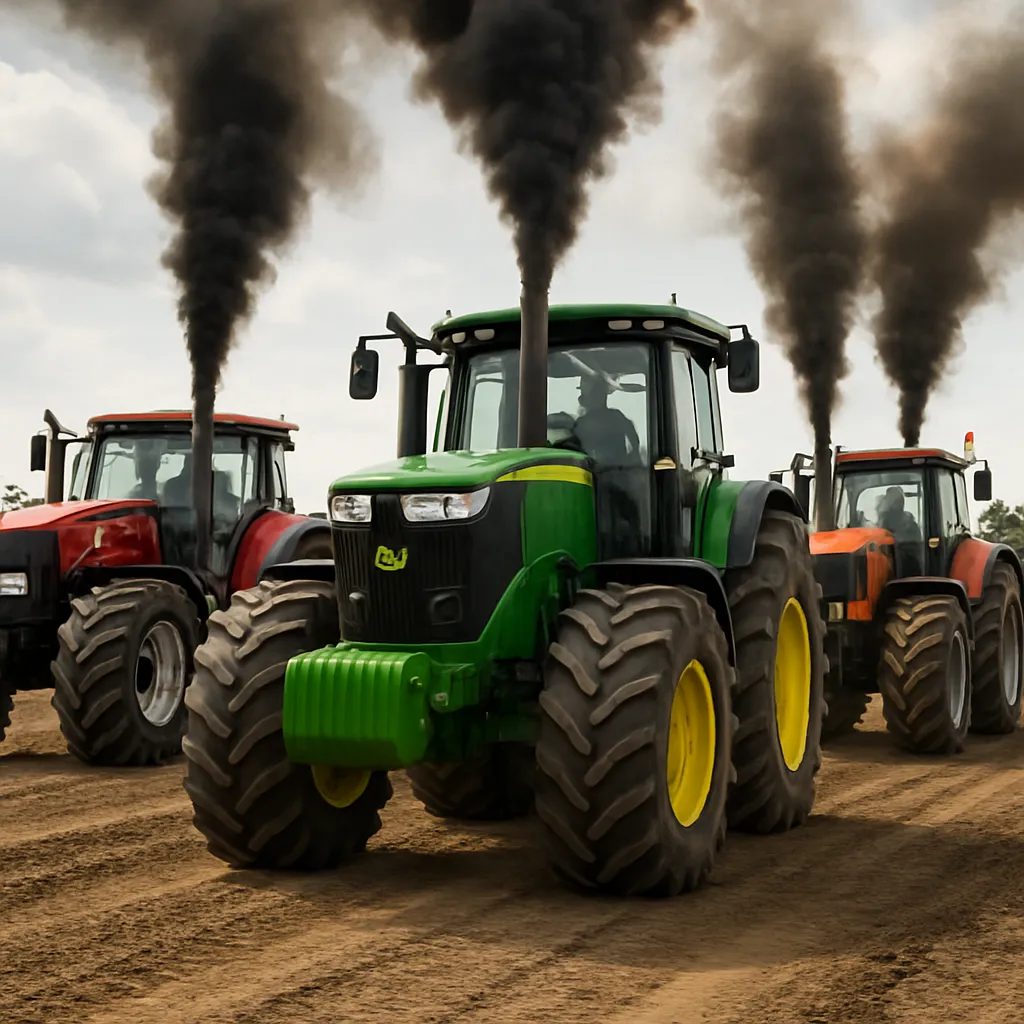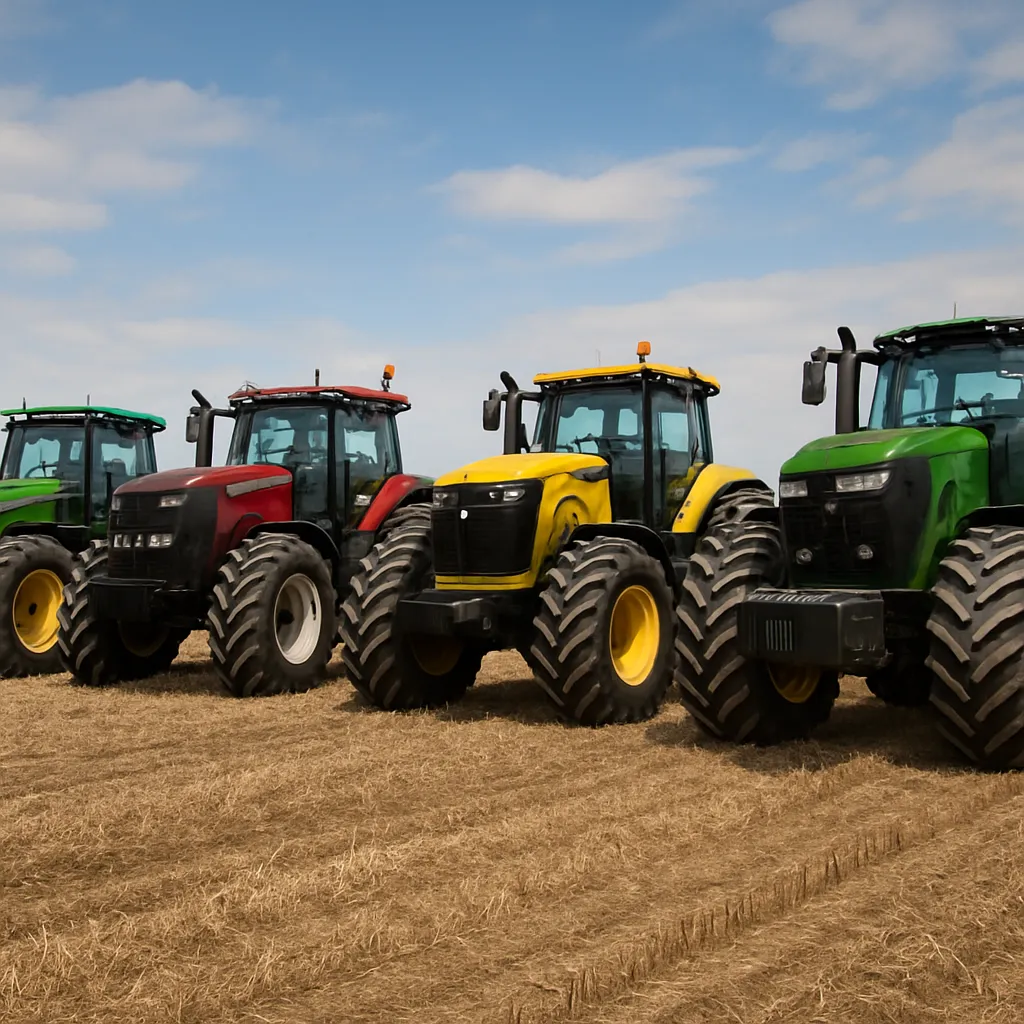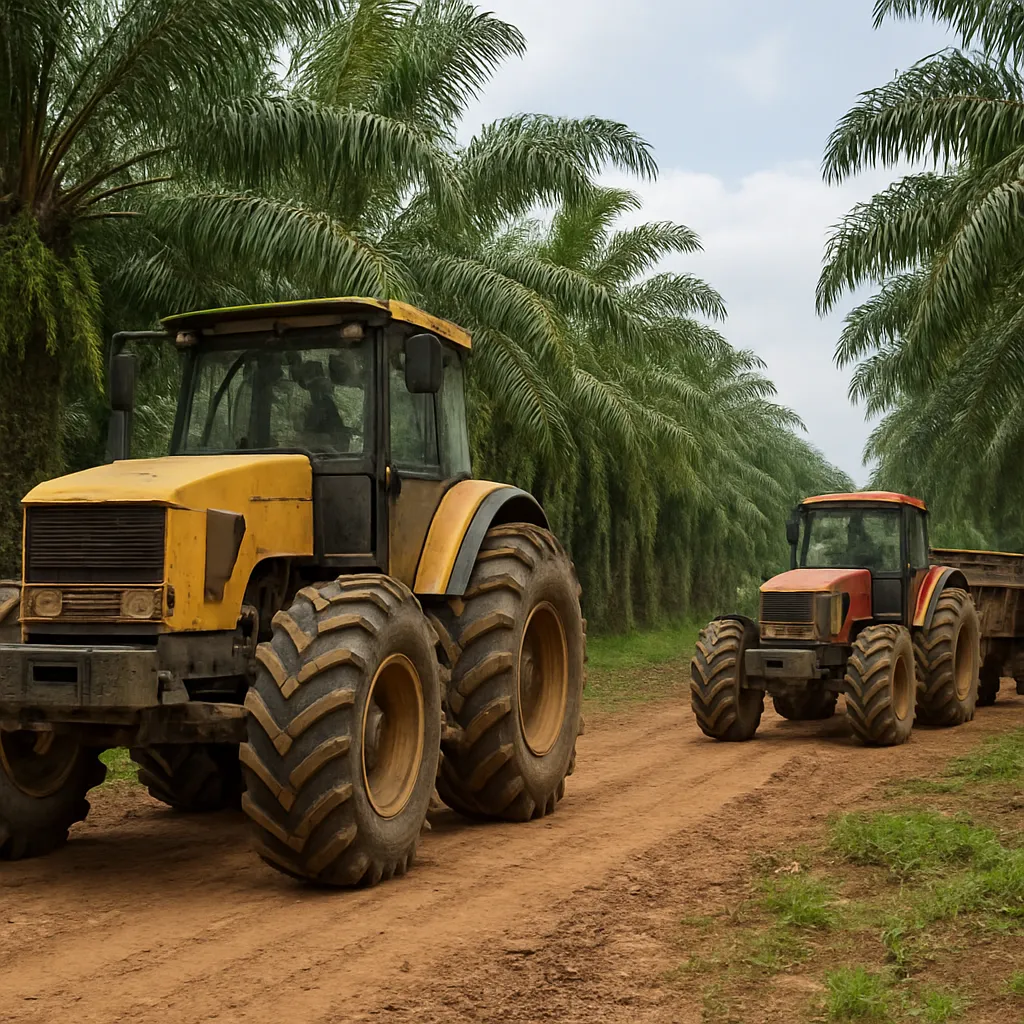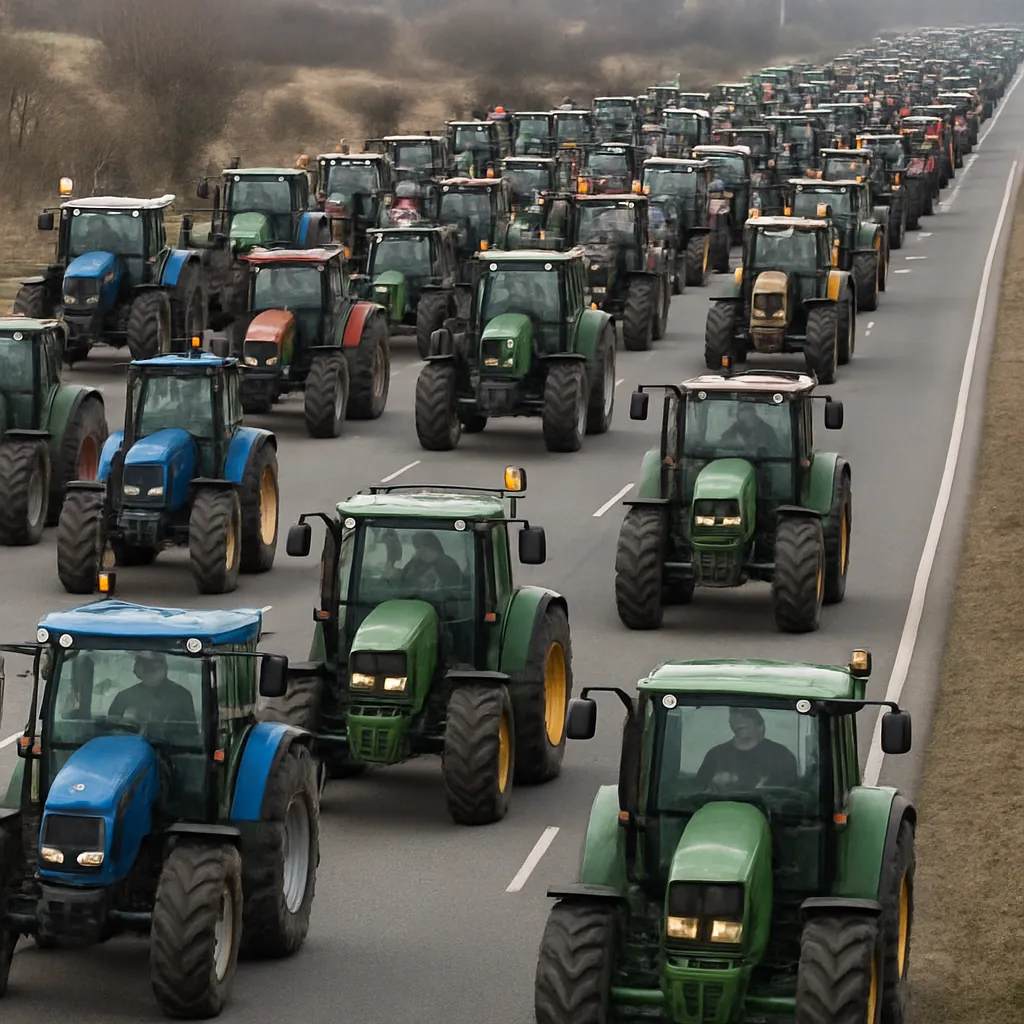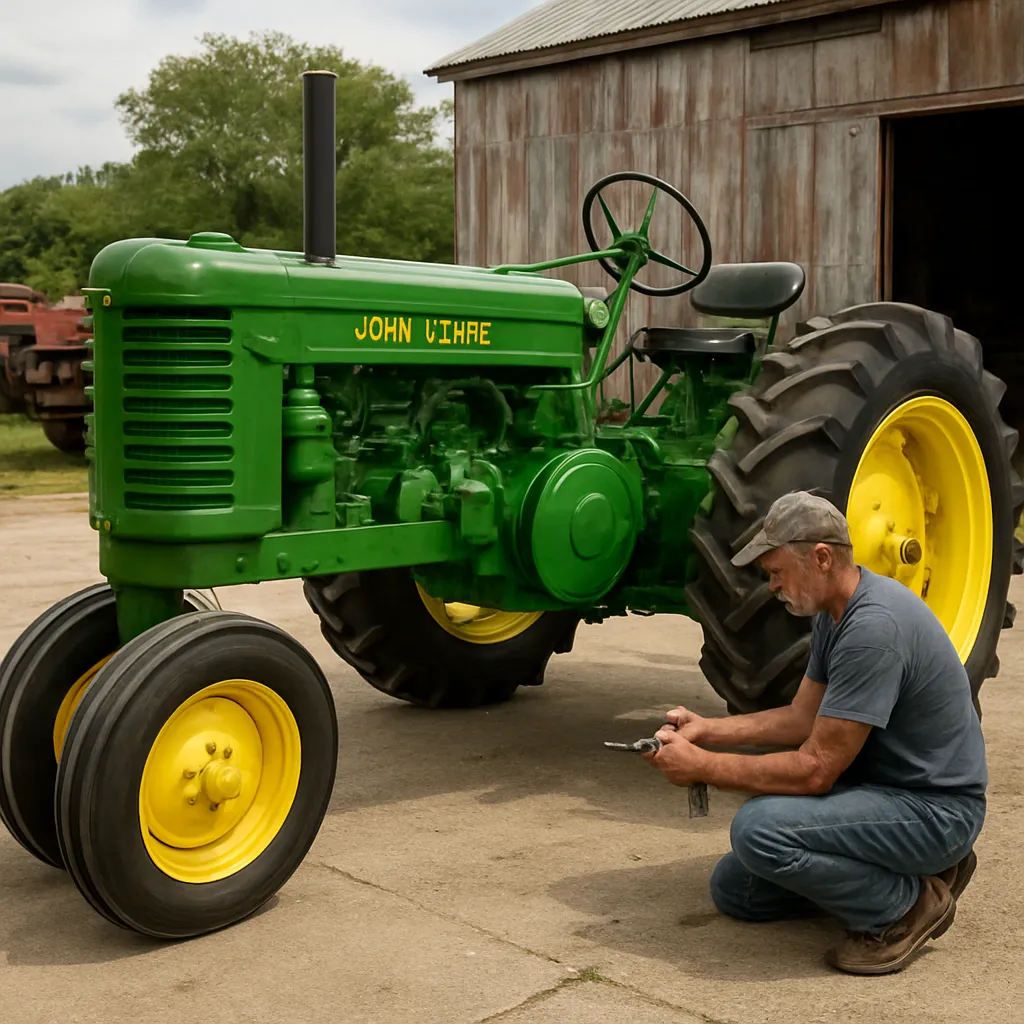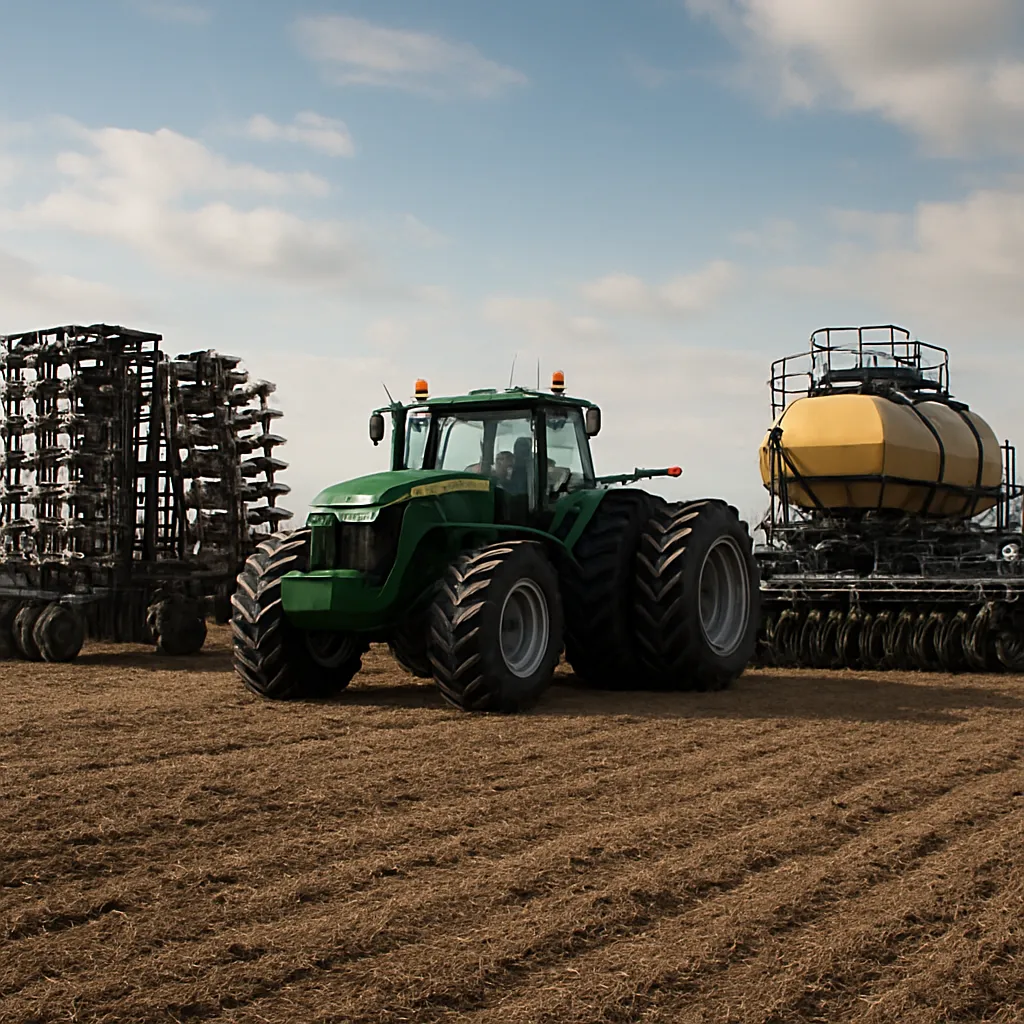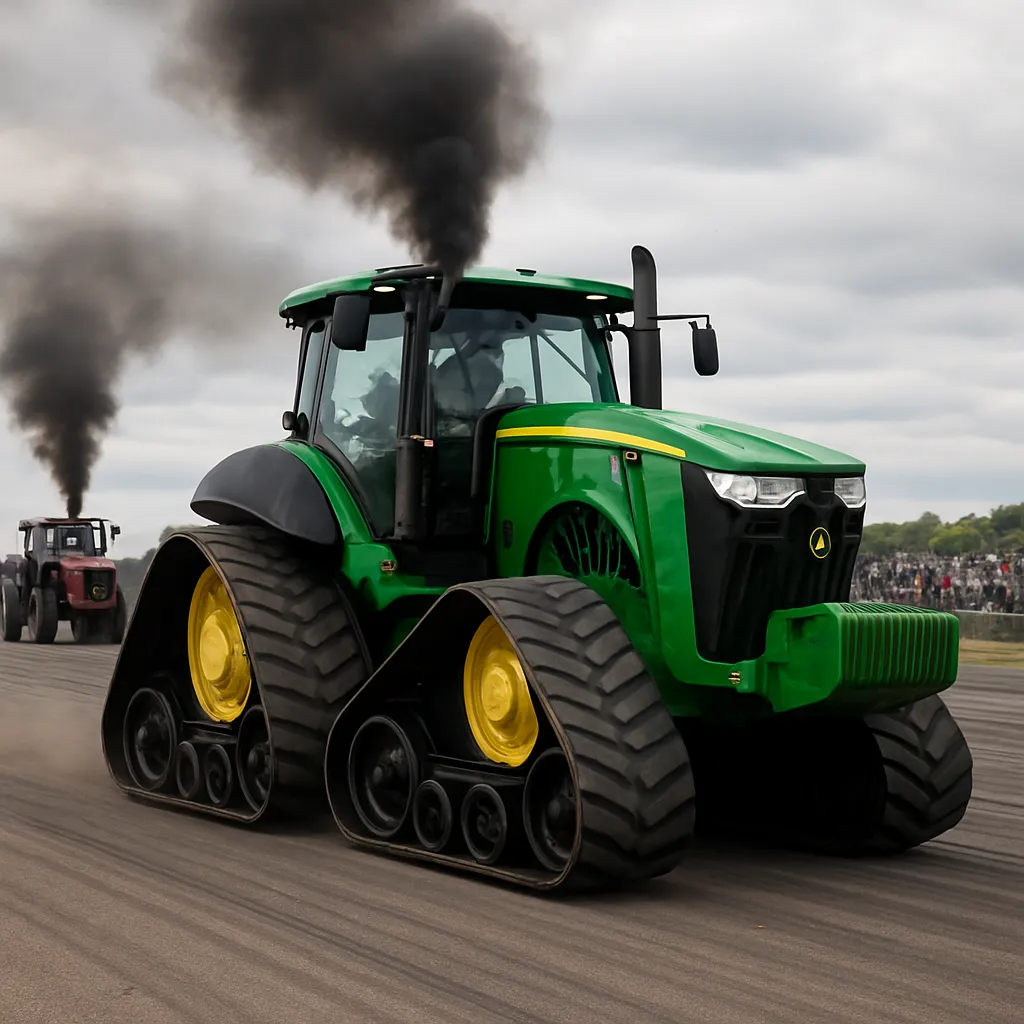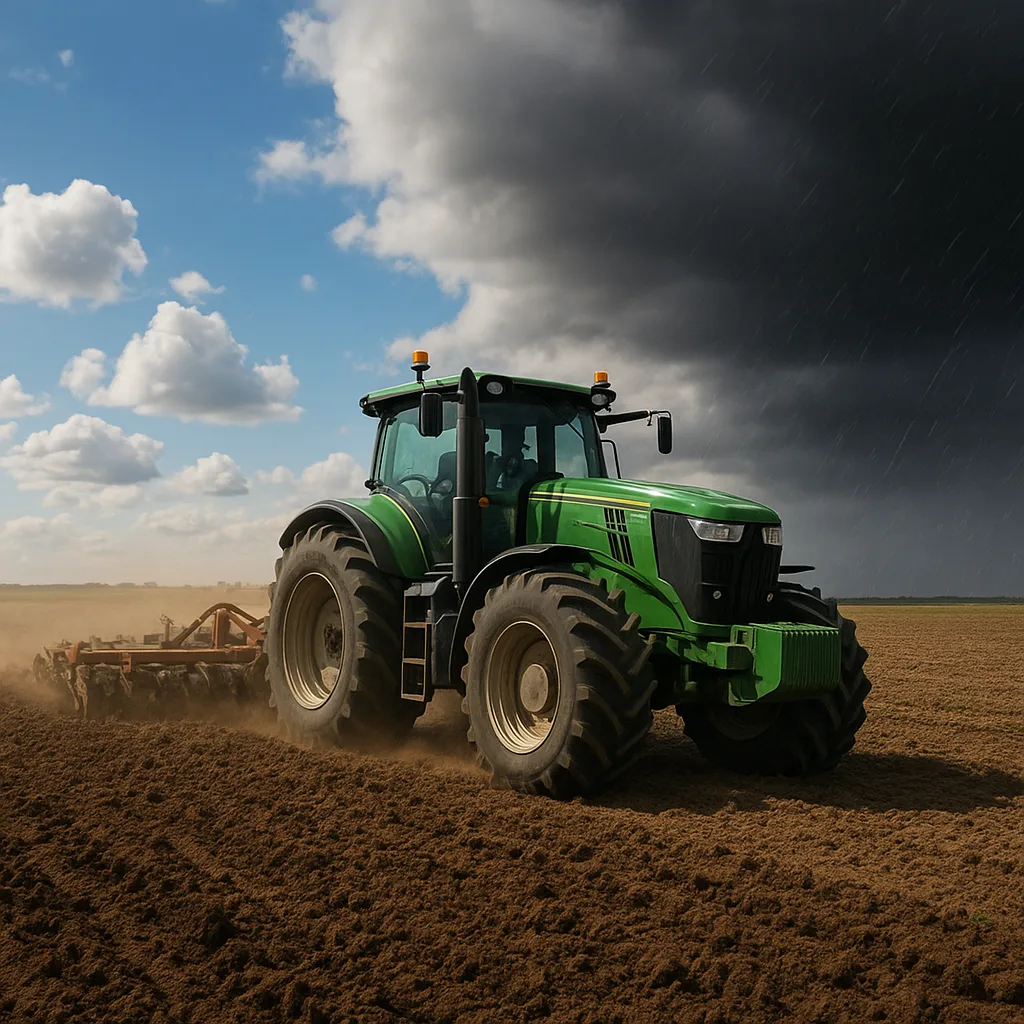
The evolution of mega tractors has transformed modern agriculture, enabling farmers to cultivate vast expanses of land with unprecedented speed and precision. The interplay between these colossal machines and their operating environment is a determining factor in overall effectiveness. As global weather patterns become more erratic and extremes of temperature, humidity, and precipitation intensify, understanding how climate influences mechanized farming equipment is essential. This article examines the critical relationships between environmental conditions and tractor operation, highlighting challenges and exploring solutions that ensure peak performance in diverse scenarios.
Extreme Temperatures and Engine Performance
Temperature fluctuations place significant stress on key components of a tractor’s powertrain. Whether battling sub-zero frosts or scorching heatwaves, operators must account for thermal impacts on lubricants, cooling systems, and combustion processes.
Cold-Start Challenges
- At temperatures below –10°C, hydraulic oil and engine lubricants thicken, increasing startup resistance.
- Preheating systems or block heaters mitigate wear during ignition, improving reliability.
- Batteries lose up to 50% of their cranking capacity in bitter cold, leading to frequent jump-starts.
Heat-Induced Stress
- Ambient temperatures above 35°C can cause coolant boiling, creating steam pockets that damage cylinder heads.
- High under-hood temperatures accelerate oil degradation, reducing overall efficiency.
- Radiator design upgrades—such as increased fin density or electric-assist fans—help maintain optimal operating ranges.
Manufacturers are integrating advanced thermal management techniques, including variable-speed fans and multi-viscosity oils, to preserve consistent performance across seasonal extremes. Proper monitoring through sensory arrays allows real-time adjustment of injection timing and fan speeds, which directly influences fuel consumption and emissions.
Soil Moisture, Traction, and Ground Pressure
Field conditions hinge on soil composition and moisture content, which dictate the level of grip a tractor can generate without causing excessive compaction. Striking the right balance between traction and ground disturbance is paramount for both crop yields and long-term soil health.
Wet Conditions and Slip Control
- Wet soils reduce coefficient of friction, leading to increased wheel slip and wasted energy.
- Automatic differential locks and all-wheel drive systems dynamically redistribute torque to maintain forward momentum.
- Inflation pressure management systems adjust tire pressure on the fly, expanding the contact patch to reduce compaction.
Dry, Hardpan Fields
- In arid regions, soil hardness rises, amplifying wear on tire tread and drive components.
- Tracks or dual-wheel setups offer a larger footprint, enhancing traction without sacrificing speed.
- Weight distribution systems allow fine-tuning of ballast to avoid sinkage or skidding.
Seasonal crop rotations and cover cropping can improve soil structure, but tractors must still adapt instantaneously to pockets of variable moisture. Integrated sensor suites monitor wheel slip percentage and ground pressure, enabling computerized control units to archive optimal settings. Combined with precision farming platforms, operators can anticipate traction challenges and maintain efficiency across heterogenous terrains.
Innovations for Climate Adaptation
Continuous innovation is driving the development of tractors that can self-adjust to extreme weather events and minimize downtime. Smart systems, powered by AI algorithms, interpret environmental data to optimize machine settings in real time.
Telematics and Predictive Maintenance
- Cloud-based analytics forecast component failures based on heat cycles, vibration signatures, and usage history.
- Remote diagnostics alert technicians to coolant leaks or filter clogs before a breakdown occurs.
- Over-the-air updates ensure software controlling traction and engine mapping remains current with climate-related adjustments.
Alternative Fuels and Emissions Control
- Biofuel compatibility reduces dependence on petroleum in regions with unstable supply chains.
- Selective Catalytic Reduction (SCR) systems cut nitrogen oxide output, improving environmental compliance without sacrificing power.
- Hydrogen fuel cell prototypes promise zero carbon emissions and fast refueling, making them ideal for high-demand operations.
Electric drive trains are also gaining traction, particularly for orchard or vineyard tractors that operate in confined spaces with strict emissions regulations. Battery thermal management remains critical in subfreezing climates, where energy density can plummet. Hybrid architectures combine diesel generators with electric motors, offering a compromise between range and reduced local pollutants.
Future Trends and Pathways to Sustainability
Looking forward, the agricultural sector must reconcile productivity goals with environmental stewardship. Climate volatility will likely intensify, driving manufacturers to design machines with both robust hardware and adaptive software.
- Modular power modules allow quick swaps between diesel and electric powerpacks based on forecasted weather and regulatory changes.
- Enhanced sensor fusion—combining satellite imagery, ground sensors, and weather APIs—enables anticipatory adjustments for soil moisture and wind chill factors.
- Collaborative robotic fleets can share data on-the-fly, coordinating tillage, planting, and harvesting tasks to minimize machine idling and fuel waste.
Ultimately, achieving true sustainability in mechanized agriculture will rely on a synergistic approach—advances in hardware durability, precise climate modeling, and comprehensive digital platforms that unify data streams. This convergence will empower farmers to face tomorrow’s challenges with resilient machinery tailored for every conceivable environment.