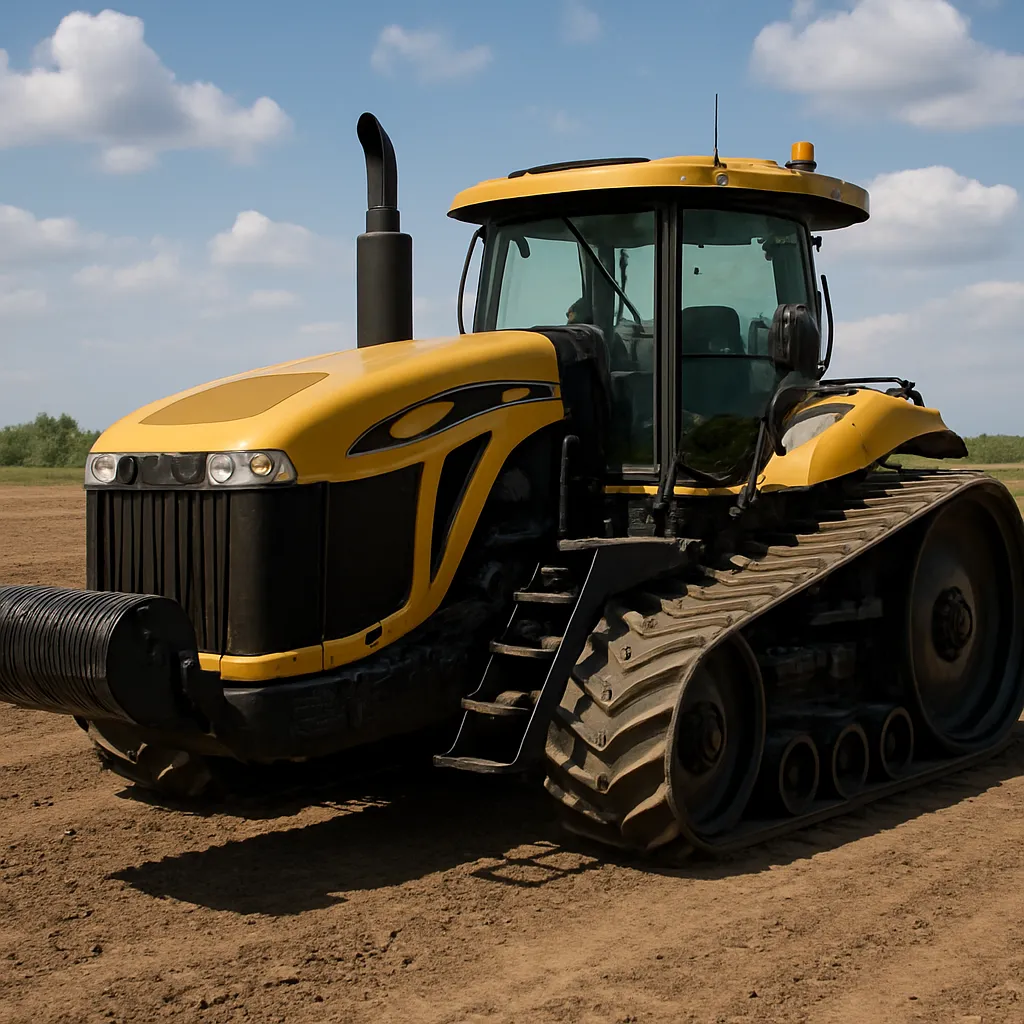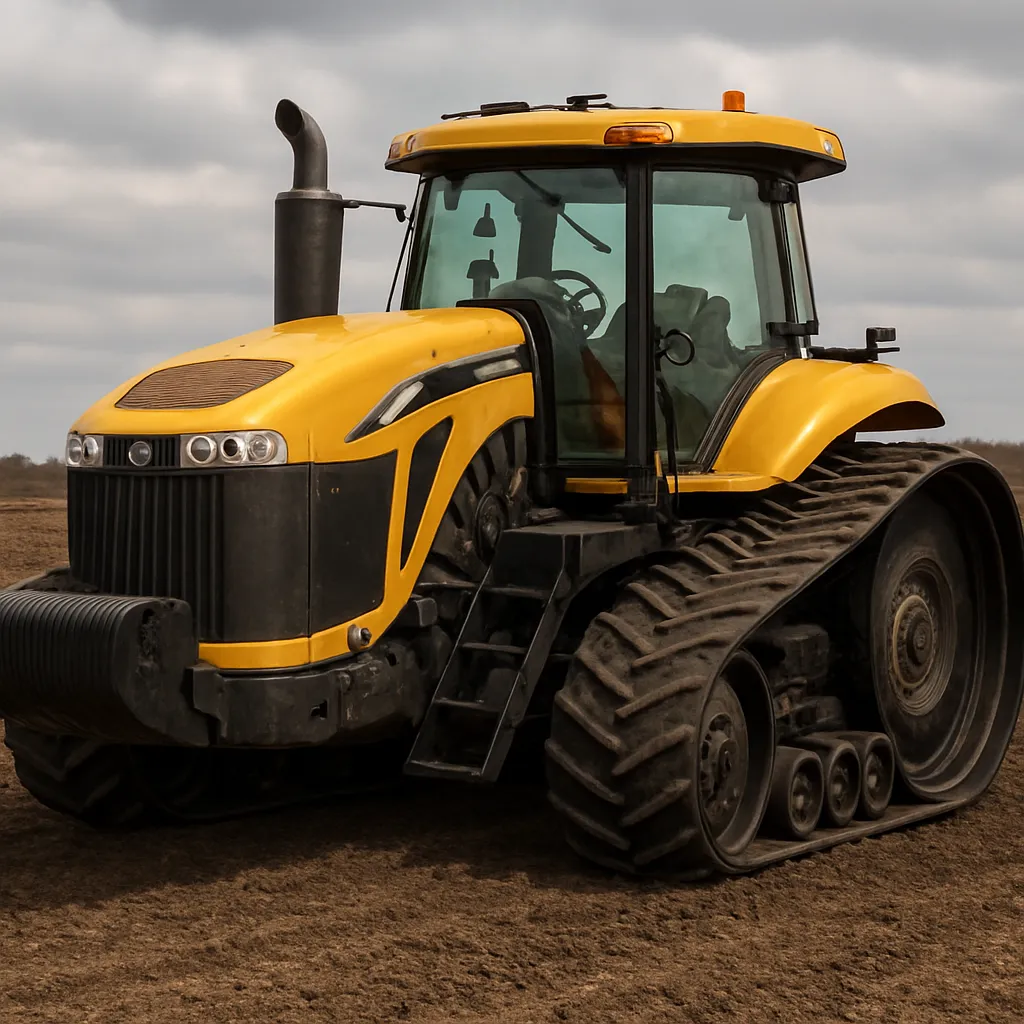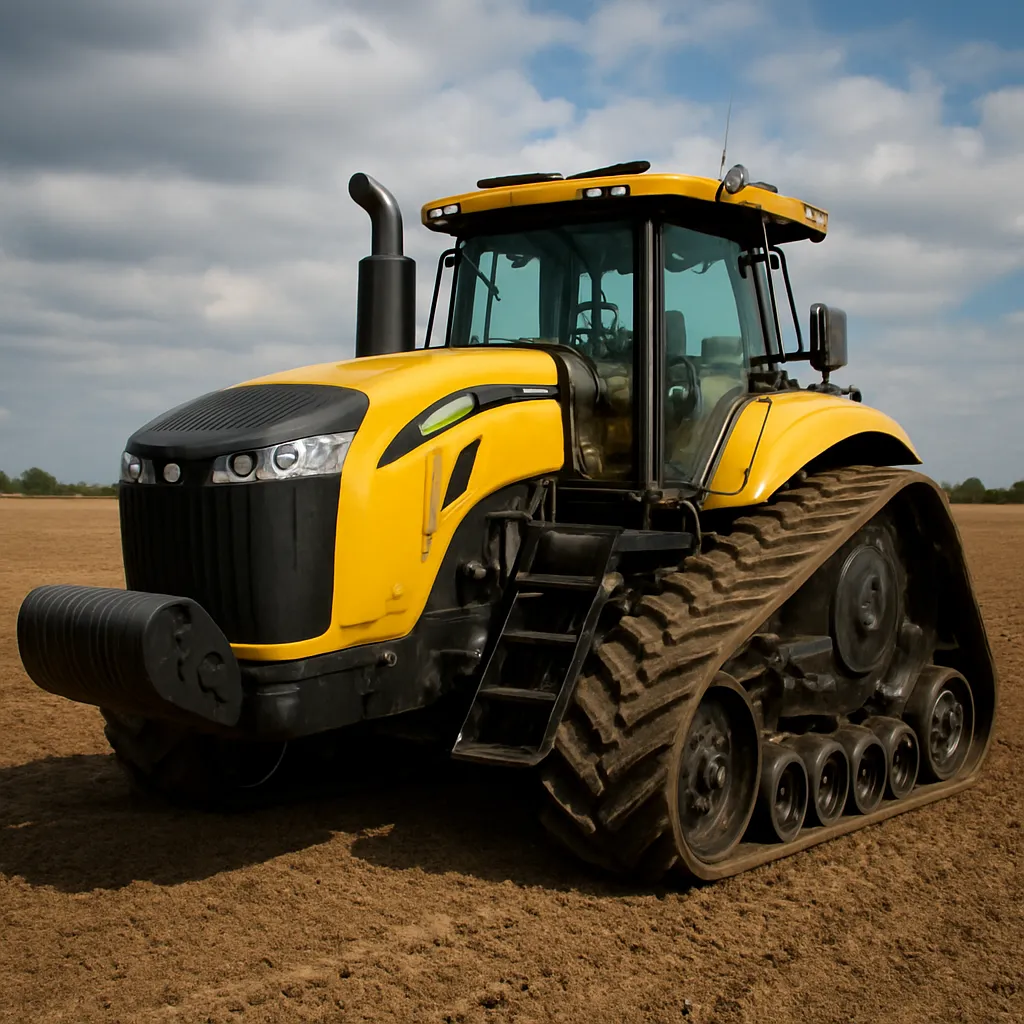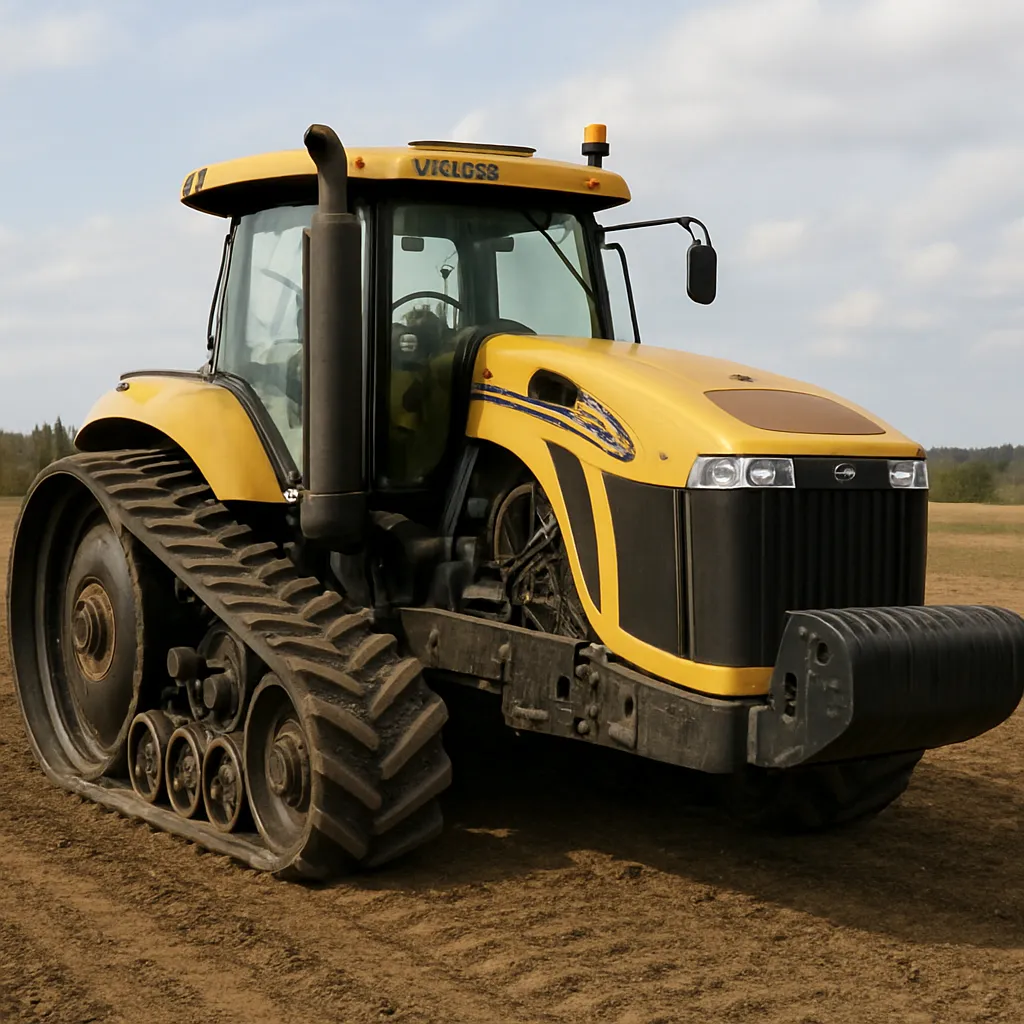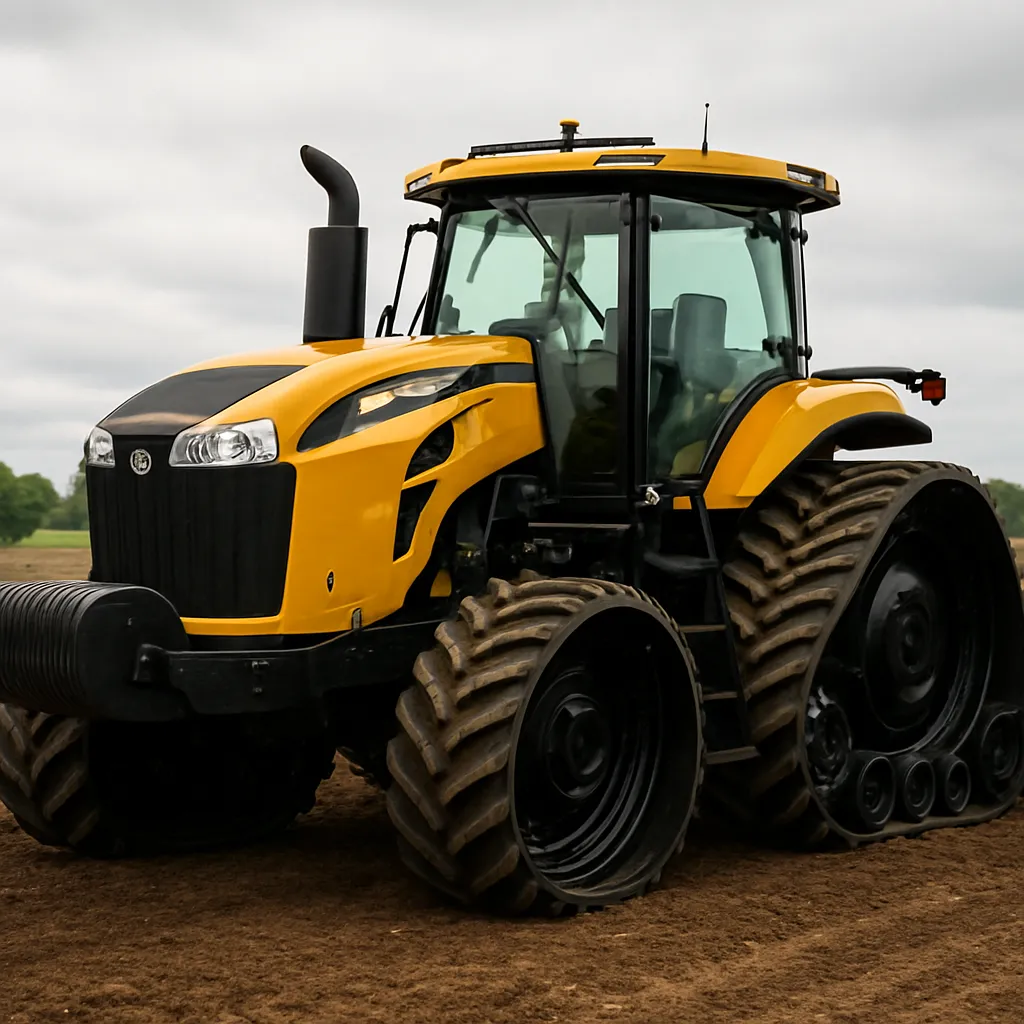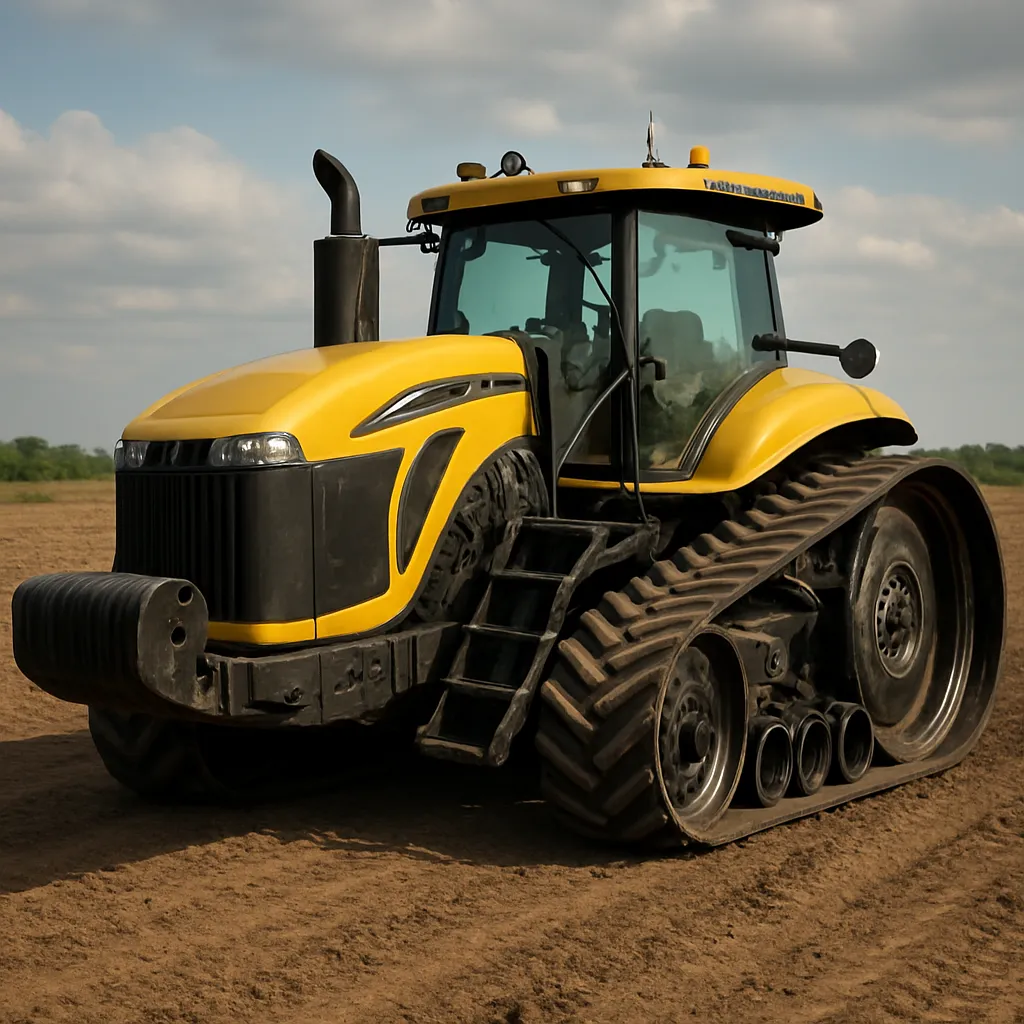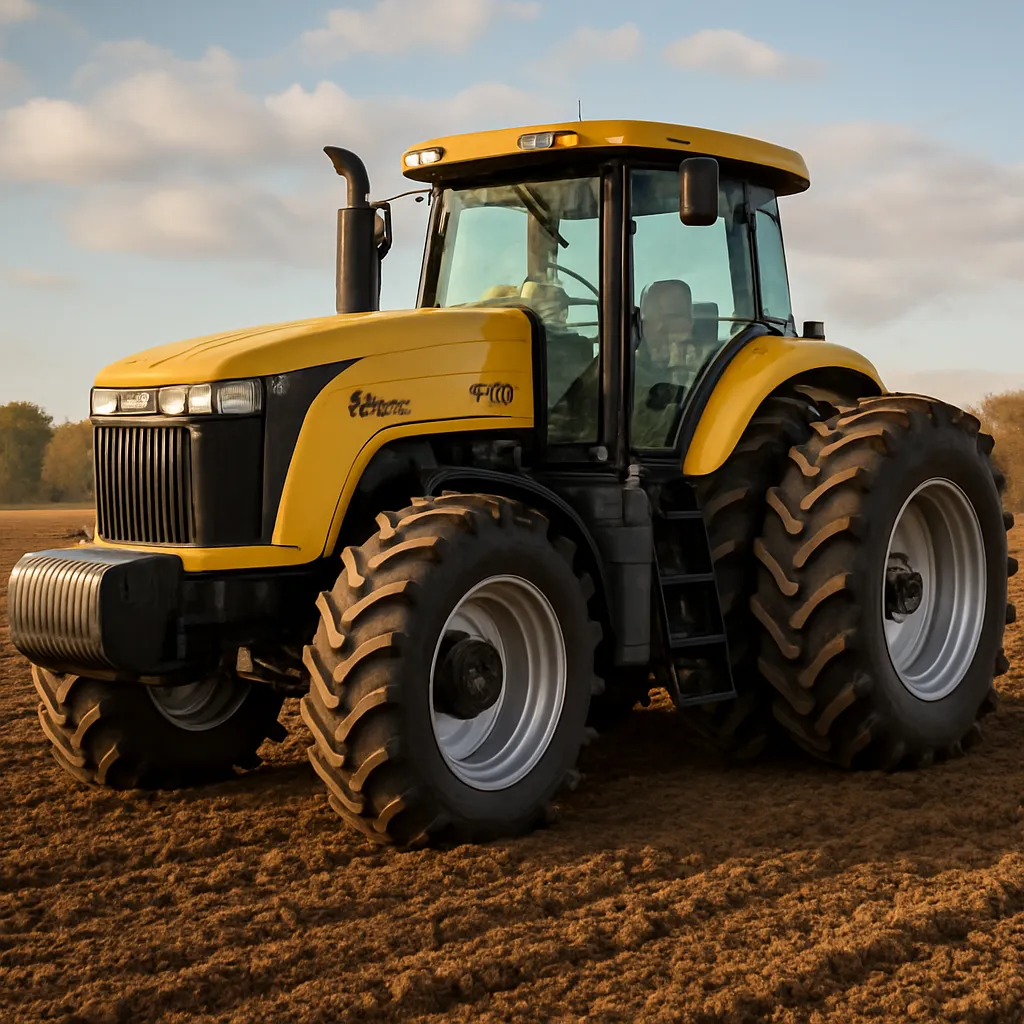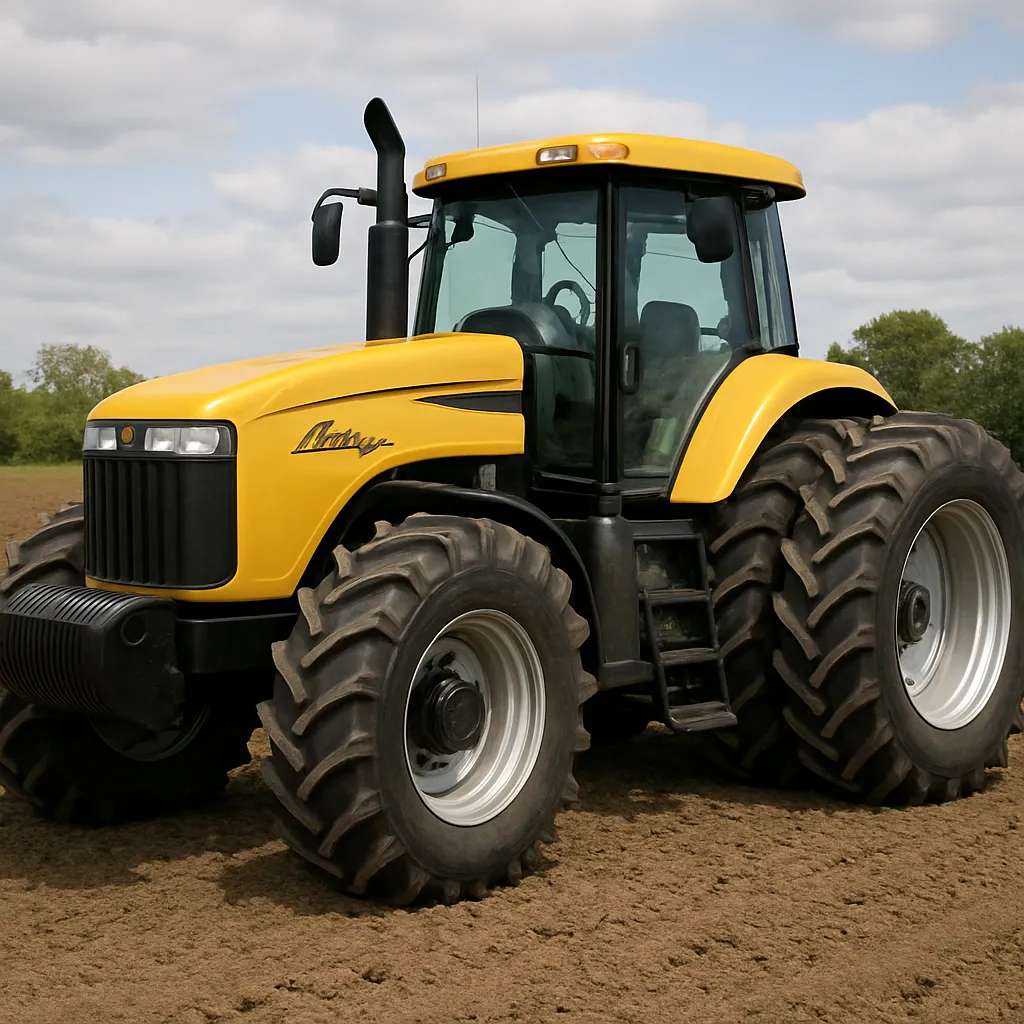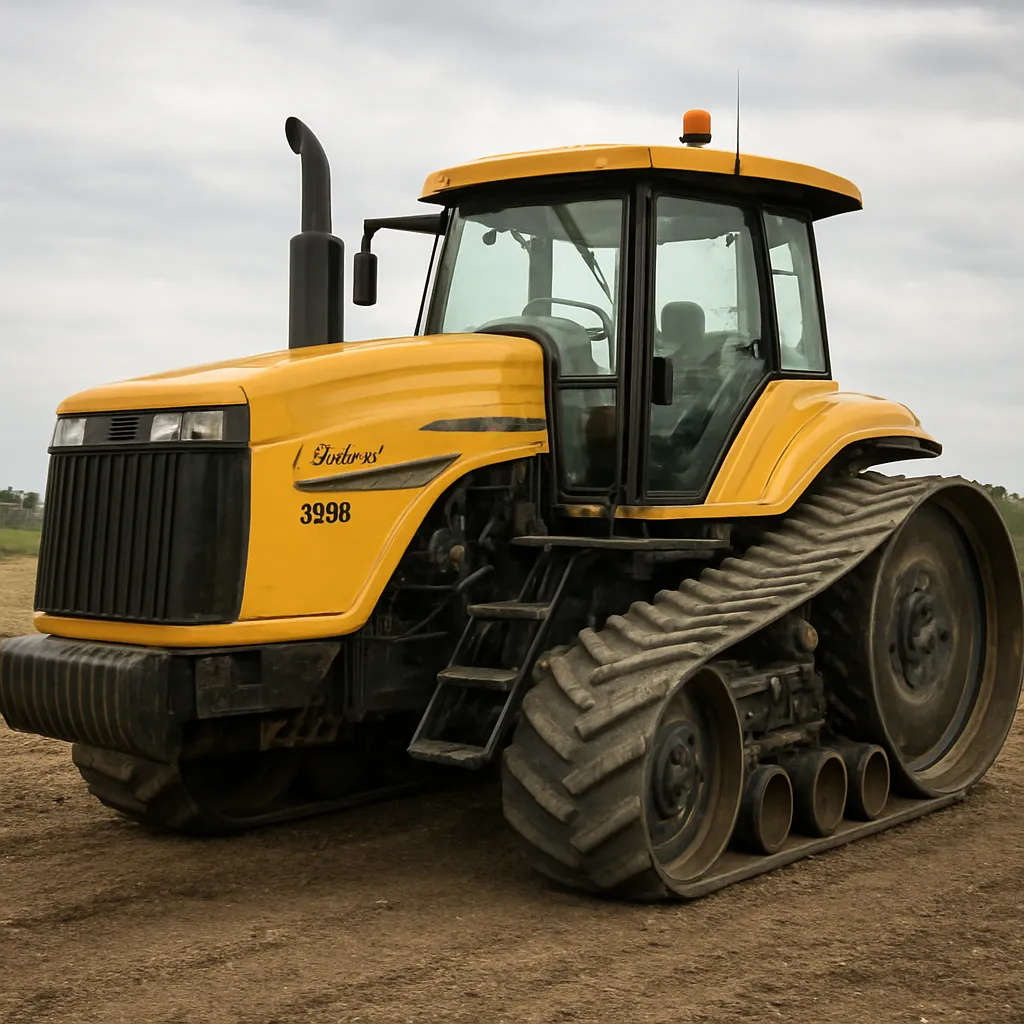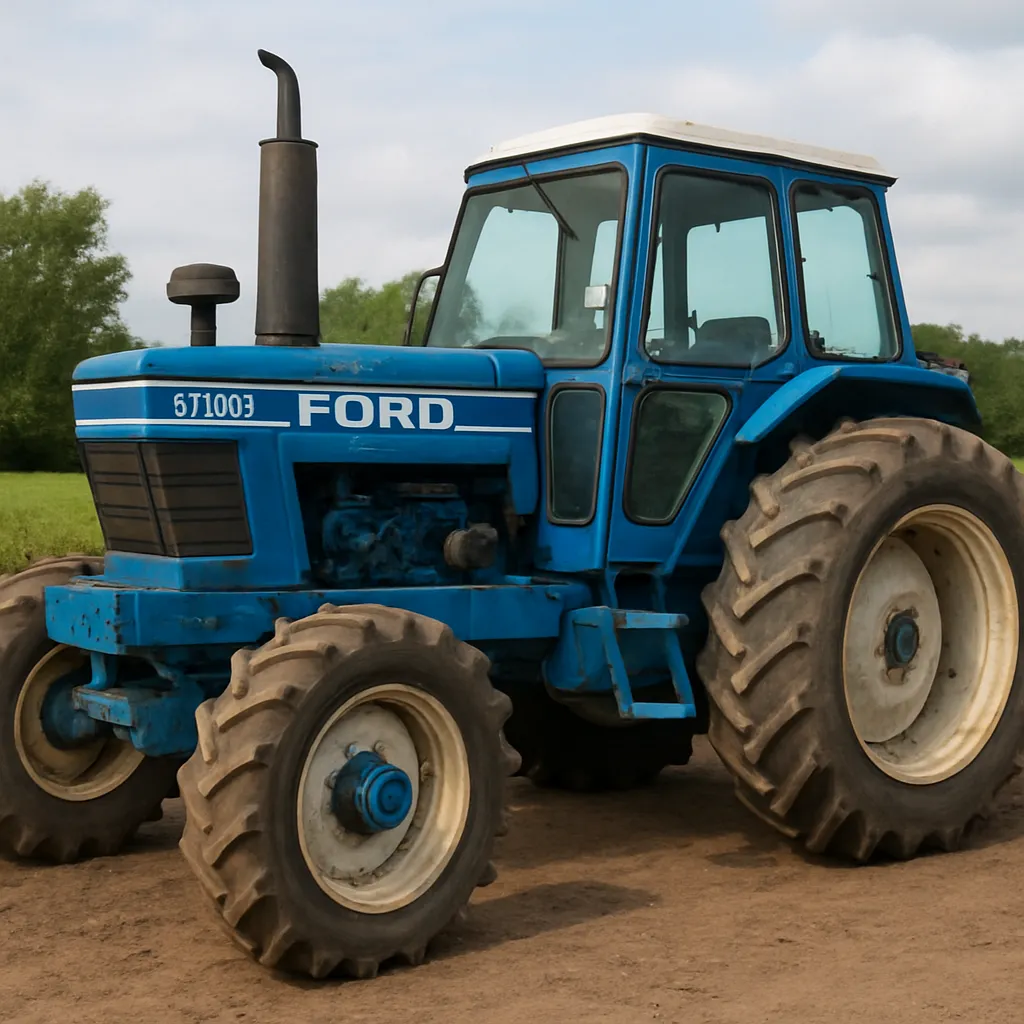
The Ford 9700 is a classic agricultural tractor that earned a reputation for solid performance, practical design and broad utility across farms and contractors. Built during an era when agricultural mechanization was becoming increasingly sophisticated, this model combined robust engine options, straightforward serviceability and adaptable drivetrain and hydraulic systems. In this article, we explore the history, technical characteristics, typical uses, market presence and practical ownership considerations of the Ford 9700, presenting both qualitative insights and commonly cited numerical data where available. The goal is to provide a comprehensive resource for enthusiasts, prospective buyers and professionals who encounter this machine in the field.
Origins and historical context
The Ford 9700 appeared as part of Ford’s lineup of heavy-duty row-crop and utility tractors that targeted medium-to-large farms and contracting operations. Developed in the context of the 1970s and 1980s expansion of mechanized farming, the model benefitted from lessons learned in earlier Ford lines as well as cooperative engineering with suppliers of diesel engines, transmissions and hydraulics.
While Ford’s tractor division underwent multiple organizational changes, including partnerships and later integration into what became New Holland, the 9700 remained a recognizable model with steady demand thanks to its mix of durability and functional simplicity. The tractor was marketed across North America, Europe and other agricultural regions, often localized with different options to match market needs—such as varying tyre sizes, cab configurations and power take-off (PTO) setups.
Design and technical characteristics
The Ford 9700 was designed to handle a wide range of heavy tasks. Its architecture reflects priorities that were common for work tractors of the era: a strong frame, accessible service points and flexible powertrain and hydraulic systems. Key technical themes include engine performance, drivetrain options, hydraulic capacity and operator ergonomics.
Engine and performance
Most examples of the Ford 9700 are equipped with a six-cylinder diesel engine, available in naturally aspirated and turbocharged variants depending on model year and market. Typical published power figures for machines in the same class commonly fall within a range rather than a single figure because of configuration differences. In practical terms, the Ford 9700 is often associated with a gross engine power band of approximately 110–140 horsepower, while PTO ratings tend to be somewhat lower, reflecting drivetrain losses.
- Engine type: inline six-cylinder diesel (naturally aspirated or turbocharged)
- Typical gross power: approximately 110–140 hp (varies by configuration)
- PTO power: commonly in the range of 90–120 hp depending on drivetrain and accessories
- Cooling: liquid-cooled system with serviceable radiator and fan assembly
Torque characteristics are engineered for strong low-end pulling ability, useful in tillage and heavy draft work. Fuel system and governor tuning were designed for steady delivery under load rather than aggressive peak output, which contributes to longevity when the tractor is used in demanding applications.
Drivetrain and transmission
The Ford 9700 was sold with a selection of transmission options to suit different productivity needs and operator preferences. Manual synchromesh gearboxes and semi-powershift or full powershift transmissions were available in various markets. Typical offerings included multi-range gearboxes providing anywhere from 8 to 16 forward gears, often with a creeper option for very low speed tasks.
- Transmission types: manual (synchromesh), power shift / semi-powershift (market dependent)
- Number of gears: commonly 8–16 forward gears with multiple ranges
- Drive options: 2WD and 4WD versions available, depending on wheelbase and spec
These transmission choices allowed the 9700 to be matched to tasks like heavy draft ploughing (requiring fewer, stronger ratios) or baling and transport (requiring higher road speeds and finer gear steps). Four-wheel-drive models improved traction and reduced slip in adverse field conditions.
Hydraulics, three-point hitch and PTO
Hydraulic performance was a focal point for the Ford 9700, intended to support a wide range of mounted and trailed implements. The tractor typically provided a robust three-point hitch with adjustable draft control and category II hitch dimensions on many examples. Hydraulic flow rates varied with the pump option, but the system was designed for consistent implement operation.
- Hydraulic system: open-centre hydraulic pump with one or more remote outlets
- Three-point hitch: Category II with draft control and adjustable stabilizers
- PTO: 540 rpm as standard in most markets; 1000 rpm optional or available on some specs
The availability of 1000 rpm PTO on some configurations made the 9700 suitable for heavy balers, large mowers and other high-power driven implements, increasing its overall versatility.
Cab, ergonomics and operator environment
The cab design on the Ford 9700 prioritized operator visibility, comfort for long hours and straightforward controls. Depending on year and trim, cabs ranged from basic ROPS and open-station layouts to fully enclosed, heated cabs with soundproofing, defined instrument clusters and comfortable seating.
- Cab options: open station, enclosed cab with heater, upgraded cab interiors on later or premium trims
- Visibility: large glazed areas and sloping hood for good forward sightlines
- Controls: logically grouped levers and a clear instrument panel for engine and hydraulic monitoring
While not as plush as modern tractors, the Ford 9700’s operator area was built for functionality, and many owners report that ergonomics remain serviceable even by contemporary standards for used equipment.
Typical applications and field performance
The Ford 9700 is a multi-role machine. Its combination of engine torque, durable transmission choices and capable hydraulics make it suitable for a broad spectrum of agricultural and non-agricultural tasks. Typical uses include heavy tillage, large-scale seedbed preparation, transport, hay and forage operations, and contractor work.
Arable farming and tillage
For ploughing, cultivator work and harrowing, the Ford 9700 shines because of its steady low-end torque and traction capabilities. When fitted with appropriate tyres and ballast, it can pull large multi-furrow reversible ploughs or deep-subsoiling equipment. Farmers often pair this tractor with wide seed drills and heavy-mounted cultivators for medium-to-large acreages.
Hay, forage and baling
With optional 1000 rpm PTO, the 9700 can power large balers, forage harvesters and heavy mowers. Its hydraulic lift capacity and stable hitch geometry lend themselves well to both mounted and trailed forage equipment. The tractor’s ability to sustain PTO loads for extended periods is valued by contractors and livestock farms alike.
Contracting and road transport
Contractors appreciate the Ford 9700 for its towing capacity and reliability in day-to-day service. With a powershift transmission and suitable gearing, the tractor performs road transport duties such as trailer towing and slurry tanker operations. Its weight and balance provide stability when carrying front loaders or heavy rear-mounted implements.
Market presence, resale and statistical notes
Quantitative historical production figures specific to the Ford 9700 can vary by region and manufacturer records, and comprehensive global production totals are not always consolidated in public sources. However, some general observations about market presence, resale values and parts availability are widely reported among owners and dealers.
- Production era: primarily marketed during the late 1970s and throughout the 1980s in many regions, with continued sales of used examples for decades afterward.
- Market niches: strong presence on medium-to-large farms and in contractor fleets due to its horsepower bracket and durability.
- Used market: steady demand for well-maintained examples; resale value correlates strongly with hours, maintenance history and any cab or hydraulic options.
- Parts availability: replacement parts for engine, transmission and hydraulics remain broadly available through specialist suppliers, aftermarket networks and parts retailers focused on legacy Ford and New Holland models.
Specific performance statistics reported by owners often include typical fuel consumption in field work and road transport. While exact fuel burn depends on load and duty cycle, many operators list consumption figures in the range of 15–30 liters per hour under heavy PTO or draft loads and lower figures (e.g., 8–15 l/h) for steady road transport—again, highly contingent on engine tuning, work being done and tractor condition.
Maintenance, common issues and longevity
The Ford 9700’s design emphasizes serviceability: routine maintenance points were made accessible and the mechanical systems are generally straightforward to diagnose and repair. Common maintenance themes and recurring issues reported by the owner community include routine engine and fuel system care, hydraulic system checks and attention to transmission seals and clutch wear.
- Routine maintenance: regular oil and filter changes, fuel filter service, coolant checks and valve clearance inspections.
- Hydraulics: periodic checks for pump wear, hose condition and hitch linkage lubrication help maintain lift capacity and response.
- Transmission: watch for clutch slippage or power-shift module wear on machines with heavier service histories; early attention to seals prevents fluid contamination.
- Electrical: original wiring harnesses can suffer from wear and corrosion; replacing aging connectors and monitoring alternator output is prudent.
With proper care, many Ford 9700 tractors remain operational after several decades. A well-maintained example can deliver thousands of hours of service beyond what many buyers expect from older equipment. Owners who preserve service records and replace wearable components proactively tend to get the best long-term value.
Restoration, modification and modern upgrades
Classic tractor enthusiasts and working farmers alike undertake restoration and modernization projects on Ford 9700 units. Typical upgrades aim to improve comfort, safety or efficiency while preserving the machine’s core mechanical integrity.
- Cab upgrades: adding better seating, improved heating or soundproofing to increase operator comfort during long shifts.
- Electrical modernisation: installing modern alternators, LED lighting and updated starter systems to improve reliability.
- Fuel system tuning: upgrading injectors and pumps where practical to restore performance and reduce smoke under load.
- Conversion and retrofits: fitting GPS guidance, basic telematics or modern implements via compatible hitch and PTO adaptors.
Many farmers choose targeted upgrades—such as improved tires, front ballast and a front loader—to extend the tractor’s utility without undertaking full restoration. Because replacement parts remain accessible, such projects are achievable for mid-level mechanically capable workshops.
Comparisons and place in the tractor landscape
Within its power class, the Ford 9700 competes conceptually with other late-20th-century tractors from manufacturers such as Massey Ferguson, John Deere, International/Case and Fiat/New Holland. Where the 9700 typically distinguishes itself is in its blend of straightforward mechanical systems, a reputation for reliability and flexibility across applications.
Compared to newer tractors, the 9700 may lack some modern amenities—electronic engine management, advanced power shift transmissions, and highly refined cabins—but in return it offers easier do-it-yourself servicing and lower acquisition cost in the used market. For many operations, the 9700 strikes a pragmatic balance between capability and total cost of ownership.
Practical buying tips
Prospective buyers should perform a careful inspection and request service histories if available. Useful checkpoints include engine compression, signs of smoke under load, transmission engagement and clutch feel, hydraulic lift responsiveness, PTO smoothness and physical frame integrity (no significant cracks or welded repairs in load-bearing areas).
- Hours and service records: verify operating hours against maintenance receipts and look for regular oil/filter changes.
- Test under load: evaluate engine and transmission with a short task such as ploughing or pulling a heavy trailer to reveal performance under real conditions.
- Hydraulic check: raise and lower mounted equipment through the full travel to test for leaks and responsiveness.
- Consult community: local owners’ clubs and online forums for the Ford/New Holland community often provide model-specific advice about weak points and parts interchangeability.
Legacy and concluding remarks
The Ford 9700 remains a valued member of the classic tractor community and a practical tool on many working farms worldwide. Its mix of durable engineering, adaptable configuration options and reasonable access to parts and service make it an enduring choice for buyers who prioritize functional performance over modern electronic sophistication. Whether used for heavy tillage, baling operations, contracting or straightforward haulage, the 9700 continues to demonstrate a resilience that reflects its original design priorities: steady power delivery, dependable hydraulics and straightforward maintenance.
Final note: when evaluating a particular Ford 9700, consider how the tractor will be used, the availability of parts in your area and whether any desired upgrades are compatible with the specific transmission and electrical systems of the unit you are considering. Proper servicing and sensible modernization can keep a Ford 9700 productive and economical for many more seasons.