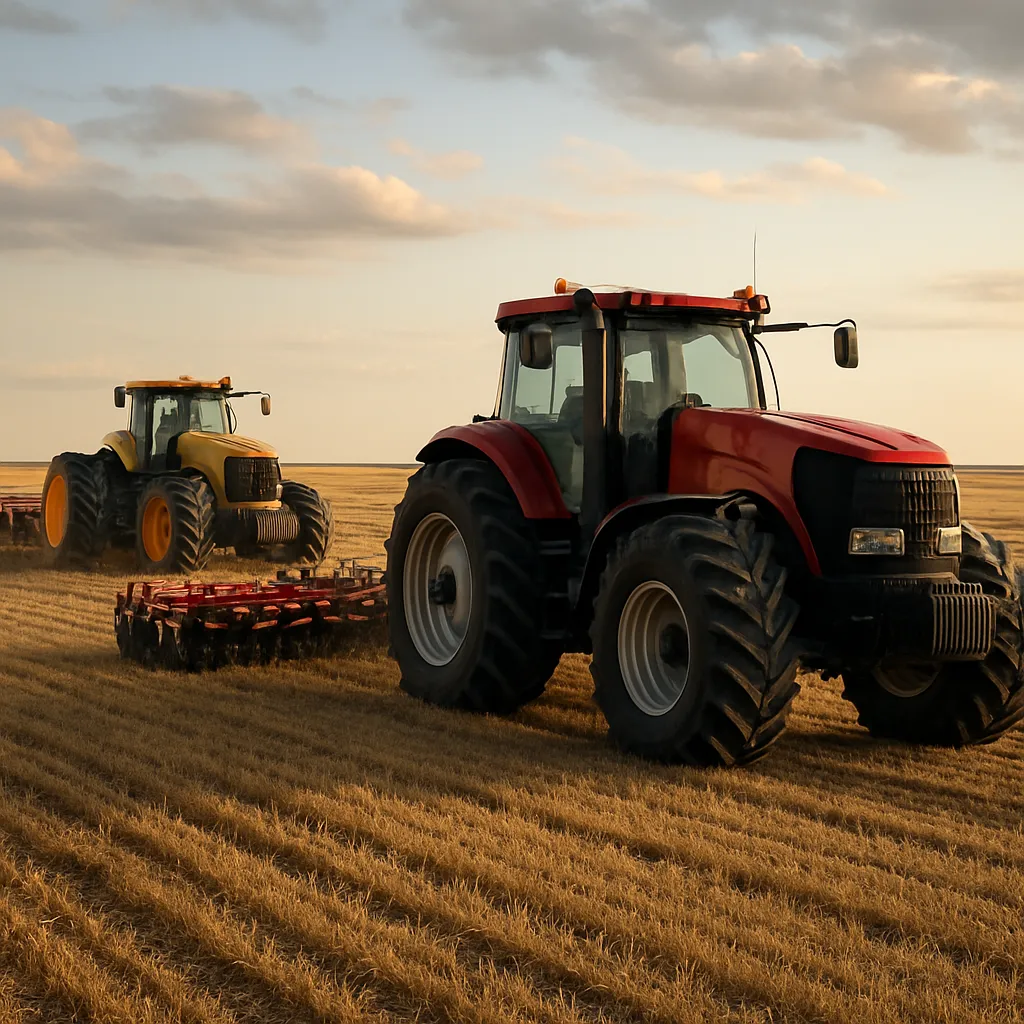
Across the vast expanses of the Canadian Prairies, the adoption of ultra-powerful tractors has transformed the landscape of modern agriculture. Farmers now rely on these mechanical behemoths to cultivate millions of acres each season, capitalizing on technological advances that boost productivity and drive farm consolidation. From historic steam-powered units to today’s GPS-guided giants, the evolution of prairie tractors reflects a relentless pursuit of efficiency and innovation.
Historic Evolution of Large-Scale Prairie Tractors
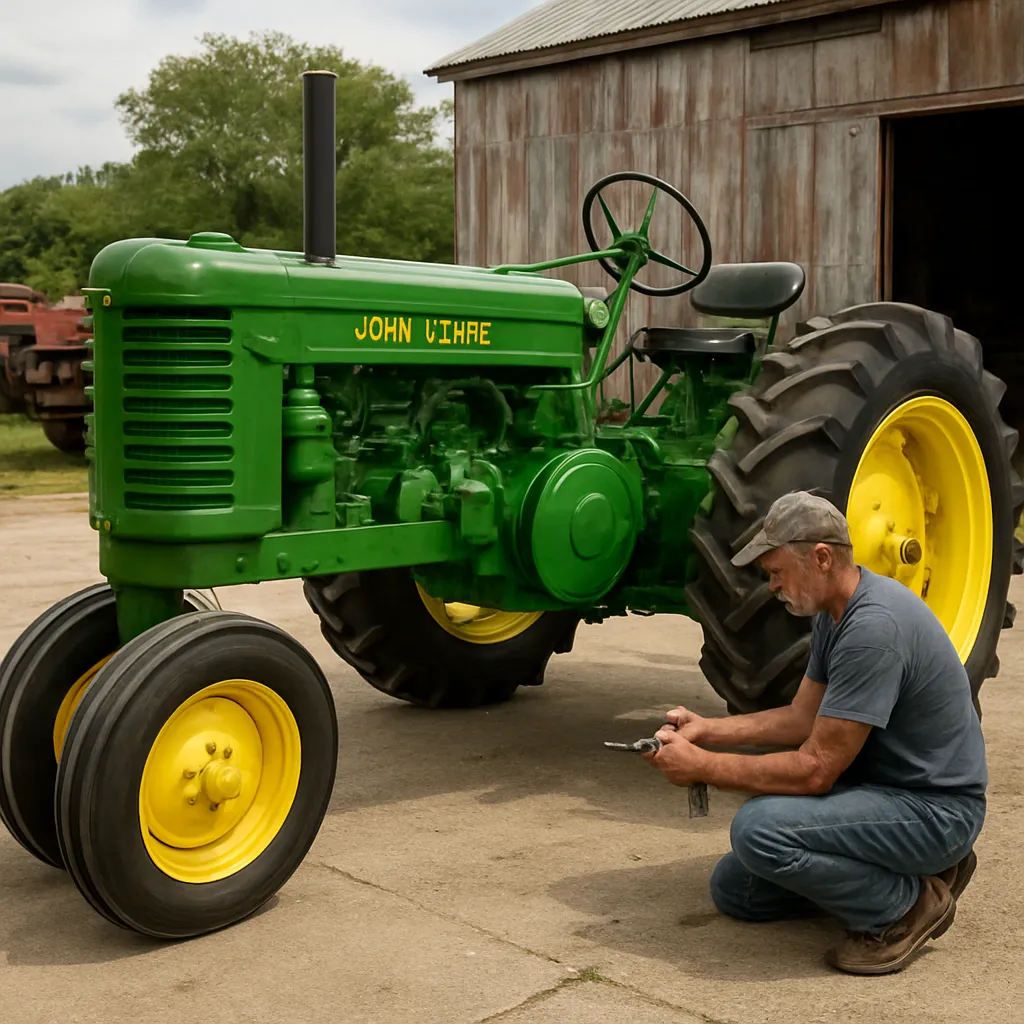
Early prairie settlers depended on teams of draft horses and modest single-axle tractors to work tough loam soils. As farms grew in size, the demand for greater traction and pulling power spurred the development of multi-wheeled machines. By the mid-20th century, manufacturers introduced four-wheel drive and tracked tractors capable of harnessing unprecedented horsepower.
Transition from Steam to Diesel
The first mechanical tractors were steam-driven and weighed in excess of 10 tonnes, yet delivered barely 40 horsepower to the drawbar. The switch to diesel engines in the 1920s revolutionized field work by providing more reliable torque, better fuel economy, and easier operation. These early diesel tractors paved the way for continuous improvements in powertrain design, enabling tractors to exceed 500 horsepower by the late 1970s.
Rise of Four-Track and Tracked Designs
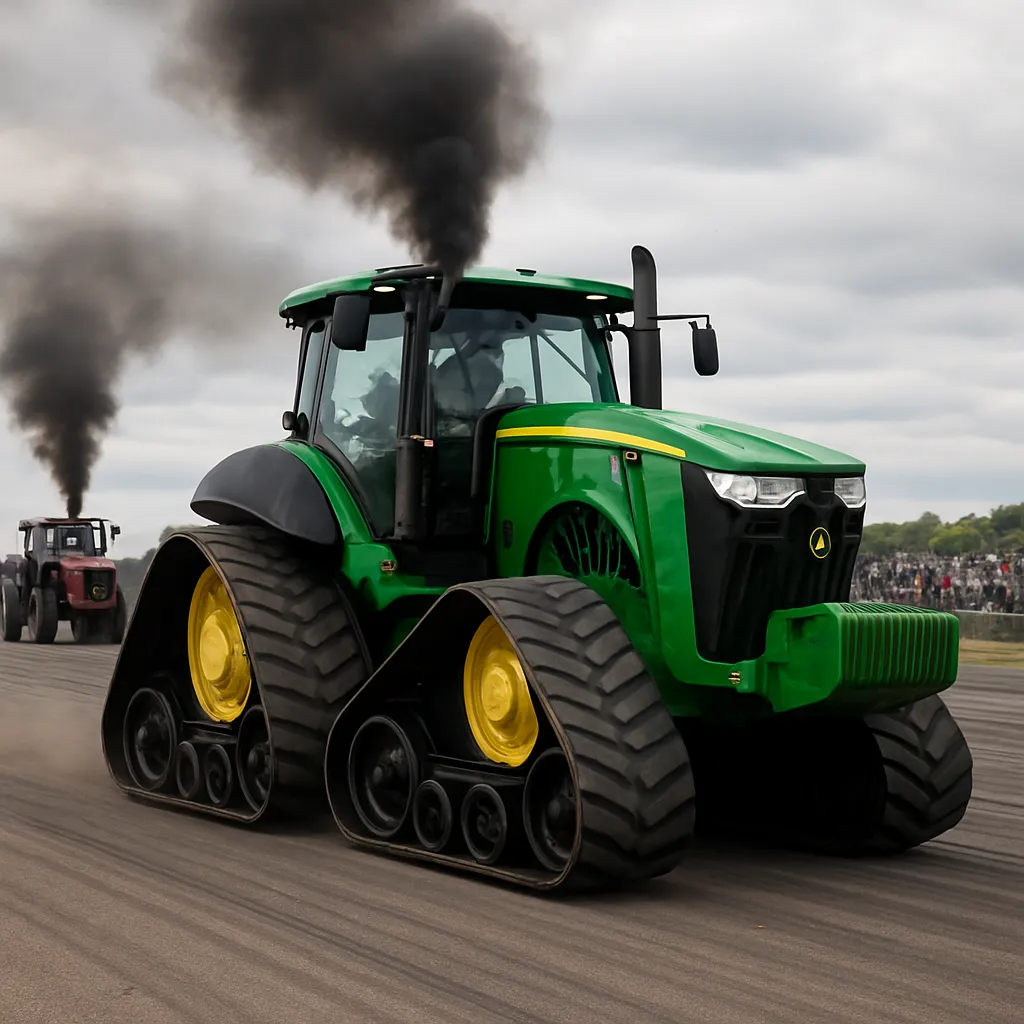
Conventional two-wheel drive models often struggled with soil compaction and slippage on wet prairie ground. The introduction of dual-wheel configurations and later full four-track systems mitigated these issues by distributing weight over a larger surface area. This design shift reduced compaction, improved traction, and allowed farmers to work fields earlier in the spring with minimal crop damage.
Modern Giants on the Fields
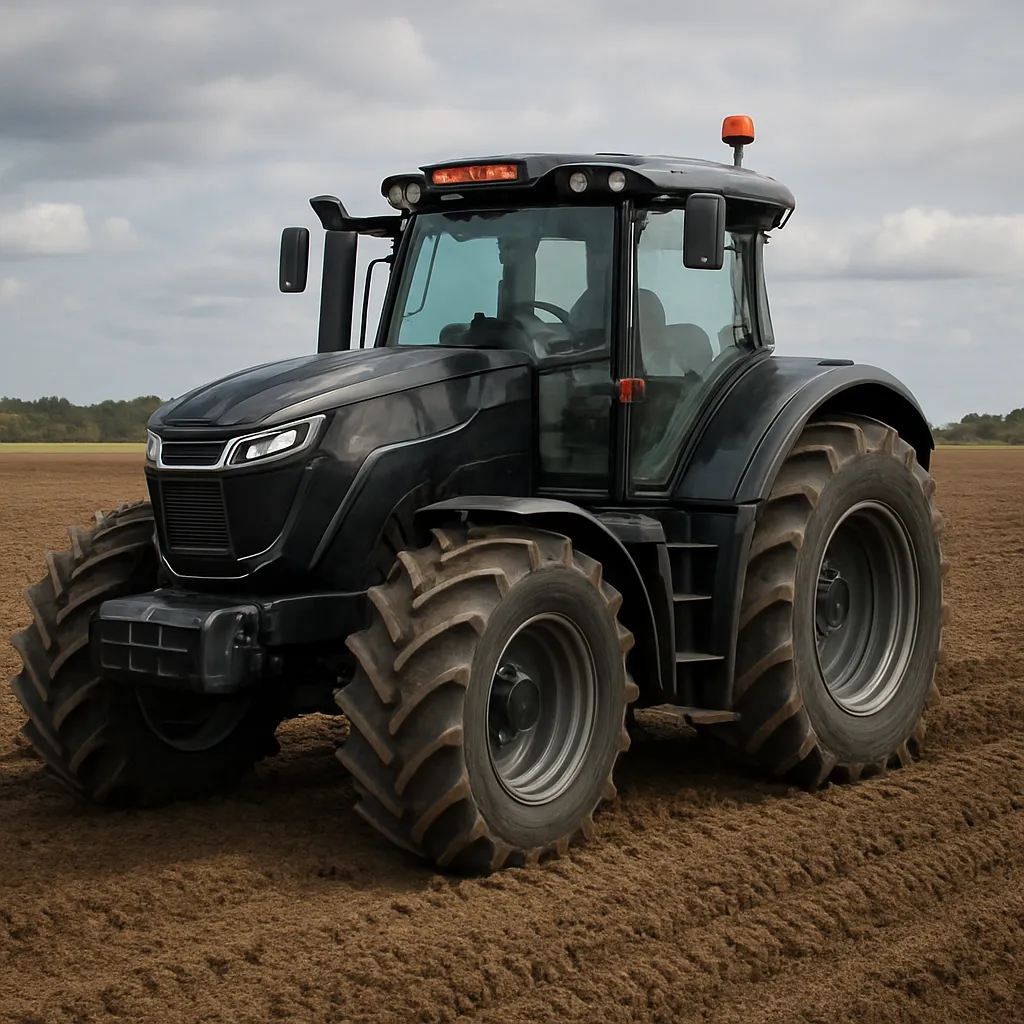
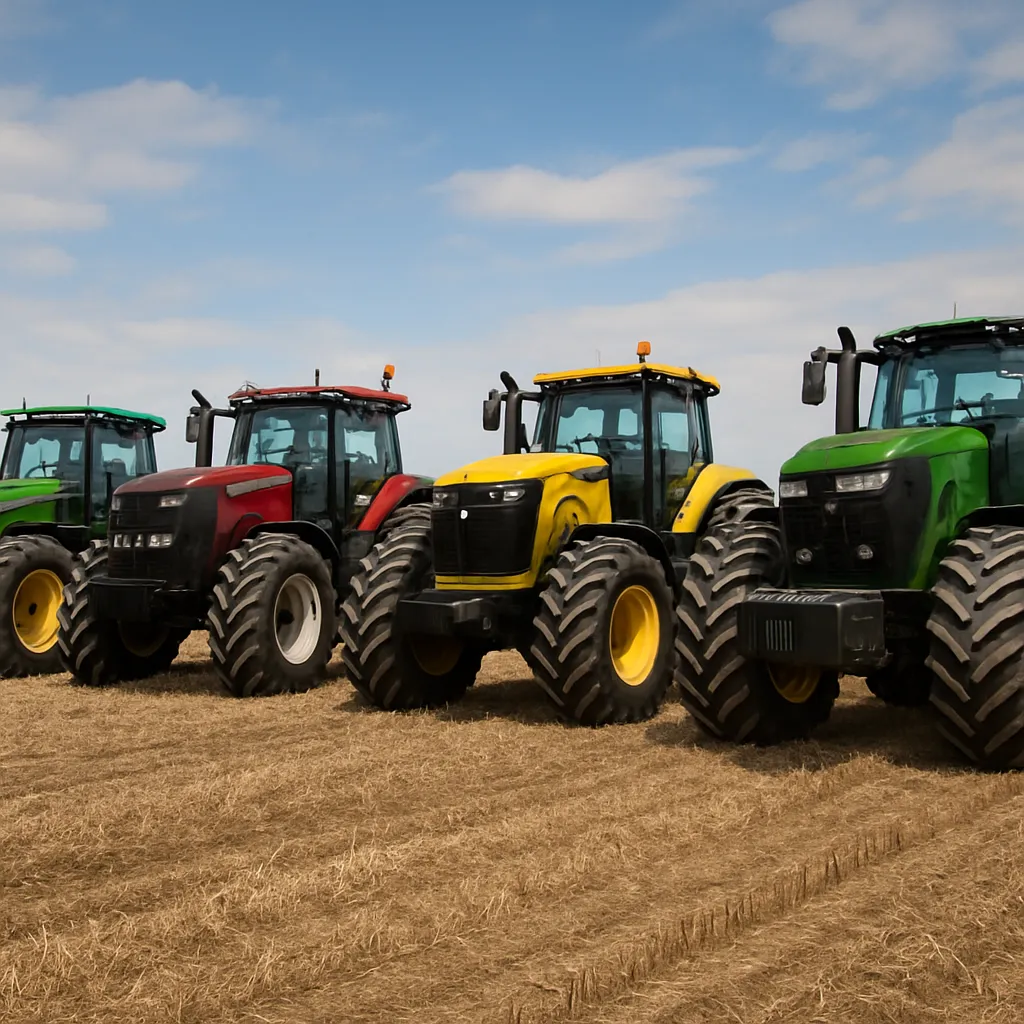
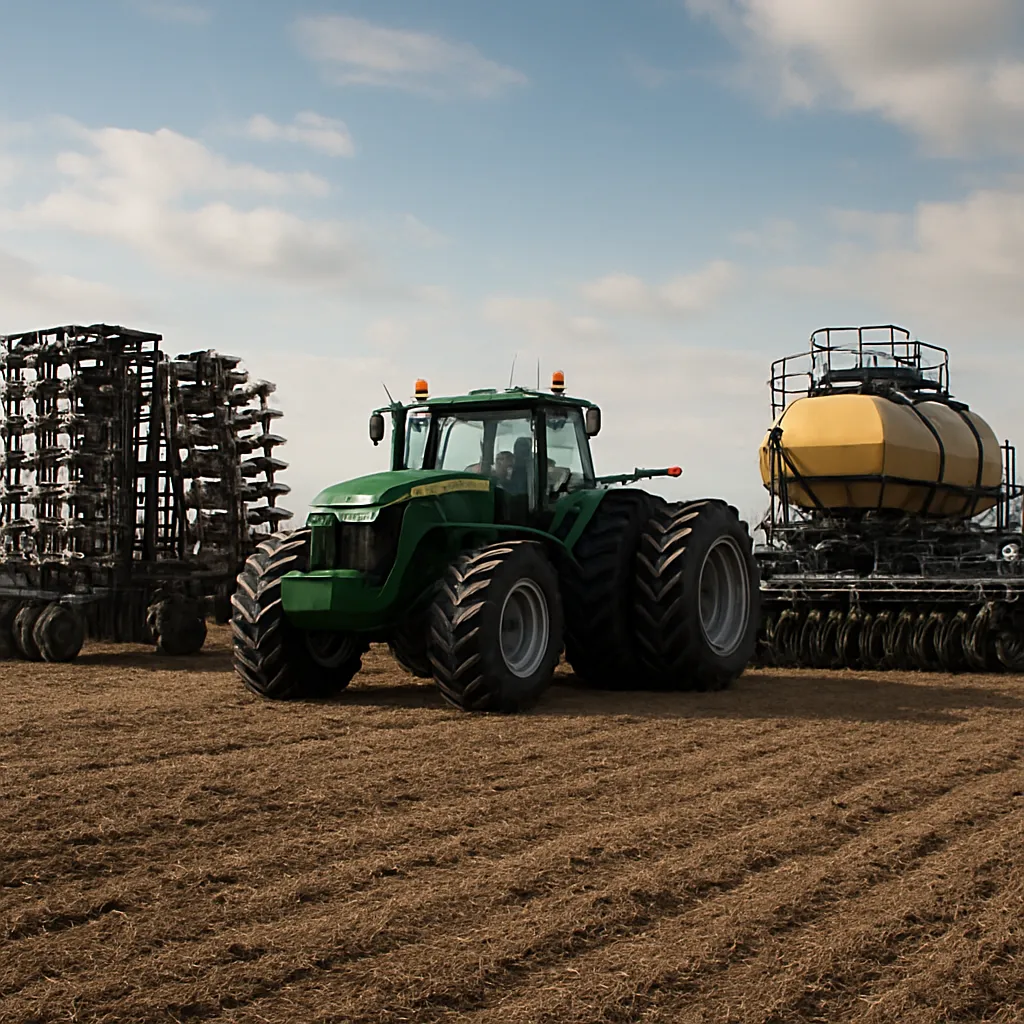
Today’s top tractors on the Canadian Prairies boast over 600 engine horsepower, advanced suspension systems, and fully integrated precision guidance. A handful of manufacturers dominate this elite category, offering machines designed for farms exceeding 10,000 acres.
- John Deere 9RX Series: Available in 470–620 engine horsepower configurations, four rubber tracks, and a fully integrated StarFire guidance system.
- Case IH Quadtrac 620: Delivers 620 engine horsepower, patented triple-bogey track suspension, and AFS AccuGuide auto-steering for sub-inch accuracy.
- Fendt 1100 Vario MT: Produces up to 517 horsepower, Vario continuously variable transmission, and VarioGrip tyre pressure control for optimized field flotation.
- New Holland T9 Series: Offers up to 682 horsepower, PLM intelligence platform for remote monitoring, and OptiRide suspension for operator comfort.
Key Features and Capabilities
- Engine power ratings from 400 to 700+ horsepower
- Track widths exceeding 76 cm for minimal soil displacement
- Cab luxury with climate control, touchscreen displays, and air-ride seats
- Payload capacities surpassing 40,000 kg for heavy implements
- Advanced telematics for real-time diagnostics and sustainability tracking
Technological Advances Driving Tractor Development
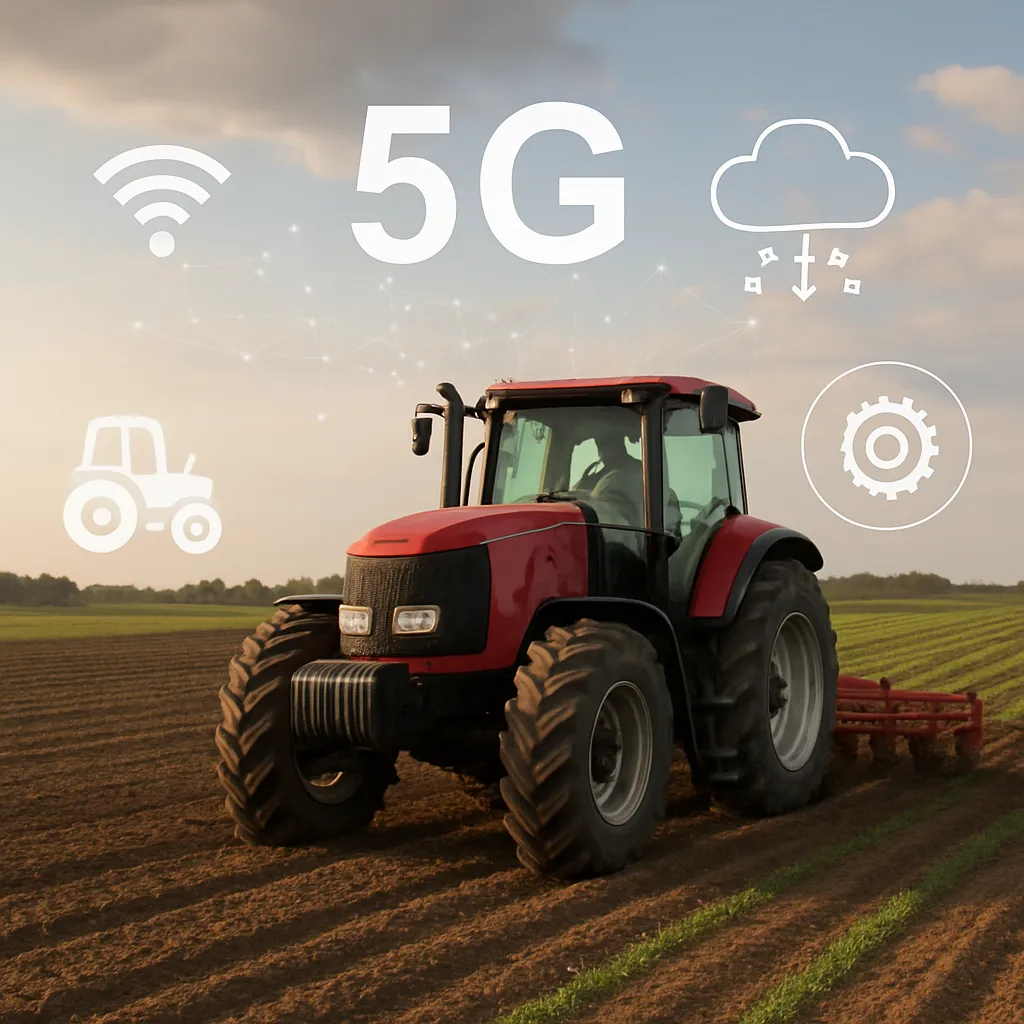
Integration of electronics, sensors, and data analytics has elevated tractors to sophisticated decision-support platforms. Farmers can now monitor machine performance, soil conditions, and crop health from the cab, a smartphone, or a desktop at the farm office.
Precision Agriculture Integration
GPS-enabled guidance systems ensure implements follow exact paths, reducing overlap by up to 90 percent and saving both seed and chemicals. Section control technology automatically shuts off spray sections at headlands, boosting input efficiency and lowering costs. Combined yield mapping and variable-rate application allow site-specific management of nutrients to match soil characteristics.
Autonomy and Remote Operation
Unmanned tractors—equipped with lidar, radar, and camera arrays—are undergoing field trials across the prairies. These autonomous machines promise to work longer hours, reduce labor shortages, and execute seeding or tillage tasks with precision unmatched by human operators. Remote monitoring stations ensure safety and allow technicians to intervene if obstacles arise.
Economic and Environmental Impact
While the upfront investment for a flagship tractor can exceed half a million dollars, the long-term returns often justify the cost on large prairie operations. By reducing fuel consumption per hectare, minimizing rework, and accelerating field turnaround times, these tractors contribute to overall farm productivity and profitability.
Soil Health and Compaction Mitigation
Track and dual-wheel systems distribute weight evenly, lowering ground pressure and preserving soil structure. Farmers can implement shallow tillage and cover cropping more effectively, protecting organic matter levels and preventing erosion. Ongoing research explores how controlled traffic farming—where all machinery follows designated lanes—can further preserve soil porosity and water infiltration.
Energy Efficiency and Emissions
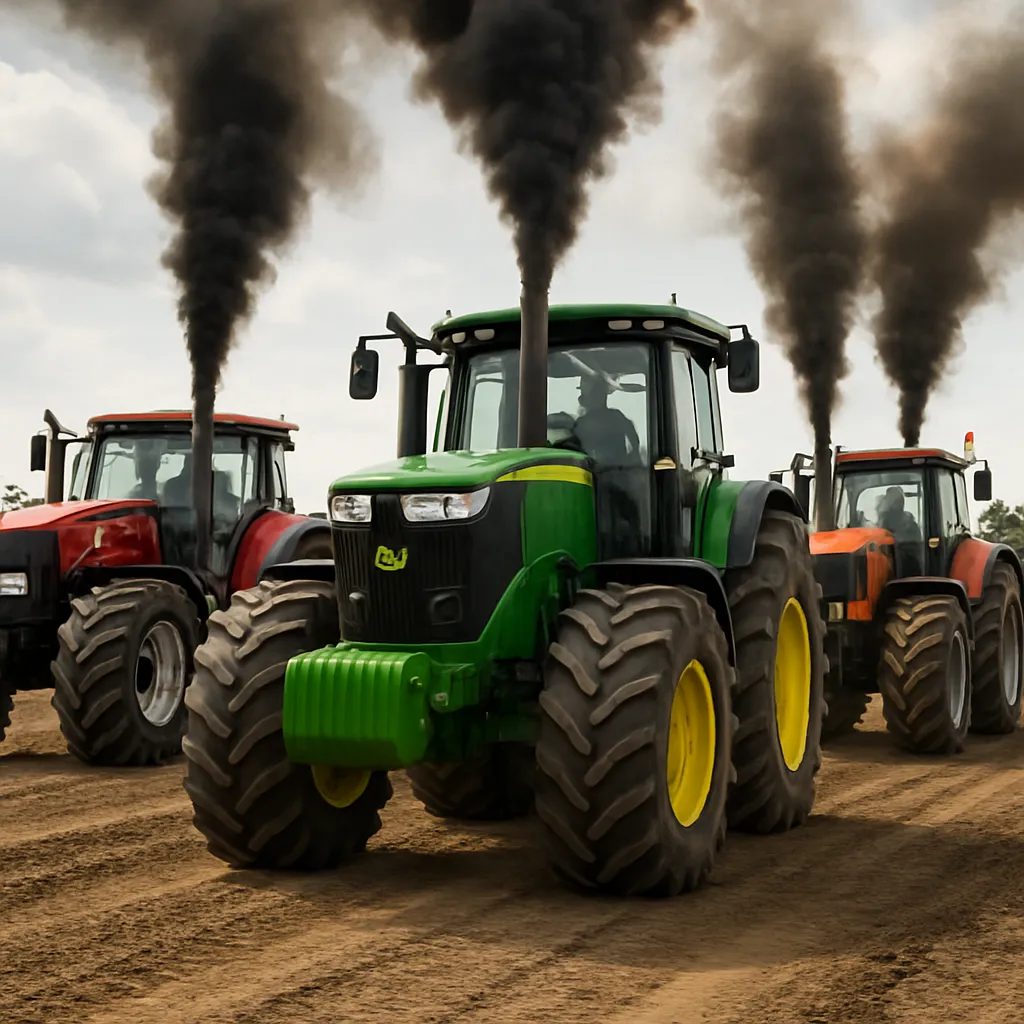
Meeting Stage V emission standards, modern engines feature selective catalytic reduction (SCR) and exhaust gas recirculation (EGR) to minimize harmful outputs. Combined with fuel-efficient hydraulics and on-demand cooling fans, tractors achieve up to 15 percent better fuel economy than models from a decade ago. Electrification of auxiliary systems, such as hydraulic pumps and lighting, further reduces engine load.
Future Trends and Challenges
As farms continue to expand, the appetite for ever-more powerful tractors shows no sign of waning. However, challenges such as rising equipment costs, skilled labor shortages, and evolving environmental regulations will shape the next generation of prairie giants.
Modular Design and Retrofit Options
Manufacturers are exploring modular platforms that allow farmers to upgrade engine units, transmissions, or electronic control modules without replacing the entire tractor. Retrofit kits can add precision components or autonomous capabilities to legacy machines, extending their service life and maximizing return on investment.
Data Security and Connectivity
As tractors become data hubs, ensuring secure transmission of agronomic and operational information is critical. Industry standards for interoperability and encrypted communication protocols will be essential to safeguard farmer data while enabling seamless integration between equipment brands.
Sustainable Mechanization Pathways
Alternative fuels such as biodiesel, hydrogen, and even electric power are under development for heavy machinery. Demonstration projects on the prairies test hybrid drivetrains that combine diesel engines with battery packs or supercaps, aiming to cut greenhouse gas emissions and reduce noise levels during nocturnal operations.