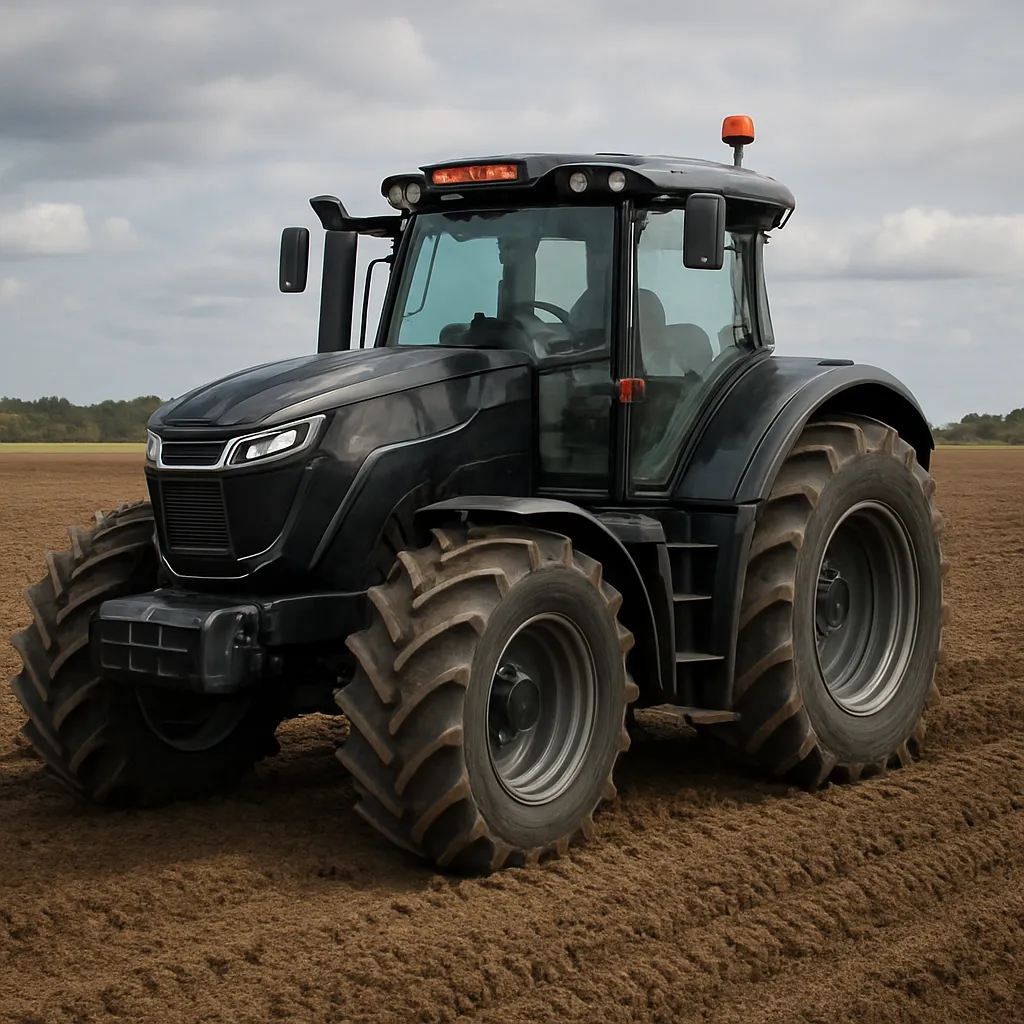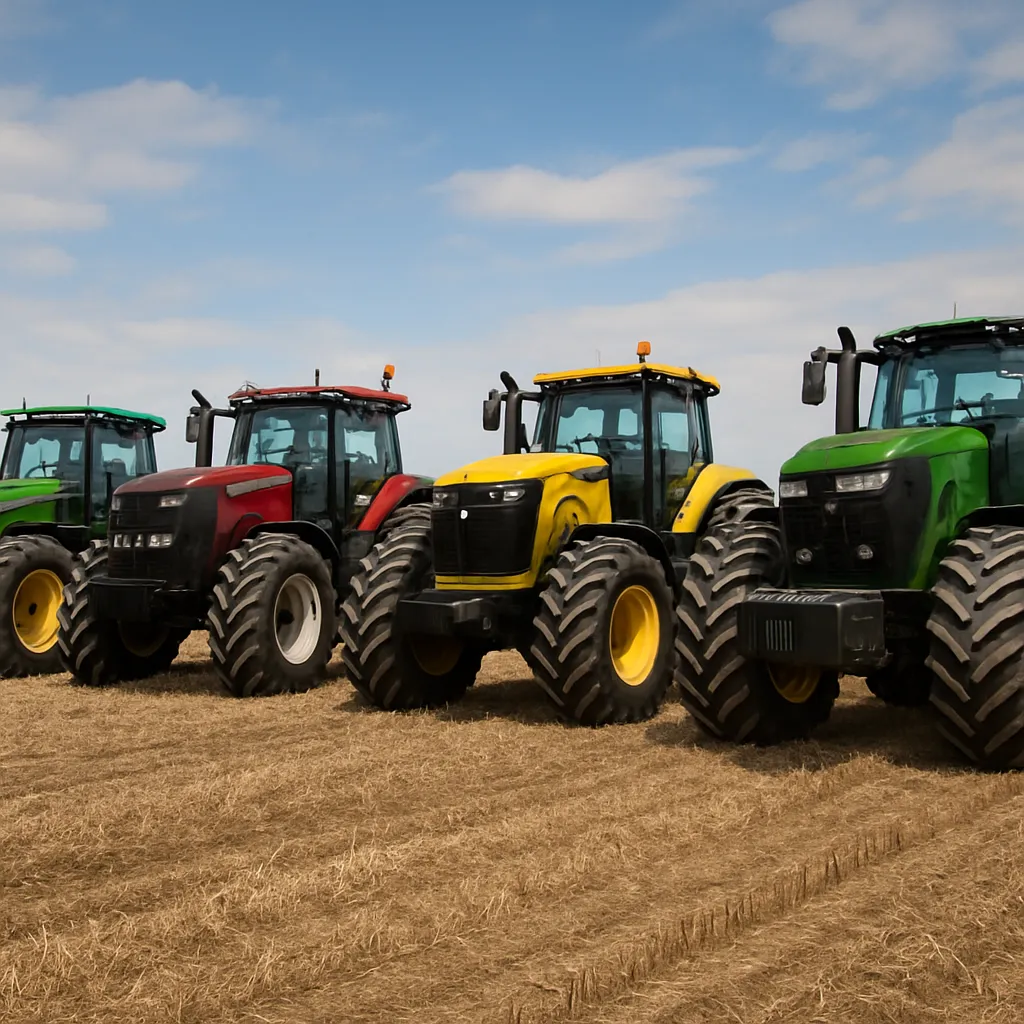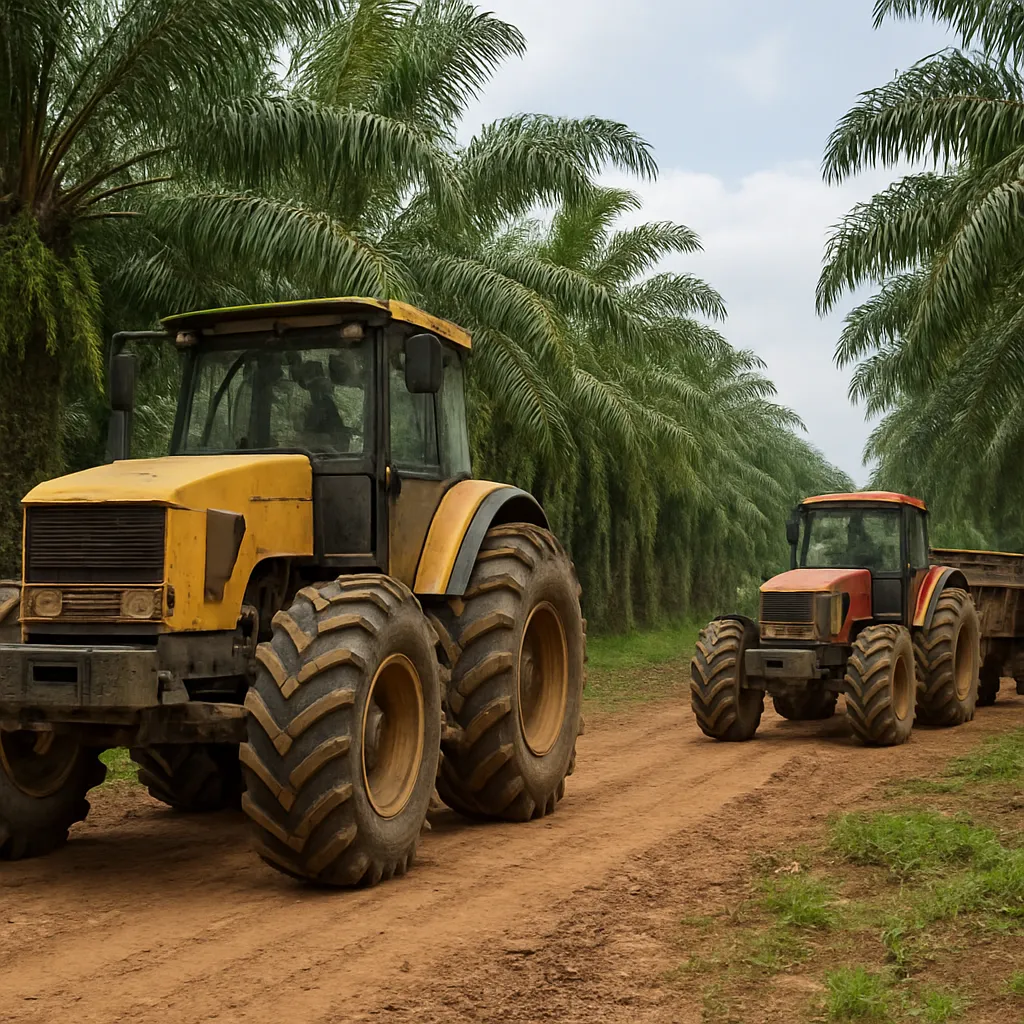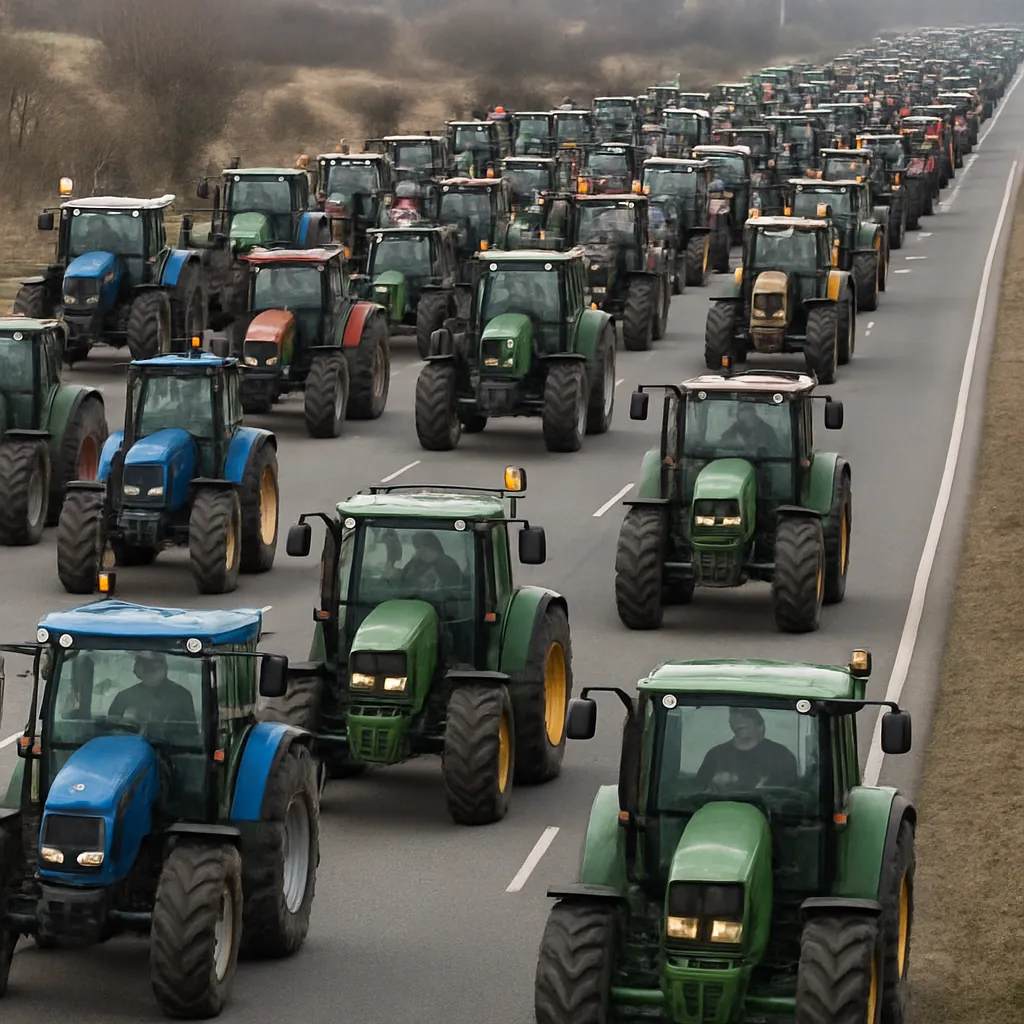
Tractor Power Competitions Featuring the Biggest Machines is an exploration of the awe-inspiring world where giants of agriculture meet the test of strength and endurance. From humble beginnings in early mechanical plows to current leviathans with thousands of horsepower, these machines captivate audiences and farmers alike. This article delves into the history, the modern contenders, the adrenaline-charged competitions, and the groundbreaking engineering that fuels tomorrow’s colossal tractors.
History and Evolution of Giant Tractors
Origins of Tractor Power
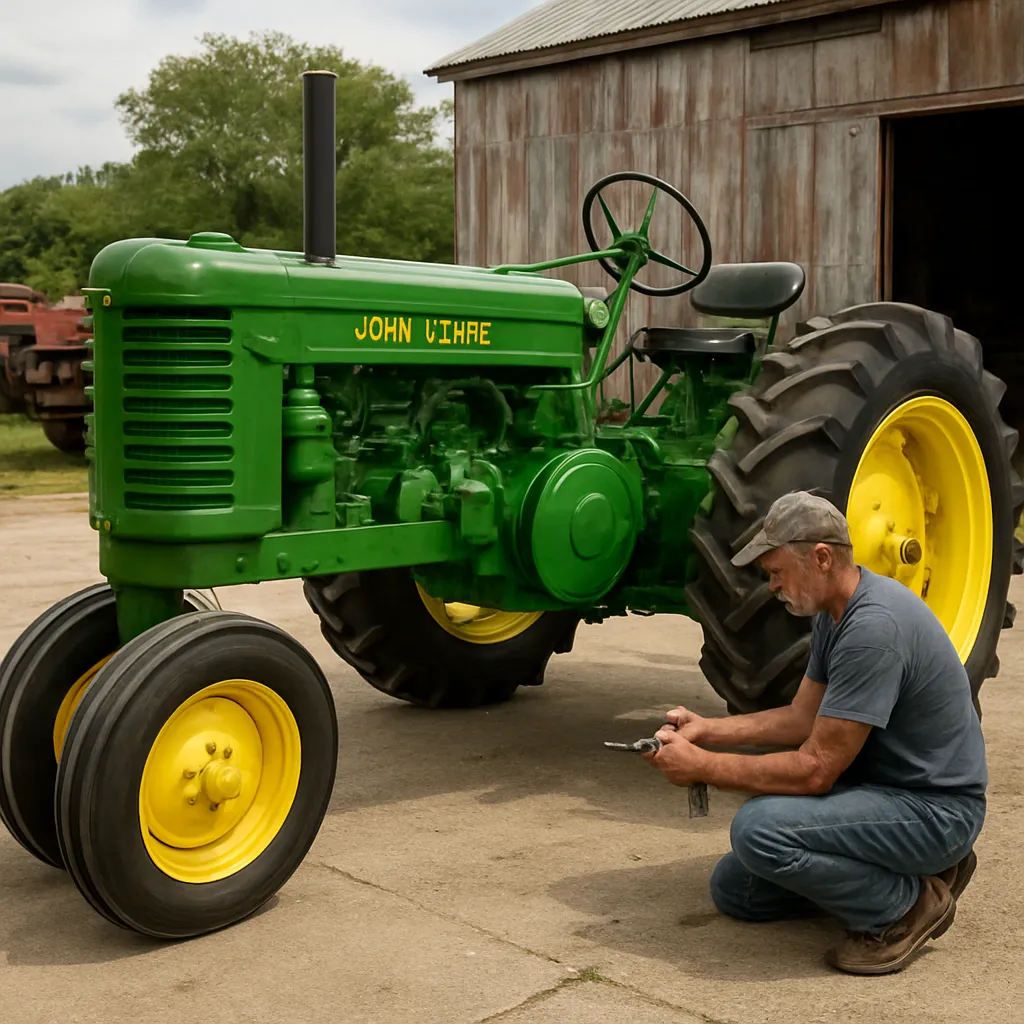
Early agricultural machinery emerged in the late 19th century, replacing horse-drawn plows with steam-powered traction engines. Although bulky and inefficient, these pioneers laid the groundwork for future developments. By the 1920s, internal combustion engines replaced steam boilers, giving birth to the first true tractors. Manufacturers like Fordson and International Harvester introduced compact models that revolutionized farm work. Despite modest horsepower, they proved the potential of mechanized farming.
Advancements Toward Colossal Machines
Post-World War II demand for greater productivity spurred innovations in engine design, hydraulics, and drivetrain systems. By the 1970s, four-wheel drive models appeared, providing unparalleled traction on diverse terrain. Engineers pushed boundaries by enlarging frames and adding turbochargers. The 21st century saw the rise of ultra-powerful tractors, boasting over 600, 800, and even 1,000 horsepower. These beasts tackled deep tillage and heavy implements that were previously the domain of multiple smaller machines.
Modern Powerstars: The Largest Tractors in Operation
Top Contenders for Size and Power
- Big Bud 747: Often hailed as the world’s largest farm tractor, the Big Bud 747 features an 825-hp Detroit Diesel engine and weighs over 100,000 pounds.
- Fendt 1167 Vario: This German marvel delivers 673 hp, advanced CVT transmission, and unparalleled efficiency in fuel consumption.
- Case IH Steiger Quadtrac 620: Known for its quad-track system, it generates 620 hp with enhanced traction and reduced soil compaction.
- John Deere 9620R: A flagship 620-hp two-tracked giant with cutting-edge hydraulics and integrated precision farming tools.
Key Specifications and Records
These tractors are defined not only by their raw power but also by their massive weight, specialized tires or tracks, and advanced telemetry systems. For example, Big Bud’s colossal fuel tank holds over 400 gallons, allowing days of uninterrupted work. Some models now feature track widths exceeding 60 inches, granting exceptional ground contact and reducing slippage. Manufacturers routinely publish spec sheets boasting torque ratings above 2,500 lb-ft and top speeds over 25 mph, challenging the notion that bigger always means slower.
Tractor Pull and Power Competitions
How Tractor Pulling Events Work
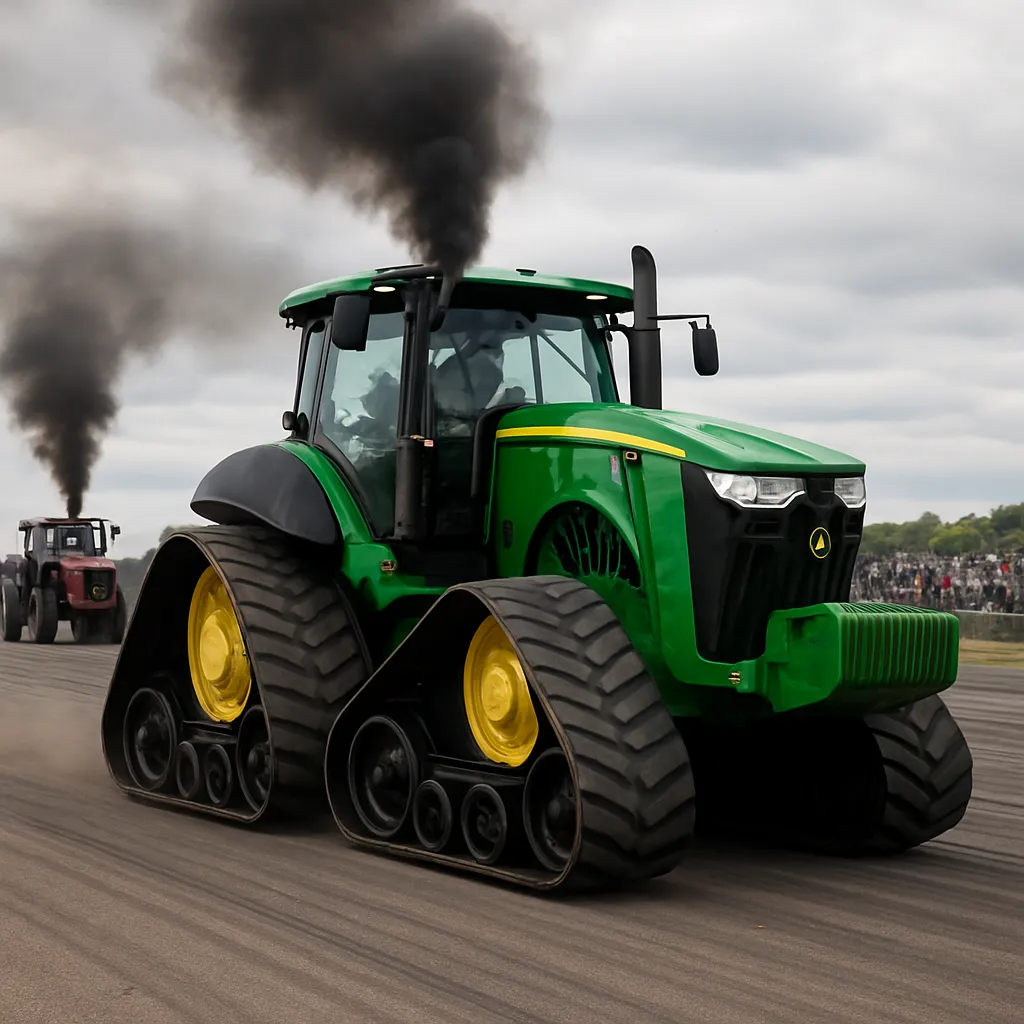
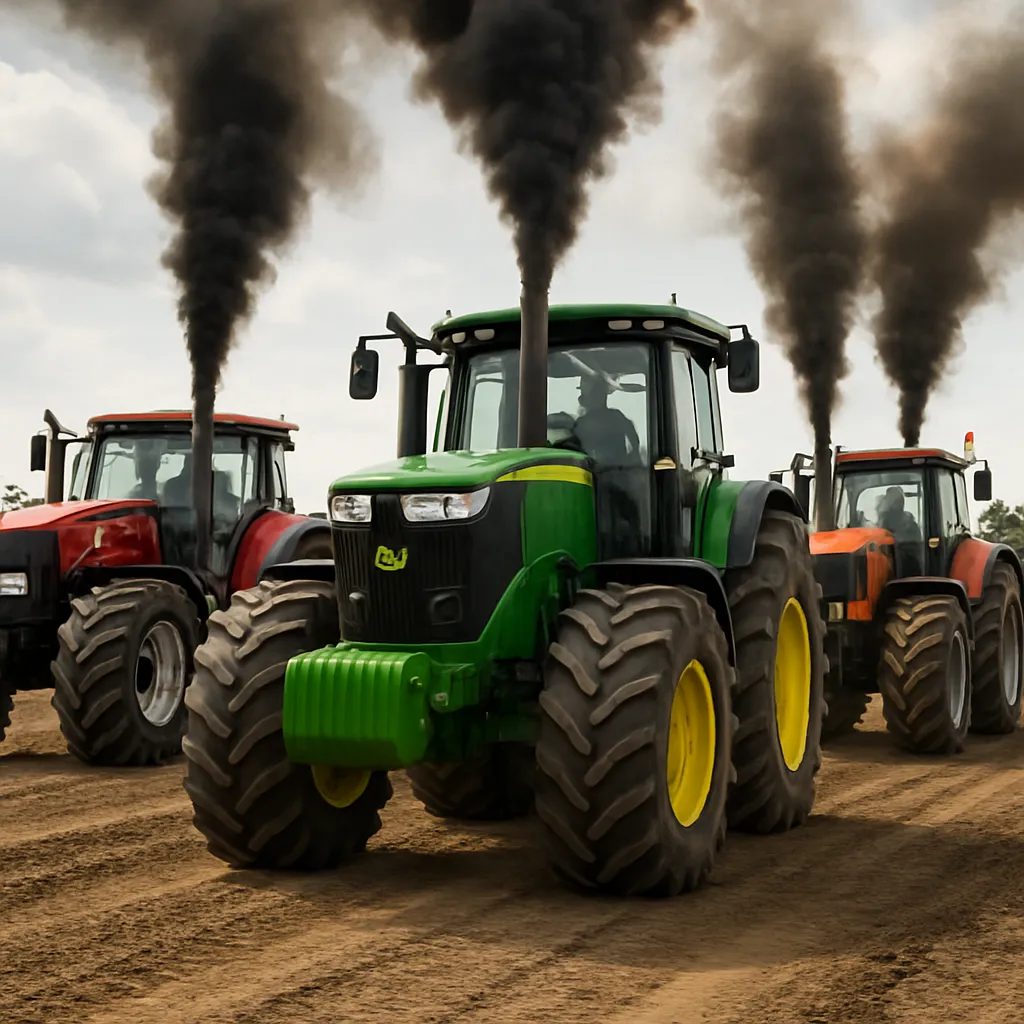
Tractor pulling pits machines against an ever-increasing load, typically a weighted sled on rails. As the tractor moves forward, a mechanism transfers weight from the sled’s rear to its front, creating mounting resistance. Competitors aim to pull the sled as far as possible along a 100-meter track. Classes range from stock production tractors to highly modified “open” divisional beasts, often equipped with multiple engines or nitrous oxide injection. The spectator appeal lies in raw performance, thundering engines, and dramatic attempts to conquer massive resistance.
Famous Competitions Around the Globe
- United States Pulling Association (USPA): Hosts national events across the Midwest, drawing tens of thousands of fans each summer.
- British Tractor Pulling Championship (BTPC): The UK’s premier pulling series, featuring classes for everything from garden tractors to unlimited superstock machines.
- European Prostock Tractor Pulling (EPTP): A continental circuit where champions earn points through a series of events in Germany, Poland, and the Czech Republic.
- Australian Tractor Pulling Series (ATPS): Showcases modified harvesters and traditional tractors on both dirt and synthetic tracks.
Engineering Marvels Behind the Beasts
Engine and Transmission Systems
At the heart of every giant tractor lies an intricate powertrain. Modern diesels feature multiple turbochargers, intercoolers, and electronic fuel injection to maximize efficiency and meet stringent emissions standards. Transmissions range from stepped automatic gearboxes to infinitely variable drives (IVT), providing smooth, continuous acceleration under load. Advanced torque converters and dual-clutch systems ensure near-instantaneous power delivery. Some bespoke pulling tractors use dual or triple engine setups, synchronizing outputs via custom drivetrain linkages.
Traction and Tread Design
To harness epic torque without spinning, designers employ wide tracks or oversized dual tires. Tracks distribute weight over a larger footprint, minimizing soil compaction and enhancing grip on loose or wet ground. Tread patterns are optimized using computer-aided design (CAD) and material science, balancing durability against the need for self-cleaning performance. Tire compounds combine reinforced sidewalls with flexible tread blocks, offering resilience against punctures and improved traction in muddy or rocky conditions.
Future Trends and Innovations
Alternative Fuels and Electrification
The push toward sustainability has spurred research into biofuels, hydrogen combustion, and fully electric tractors. Prototypes like electric drivetrains with giant battery packs demonstrate that quiet, zero-emission tractors are on the horizon. Hydrogen fuel cells promise higher energy density and fast refueling, while biogas conversions offer a pathway for farms with on-site methane production. These advances could redefine working density and operational costs in the next decade.
Automation and Smart Farming Integration
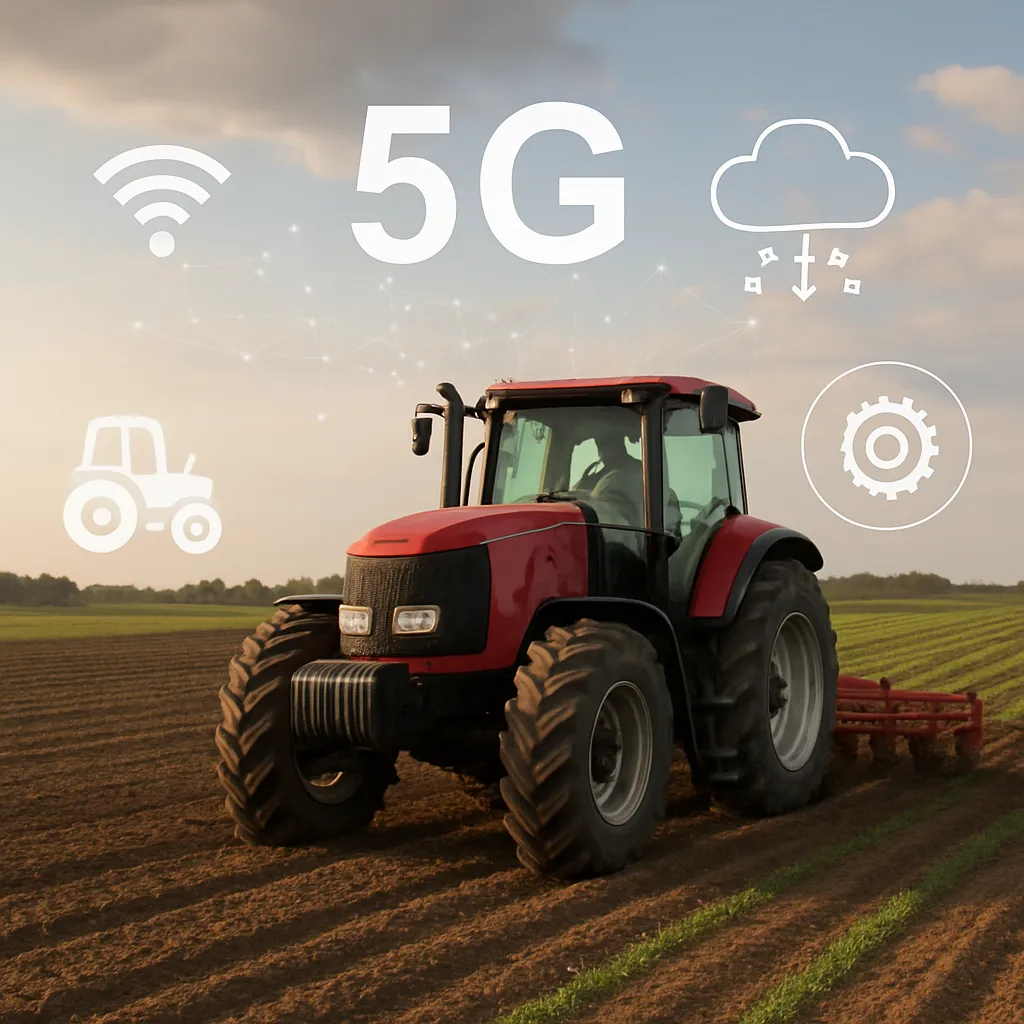
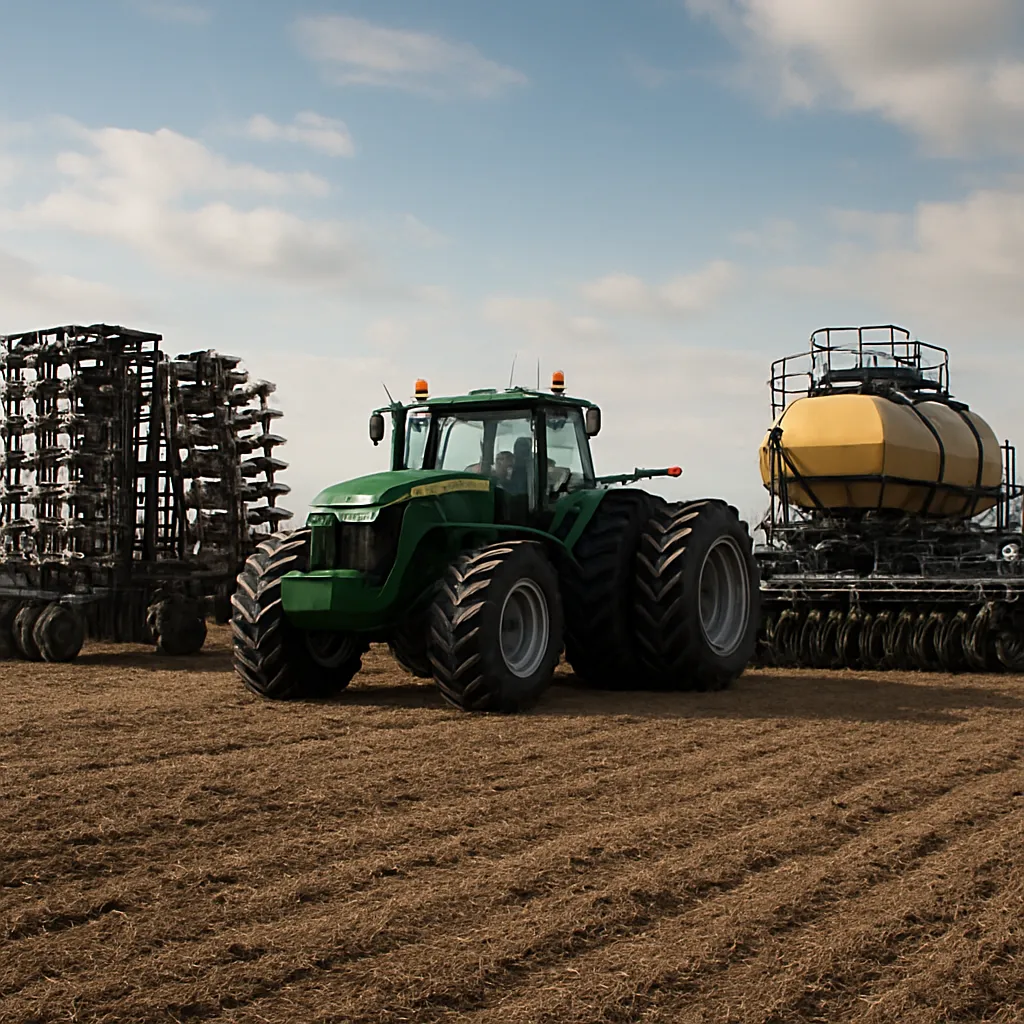
Giant tractors are increasingly integrated with precision agriculture technologies. Real-time GPS guidance, variable rate application systems, and autonomous steering allow single operators—or even fully driverless operation—to manage massive implements across thousands of acres. Sensors monitor soil moisture, nutrient levels, and machine health, feeding data into AI platforms that optimize tasks and predict maintenance needs. This convergence of hardware and software elevates tractor pulling from a pure strength contest to a showcase of innovation in modern farming.