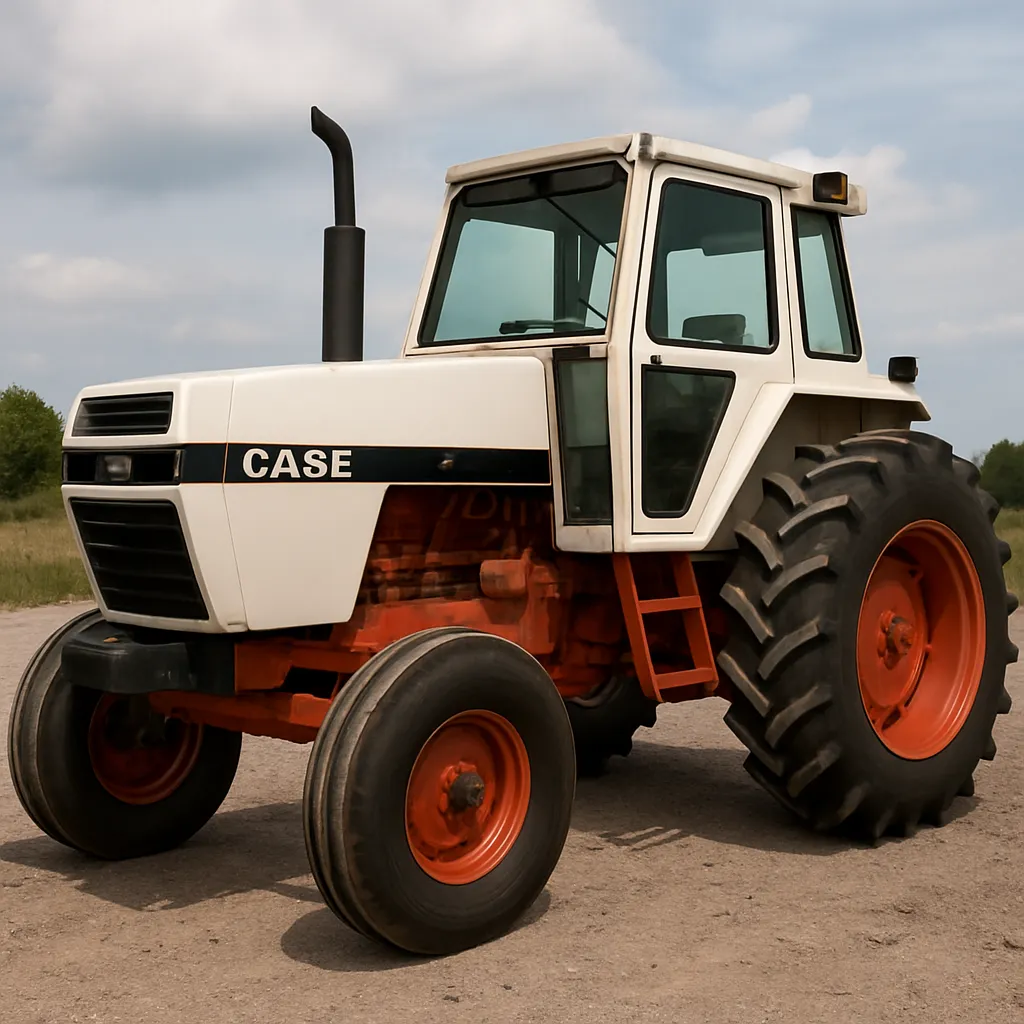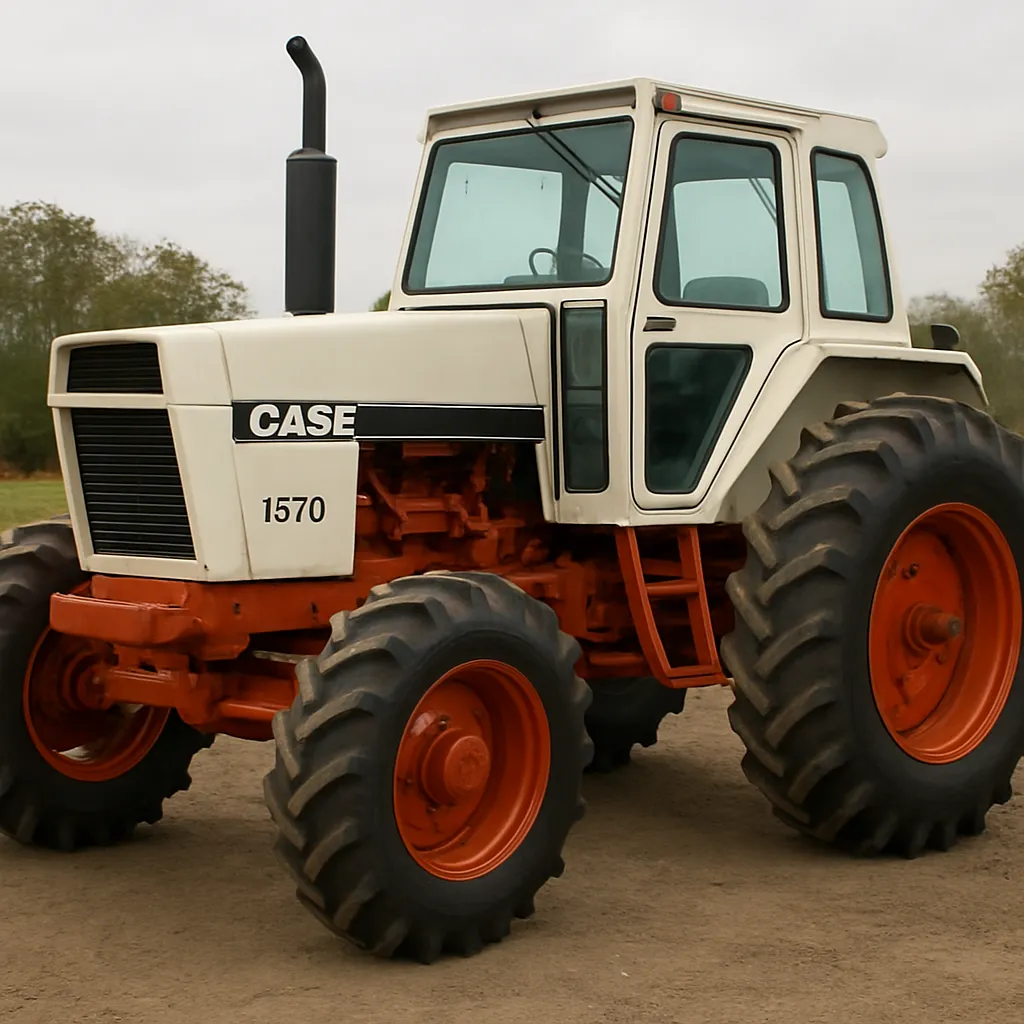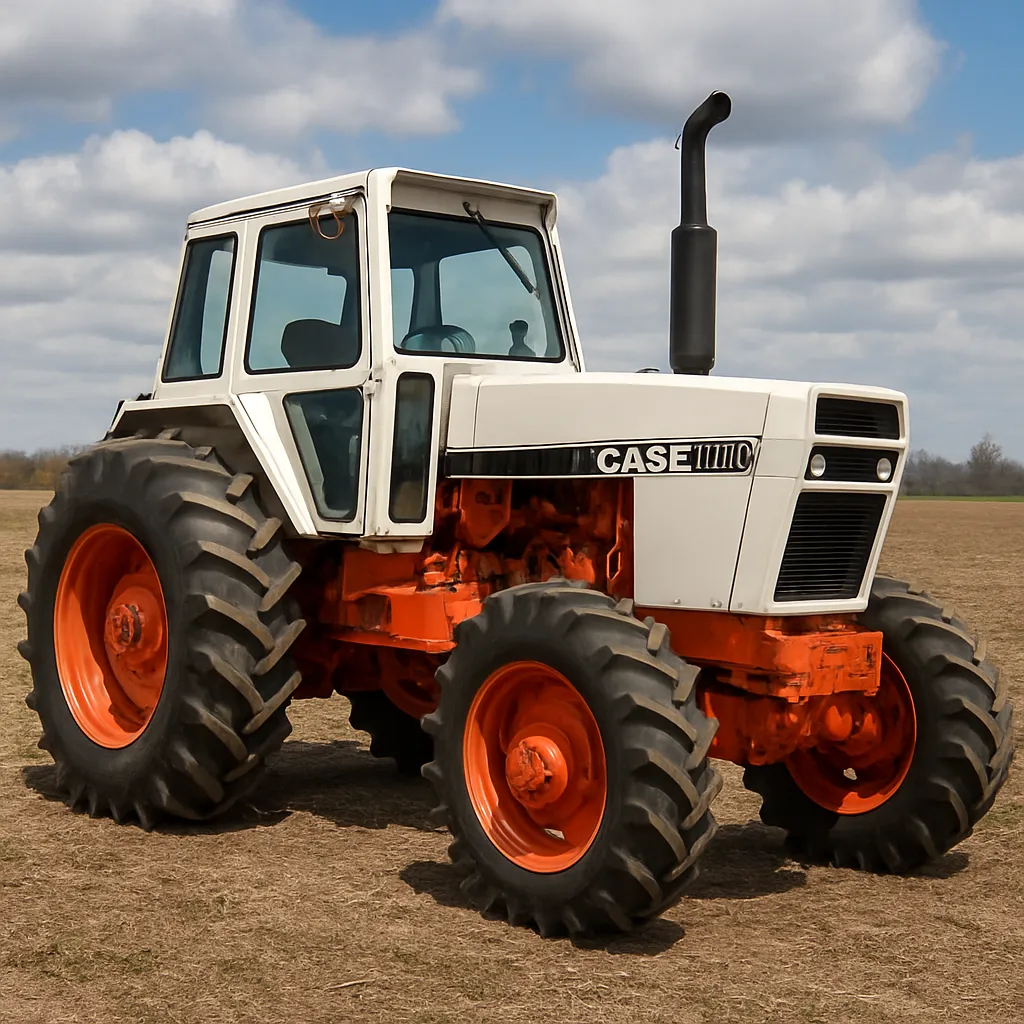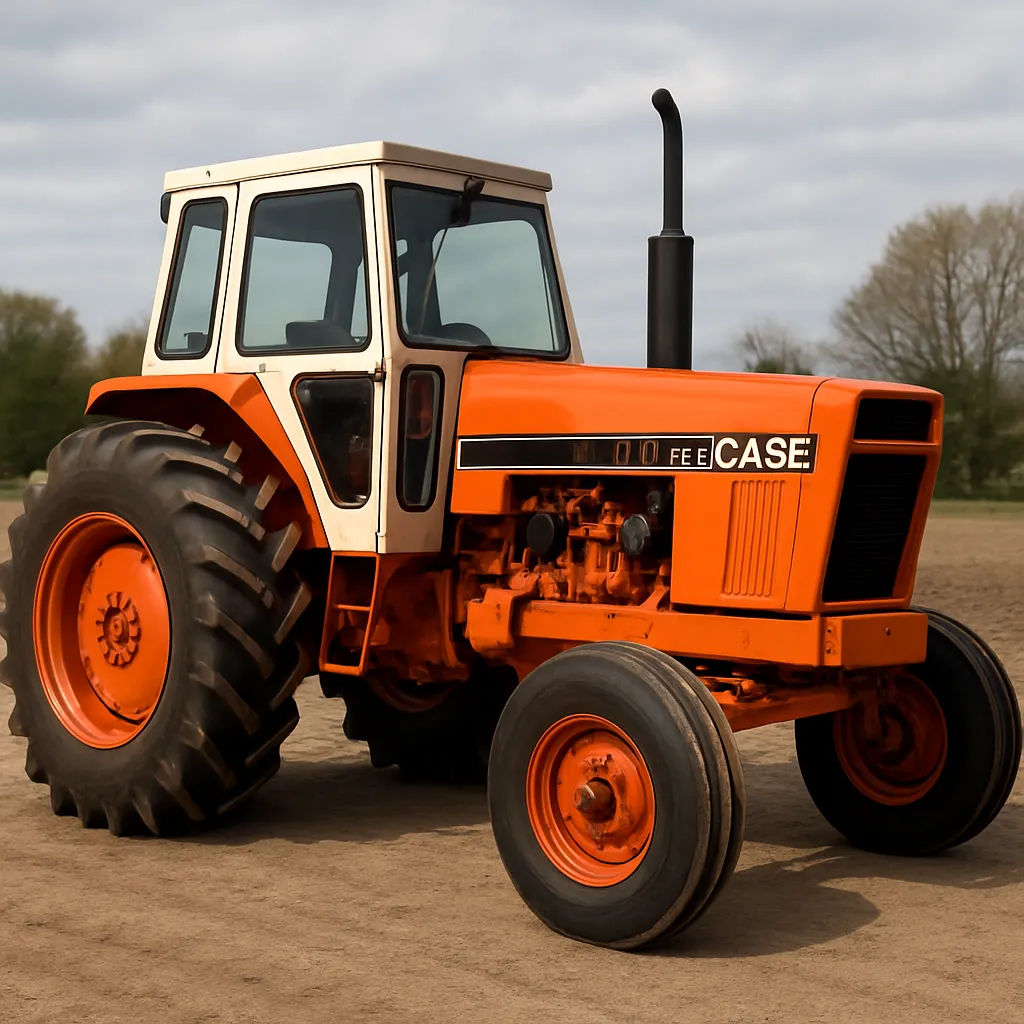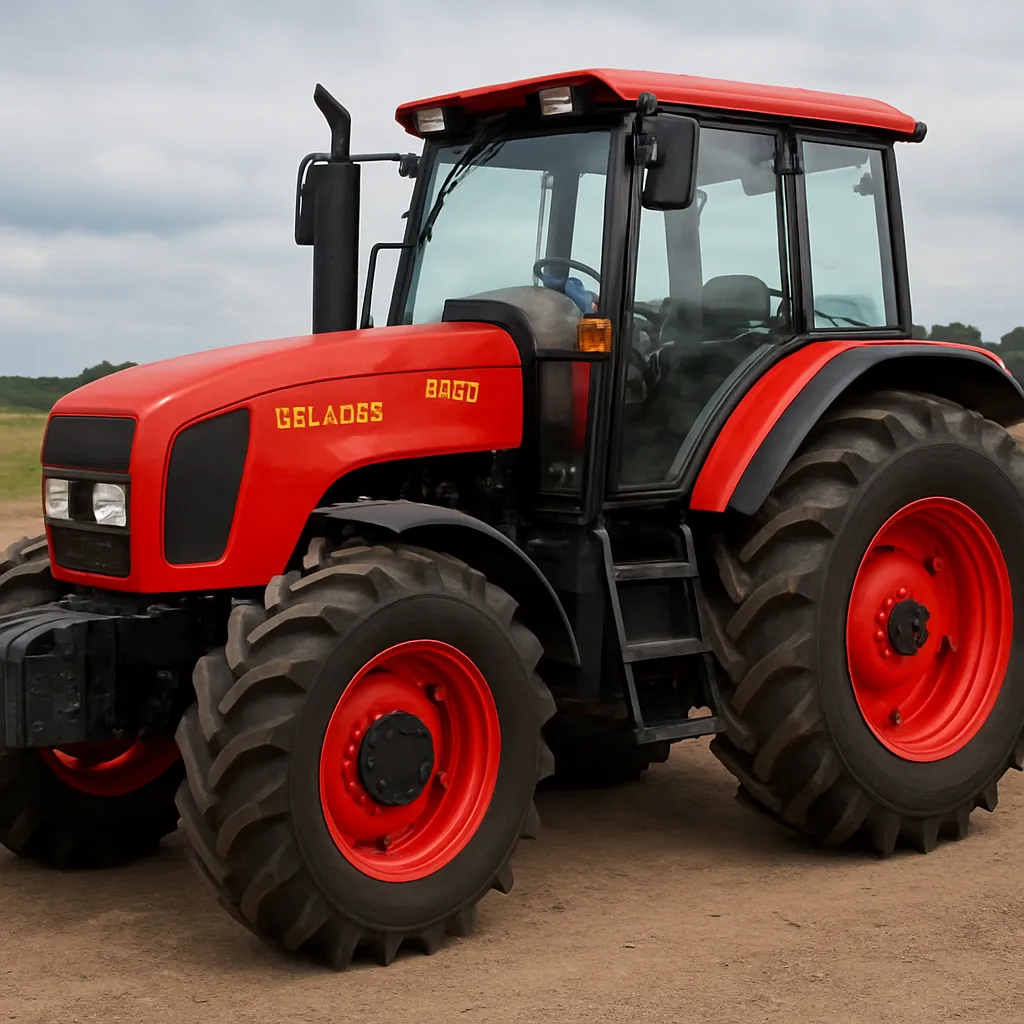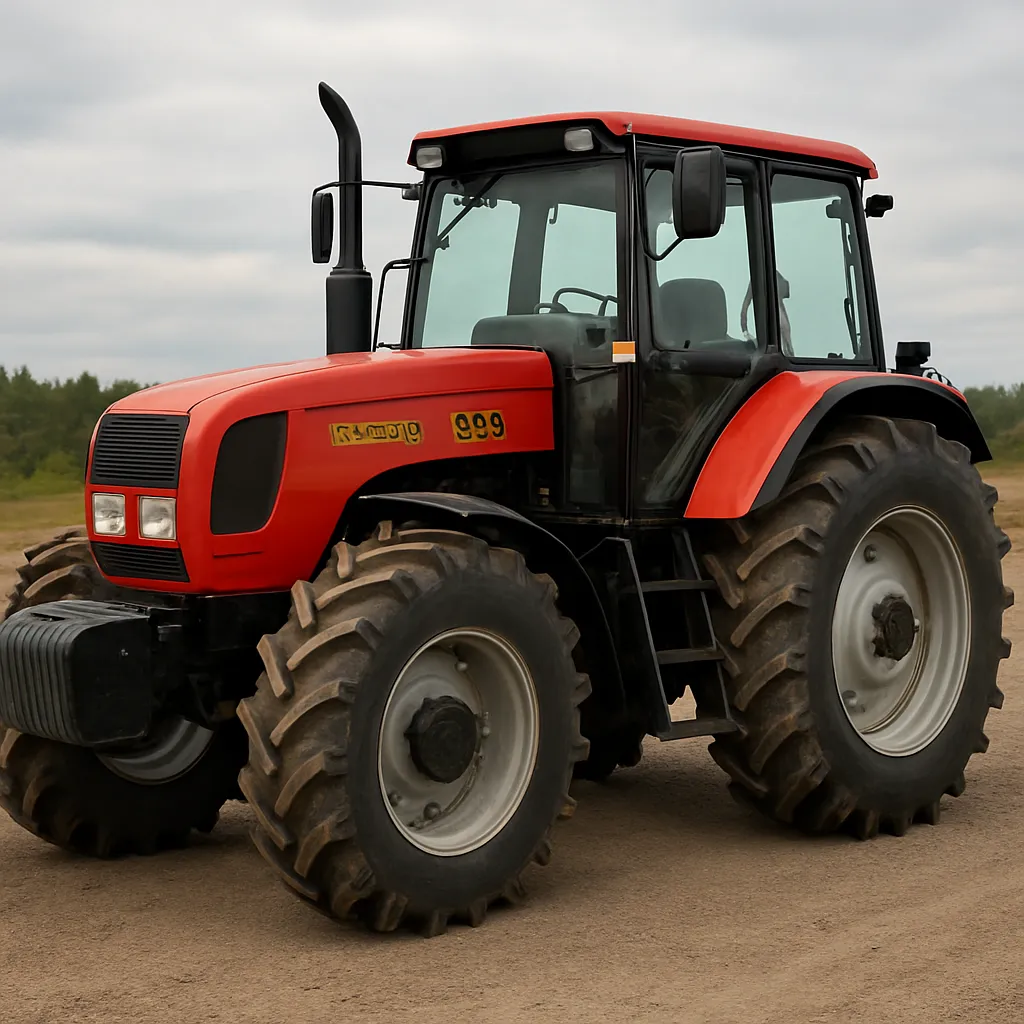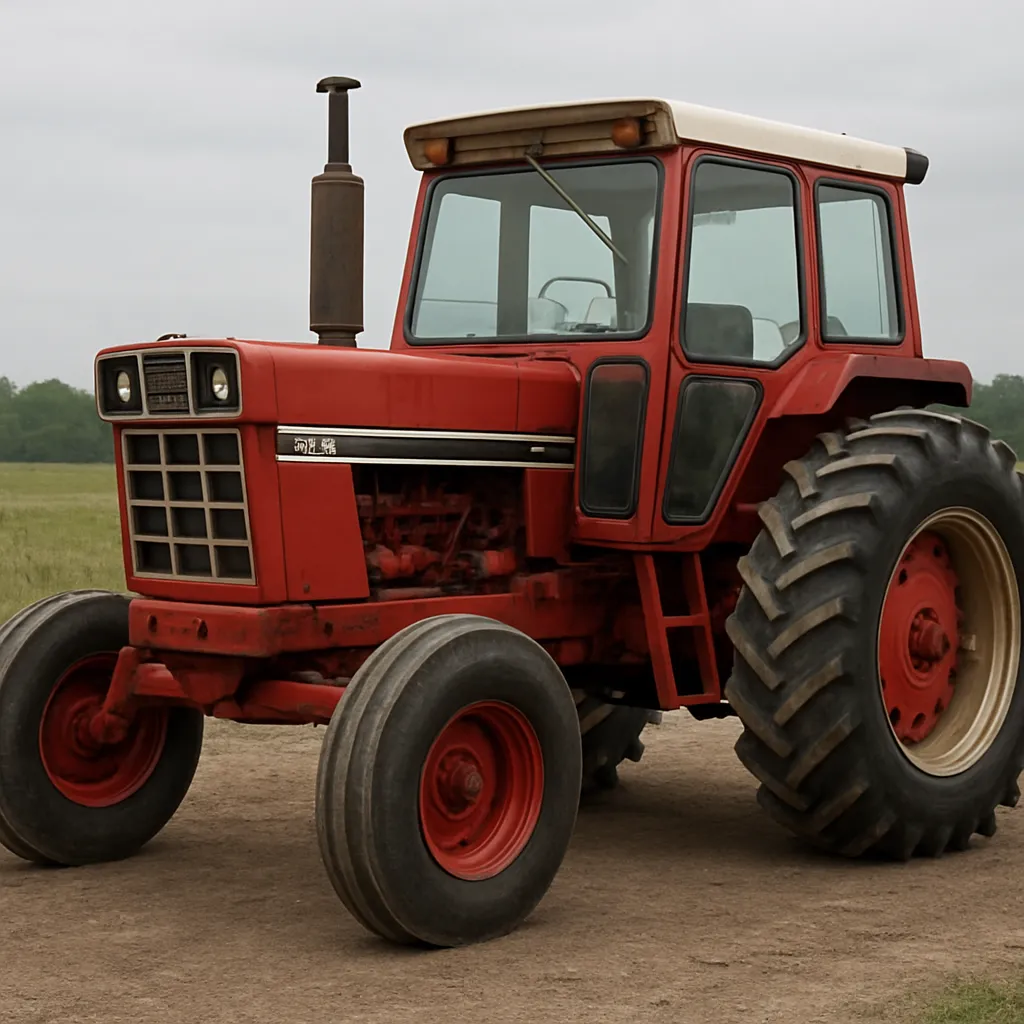
The International Harvester 1568 is a robust, work-oriented agricultural tractor whose reputation among farmers and contractors is built on simplicity, durability, and serviceability. Although exact specifications and configurations can vary depending on year, market, and factory options, the 1568 fits into the middle-to-upper power range for utility and row-crop work. In the sections below, you will find historical context, common technical characteristics, practical applications, maintenance guidance, and considerations for purchase or restoration. Where exact numbers are uncertain or vary by build, I provide commonly reported ranges and explain why variations occur.
History and context
The story of the International Harvester 1568 is best understood against the broader backdrop of International Harvester (IH) and the evolution of agricultural machinery in the second half of the 20th century. International Harvester, a leading American agricultural equipment manufacturer, produced many series and models to meet the diverse needs of modern farming. The 1568 was designed to occupy a niche where substantial power was needed without the complexity of full-liner, heavy-duty industrial tractors.
During the era when the 1568 was marketed, demand was shifting toward machines that offered a balance between raw pulling power and fuel economy, coupled with operator comforts that reduced fatigue over long field days. Manufacturers responded with tractors featuring turbocharged diesel engines, improved hydraulics, and multiple transmission options. The 1568’s place in IH’s lineup reflected this trend: a versatile, mid- to high-powered model useful for both fieldwork and auxiliary tasks around the farm or job site.
Durability and serviceability were guiding principles of the design. International Harvester historically emphasized straightforward mechanical systems that independent technicians and farm mechanics could maintain with modest tooling. That approach made models like the 1568 attractive to operations that valued long service life and easy parts access.
Typical technical characteristics and specifications
Exact specifications for the International Harvester 1568 vary by production year, market (North America, Europe, etc.), and optional equipment. The figures below represent commonly reported or typical ranges; consult a serial-number-specific manual or a trusted dealer for precise data for a particular unit.
- Engine: Turbocharged diesel, inline 6-cylinder; typical displacement range 6.0–8.0 liters depending on tune and market.
- Horsepower: Rated engine horsepower commonly reported in the range of about 140–170 hp (gross). PTO horsepower typically falls somewhat lower — frequently 110–140 hp at the PTO depending on drivetrain losses.
- Transmission: Options often include multiple forward and reverse speeds with choices such as synchronized gearboxes, partial power shift, or full power shift variants; many configurations provide a wide speed range suitable for fieldwork and transport.
- PTO: Rear PTO standard with selectable 540 and sometimes 1000 rpm; PTO torque and usable power depend on engine rating and transmission configuration.
- Hydraulics: Closed- or open-center hydraulic systems with multiple remote valves available; typical pump flow in tractors of this class ranges from approximately 60–120 liters per minute (L/min) depending on options, allowing for heavy implement control and loader work.
- Weight: Operating weight typically ranges from roughly 4,000–8,000 kg (8,800–17,600 lb), depending on cab, ballast, front-end equipment, and agricultural vs. industrial configurations.
- Steering: Power steering with adjustable response; some units may feature front-wheel assist or four-wheel drive options for improved traction.
- Cab and controls: Ranged from open-station or basic enclosed cabs to more comfortable, insulated cabs with heating and ventilation. Ergonomics improved over earlier IH models, though not as plush as later-generation designs.
Why ranges? Because manufacturers often offered multiple options (e.g., turbocharged vs. intercooled; different transmissions; factory vs. dealer-installed hydraulic packages) and export markets sometimes had different tuning or safety equipment. Restored or modified tractors may also present altered specifications compared to original factory settings.
Applications and common uses
The 1568 is designed for versatility. Across farms and small contractors’ fleets, it excels in roles that require continuous, dependable power as well as flexibility. Key application areas include:
- Row-crop farming: The tractor’s horsepower and torque characteristics make it suitable for pulling medium-to-large cultivators, planters, and mid-sized tillage implements. Adjustable hitch heights and hydraulic control ease implement integration.
- Tillage and primary cultivation: Paired with multi-share ploughs, disk harrows, or subsoilers, a tractor in this power class can handle cutting and mixing duties for medium- to large-acreage farms.
- Hay and forage operations: Mowing, raking, baling, and forage harvesting tasks benefit from the consistent PTO output and hydraulic capacity for bale handling and loader attachments.
- Loader and material-handling: With a front loader, the 1568 can be used for feed handling, manure moving, loading trailers, and light construction tasks. Robust lift capacity allows efficient operation at the barn or yard.
- Transport and field work: Whether moving equipment between fields or hauling grain and feed, a strong transmission and comfortable driving station make the 1568 a capable hauler.
- Specialty and industrial conversions: Some units find second lives in road maintenance, municipal tasks, forestry (with protective guards and conversion kits), or as power sources in pumping and stationary applications.
In short, the 1568 is often chosen where a single machine must handle a diverse set of tasks rather than being specialized for one narrowly defined job.
Operational characteristics and real-world performance
Owners of the 1568 commonly report that the tractor performs reliably under load, with responsive torque delivery and favorable fuel economy for its class. Practical performance notes include:
- Torque at low RPM: The diesel engine typically offers good low-end torque, which is crucial when working with PTO-driven implements or pulling heavy tillage equipment from a standing start.
- Transmission feel: Depending on configuration, operators may experience smooth shifts in power-shift models or a more mechanical, positive feel in synchromesh gearboxes. The range of forward speeds makes it suitable for both field and road speeds.
- Hydraulic responsiveness: With adequate hydraulic flow and well-maintained systems, implement response is solid. For heavy hydraulic implements like large planters or complex seeders, higher-flow hydraulic packages are beneficial.
- Comfort: While not ultra-modern, the ergonomics and cab options available during the 1568’s production aimed to reduce operator fatigue with better seating, controls placement, and sound-deadening than earlier tractors.
Maintenance, reliability, and common issues
International Harvester machines are often prized for ease of maintenance. Typical maintenance guidance and common service points for the 1568 include:
- Regular oil and filter changes: Diesel engines in continuous-use machines require consistent oil and filter service intervals. Following recommended intervals extends engine life and maintains performance.
- Fuel system care: Clean fuel filters and periodic inspection of injection pumps and injectors are important, especially if using lower-quality diesel or when moisture contamination is possible.
- Cooling system: Radiator, hoses, and water pump should be inspected seasonally. Debris buildup in front-mounted radiators can lead to overheating under heavy loads.
- Hydraulic system: Monitor hydraulic fluid levels and filters; check hoses and seals for wear. Hydraulic leaks are not uncommon in older units and should be addressed promptly to avoid damage and inefficiency.
- Transmission and driveline: Keep driveline U-joints lubricated; check power shift transmissions for proper fluid levels and condition. Grit and interrupted shifts often point to clutch or gearbox wear that requires attention.
- Electrical systems: Battery condition, charging system, and starter integrity affect reliable cold starts. Corrosion at terminals and poor grounds are typical aging issues.
Common issues reported by owners (not universal) include wear to clutch packs or synchromesh components in high-hour machines, leaking seals on hydraulic cylinders or pumps, and wear-related reductions in hydraulic flow or PTO effectiveness. Timely parts replacement and preventive maintenance usually restore performance without major overhauls.
Attachments and versatility
One of the 1568’s strengths is the ability to accept a broad variety of implements. Common attachments and configurations include:
- Front-end loaders for material handling and general farm chores.
- Rear three-point hitch implements such as cultivators, mowers, seeders, and balers.
- PTO-driven implements: rotary cutters, balers, planters, and pumps.
- Three-point mounted snow removal and grader attachments for municipal work.
- Specialized kits for forestry guards, orchard protection, or narrow-track conversions for specialty crops.
Because the 1568 was built with multiple hydraulic and hitch options, it could be configured specifically for the tasks an individual operation needs, improving long-term utility and resale value.
Market, resale value, and collectibility
The market for older International Harvester tractors is influenced by factors such as hours of use, maintenance history, presence of original parts, and overall condition. Tractors like the 1568 that are well-maintained and have service records tend to command better resale prices. Enthusiasts and small-scale farmers often seek these models because parts are relatively available and the mechanical layout is familiar to many technicians.
Collectibility: While the 1568 is not typically a headline collector’s model like limited-production or historically significant variants, a clean, original, or sympathetically restored example can be desirable to collectors of classic IH machinery. Factory-original paint, intact decals, and operational accessories add to collectible value.
When assessing value, consider:
- Operational hours and evidence of heavy use
- Condition of the engine, transmission, and hydraulics
- Presence of maintenance logs and original manuals
- Availability of replacement parts in your region
Buying tips and what to inspect before purchase
When evaluating a used International Harvester 1568, follow a systematic inspection process to avoid costly surprises. Key checks include:
- Start and warm-up: Listen for unusual noises from the engine, such as rod knock or excessive piston slap, and observe exhaust color (excessive smoke of various colors can indicate different problems).
- Hydraulics: Test remote valves, loader actions, and three-point hitch lift capacity. Look for slow response or slipping under load.
- Transmission: Check shifting in all gears and ranges; note any grinding, slipping, or delayed engagement.
- Leaks: Examine the engine, hydraulic pumps, axles, and transmission for oil or hydraulic fluid leaks.
- Electrical: Test lights, gauges, starter, and charging system; ensure consistent cranking and charging under load.
- Structural: Inspect for frame cracks, weld repairs, or excessive rust—especially near mounting points and the front axle.
- Attachments: If included, evaluate the condition and fit of loaders, loaders’ bushings, and implement mounting systems.
A thorough test drive with a combination of field-like loads and transport speeds provides the best overall indication of mechanical health. If you are not mechanically confident, bringing a trusted mechanic or technician for the pre-purchase inspection is strongly recommended.
Restoration and preservation
For owners interested in restoration, the International Harvester 1568 offers a rewarding project because of the model’s balance between complexity and practicality. Steps and considerations include:
- Documentation: Obtain a serial number plate, parts manual, and service manual specific to the tractor’s production run. Accurate documentation streamlines part sourcing and restoration decisions.
- Mechanical overhaul: Prioritize engine, transmission, and hydraulic systems. Address any internal wear, head gasket integrity, and injection system health.
- Cosmetic work: Matching original IH paint and decals contributes significantly to value. Careful preparation and correct color matching are important for a period-correct restore.
- Parts sourcing: Many IH parts remain available via aftermarket suppliers and salvage yards, but some trim or cab pieces might require custom fabrication.
- Upgrades vs. originality: Decide whether to modernize systems (electrical, safety, emissions-related) or maintain strict originality. Practical upgrades can improve usability while potentially reducing collectible value.
Safety and operator considerations
When operating the 1568, adhere to standard tractor safety practices. Although older models may lack some modern safety aids, basic measures greatly reduce risk:
- Rollover protection: Ensure an operational ROPS and seatbelt are in place and used.
- Visibility: Maintain clean windows, mirrors, and lighting for safe operation in low-light conditions.
- Hydraulic safety: Depressurize systems before performing maintenance; never place limbs near hydraulic rams under load.
- PTO safety: Use appropriate shields and never step over a spinning shaft. Always disengage PTO and shut down the engine before adjustments or hitching implements.
- Training: Ensure operators are trained to use the gearbox, brake system, and implements correctly.
Final thoughts and overview
The International Harvester 1568 is a practical, capable tractor that suits operations where a single machine must perform a wide variety of tasks reliably. Its blend of power, straightforward mechanical systems, and adaptability has kept it in service on farms and small contracting businesses long past its production years. While precise specifications vary by configuration and market, the general characteristics — solid diesel engine, robust hydraulics, and versatile transmission options — make the 1568 a dependable choice for fieldwork, material handling, and municipal or specialty applications.
Key strengths include durability, ease of maintenance, and broad versatility. Common considerations for prospective buyers focus on the condition of the engine, transmission, and hydraulic systems, as well as the availability of attachments that match the buyer’s intended uses. With attentive care and sensible upgrades where needed, an International Harvester 1568 can remain a productive asset for many years.